What We Will Not Take On
We're a door and opener outfit, not a general contractor. If your garage needs a new header beam, a widened opening cut into a load-bearing wall, or foundation work because the slab has settled under the track, that's a job for a licensed contractor first - we'll come back once the structure is sound. We also won't touch a door with asbestos-era panel material without the homeowner confirming it's been tested or abated; some of the pre-1960 outbuildings in this area still have original siding we won't disturb blind.
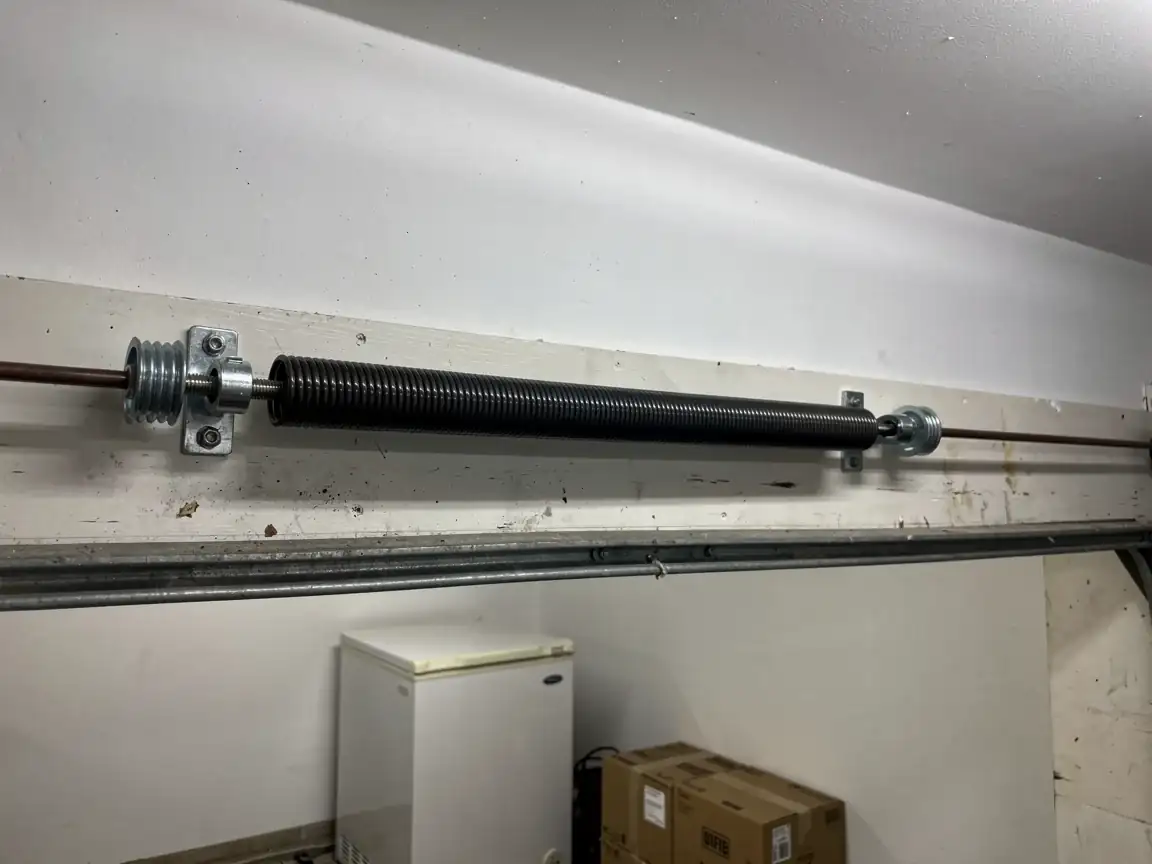
We don't carry every obsolete torsion spring wind size on the truck. Compton's older stock runs a lot of non-standard spring lengths that newer manufacturers stopped making, and if your door needs one of those, we may need a day or two to get the part rather than finish same-visit. We'll tell you that on the phone, not after we've opened the header.
What we do take on: broken springs, worn rollers and cables, bent track, opener swaps, and full door replacement when a repair isn't worth the money anymore. That's the bulk of the calls we get from this side of the service area, and it's what we're set up to handle well.
What That Means for Doors
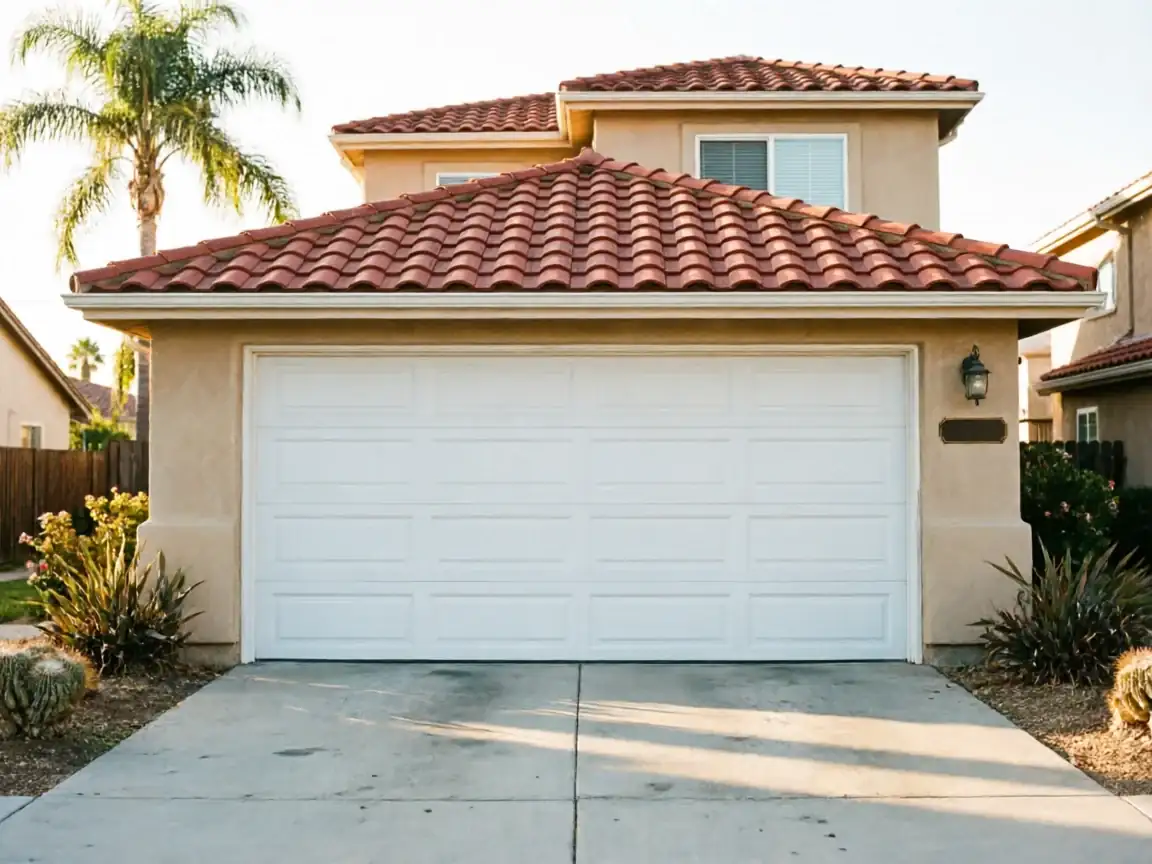
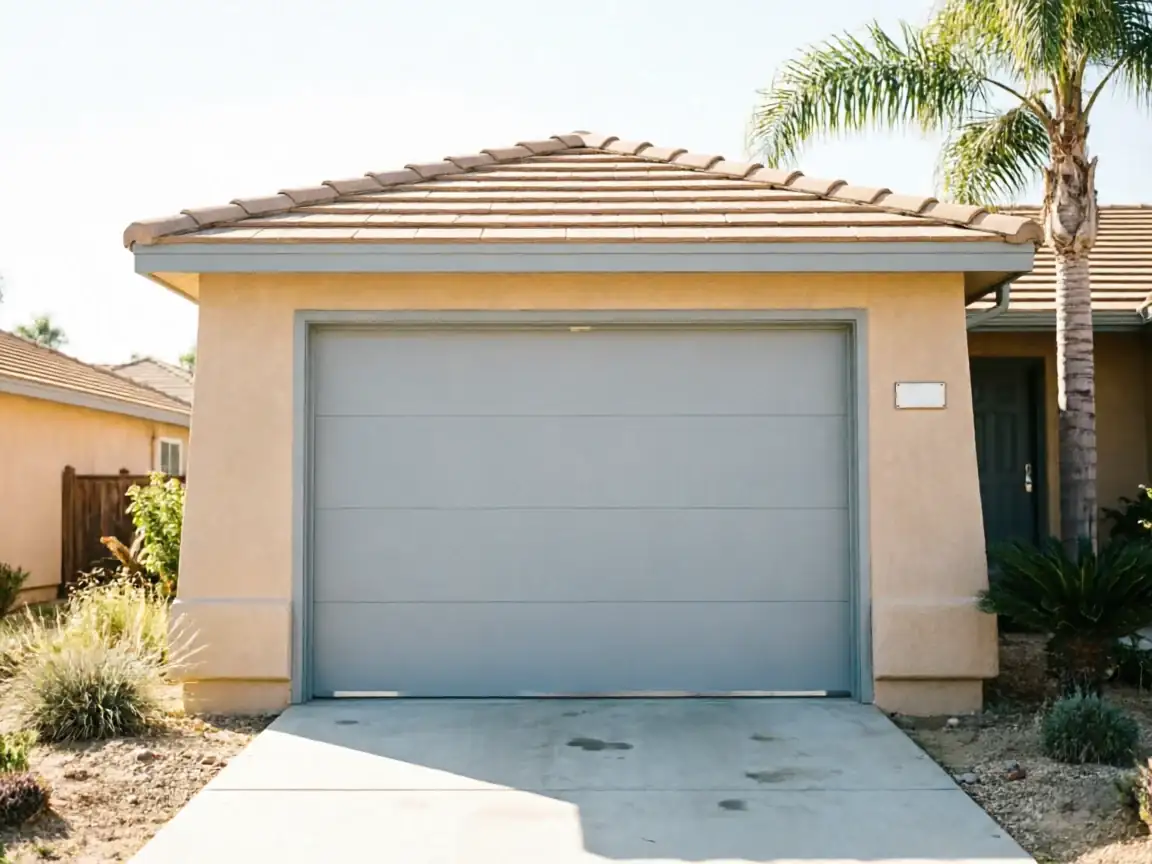
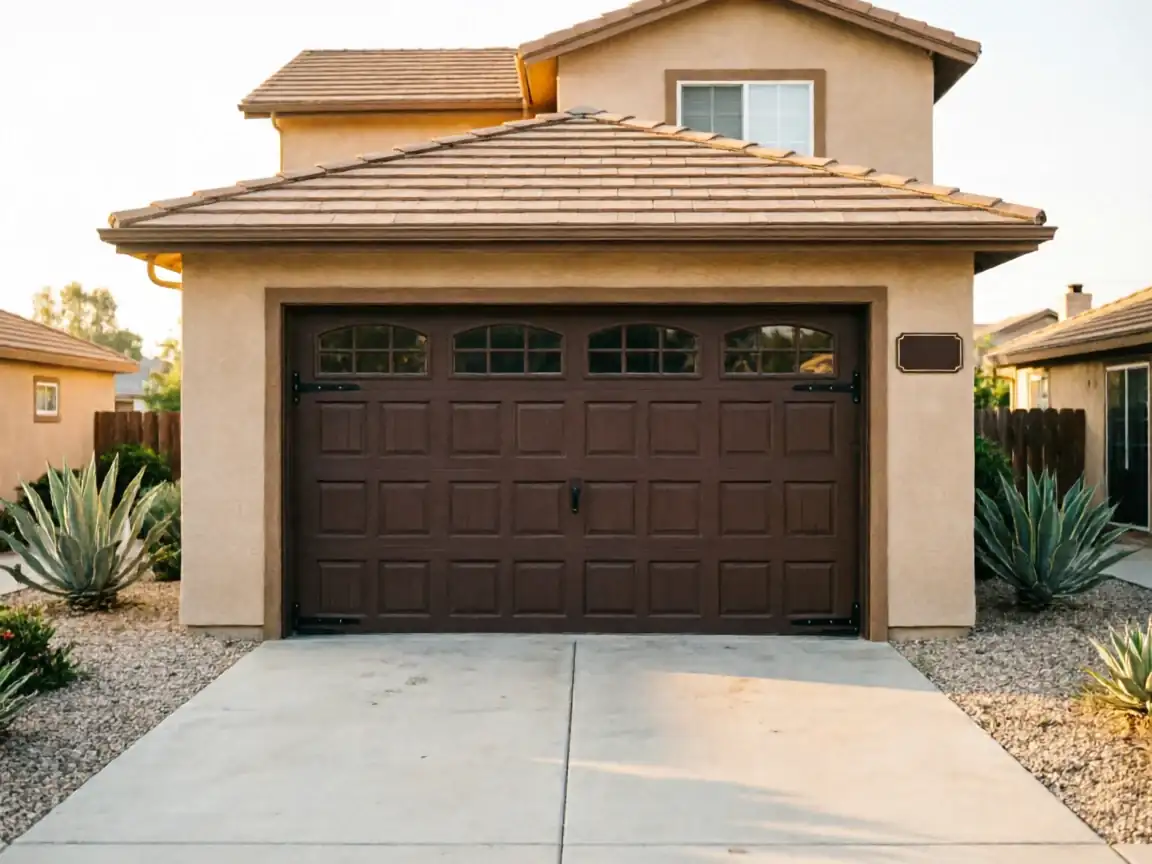
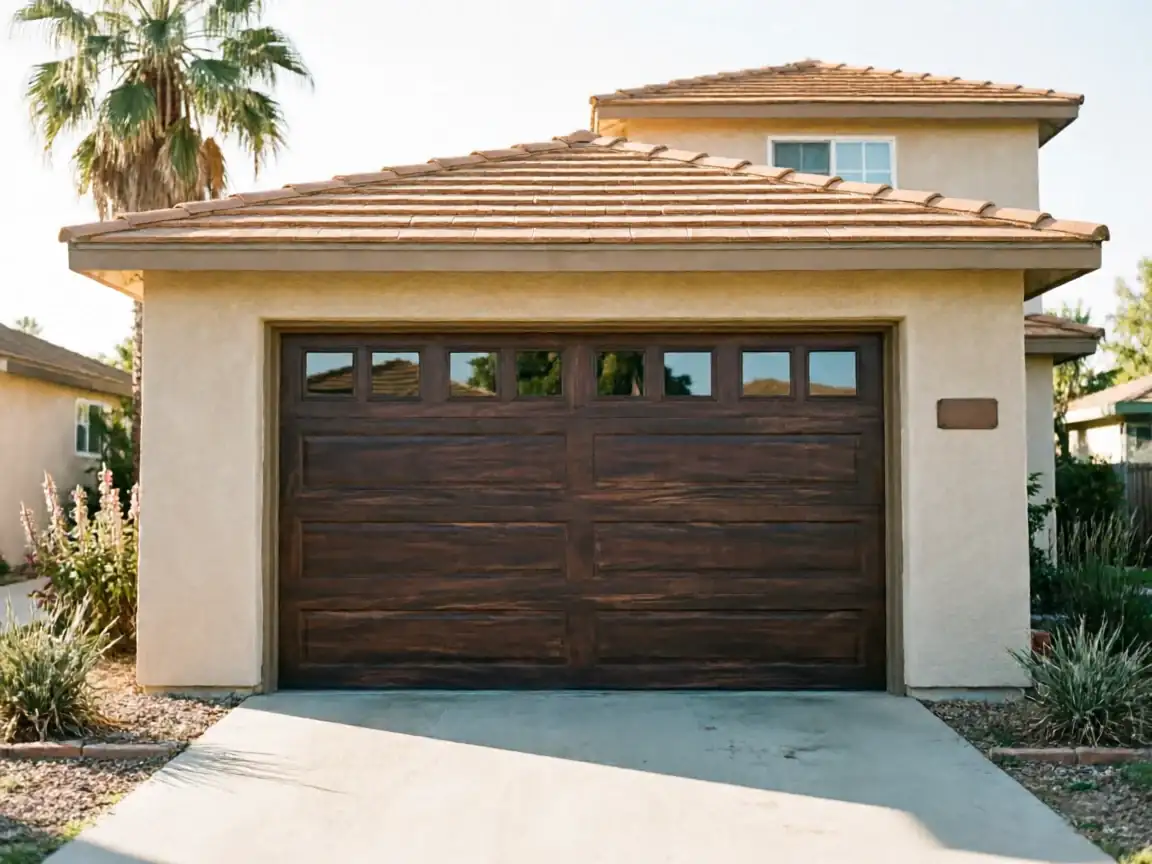
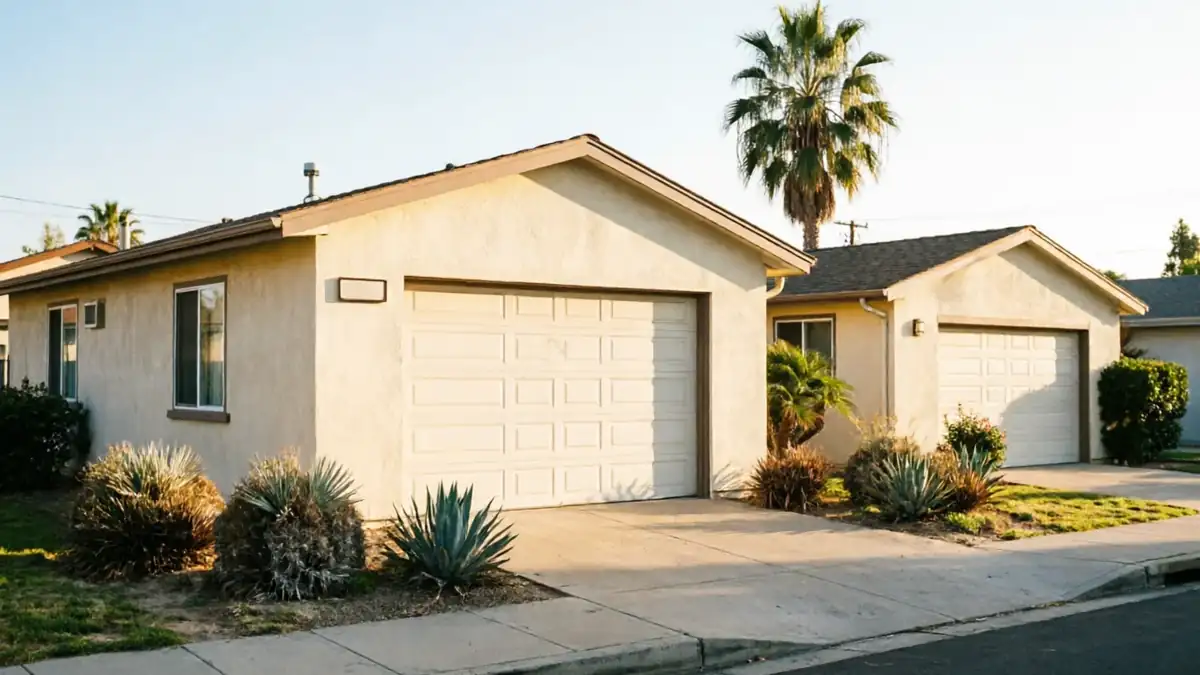
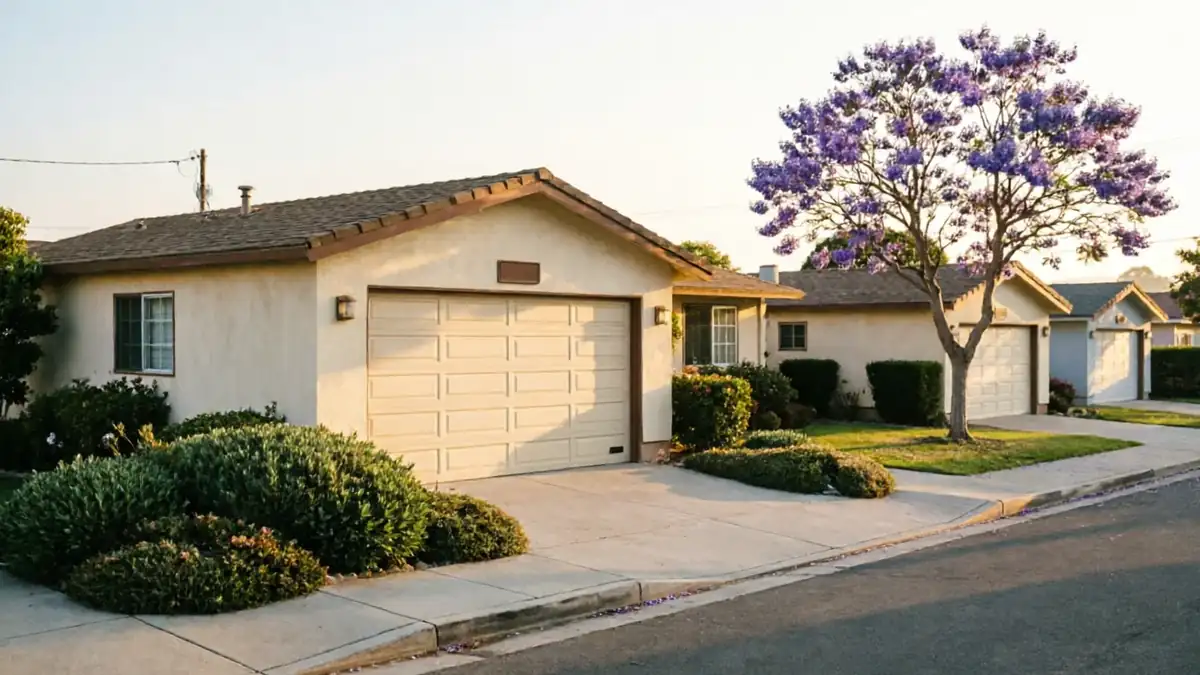
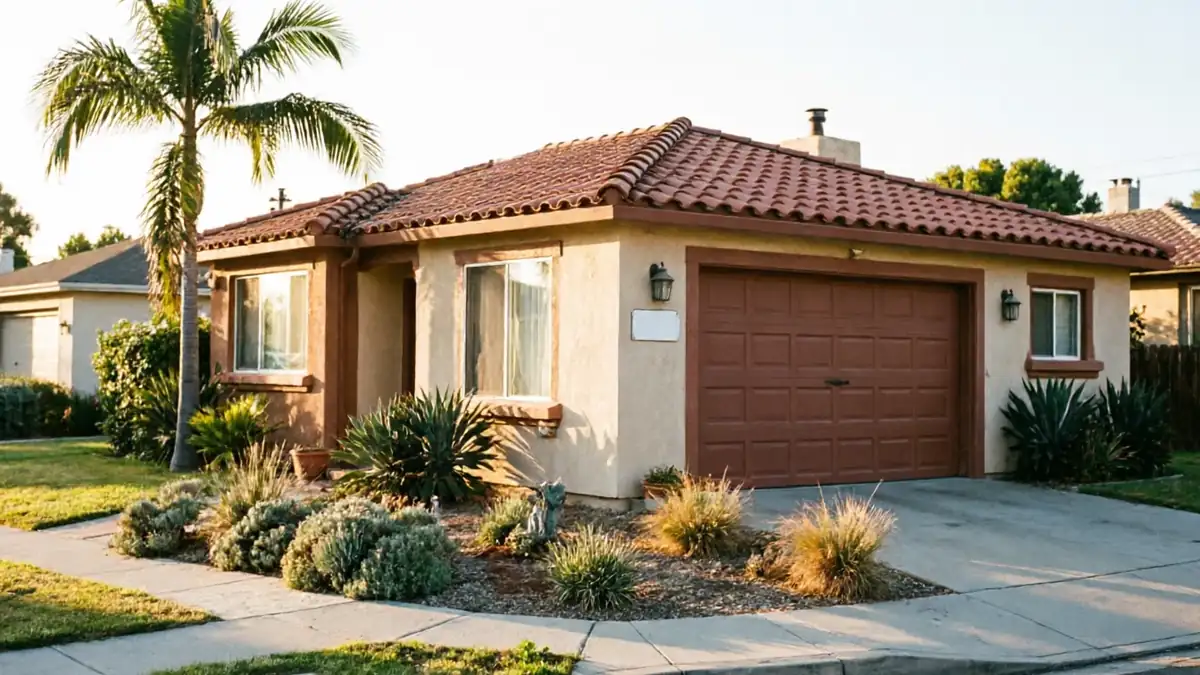
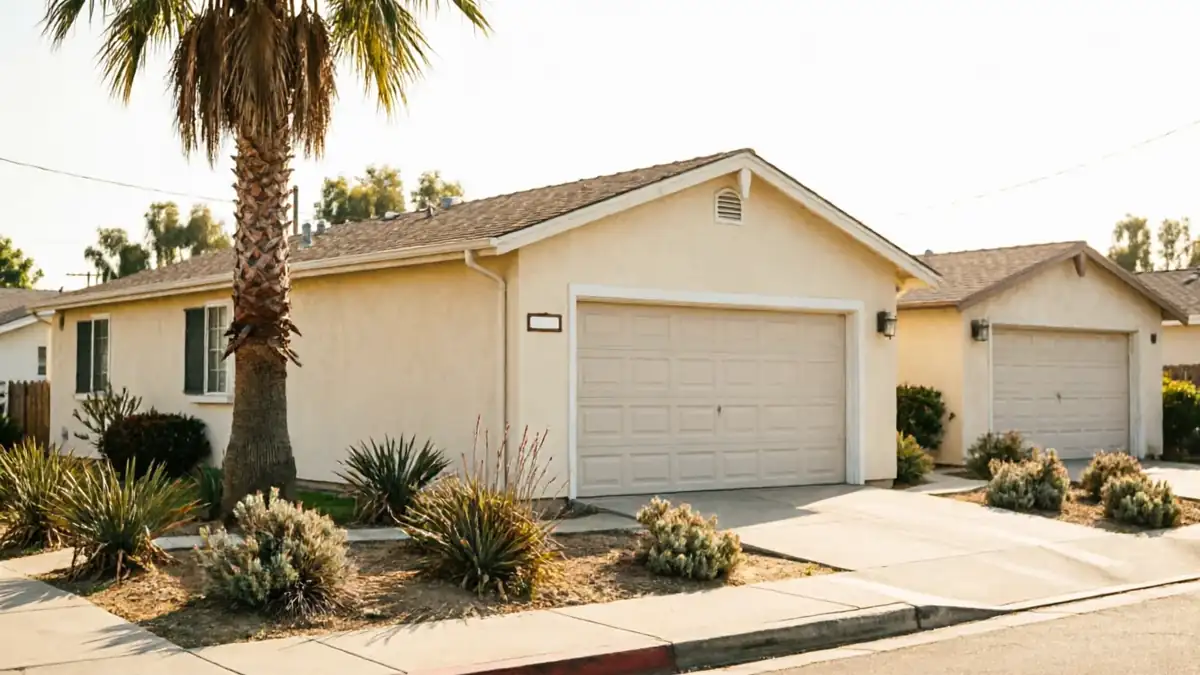
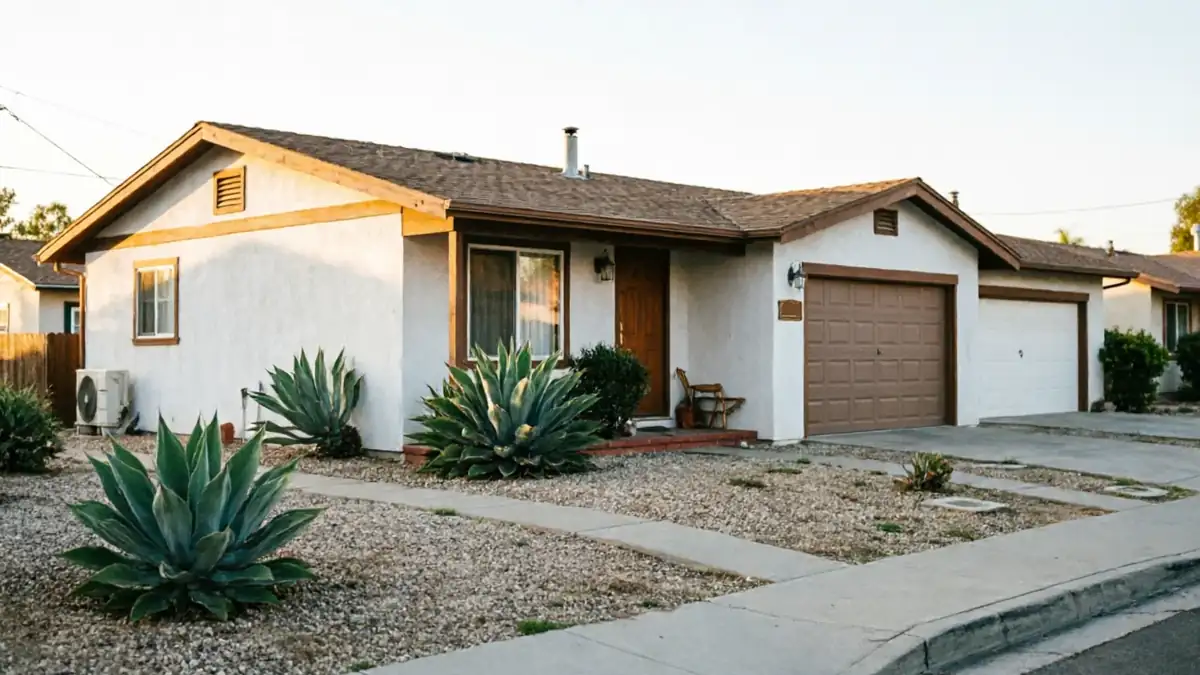
The median home here was built around 1957, a decade earlier than the broader service area's 1963 median, which matters more than it sounds like. Doors from that era are mostly original single-car widths on side-mounted torsion springs, not the center-mounted extension systems that showed up in later 1960s and '70s tract construction. That hardware is simpler, but the parts - particularly the spring size and the mounting brackets - aren't always what a big-box opener kit expects.
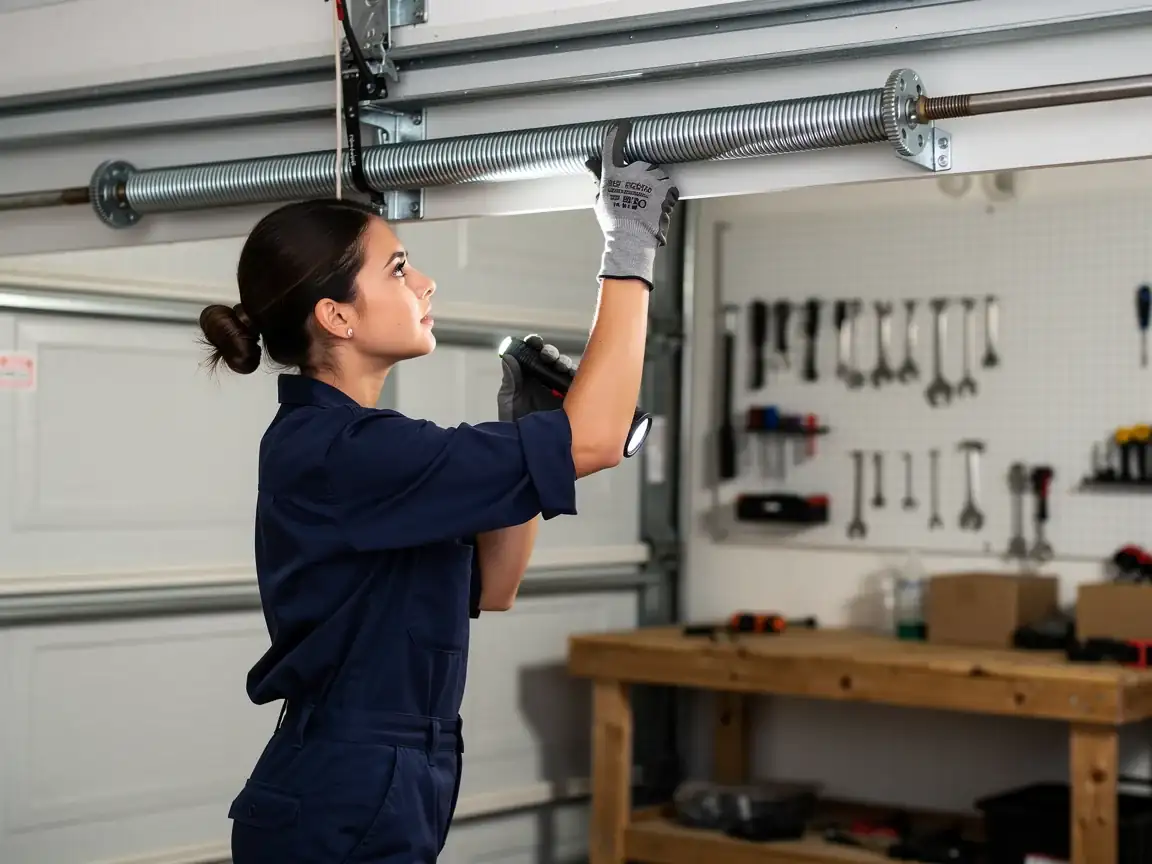
We see a lot of the same failure pattern on these: the original spring finally gives out after decades of use, and whoever replaced it last time swapped in a close-enough size that's now wearing the drum unevenly. The fix isn't exotic, but it's not a standard off-the-shelf repair either - someone has to actually measure the coil before ordering.
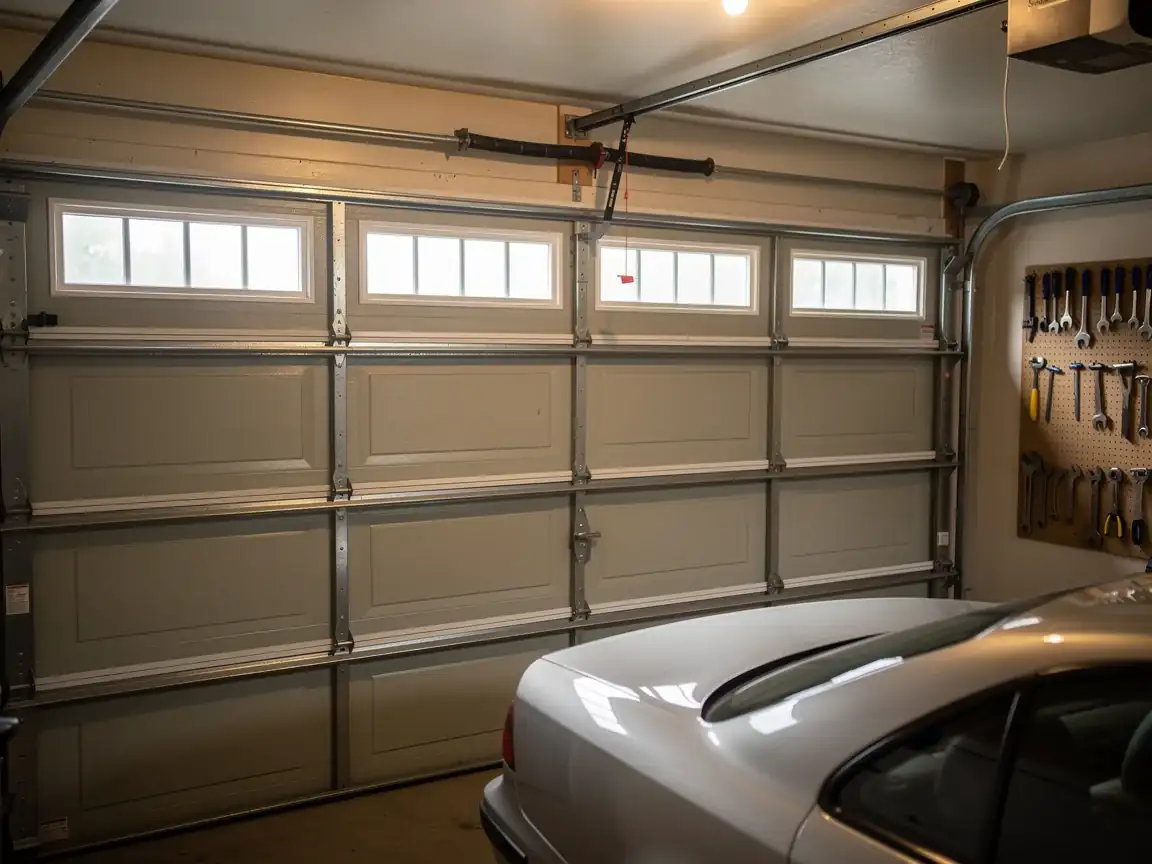
Openers are the other common call. A house built in 1957 almost never came with one installed; most got retrofitted decades later onto a door and track that weren't designed with an opener bracket in mind. That means we're often adding or relocating a header bracket, not just bolting a new unit to an existing mount.
How We Get to You
Compton sits about 6 miles from our shop in Downey
Which puts it solidly inside the range we run routes through regularly alongside Bell Gardens, Paramount, and South Gate. We don't keep a second location or a drop box here - every truck and every tech comes from Downey, so when you call, you're getting the same crew and the same stock that covers the rest of the area, not a subcontractor working a smaller patch.
- 6 miles
The mild temperate climate here means we're not dealing with freeze-thaw cycles that crack track brackets or stiffen springs the way colder regions do
Rust and sun-dried seals are more the story - UV breaking down weatherstripping, and dust working into roller bearings over years of dry heat. It's a gentler climate on hardware than a lot of the country gets, which is one reason original 1950s torsion systems here often last as long as they do before finally failing.
What Was Built Here
Compton has roughly 24,227 households, smaller than some of the larger named areas we cover, with a median household income around $74,270 - notably below the $97,397 median across the full service area. That gap shows up in the calls we get: more requests for a straight spring or roller repair, fewer calls asking us to swap a working door just for a newer look.
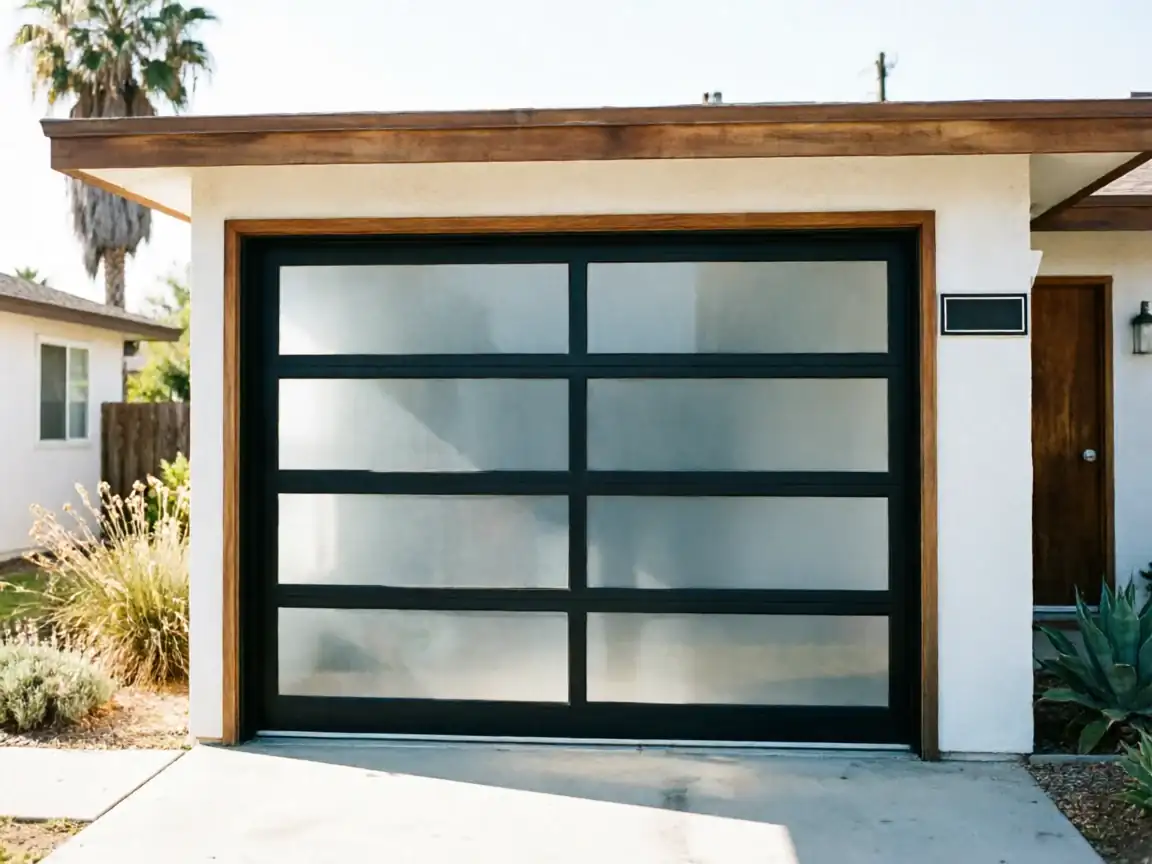
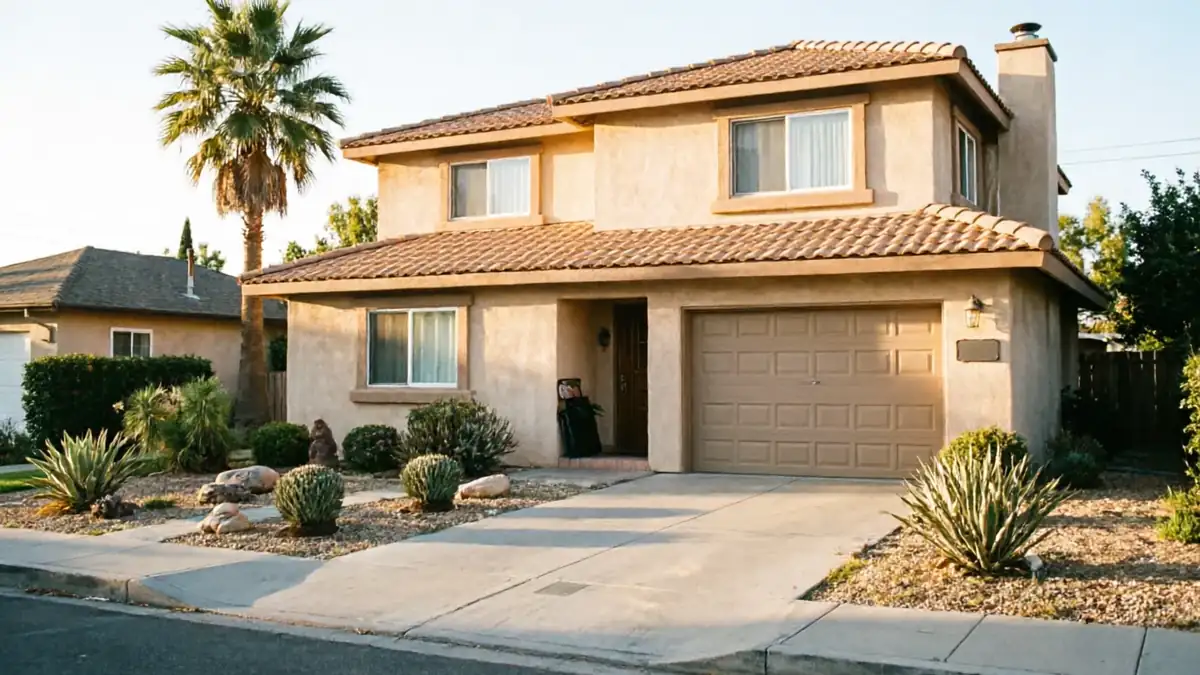
The housing itself tracks close to the area's broader 1943-2012 build range, but leans older - that 1957 median puts a lot of homes here in the first wave of postwar tract construction, built before garage doors were expected to carry an opener or insulation. If your door still has the original wood panel construction, it's heavier than anything sold today, which puts more strain on a spring that's already outlived its rated cycle count.
We're not guessing at any of this from a satellite photo - it's the pattern we see call after call in this part of the area, and it shapes what we bring on the truck before we ever knock on the door.