How We Fix It
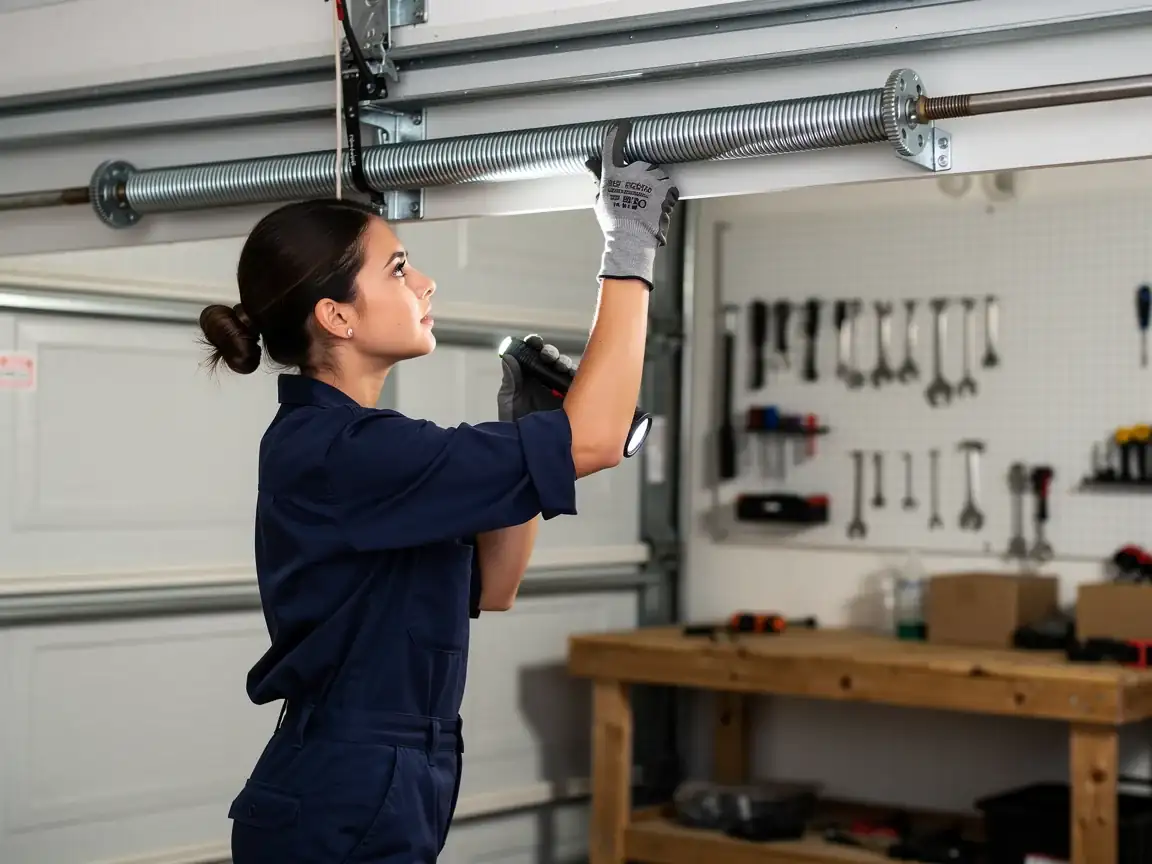
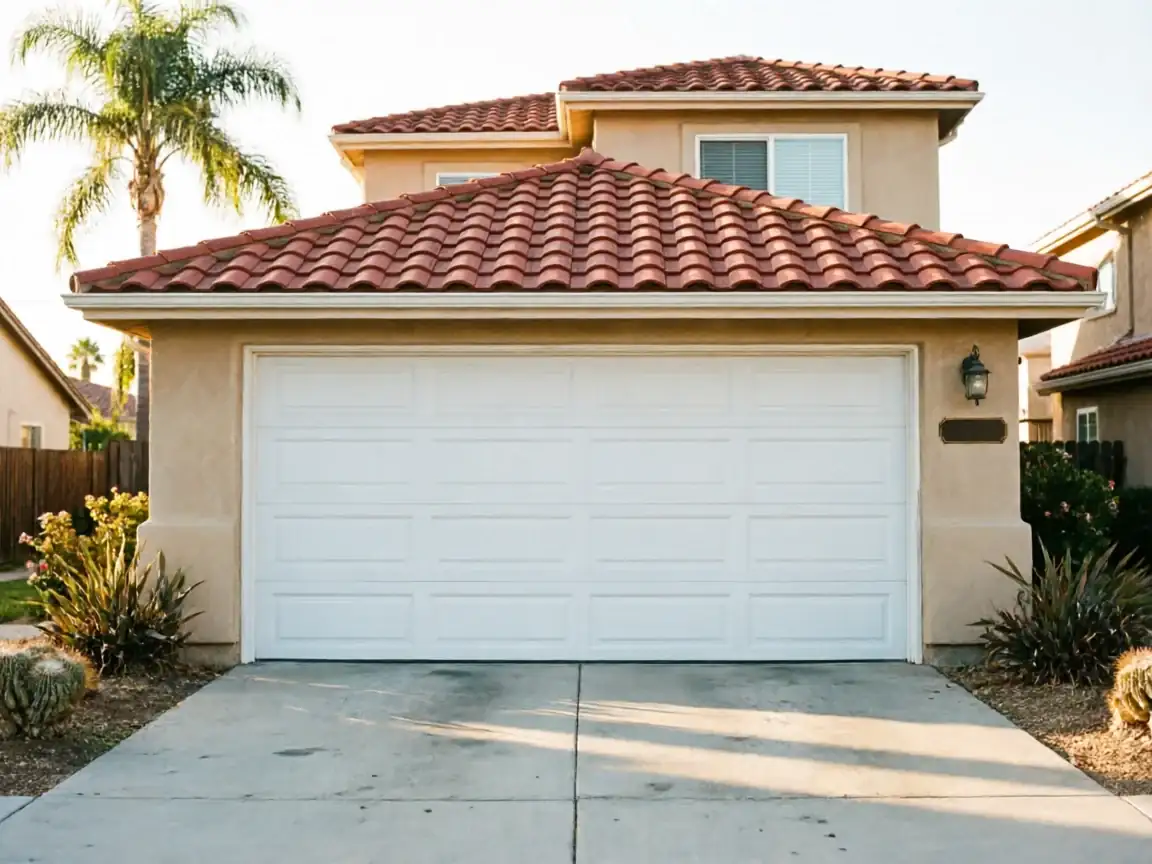
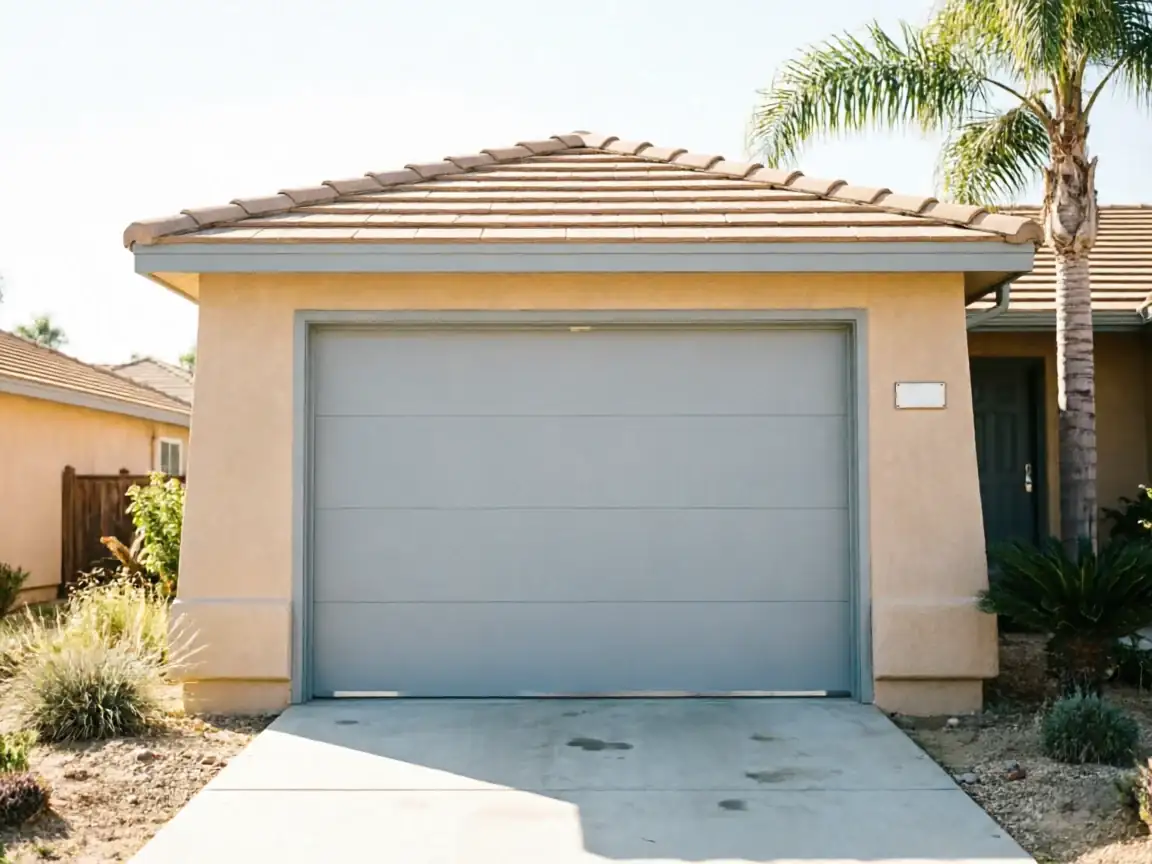
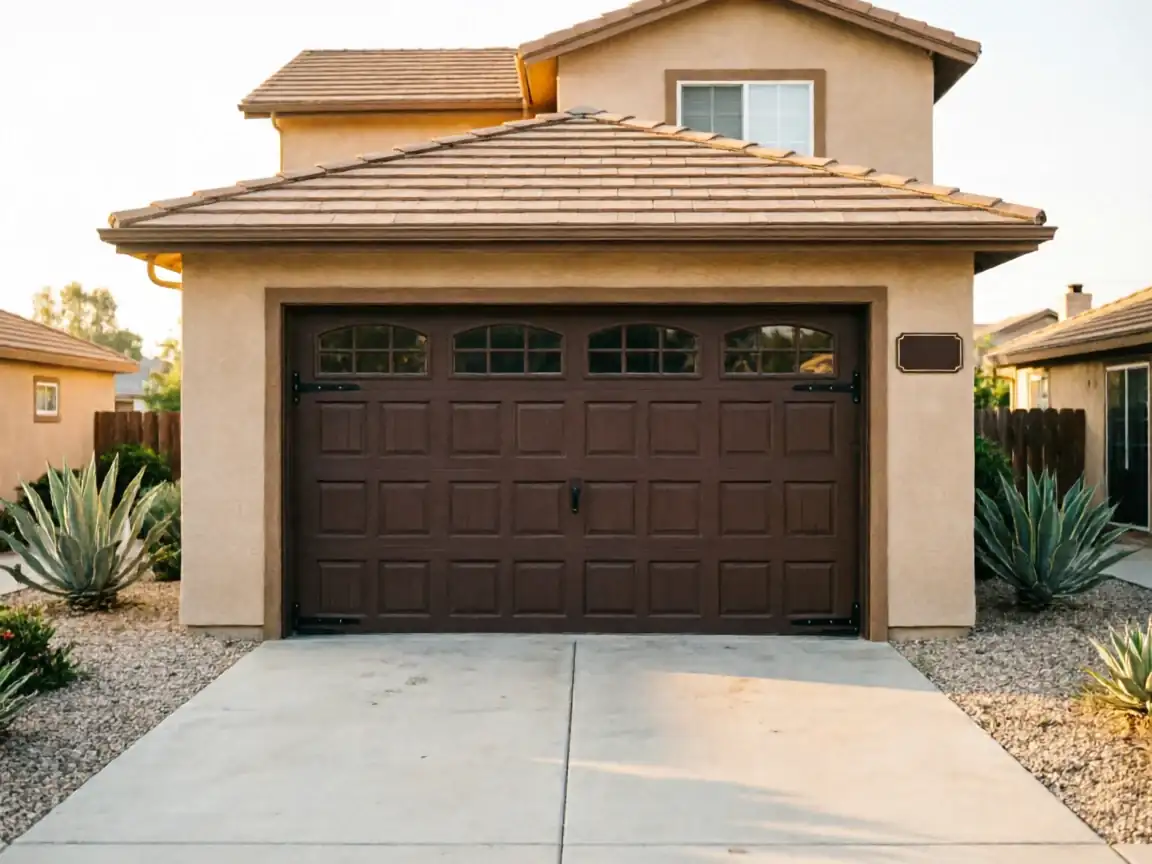
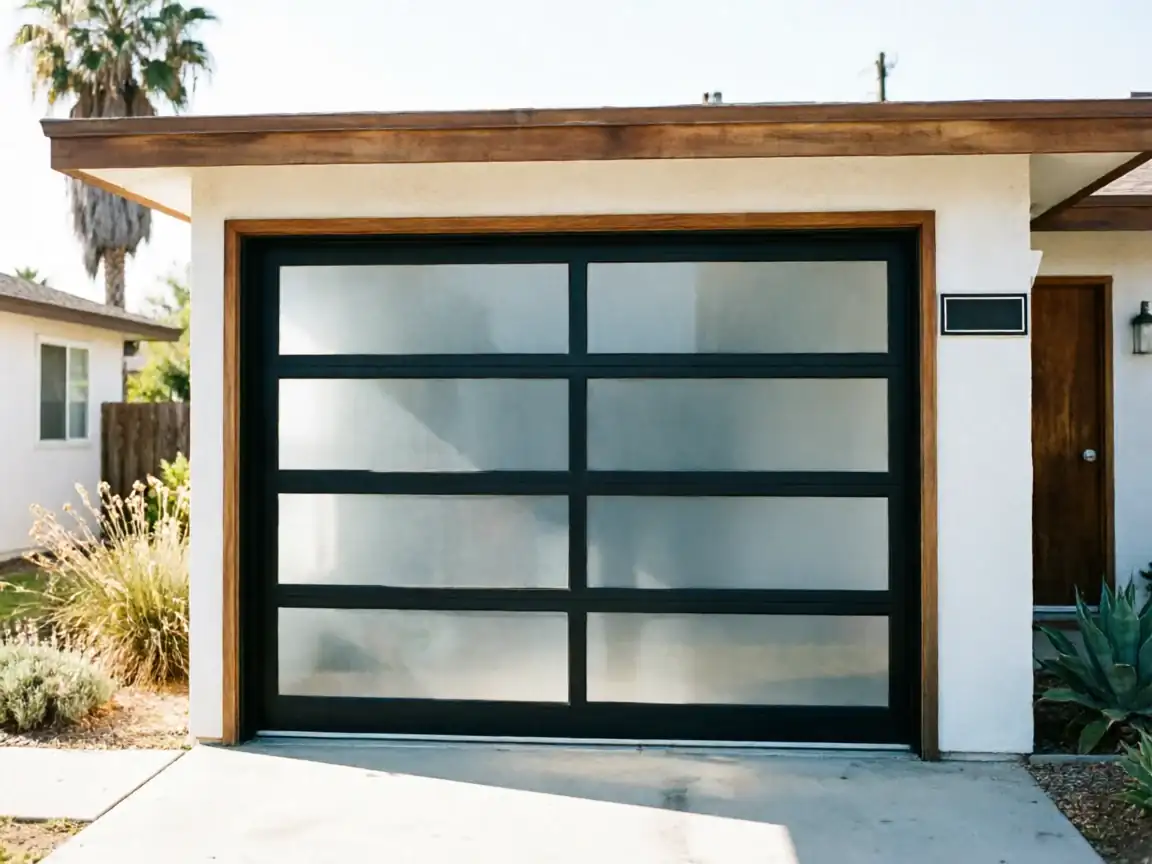
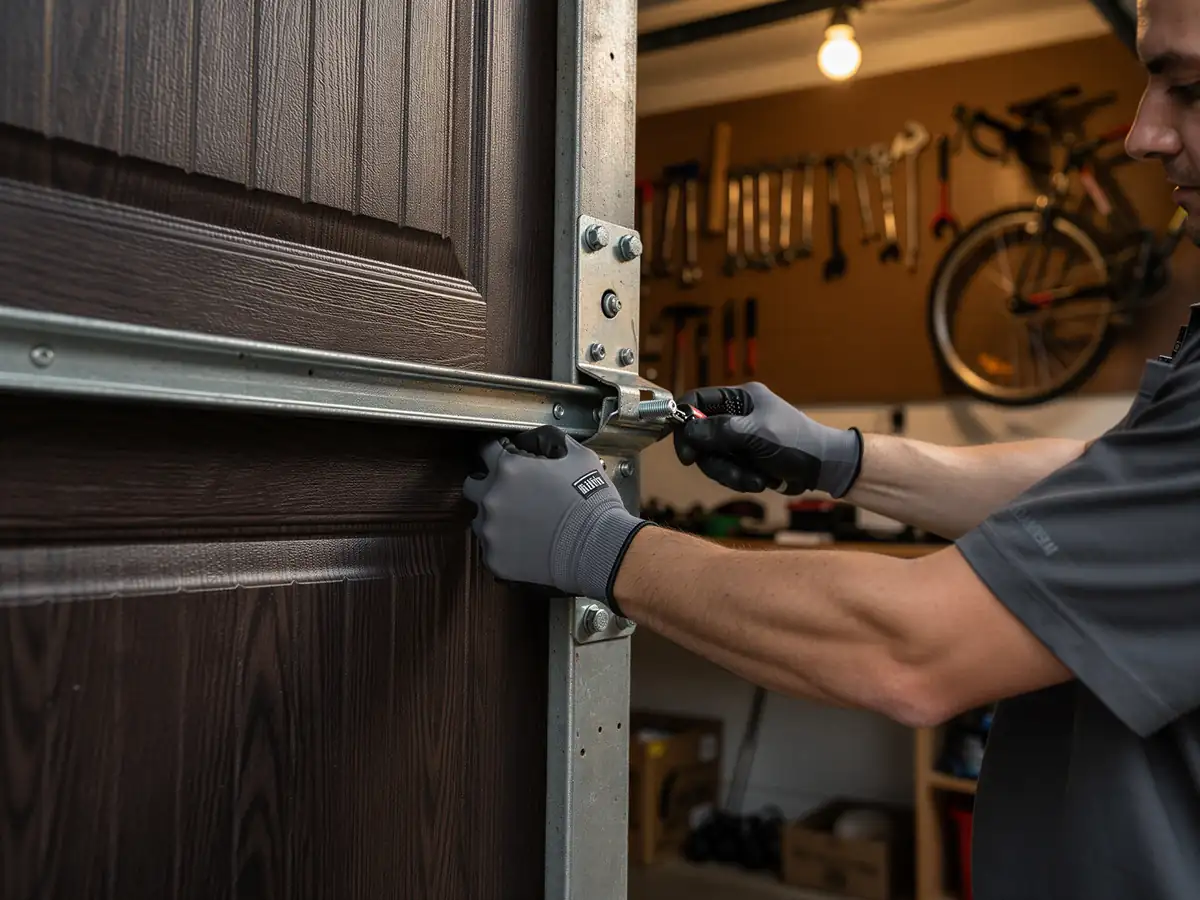
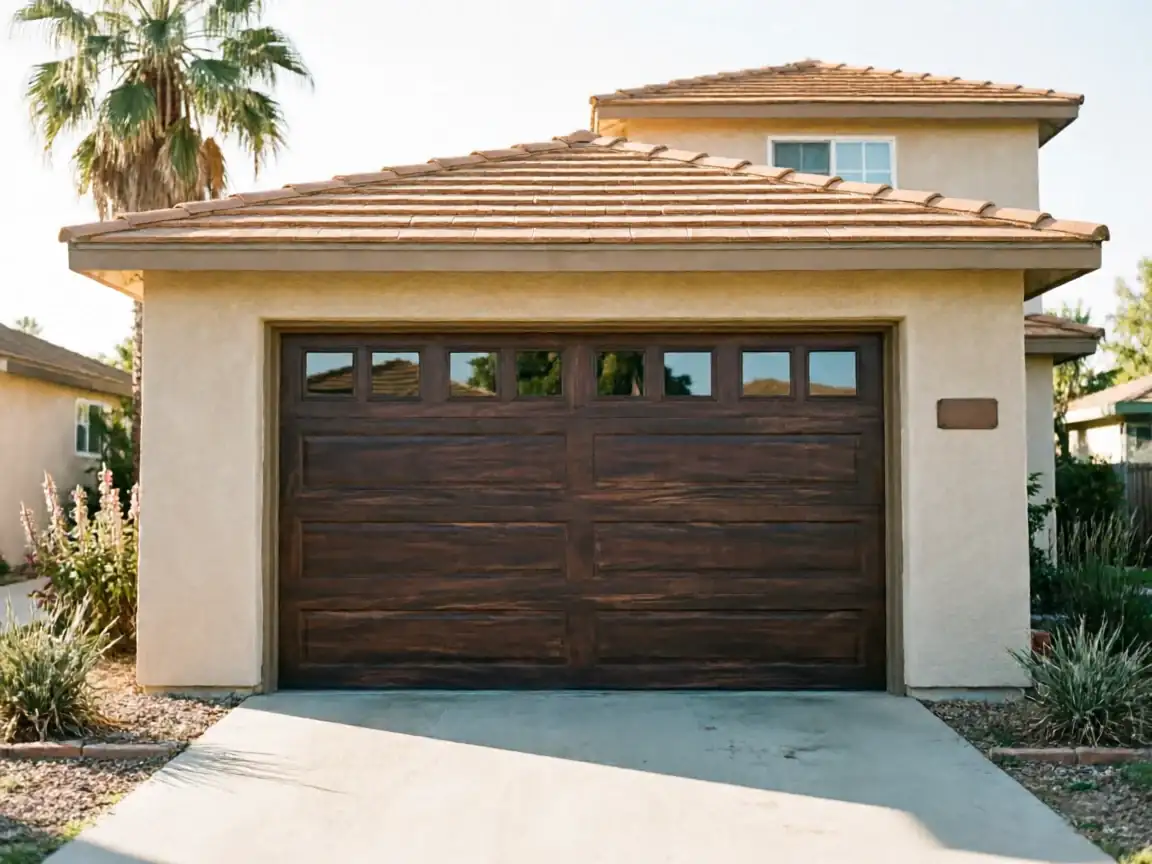
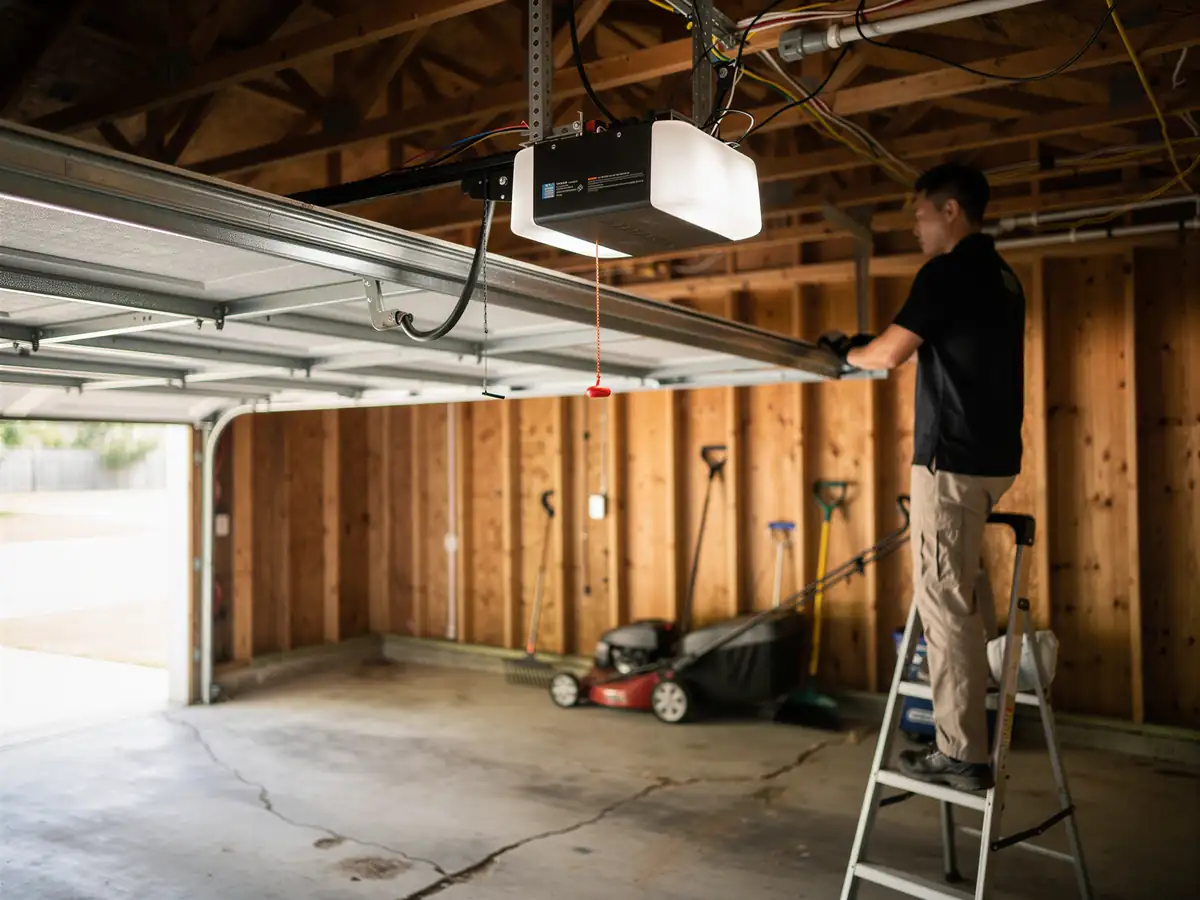
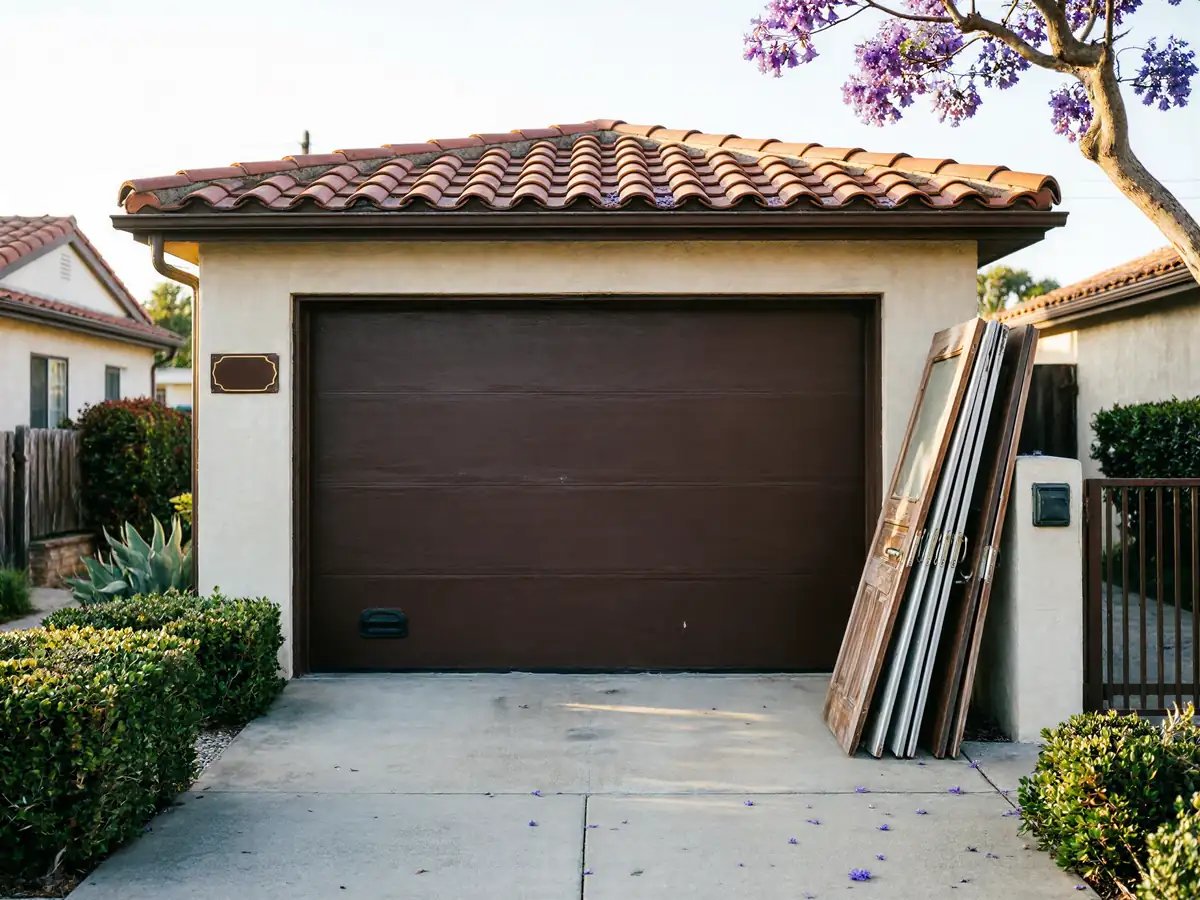
Compton's housing stock centers on 1957, a few years ahead of the 1963 median we see across the wider service area. That gap matters on an install job. Houses from this stretch tend to have narrower garage openings than the 1960s-70s tract construction that dominates most of the 90 communities we cover, and the framing around the opening is often original lumber that's shrunk and shifted over sixty-plus years. Before we hang a new door we check that the jambs are square and the header can carry the spring system you're putting in - torsion springs put real load on old wood, and if the opening's out of plumb we say so before we order anything. We install both torsion and extension setups depending on ceiling clearance, which on these older single-car and narrow double garages is sometimes tighter than newer construction. We don't force a modern 16-foot door into an opening that was framed for something smaller just because that's what's in stock - we size to the house. The climate here is mild temperate, so we're not building in heavy insulation requirements the way a colder-climate install would need, which keeps the spec simpler and the price more predictable.
Getting It Booked In
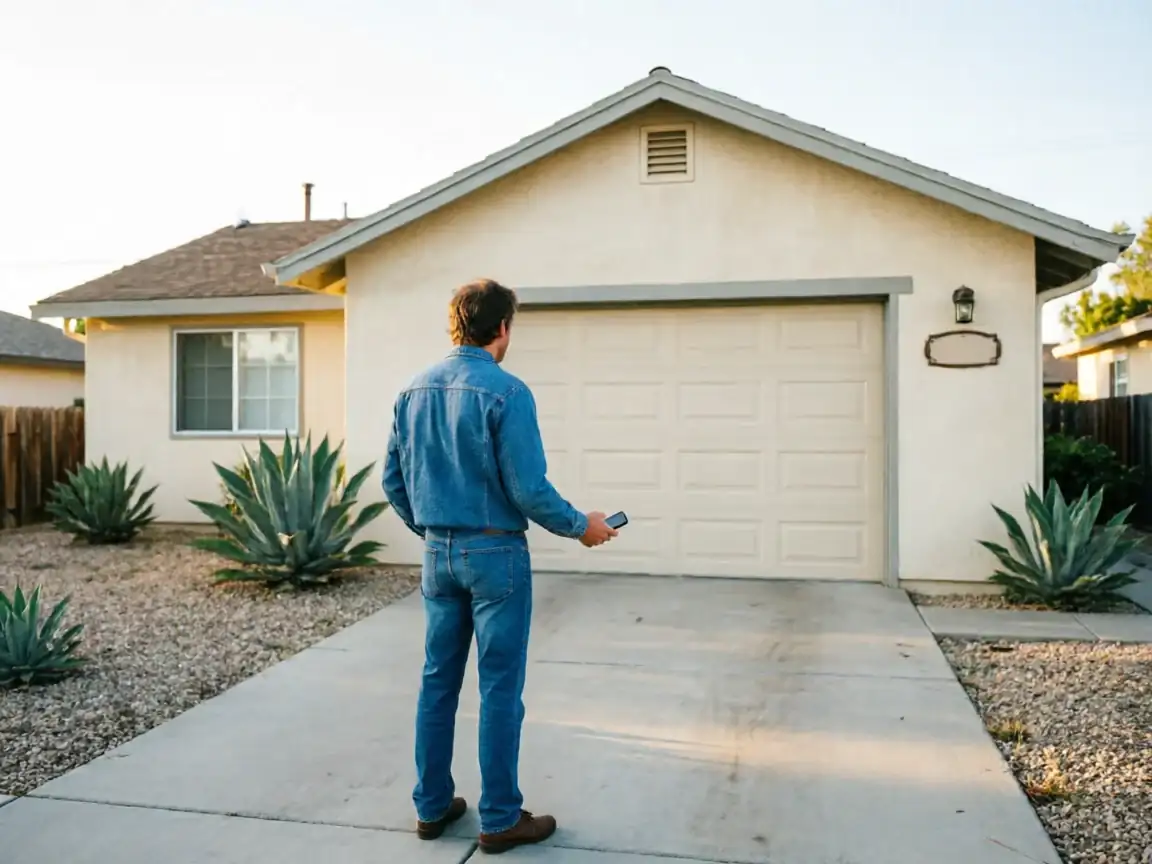
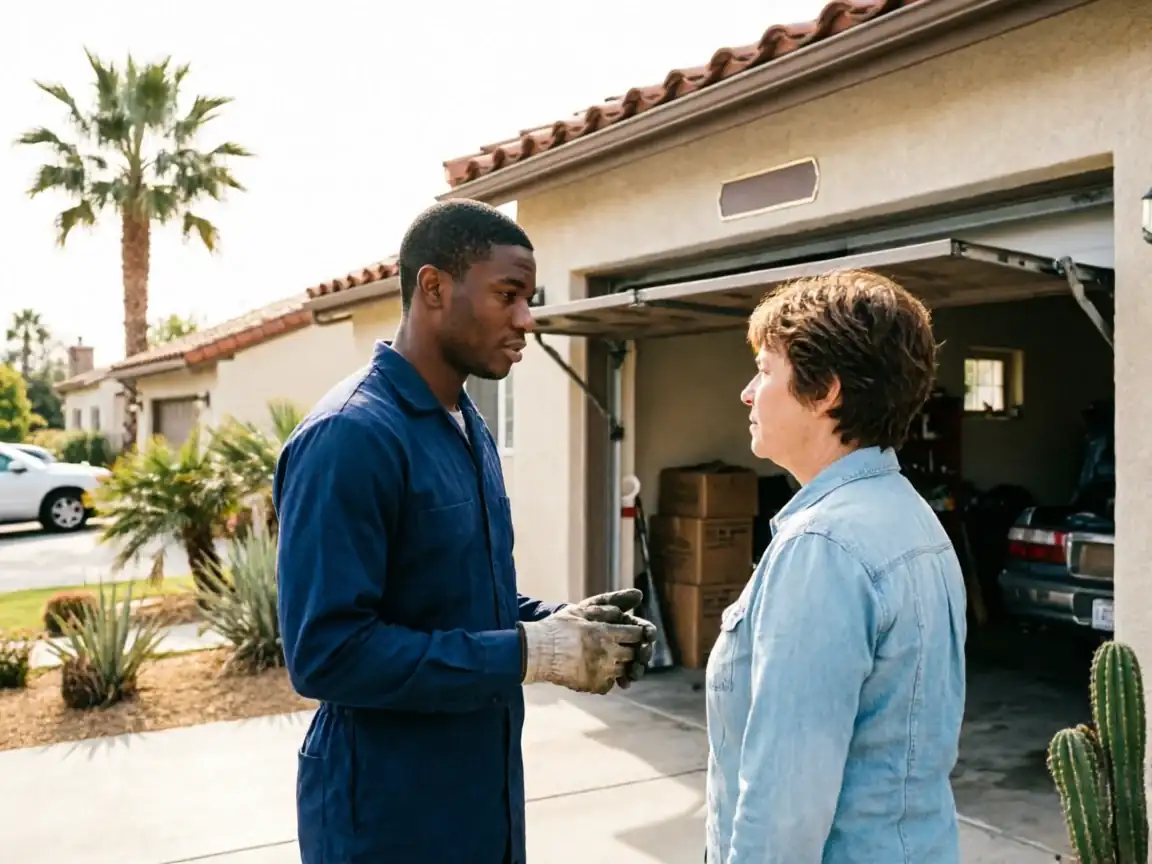
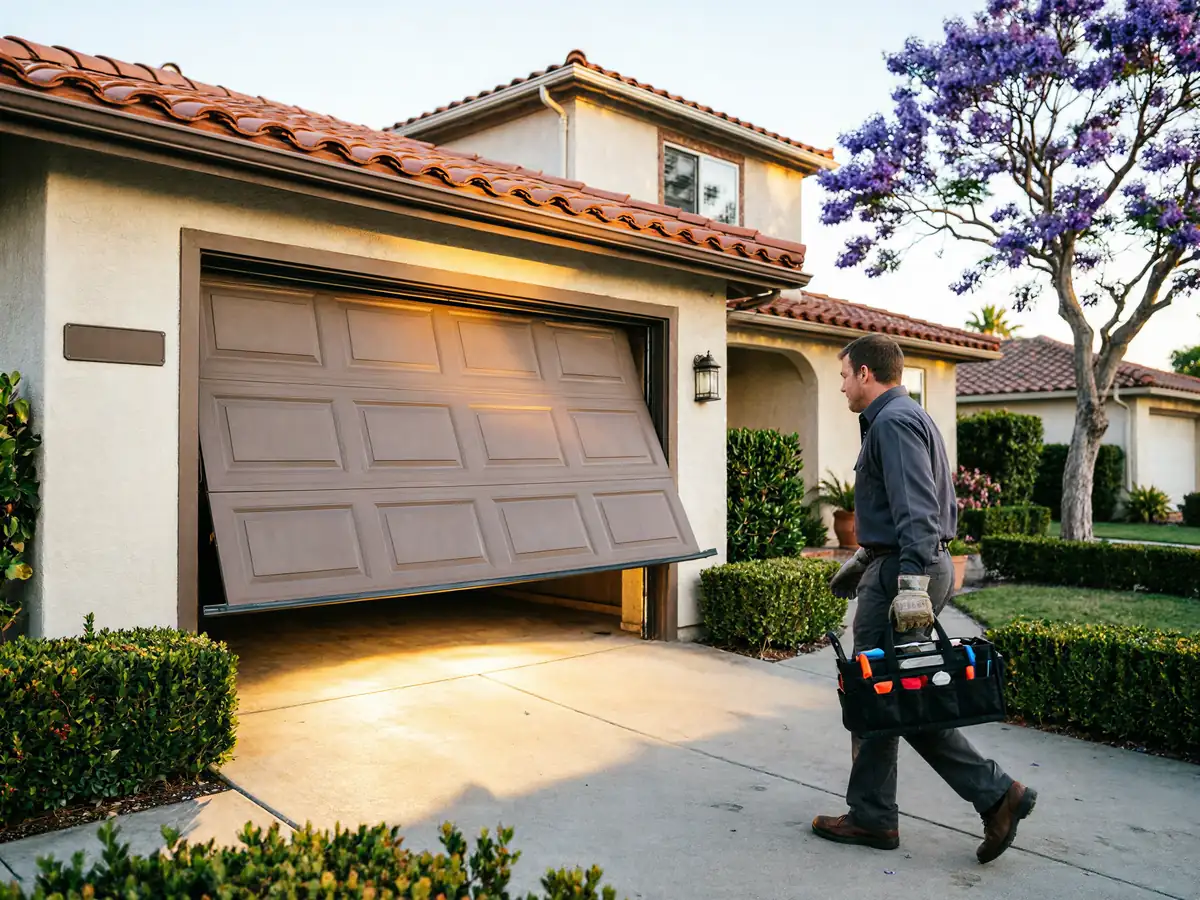
We run out of Downey, about 6 miles from Compton, so booking means a scheduled appointment rather than a same-day drop-in. When you call, tell us the age of the house if you know it - anything built in the 1950s or earlier changes what we bring on the truck, since older openings sometimes need a frame adjustment before the new door goes in. We'll ask about the opening width and whether you've got a single or double garage, because that determines whether we're quoting torsion or extension spring hardware. If you're not sure, a photo of the existing door and the opening helps us scope the job before we're standing in front of it. We measure on site either way before we cut any order, but a rough idea up front means less back-and-forth and a tighter window on the actual install day.
How Long It Takes
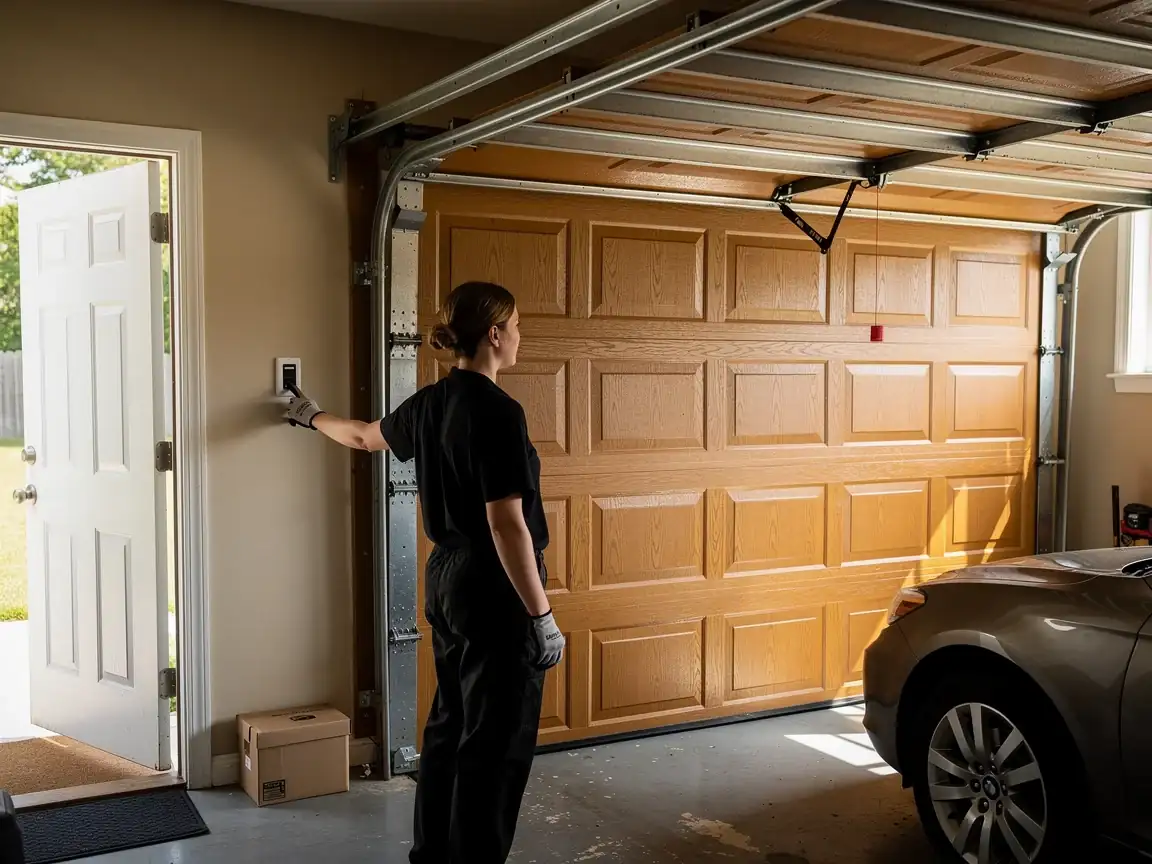
A straight swap - same size opening, new door, existing track reused where it's sound - is usually a single visit. Add a spring system change, an opener install, or framing repair on an older opening and the job runs longer. Because we're coming from Downey, the travel is built into the appointment window we give you, not an extra wait on top of it. We'll tell you the expected length when we quote, based on what we see in the photos or during the on-site measure, not a generic estimate that doesn't account for what's actually on your wall.
What Causes It Around Here
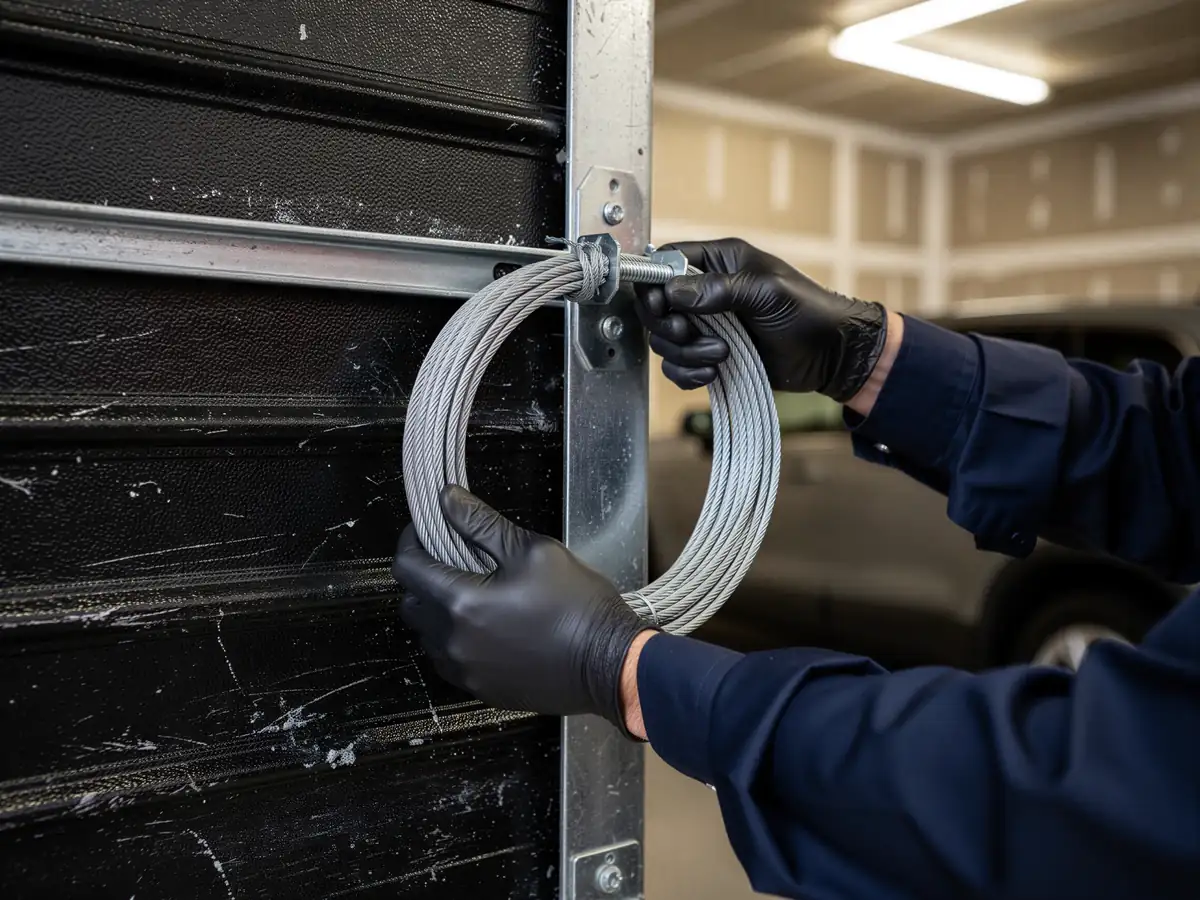
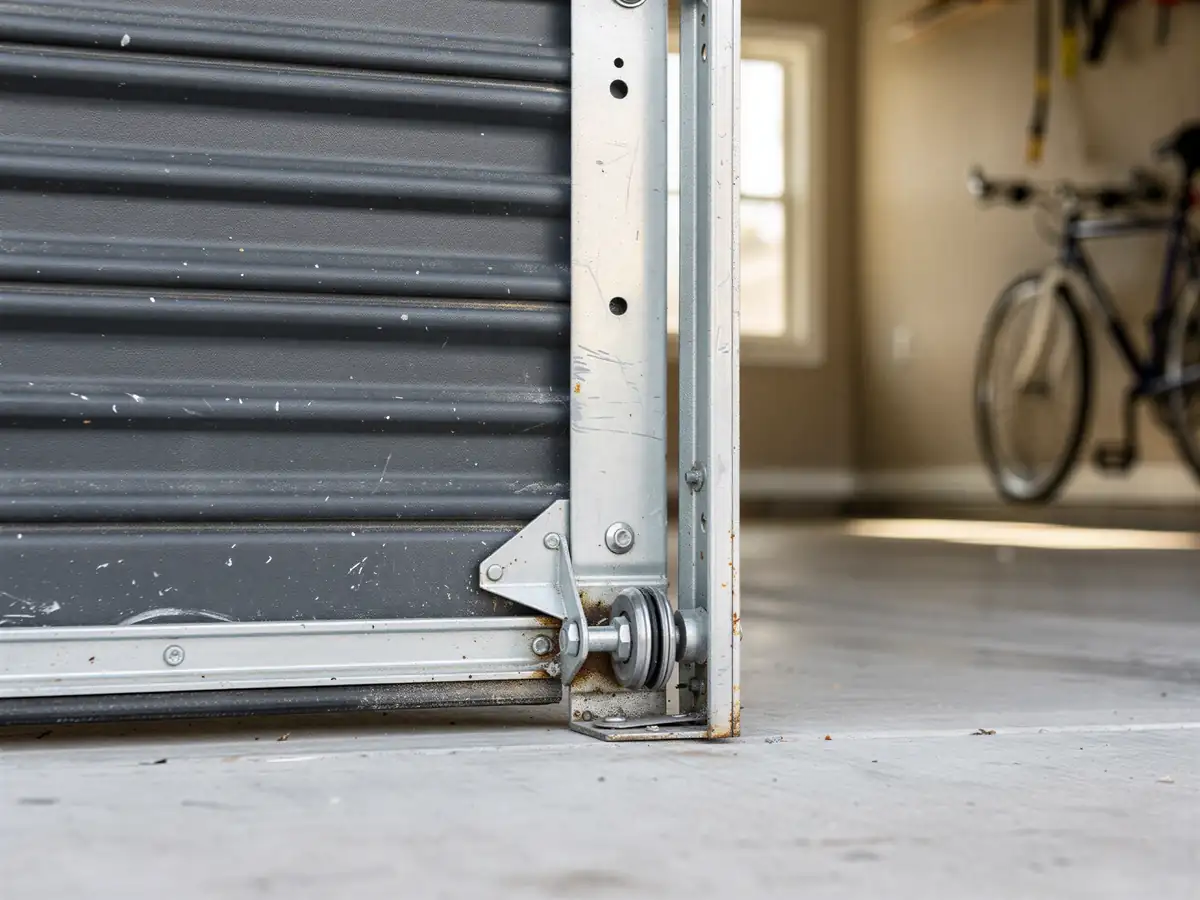
With a median build year of 1957, a good share of Compton's garages are older than the 1960s-70s stock that makes up most of the rest of the area. Original hardware on houses this age has usually been replaced at least once by now, sometimes with mismatched parts from different eras - a newer opener bolted to an old track, or a spring swapped out without updating the drums. That mix is what pushes people toward full replacement rather than another patch repair: at some point the door, track, and opener are three different decades of parts fighting each other. The mild temperate climate here doesn't stress hardware the way freeze-thaw cycles or heavy humidity would, so corrosion and weather-driven failure aren't the main culprits - it's age and accumulated mismatched repairs.