What Most People Get Wrong
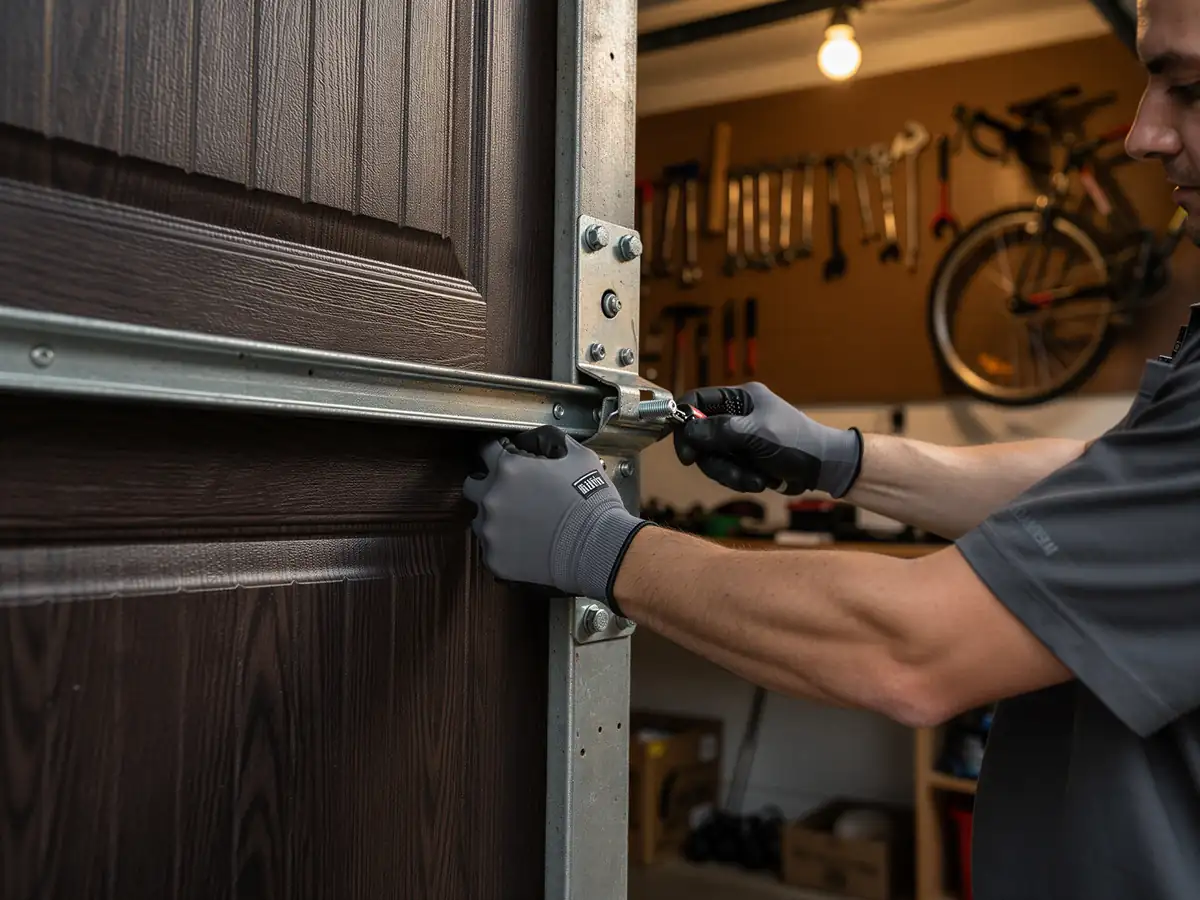
Most homeowners think a dead opener during a power cut means a dead garage door. It doesn't - every opener sold in the last few decades has a manual release cord, and the door itself still moves by hand once you pull it. What people actually get wrong is assuming their opener is new enough to have a battery backup built in. A lot of Downey houses were built between 1943 and 2012, with the median landing around 1963, and that spread matters here: a house from that era has usually gone through two or three openers since the original, and whichever one is on the ceiling now was picked for price or convenience, not for backup power. If you don't know whether yours has one, the easiest way to check is during a planned outage, not an emergency. Pop the cover on the opener head and look for a sealed battery pack - if it's not labeled, it's not there. The other thing people get wrong is forcing the door up by hand without releasing the carriage from the trolley first. That strips the plastic tabs on the trolley assembly, and it's a part that has to be ordered, not something we carry on every truck.
The Problem
A power cut doesn't damage the opener itself - the motor, logic board, and gears are fine the second power comes back. The problem is what happens in between. If you don't have a battery backup and you're not home to release the door manually, your garage is locked shut or locked open, whichever position it was in when the power dropped. For a lot of Downey households, that's a real inconvenience rather than an emergency, but it's also avoidable. The other failure mode shows up on older openers: chain-drive units from the 80s and 90s sometimes lose their programmed limit settings when power cycles hard, so the door opens or closes only partway on the first try after power returns. That's a five-minute reprogramming job, not a broken opener, but it looks alarming if you don't know that's what's happening.
What to Check
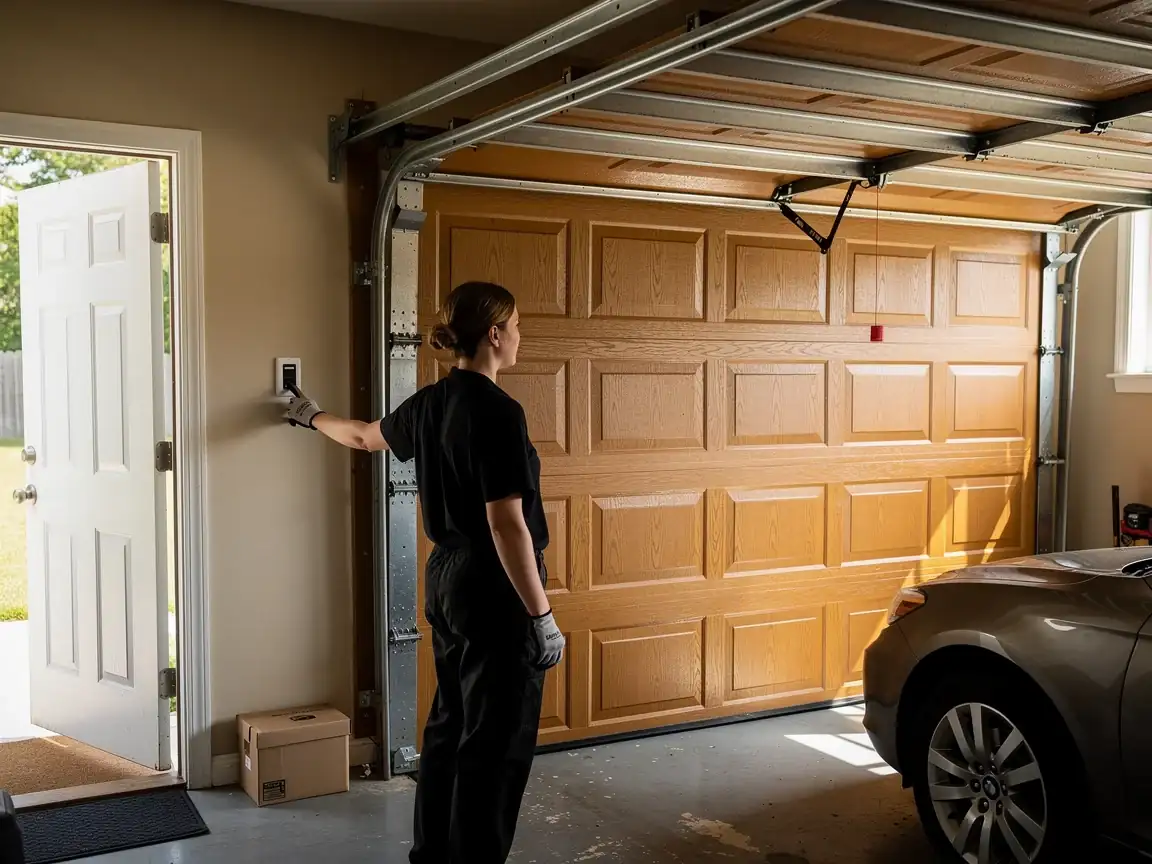
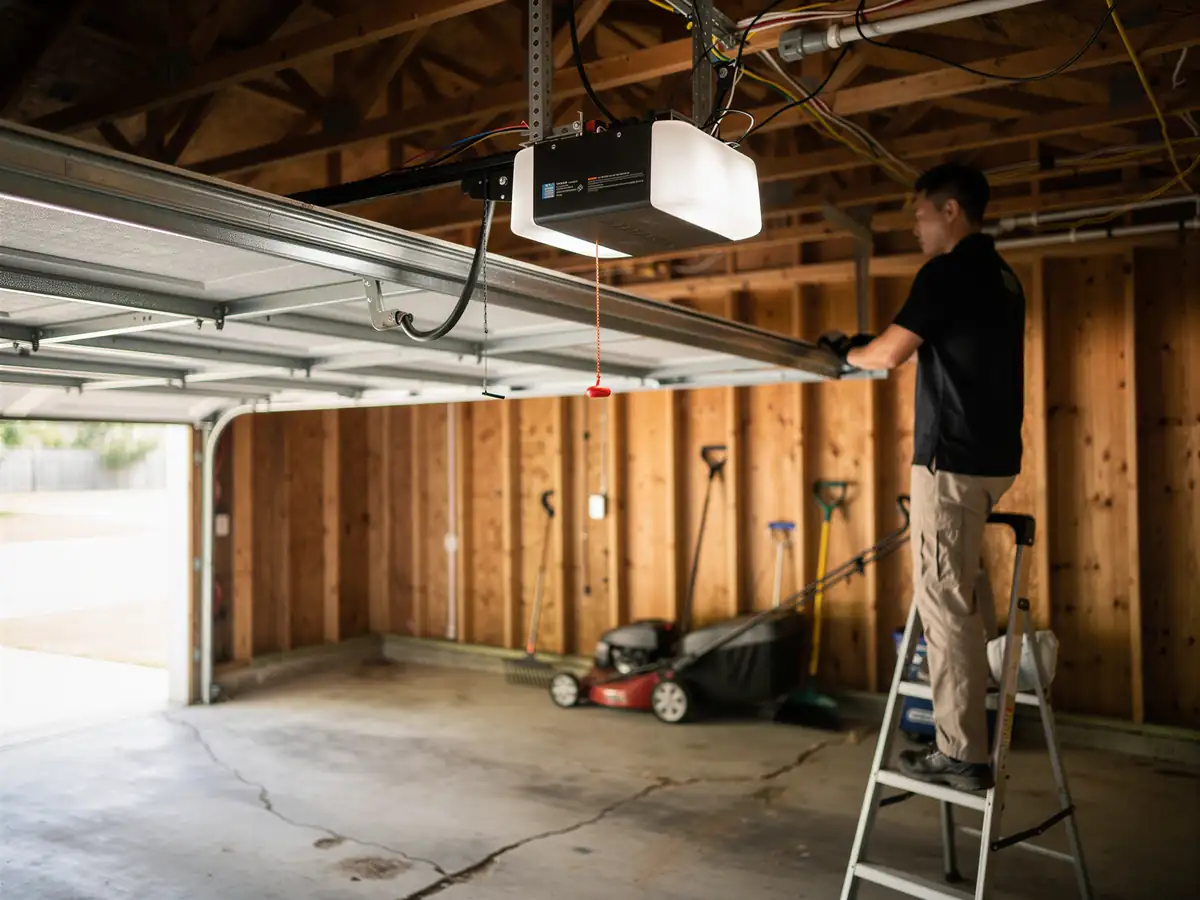
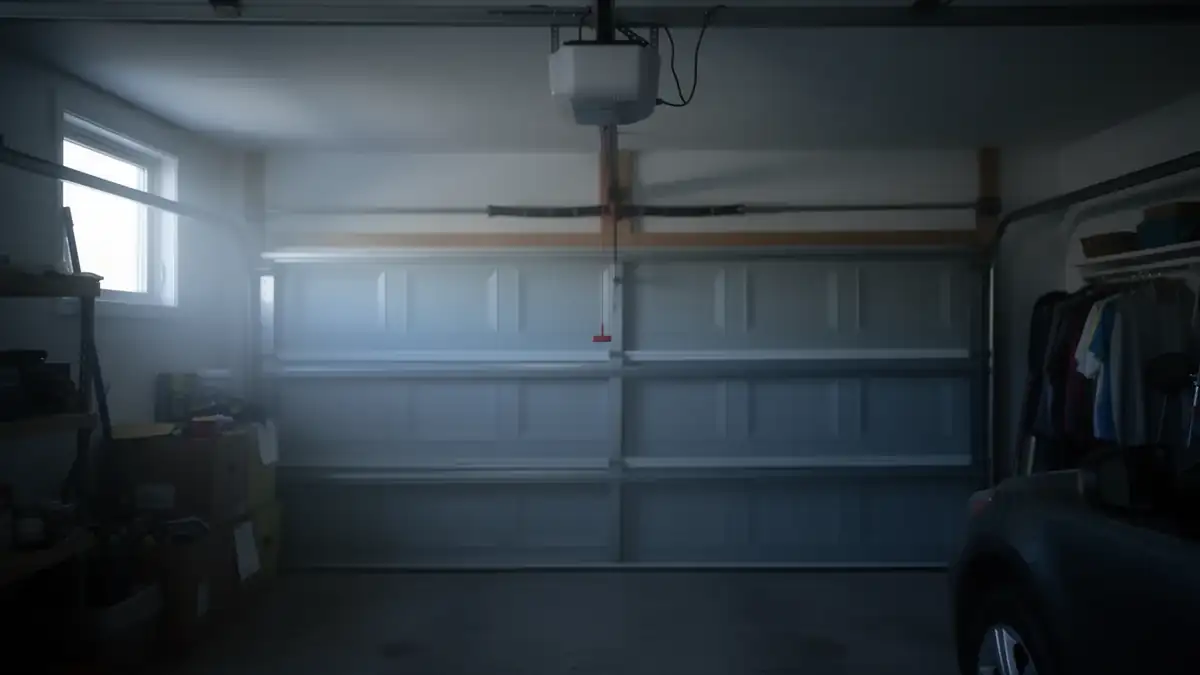
Before you call anyone, check three things. First, open the opener head cover and look for a battery pack - if it's there, test it by unplugging the unit and trying the remote. Second, find the manual release cord (the red handle hanging from a track near the opener) and pull it once, by hand, with the door in the down position, so you know it works before you actually need it in the dark. Third, if the door only opens partway after a recent outage, don't force it - that's almost always a limit-setting issue, not a mechanical one, and forcing it can bend the track. One limitation worth saying plainly: we don't recommend battery backup retrofits on openers older than about fifteen years, since the motor and gears are usually closer to the end of their life than the backup kit, and a retrofit on a dying opener is money spent twice. In that case, replacement makes more sense than adding a part to a unit that's on its way out.