What Most People Get Wrong
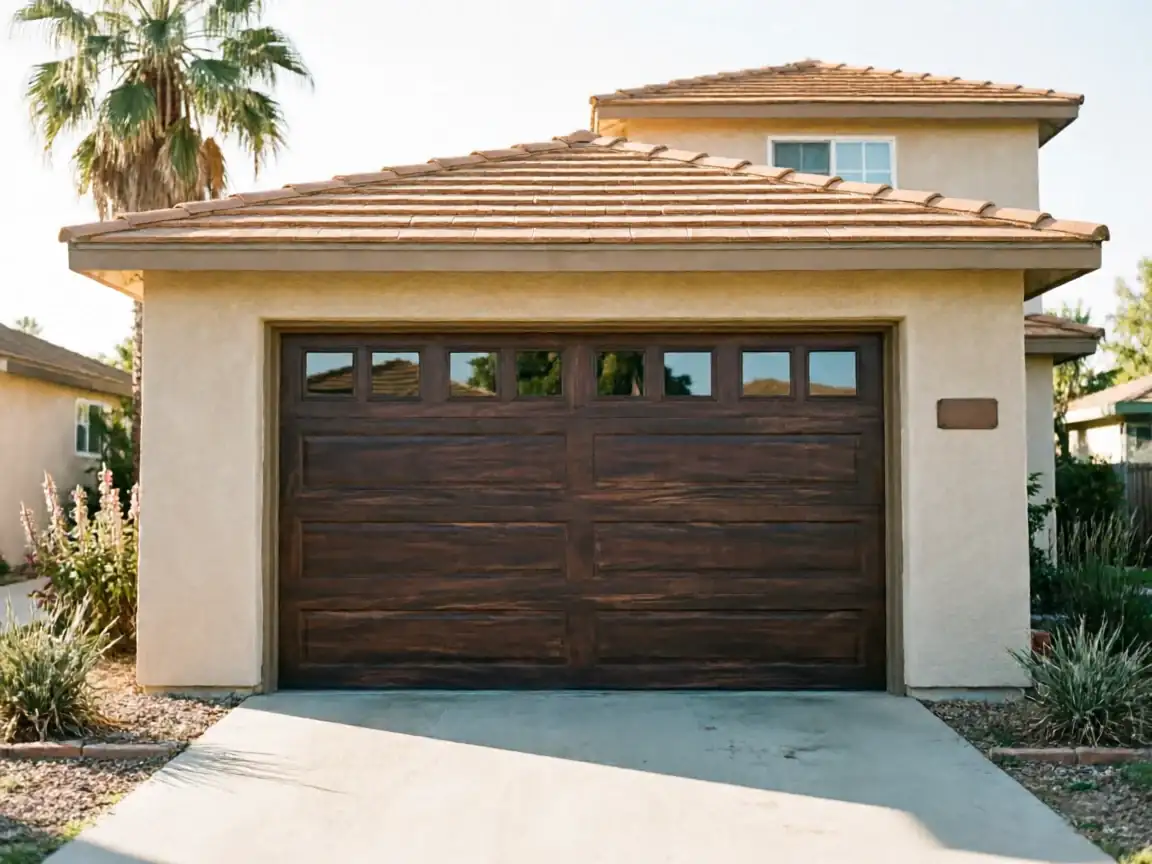
Most Downey homeowners assume that because a door still opens and closes, it's fine. That's backwards. The question isn't whether the door moves - it's what's holding it up and whether parts for it still exist. Housing in this area was built between 1943 and 2012, with the median build year sitting at 1963, and most of the stock across the 90 named areas we work in dates to the 1960s and 70s. That means a huge share of the doors we get called on are originals or first replacements from that era: heavier wood or early steel panels, riveted track, spring hardware sized differently than what hardware stores carry today.
People also assume a sagging door just needs tightening. Often the sag is the wood panel itself losing structural integrity after 50-plus years, not loose hinges. Tightening hardware on a panel that's delaminating doesn't fix anything - it just delays the next call. The door looking rough isn't the same as the door being unsafe, and the reverse is also true: a clean-looking door can have a spring that's one cycle from snapping.
The Problem
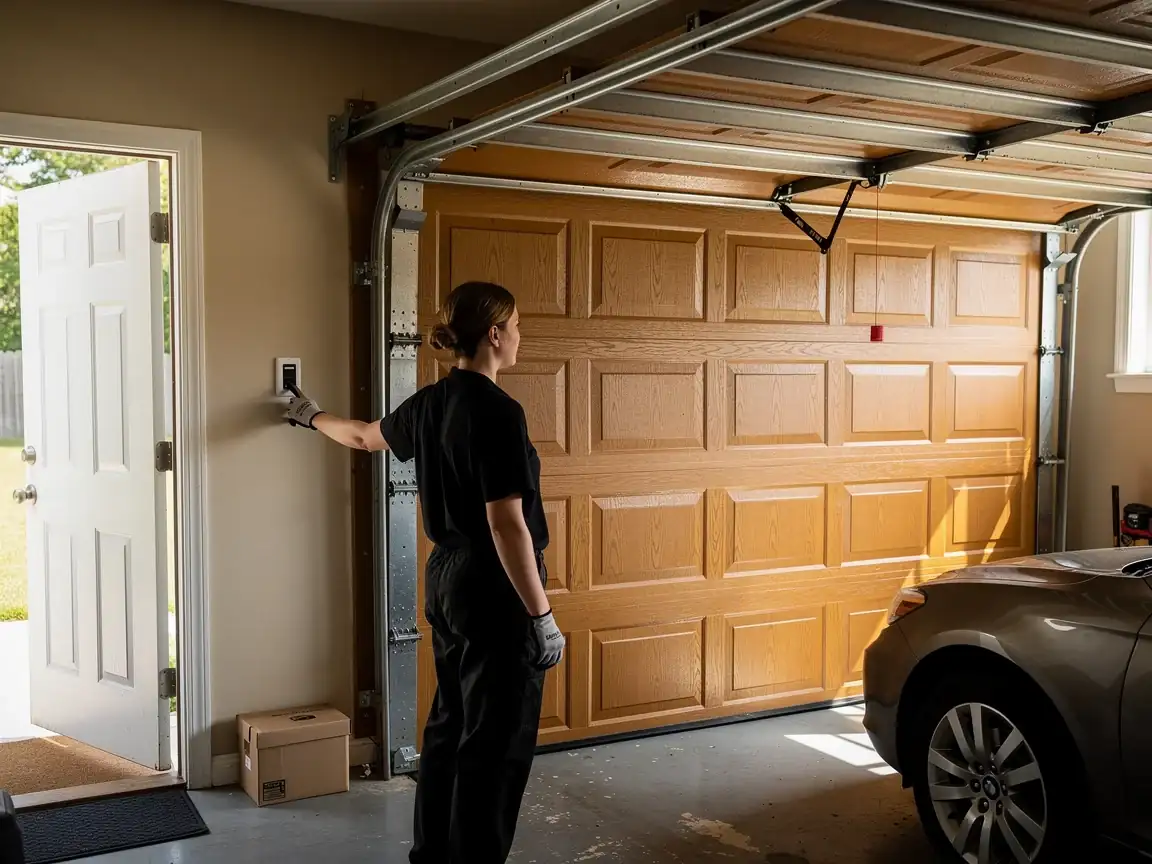
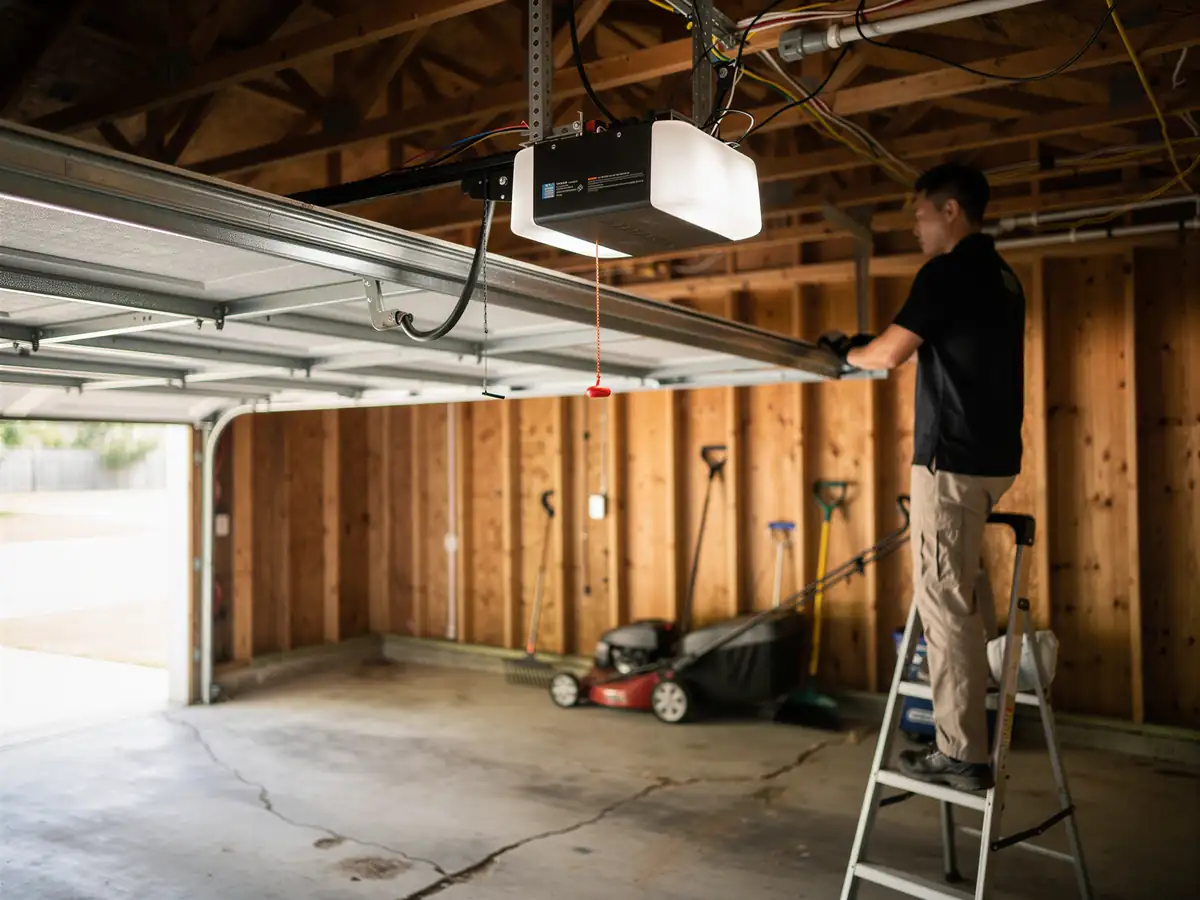
A door from the 1963 median build year was engineered for a different set of expectations. Openers weren't universal yet, so a lot of these doors were retrofitted later with openers that weren't matched to the original spring tension or track width. That mismatch is the root of a lot of repair calls - not a bad opener, but an opener fighting hardware it was never sized for.
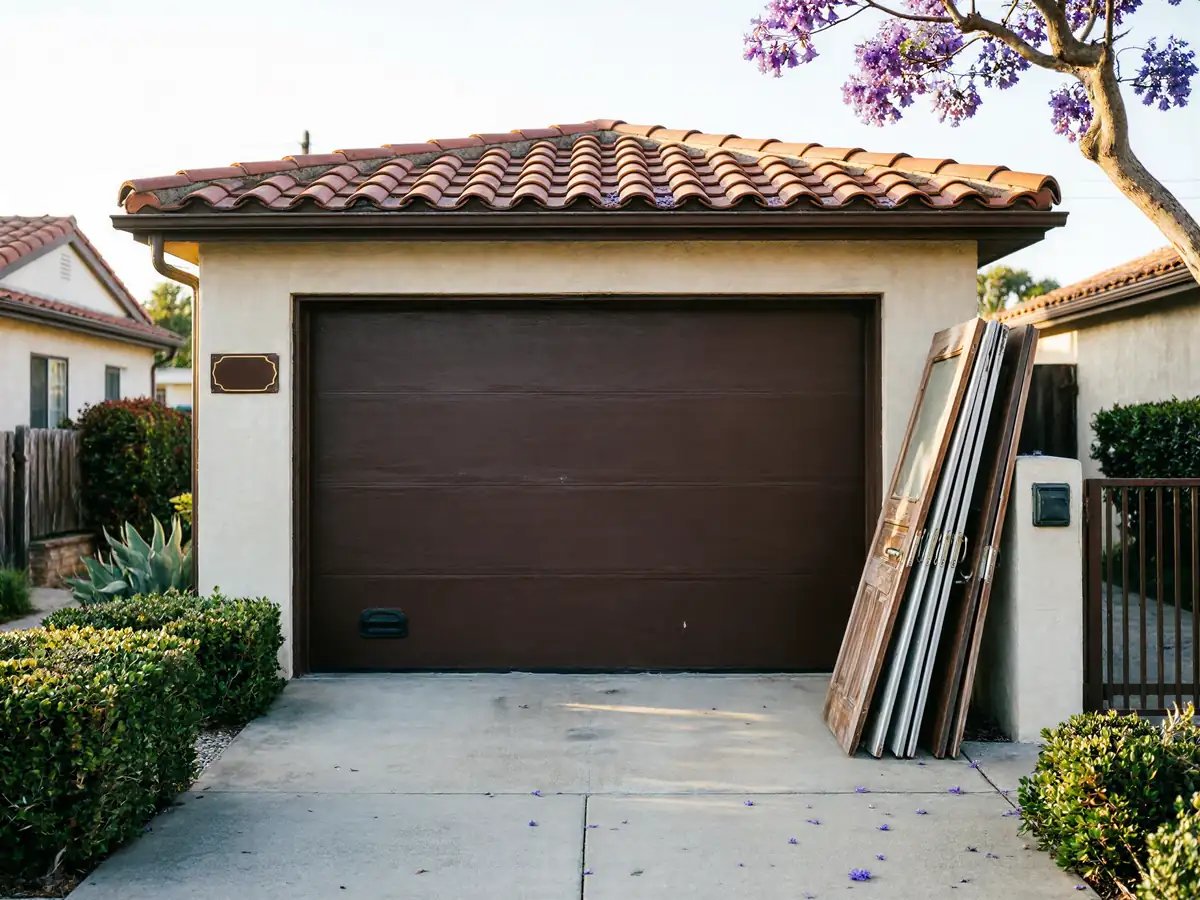
The other problem is parts availability. A door built or installed in the 1960s-70s window, especially a one-piece or early sectional design, uses track brackets, hinges, and spring diameters that aren't stocked the way current sizes are. We can often source or fabricate a fix, but it takes longer and costs more than swapping a current-generation part. At some point the labor and sourcing cost of keeping a 60-year-old door alive exceeds what a new door costs installed. That's not a sales pitch - it's just the math once you're special-ordering hardware for something that old.
How Local Conditions Play In
Downey sits in a mild temperate climate band
Which actually works in favor of older doors here compared to places with real freeze-thaw cycles or heavy humidity swings. Wood panels from the 1960s haven't been through decades of swelling and cracking the way they would in a harsher climate. Steel doors from that era haven't rusted through at the bottom panel the way they would somewhere with wet winters.
That's the good news
The bad news is that mild weather means a lot of these original doors have simply never been forced into failure, so they've never been replaced - they've just been patched, repainted, and left running on aging springs and rollers nobody's inspected in years. Mild climate buys these doors a longer life, but it doesn't make 60-year-old torsion springs safe to ignore. The spring doesn't know what year it is; it knows how many cycles it's been through.
What to Check
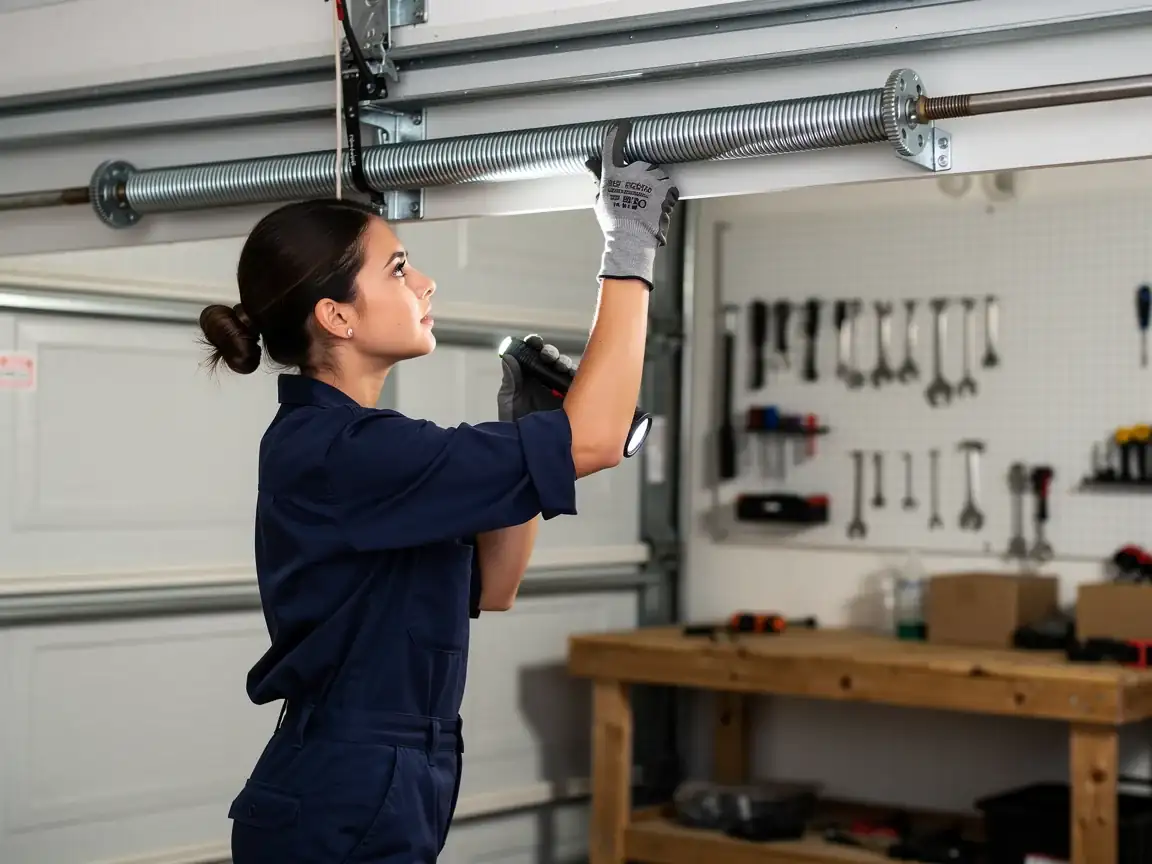
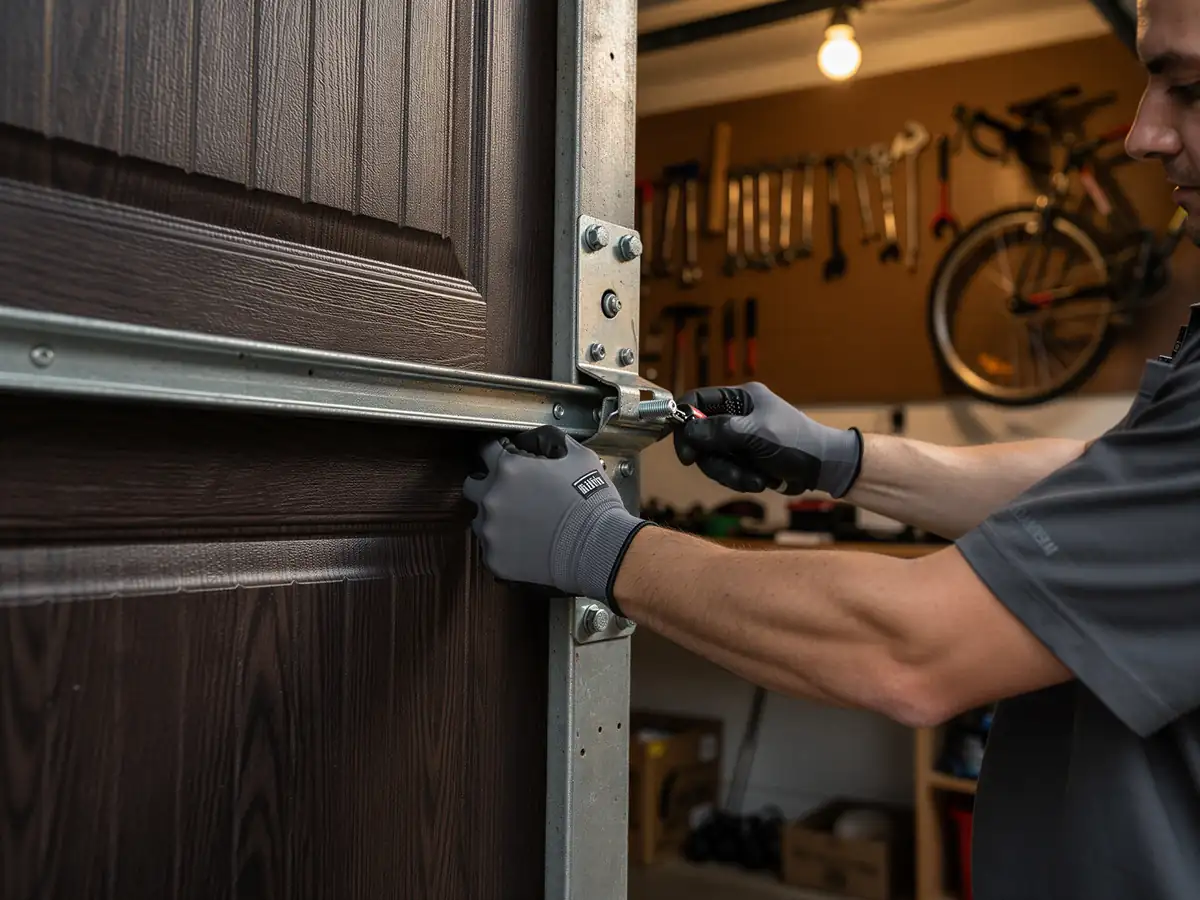
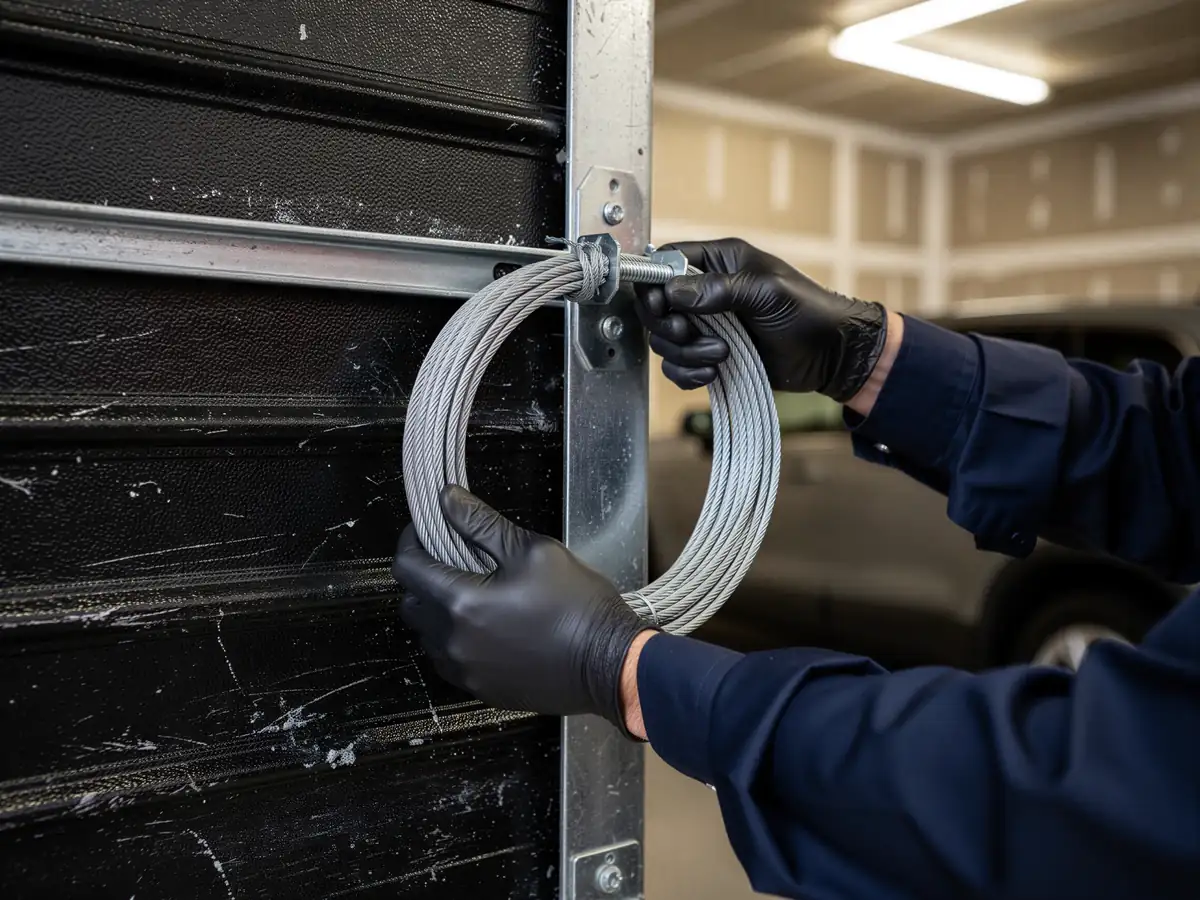
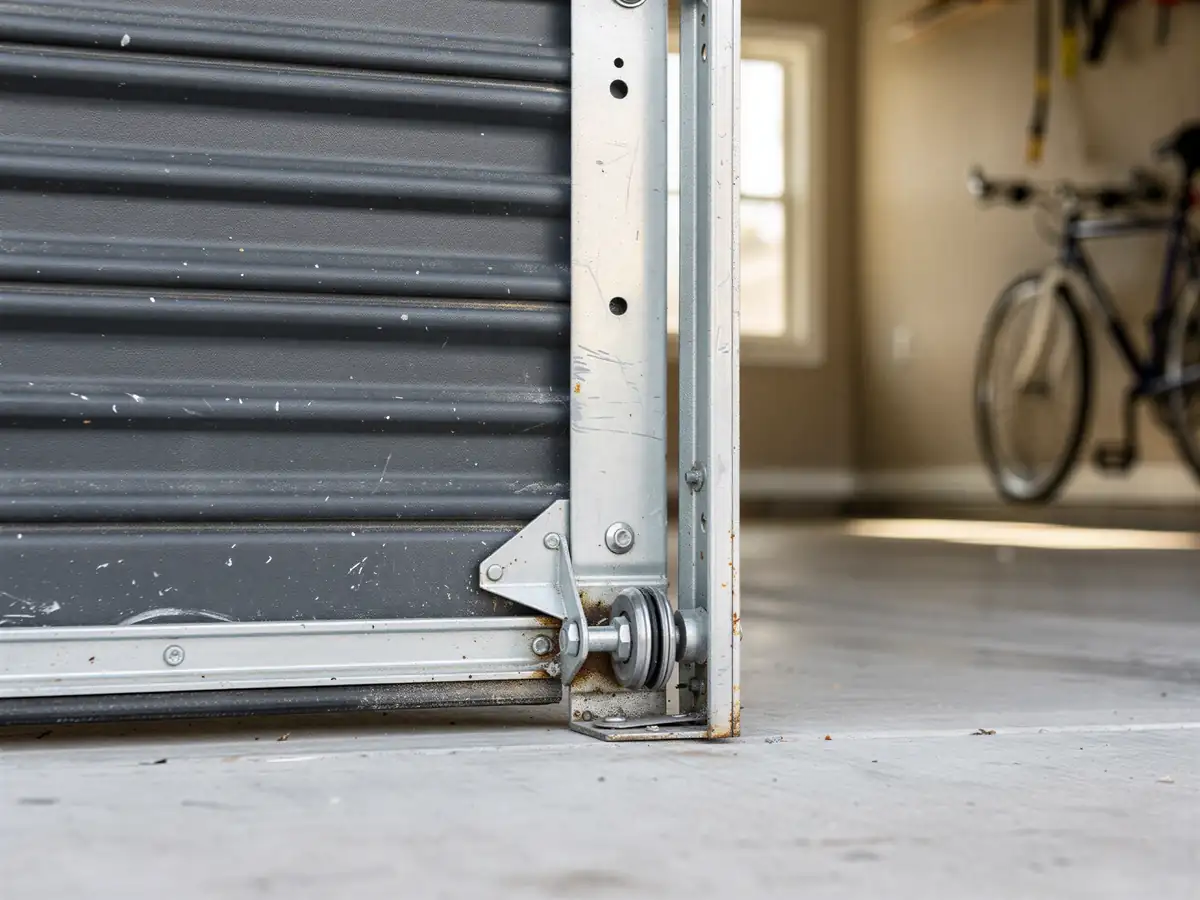
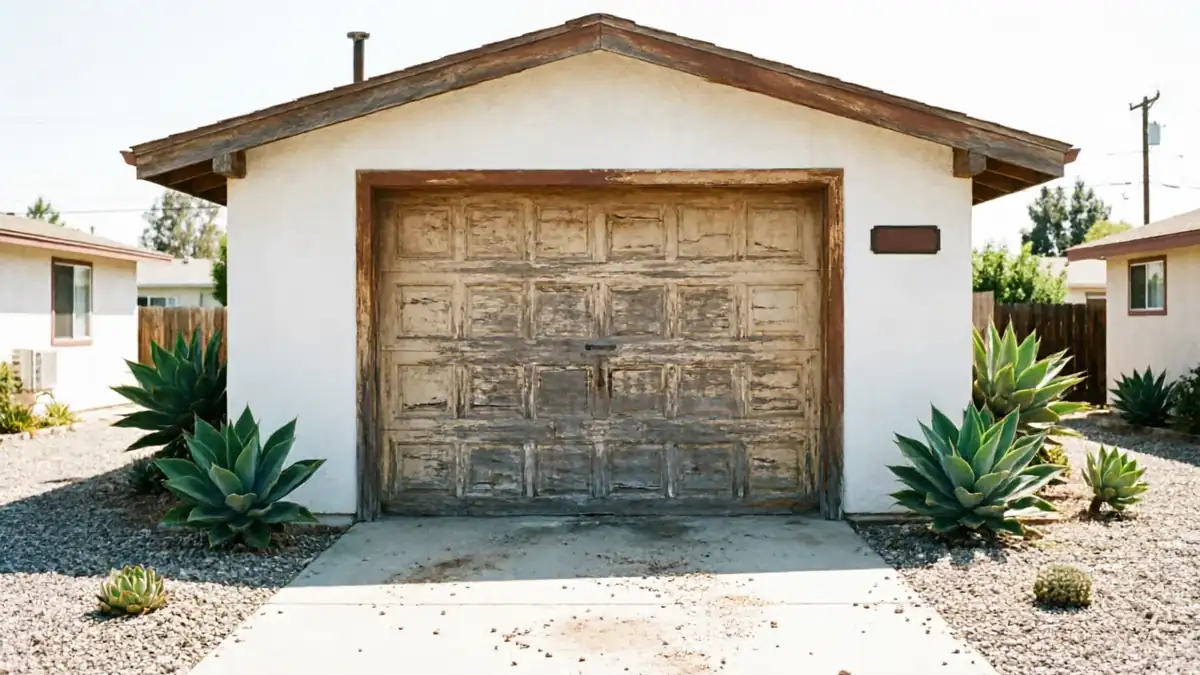
Before you decide to fix or replace, look at three things. First, the panel material: if it's an original wood door from the 1960s-70s window and the bottom section is soft, cracked, or delaminating, that's a structural issue, not cosmetic, and it usually means replacement. Second, the spring type and size: if it's a torsion spring that looks original to the house, get the diameter checked - undersized or mismatched replacement springs are a common half-fix that fails again within a year. Third, the track: bent or narrow-gauge track from an older install often can't be adjusted to match a modern opener properly, which is why the door seems to "fight" the opener.
If all three check out - solid panel, correctly sized spring, straight track - a repair is usually worth it, even on an older door, especially given this area's mild climate hasn't done much structural damage. If the panel's failing and the hardware's obsolete, that's the point where fixing stops making financial sense.