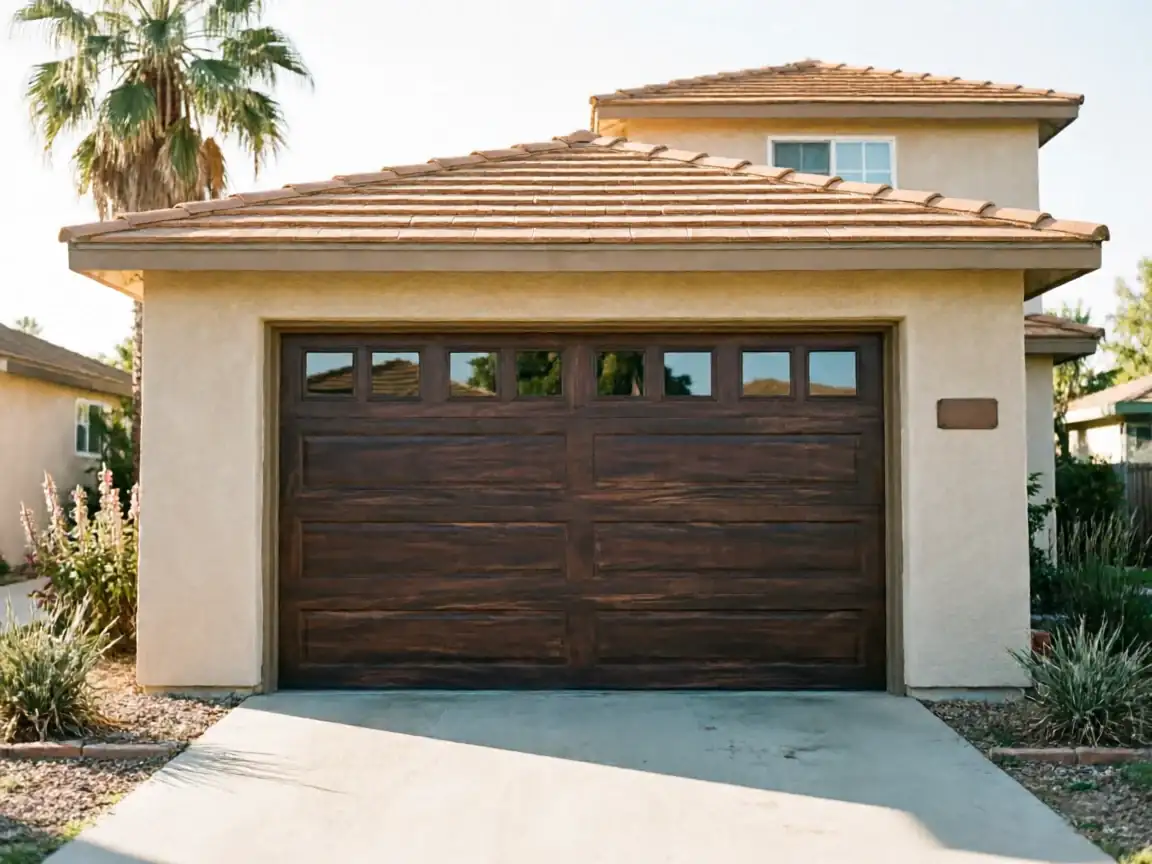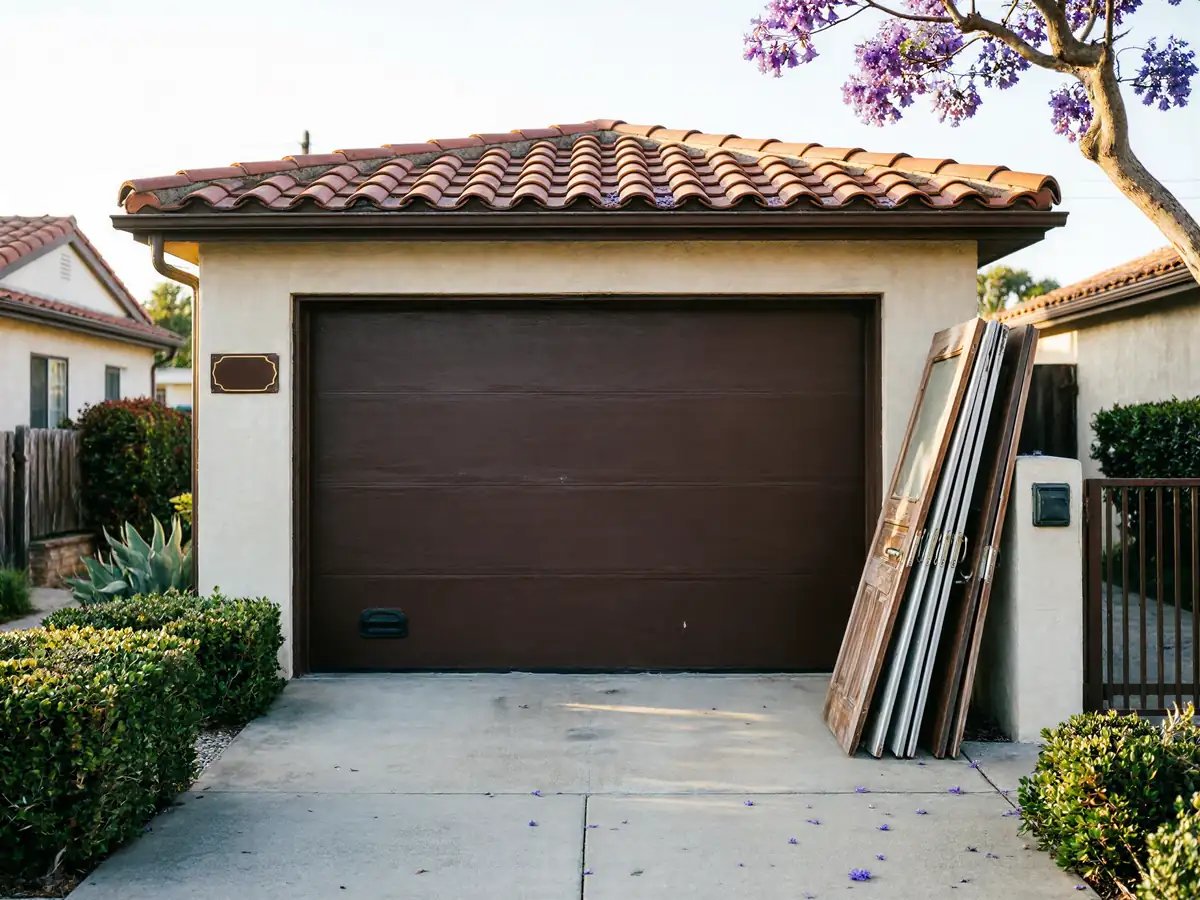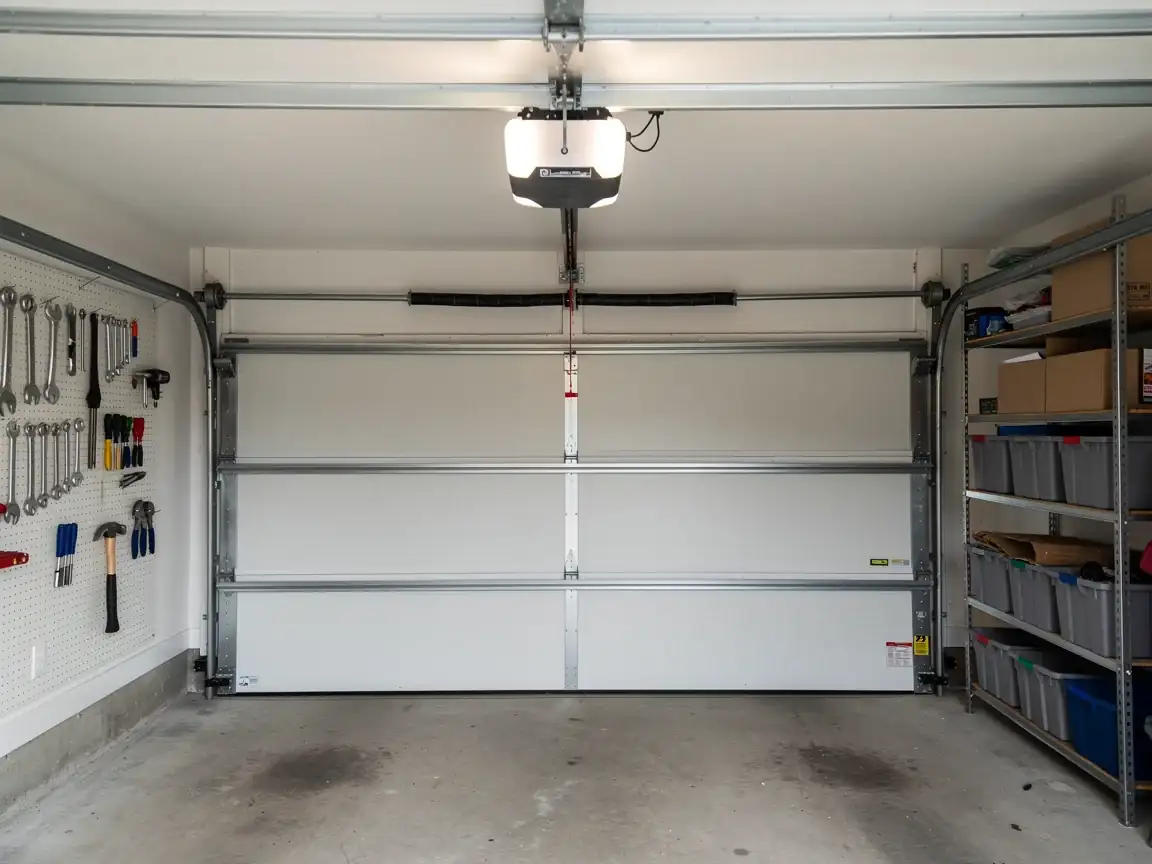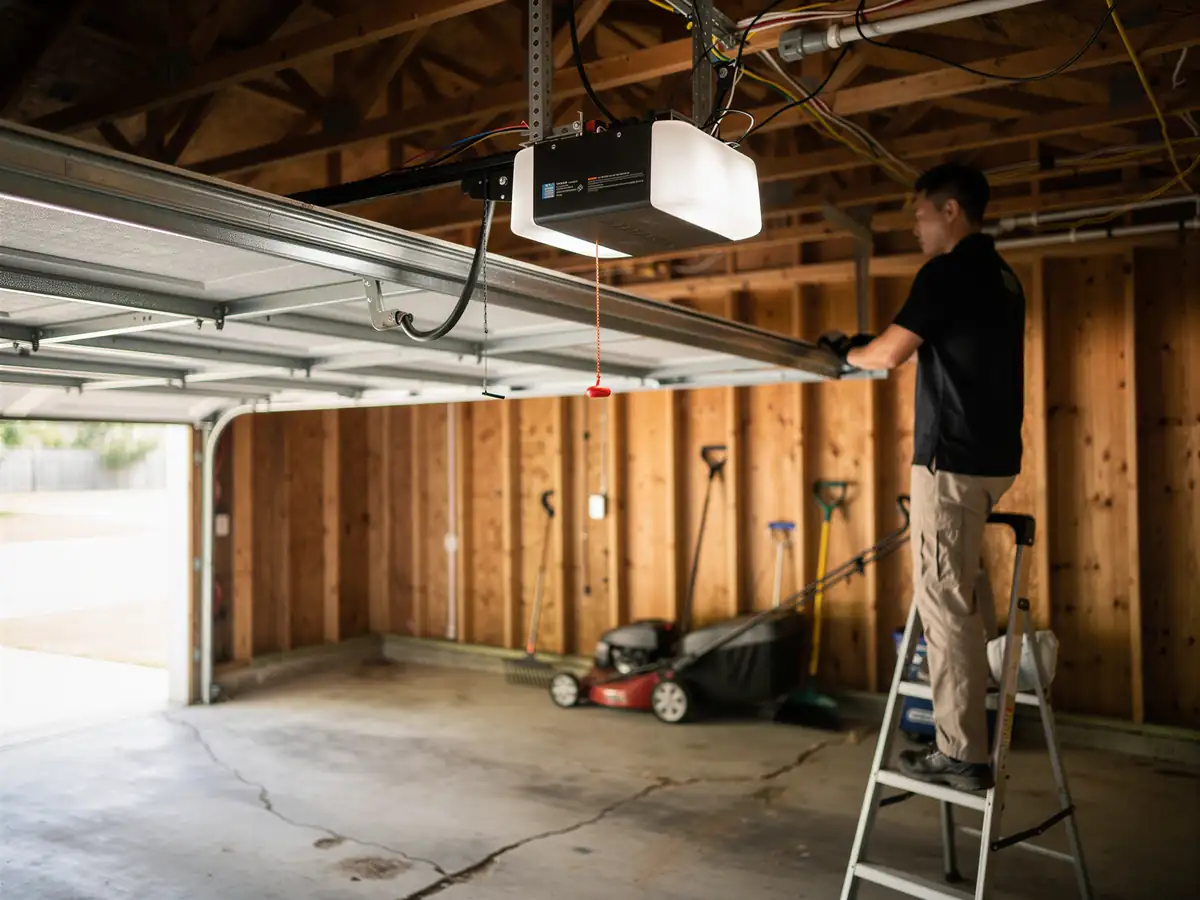
The Symptom
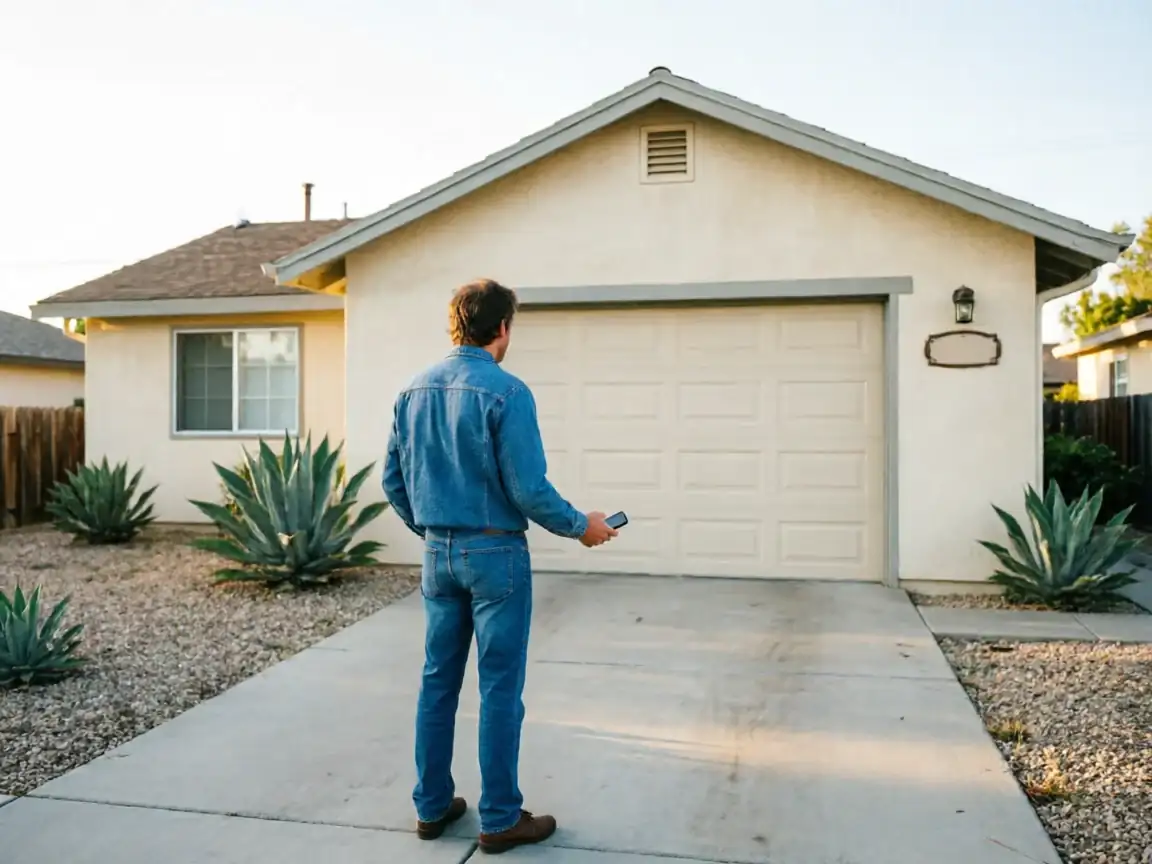
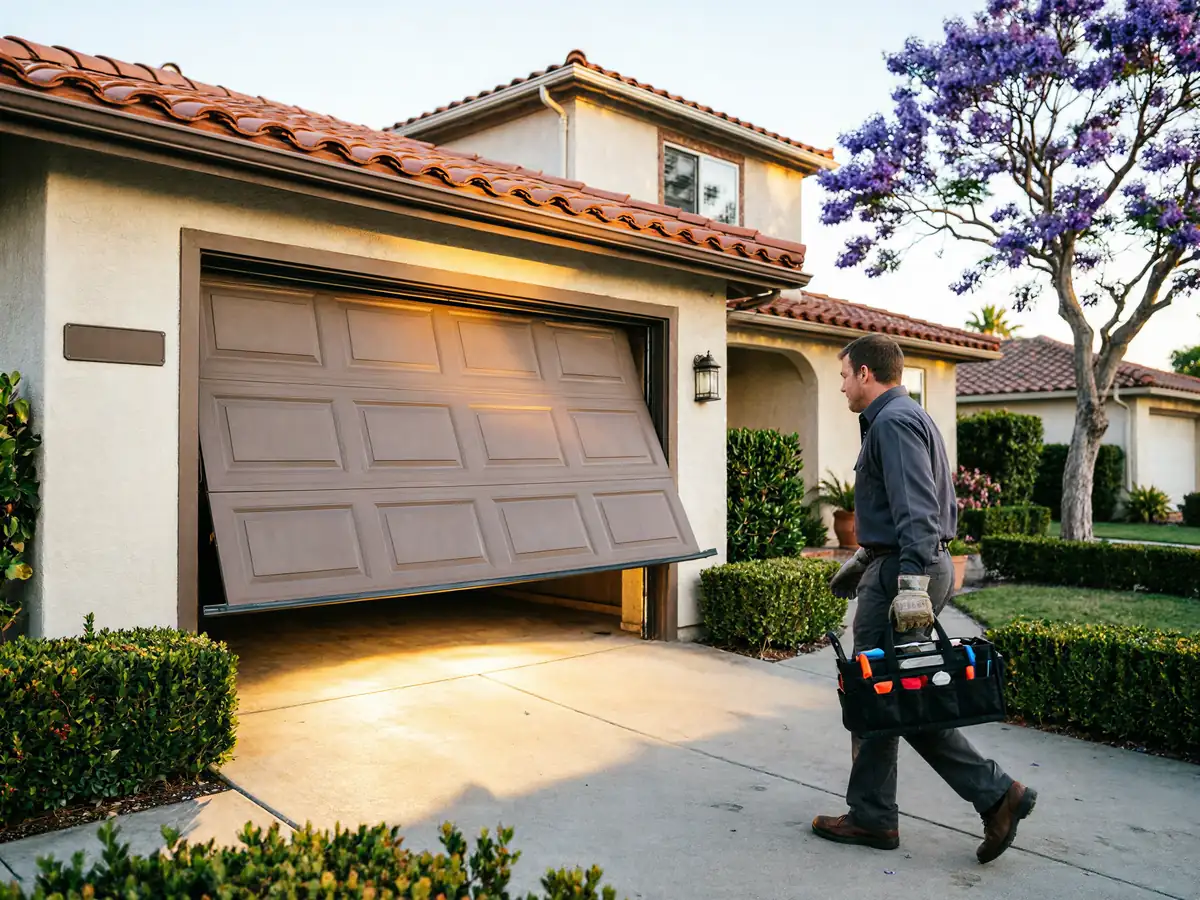
The door stops halfway and won't go up or down. Or it slams the last foot instead of settling. Or the opener runs but nothing moves, which usually means the spring let go and the opener is trying to lift the full weight of the door alone. Sometimes it's quieter than that - a grinding roller, a cable that's frayed down to a few strands, a track that's pulled away from the wall just enough to bind the rollers on one side.
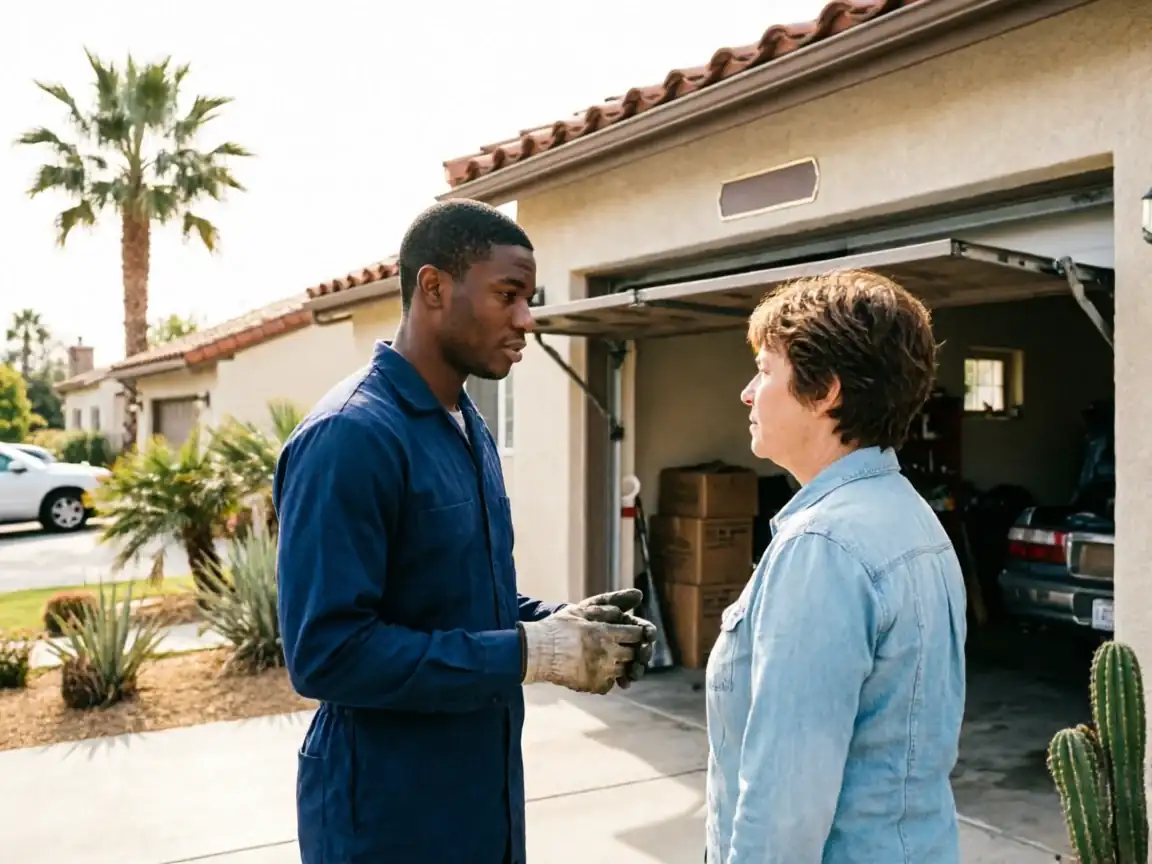
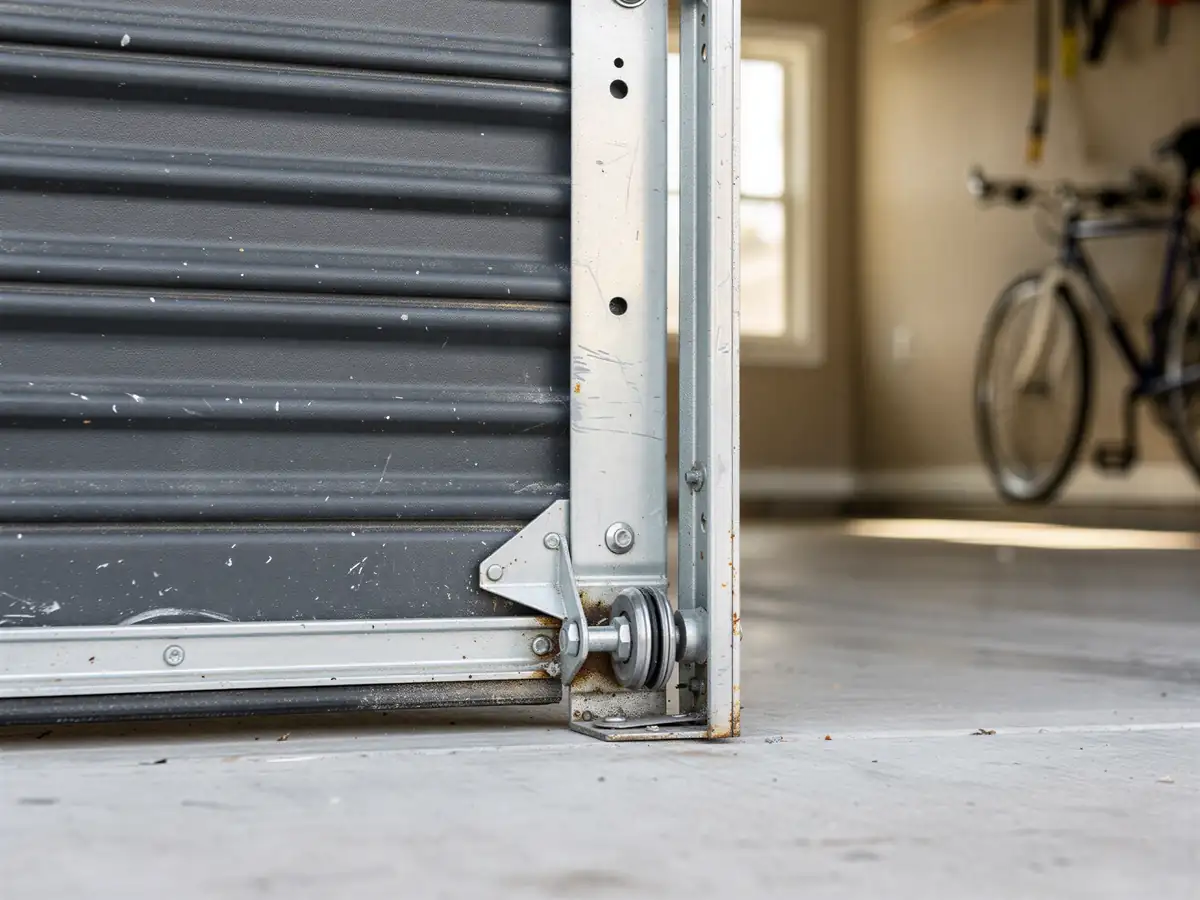
Most of these calls come from the same handful of failures: a broken torsion spring, a snapped cable, rollers that have worn through their bearings, or hinges that have stretched their mounting holes until the panel sags. None of these are mysteries once you're standing in front of the door. The symptom tells you almost everything before you touch a tool.
What the symptom doesn't tell you is why it happened now, on this door, in this neighborhood - and that's worth knowing because it changes whether you're looking at a spring swap or something further down the line.
Where This Job Goes Sideways
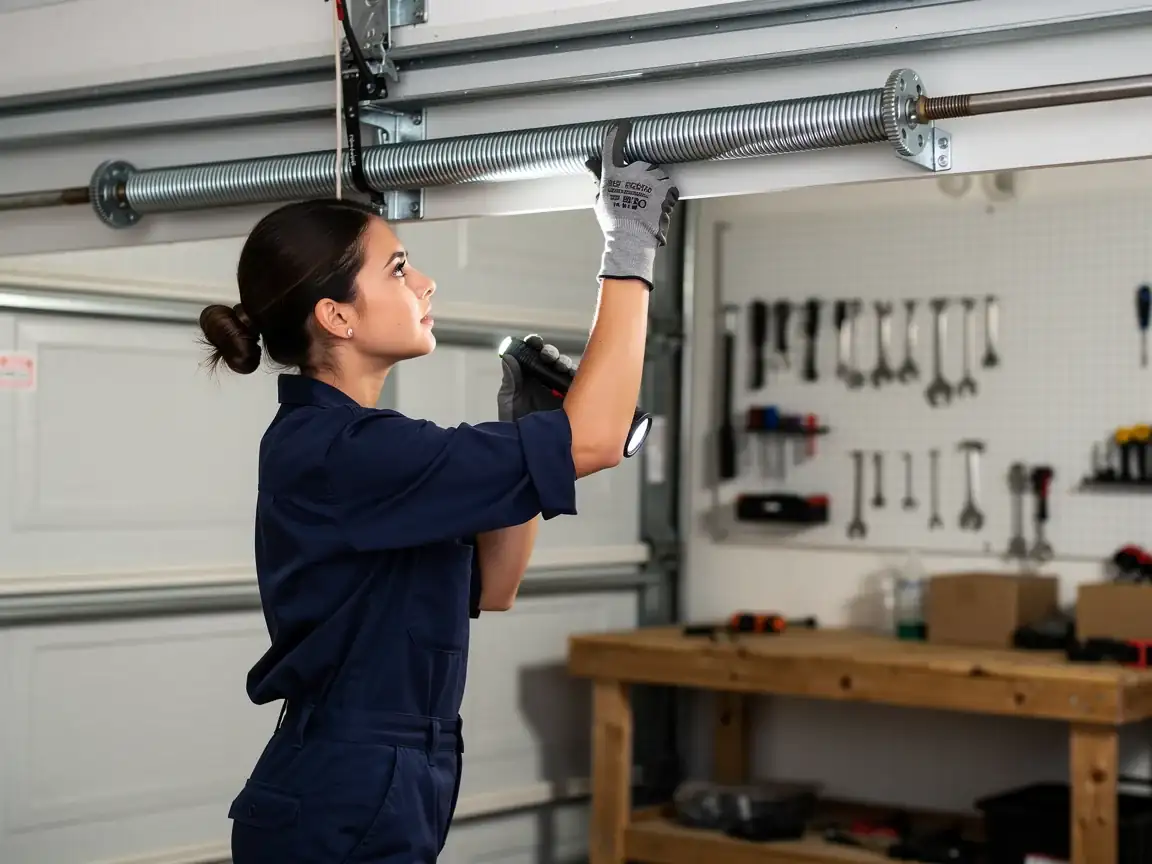
The job goes sideways when someone treats the spring like the whole problem. A torsion spring snaps because it's done its count of cycles - but on a door built in the 1960s or 70s, the drums, bearing plates, and center bracket have usually logged the same decades of wear. Swap the spring alone on hardware like that and you can get a new spring stressing an old bracket within a season.
It also goes sideways on doors where the track was never quite right to begin with. A lot of Downey garages have additions, re-poured slabs, or shifted framing from repairs over sixty-plus years, and the track alignment follows the structure. Force a new roller into a track that's slightly twisted and it'll wear the same way the old one did, just faster.
One honest limit here: if the door panel itself is rusted through or the wood has delaminated, we're not going to spend your money chasing a spring repair that won't hold. At that point replacement is the cheaper fix over a two-year horizon, and we'll say so instead of patching it.
What Causes It Around Here
Downey's housing stock runs from 1943 up through more recent builds
With most of the neighborhood dating to the 1960s and 70s - the same era across the wider area that includes Bell Gardens, Paramount, and Norwalk nearby. That means a lot of original torsion hardware, steel tracks, and first- or second-generation openers that have been running on the same springs and cables for decades longer than they're rated for.
The mild temperate climate here doesn't put the kind of thermal stress on hardware that you'd see in a place with hard freezes or extreme heat swings
So rust and metal fatigue track closer to simple age and cycle count than weather damage. That's actually good news: it means when a spring or cable fails on a Downey door, it's almost always wear, not corrosion from moisture or road salt, which narrows down the fix and keeps the job from turning into a full hardware teardown.
How We Fix It
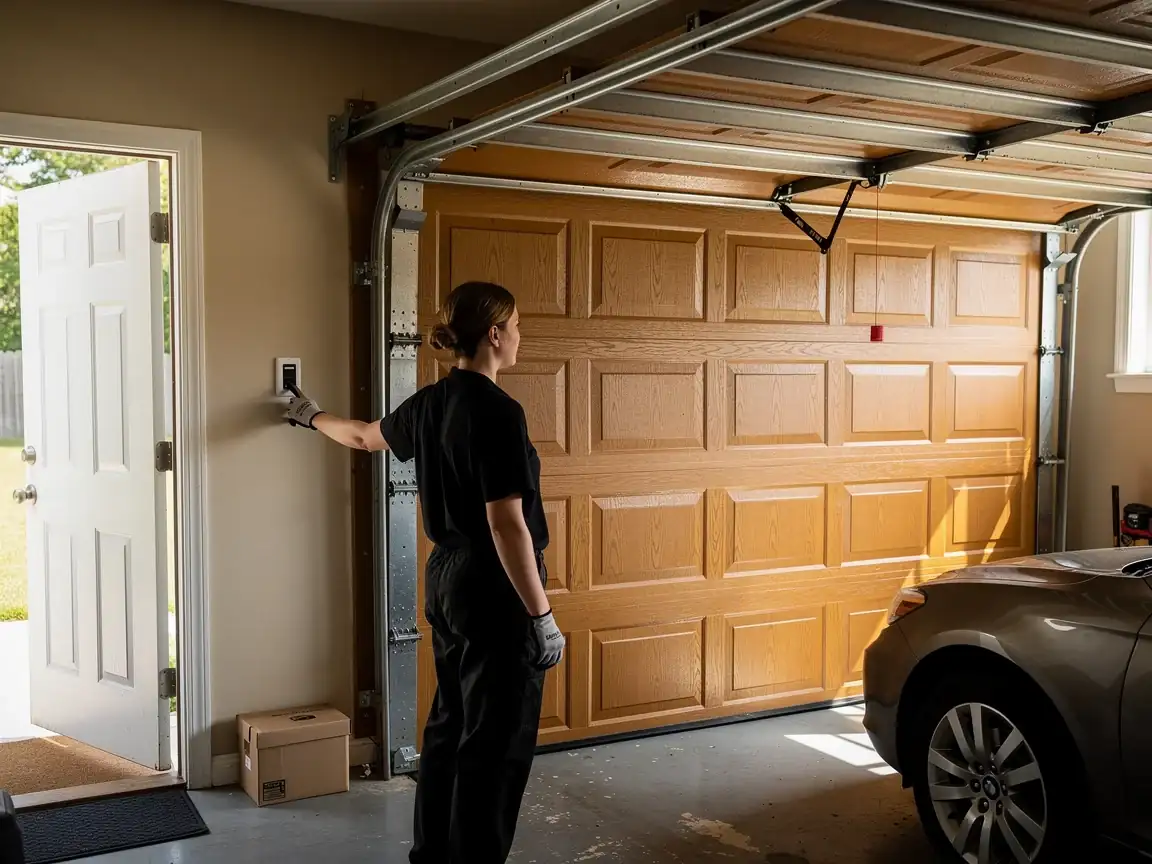
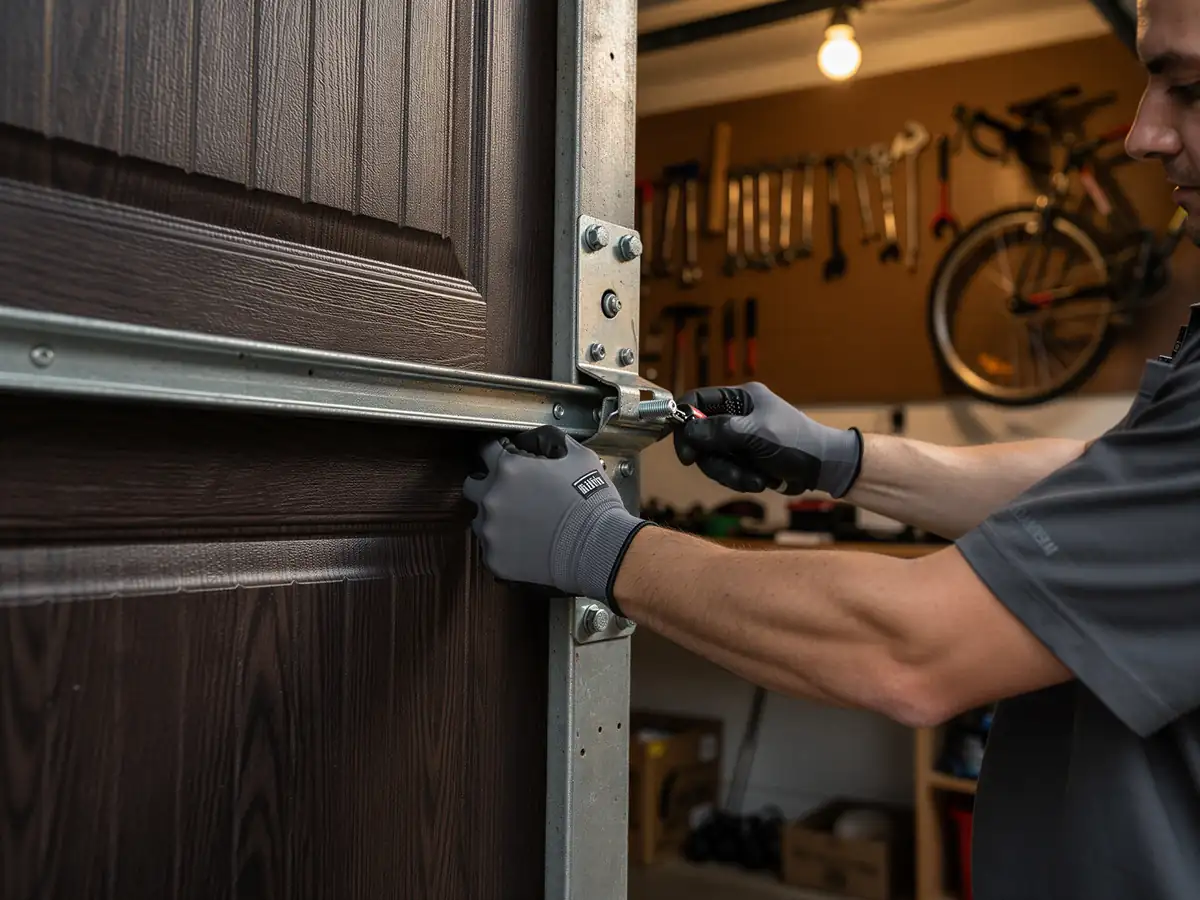
We start by running the door manually with the opener disconnected, which tells us in under a minute whether the spring is doing its job. If it's the spring, we replace it sized to the door's actual weight, not a universal stand-in, and we check the drums and bearing plates for wear while we're in there since that hardware came from the same build era as the spring that just failed.
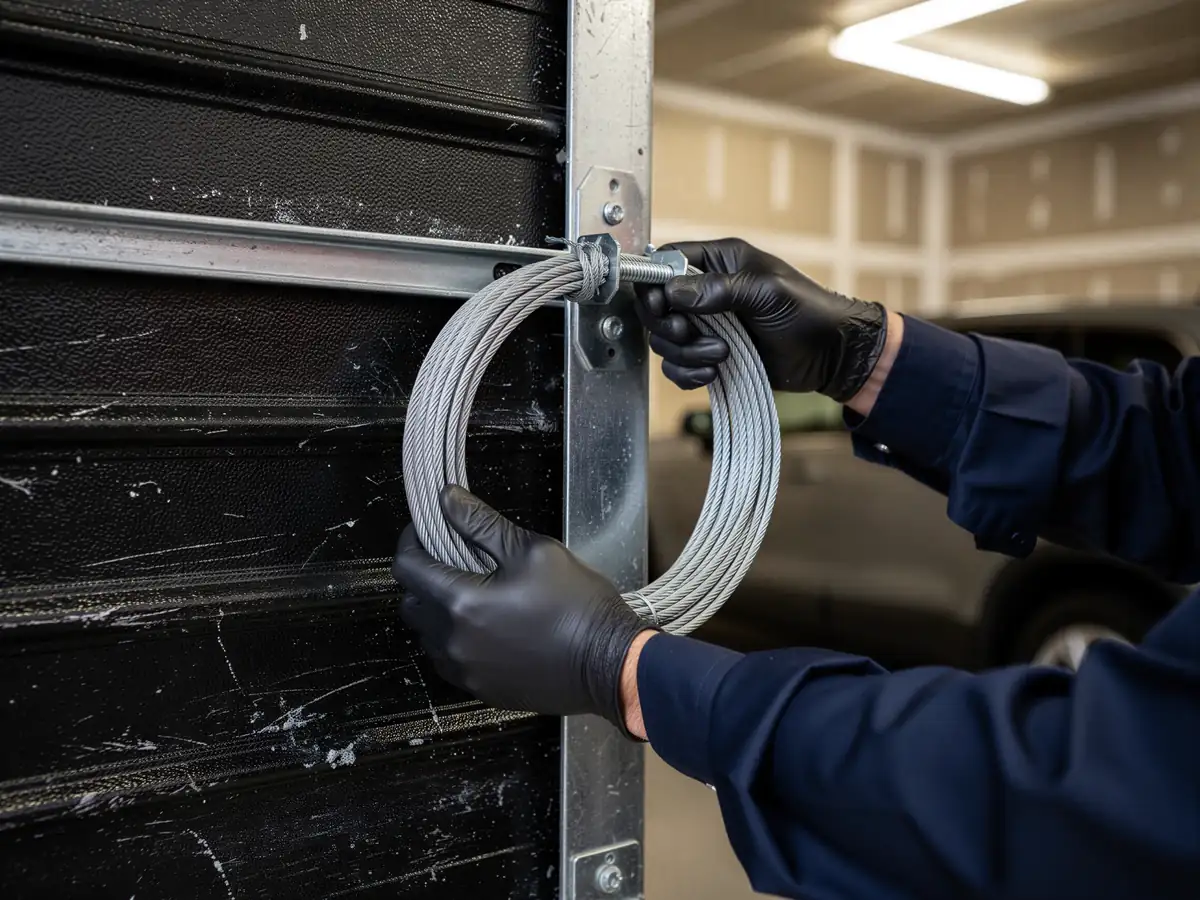
If it's a cable, we replace both cables as a pair even if only one snapped - the other is on the same clock and failing it separately later means a second service call for a job that should've been one. Track issues get checked for square against the frame itself before we touch a roller, because straightening a bent section only to have it twist back out two months later isn't a repair, it's a delay.
Parts for older openers and some original hardware can take longer to source than a same-day spring, so we'll tell you upfront if a specific part means a short wait rather than promising same-day on everything.