How We Fix It
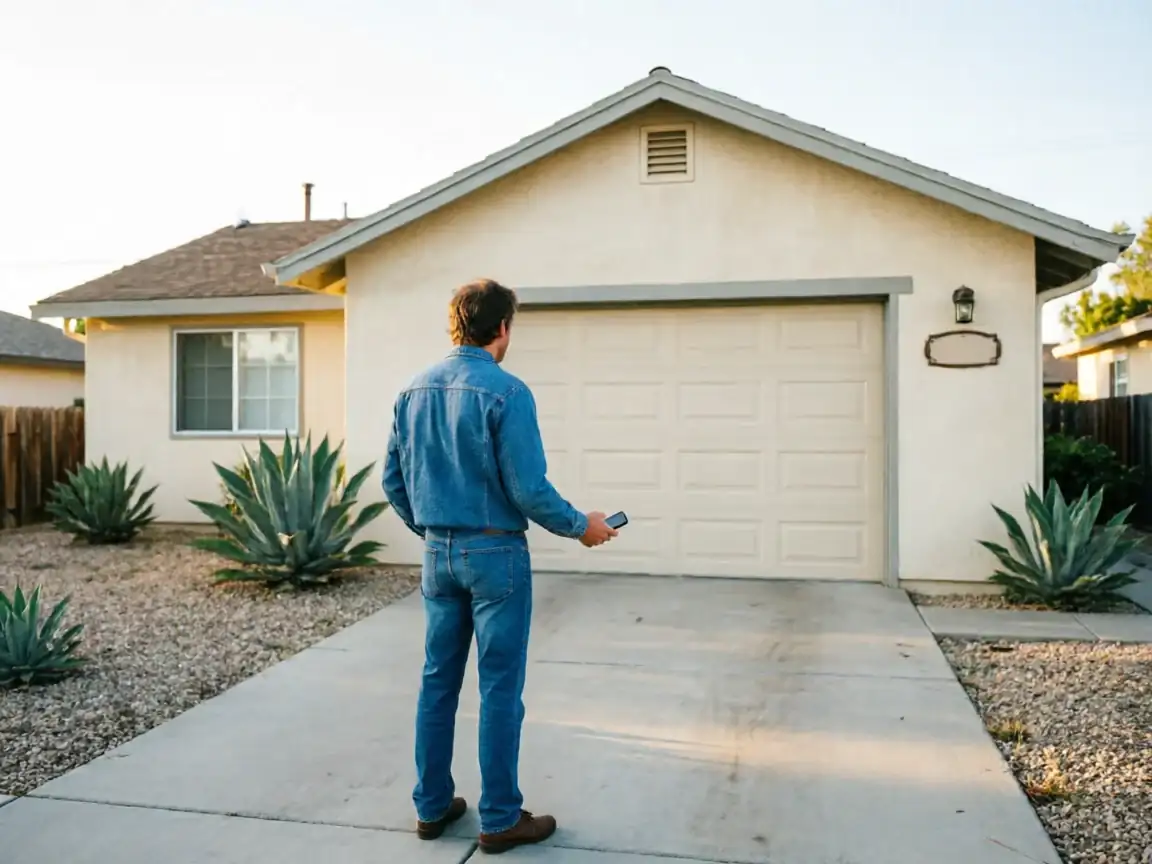
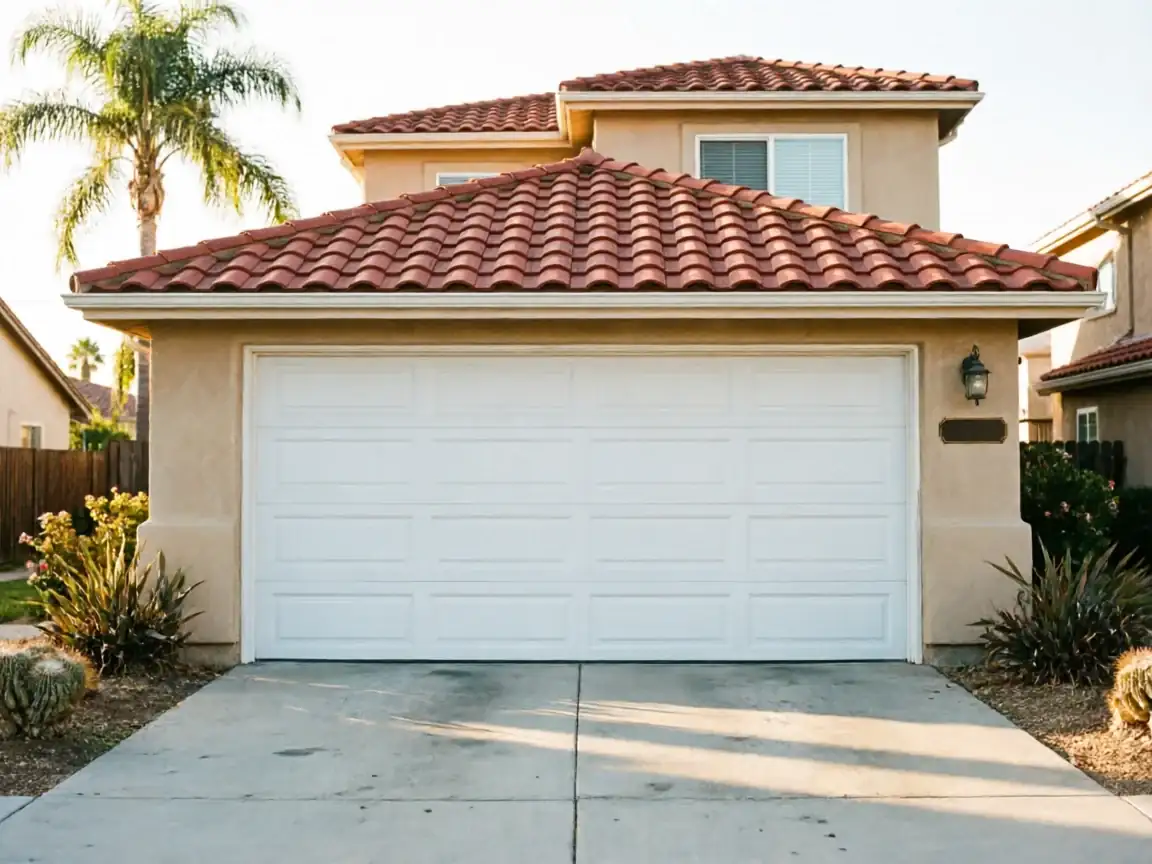
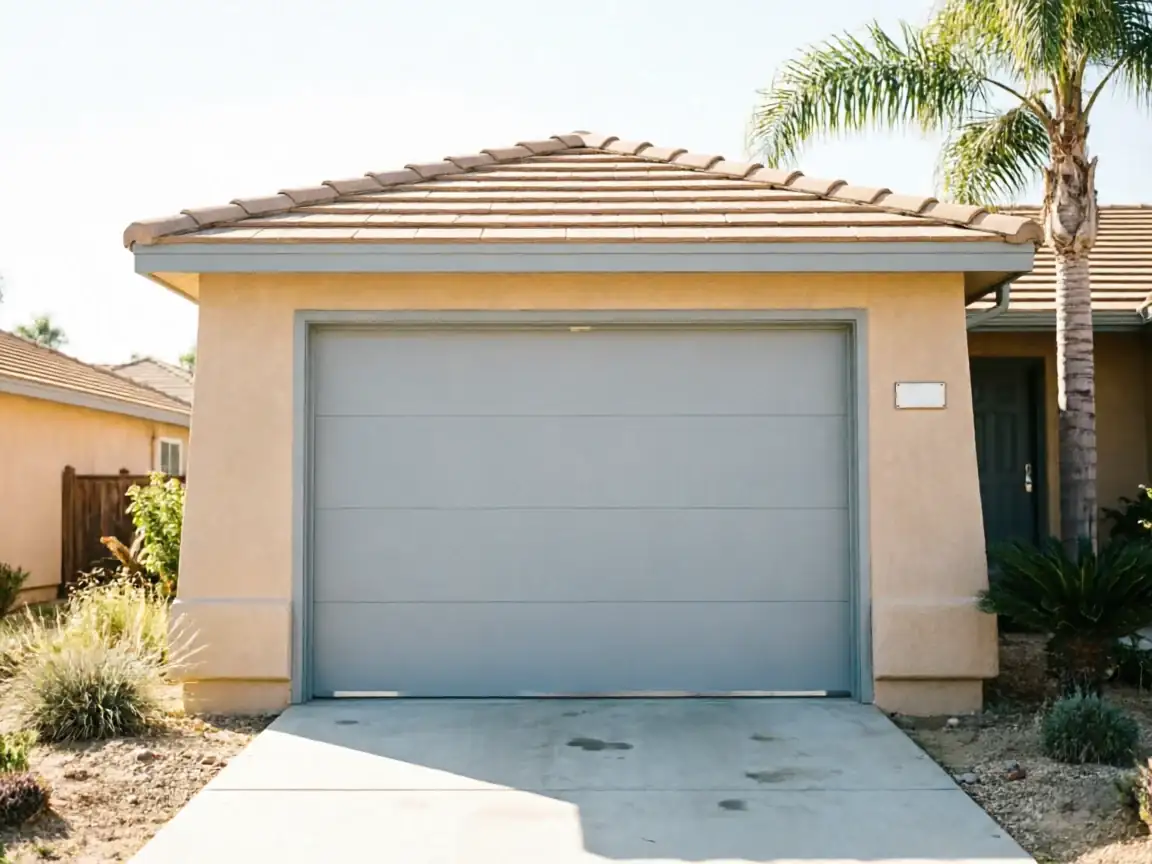
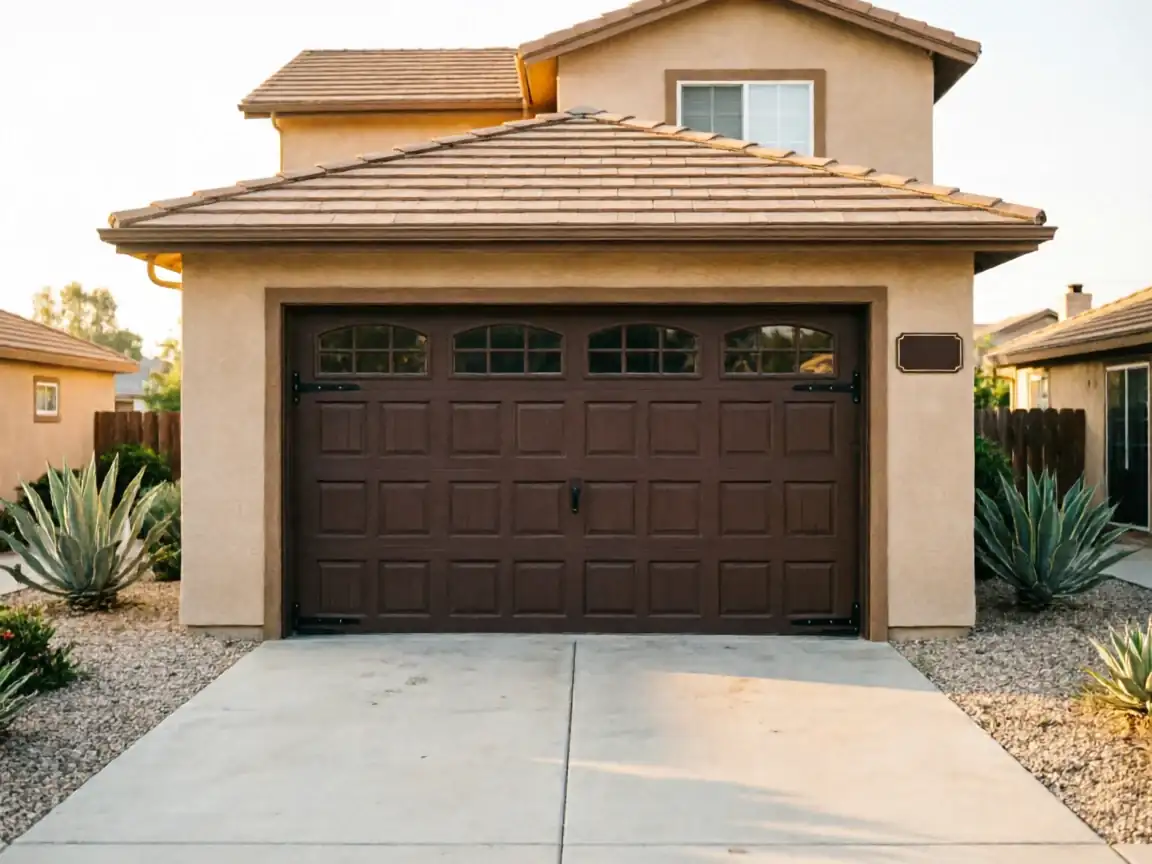
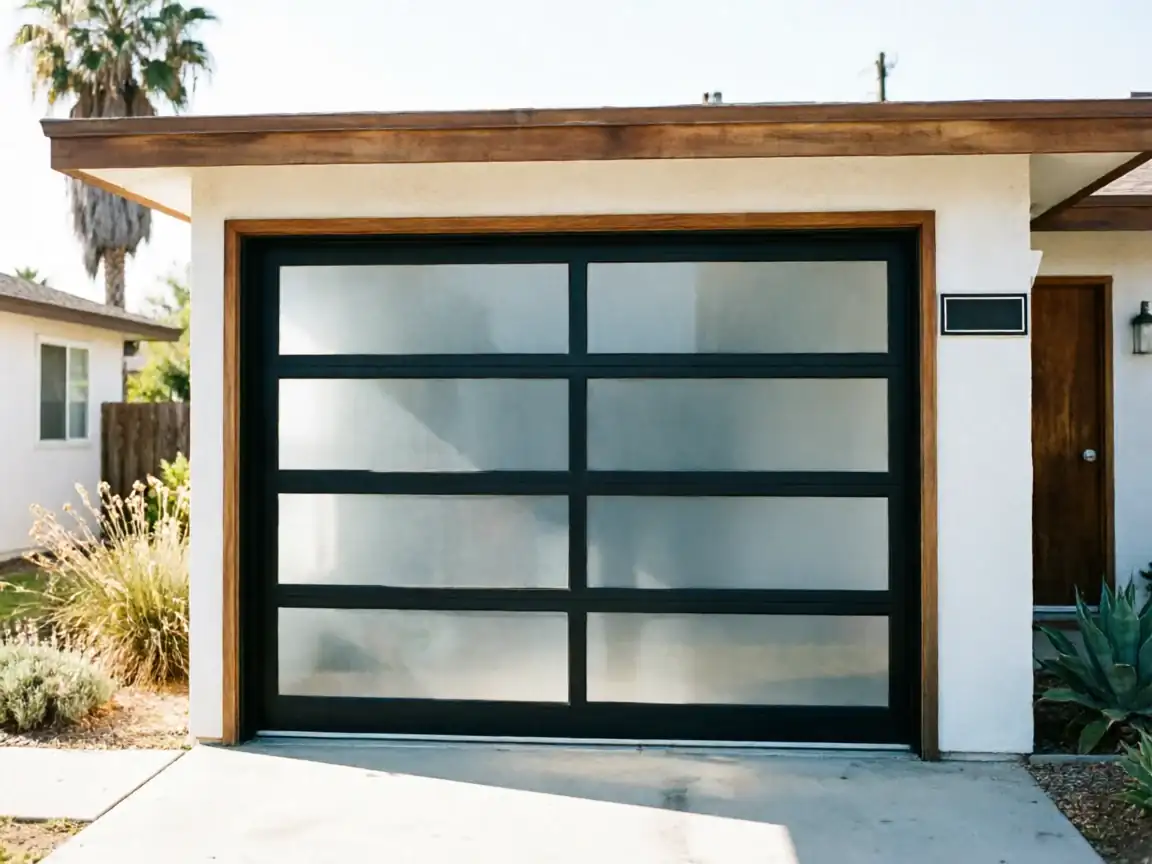
Compton's housing stock centers on a median build year of 1957 - six years ahead of the 1963 median across the rest of the service area we work. That matters because a house built in the late 1950s has had more years for its original torsion spring, its original rollers, and in some cases its original track to simply wear out without ever being touched. A lot of these doors are still running the hardware that went up with the house.
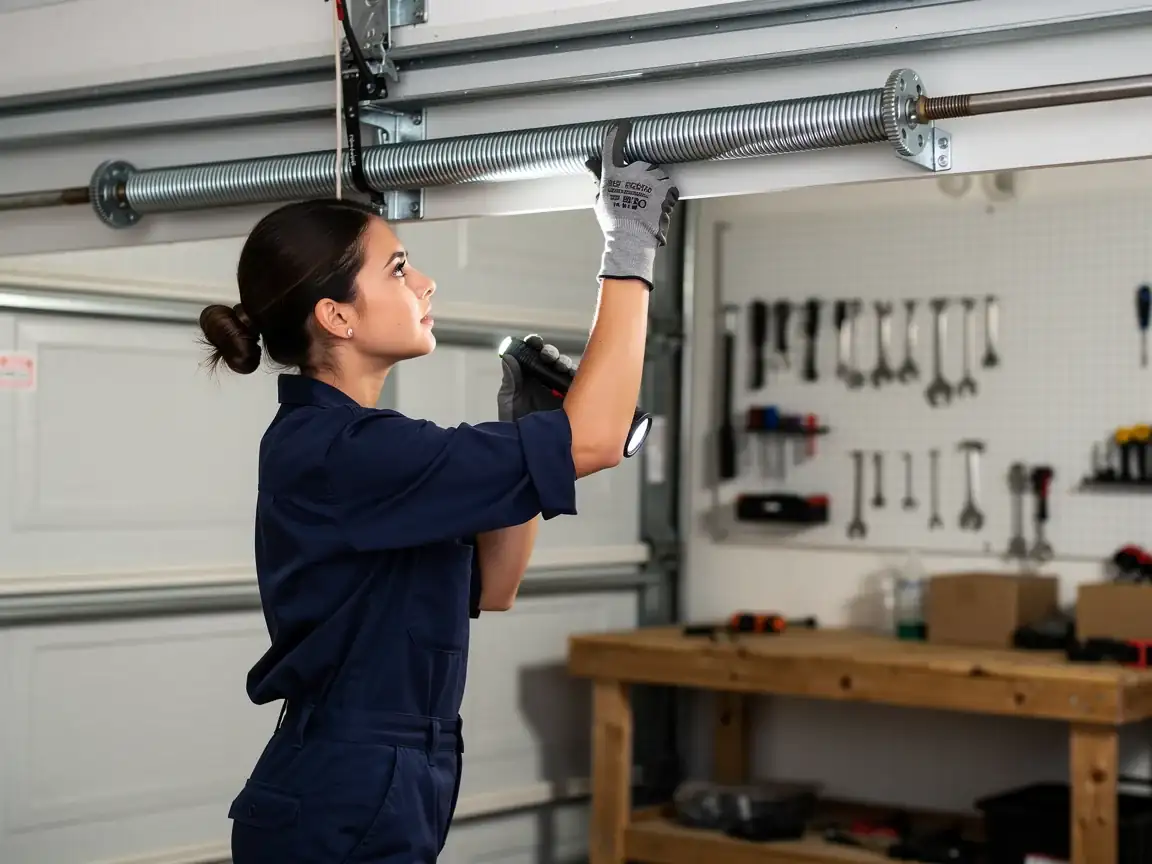
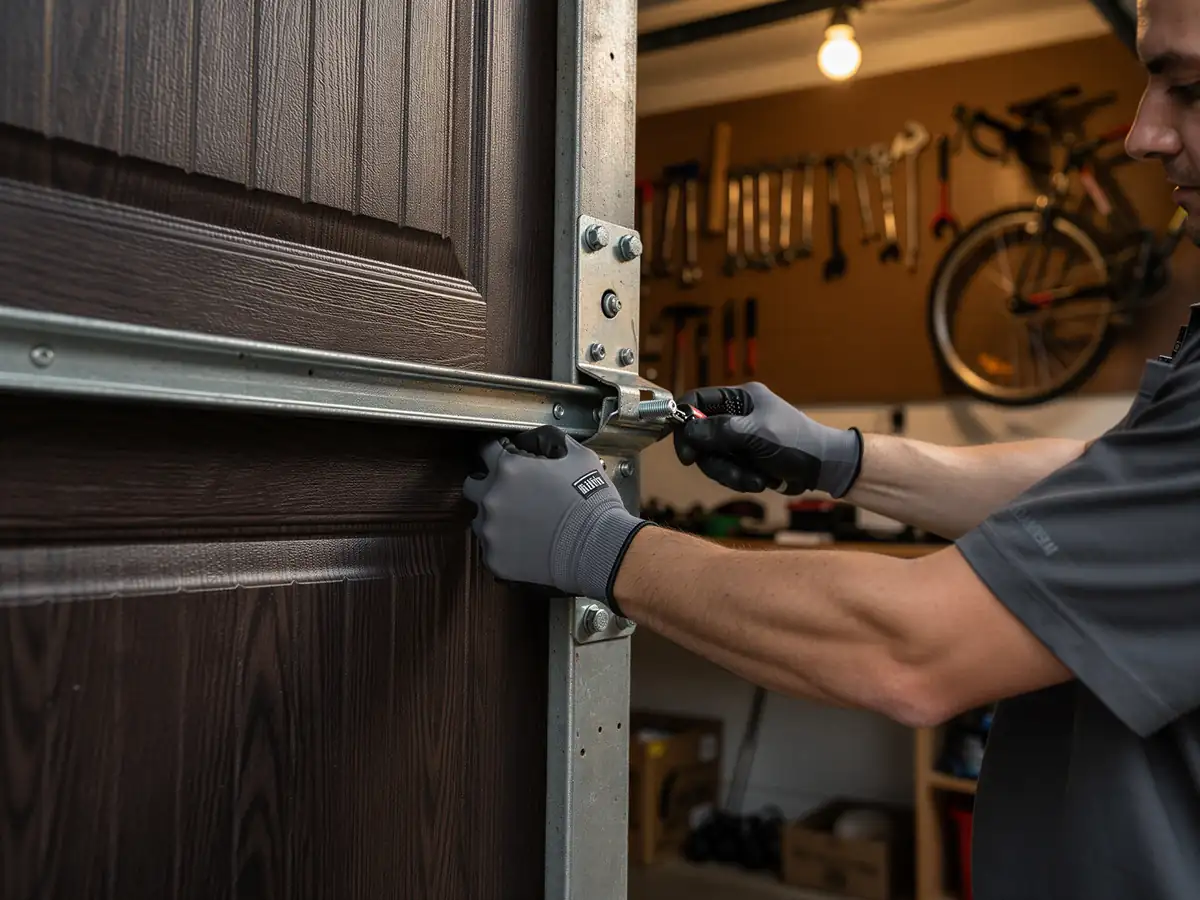
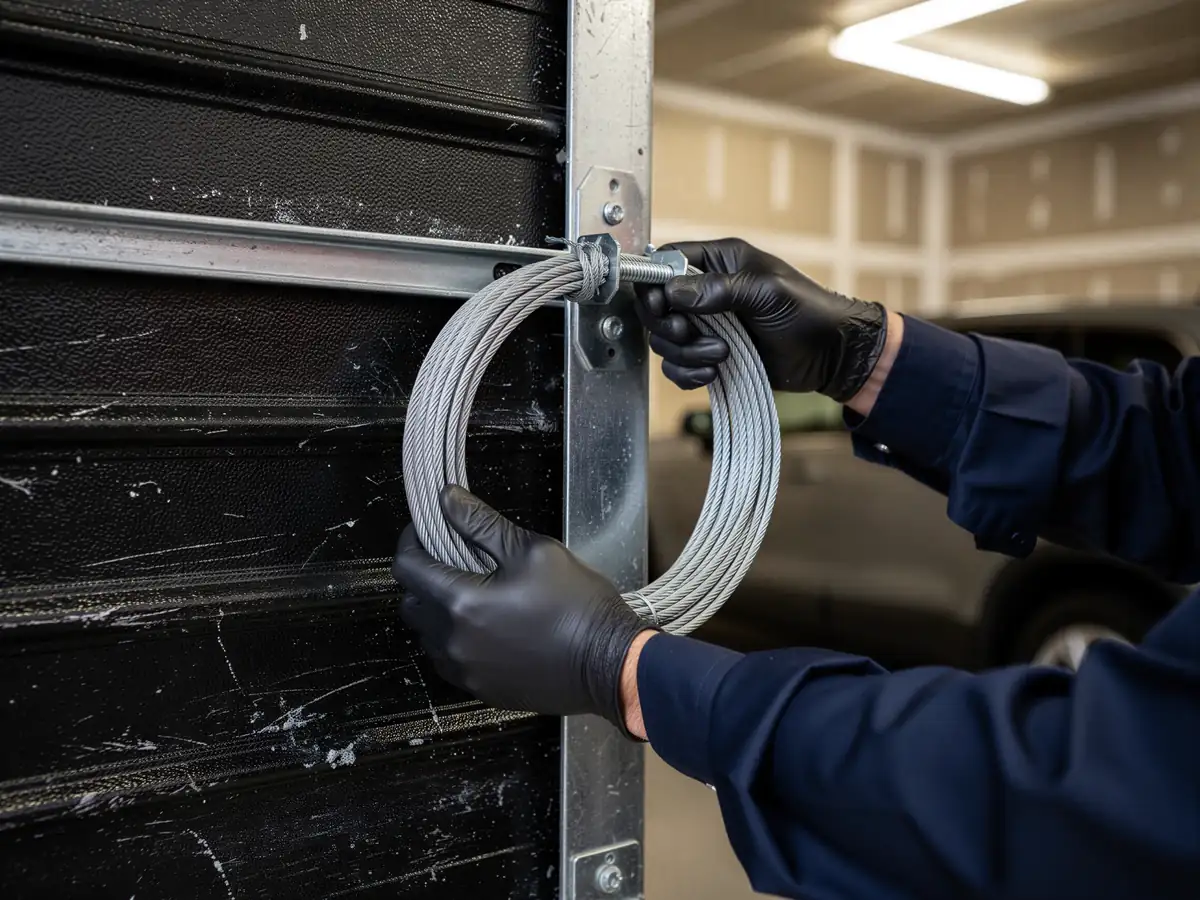
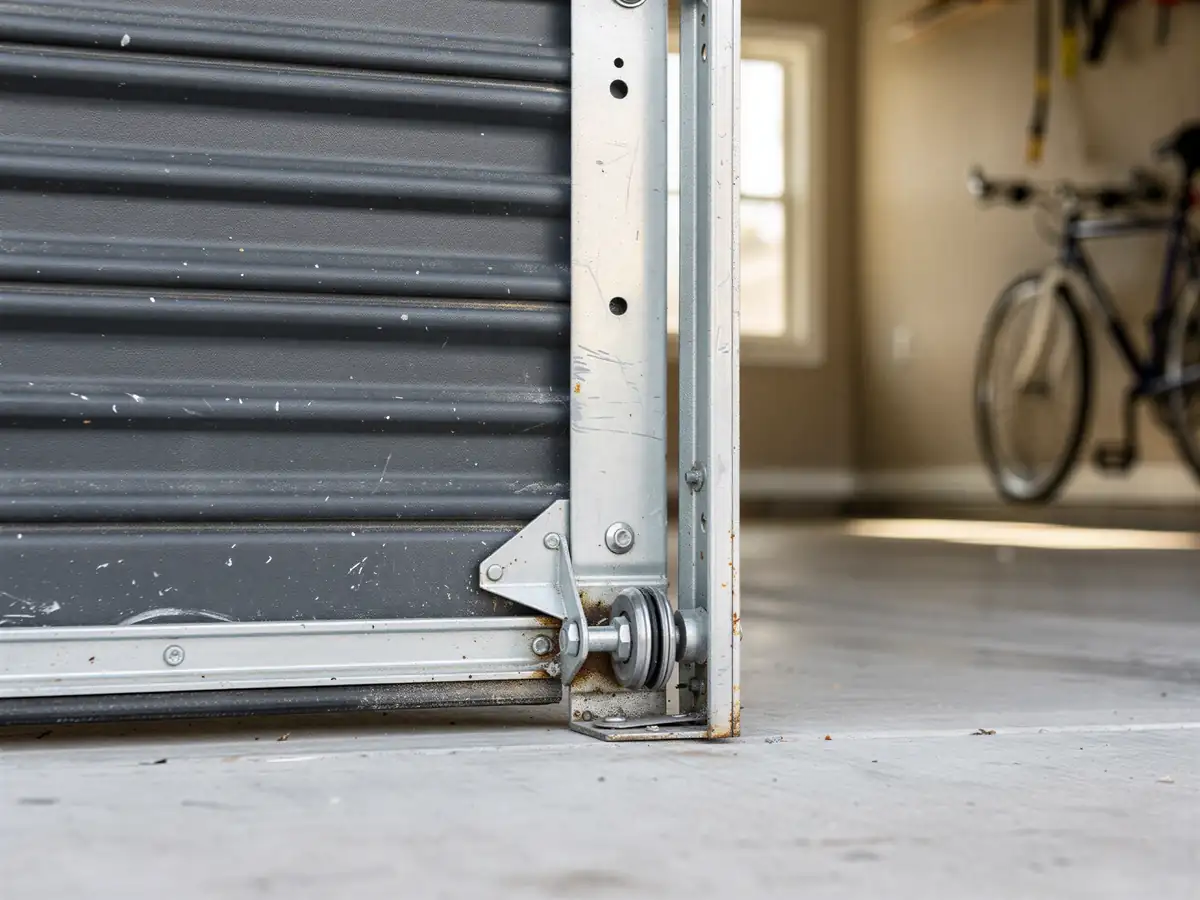
When a spring snaps on one of these, the first thing we look at is whether the drum and shaft are original too - if they are, we're not just swapping a spring, we're checking cable condition and bearing plates that have had sixty-plus years to rust or seize. We carry common spring sizes on the truck, but if a house has an odd-length shaft or a bracket pattern nobody makes anymore, that's a part we have to source before the job finishes. We'll tell you straight if that's the case rather than jury-rig something that fails again in a month.
Getting It Booked In
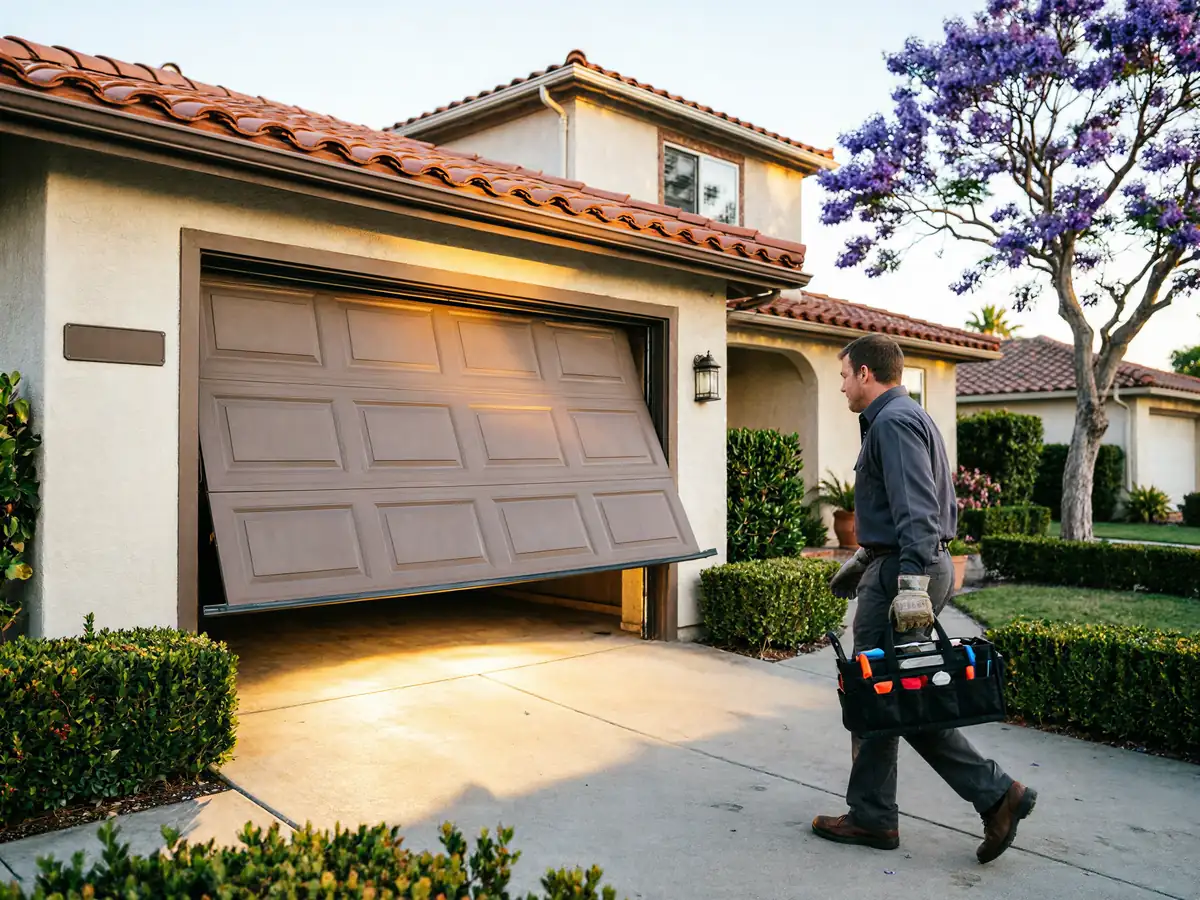
We run out of Downey, about 6 miles from Compton. That's close enough that a call here doesn't sit behind a long drive, but we're not based in Compton and don't claim a depot or a same-day guarantee for the area - we book the job and get a truck moving, and timing depends on what's already on the schedule that day.
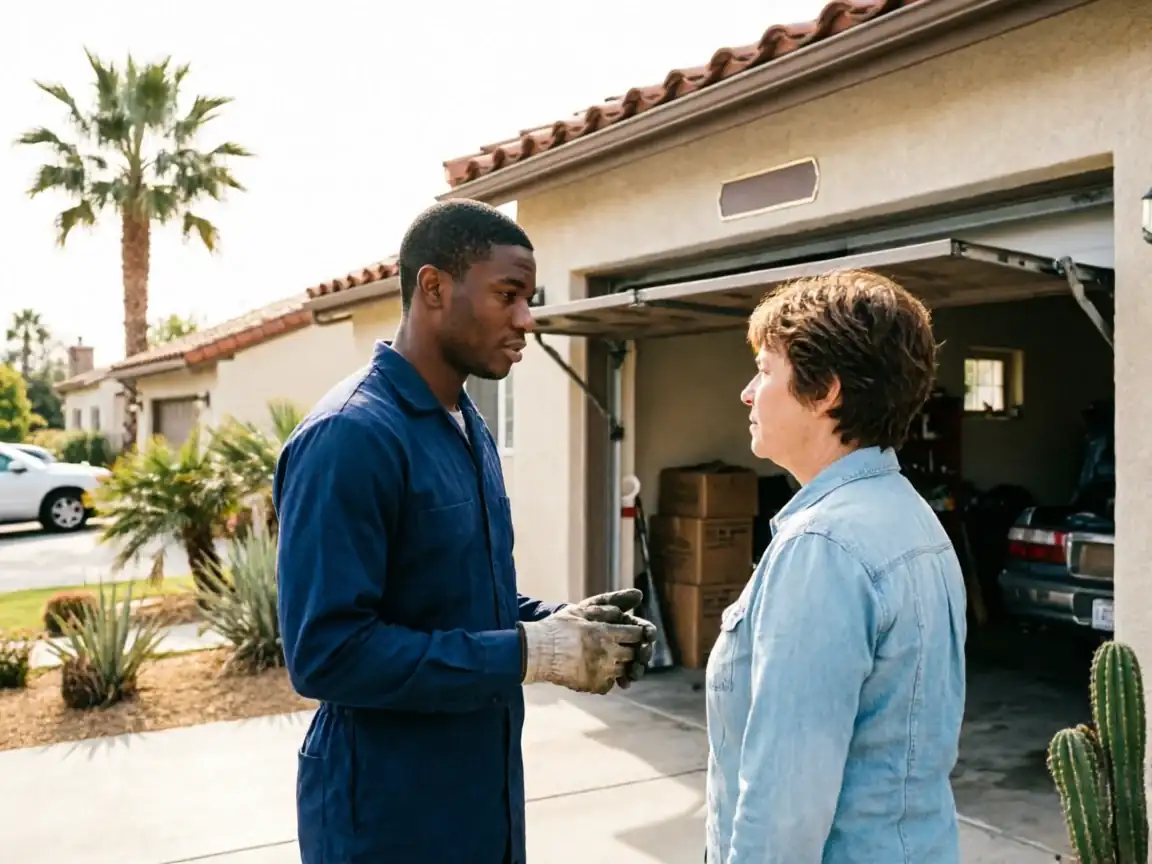
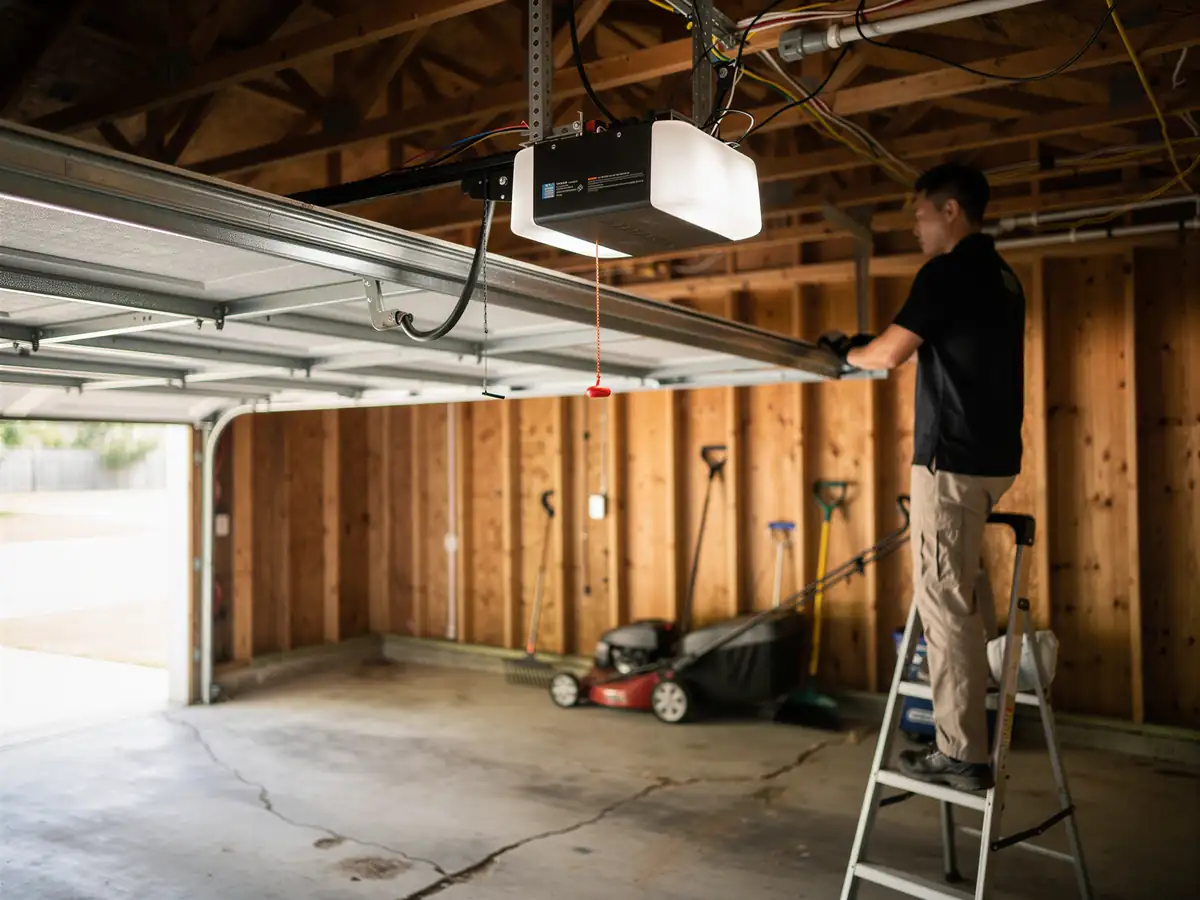
When you call, tell us the door's symptom plainly: won't open, opens partway and stops, makes a bang and goes dead, opener runs but door doesn't move. That tells us whether we're looking at a spring, a cable, an opener gear, or something electrical, and it lets us bring the right stock the first trip instead of a second one.
How Long It Takes
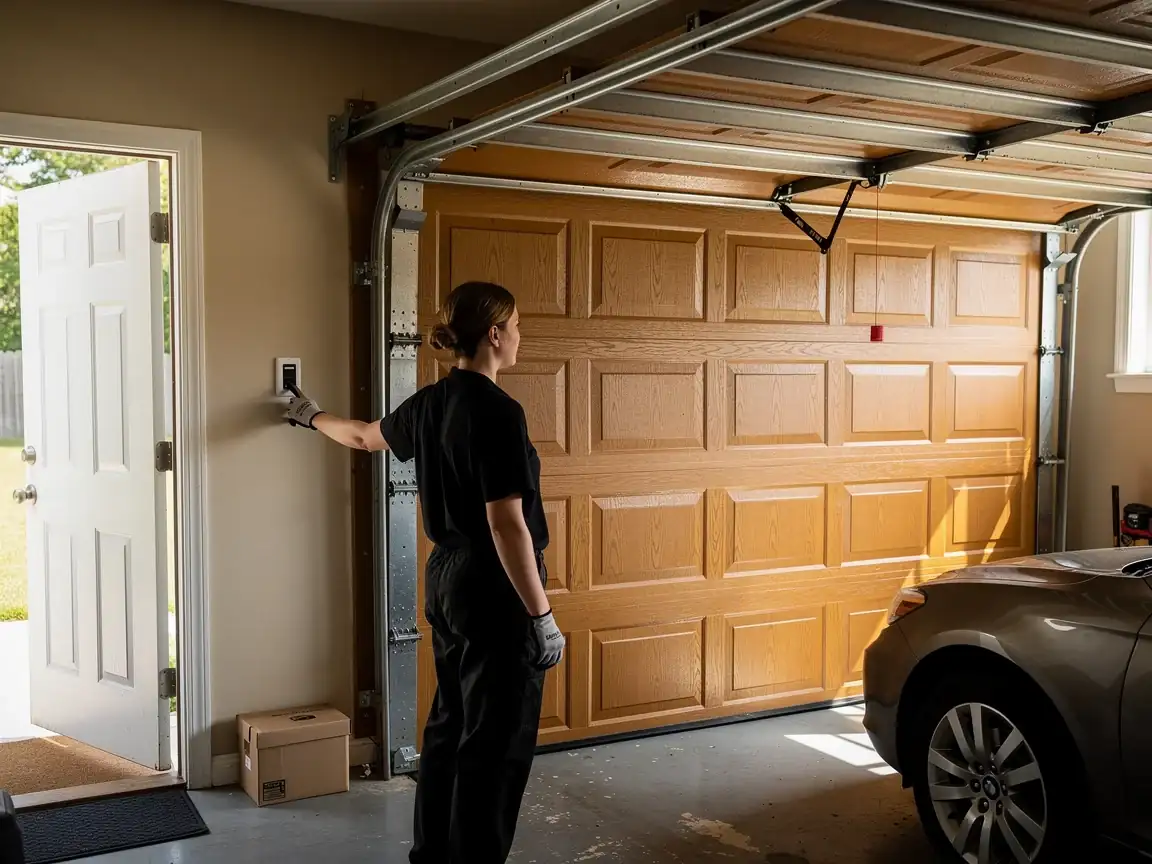
Most spring and cable repairs on these older single-family doors run within a single visit once the part is on the truck. Where it stretches is when the hardware is non-standard for the house's age - an odd drum size, a bracket style from the original build that newer springs don't fit cleanly - and we have to order the part before we can finish the job. We'd rather tell you that up front and come back with the right piece than leave a door half-fixed to hit a same-day promise we never made.
What Causes It Around Here
With a median build year of 1957, a good share of Compton's garage doors are carrying hardware that predates modern galvanized springs and sealed bearings. Add in the mild temperate climate across this part of the service area - no deep freeze, no major humidity swings - and the failures we see aren't weather-driven the way they might be somewhere with real winters. They're wear-driven: a spring that's cycled tens of thousands of times since the Eisenhower era, a cable that's frayed slowly instead of snapping clean, rollers that were steel to begin with and have been grinding metal-on-metal in the track for decades.