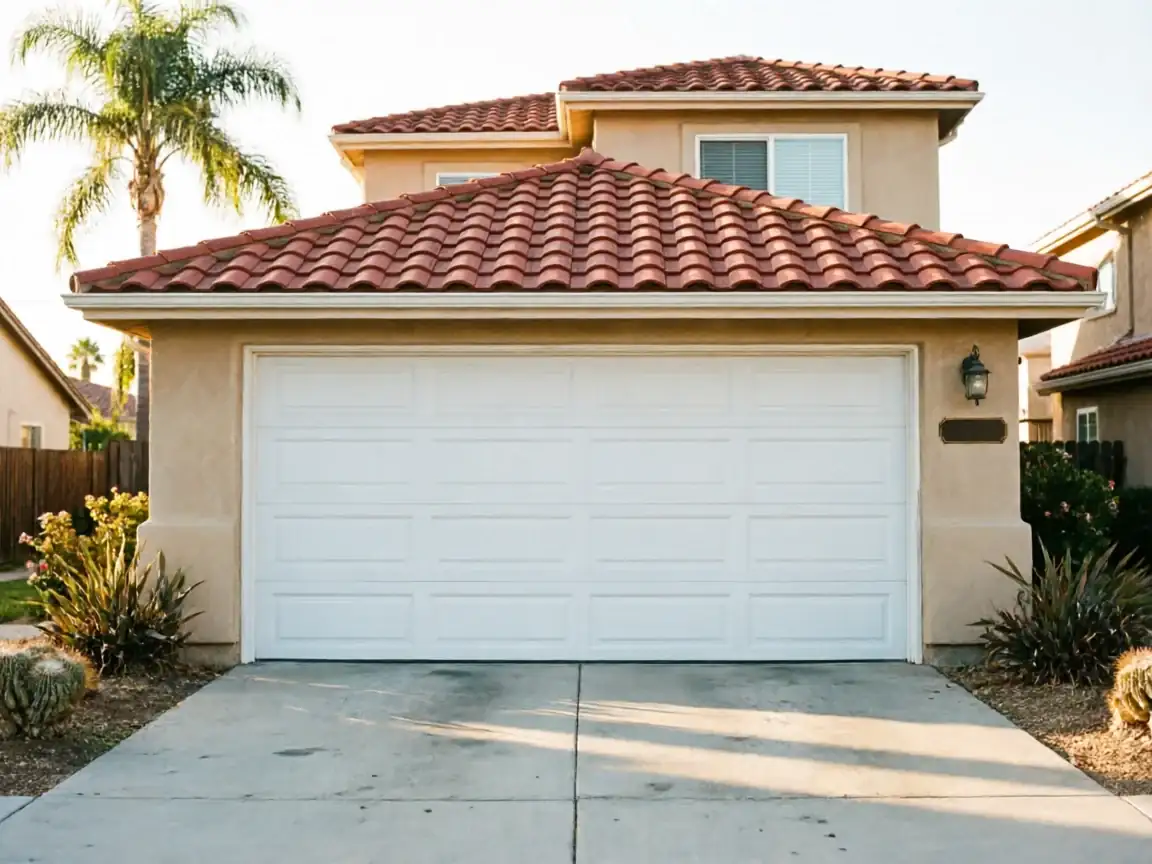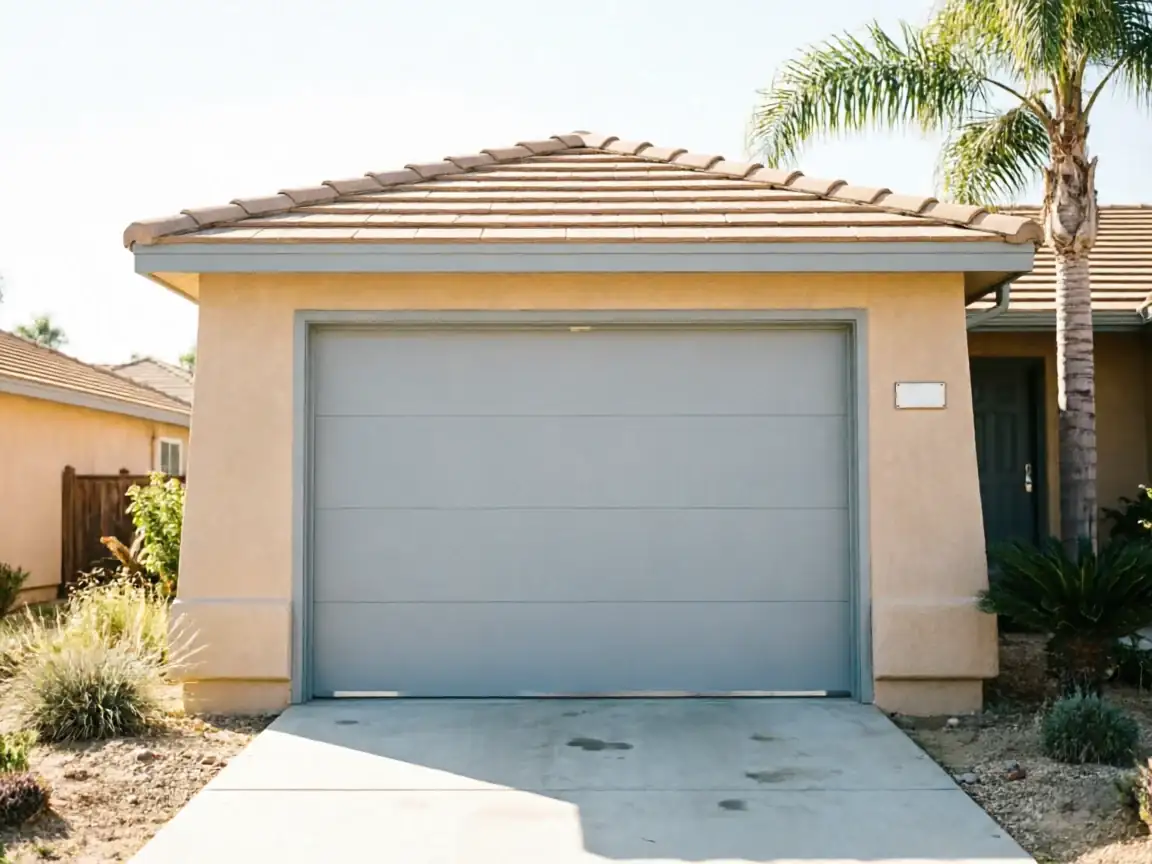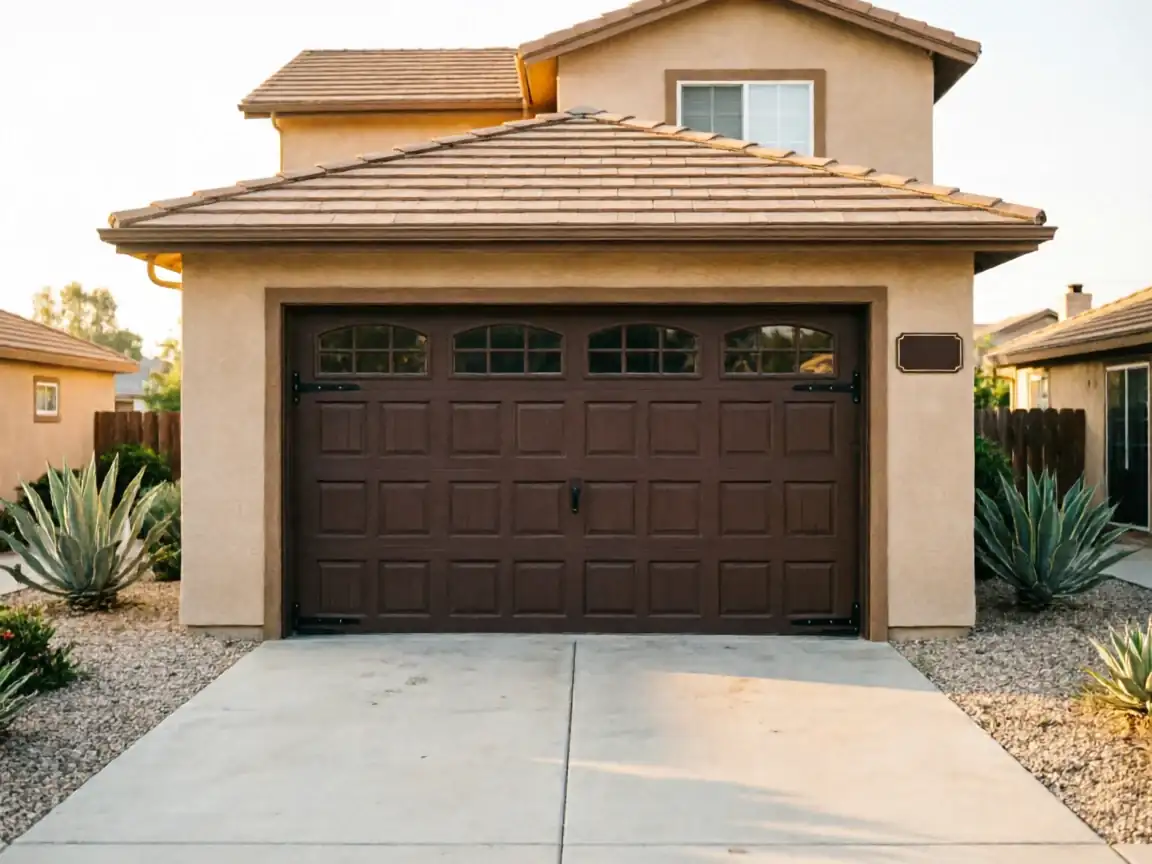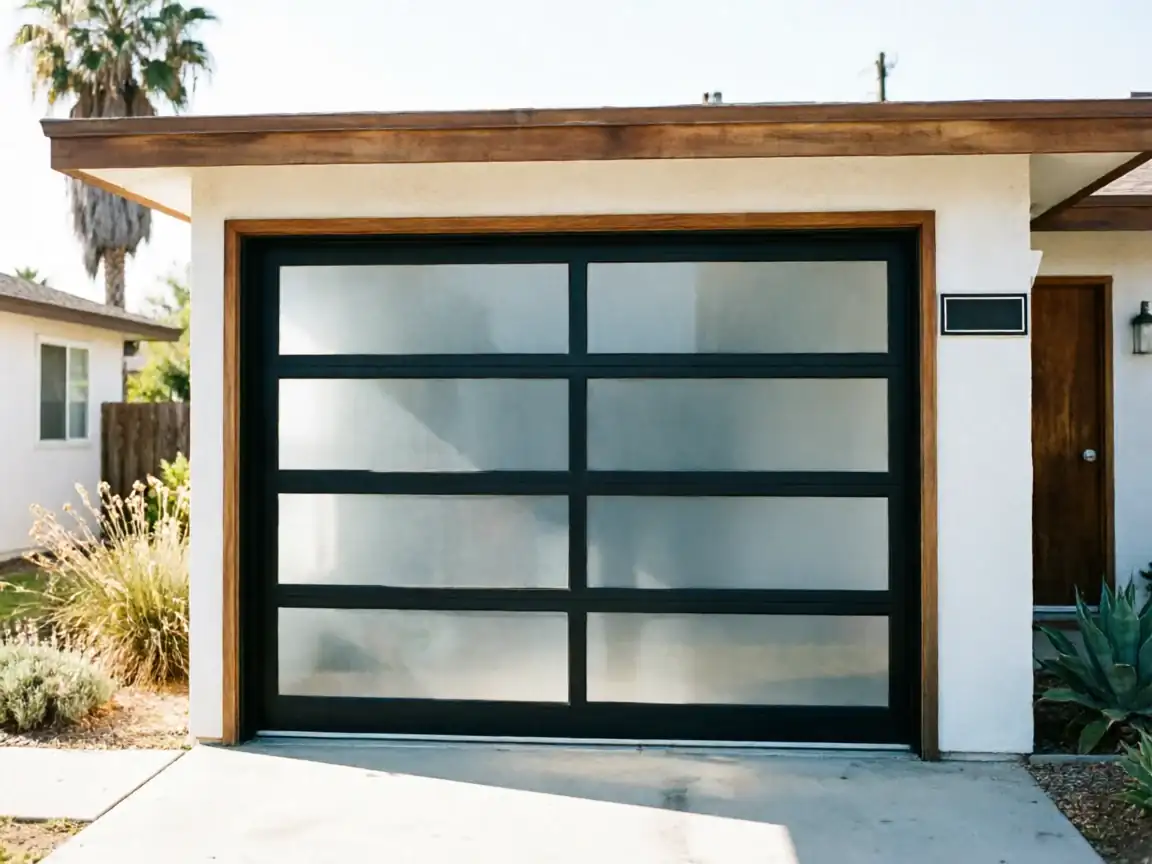
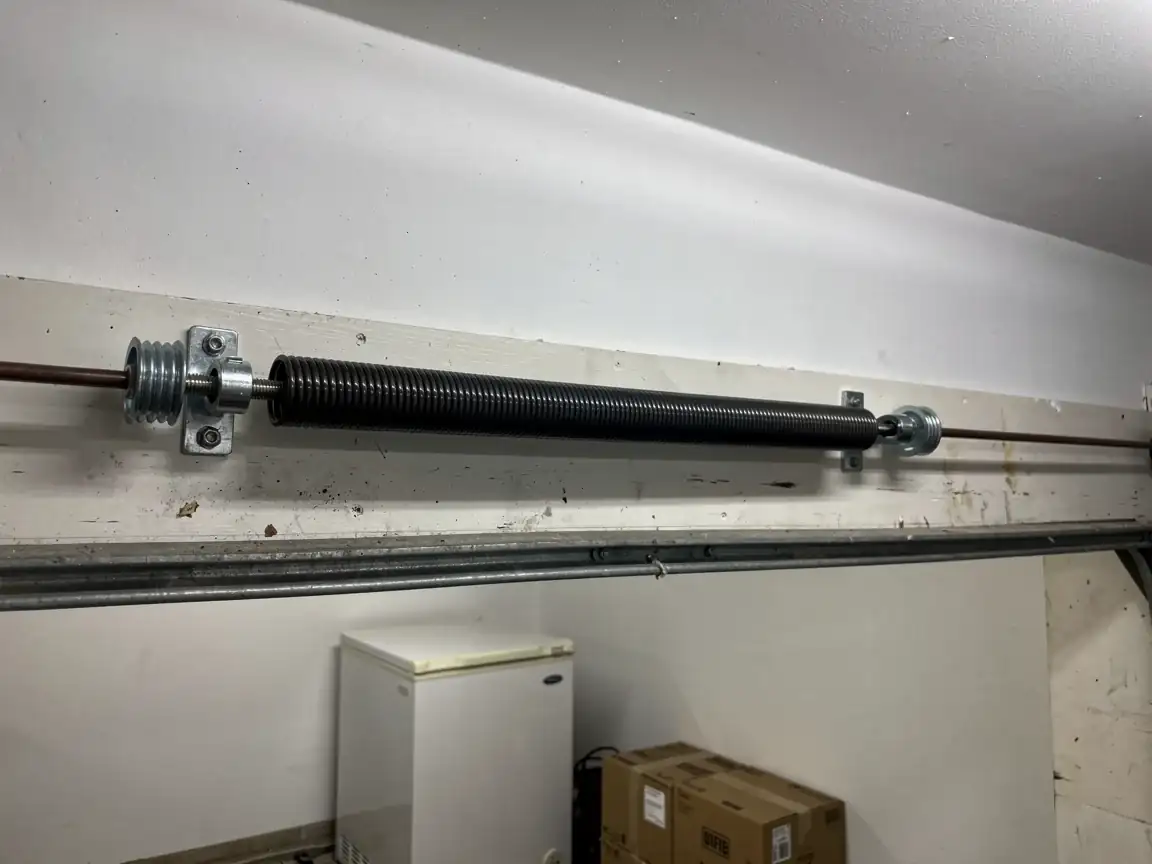
The Symptom
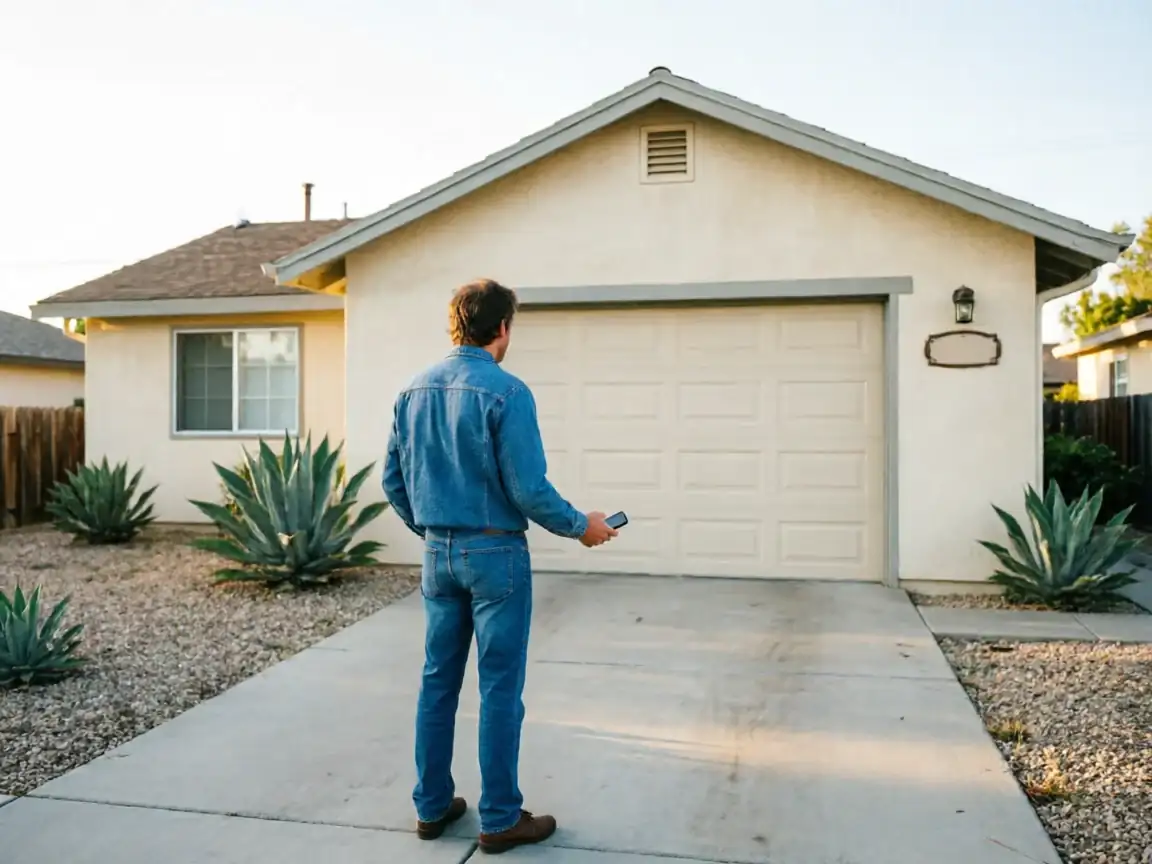
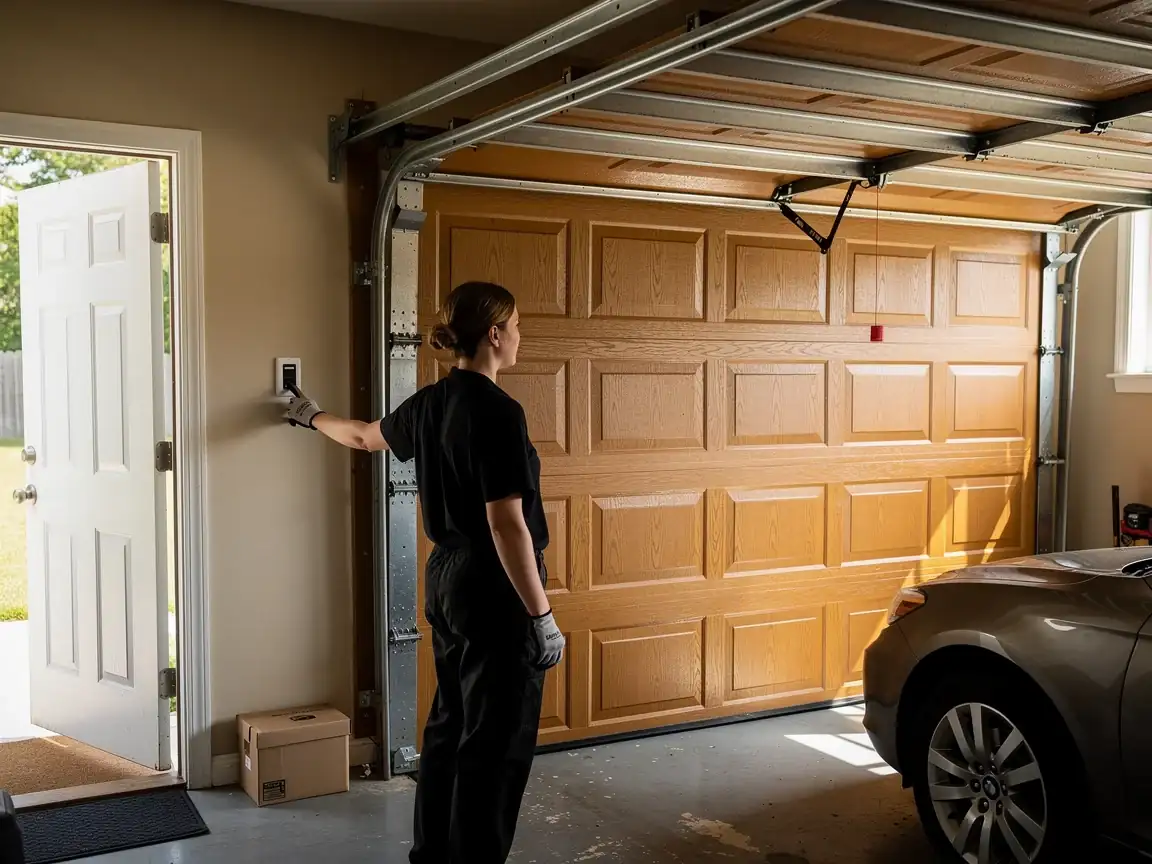
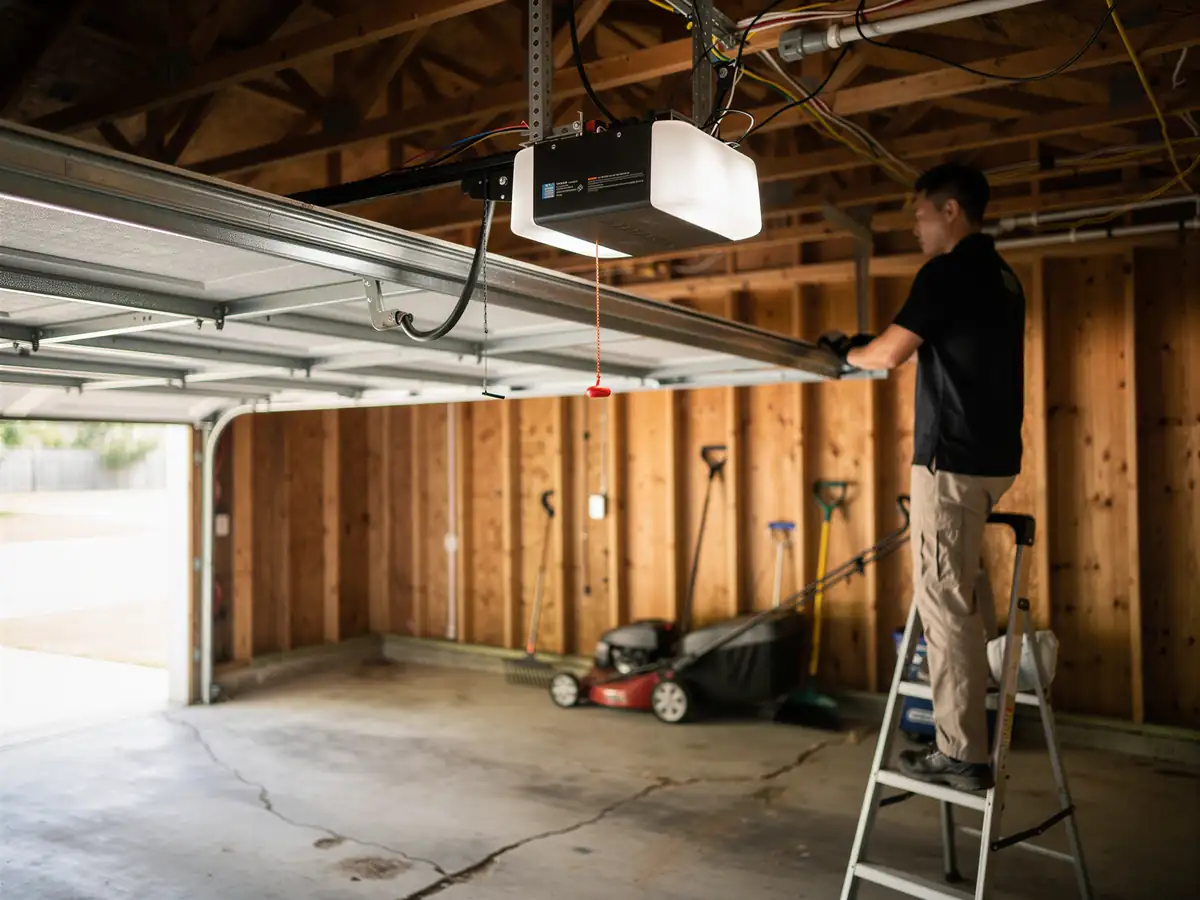
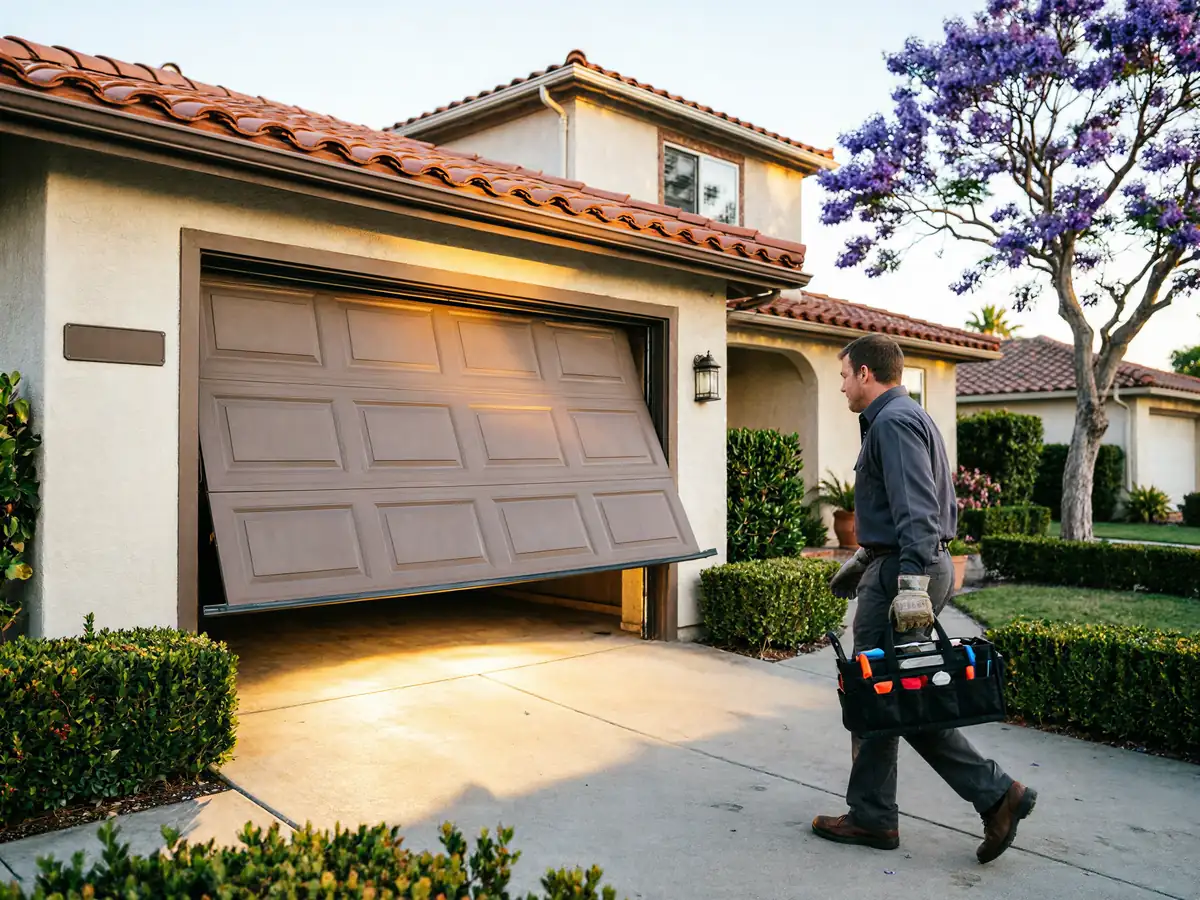
The door sticks halfway, or it slams down the last foot of travel instead of settling. Sometimes it just won't lift at all, and the opener motor whines like it's trying but getting nowhere. Other times the door lifts fine on its own but shudders and bangs going through the middle of the track, like something's catching. If you've got a garage built any time from the 1940s through the early 2000s, which covers most of Downey, you've probably seen one of these. The symptom usually isn't the opener. It's the spring, the cable, or the track hardware underneath it, and those parts don't send a warning before they go.
What makes this worth paying attention to in Downey specifically is timing. A torsion spring is rated for a set number of open-close cycles, not years, but most springs installed when a neighborhood went up are long past that cycle count by now regardless. If your house falls into the 1960s-70s build wave that covers most of this area, the spring that's failing on you today is very likely the original, or close to it.
Where This Job Goes Sideways
The mistake we see most is someone hearing a bang, assuming the opener died, and replacing the opener first. The door still won't work right because the spring or cable was the actual problem, and now there's a new opener straining against bad hardware. That shortens the new opener's life too.
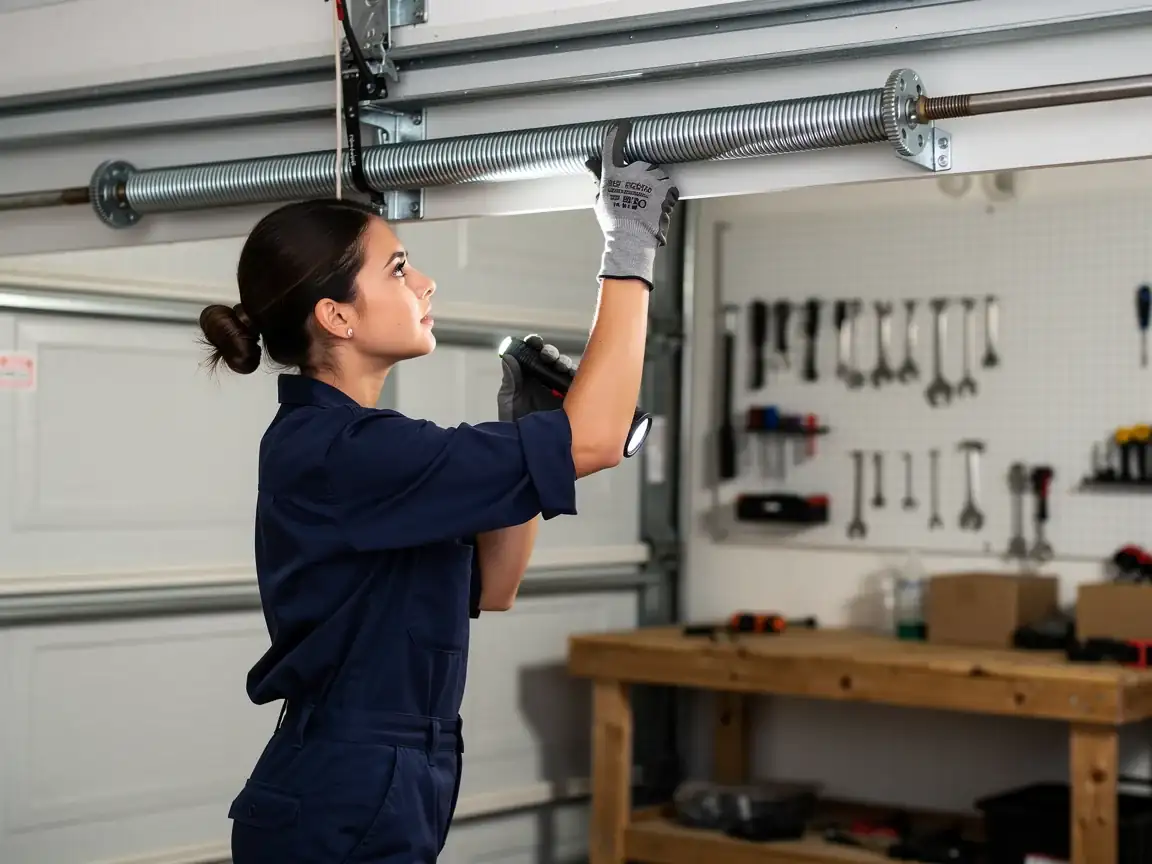
The other way this goes sideways is DIY spring work. A wound torsion spring holds a lot of stored force, and on the older drum-and-cable setups still common in Downey's 1960s and 70s houses, the winding bars and cable drums aren't the same as what's sold in big-box repair kits today. Mismatched parts on a torsion system are a safety problem, not just a fit problem. We'll say plainly: if your spring is broken, that's not a job to save money on by doing it yourself. It's one of the few repairs we don't recommend as a weekend project, full stop.
We also see delayed calls where a frayed cable finally snaps while the door is partway open, and the door drops unevenly on one side. That's a heavier fix than it needed to be if caught early.
What Causes It Around Here
Downey's climate doesn't throw extreme freeze-thaw cycles or heavy humidity swings at a garage door the way some parts of the country do
So corrosion and rust-through aren't usually the first thing we find. What we do find is straight mechanical fatigue: springs, rollers, and cable at or past their rated cycle life because the house itself has been standing since sometime in the 1960s median build year for this area. Mild temperate conditions are easier on steel long-term, but they don't stop a spring from winding and unwinding itself toward failure on a fixed cycle count.
The other local factor is that a lot of these houses still run original or near-original hardware
Single torsion springs on doors that would now spec a different setup, older style track brackets, rollers that were never swapped to nylon. None of that is unsafe by design, but it's old, and old steel under tension doesn't give much notice before it lets go.
How We Fix It
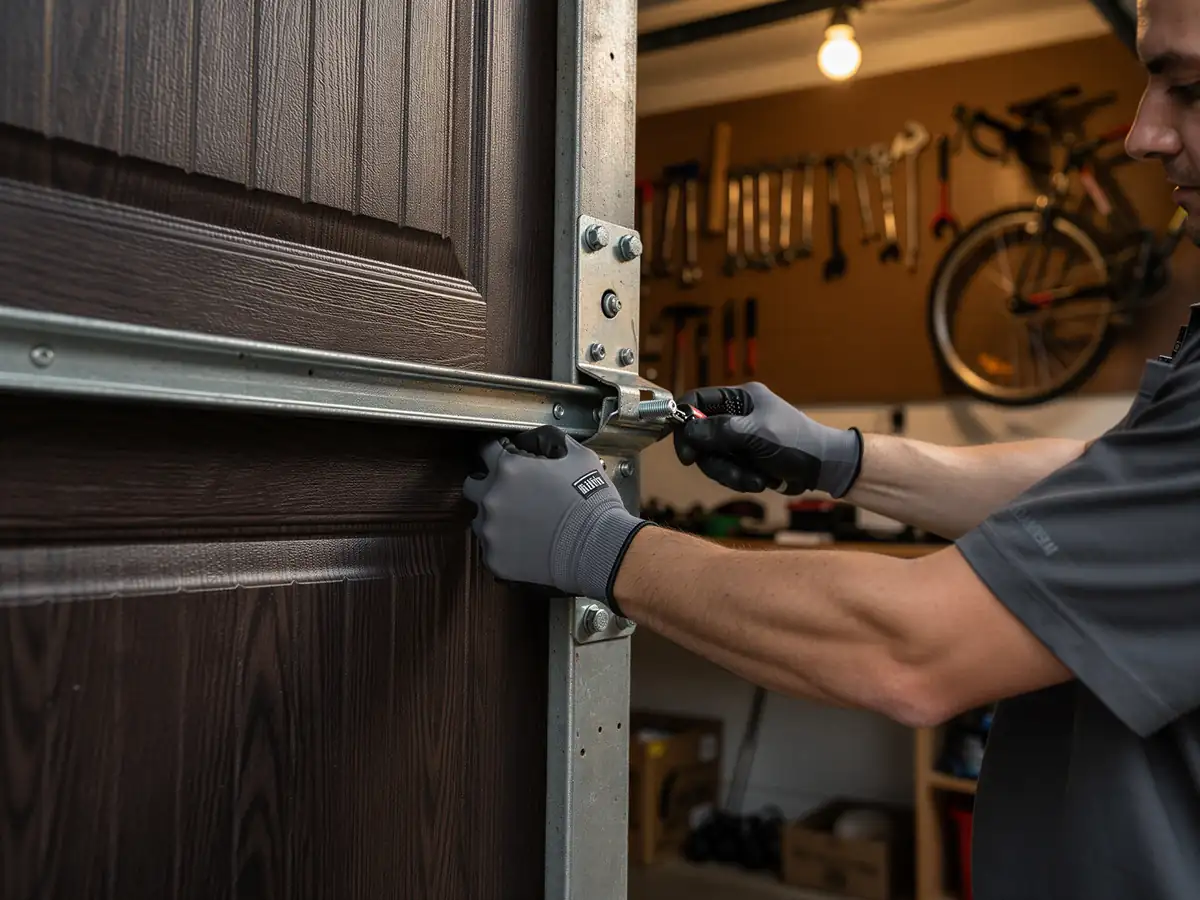
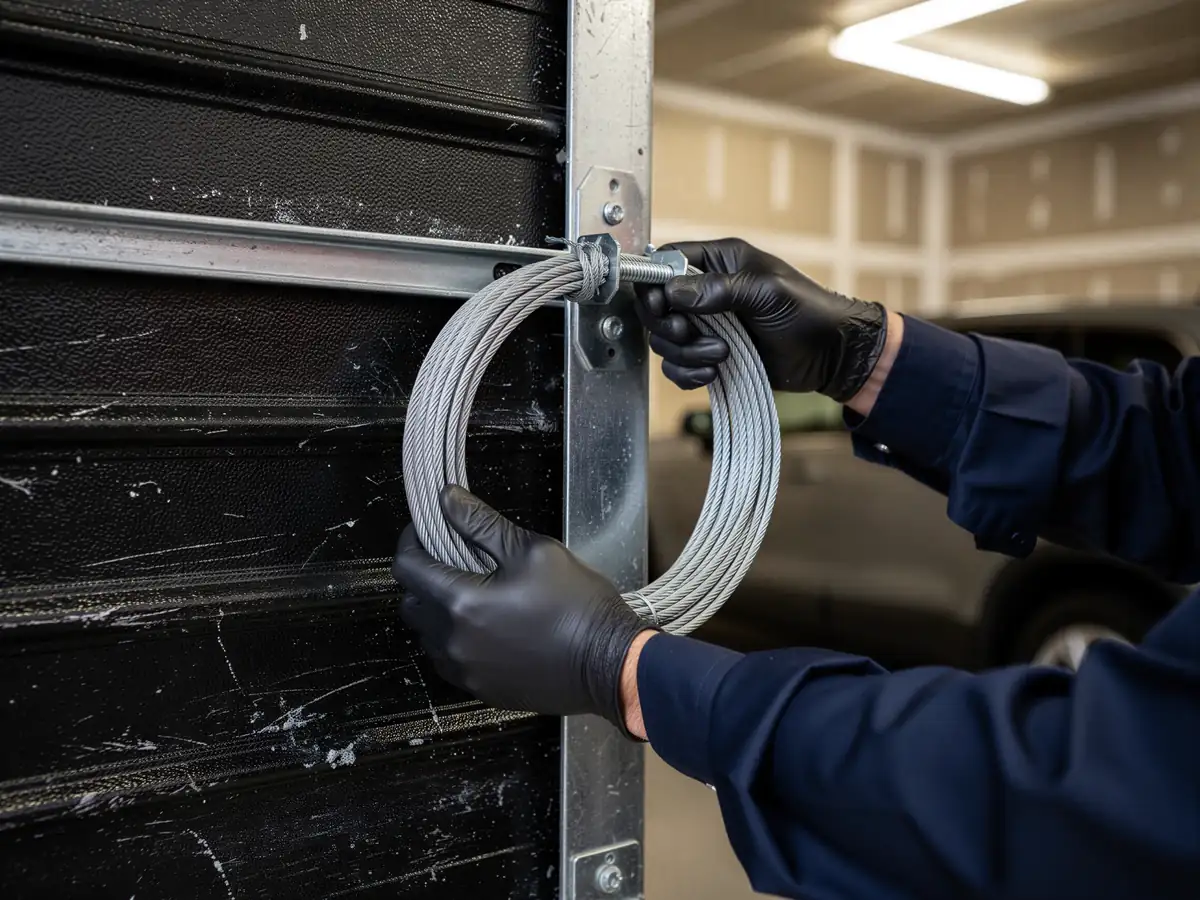
We start by checking which part actually failed, spring, cable, roller, or track, because loading a new opener onto bad hardware just moves the problem. If it's a spring, we replace it with hardware sized to your door's actual weight and cycle needs, not a universal fit. If the cable or drum shows wear, we replace those at the same time rather than leaving a second failure waiting to happen a few months out.
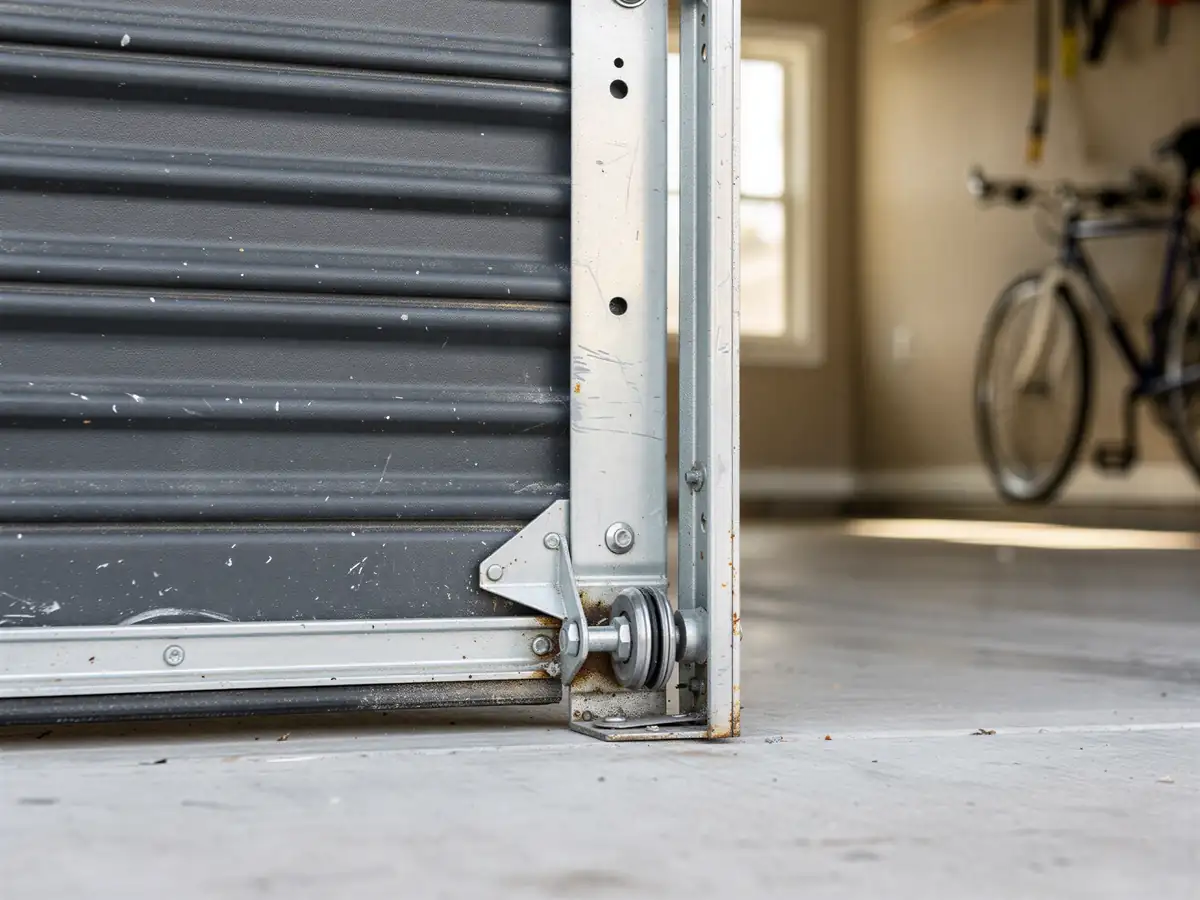
For houses from Downey's main build era, we also check roller condition and track alignment while we're in there, since original hardware on one part often means original hardware on the rest. We won't recommend a full replacement unless the door itself is actually at the end of its life. A repair that solves the real problem is the better call most of the time.