How We Fix It
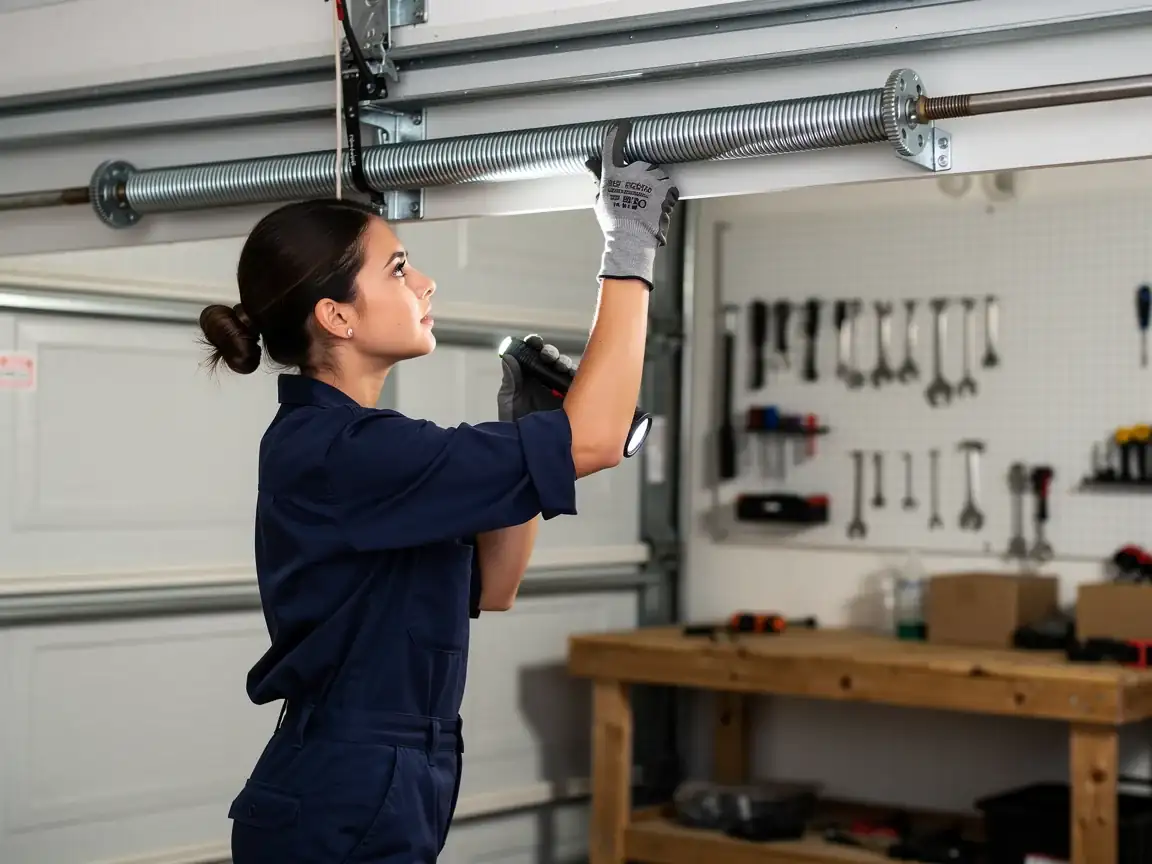
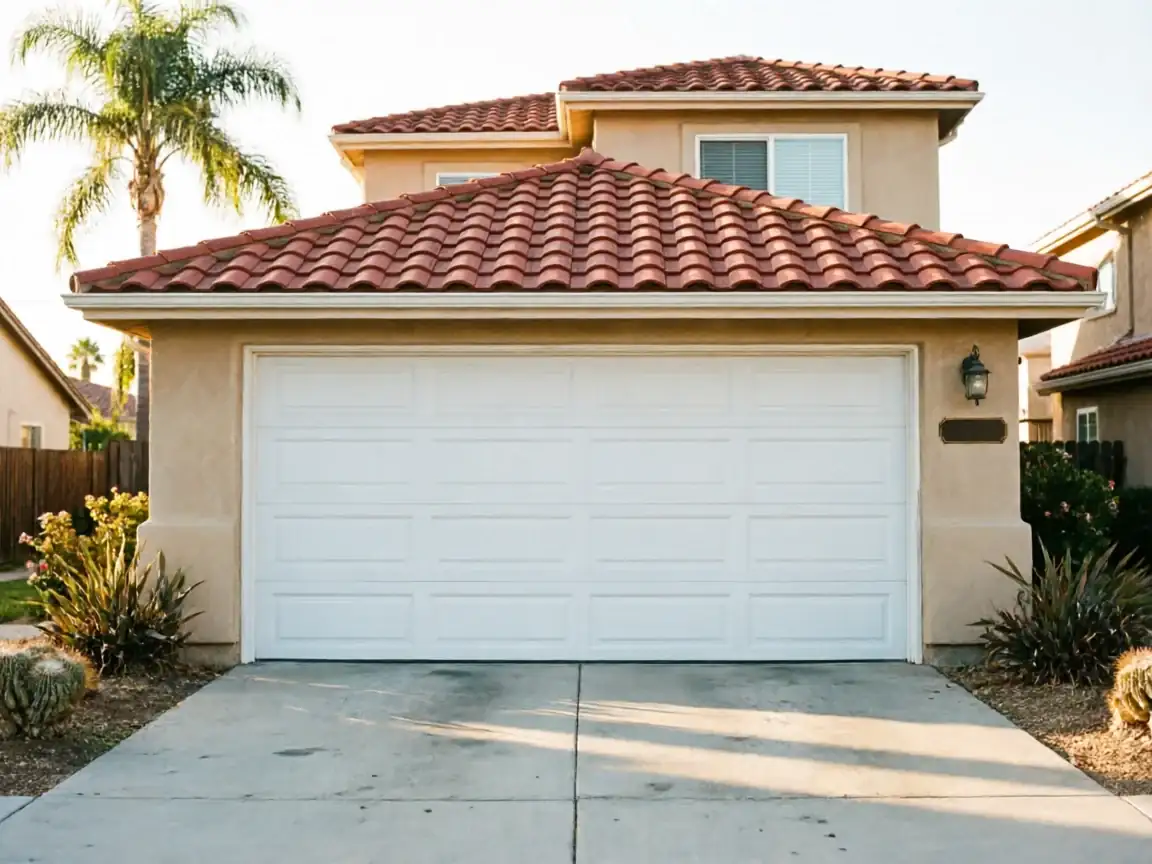
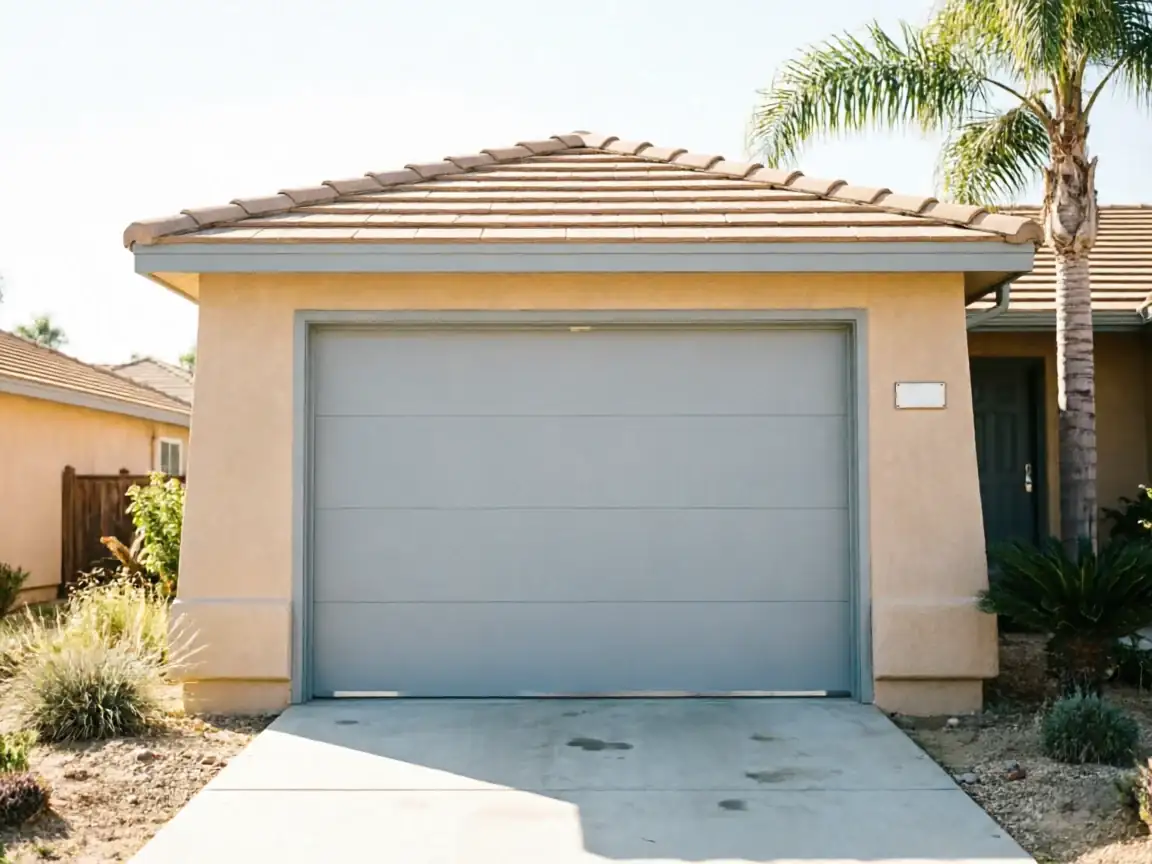
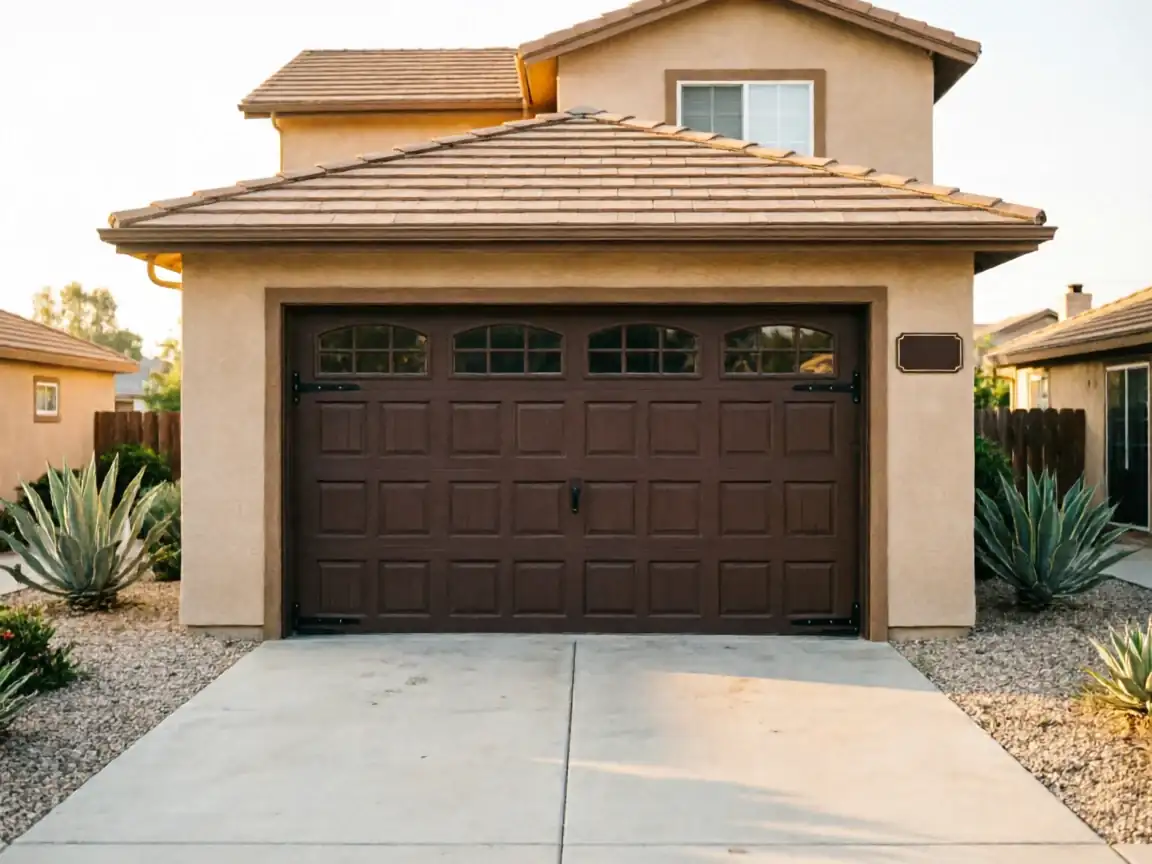
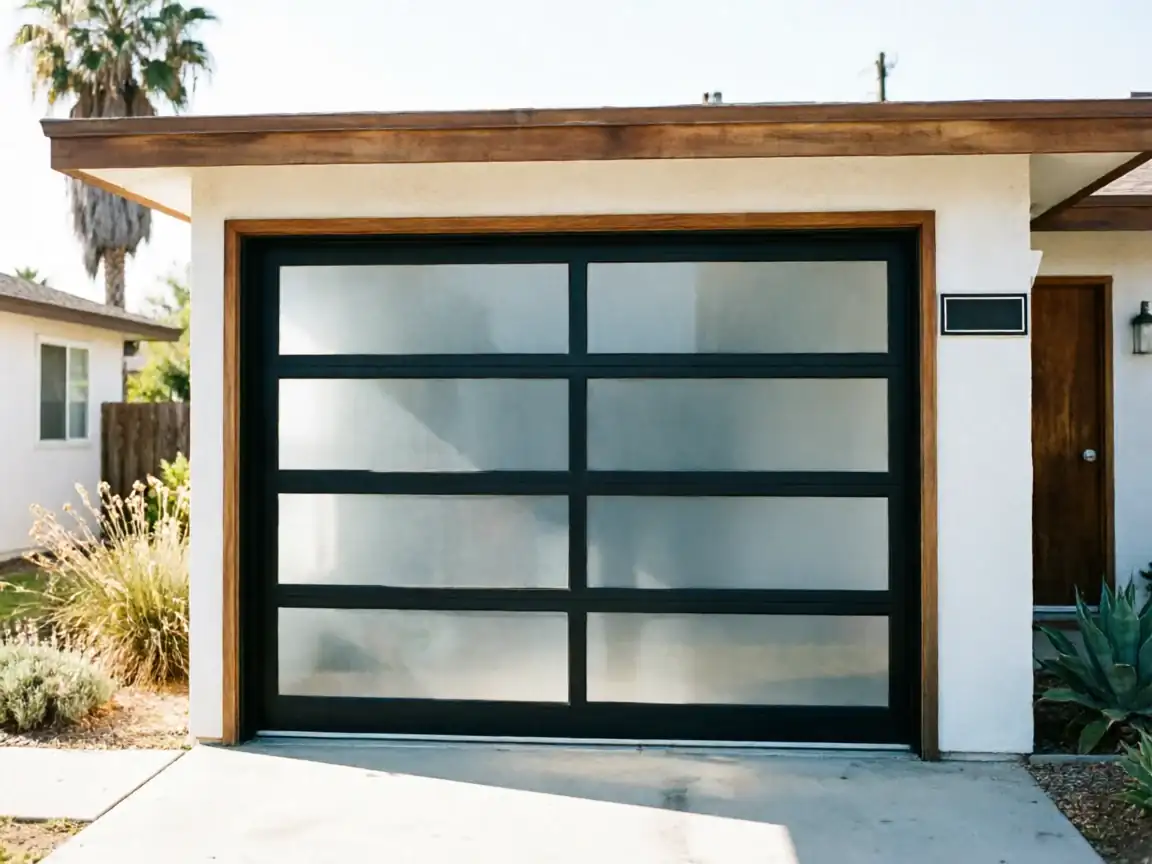
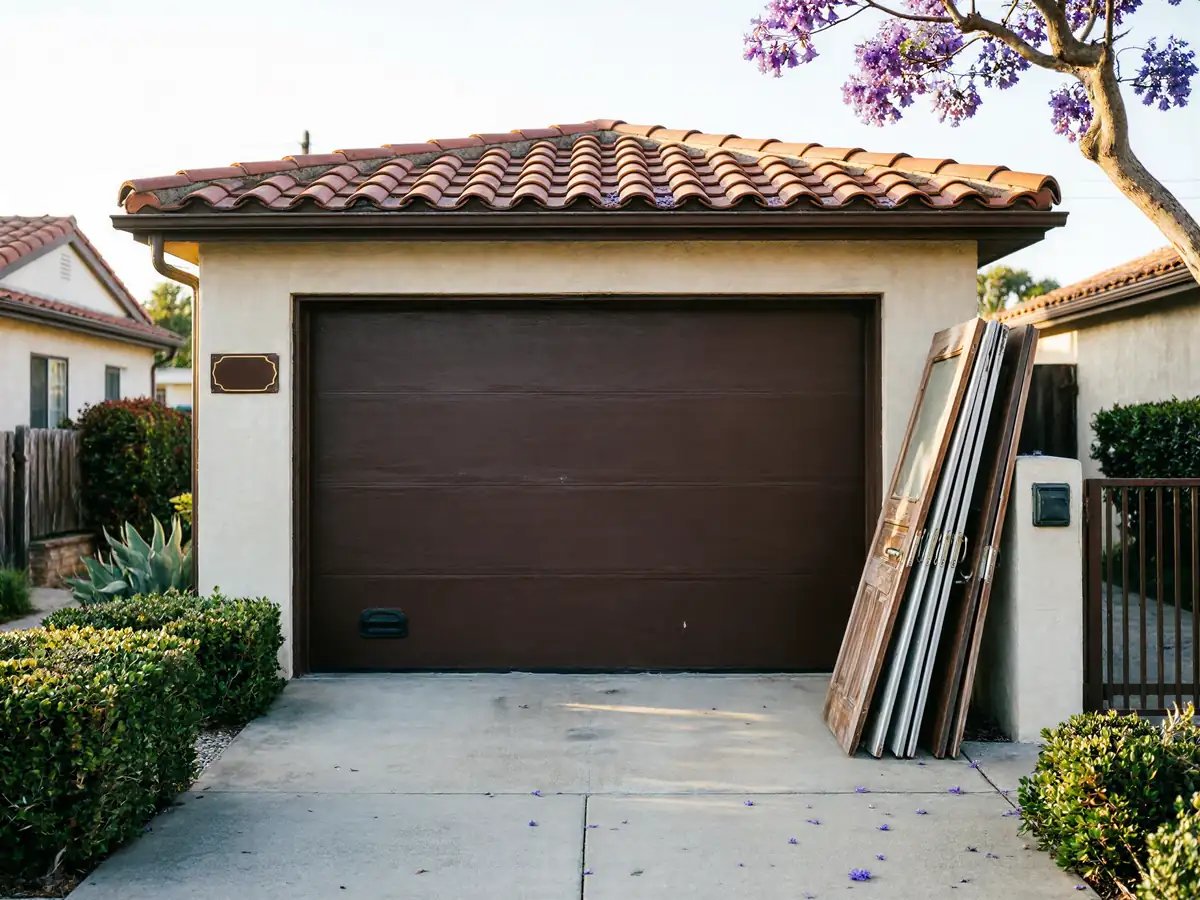
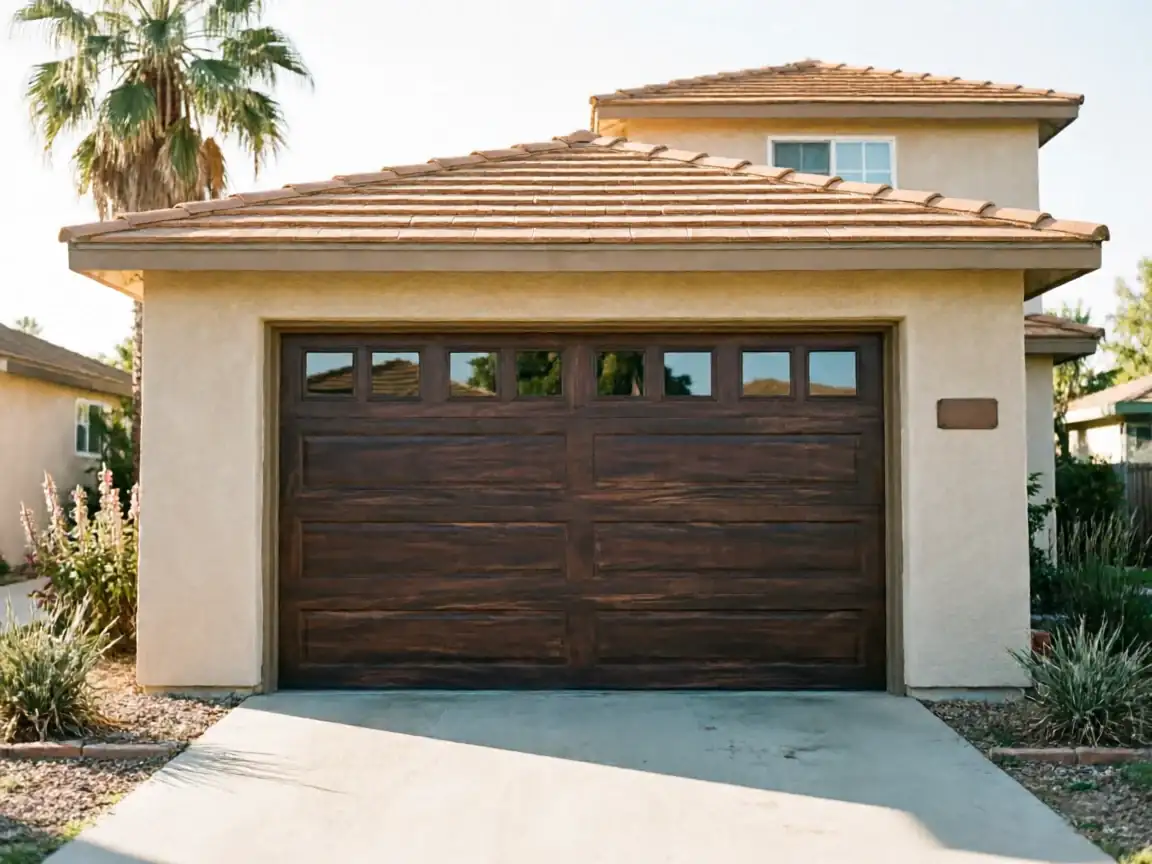
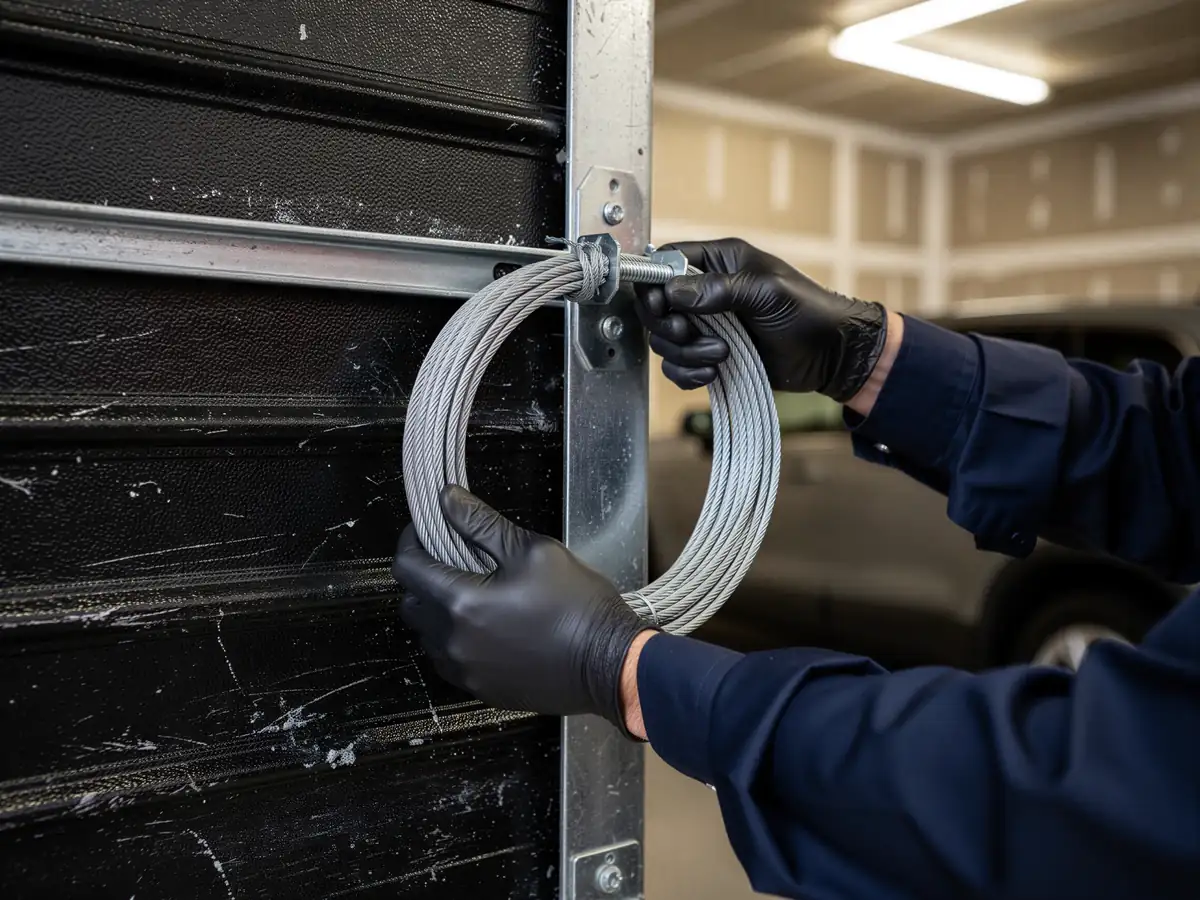
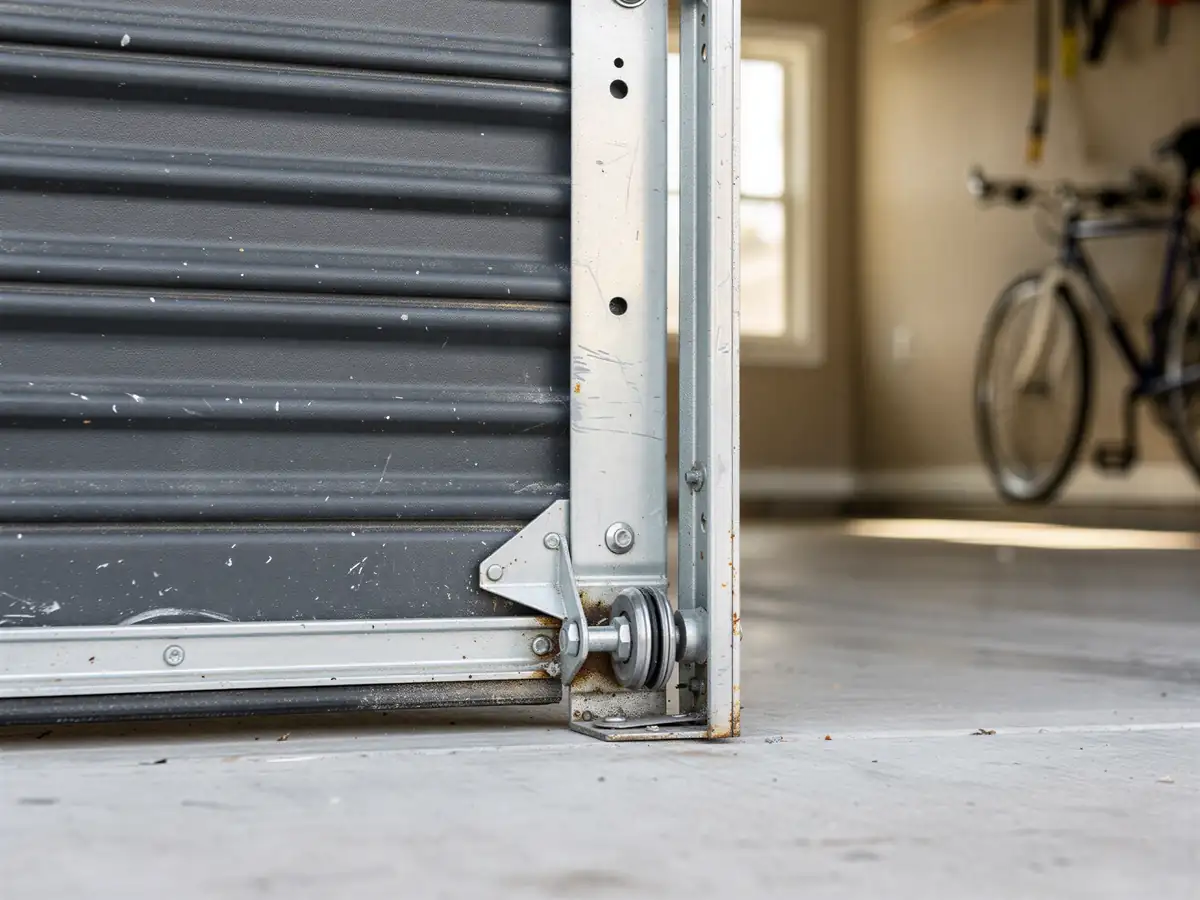
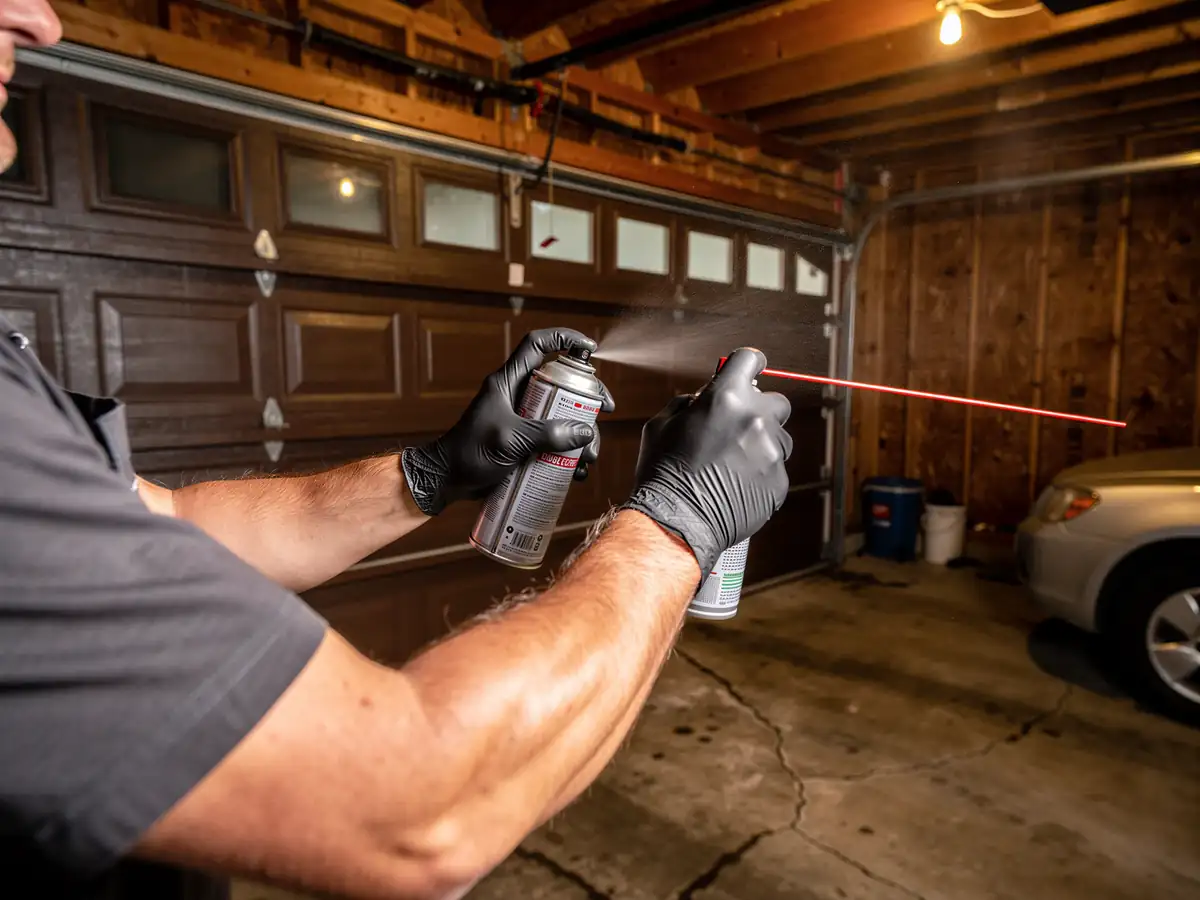
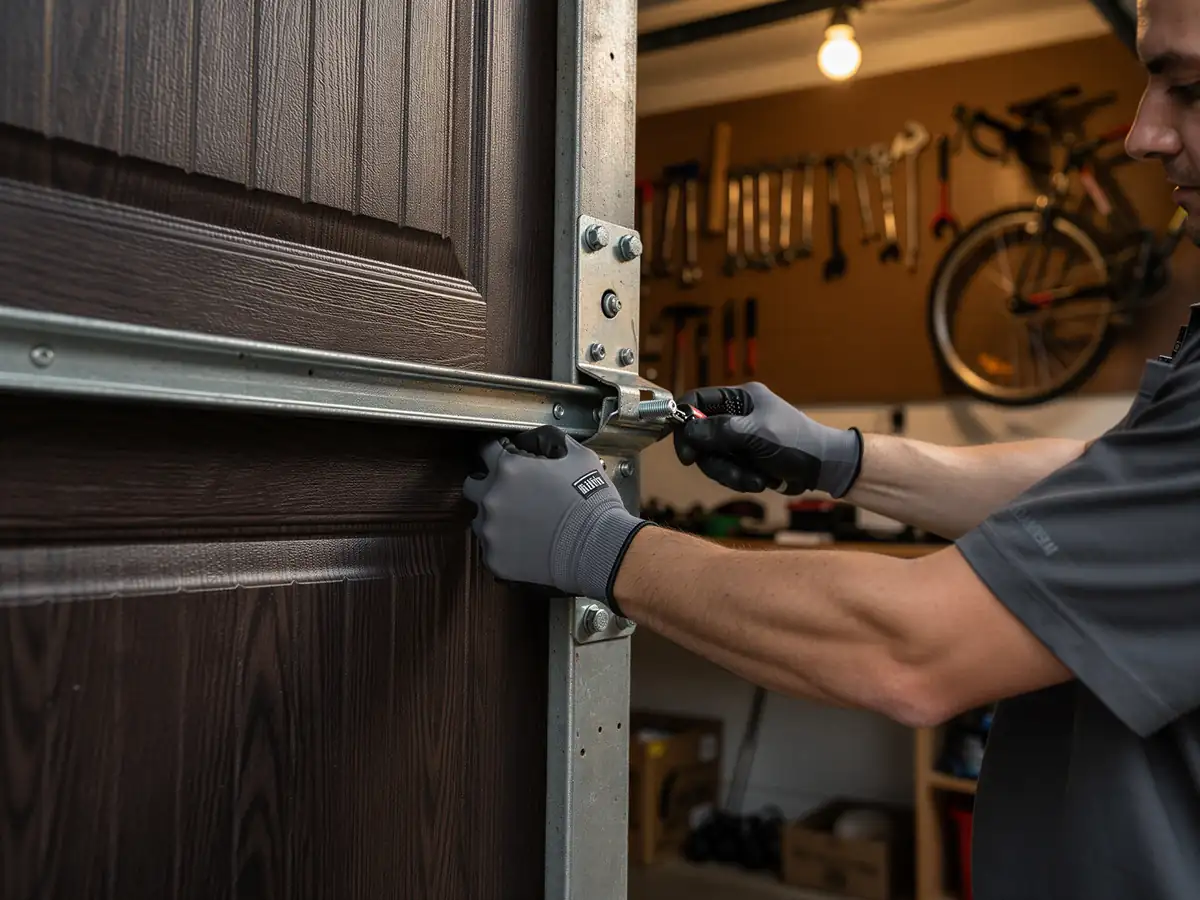
Compton runs about 24,227 households, which is a fraction of the roughly 1.1 million across the wider service area we work in, but it's enough that the same handful of faults show up again and again. Most of the housing here went up around 1957, well inside the 1943-2012 range we see across the whole area, and that median year matters: doors from that period are usually single-layer steel or older wood-composite panels on torsion springs that have outlived the rest of the hardware. We pull the panel, check the spring wind, look at the rollers and the track alignment, and replace what's actually failed rather than swapping the whole unit. If the opener is original to a 1957-era build, the gears inside are long past their design life and we'll say so instead of patching around it. We carry common spring sizes and standard track hardware on the truck; anything odd-sized from that build era sometimes means a short wait on a part, and we tell you that up front rather than after the job's half done.
Getting It Booked In
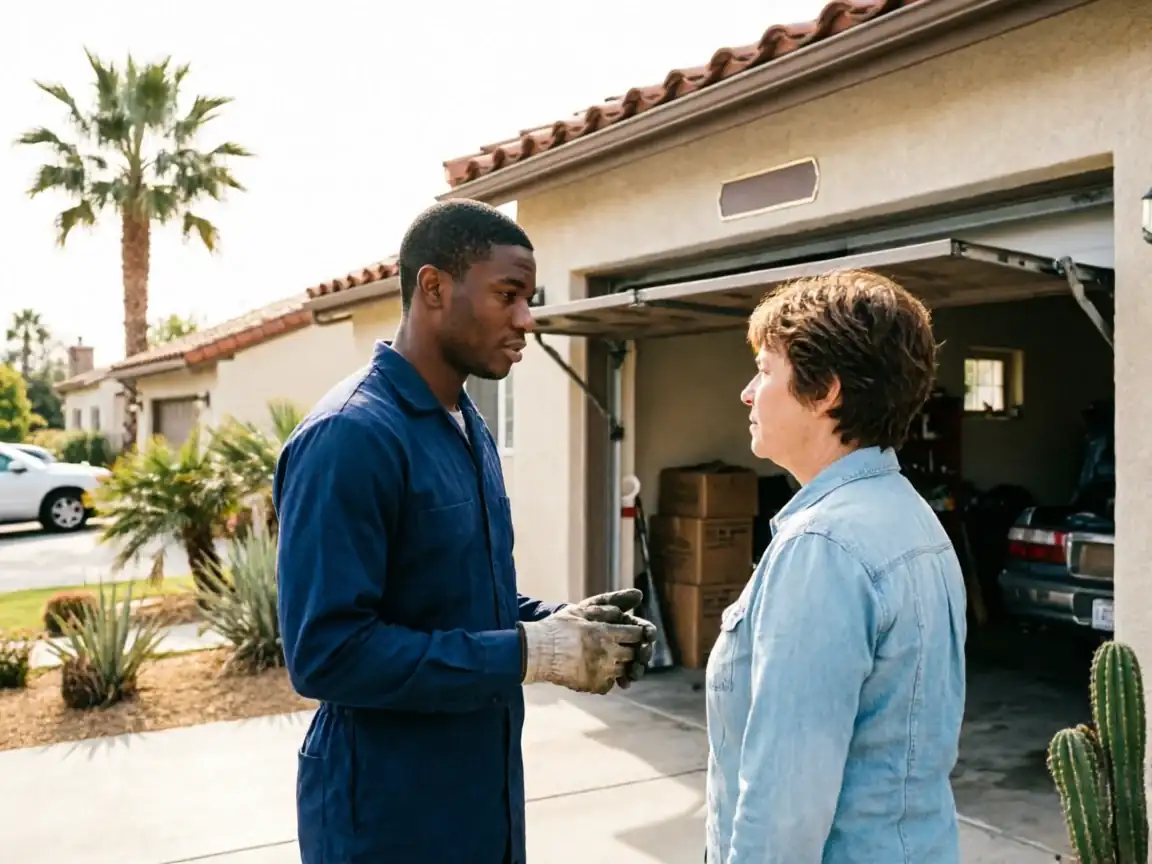
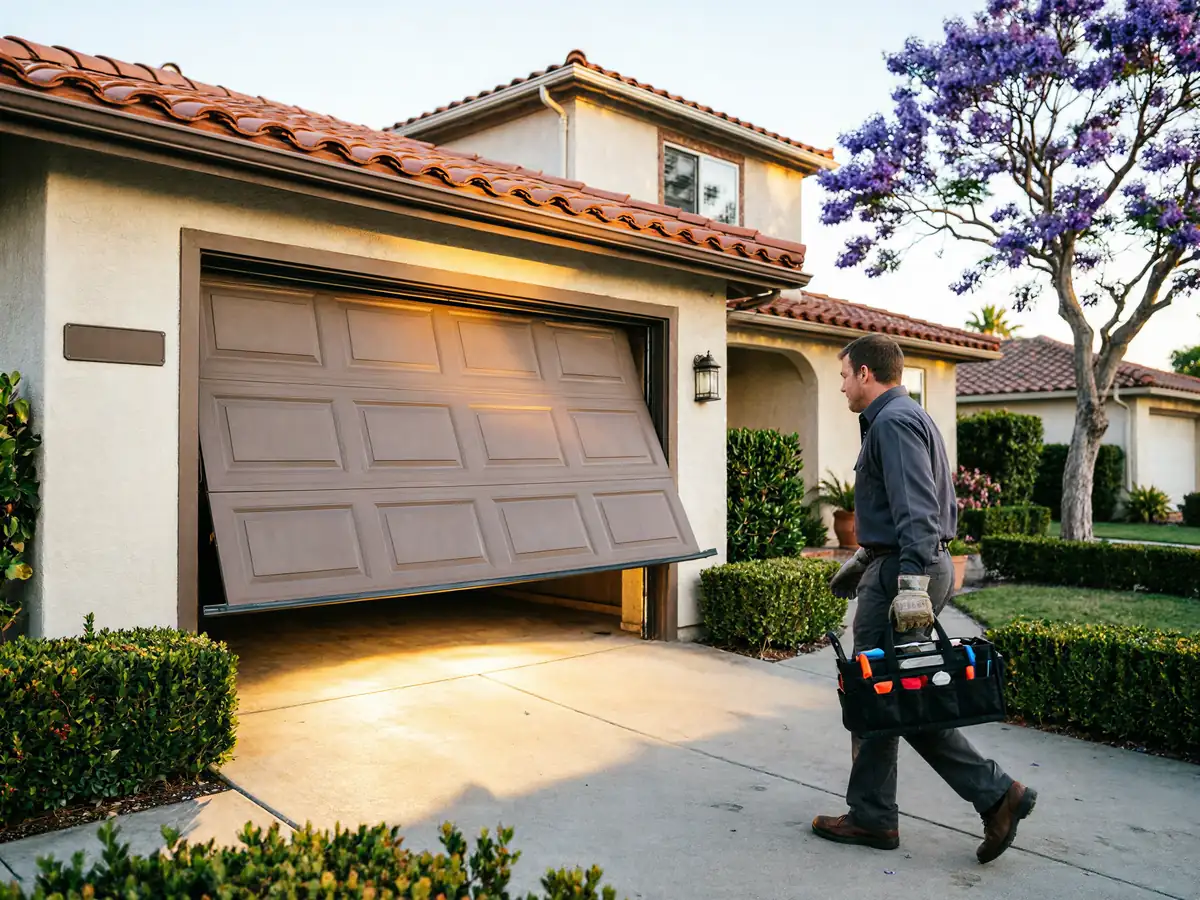
We're based in Downey, about 6 miles out, and Compton is a regular stop on the route we run through this corner of the service area. Call it in, describe what the door's doing - won't open, opener runs but nothing moves, door's crooked on the track - and we schedule the visit. We don't keep a branch or a drop-off counter in Compton itself; the truck comes from Downey, loaded for the kind of spring and track work that houses built in the late 1950s tend to need. If you're not sure whether it's the spring or the opener, tell us what you hear - a loud bang, a hum with no movement, a door that only goes halfway - and we'll bring the right parts the first time instead of guessing.
How Long It Takes
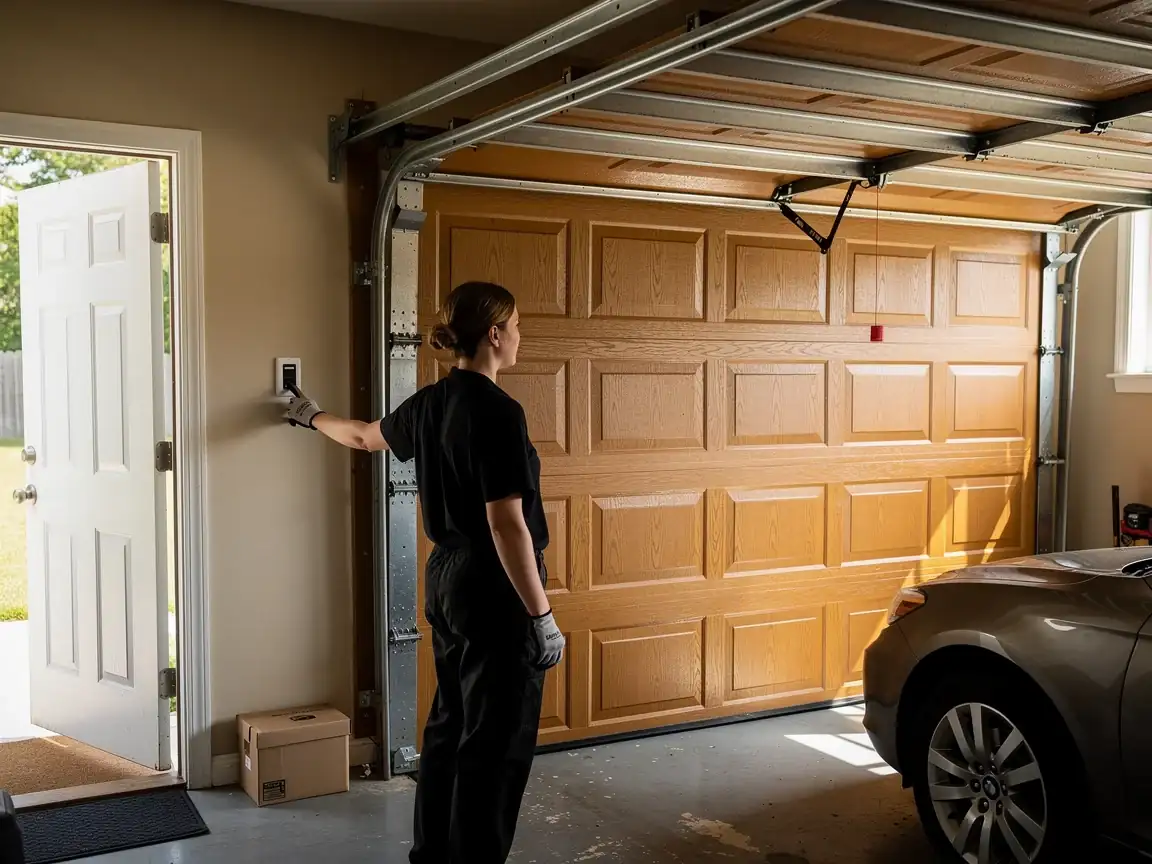
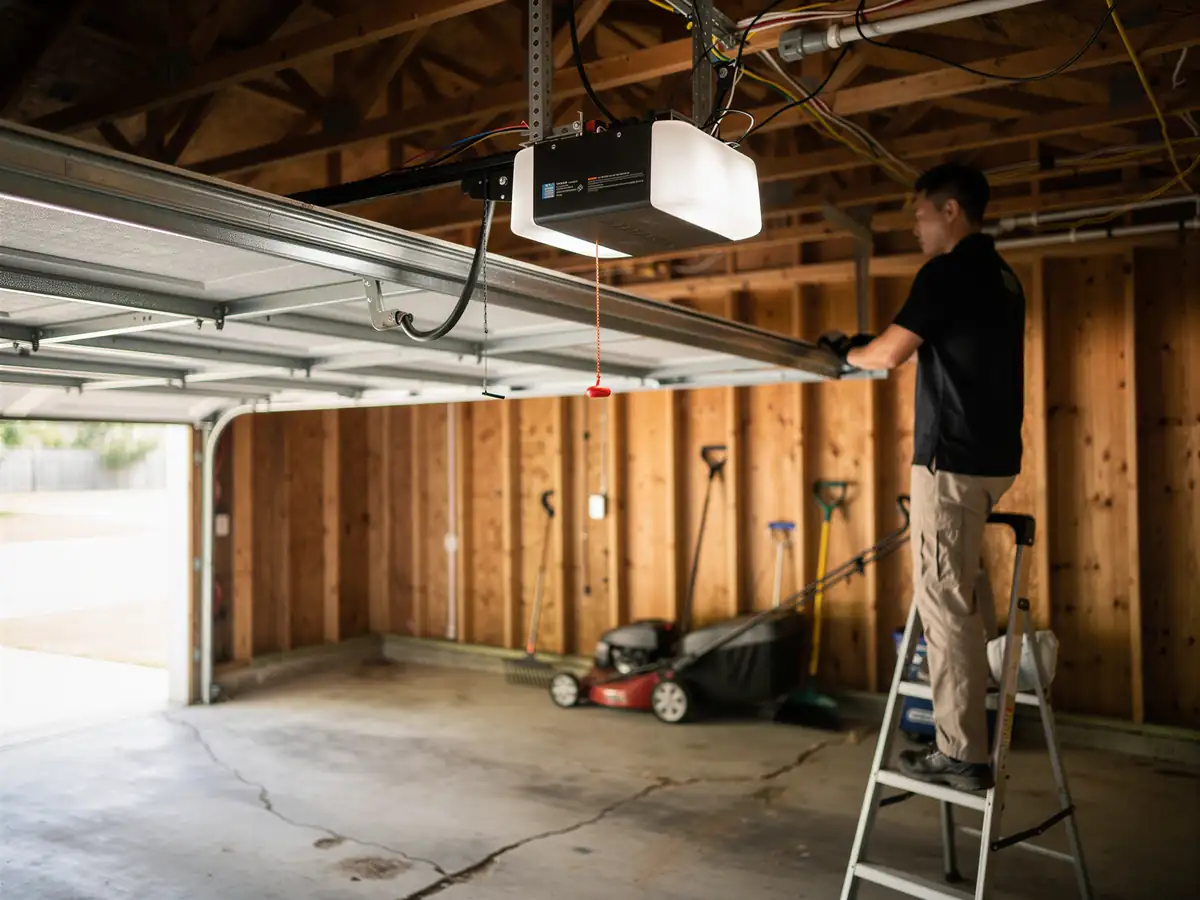
A single broken torsion spring on a standard door, once we're on-site with the right spring in hand, is usually a same-visit fix - an hour or so of work, not a return trip. Opener swaps take longer, mostly because of wiring and safety-sensor alignment rather than the opener itself. Where Compton's older housing stock slows things down is parts: a door original to a 1957-built house sometimes uses a track width or spring diameter that isn't standard stock, and if that's the case we'll tell you on the visit rather than leave you guessing. Most jobs here don't hit that snag - the hardware's usually been replaced at least once over the decades - but it happens enough that we flag it instead of promising a number we can't back up.
What Causes It Around Here
The service area sits in a mild temperate climate band, which means we're not dealing with the kind of deep freeze-thaw cycling that cracks concrete pads or seizes metal elsewhere in the country. In Compton specifically, the failures we see trace back to age more than weather: doors and springs original to houses built mid-century simply reach the end of their cycle count. Torsion springs are rated for a number of open-close cycles, and a door that's 60-plus years into daily use is well past that, whether or not anyone's touched it. Original one-piece doors on older track hardware also tend to bind as the track shifts slightly out of plumb over decades, which shows up as a door that drags on one side or won't seat flush at the bottom. None of that is dramatic - it's wear, not storm damage - but it means repair calls here lean toward spring and track work rather than storm-related fixes.