How We Fix It
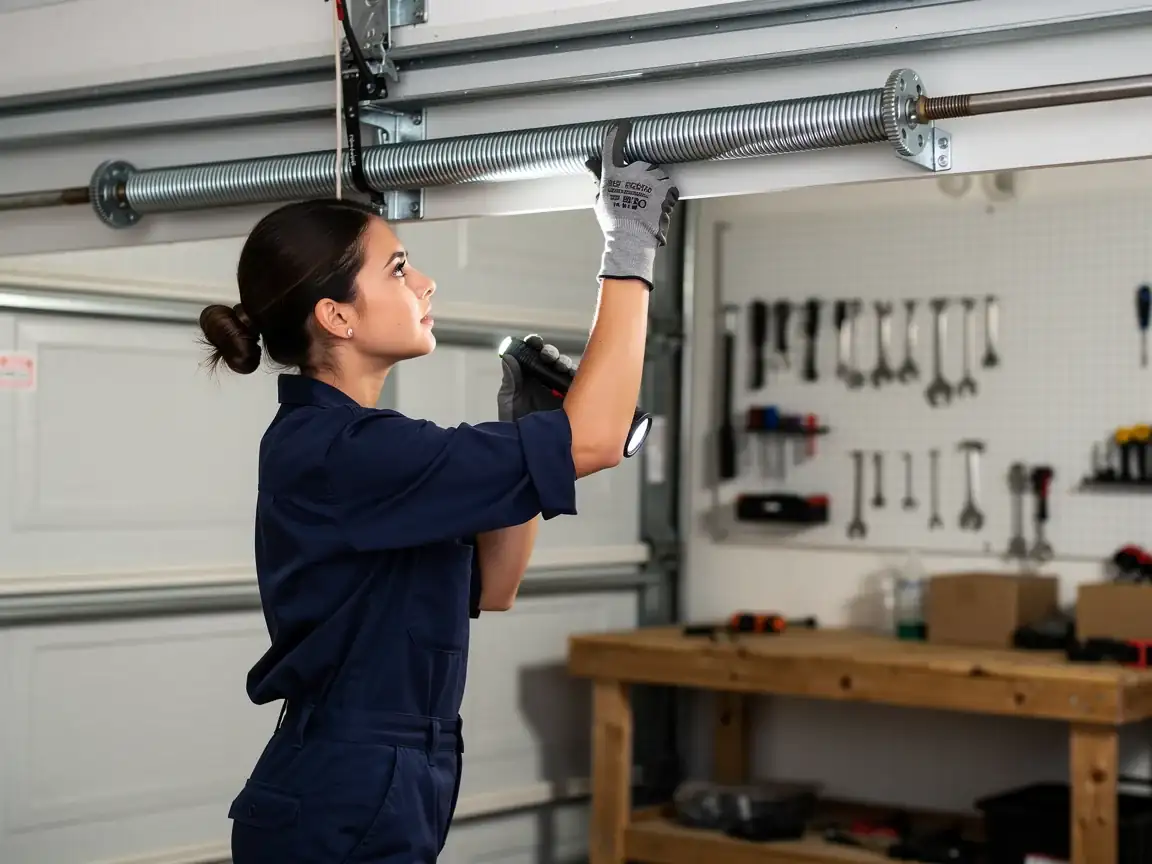
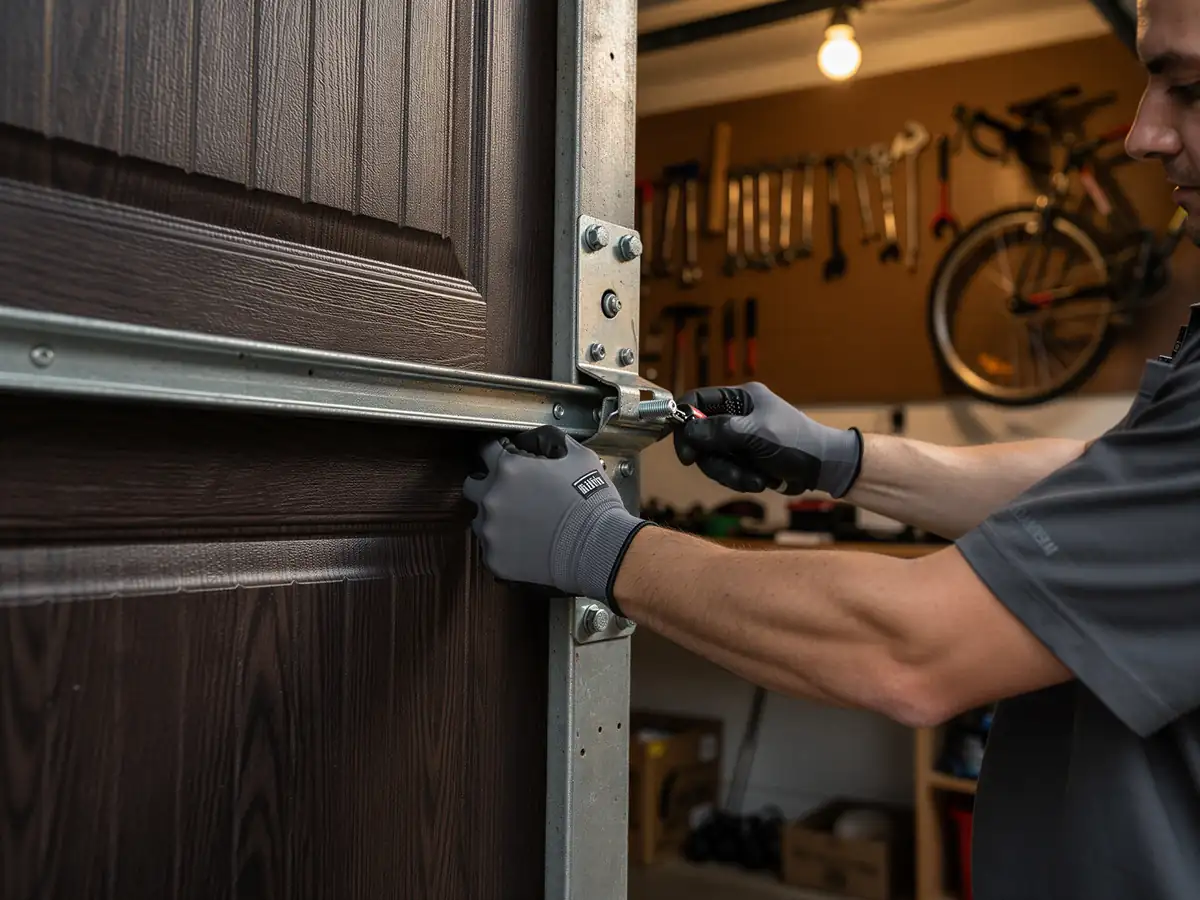
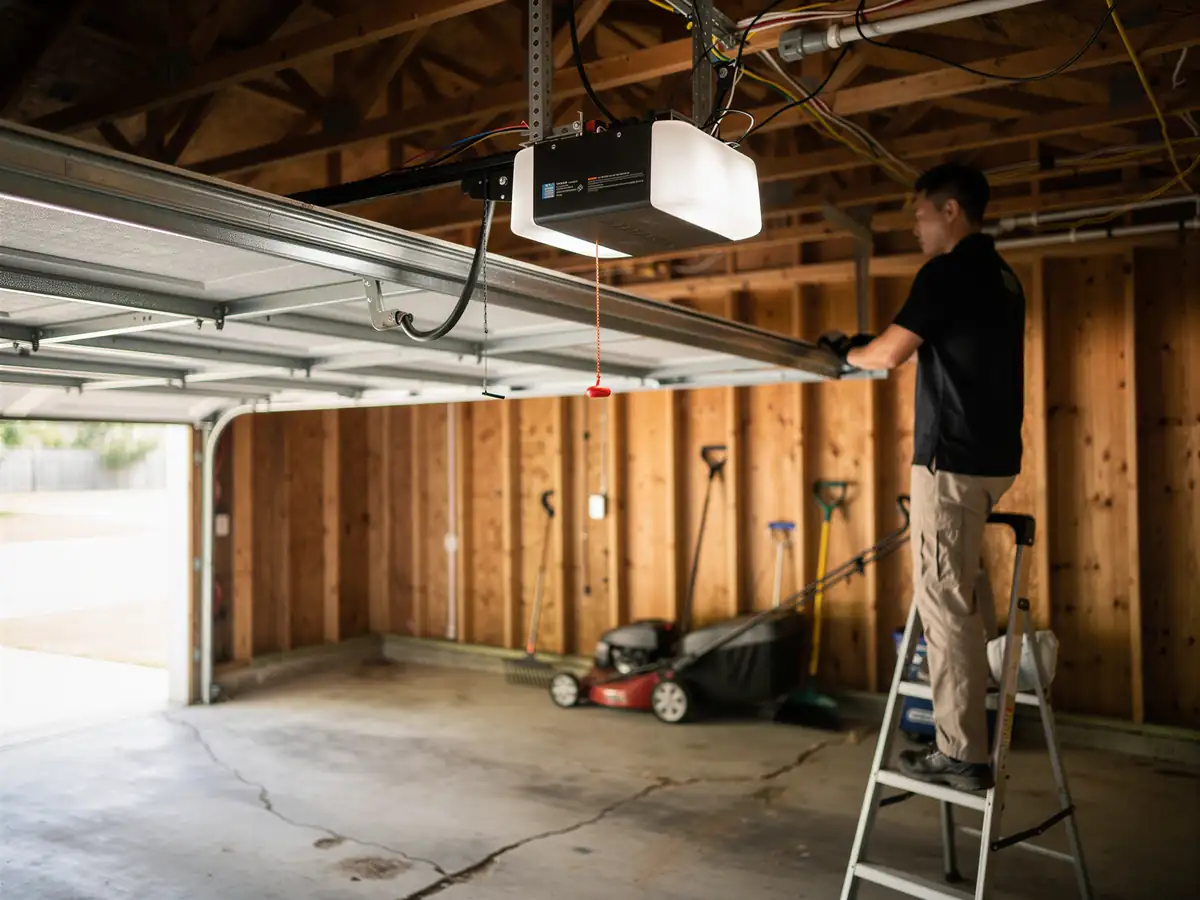
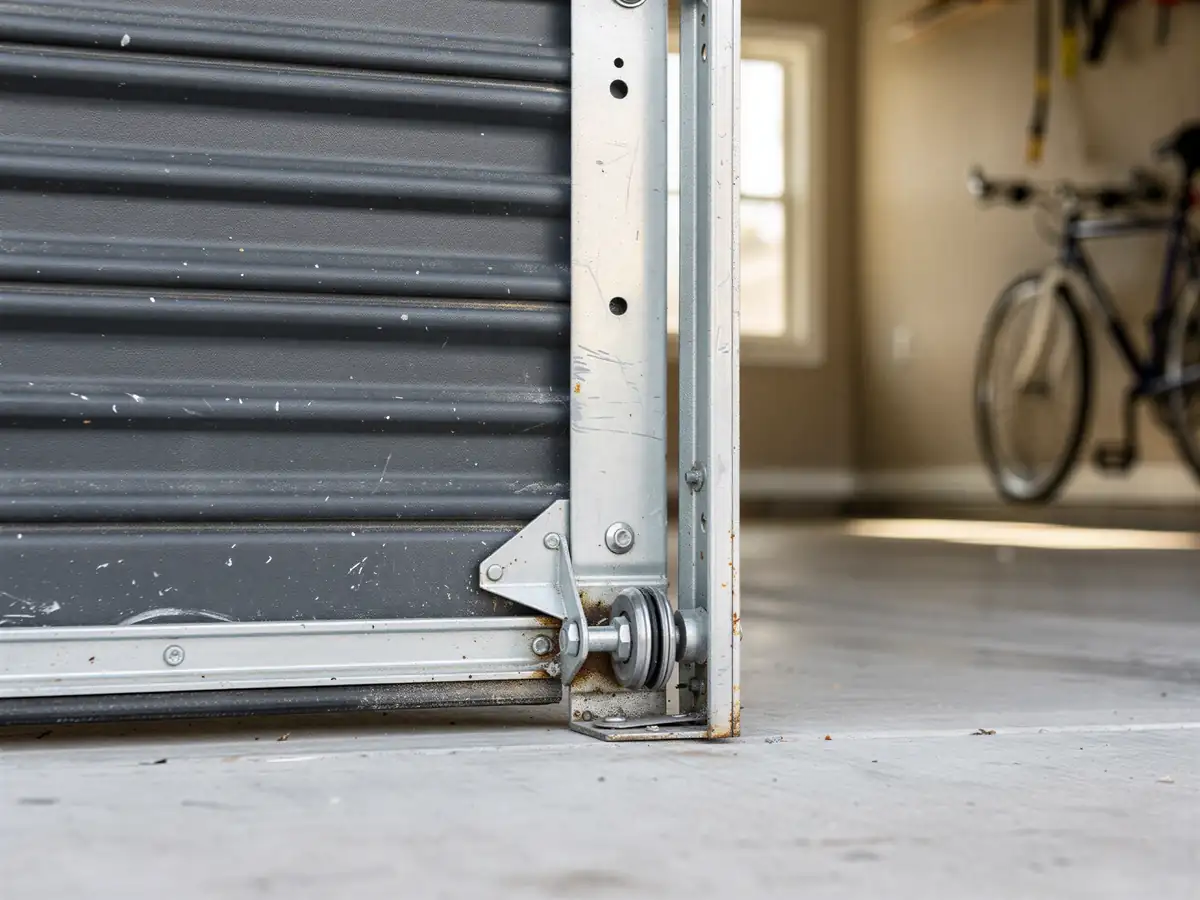
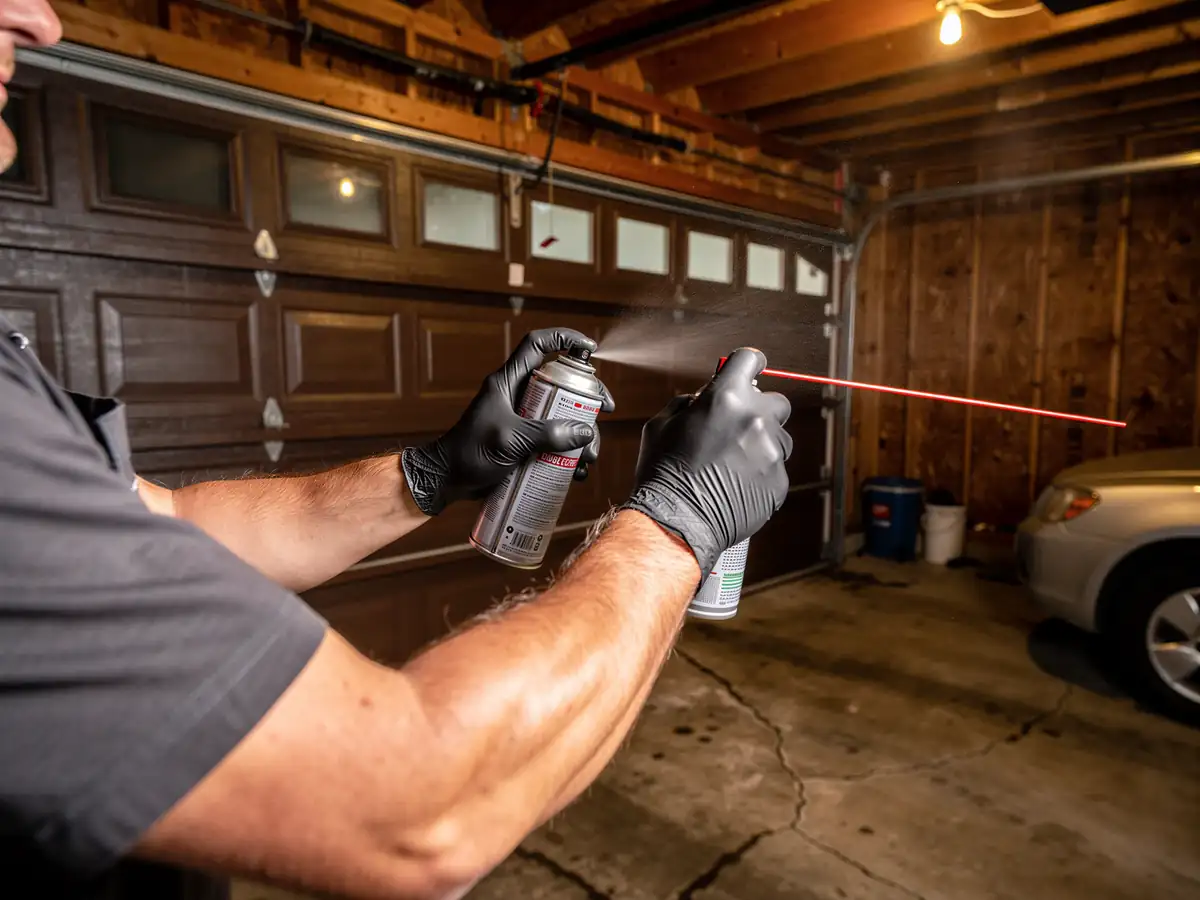
Most garage doors in Compton went up around 1957, which puts them squarely in the first wave of steel sectional doors that replaced the old wood swing-outs. These are thinner-gauge panels than anything built after the 1970s, usually non-insulated, hung on steel tracks with hardware that's been painted over a dozen times. A tune-up on a door this age starts with the rollers and hinges, since the steel wears thin at the pivot points before anything else fails. We check the torsion spring for the sag that comes with 60-plus years of cycles, re-seat the track where the slab has settled, and lubricate the hardware with something that won't gum up in the grit these older tracks hold onto. We don't swap parts that don't need swapping - a lot of these doors just need the hardware snugged down and the balance reset. If the panel itself is too thin or dented to hold adjustment anymore, that's a replacement conversation, not a maintenance one, and we'll say so plainly.
Getting It Booked In
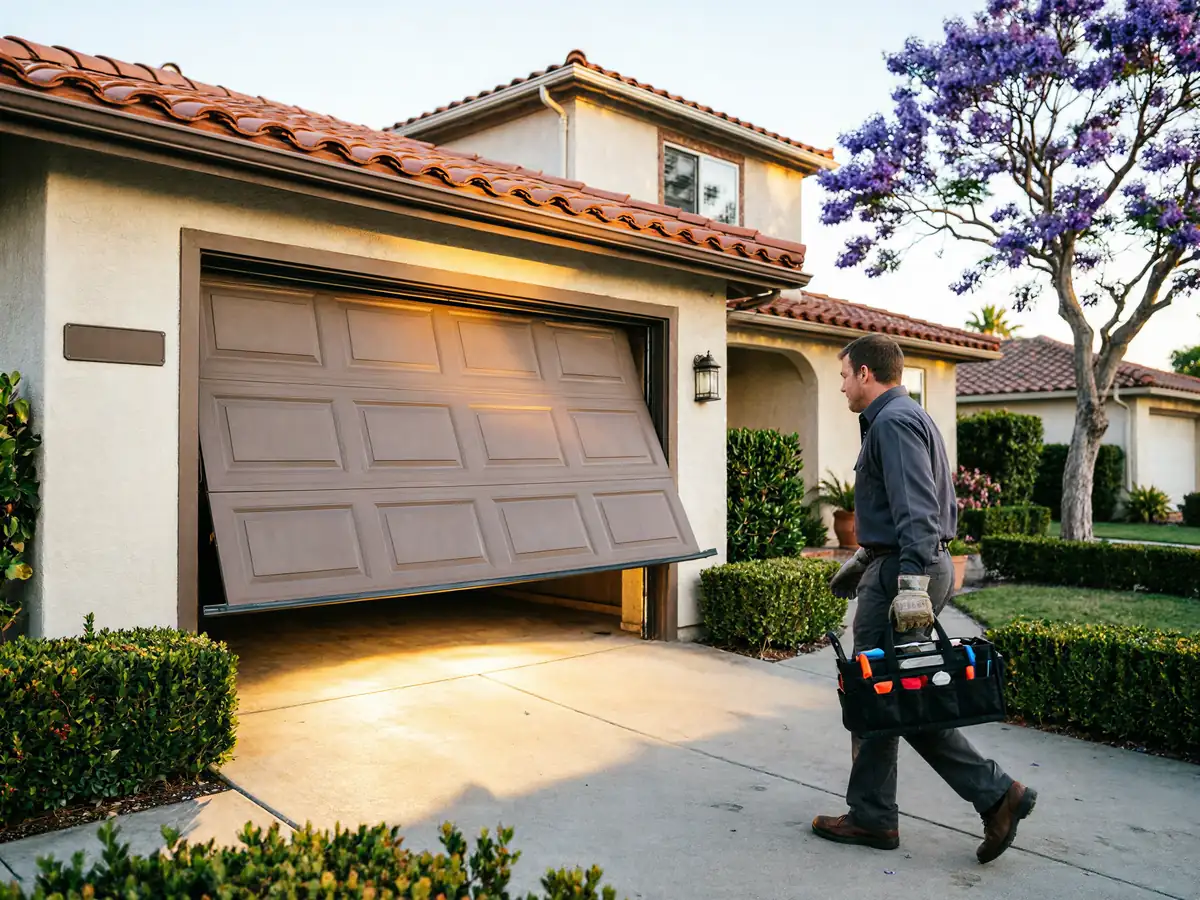
We run this job out of our Downey shop, about 6 miles from Compton, so there's no local branch or drop-in counter here - you call, we schedule, we drive out with the truck stocked for the job you described. Tell us the door's age if you know it (most on this side of the county are from the 1950s to 1970s build era) and whether it's a single or double door, since that changes which spring and track parts we bring. We book by appointment window, not walk-up, because a truck stocked wrong wastes your afternoon and ours.
How Long It Takes
A standard tune-up on one of these 1957-era doors runs longer than it would on a door from the 1990s, mostly because the hardware needs more careful handling - stripped screws, rusted-in bolts, tracks that have to be coaxed back into alignment rather than just bolted straight. Budget more time if the spring needs full re-tensioning instead of a touch-up adjustment. We won't rush the balance check; a door that swings free or crashes down because we skipped a step is worse than the squeak you called about.
What Causes It Around Here
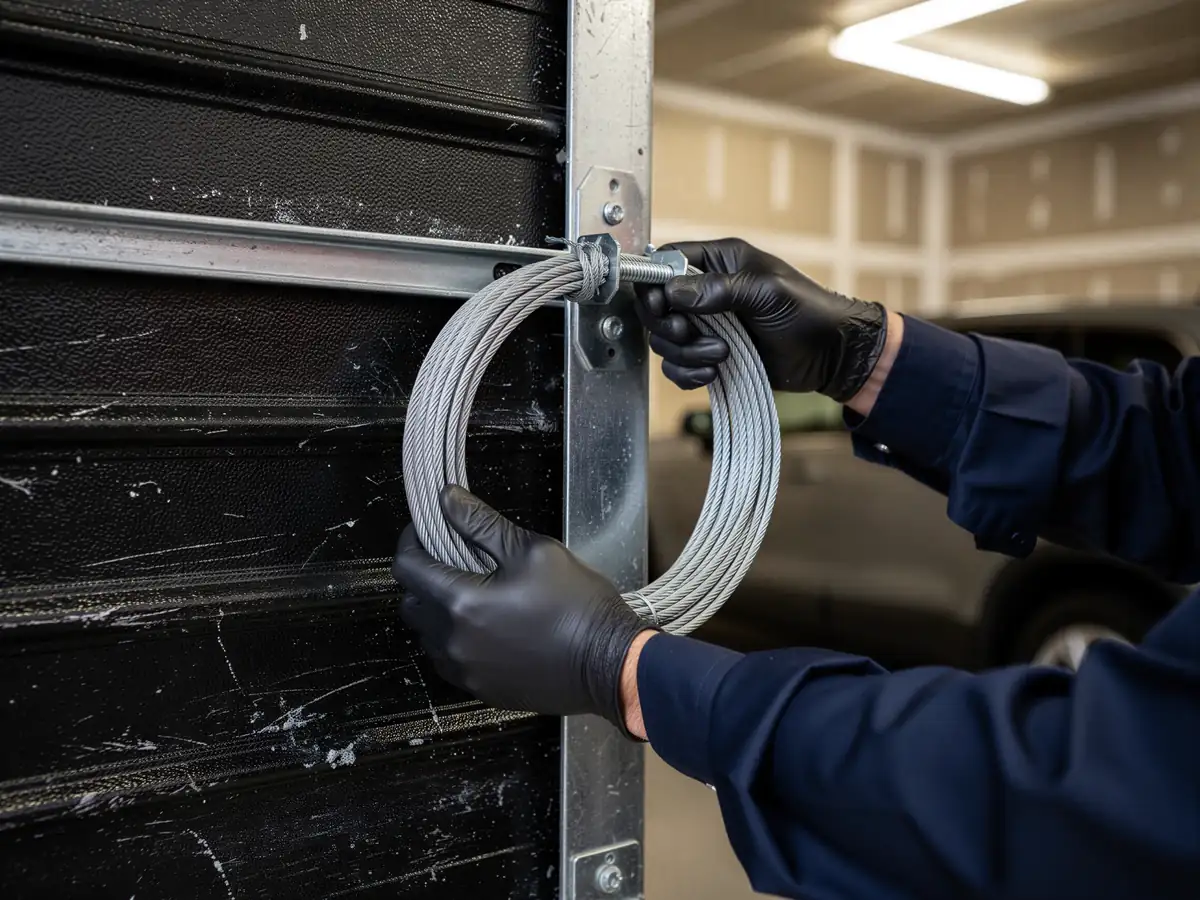
The climate here is mild temperate, so Compton's doors aren't fighting the freeze-thaw cycles or heavy snow load that wreck hardware elsewhere - what gets these doors instead is straight age. A door built in 1957 has outlived several rounds of torsion spring life cycles, and a lot of homeowners have never had the spring replaced at all, just re-adjusted. With 24,227 households in Compton and a housing stock that leans heavily on that late-1950s build year, the failure pattern repeats: worn rollers, stretched or frayed lift cables, hinges loose from decades of panel flex, and tracks pulled slightly out of plumb as the slab has settled. None of that is dramatic. It's just wear that nobody caught early because the door still looked fine from the driveway.