The Symptom
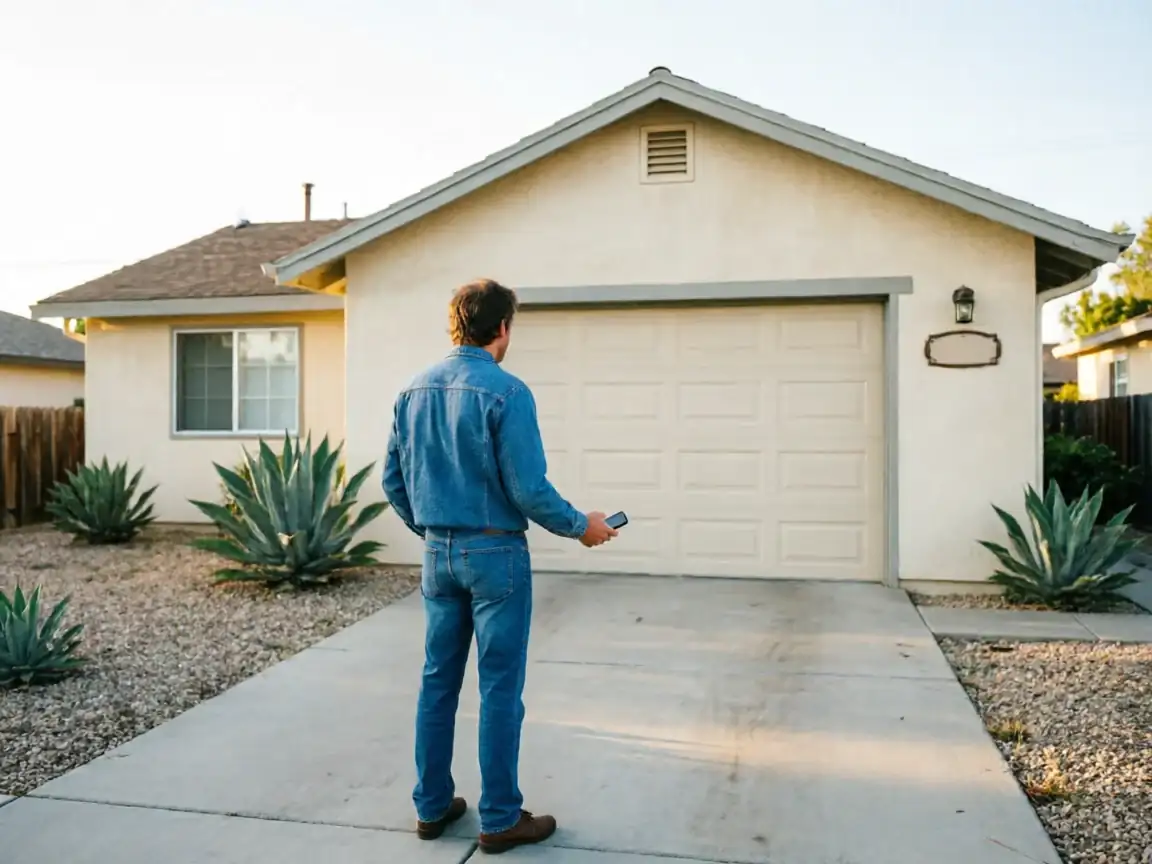
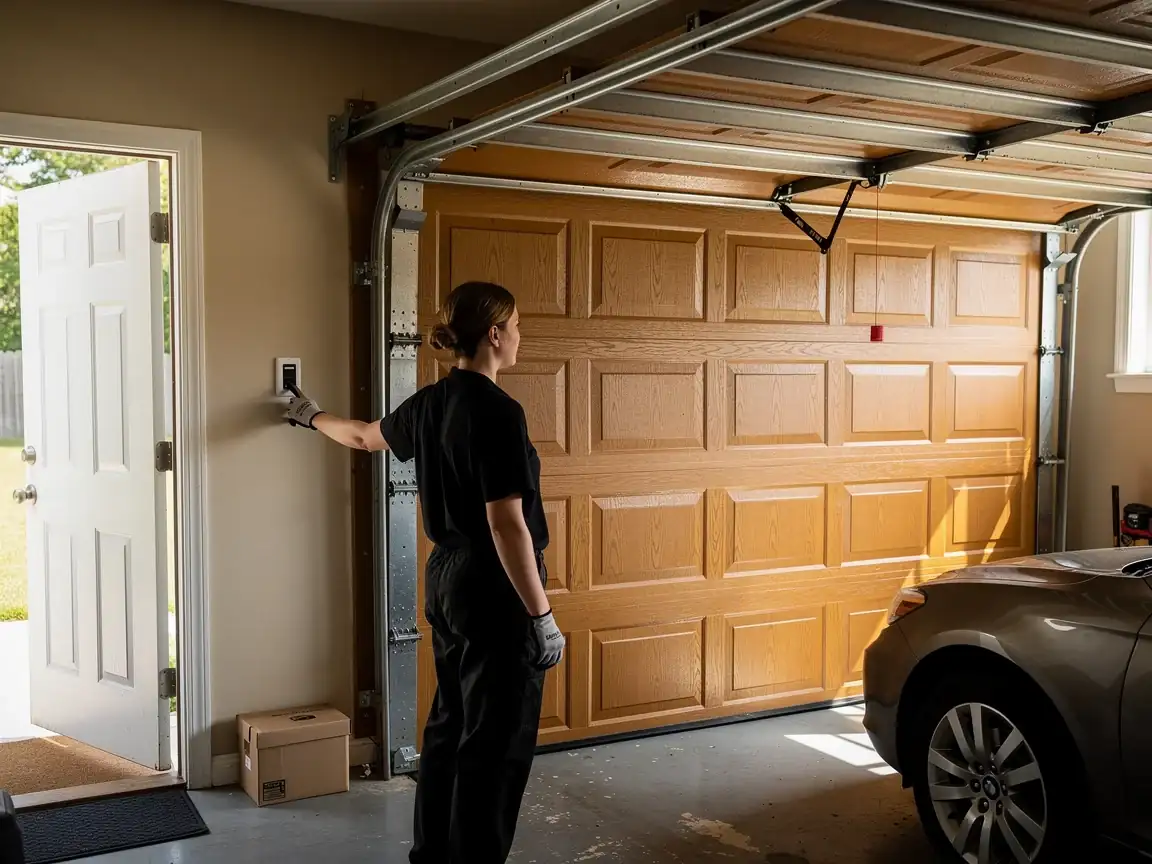
The opener hums but the door doesn't move. Or it moves a few inches and reverses. Or it runs the motor and nothing happens at the drive, chain, belt, or screw. Sometimes it's quieter than that - the remote works from the driveway but not from the street, or the wall button does nothing at all while the remote still fires.
These are different failures with different parts behind them, but they show up together in the same service calls week after week in this area, because so many of the openers still running here were installed to match door hardware that's decades old. A 1980s chain-drive bolted onto a repaired torsion system from the 1960s doesn't fail the same way a 2015 belt-drive on a steel panel door does, and matching the fix to the actual setup matters more than swapping in whatever opener is on the truck.
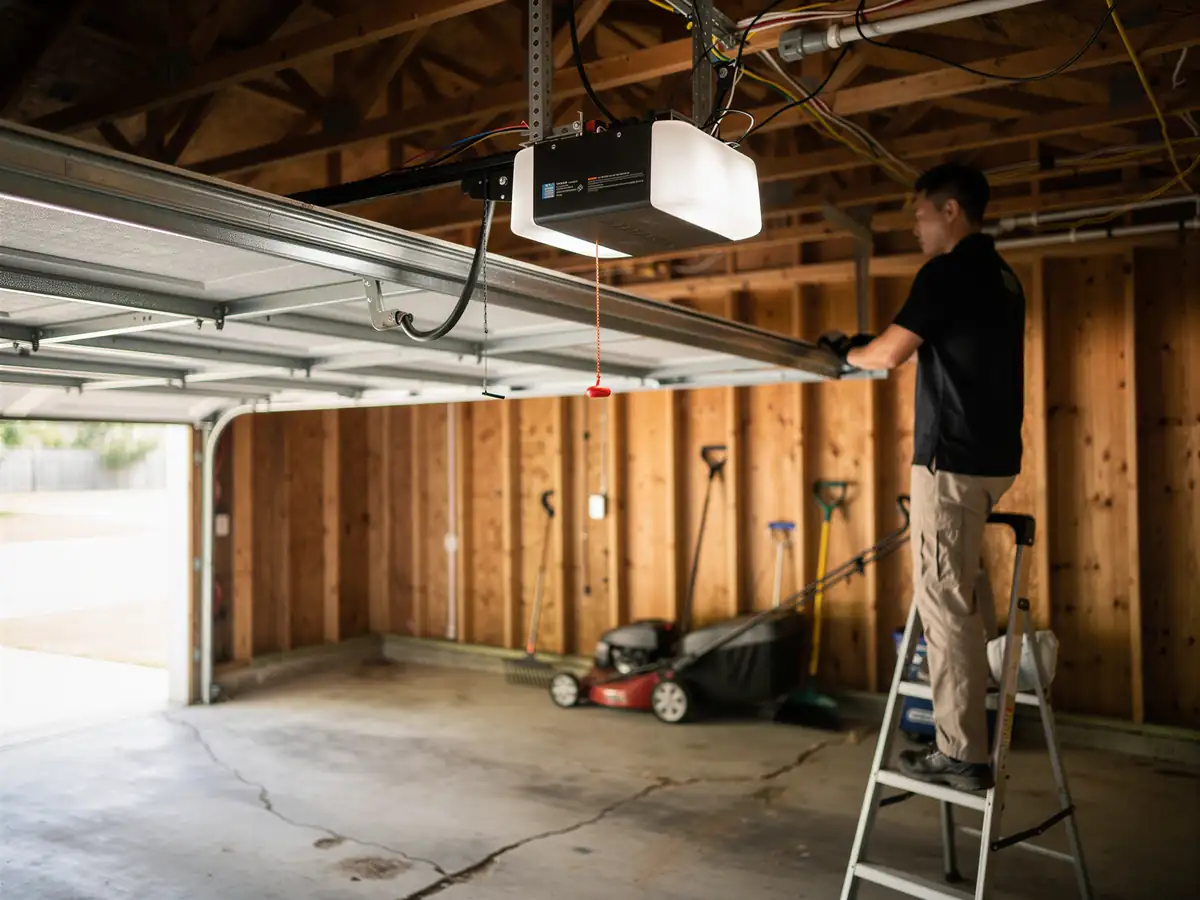
We treat opener repair as its own job, separate from spring work or panel replacement, because that's usually what it is. The opener is a motor and a logic board reacting to a door that's either moving freely or fighting it. Get the diagnosis wrong and you'll pay to replace a perfectly good opener while the real problem - a bound track, a tired spring, a misaligned sensor - keeps grinding away at whatever motor you put in next.
Where This Job Goes Sideways
The most common misdiagnosis is replacing the opener when the door itself is the problem. A door that's hard to lift by hand will always be hard for a motor to lift too, and a new opener strains against the same bad spring or bent track within a year.
The second place it goes sideways: safety sensors. Across our service area's roughly 390,000 owner-occupied houses, a lot of garages have had shelving, storage, or a parked bike move the sensor brackets out of alignment over time, and an opener that won't close reads as "broken" when it's actually doing exactly what it's built to do - refusing to shut on a door it thinks is blocked.
Third: logic boards versus motors. A board failure looks identical to a dead motor from the driveway - the unit just doesn't respond - but the fix and the cost are not the same. Skipping that distinction means either overpaying for a full replacement or under-fixing and getting the same failure back in a month.
We won't pretend every call is simple. If the opener is old enough that the manufacturer no longer makes a matching logic board, repair stops being the cheaper option and we'll say so rather than chase a part that doesn't exist anymore.
What Causes It Around Here
Housing stock across this service area runs from 1943 up through 2012
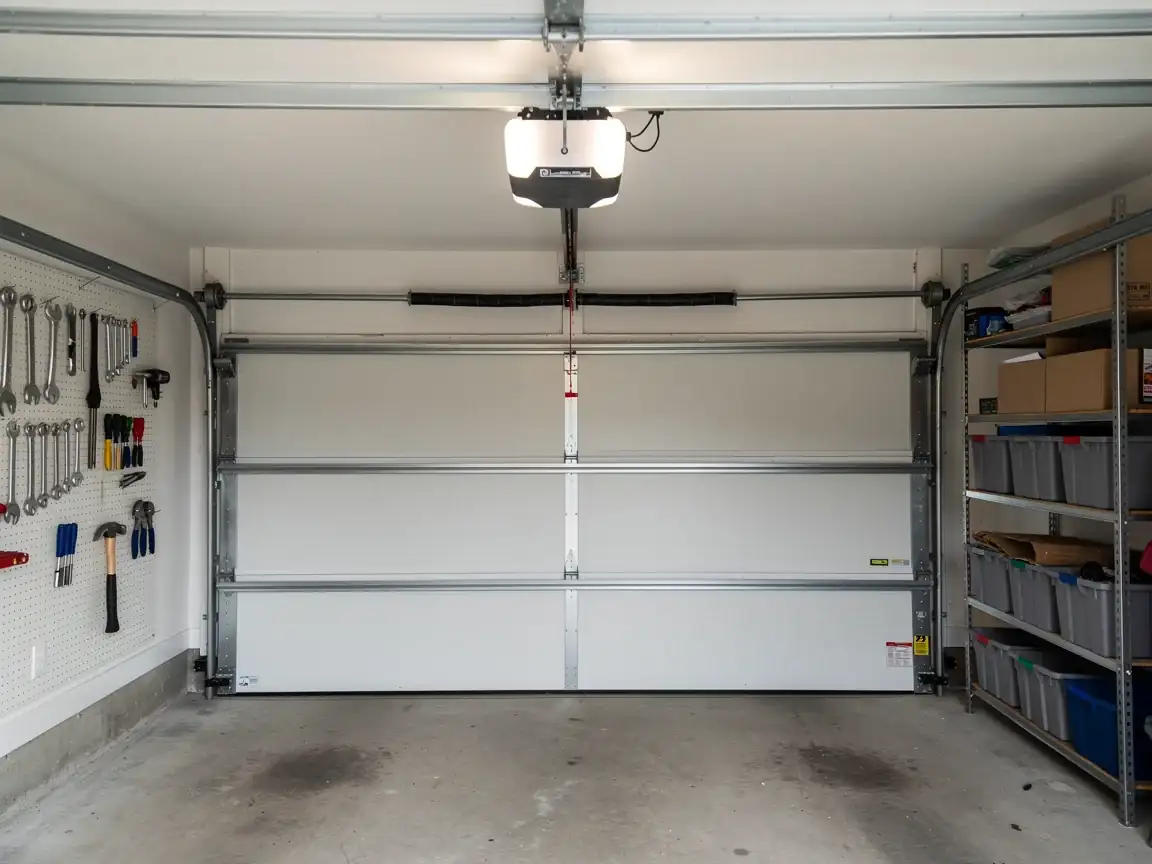
With a median build year of 1963, and most of the 90 named communities we cover are dominated by that 1960s-70s wave of construction. That matters for openers specifically: a huge share of garages were framed for doors and track systems designed decades before screw-drive and belt-drive openers existed, and retrofits don't always sit square. An opener bracket shimmed to fit an old header, or a rail mounted a half-inch off true, puts constant side-load on the motor that eventually burns out gears or strips a drive gear nobody can see without opening the unit.
Climate plays a smaller but real role
The mild temperate band here doesn't cause the dramatic swings that crack plastic housings or warp belts the way extreme heat or freeze-thaw cycles do elsewhere, so when an opener fails in this area it's far more often mechanical wear or age than weather damage - which is actually good news, because mechanical wear is diagnosable and fixable in one visit, where weather-cracked housings usually aren't.
How We Fix It
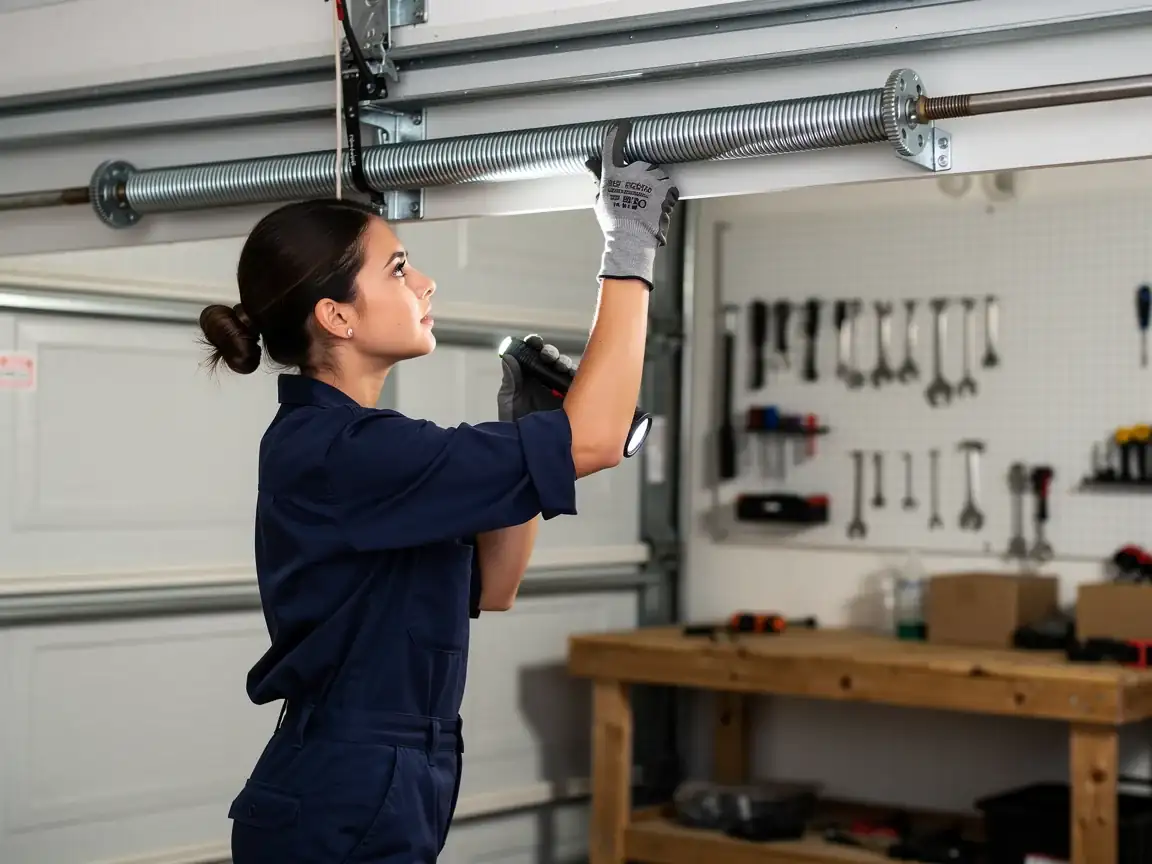
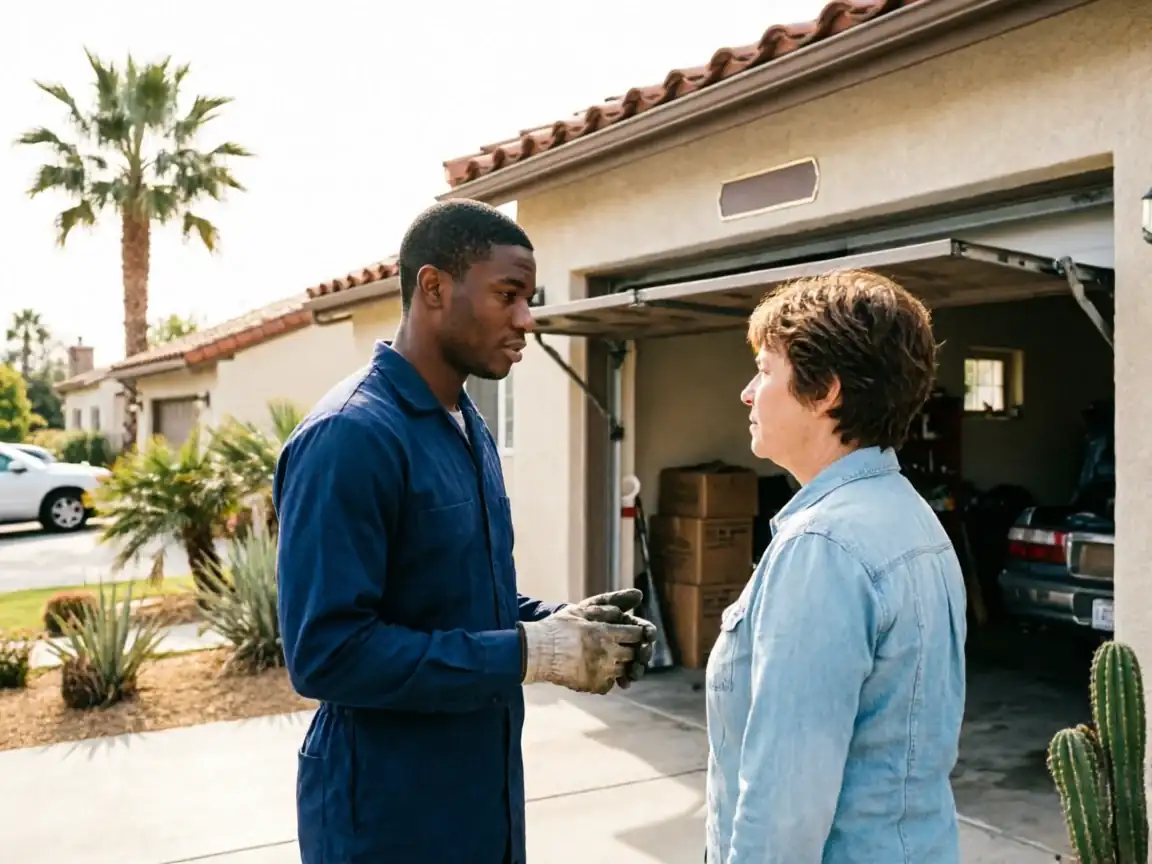
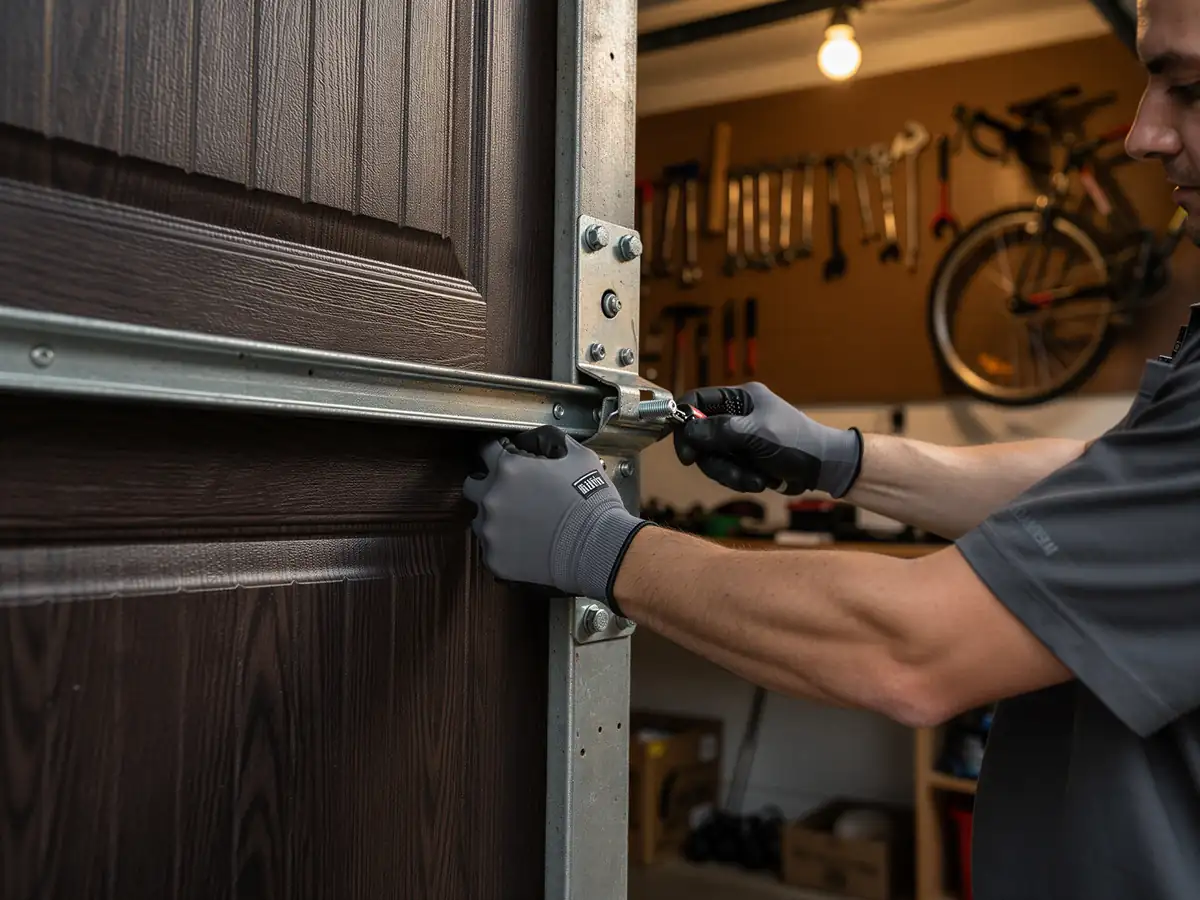
First call is diagnosis, not a part swap. We check the door's balance and track alignment before touching the opener, because an opener repair on an unbalanced door is a repair that doesn't hold. Then we test the motor, the logic board, and the sensors separately - three different failure points that all look like "the opener's broken" from the kitchen.
If it's a sensor alignment or a worn drive gear, that's usually a same-visit fix. If the logic board's gone on a unit old enough that the manufacturer discontinued the matching board, we'll tell you straight that replacement is the better dollar-for-dollar move rather than hunting for a part that may not turn up.
We carry parts to match the drive types most common on homes built across the 1960s-70s wave that makes up most of this area's stock, plus the newer belt and screw drives found in houses built through the 2000s. What we don't do is sell you a new opener as the default answer before we've ruled out the door itself as the cause - that's the fastest way to pay twice for one problem.