Serving Downey, CA & nearby
(562) 581-7912
Downey, CA

Cold Nights, Old Springs: What Downey Homeowners Should Know

Downey's homes mostly date to 1963, and a mild temperate climate still gets cold enough overnight to snap an aging torsion spring. Here's what to check.

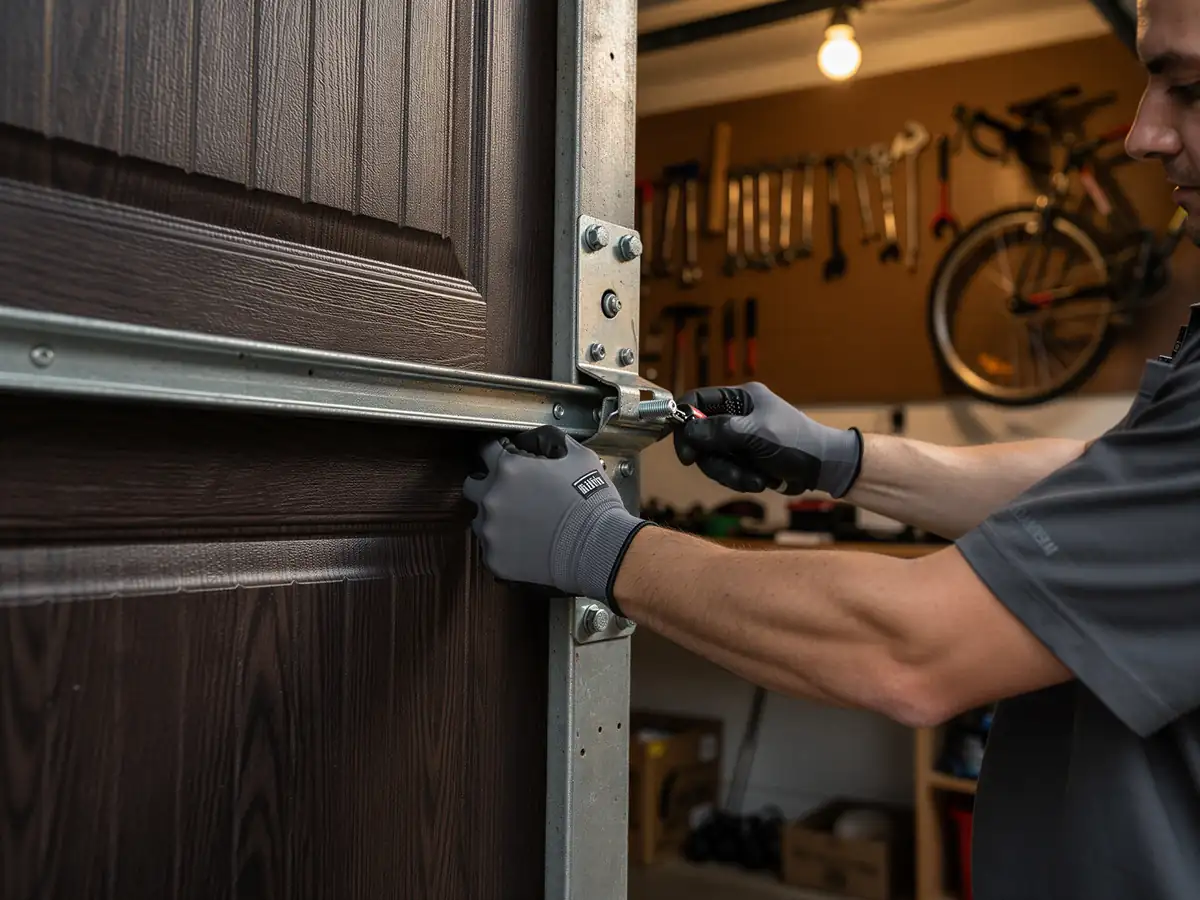
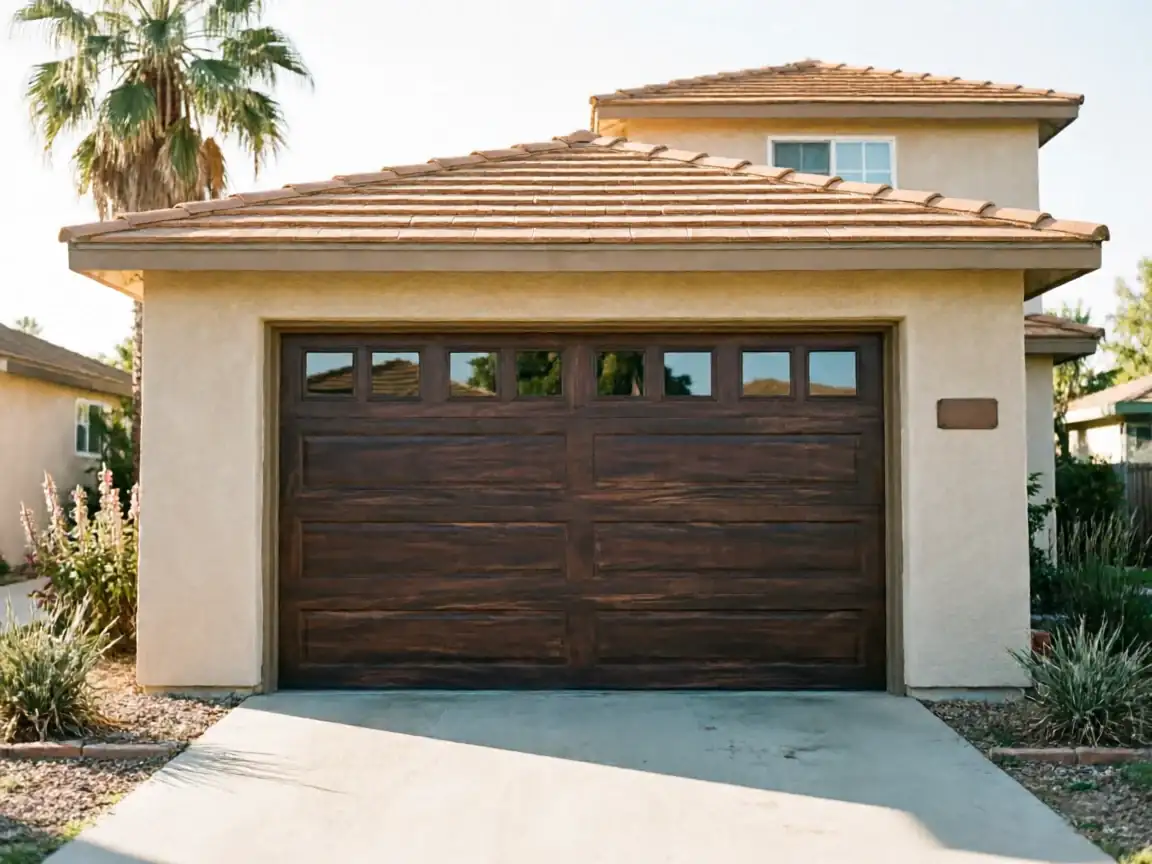
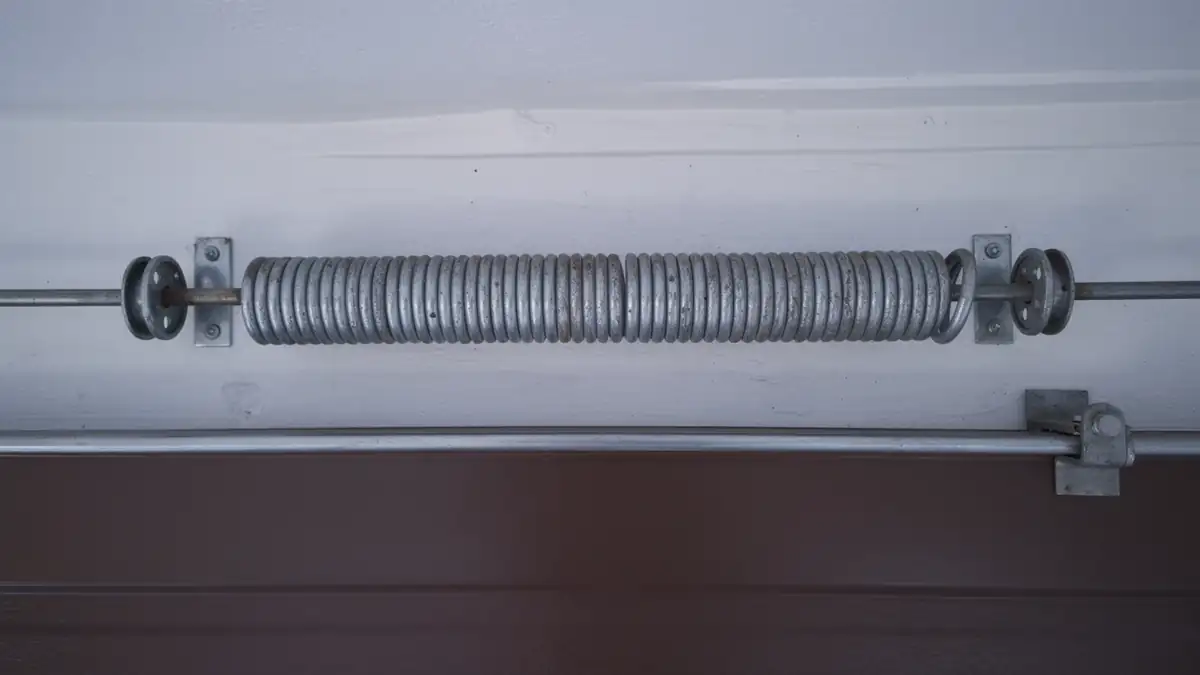
A garage door torsion spring is mounted above a brown garage door.

What Most People Get Wrong

The common assumption is that Downey doesn't get cold enough for a garage door spring to break from the weather. That's a fair guess if you're picturing a hard freeze, but it's not how springs actually fail. Downey's housing stock was built mostly between 1943 and 2012, with the median home dating to 1963, so a lot of the original torsion springs installed during that 1960s-70s boom are still hanging in there, coiled and under load, year after year. A spring doesn't need a deep freeze to let go. It needs one cold night on top of decades of fatigue it was never designed to carry this long. People tend to blame "the cold" for a spring that was already close to its last cycle. The cold doesn't cause the failure so much as it's the final push on steel that's been losing temper for fifty-plus years. That distinction matters because it changes what you should actually be watching for - not a weather forecast, but the age and condition of a part most people never look at until it bangs.

The Problem

Steel contracts when it's cold, and a torsion spring under tension is less forgiving when it contracts unevenly - a hairline fatigue crack that was stable at 70 degrees can propagate at 45. You don't need a freeze for that; you need a swing, and overnight lows in a mild temperate band still drop enough from the daytime high to matter on an old spring. This shows up most on the first real cold stretch of the season, when a spring that's been creaking along all summer finally gives. The failure is almost always sudden - a loud bang, the door stuck halfway, or a door that won't budge because the counterbalance is gone. If your house falls into that 1943-2012 build range and nobody's touched the springs, you're carrying original or first-generation hardware that's had forty to sixty winters to accumulate stress. That's the actual problem: not that Downey gets cold, but that so much of the spring hardware here is old enough that any cold snap is a fair test it might not pass.

How Local Conditions Play In

Downey sits in a mild temperate band, not the high desert or mountain climate you'd find further inland, so the kind of hard freeze that snaps springs elsewhere just doesn't happen here the same way. What does happen is a steady diet of moderate day-to-night swings, year-round, on a huge base of houses that all went up in the same narrow window. Bell Gardens sits two miles from Downey and shares that same post-war building run, so a spring that lets go on a cold night there looks a lot like one that lets go here. Paramount, three miles south, Norwalk, three miles east, and Bellflower, four miles out, all sit in the same 1960s-70s tract-home belt, which means the same aging-spring problem shows up block after block rather than house by house. With 390,108 owner-occupied houses across this corner of the county, a big share of them dating to that same mid-century build run, the odds that your spring is original are higher than most homeowners think. The climate here isn't harsh, but it's consistent, and consistent stress on old steel adds up whether or not anyone notices.

What to Check

Start with the build year of your house. If it's anywhere near that 1963 median, assume the springs are original until you've learned otherwise. Look at the spring itself - gaps between the coils, rust streaks, or a visibly stretched section are signs it's near the end. Listen for a change in sound when the door runs: a grinding or popping noise it didn't make last year is worth paying attention to. Try the balance test with the opener disconnected - lift the door by hand to waist height and let go; it should hold roughly in place. If it drops, the spring is losing its ability to carry the door's weight. One honest limitation: we can't tell you over the phone whether a spring is about to go. Fatigue cracks don't always show from the outside, and a spring that looks fine can fail on the next cold cycle anyway. If your door is from that original 1960s-70s era and nobody's replaced the springs, the safer move is to have them looked at before winter rather than after they snap.
How it works

From “it’s stuck” to “it’s fixed”

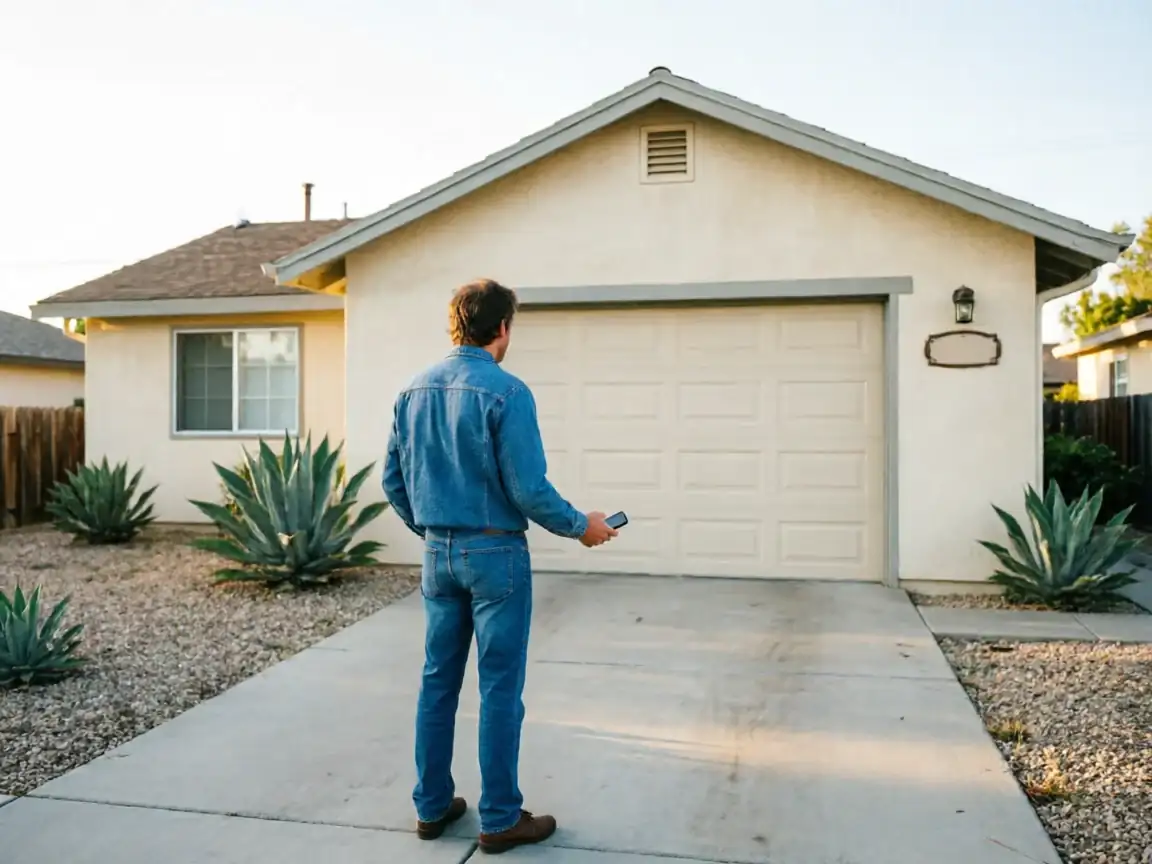
A man in a denim outfit holds a garage door opener in front of a house.

Tell us what’s wrong

Describe the symptom - won’t open, loud bang, opener runs but the door won’t move.

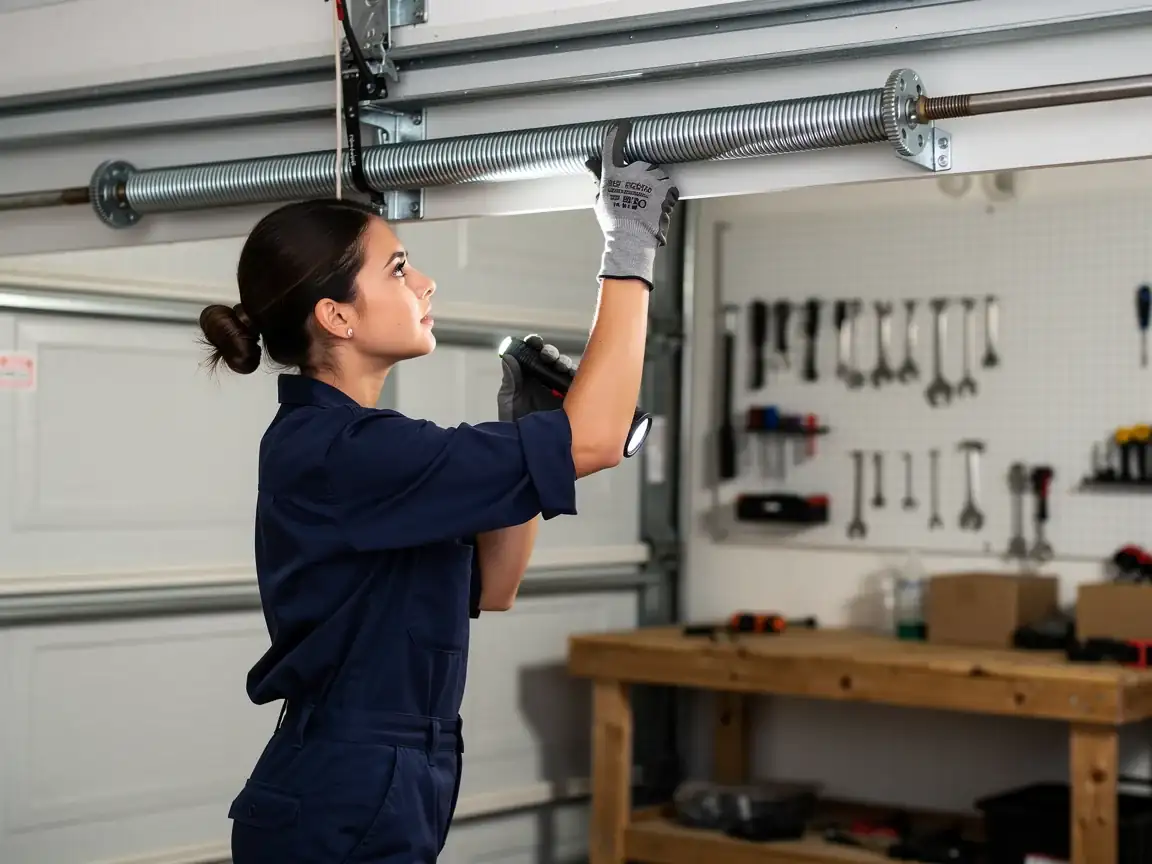
A technician in a blue jumpsuit inspects a garage door torsion spring with a flashlight.

On-site diagnosis

A technician tests the door under power and by hand and finds what actually failed.

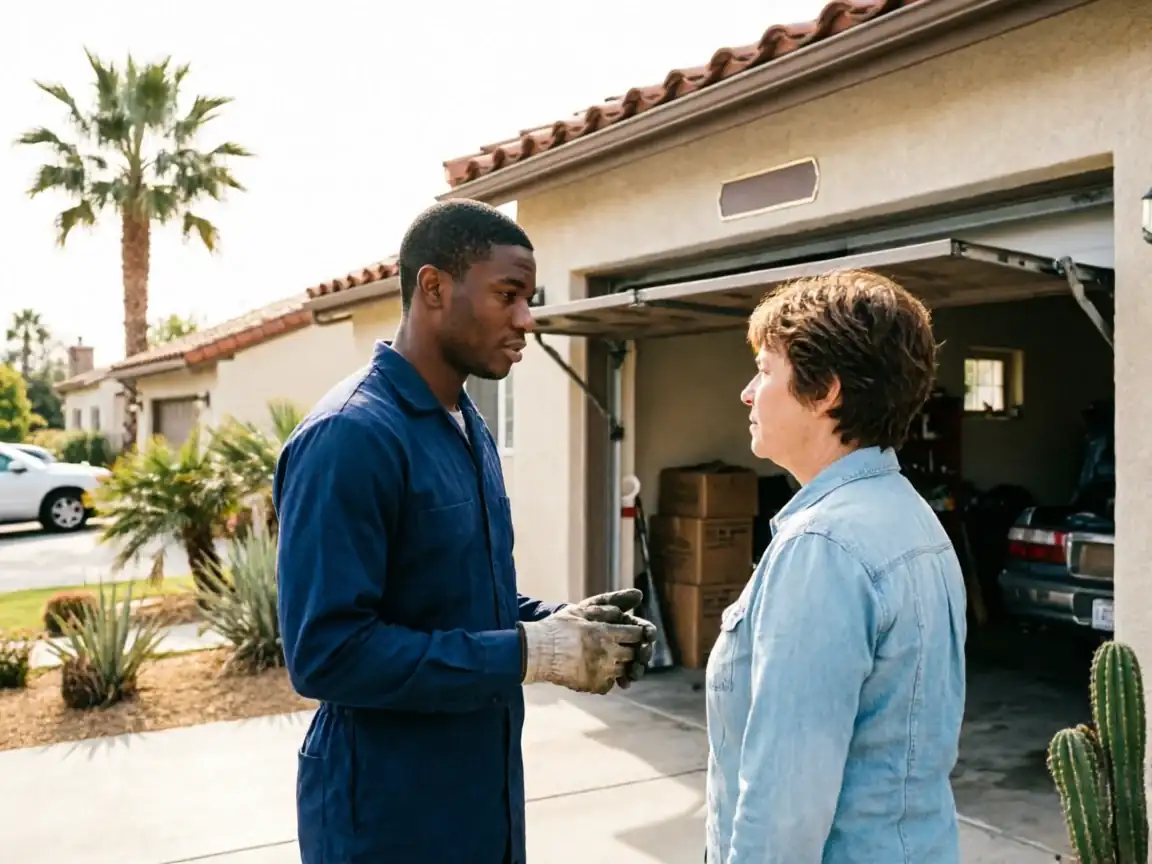
A technician in a blue uniform talks to a woman in front of an open garage.

Clear, up-front plan

You get the fix that’s needed and what drives the cost - before any work starts.

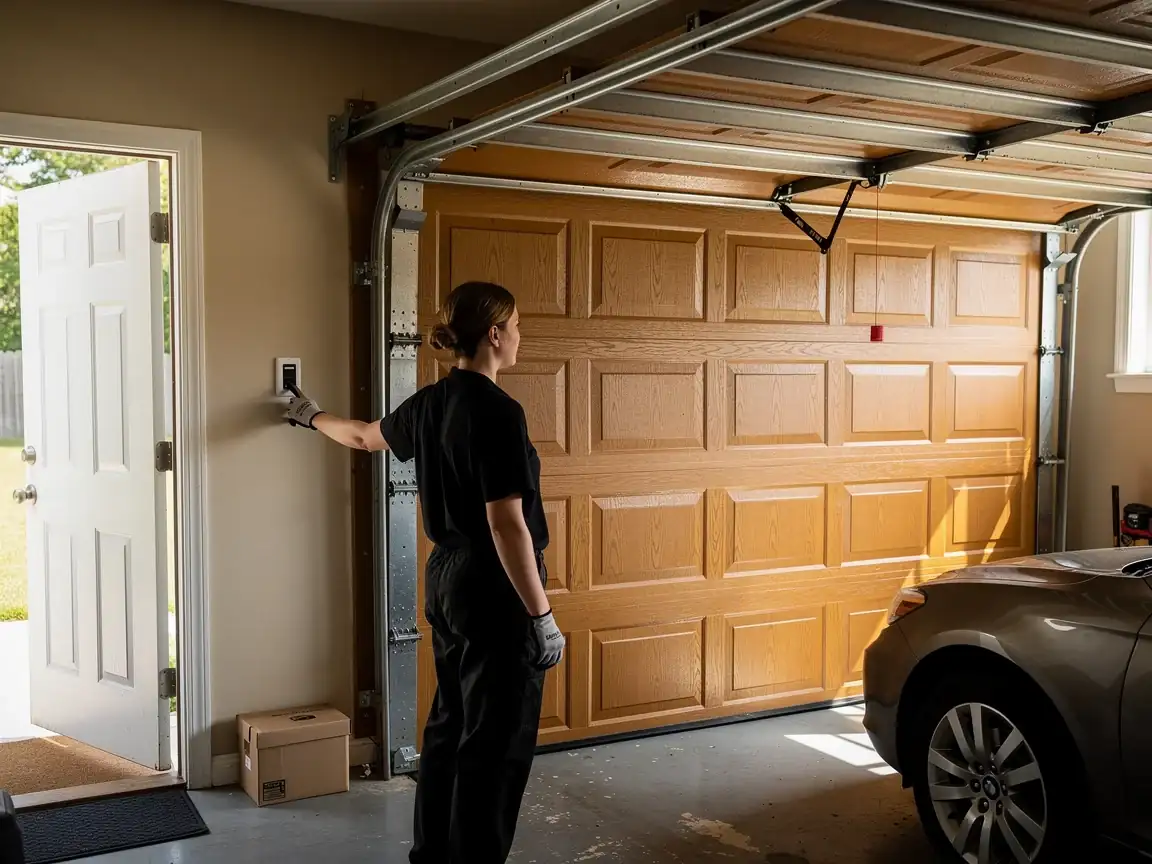
A technician presses a button on the wall next to a closed wooden garage door.

Repaired & tested

The repair is done, the door is set true and tested, and the work area left clean.

Not sure which repair your door needs in Downey, CA? Describe what it’s doing - every job starts with a diagnosis.

How we work

What to expect

A straight, honest approach on every Downey job.

Diagnosis first

Every visit starts by finding what actually failed - not a pre-written parts list.

The right part for the door

Springs and openers matched to the door’s weight and age, so the fix holds up.

Straight answers

When a repair makes more sense than a replacement - or the reverse - you hear it plainly.

Clean, careful work

Tension released safely, hardware set true, the door tested under power before we leave.

What we do

Garage Door Services

Repair and installation work for Downey homes and businesses.

Questions

Frequently asked

Straight answers about garage door repair in Downey. Still unsure? Ask us directly.

Does Downey really get cold enough to break a garage door spring?

Downey sits in a mild temperate band, so you won't see a hard freeze. But an aging spring doesn't need one - a moderate overnight drop is often enough to finish off a spring that's already fatigued from decades of use, especially in houses built in that 1960s-70s era that makes up most of the local stock.

How do I know if my spring is original to the house?

If your house dates to anywhere near 1963, the median build year for this area, and you have no record of a spring replacement, assume it's original or close to it. Visible rust, gaps between coils, or a door that doesn't hold its balance when lifted by hand are signs it's near the end of its life.

Is it normal for a spring to fail suddenly with no warning?

Yes - torsion springs usually fail all at once, with a loud bang, rather than gradually weakening in a way you'd notice day to day. That's the nature of metal fatigue. A spring can look fine right up until the cycle that breaks it.

Ready to get your garage door sorted?

Tell us what it’s doing and where you are in Downey - we’ll take it from there.

Request a QuoteCall