What Most People Get Wrong
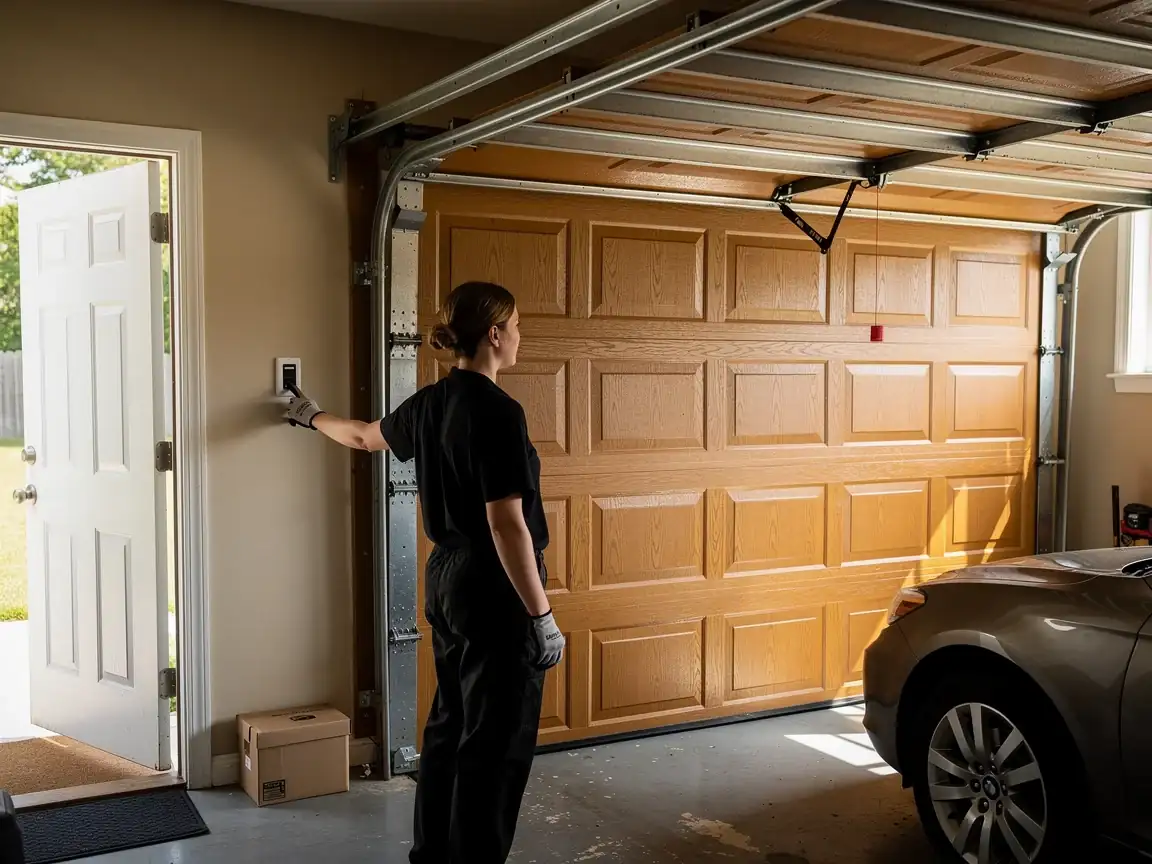
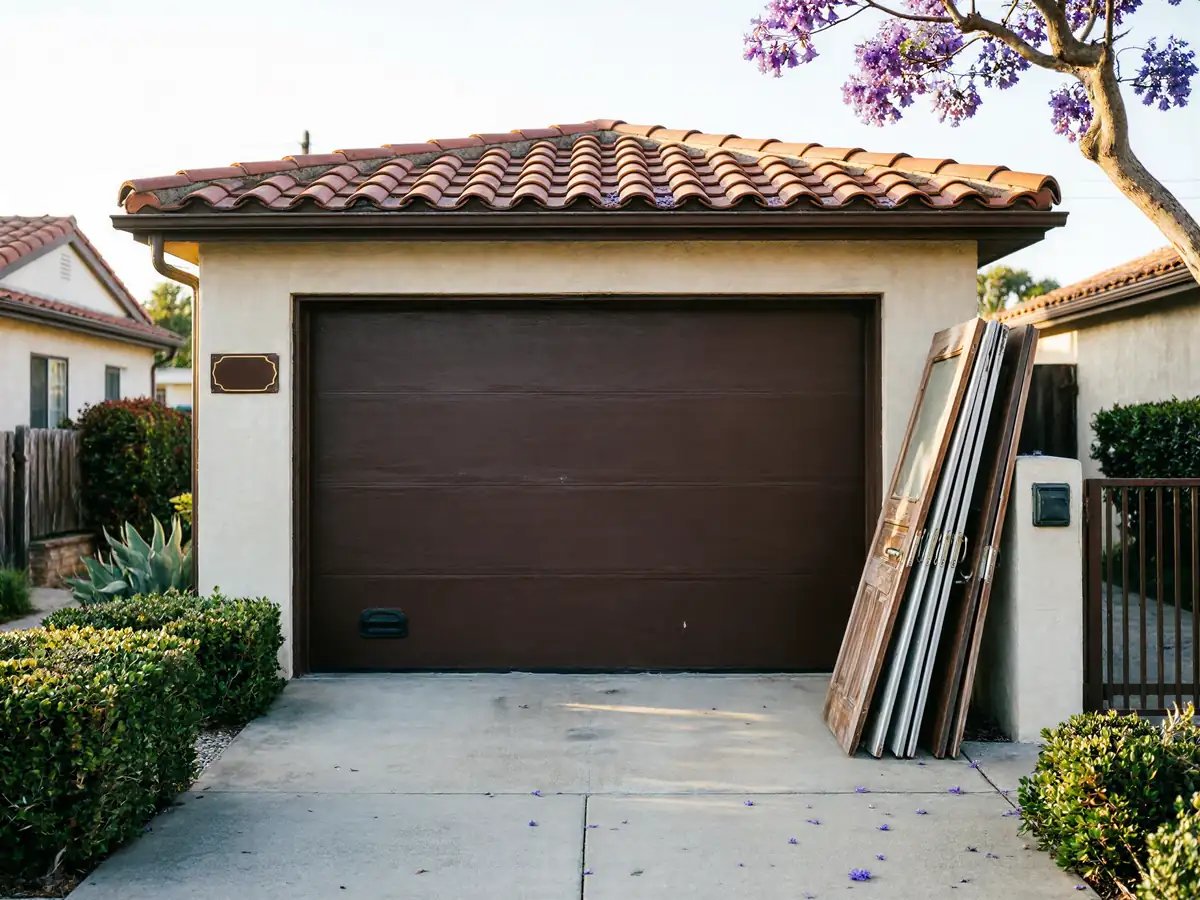
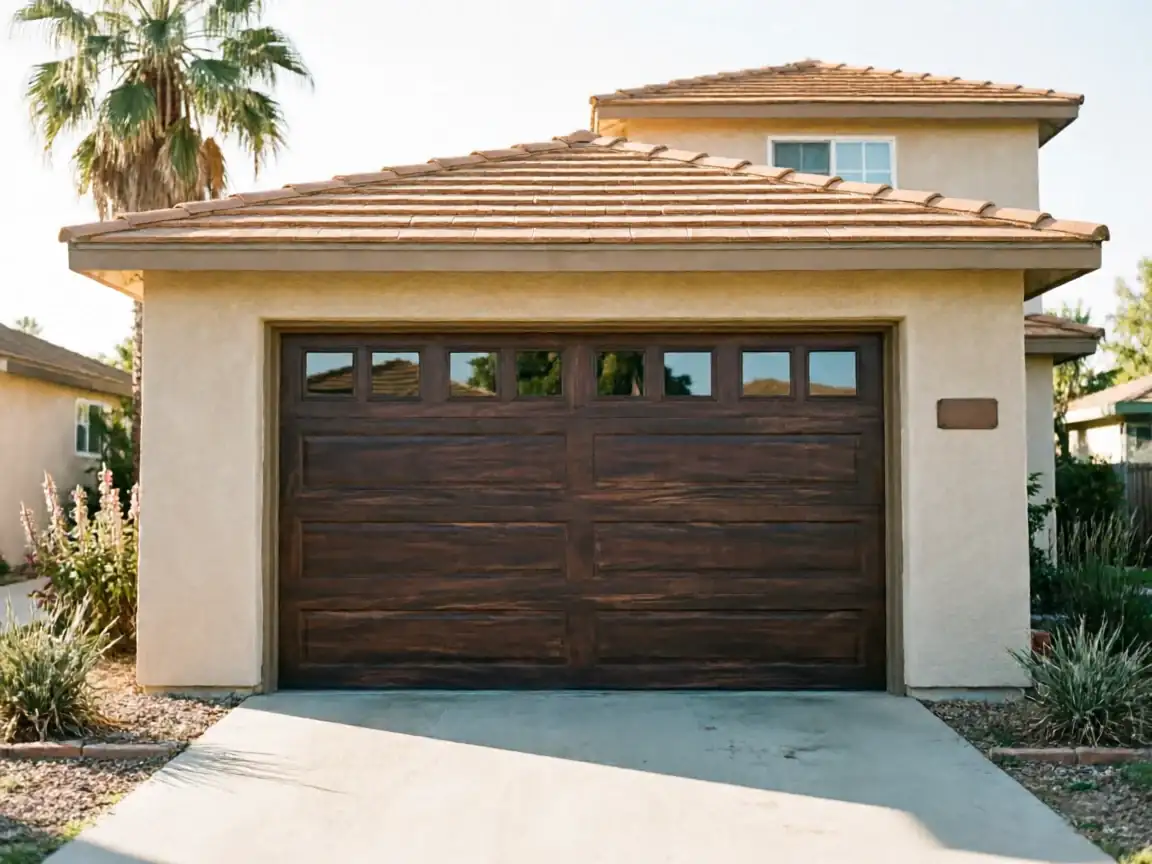
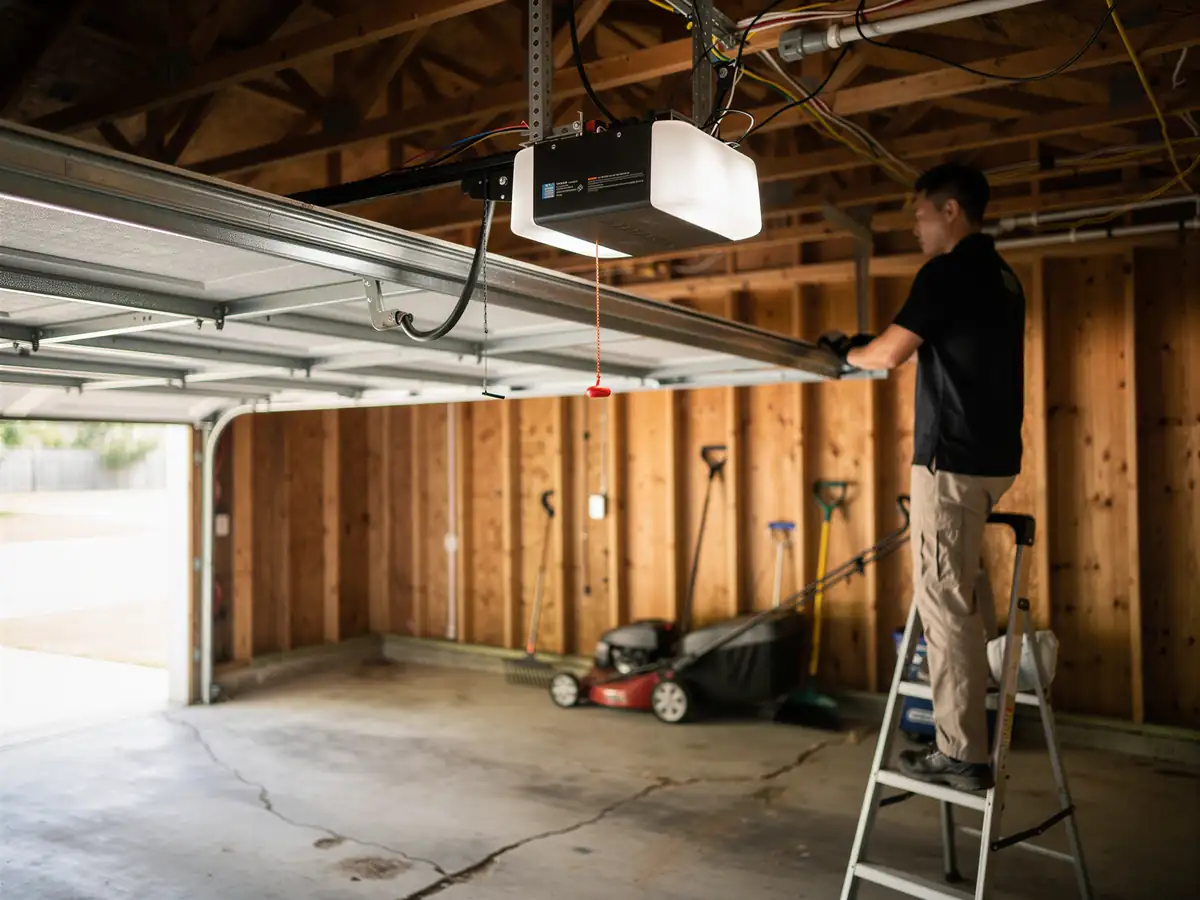
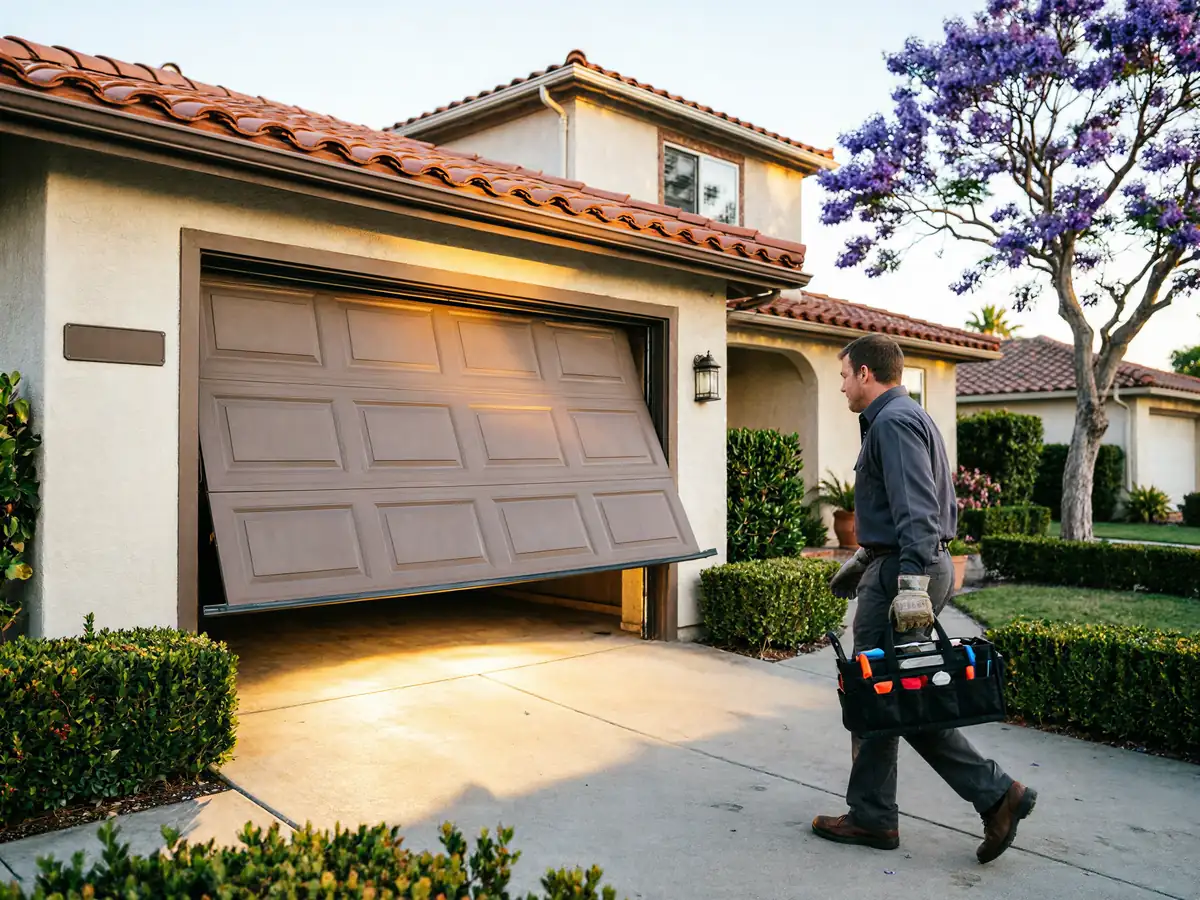
Most homeowners here assume a garage door problem is about the opener. It's usually not. Downey's housing stock runs from 1943 to 2012, with the median build year sitting at 1963, and most of that is concentrated in the 1960s-70s wave that makes up the bulk of the city's housing. That means the door itself - the panel material, the track gauge, the spring system - is very often original or a like-for-like replacement from decades ago, installed before anyone thought about insulation on a garage door at all. People replace the opener, call it fixed, and the door keeps sagging or binding because the real issue is a steel panel with no foam core and a track that was never shimmed for today's heavier openers. Fixing the motor on a door built before insulation rules just gets you a stronger motor pulling against the same tired hardware.
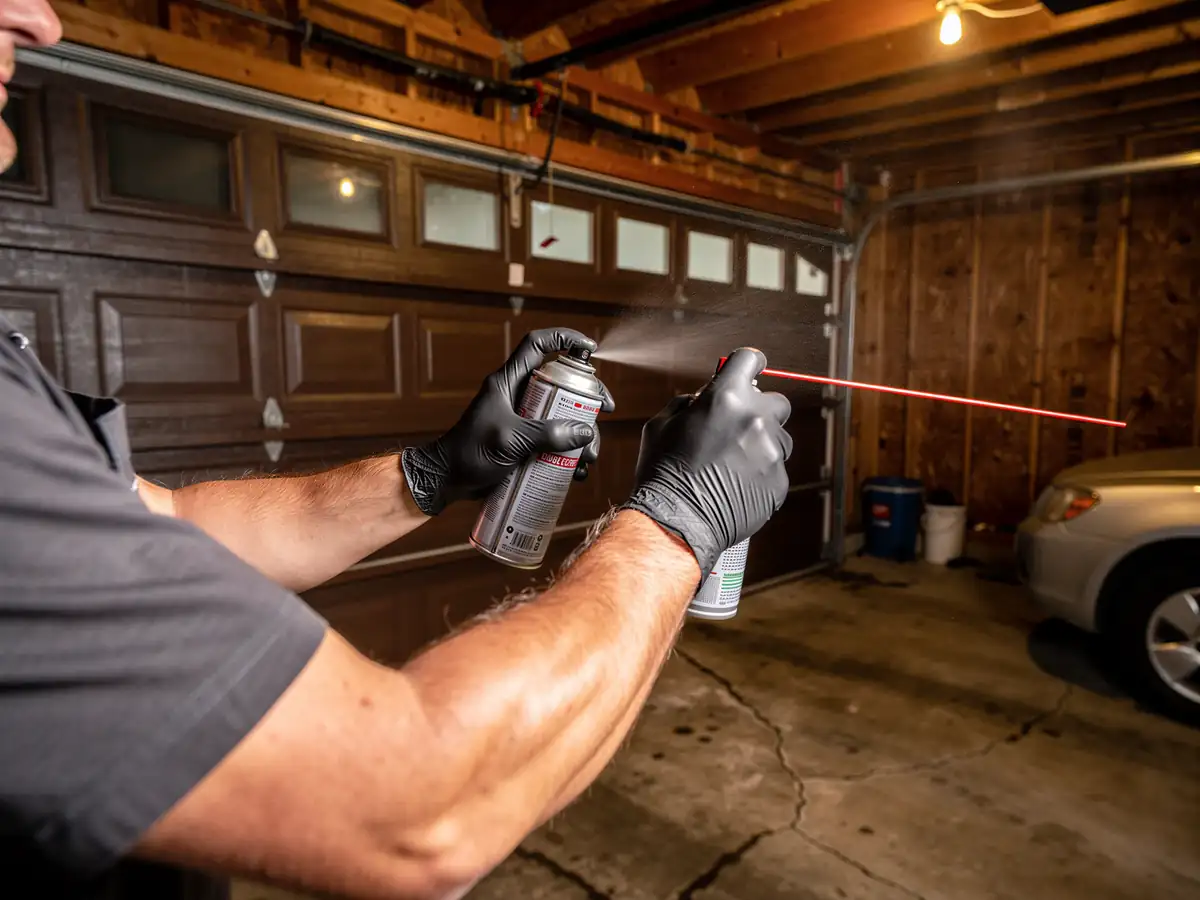
The other mistake is treating every rattle as a safety hazard requiring full replacement. Sometimes it's a worn roller on a 50-year-old track, not a structural problem.
The Problem
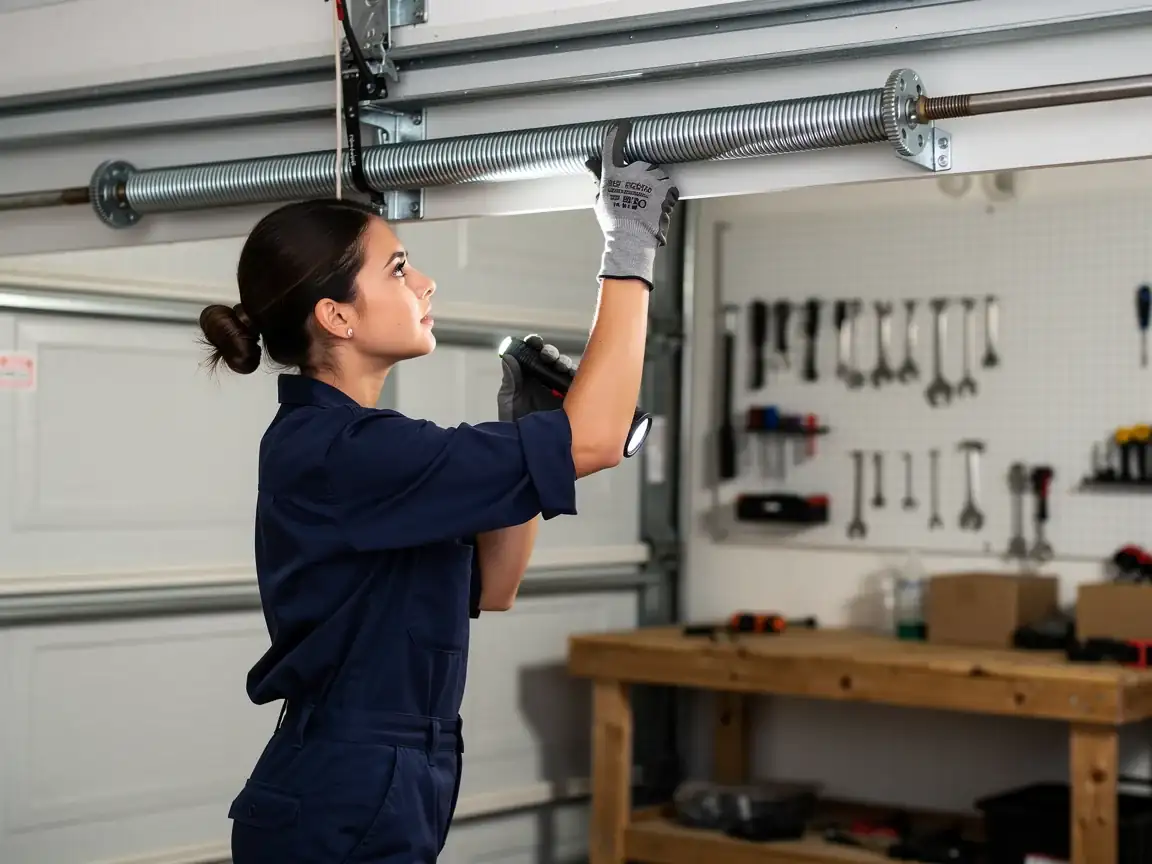
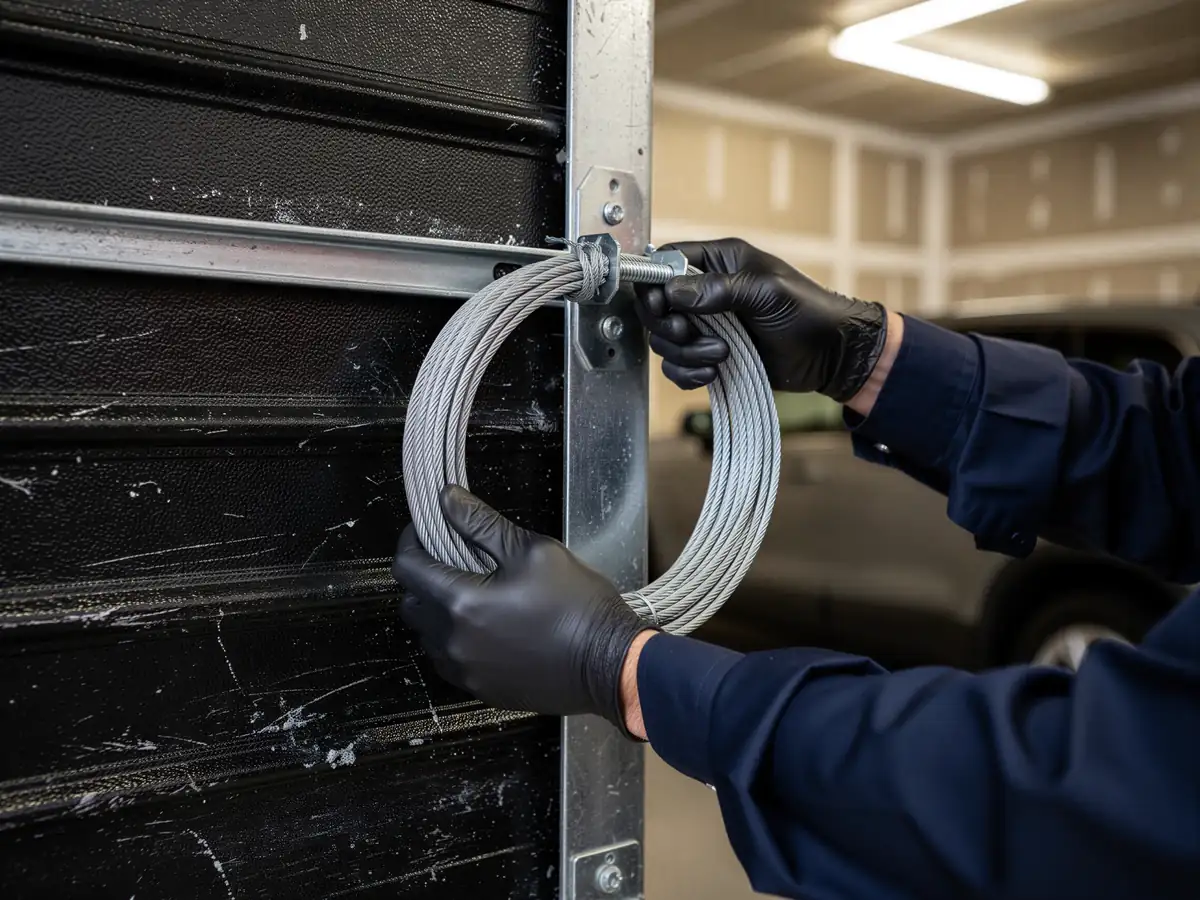
A single, uninsulated steel or wood panel from the 1960s-70s era does two things badly: it flexes more under its own weight, which stresses the spring and cable system over time, and it does nothing to buffer heat gain against an attached garage wall. In a mild temperate climate like Downey's, that's not a freeze-crack problem like you'd see in a harsher climate - it's a slow fatigue problem. Torsion springs on these older setups were sized for lighter, thinner doors, and when a panel gets swapped for a modern slab without matching the spring to the new weight, the opener strains and the spring wears out faster than it should. On houses built before insulation rules applied, that single panel is also usually the only panel - no foam layer, no thermal break - so any added weight from a retrofit (insulation kits, newer glazing, added hardware) changes the math on what the original spring can handle.
What to Check
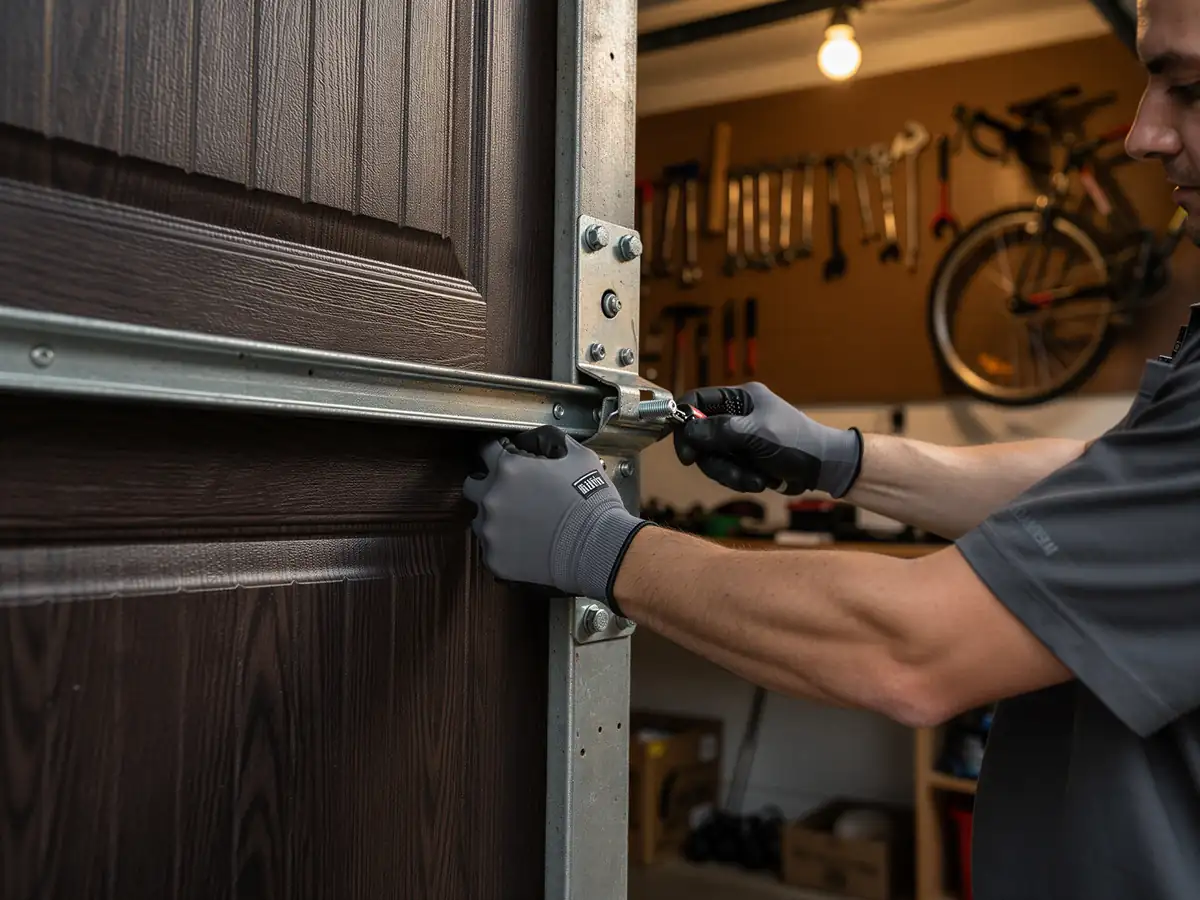
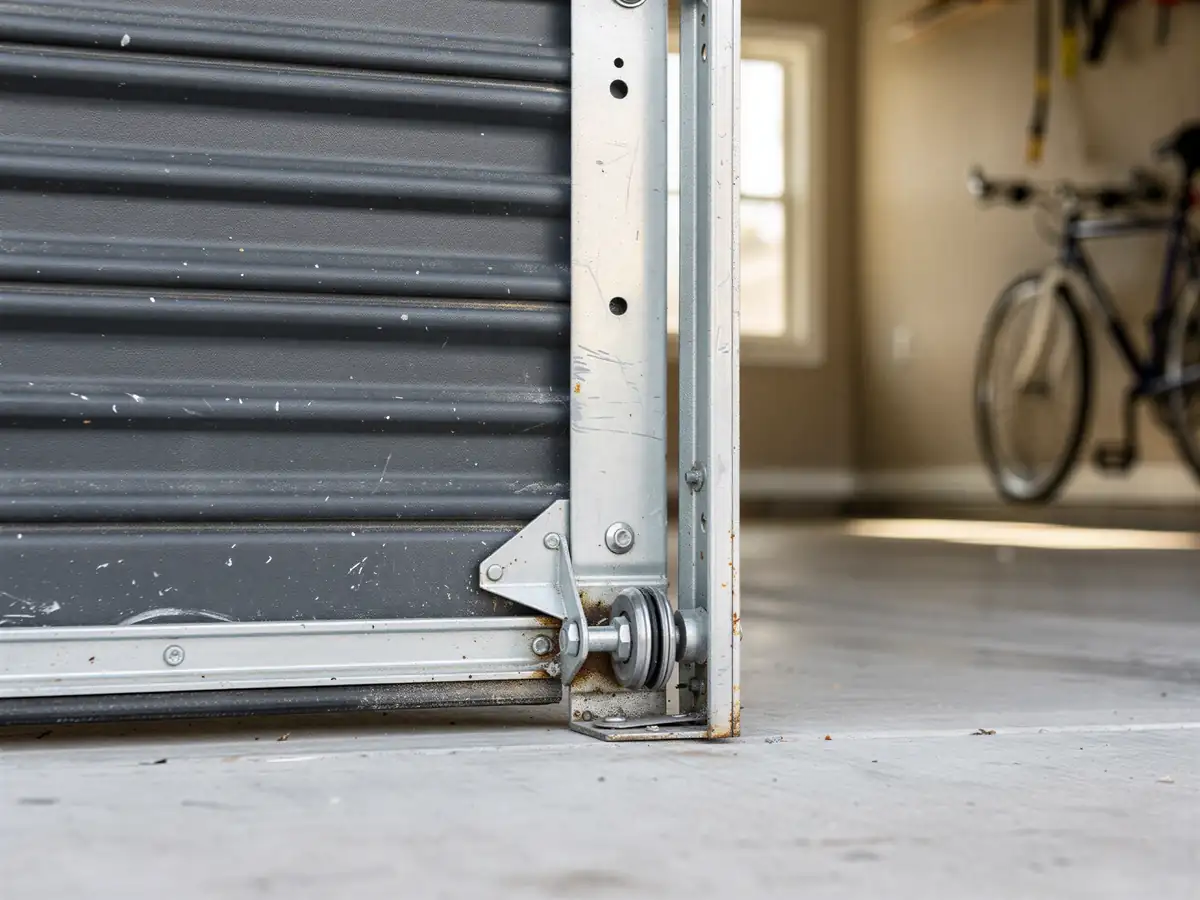
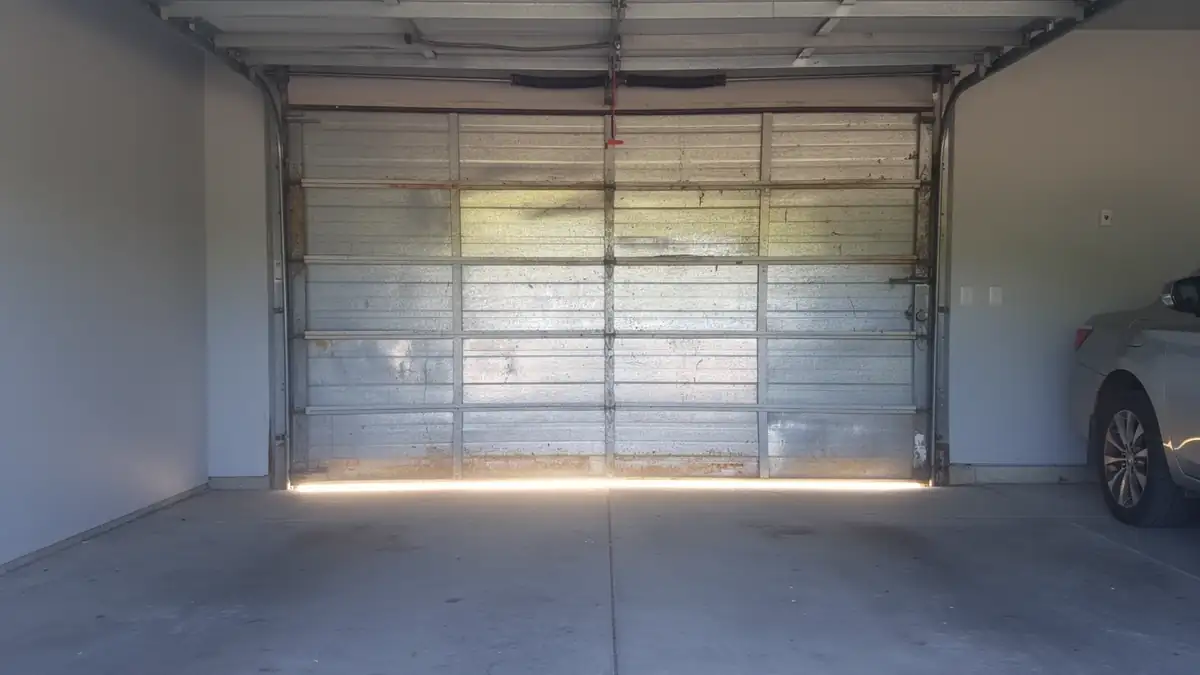
Look at the panel seams first. If you can see daylight or feel airflow between sections on a cold morning, you've got an uninsulated door from the pre-insulation-code era, and that's worth knowing even if you don't replace it yet. Next, check the spring: a single torsion spring mounted over the opening on an older door is a sign of original 1960s-70s hardware, and these wear out on a cycle count, not a calendar, so age alone tells you a lot. Check the track for rust pitting or bent sections where an old wood jamb has shifted - common on houses from this build era. We won't tell you to replace a door that's still cycling fine just because it's old; if the panel's solid and the spring's balanced, a tune-up beats a full swap. But if the spring is original and the panel has no insulation, that's the combination that usually fails without warning.