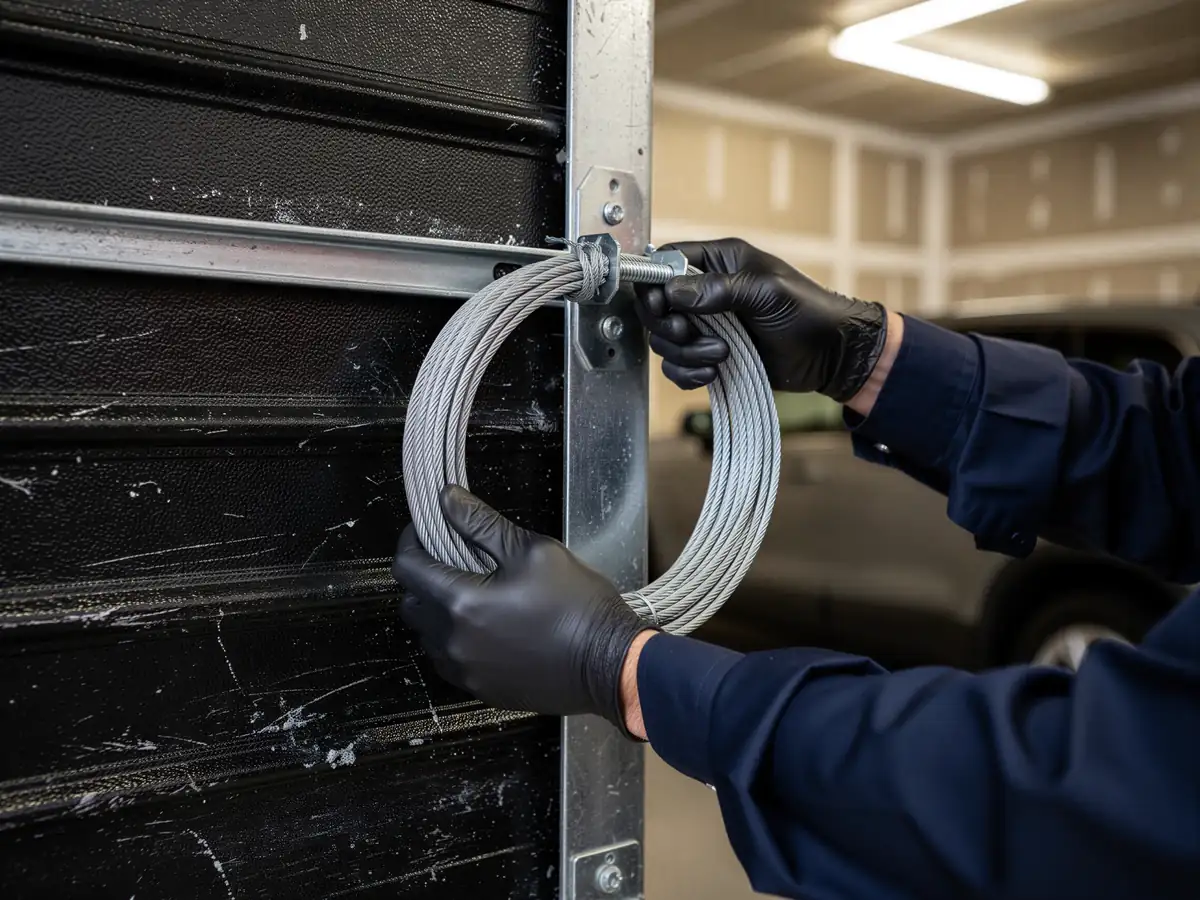
The Symptom
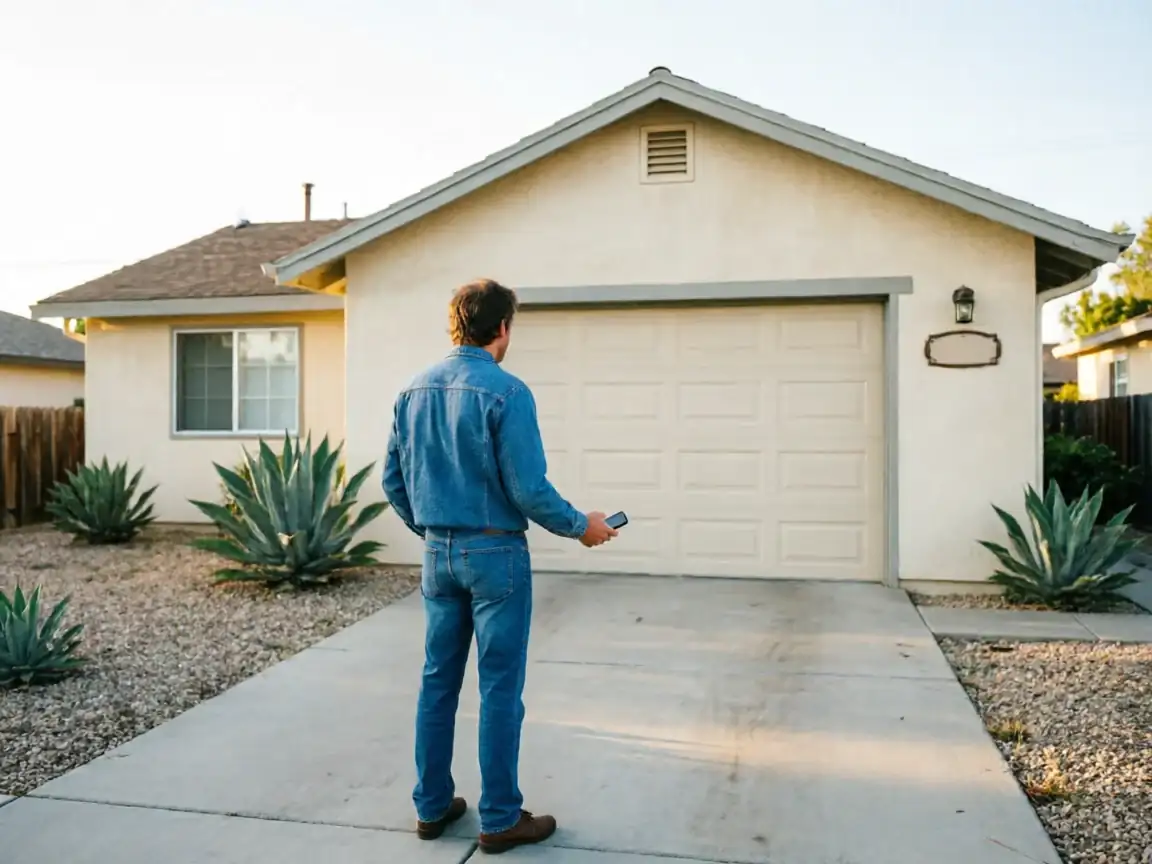
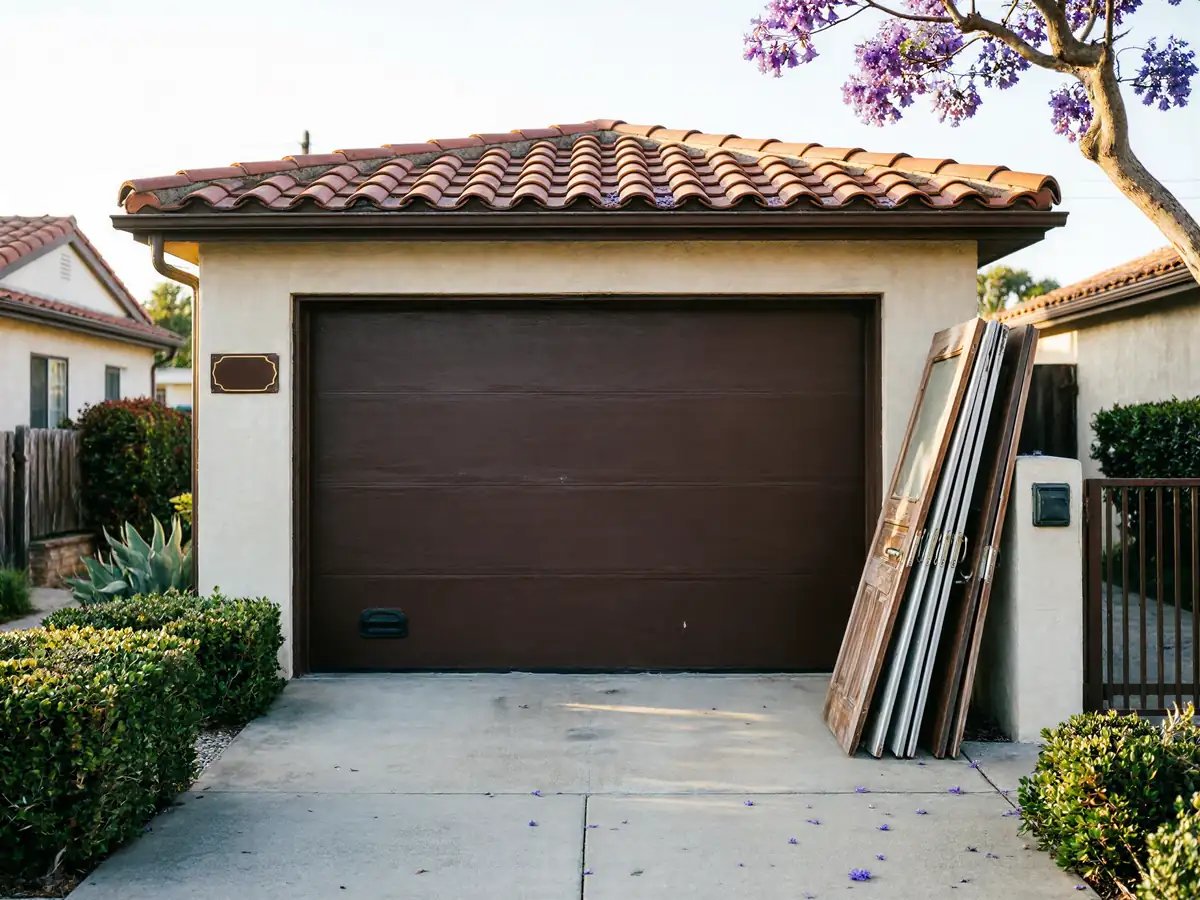
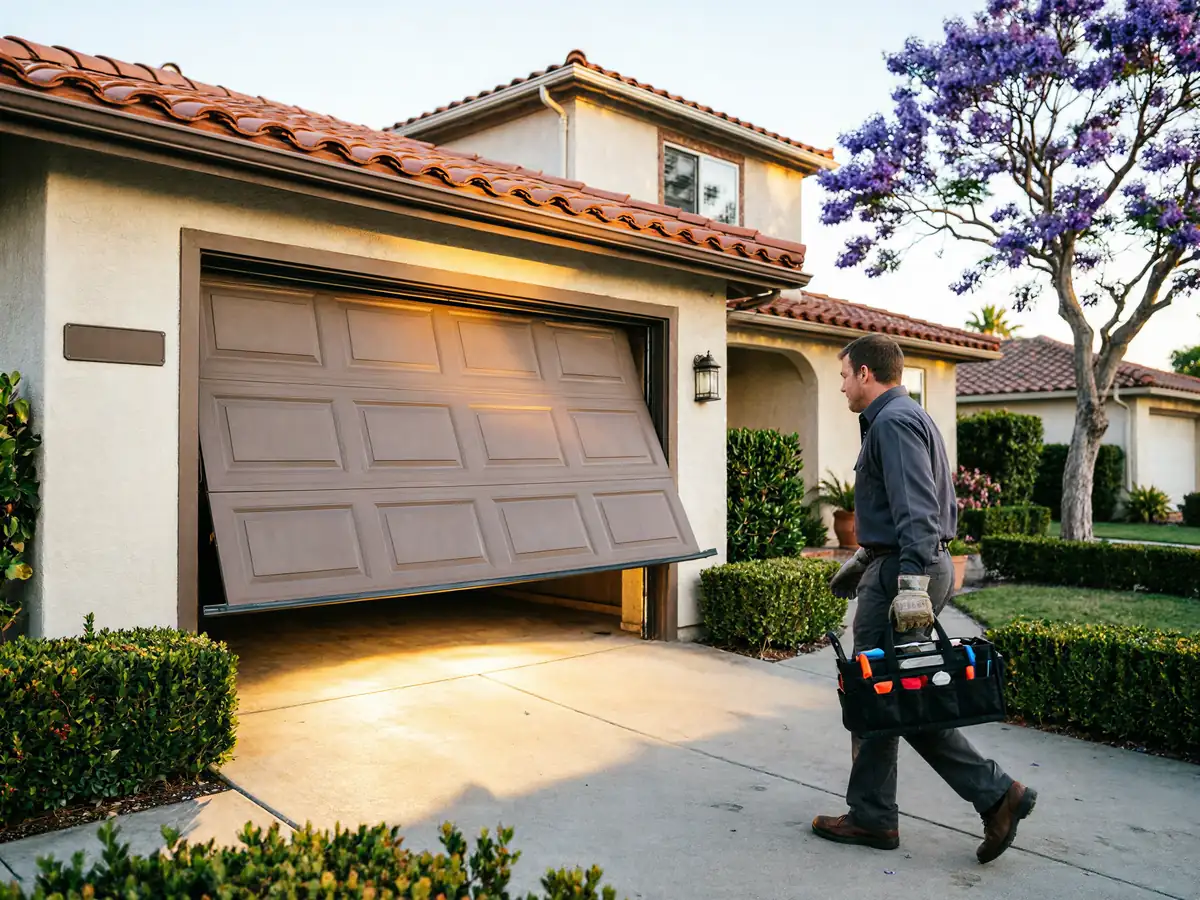
A cable job usually starts the same way: the door hangs crooked on one side, or it stops dead a foot off the ground and won't go up or down. Sometimes you hear a snap and the door drops hard before the opener fights to lift dead weight. Look closer and you'll see a frayed strand curling off the drum, or the cable sitting loose and slack instead of wound tight.
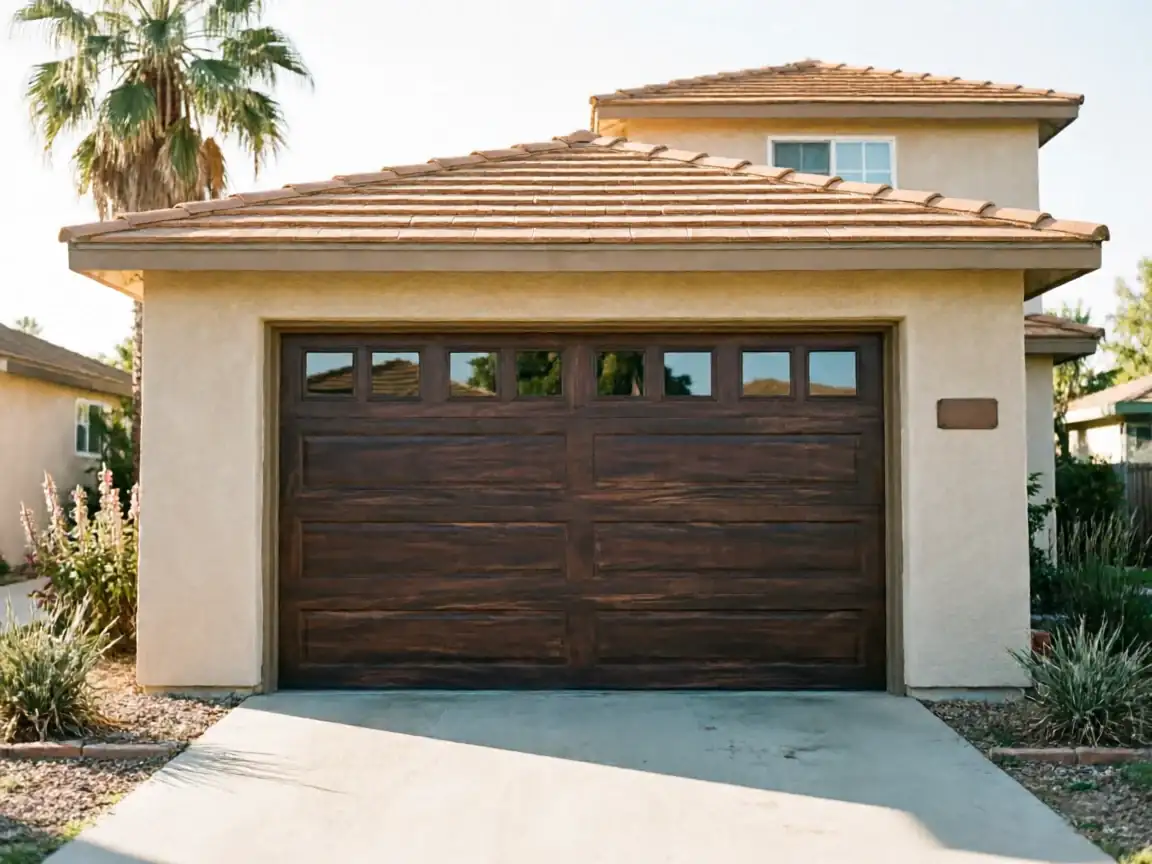
This isn't random. Most houses in this part of the service area went up between 1943 and 2012, with the median build year landing around 1963, and a big share of that stock is 1960s-70s construction. That means the torsion hardware on a lot of these doors - drums, cables, springs - is original or close to it, and galvanized cable strand doesn't last 60 years of daily cycling without wear. The mild temperate climate here doesn't crack cable with ice the way colder regions do, but decades of UV and dry heat still bake out the lubricant and stiffen the strand until it starts shedding wire one filament at a time.
Where This Job Goes Sideways
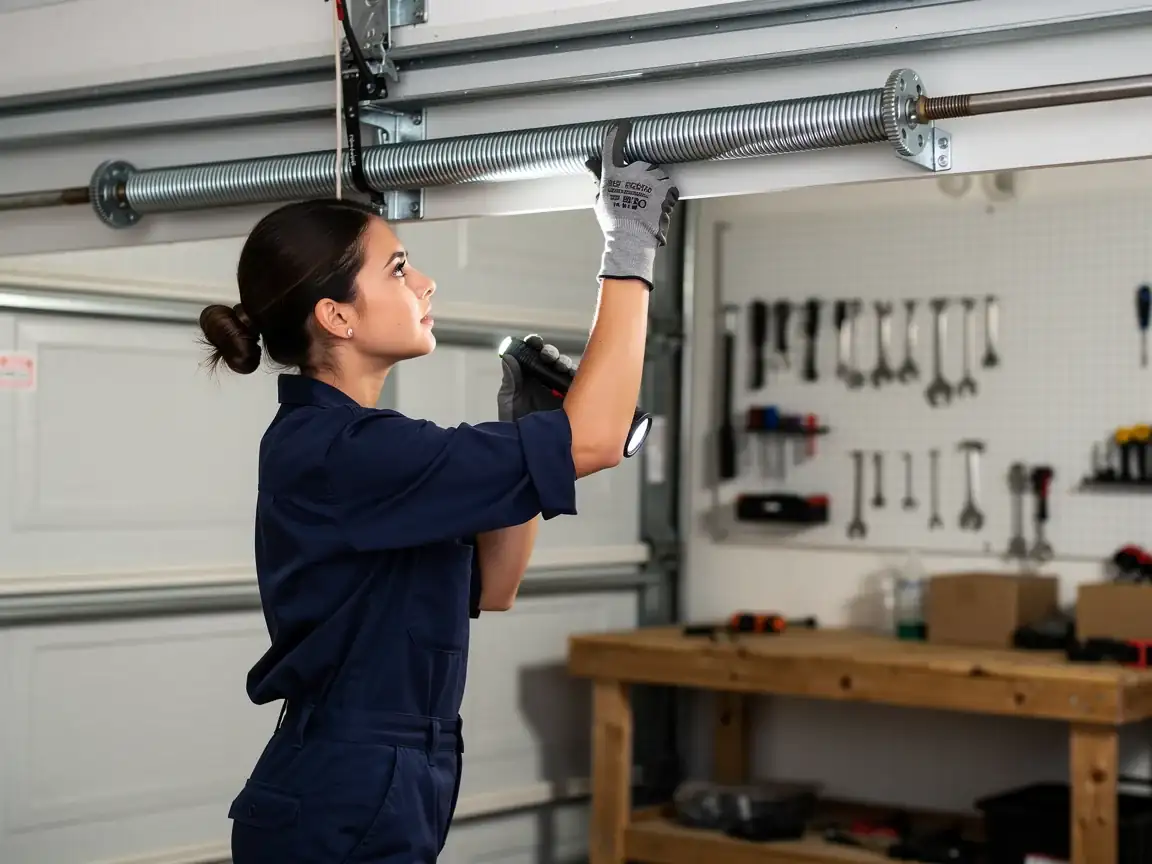
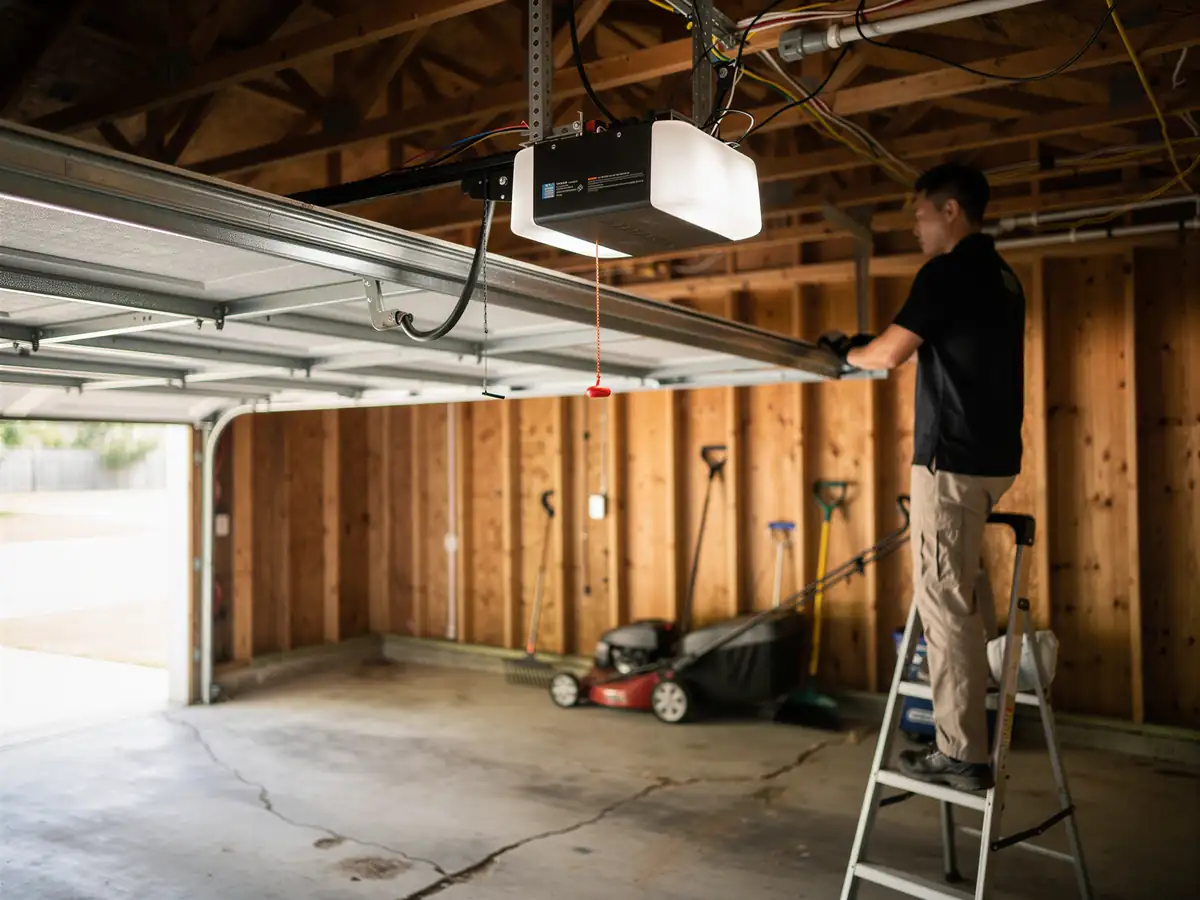
A loose cable looks like a simple fix, and that's exactly where people get hurt or make it worse. The cable doesn't work alone - it's wound under tension by the torsion spring, and on a door built to 1960s-70s spec, that spring has usually never been replaced either. Swap the cable without checking the spring and drum, and you'll be back out here in a few months when the next weak link gives out.
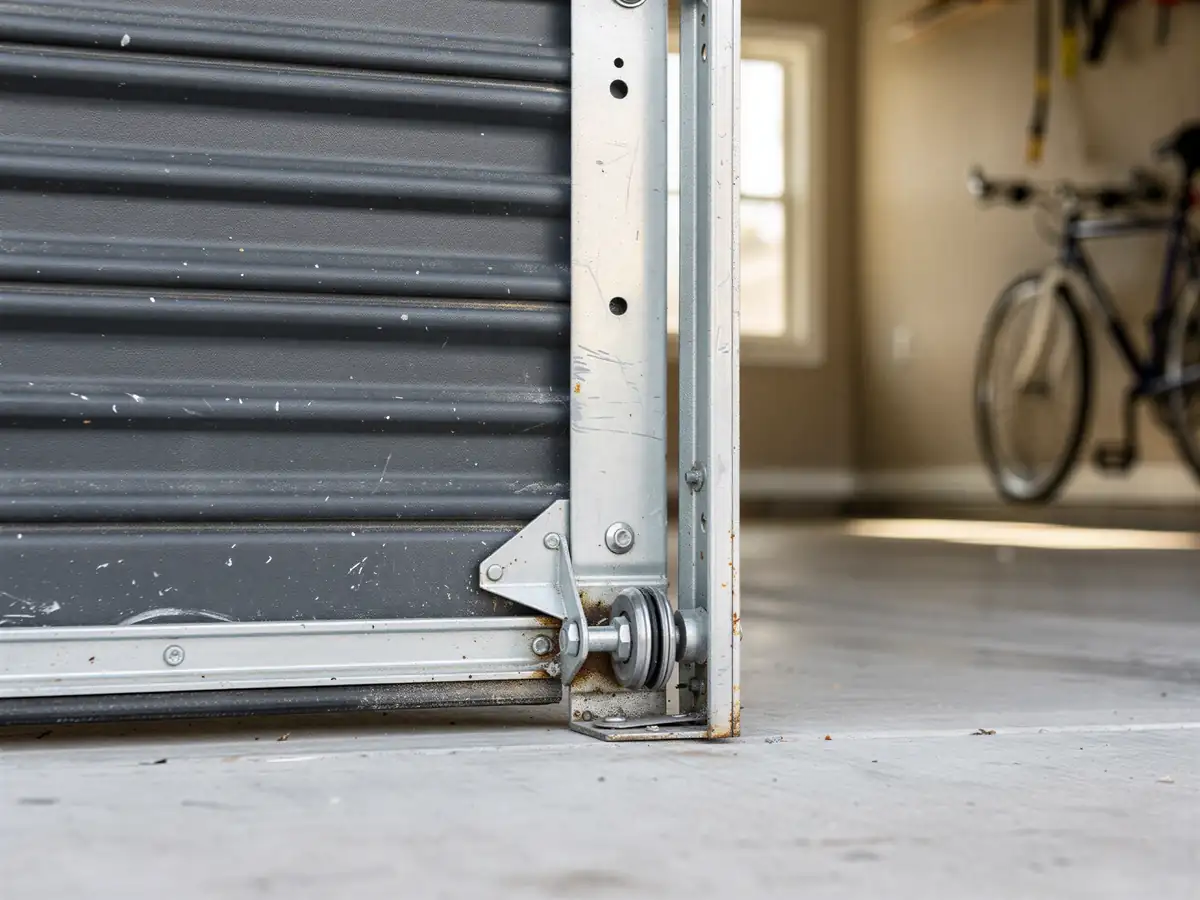
We also see homeowners grab a cable from a hardware store that's close enough in gauge but not a match for the drum groove, which wears the new cable fast and throws the door off balance. And on these older torsion setups, the drum itself can be worn from decades of the old cable grinding a groove - replace the cable and leave a chewed-up drum in place, and the new cable fails early too.
Honest limitation: if the drum, bearing plate, or shaft is worn along with the cable, a cable-only fix is a short-term patch. We'll tell you straight if the job needs more than a new cable, because doing it piecemeal just means two trips instead of one.
What Causes It Around Here
The housing stock in this service area skews old
Built mostly from the 1940s through the early 2010s, with a median around 1963 and the bulk of it 1960s-70s construction across the 90 named communities we work in. That means torsion-spring cable systems from that era are still doing daily work on a huge number of garages, and cable strand simply wears out over that much time.
Climate plays a role too, just not the one people expect
This is a mild temperate band - no deep freeze, no ice buildup cracking galvanized wire. What gets cables here is heat-cycling and UV: the coating dries out, the strand stiffens, and it starts fraying at the drum end where it flexes most. That failure mode shows up block after block in neighborhoods with the same era of home, whether you're near Bell Gardens two miles out or further toward Paramount or Norwalk a few miles the other way.
With 390,108 owner-occupied houses across the area and a median household income of $97,397
Most owners we see choose a straightforward cable and hardware repair over a full door swap when the door itself is still sound.
- 390,108 owner-occupied
- $97,397 median household income
How We Fix It
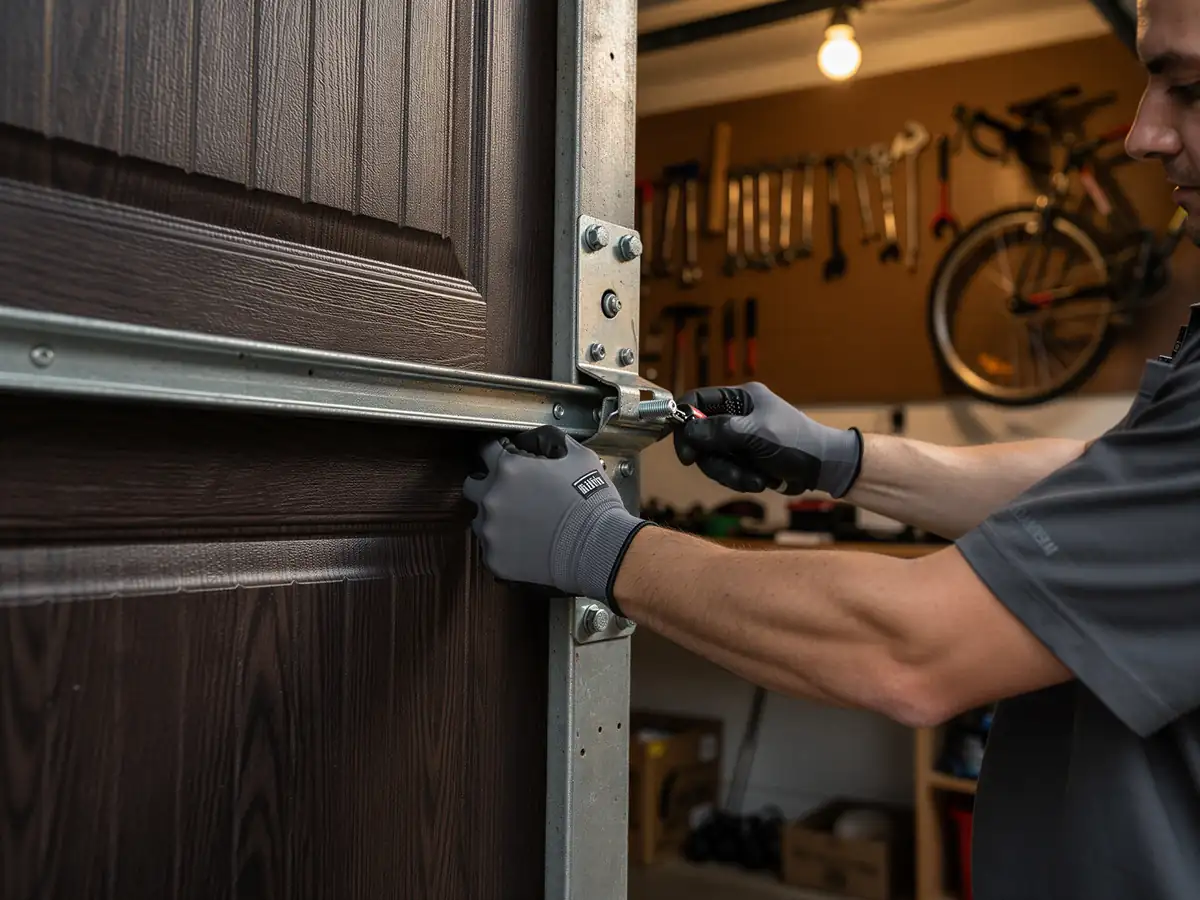
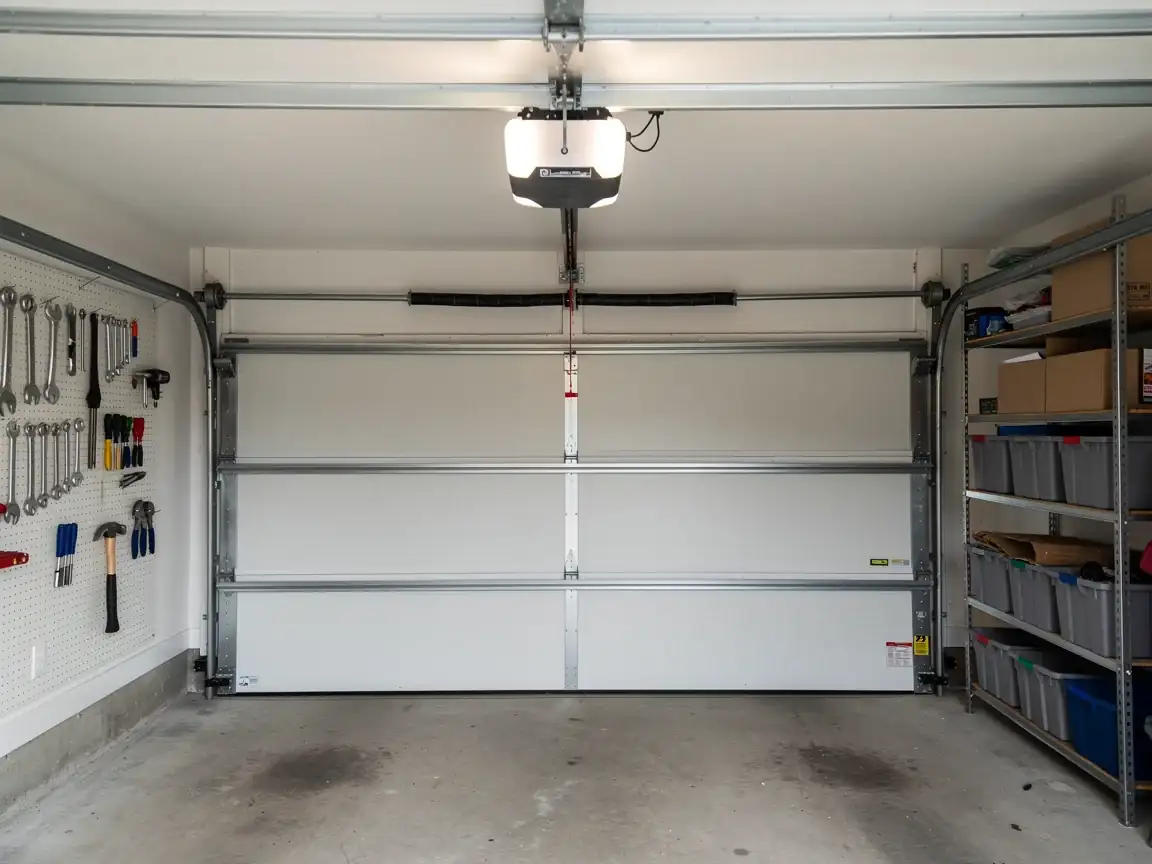
We start by releasing spring tension safely and pulling the old cable off the drum to check the groove for wear - a chewed groove means the drum gets replaced along with the cable, not just the cable alone. Then we check the spring, the bottom brackets where the cable anchors, and the track alignment, since a cable that's been slack for a while can let the door run crooked and bind the rollers.
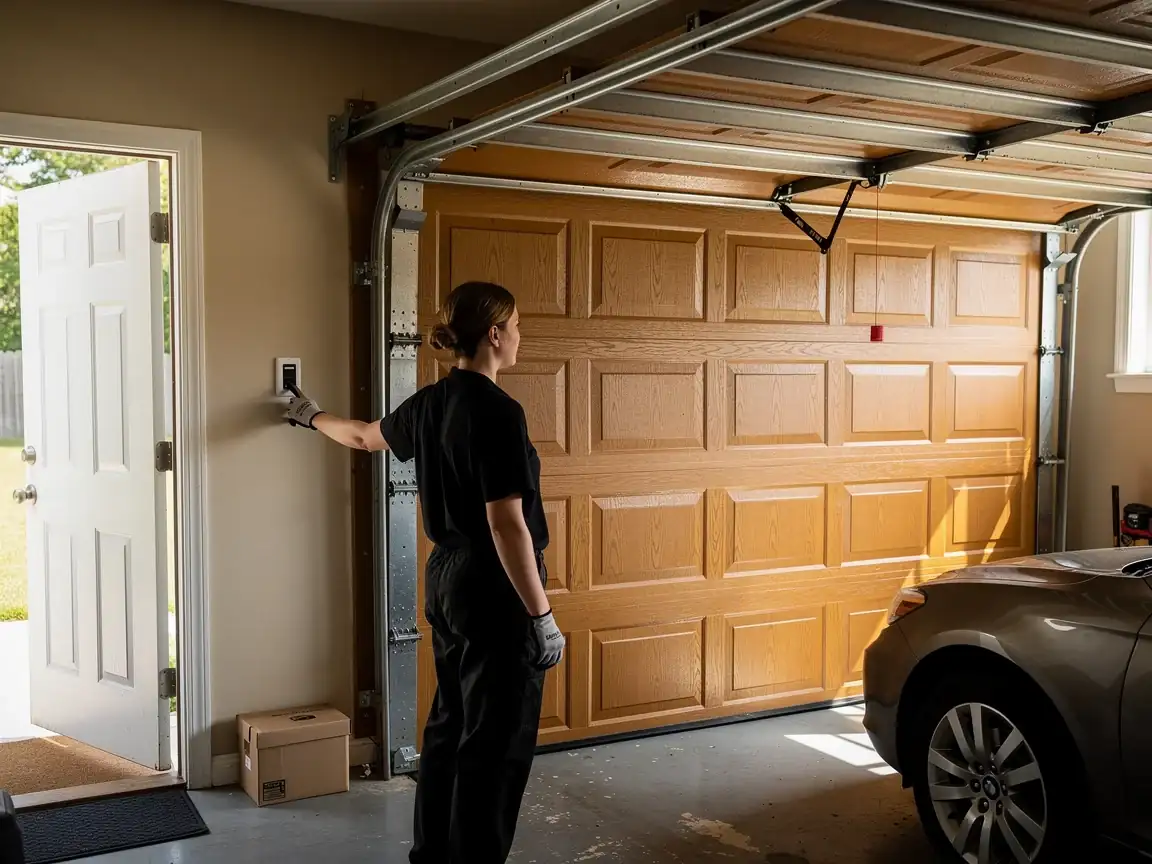
We match the new cable's gauge and length to the drum and door weight rather than grabbing a generic size, wind it back under correct tension, and run the door through a full open-close cycle checking balance by hand with the opener disconnected. If the door doesn't hold position roughly halfway open on its own, something's still off and we keep adjusting before we call the job done.
One limitation worth saying plainly: if both cables are original and one has failed, we'll usually recommend doing both sides together. Replacing just the broken one leaves a 60-year-old cable on the other side carrying the same load, and that one's not far behind.