What We Will Not Take On
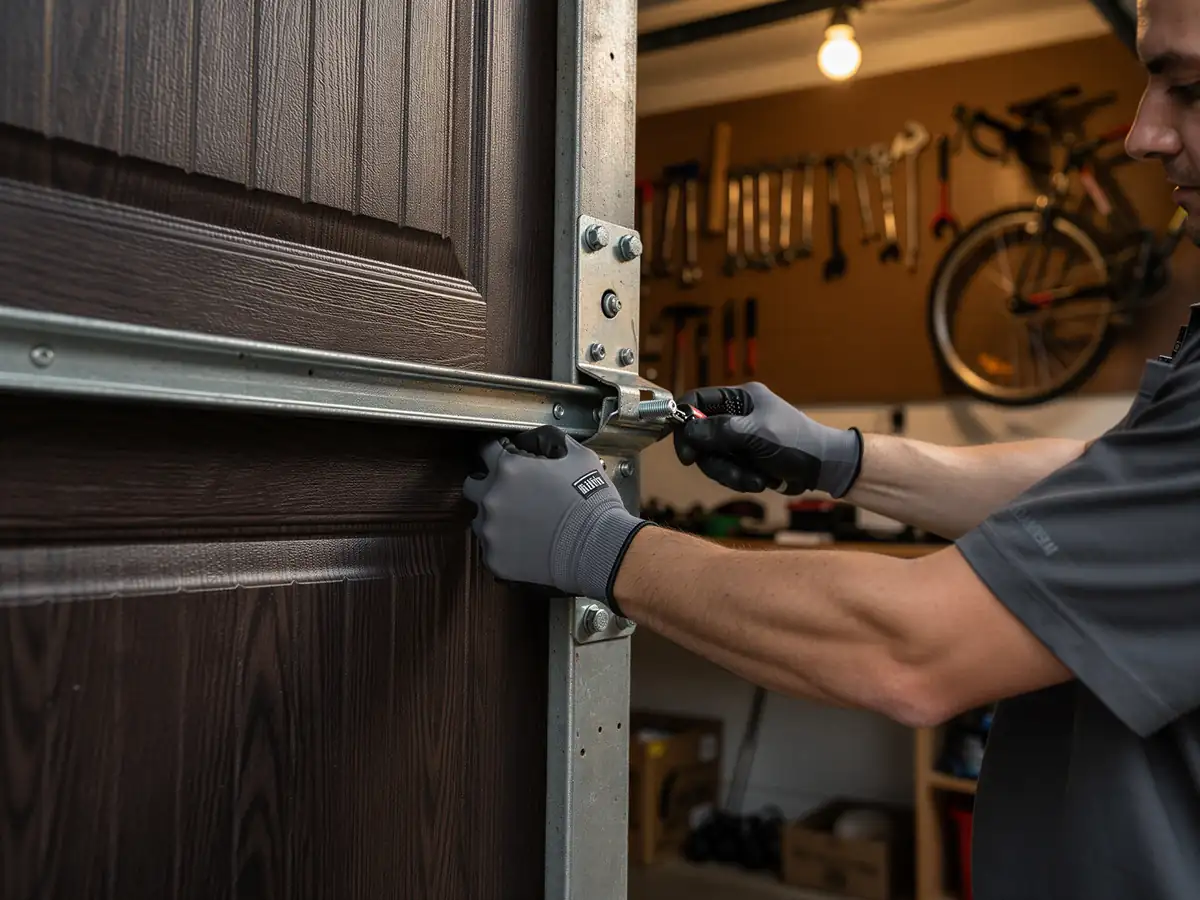
We run out of Downey, not Norwalk, and that shapes what we say yes to. We don't promise a same-day slot here the way a shop sitting inside the neighborhood could, and we won't tell you otherwise. We also don't chase parts for doors old enough that the manufacturer stopped stocking hardware years ago - if your panel track or drum dates to the earliest end of the 1943 build range this area covers, we'll tell you straight that a full door swap beats hunting down a part nobody makes anymore. And we don't do structural work: if a header or jamb is rotted or out of square, that's a carpenter's job before it's ours. What we will take on is the repair itself once the opening is sound - springs, cables, rollers, openers, and the track alignment that a lot of these older frames have lost over the decades. Being upfront about the edges of the job is part of doing it right, especially when we're driving in rather than already on your street.
What That Means for Doors
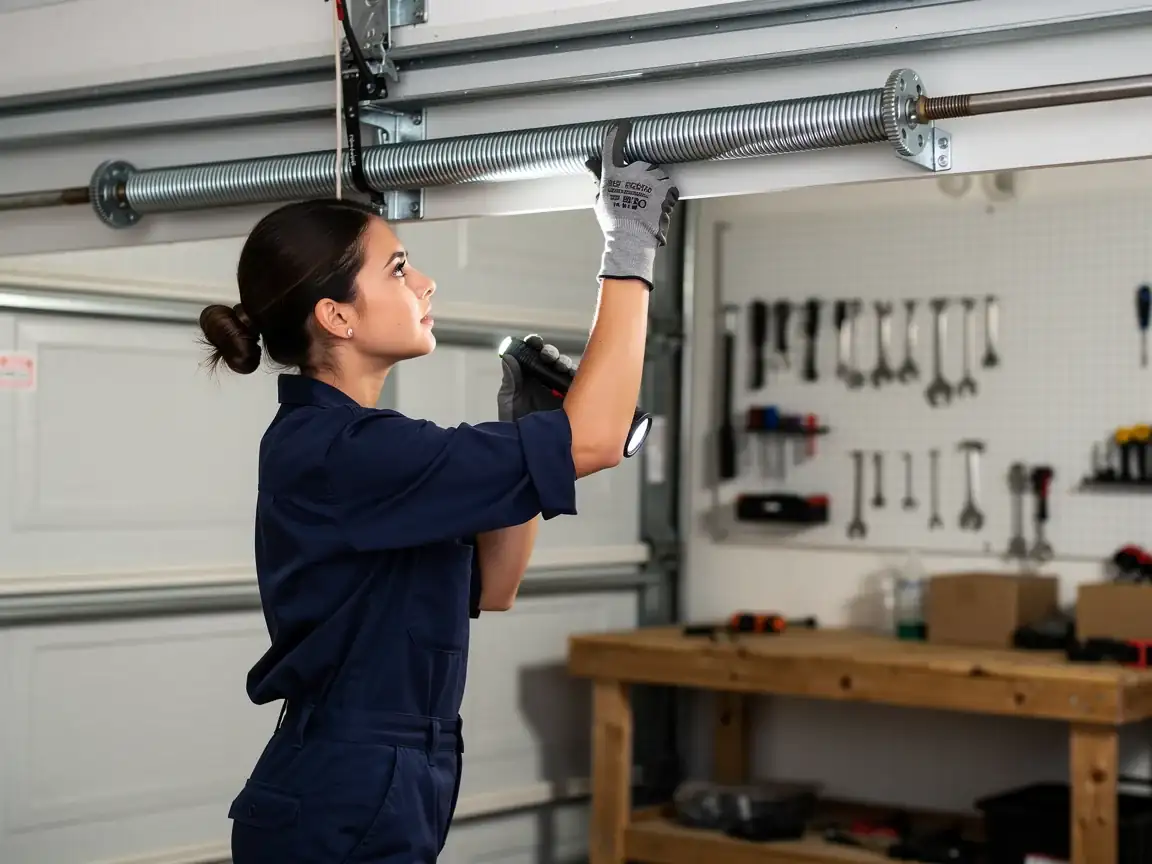
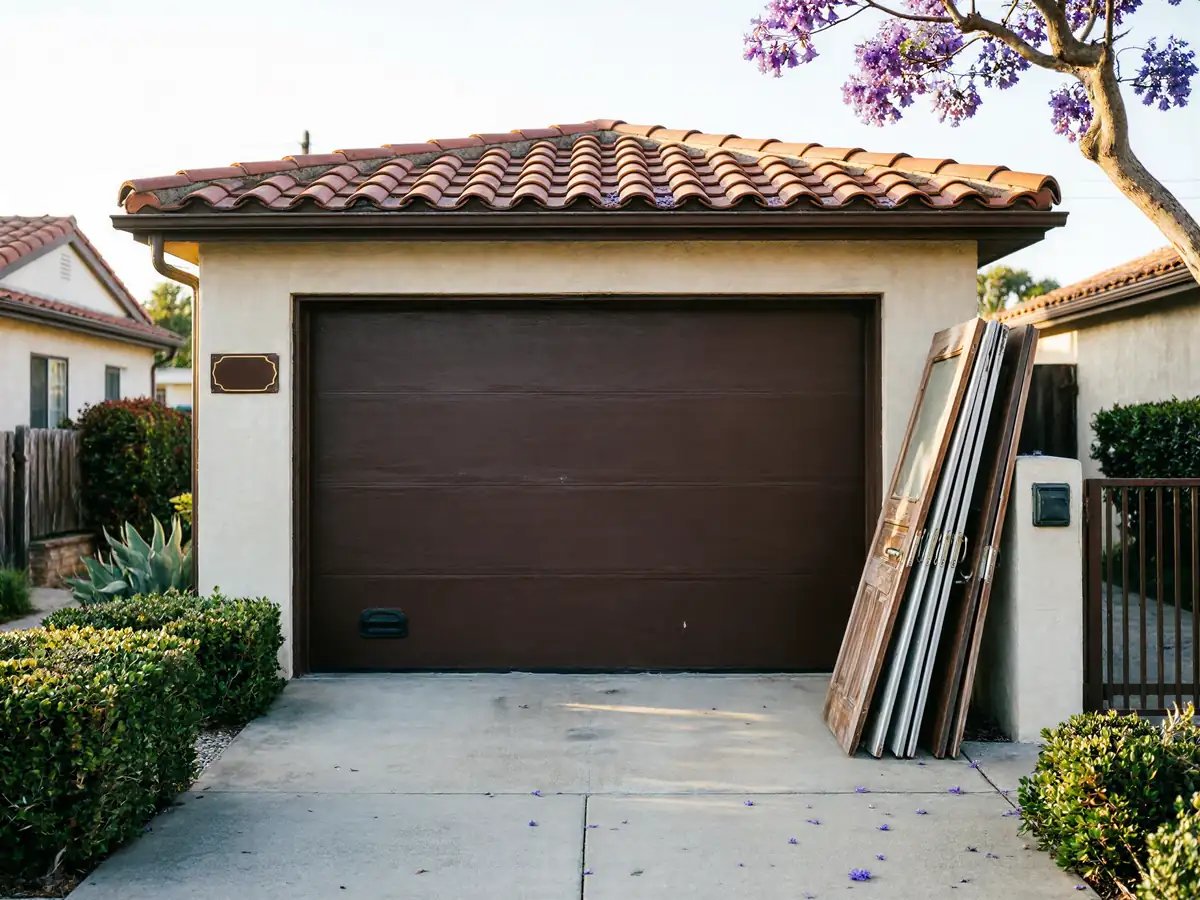
Norwalk's median build year runs around 1957, which is earlier than the 1963 median across the wider service area - and that six-year gap matters more than it sounds. Doors and openers installed on houses from this era went through at least one, often two, replacement cycles already, usually in the 1970s or 80s retrofit wave when steel sectional doors started replacing the original wood panel doors. What we see on these jobs is openers and torsion hardware from that second generation: chain-drive units bolted onto brackets sized for a door that's since been swapped, or springs wound for a lighter wood door now carrying a heavier steel one. The mild temperate climate here doesn't cause the rust and panel warping you'd get somewhere with real humidity swings, so when these doors fail it's almost always wear and mismatch, not weather damage. That's a different diagnosis than you'd make on a newer build, and it changes what parts we bring on the truck.
What Was Built Here
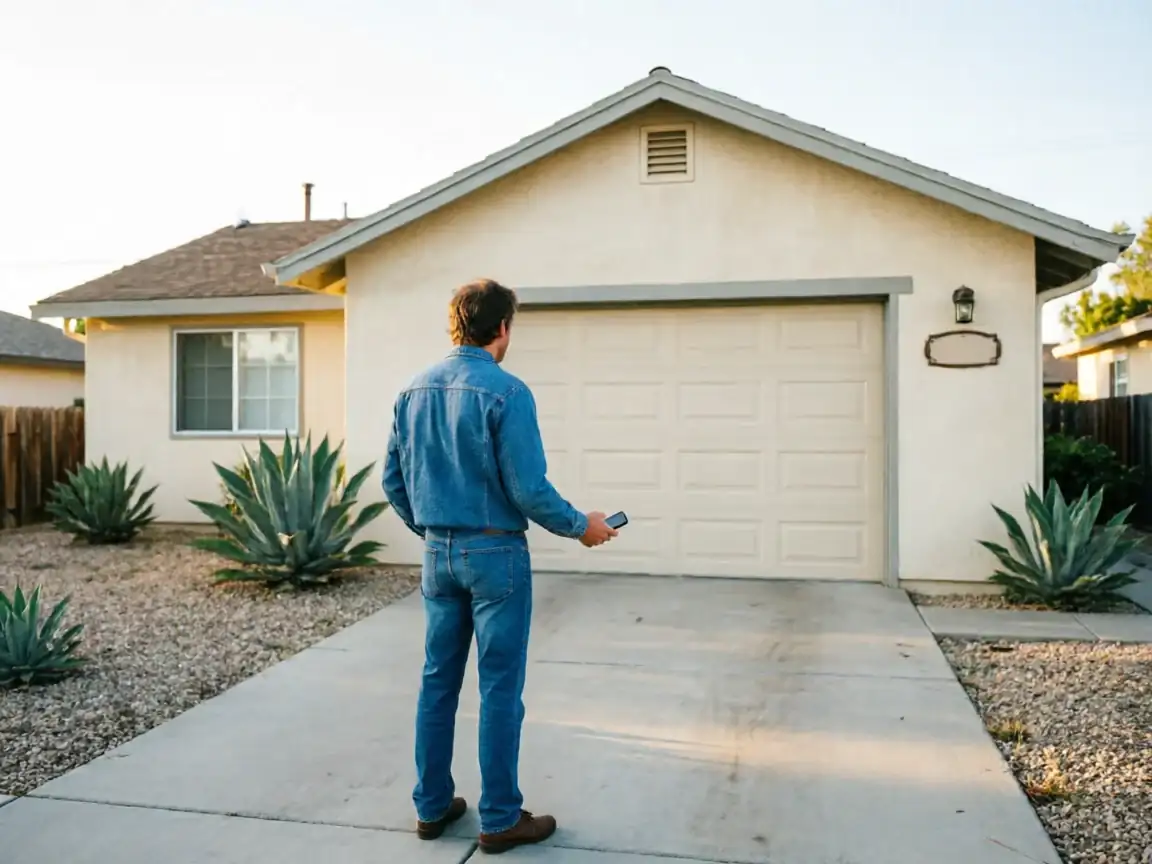
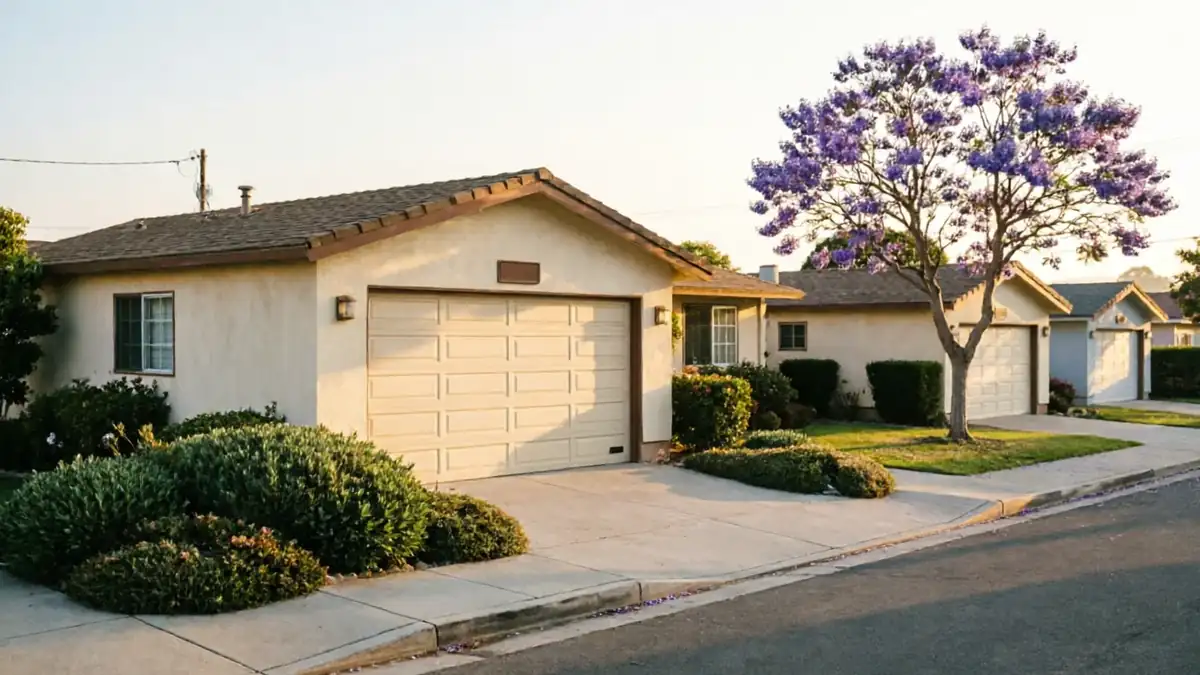
With roughly 26,801 households in this stretch, most garages are original to houses built around 1957, part of the broader 1943-2012 range and the 1960s-70s dominant stock found across the 90 named areas this region covers. A lot of these garages were built single-car and later widened or converted, which means tracks and headers that don't always match a modern off-the-shelf door width - something worth knowing before you order a replacement online. Median household income here runs about $98,709, which tends to put people in the replace-rather-than-patch camp once a torsion spring job starts creeping toward the cost of a new door, but that's a call every homeowner makes differently depending on how much life is left in the rest of the door.