How We Fix It
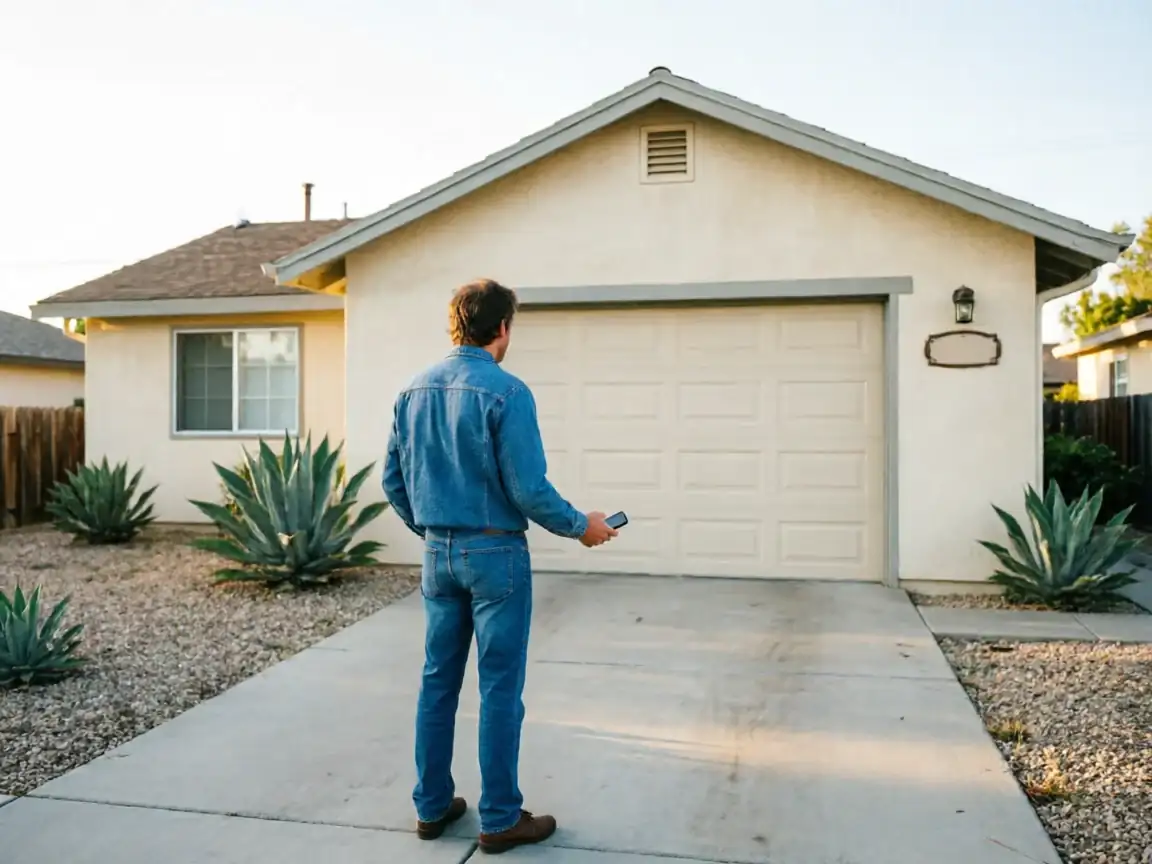
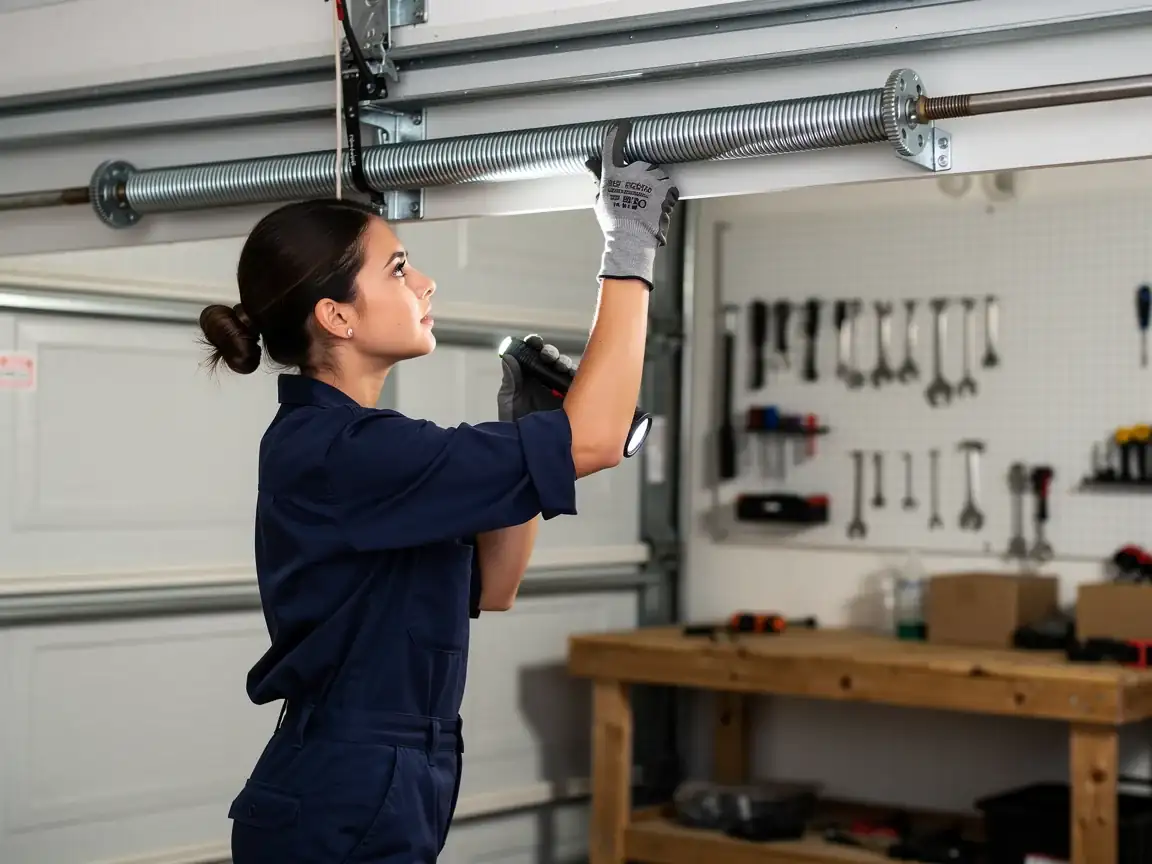
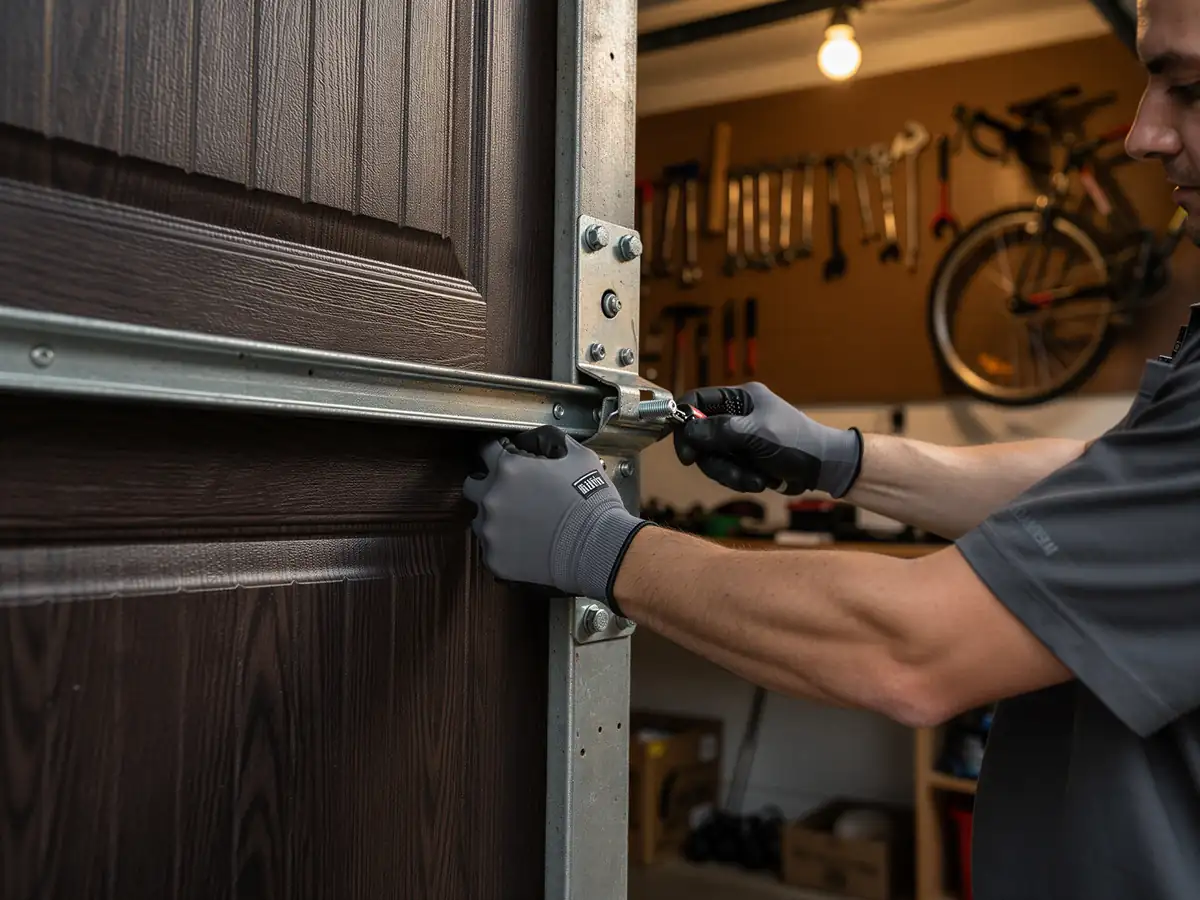
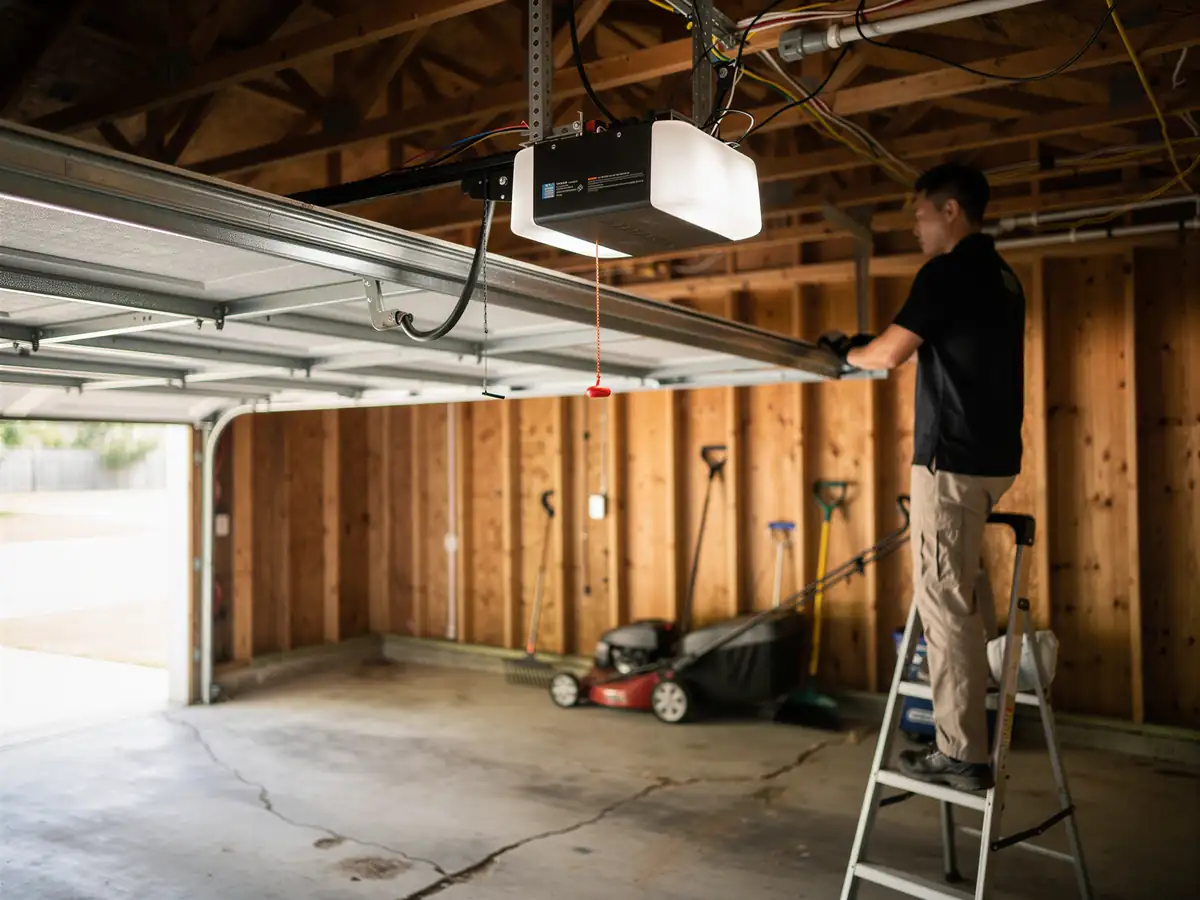
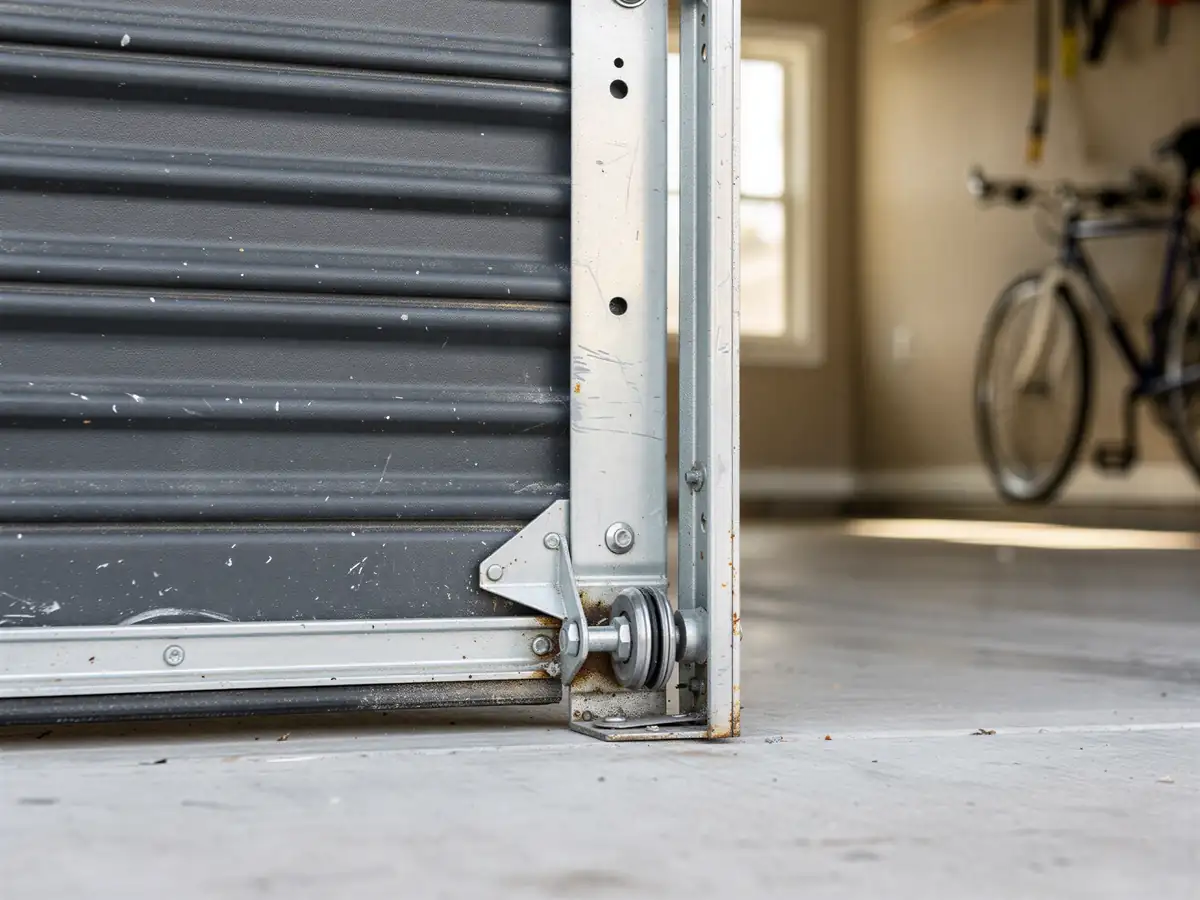
Compton's median household income sits at $74,270, well under the $97,397 median across the wider service area. That gap matters before a wrench ever comes out of the truck, because it decides whether a job should be a repair or a full door swap. On a house with a broken torsion spring or a seized opener, the math usually favors fixing what's there rather than replacing it outright - especially on a budget that's tighter than the area average. We diagnose on site: spring, cable, rollers, track alignment, opener logic board, and the mounting hardware behind it all. If a repair gets the door running safely and the drum, shaft, and track are sound, we do that job and leave the panel alone. We don't push a new door on a homeowner when the old one has ten more years in it.
Getting It Booked In
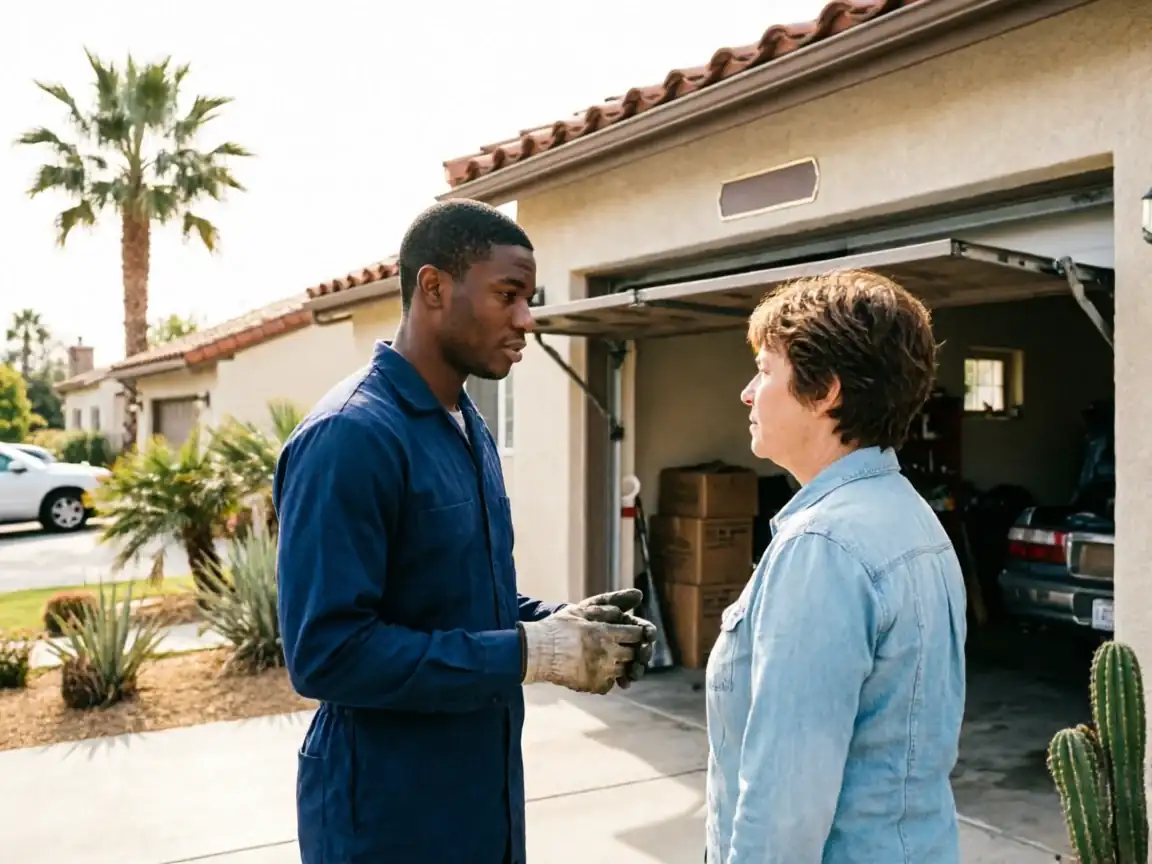
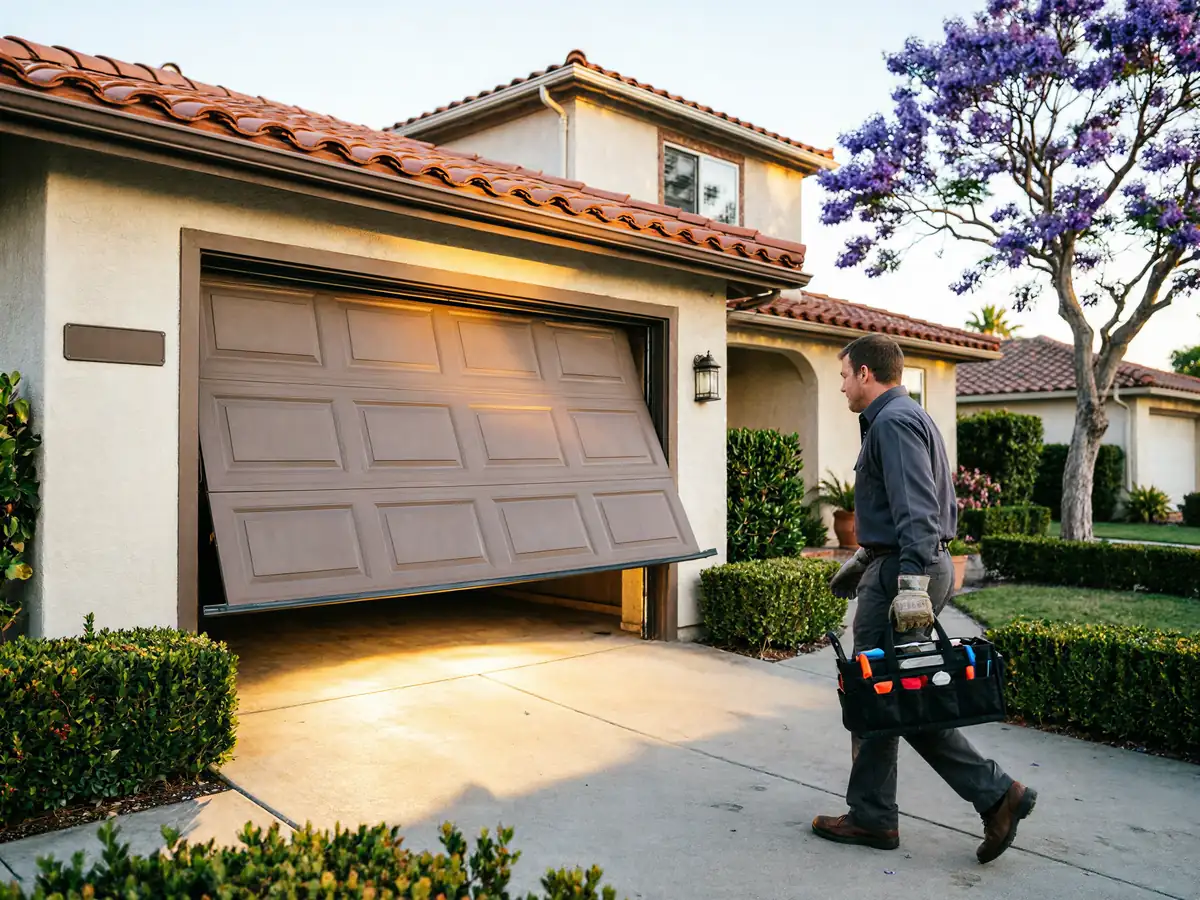
Compton sits about 6 miles from our Downey shop, close enough that getting a tech out isn't a logistics problem. We book the visit, confirm what's broken over the phone or by text when we can, and bring the parts that match what houses built around 1957 tend to need - older torsion drums, shorter track runs, hardware that newer stamped-steel doors don't use. That's the one honest limitation worth saying up front: some original hardware from that era is no longer made, and if your spring or drum is a discontinued size, we may need a day or two to source the right part instead of forcing a modern substitute onto an old track.
How Long It Takes
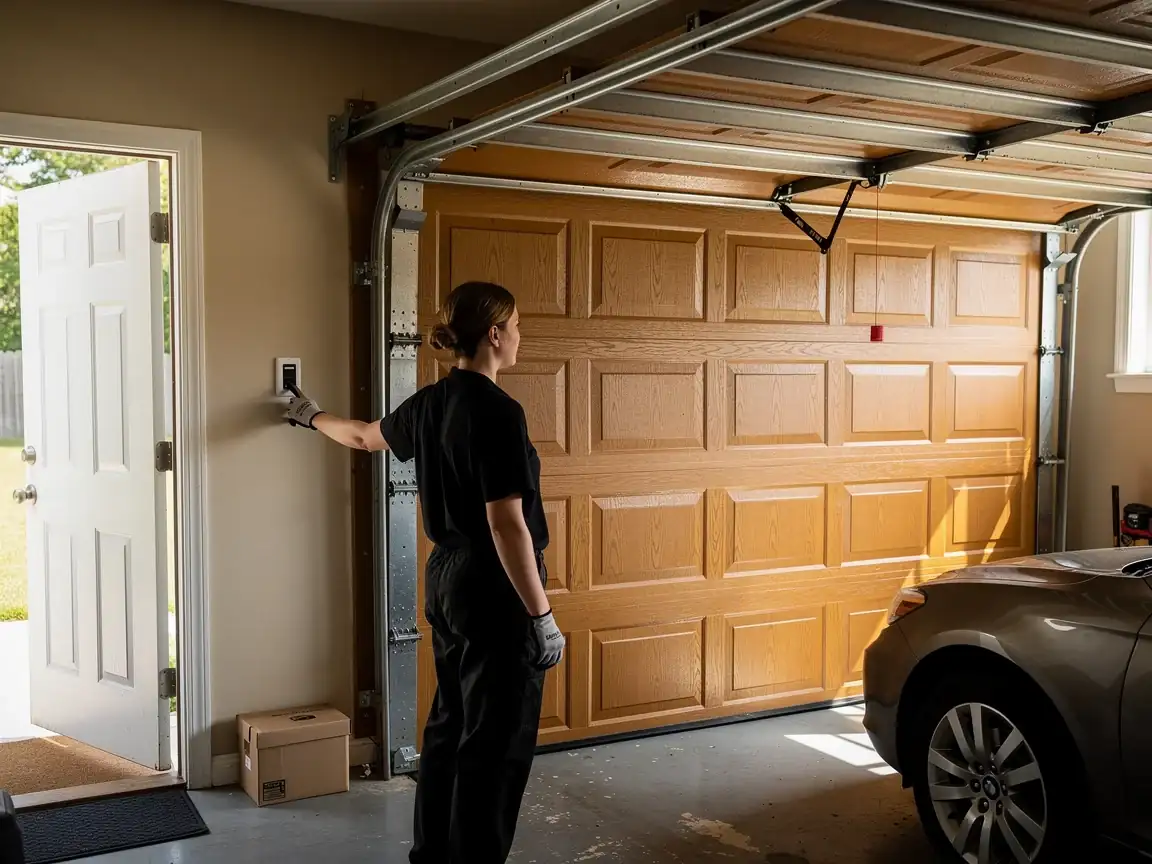
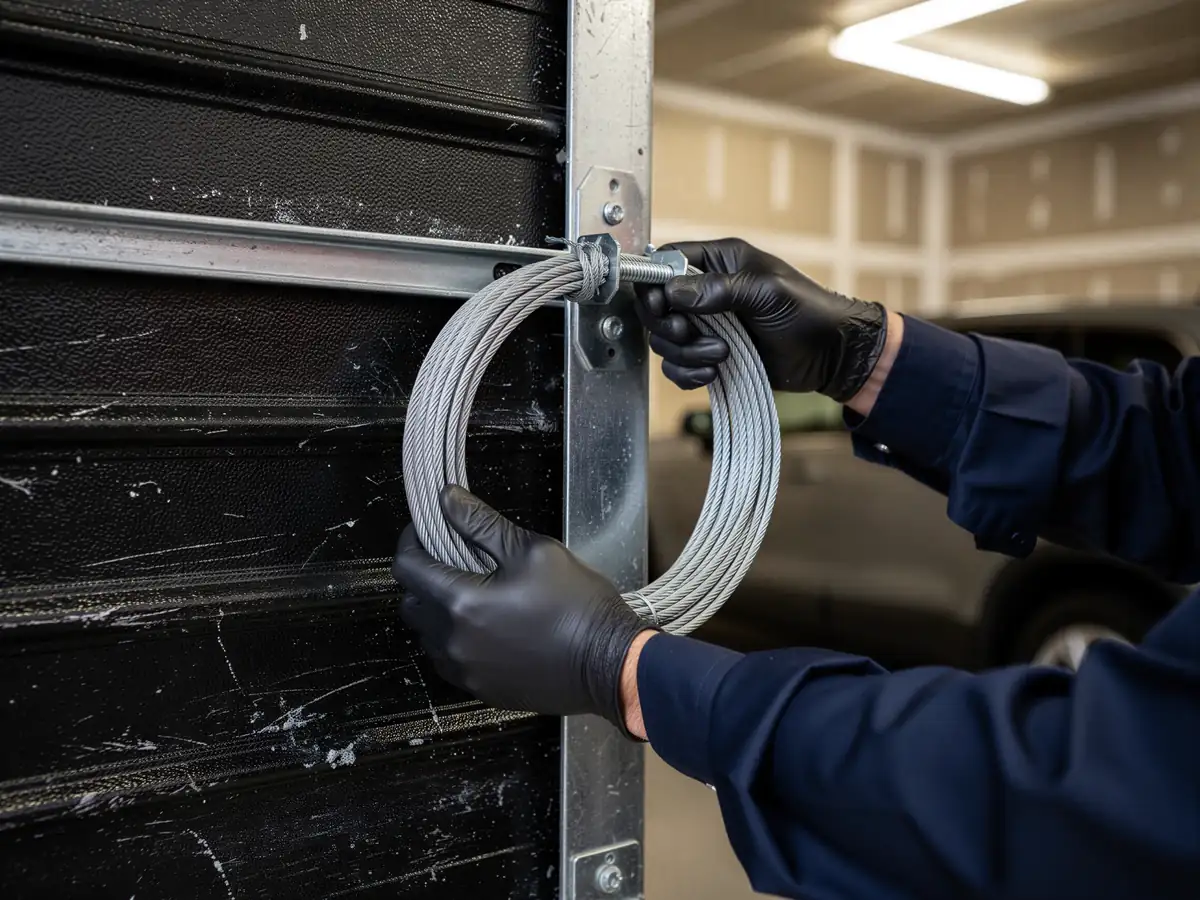
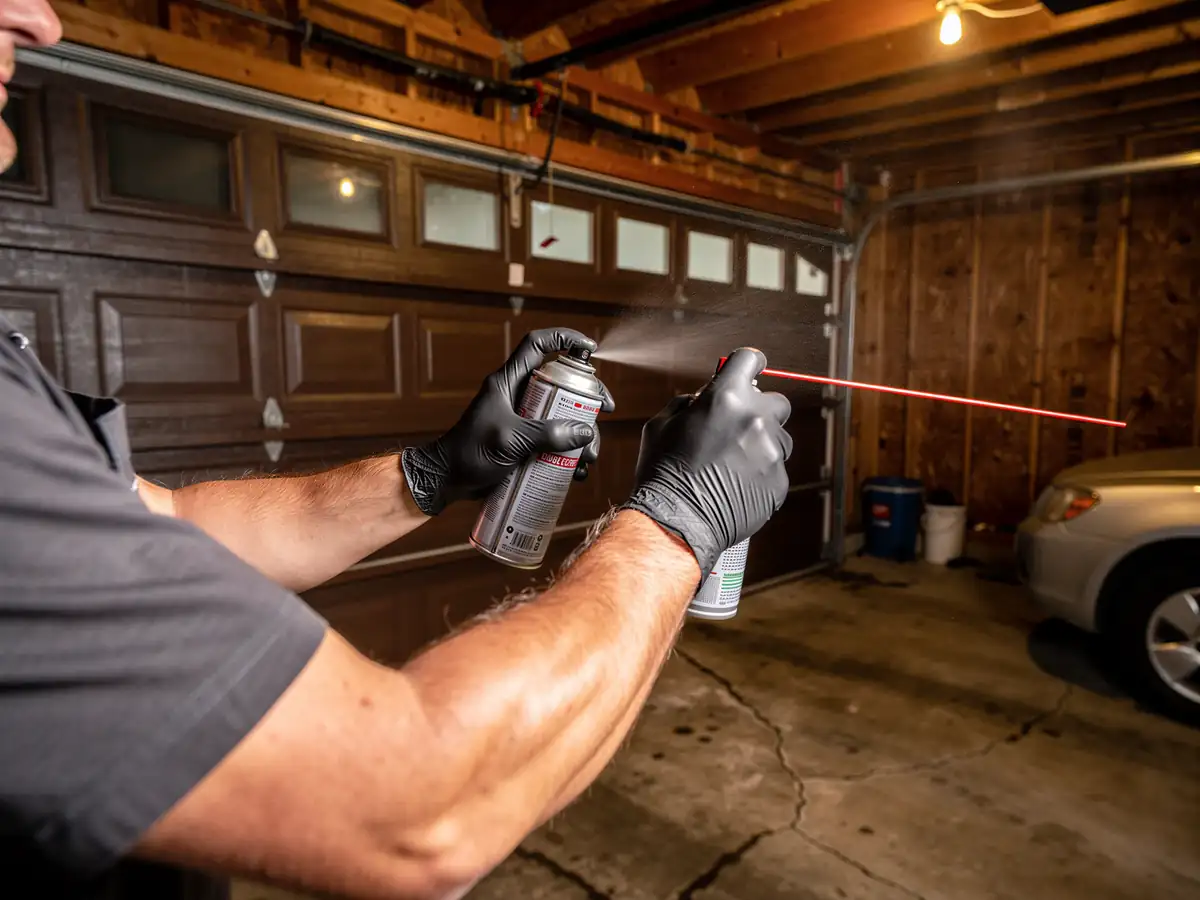
Most spring, cable, and roller repairs on a Compton garage door are a same-visit job once the tech is on site - an hour or two of hands-on work, not counting drive time from Downey. Opener board swaps and track realignments run similar. Where it stretches out is parts: if your door still has its original 1950s-era hardware and that part isn't a stock size, we order it and come back rather than jury-rig a fix that won't hold.
What Causes It Around Here
Compton's housing stock centers on 1957, older than the 1963 median across the broader service area, and that age shows up in the failures we see. Original one-piece and early sectional doors from that period often ride on side-mounted torsion hardware that newer parts stores don't carry, so a worn spring or a bent track gets pushed to failure instead of swapped early. The mild temperate climate across this part of the county doesn't add the freeze-thaw stress that kills springs elsewhere, so most of what we find is straightforward wear - fatigued torsion springs, stretched cables, rollers worn out of round after six decades of daily cycling, and openers original enough to have outlived their motor capacitors.