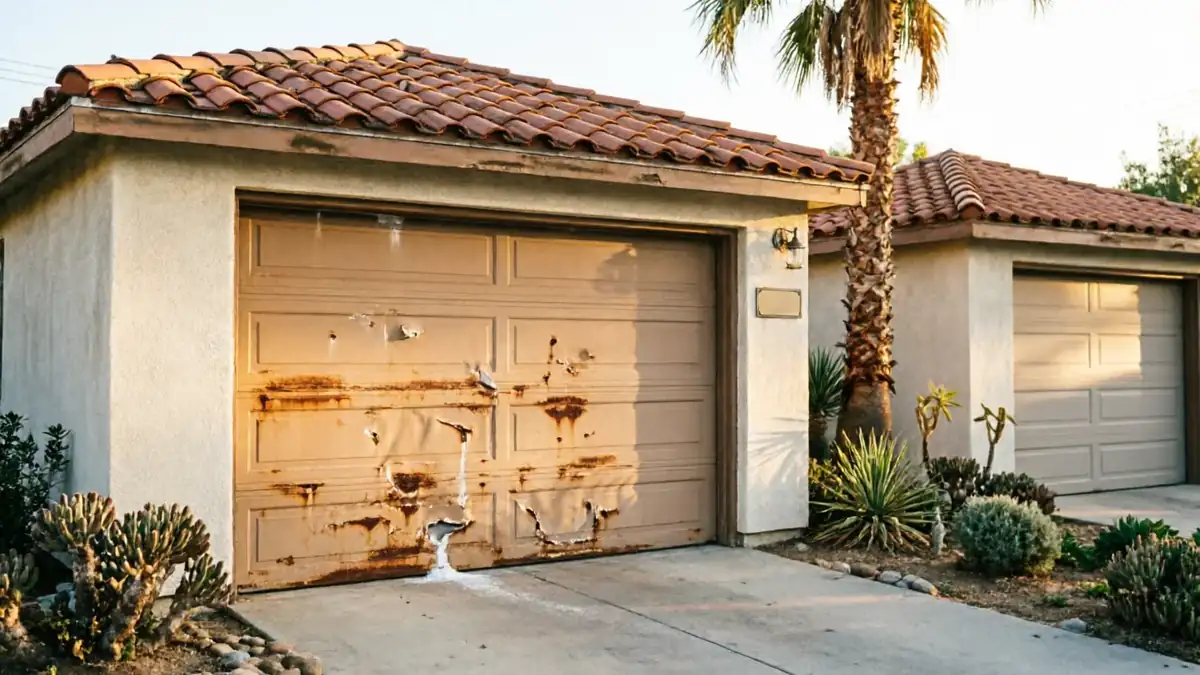
What Most People Get Wrong
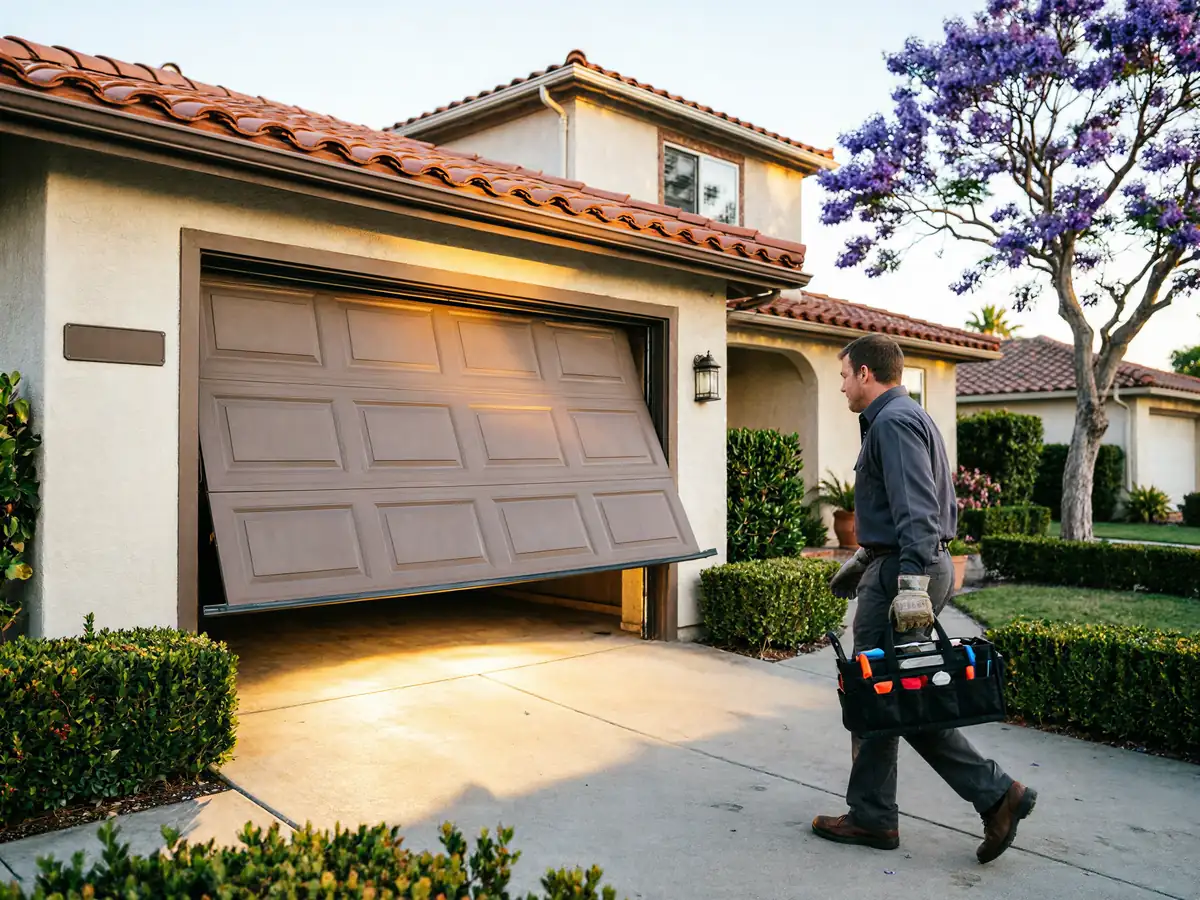
The instinct in Downey is to keep fixing the same door because the house itself has held up fine for sixty-plus years. A lot of homes here were built between 1943 and 2012, with the median landing around 1963, so the logic feels sound: the house is solid, so the door must just need one more part. But a door and a house age differently. The door has moving parts under spring tension, cycling open and closed thousands of times a year, while the house just sits there. An owner who replaces a cable, then a roller, then an opener gear over three separate calls has usually spent more than a new door would have cost, and still has the original track and jamb hardware from the 1960s doing the rest of the work. The mistake isn't calling for repairs. It's treating each failure as isolated instead of asking what decade of parts you're actually dealing with and whether the next failure is already lining up behind this one.
The Problem
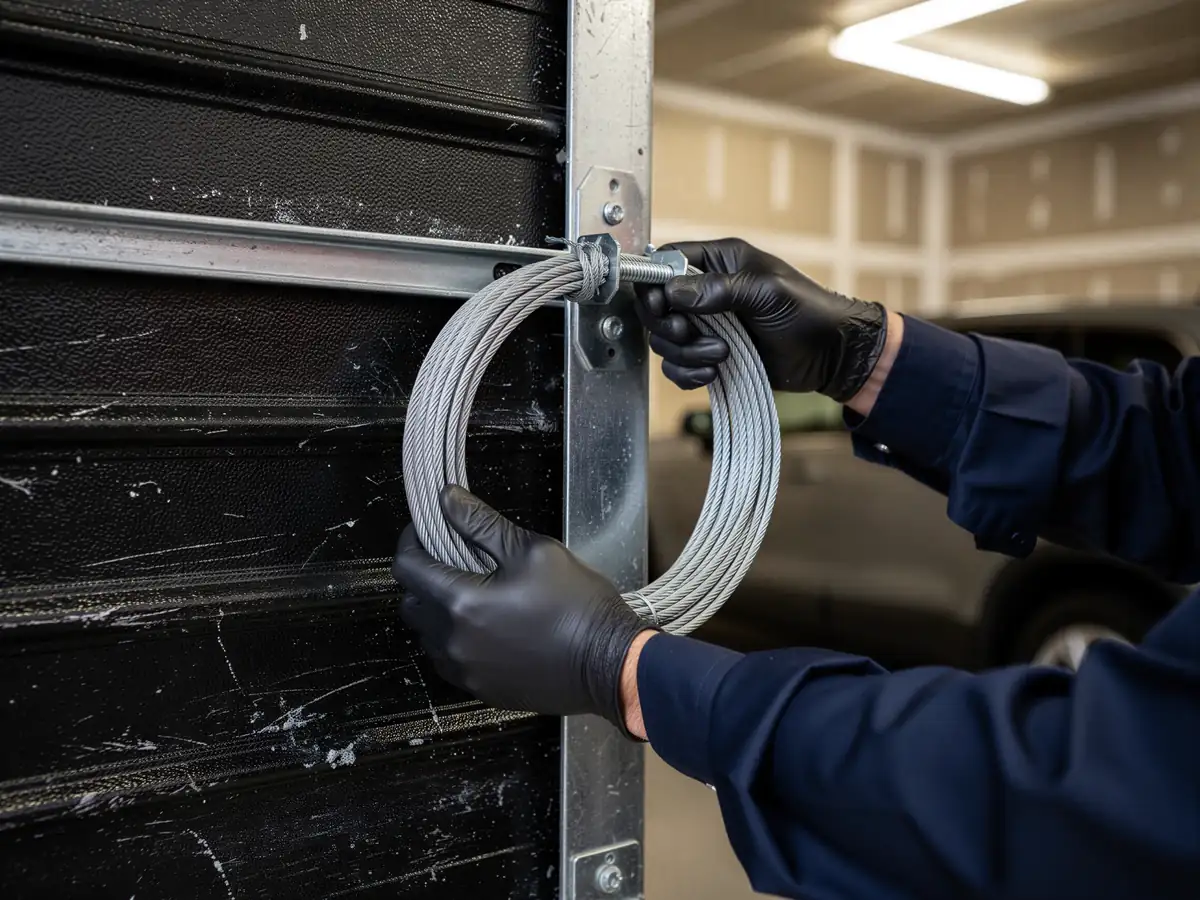
Across the area, most garage doors are sitting on 1960s-70s stock - original tracks, older spring setups, and hardware that predates the opener technology sold today. None of that is a crisis by itself. Steel holds up. But when a torsion spring on a door like that finally breaks, it's rarely alone; the drums, bearings, and cable it shares a shaft with have put in the same mileage and are close behind. Repairing just the failed piece on a door this old buys you weeks, not years. The honest version of this job is telling a homeowner that the $200 spring fix is real, but so is the fact that the opener motor from the same era is probably next, and after that the track alignment. We won't sell you a full replacement on a door that's fine - a lot of repairs genuinely are the right call. But a door running original hardware from the 1960s or 70s is past the point where piecemeal fixes keep pace with what's failing.
What to Check
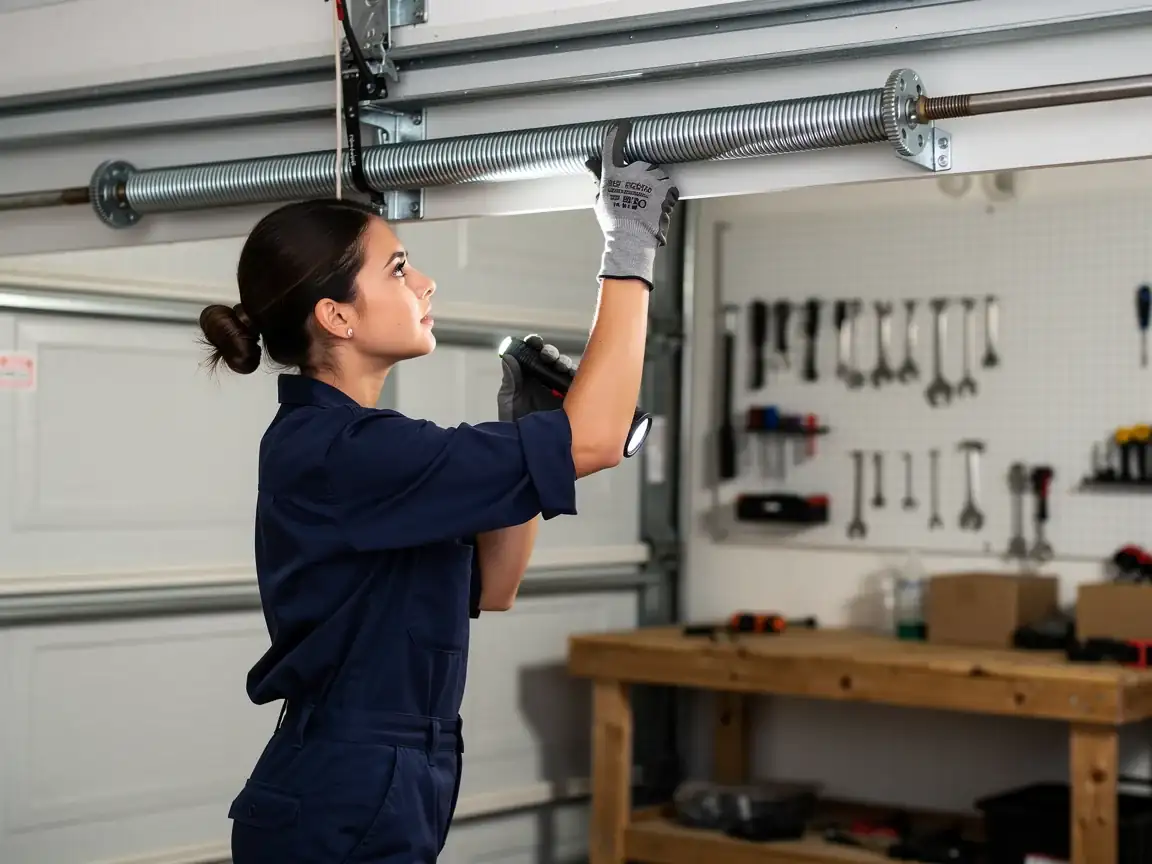
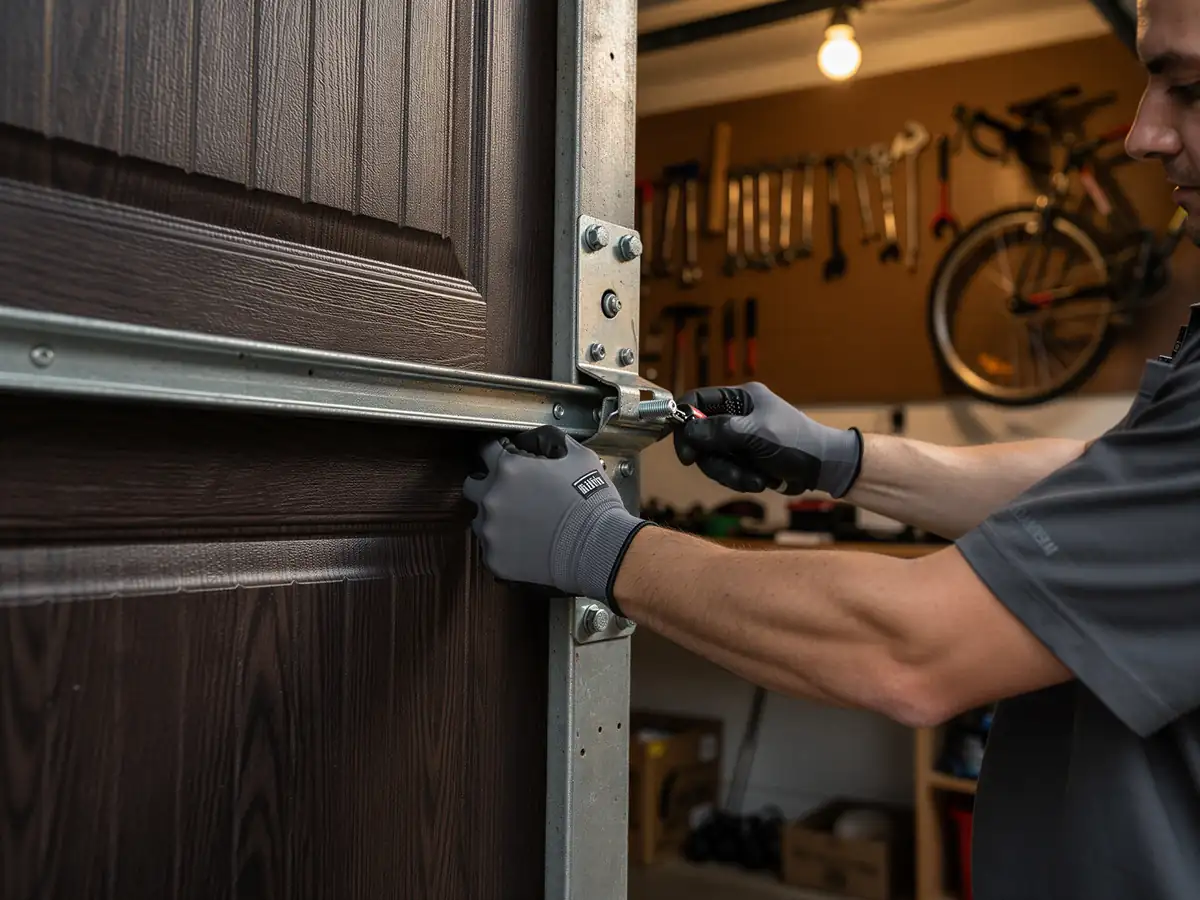
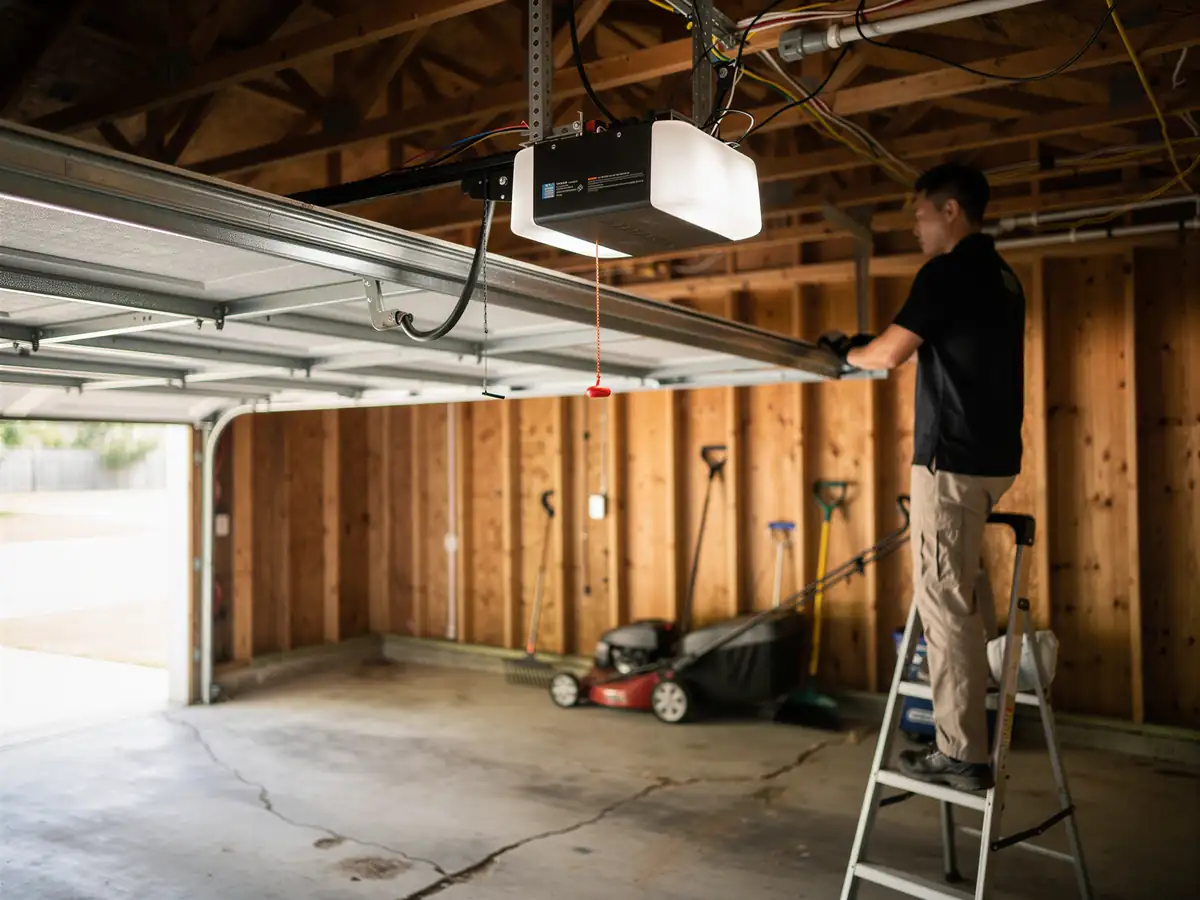
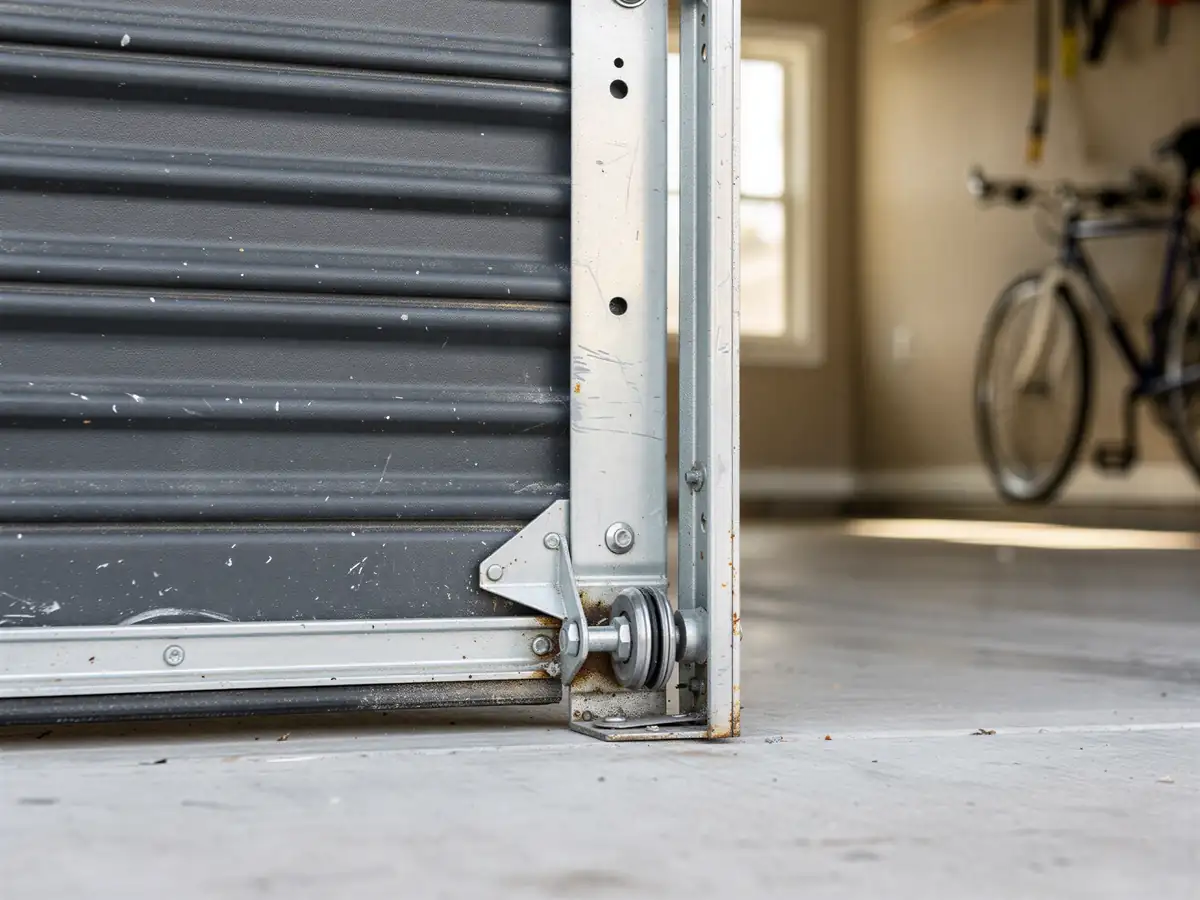
Start with the spring. If it's an original torsion spring from a 1960s or 70s installation and it just broke, replacing it alone is reasonable only if the drums, bearings, and shaft are still true. If the opener is from the same era as the house, factor in that motor and gear-driven parts don't get easier to source the older they are. Check the track for rust-through or bends rather than just surface rust - mild climate keeps rust slow here, but it doesn't stop it. If you're past two separate repair calls on the same door within a year, or the door is original to a house built well before 2000, that's the point where a new door with modern springs and an opener usually costs less over the next few years than another round of parts. One limit worth being upfront about: we don't try to match 60-year-old panel styles with new stock. If you want the repair to look original, that's not something we can promise.