What We Will Not Take On
We don't keep a second shop in Bellflower. Every job here starts with a drive from our Downey location, so we're upfront about what we won't promise: a same-minute arrival, or a guarantee we'll have every obsolete part riding on the truck already. Houses in this part of the service area were built close enough in time that a lot of original hardware is still in use, and some of it - older extension-spring drums, certain hinge styles - isn't something we stock for every size. If your door needs a part like that, we'll tell you straight that it may mean a second trip rather than a one-visit fix.
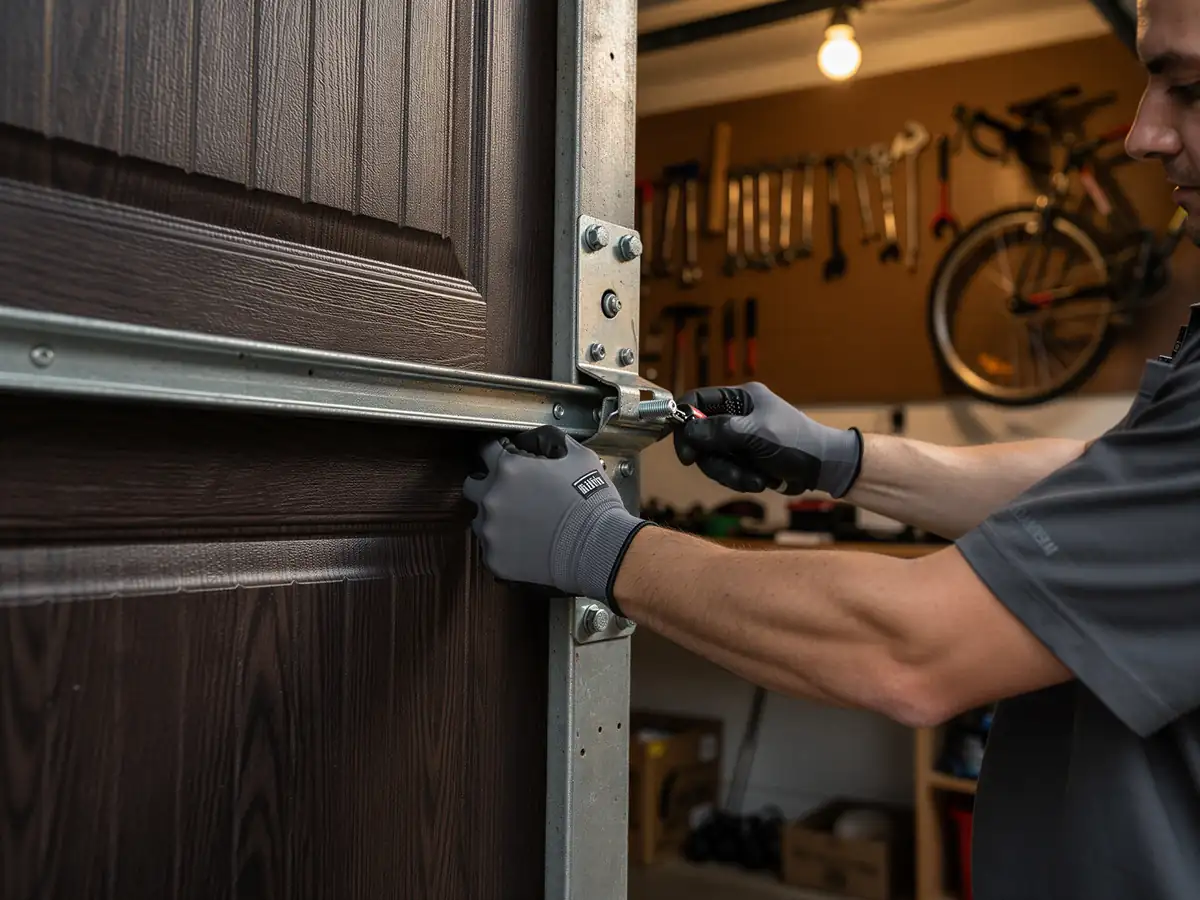
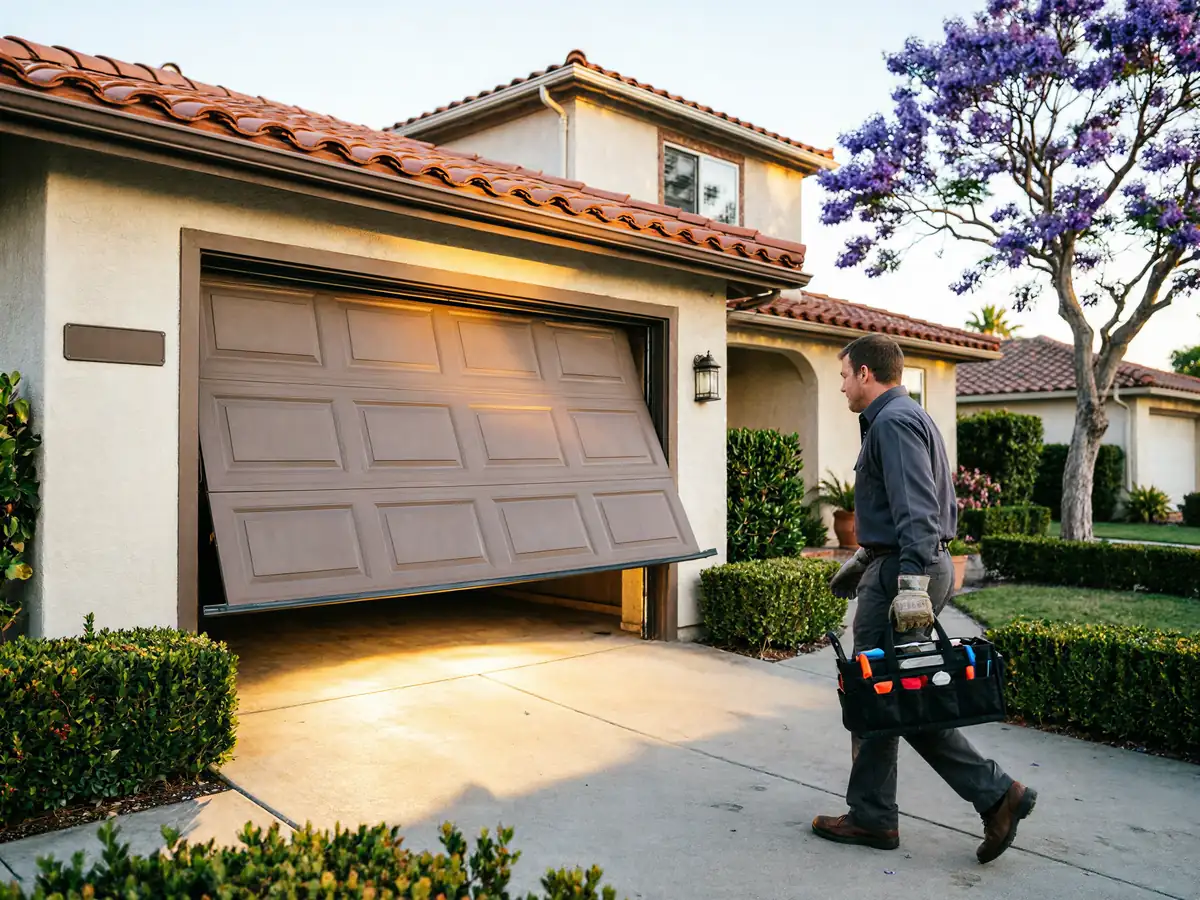
We also won't talk you into a full replacement when a spring, a cable, or a bent track section is the actual problem. A lot of the doors going up in the 1960s were simple steel sectional units, and simple means repairable. We'll say so even when a new door would be the easier sale. What we won't do is quote you blind over the phone for anything beyond a basic spring or opener call - a door we haven't seen gets an estimate once we've had a hand on it, not before.
What That Means for Doors
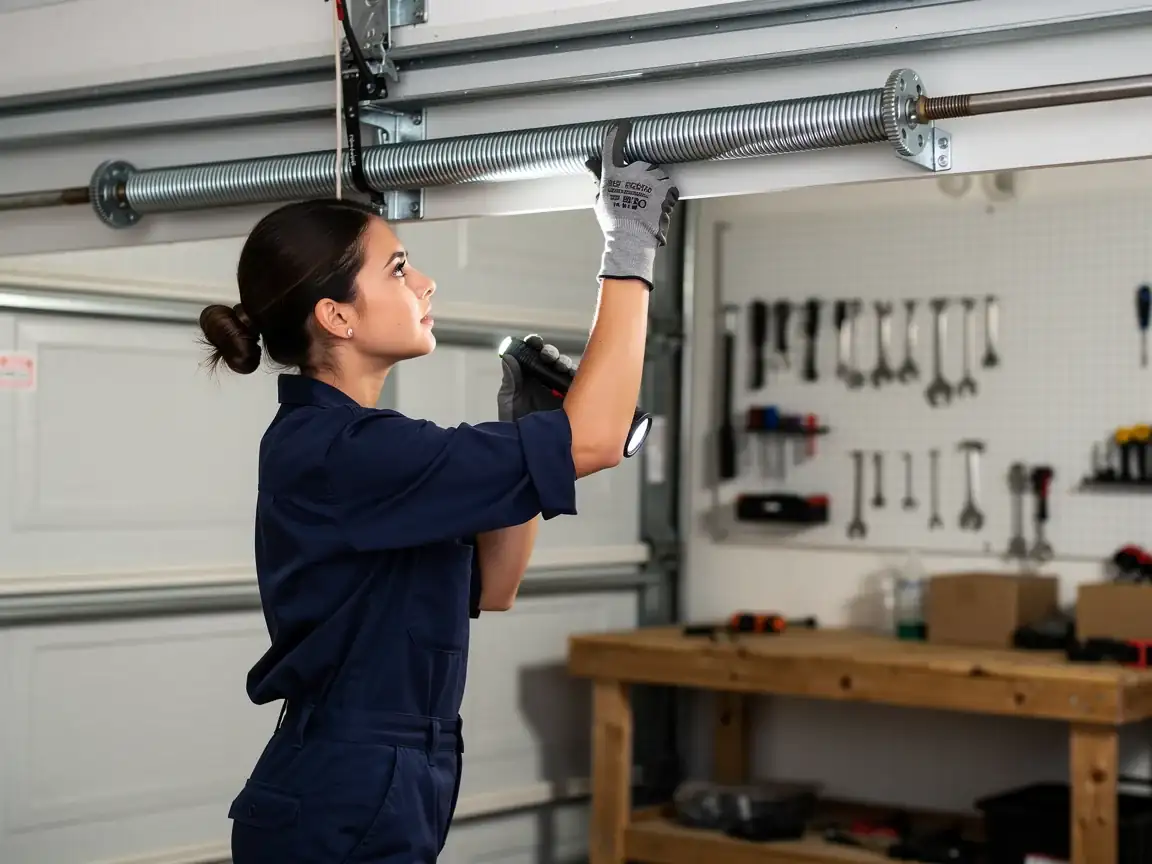
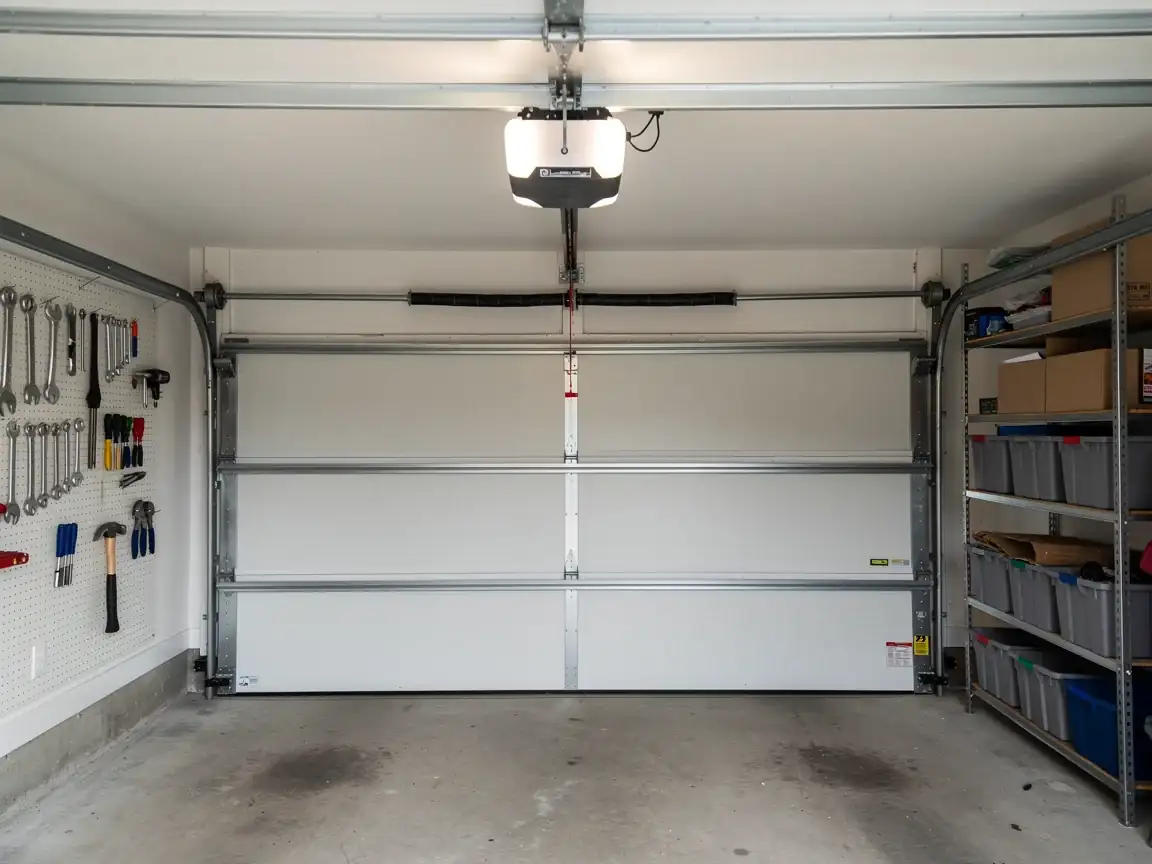
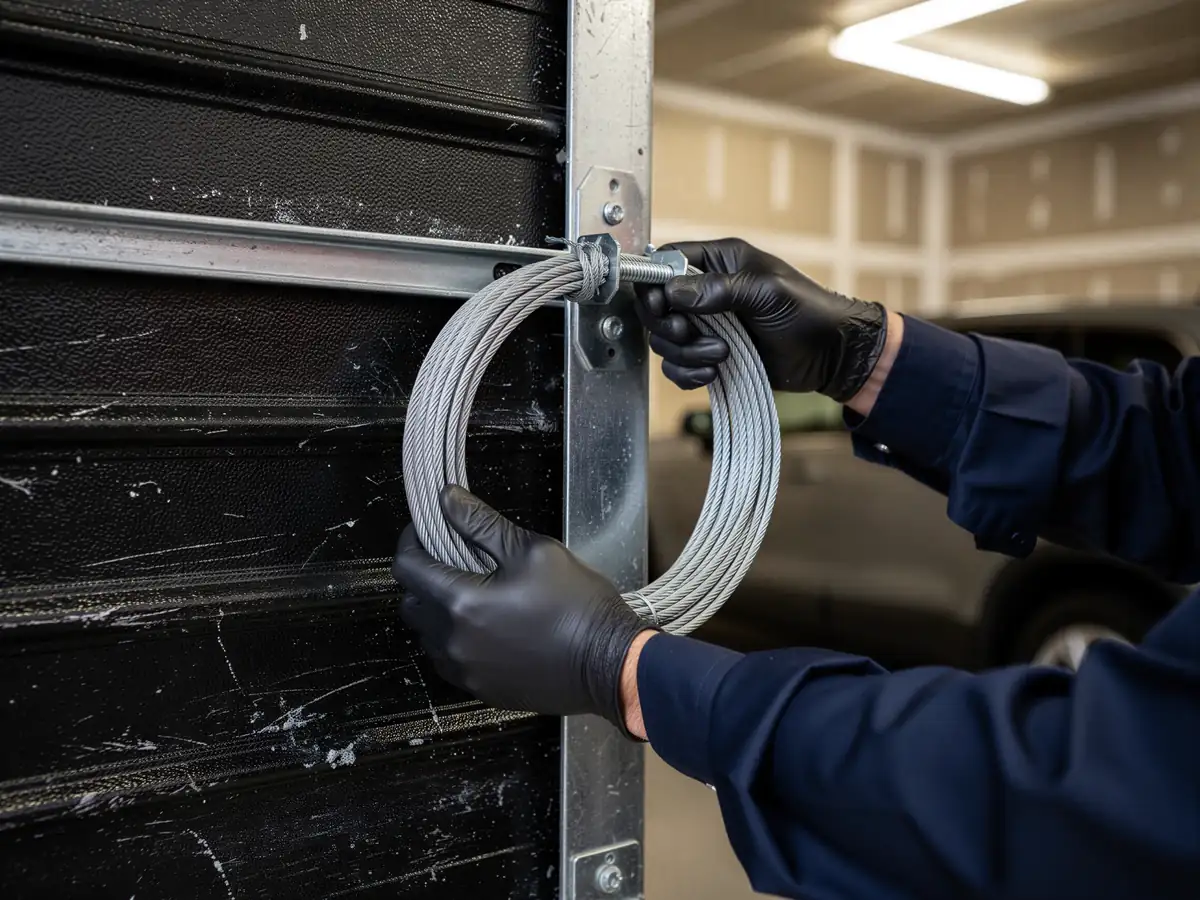
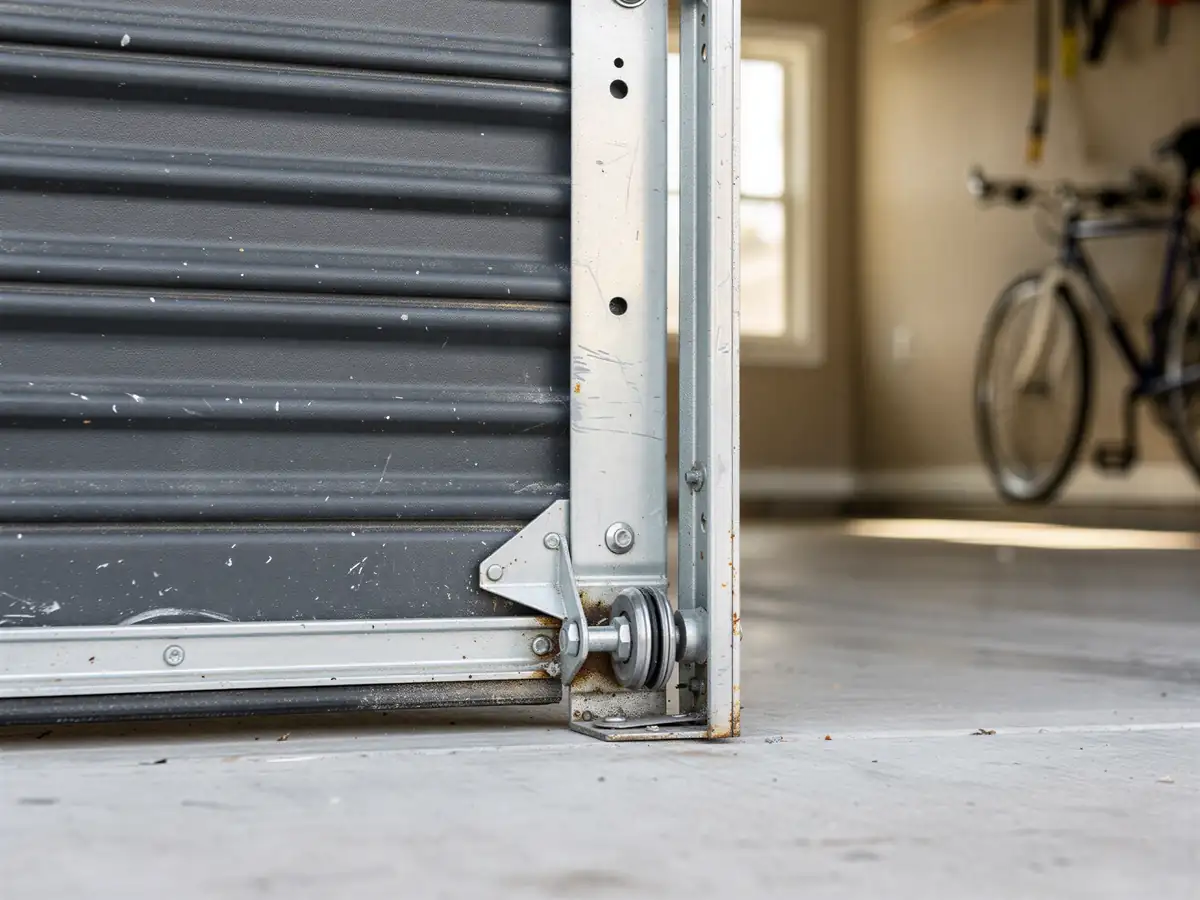
Bellflower's housing runs a touch newer than the service area's overall median - homes here cluster around 1966, against a 1963 median across the wider territory we cover. That three-year gap sounds small, but it lines up with a real shift in garage door hardware: later-1960s builds were more likely to ship with torsion springs over the center of the door rather than the older side-mounted extension setups, and tracks that run a slightly different radius. When we get a call from this part of the service area, we expect torsion first and bring the matched cable drums and bearing plates for it.
The climate here doesn't do the hardware any favors through temperature swings, but it also doesn't do the damage ice and hard freezes do elsewhere - this is mild, temperate territory, so most of what we find failing is wear, not weather. Rollers go first, usually nylon ones that have spent decades in steel tracks. Cables fray at the drum before they snap outright. Openers from this era, where they haven't already been swapped once, are usually on their second or third remote by now, with logic boards that don't speak to modern safety sensors.
How We Get to You
Bellflower sits about four miles out from our Downey shop
Which puts it on the same stretch of road we run for a handful of other calls most days. Bell Gardens is closer in, at two miles, and Paramount splits the distance at three - between the two of them we're usually already moving in this direction before your call comes in, not routing out of the way to reach you.
We don't advertise a response-time number here because we haven't measured one we're willing to put in writing
And a number we can't stand behind isn't worth printing. What we can say is that the drive itself isn't the obstacle - it's a short run on local streets, not a freeway haul across the county. If you're near the Bell Gardens or Paramount side of town, mention it when you call; it doesn't change the job, but it helps us plan the order of the day.
What Was Built Here
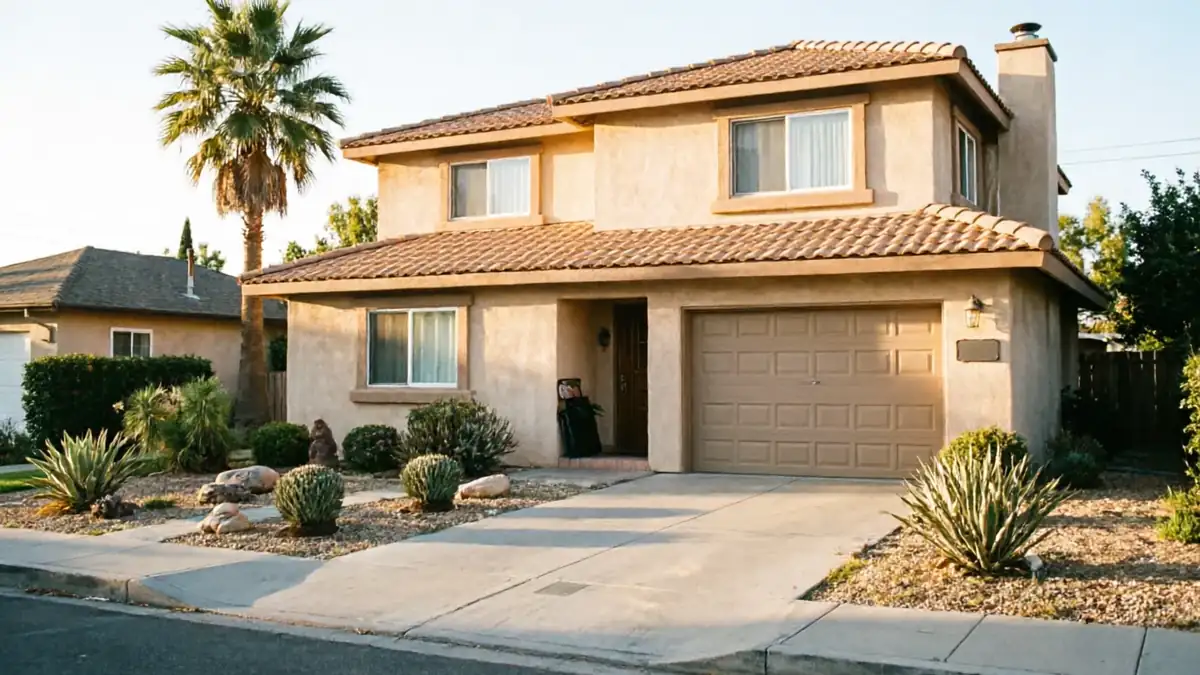
Across the roughly 23,669 households in Bellflower, the typical home traces back to around 1966 - squarely inside the 1943-to-2012 range we see across the 90 named communities in our service area, but on the newer side of that range's 1963 median. That matters for anyone pricing a repair: doors from this era are old enough that original hardware is common, but not so old that parts have gone fully obsolete the way they have in some of the pre-war pockets we also cover.
Median household income in Bellflower runs around $77,602, noticeably below the $97,397 median for the wider service area. We mention that because it shapes the conversation honestly - a lot of our calls here are repair-first, replace-only-when-it's-actually-cheaper-in-the-long-run, and we'd rather lay out both numbers than steer toward the bigger job. A 1966-era steel door with a bad spring is, in most cases, a repair worth making.