The Symptom
You go to replace a door that's been limping along for years and the measuring tape tells a story. The opening is narrower than today's standard sizes, the header above it is shallower than code calls for now, and the track hardware bolted to the jamb hasn't been made since Nixon was in office. Nobody planned for this when the house went up - the door that's there now was probably the second or third one, each sized to fit the same stubborn rough opening rather than the other way around.
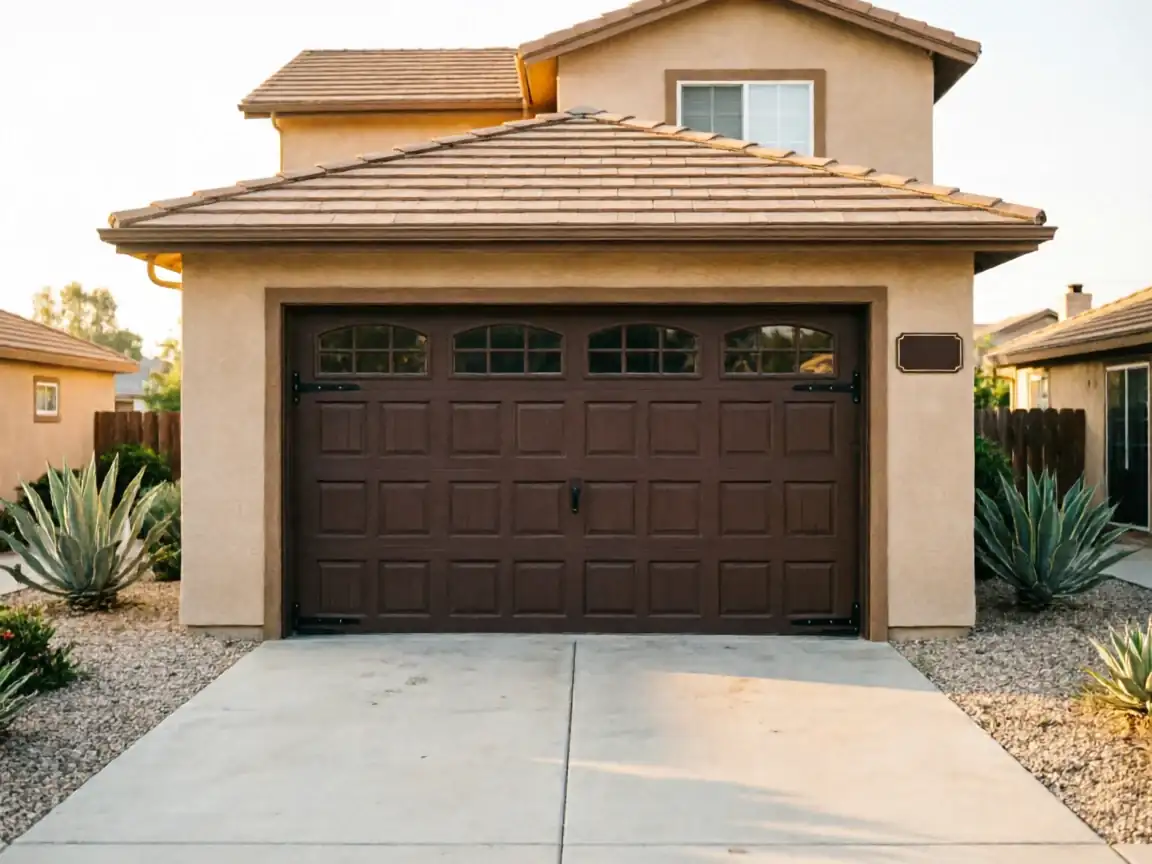
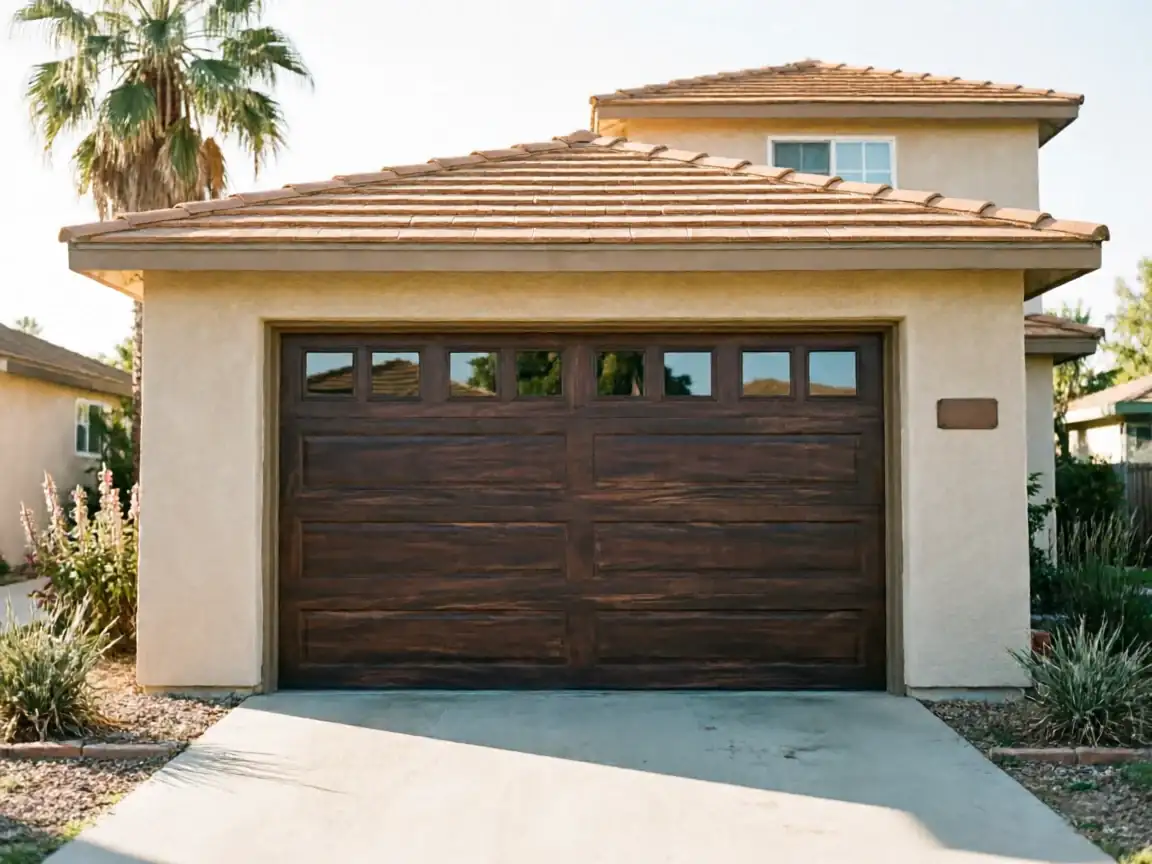
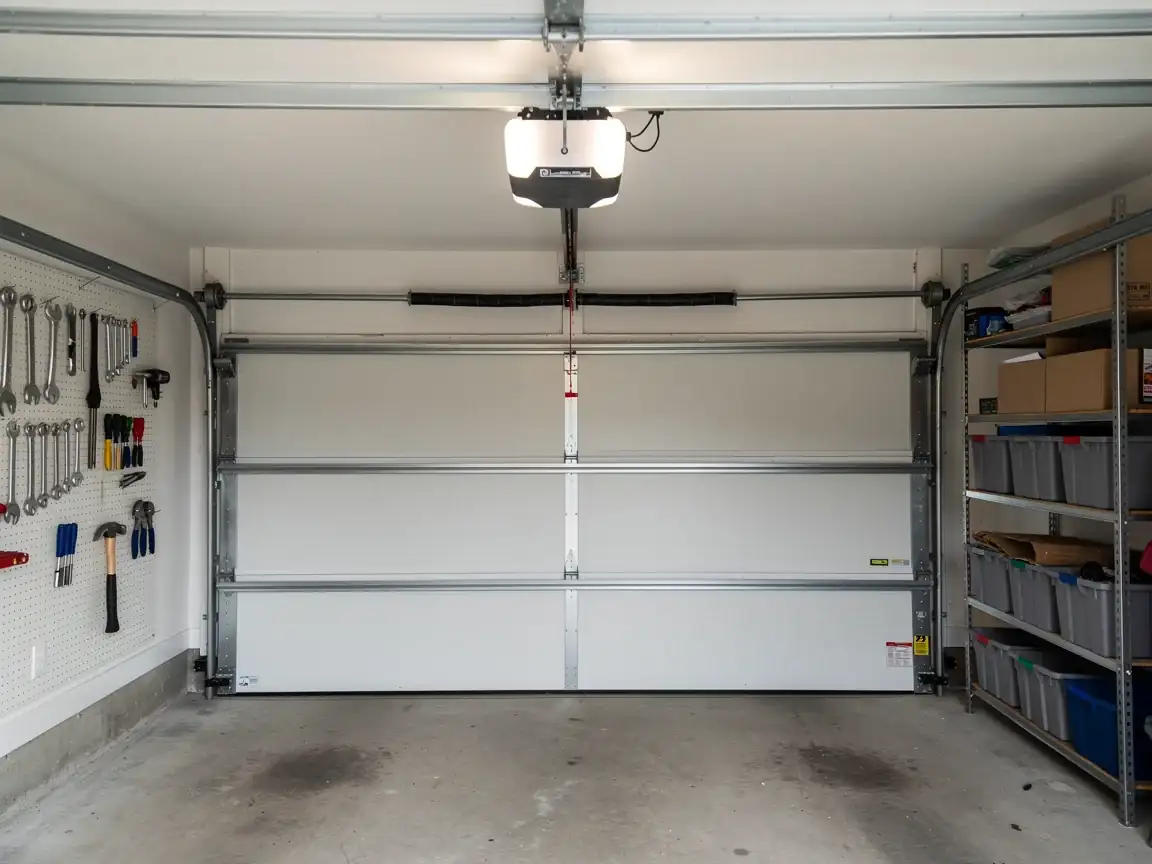
If your house in Downey was built anywhere near the median year on record, 1963, this is almost always what you're dealing with. A straightforward swap turns into a framing conversation, because the garage wasn't built to current door dimensions, and whoever installed the last door made do rather than correcting the opening.
Where This Job Goes Sideways
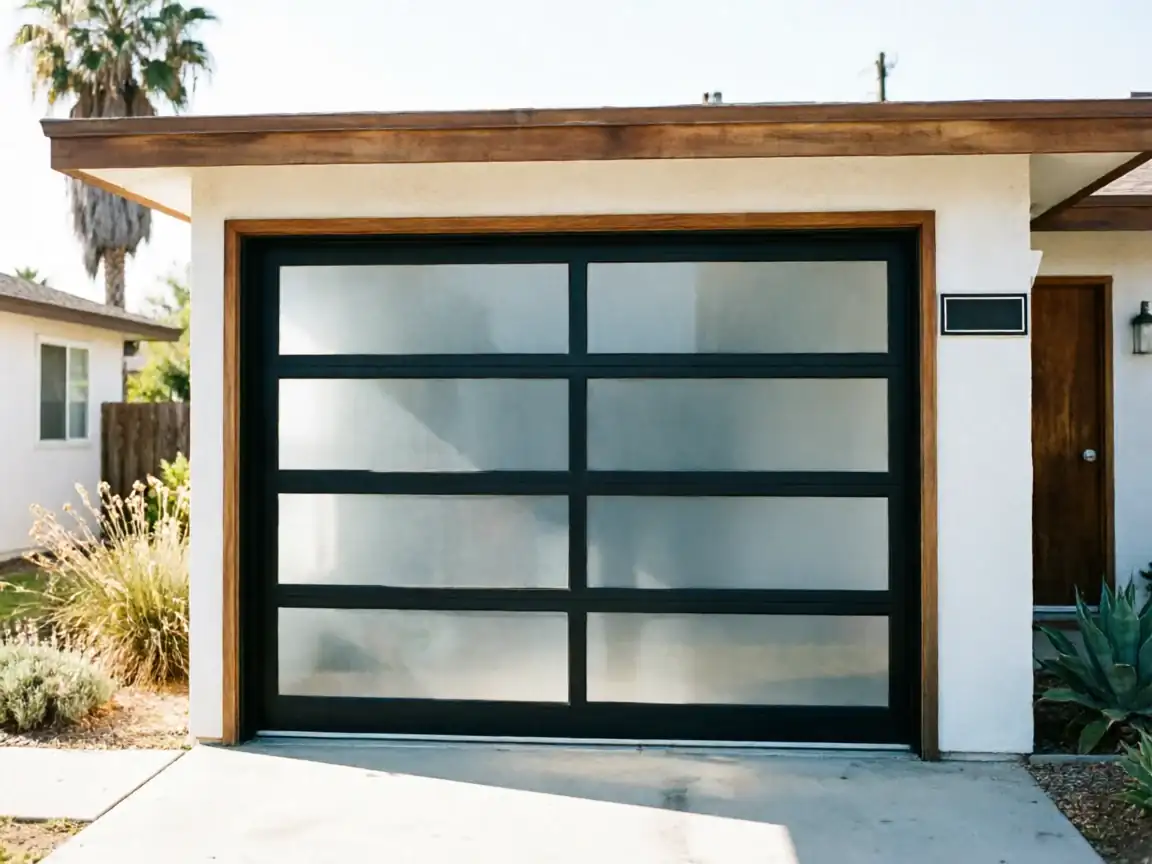
The trouble starts when a homeowner orders a door online or from a big box store based on the opening width alone and doesn't check header height, track radius, or spring mounting style against what's actually there. On a lot of Downey garages built in the 1960s and 70s, the header is lower than modern doors expect, especially with an insulated panel that's thicker than the single-layer steel it's replacing. The new door shows up, and it either won't clear the header or the track has nowhere to mount without cutting into drywall that wasn't meant to be touched.
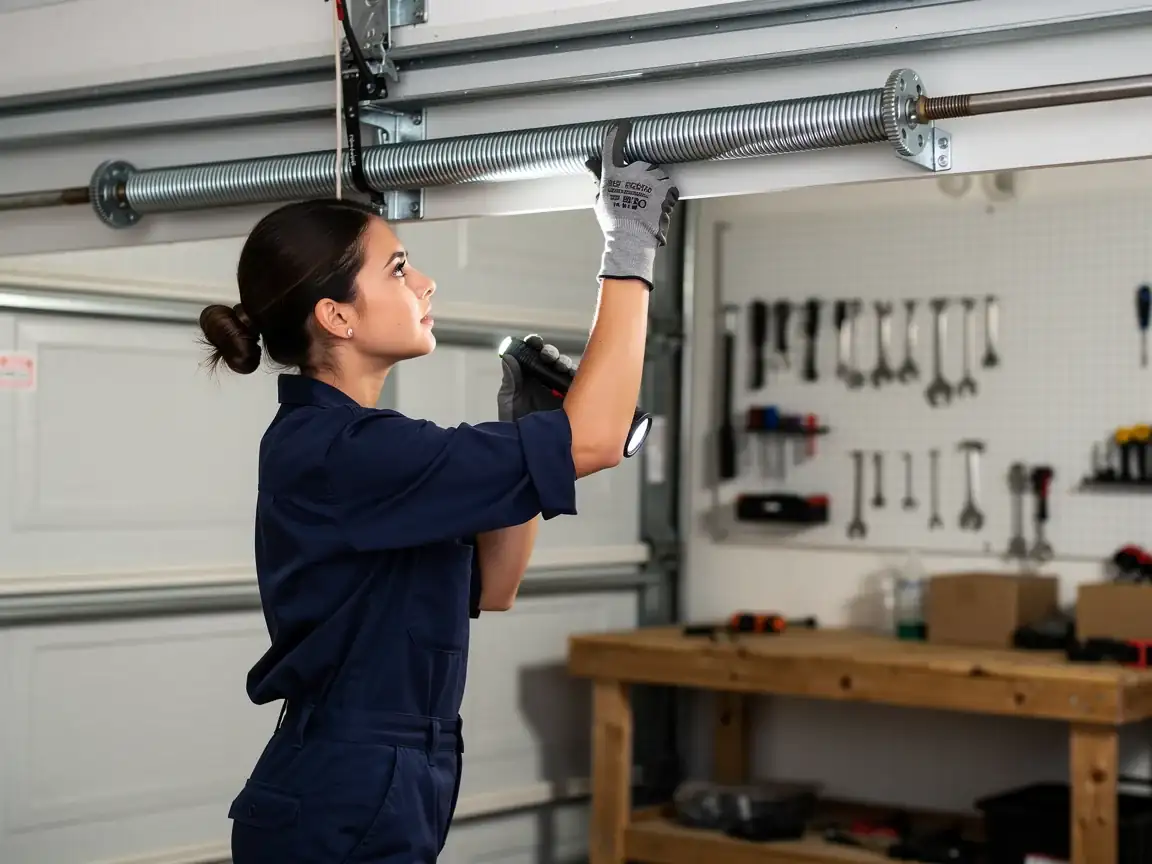
The other place this goes wrong is the spring system. A lot of these garages still run on a single centered torsion spring on a shaft that was sized for a much lighter door. Swap in a heavier insulated panel without resizing the spring and the opener motor takes the strain instead - which is how a transmission or gear set burns out six months after a
What Causes It Around Here
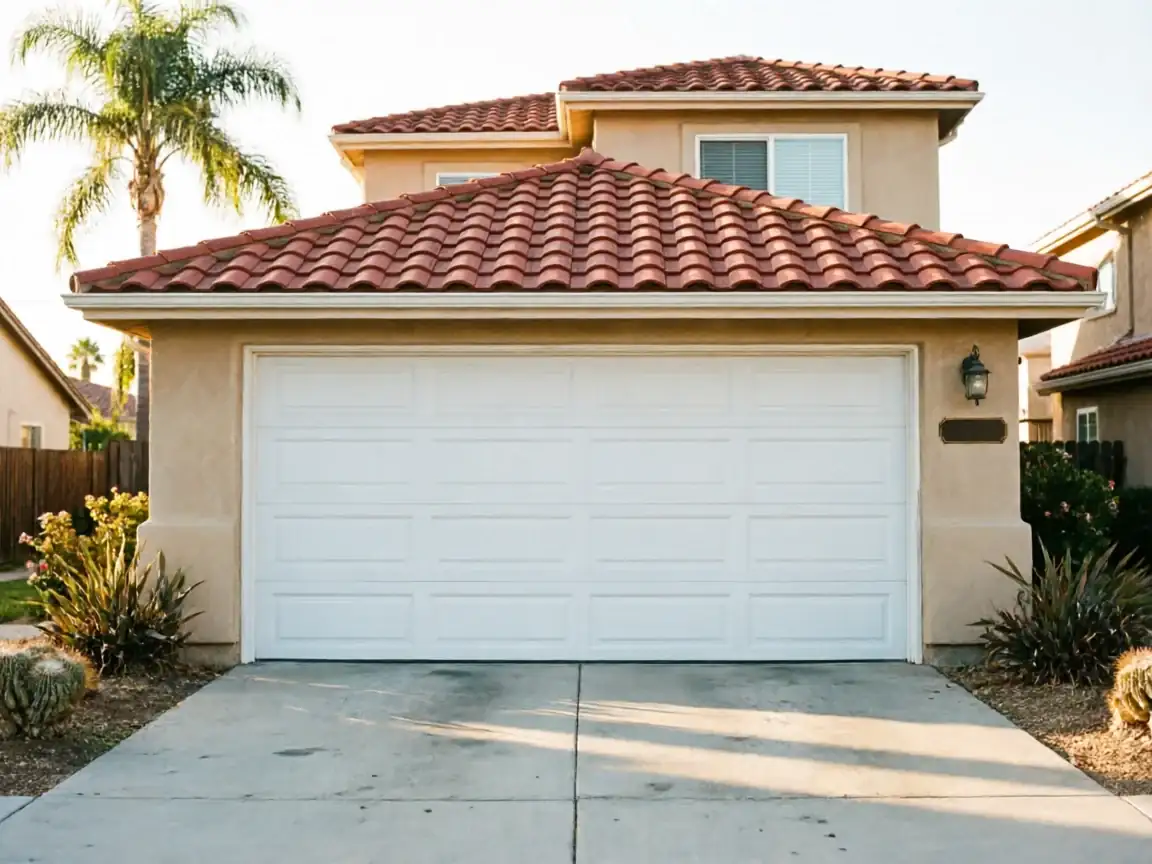
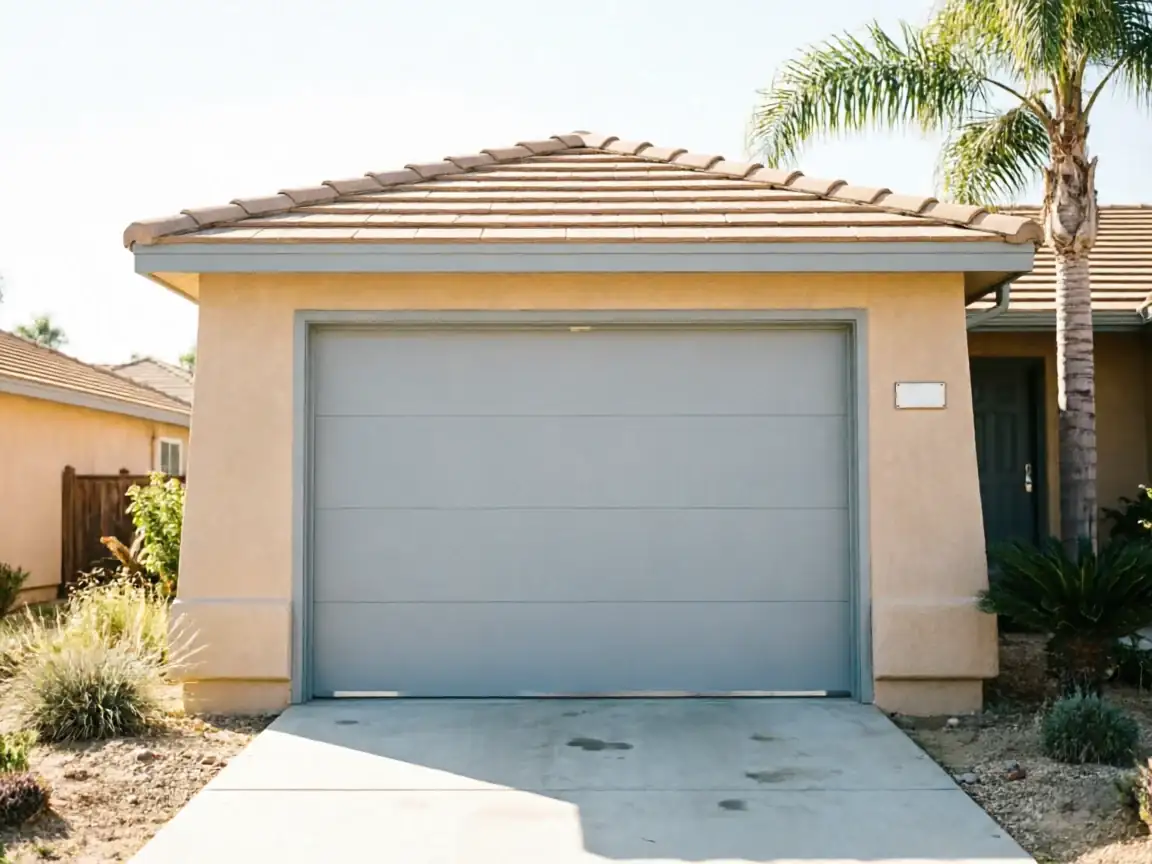
Downey's housing stock sits mostly in that 1943-2012 range with the bulk from the 1960s and 70s
Which means a huge share of garages were framed to builder-grade dimensions that predate current door sizing and insulation standards. These aren't custom-built openings - they're tract housing, built fast and built consistent, which is good news (we've seen the pattern before) and bad news (there's no room to improvise without a fix).
The mild temperate climate here doesn't put the same stress on a door that you'd see with hard freeze-thaw cycles or heavy snow load
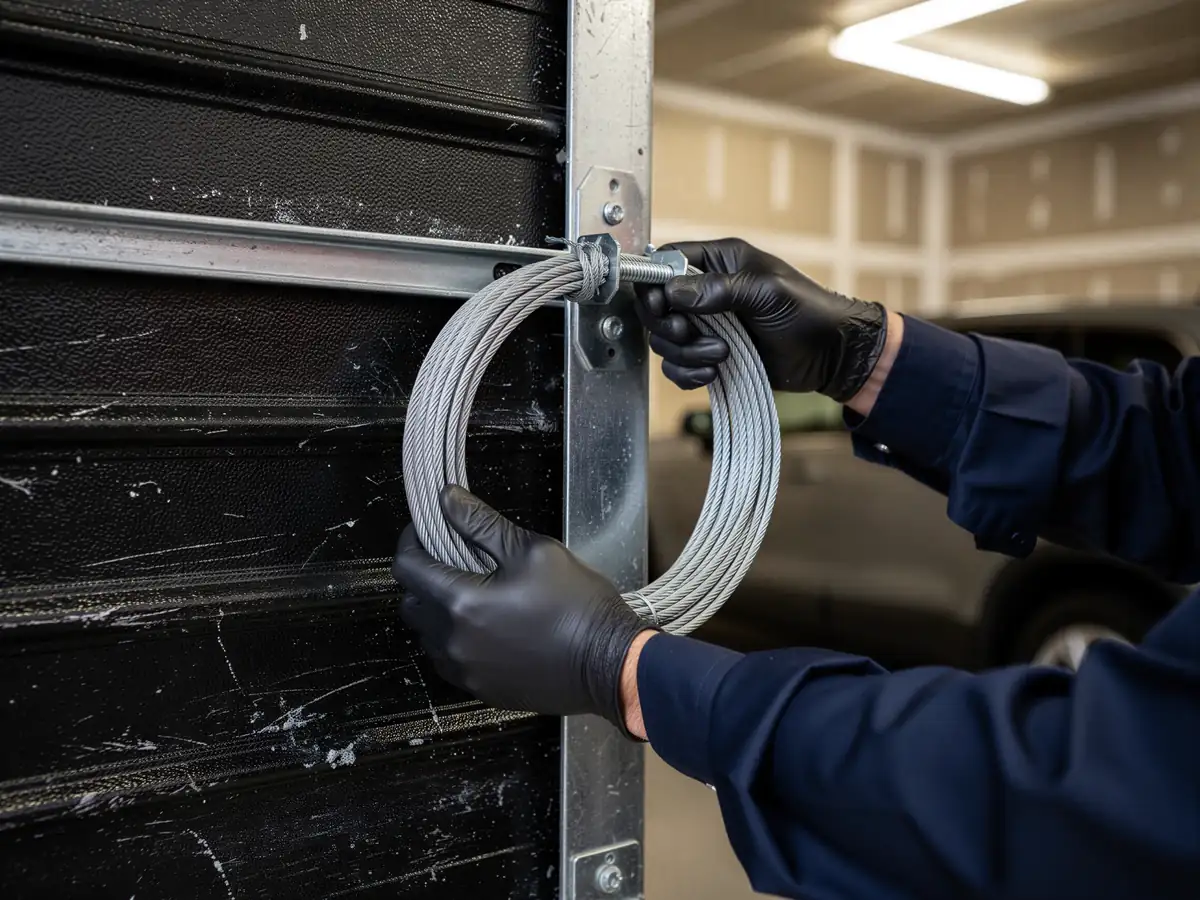
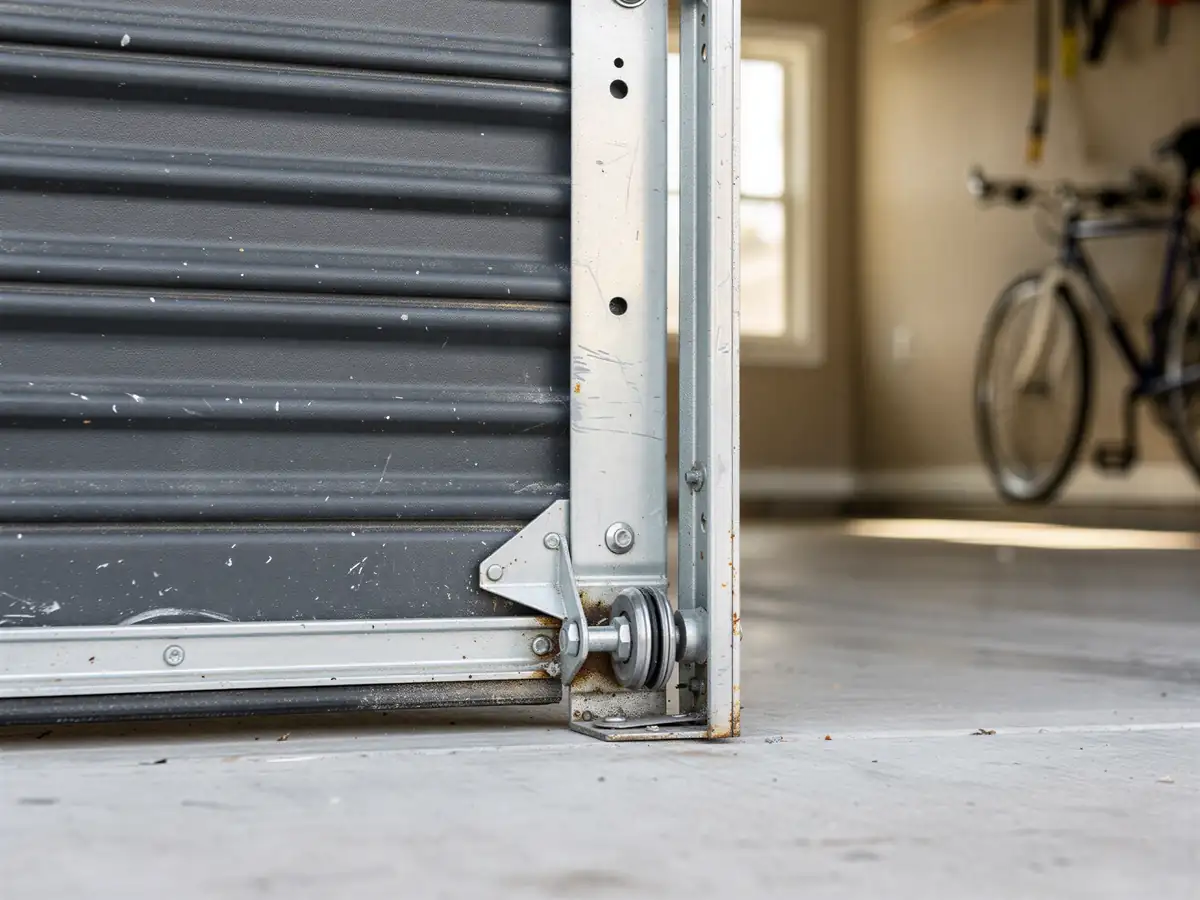
So the doors themselves don't usually fail from weather. What fails is the mismatch between old framing and new hardware standards, plus decades of sun and routine use wearing down rollers and cables that were never rated for the door's actual working life. It's a mechanical aging problem layered on top of a dimensional mismatch, not a climate problem.
How We Fix It
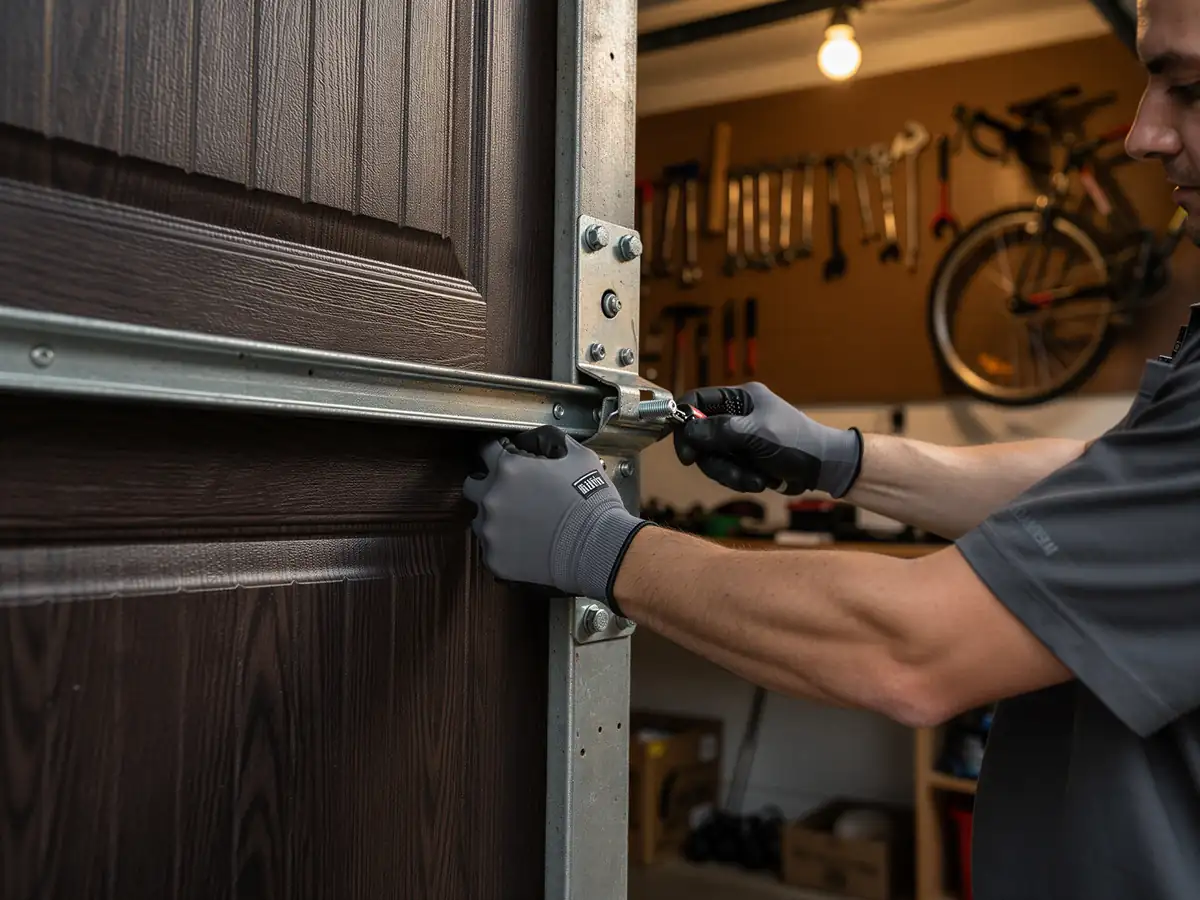
We start by measuring the actual rough opening, header clearance, and headroom before anything gets ordered - not the nominal size printed on the old door. If the header is tight, we look at low-headroom track hardware before we talk about cutting into framing, because reframing a garage opening is expensive and usually avoidable.
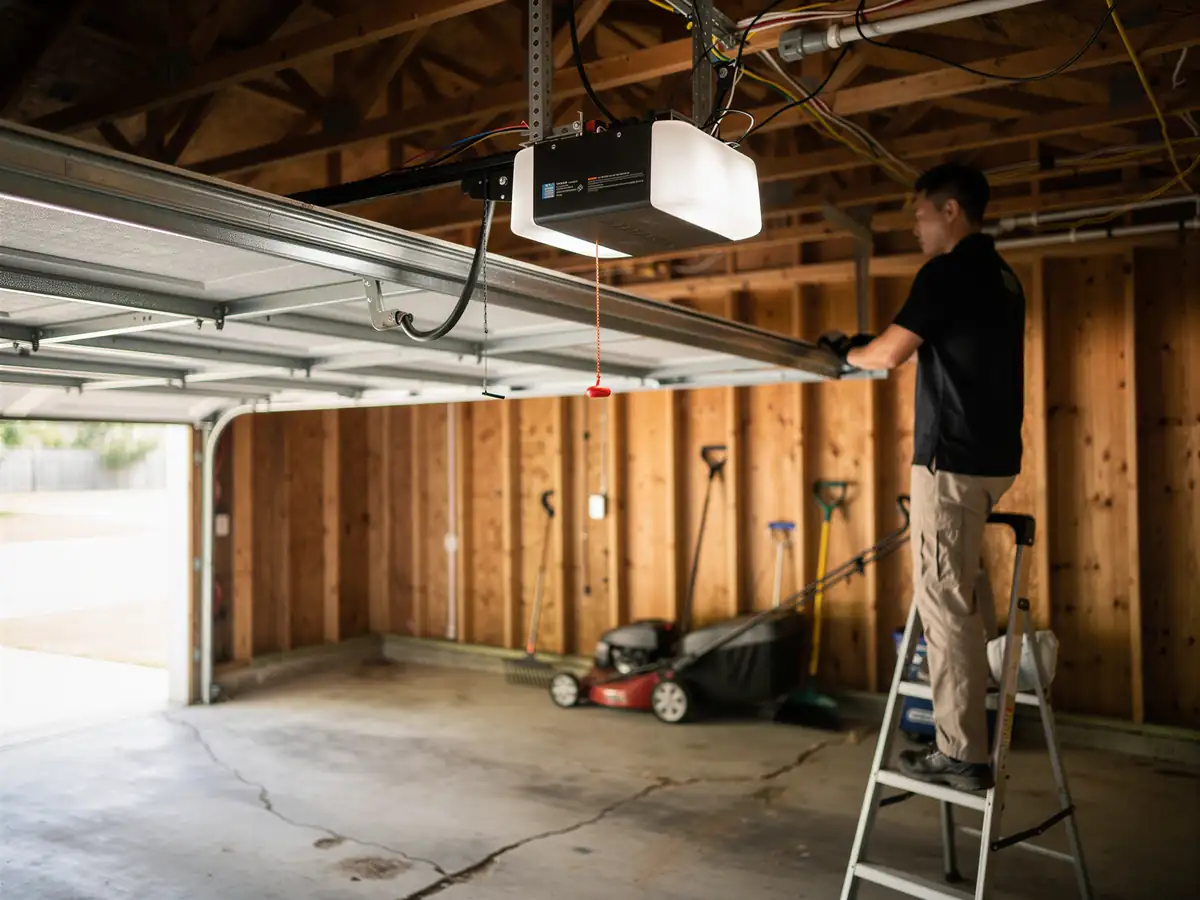
For the spring and opener side, we size the torsion spring to the real weight of the new door, not the old one, so the opener isn't doing work it was never built for. That's the detail that gets skipped most often and it's the one that causes callbacks a year later.
One limitation worth saying plainly: if your garage opening is non-standard or was altered by a previous owner, we may need a second visit once we've confirmed exact dimensions before we can lock in a door order - we'd rather tell you that up front than guess and have the wrong door show up on install day.