How We Fix It
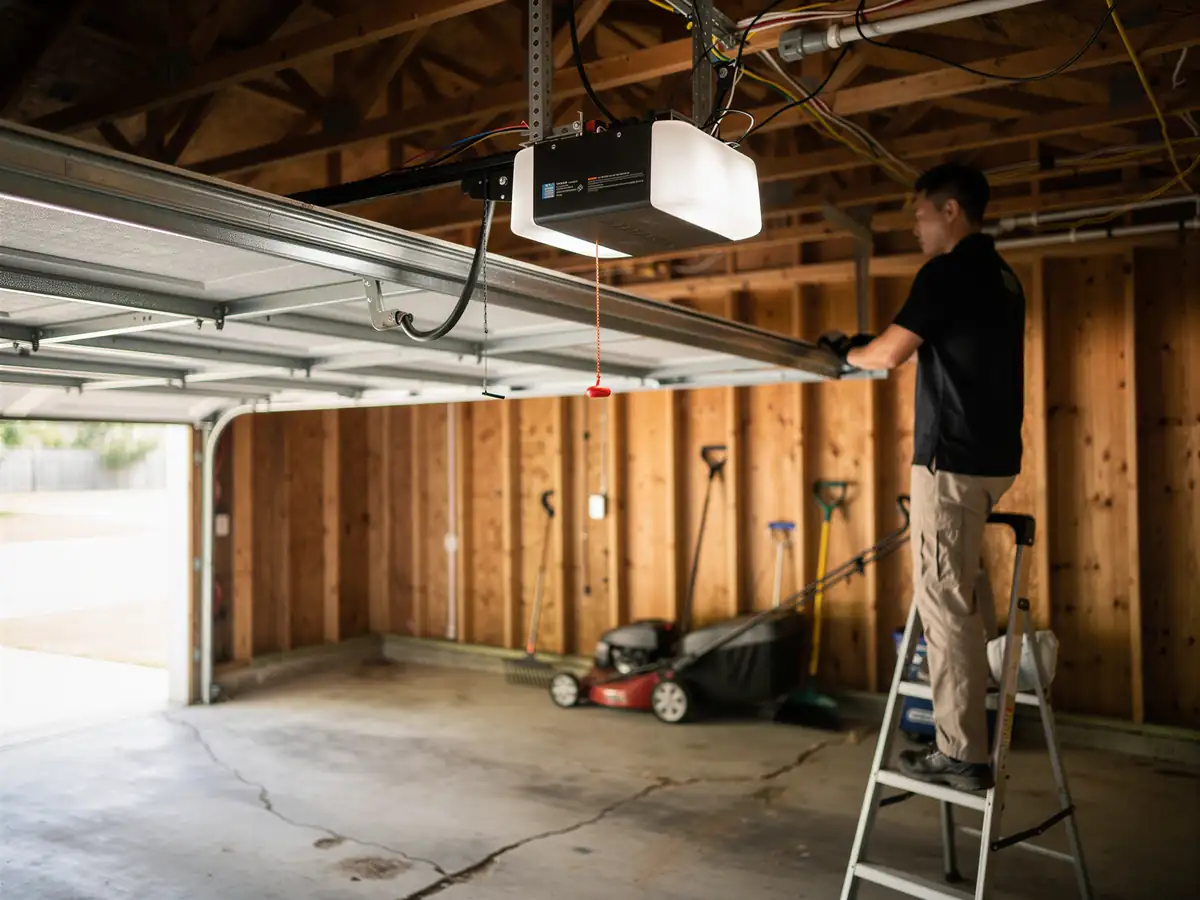
Compton's housing stock centers on 1957, which means a lot of garages still carry the extension-spring, steel-track setups that were standard builds of that era. Those tracks were installed with lighter gauge brackets than what you'd see on anything built after 1980, and decades of use loosens the lag screws holding them to the jamb. When a door jumps track here, it's usually one of two things: a bent horizontal section where the door caught on a worn roller, or a rear track bracket that's pulled away from the framing.
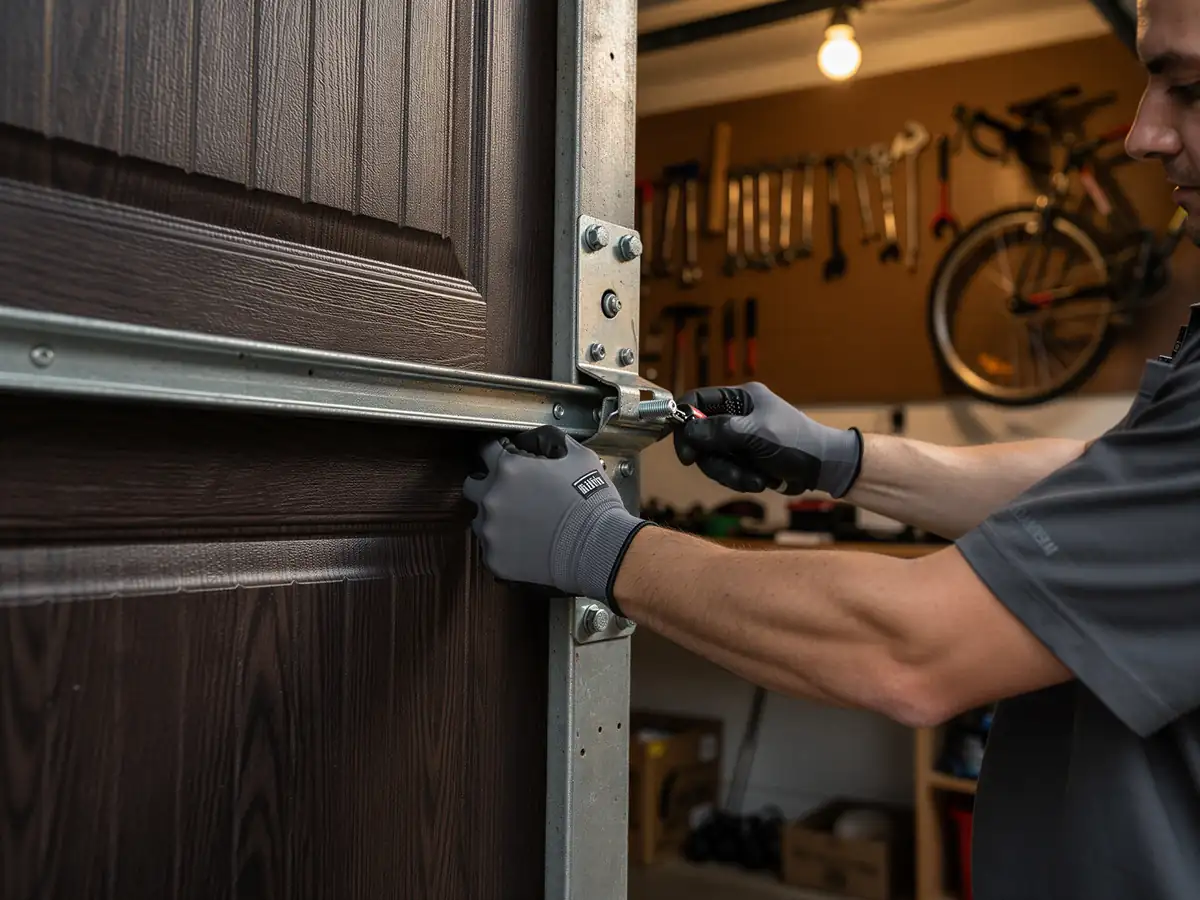
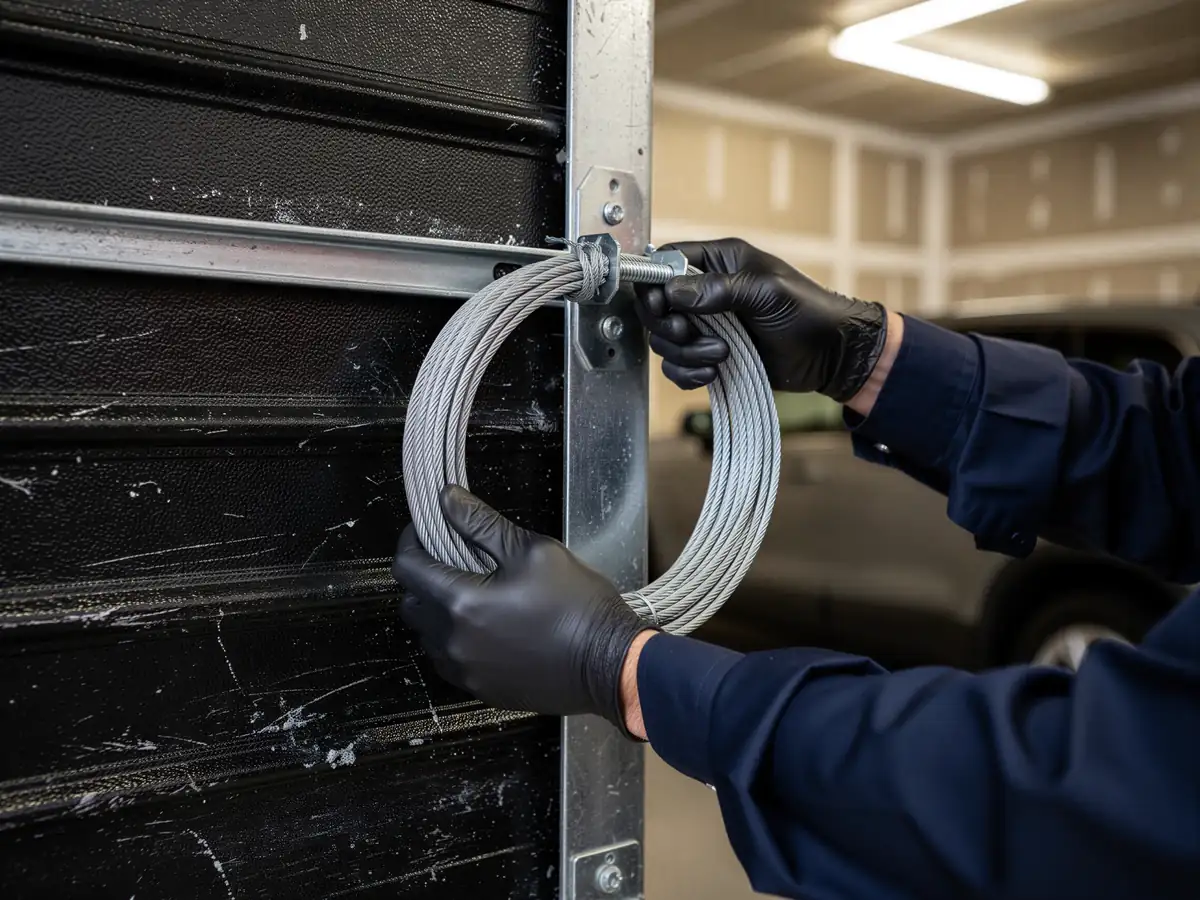
We start by pulling the door off its cables so it can't fall while we work, then check the track plumb against the jamb. If the bend is isolated to one section, we swap that section rather than the whole run - most of these older tracks still take standard 2-inch replacement stock. If the bracket has torn loose from the wood, we re-anchor it and, if the jamb itself has softened, we'll say so before we charge you for a bracket that won't hold.
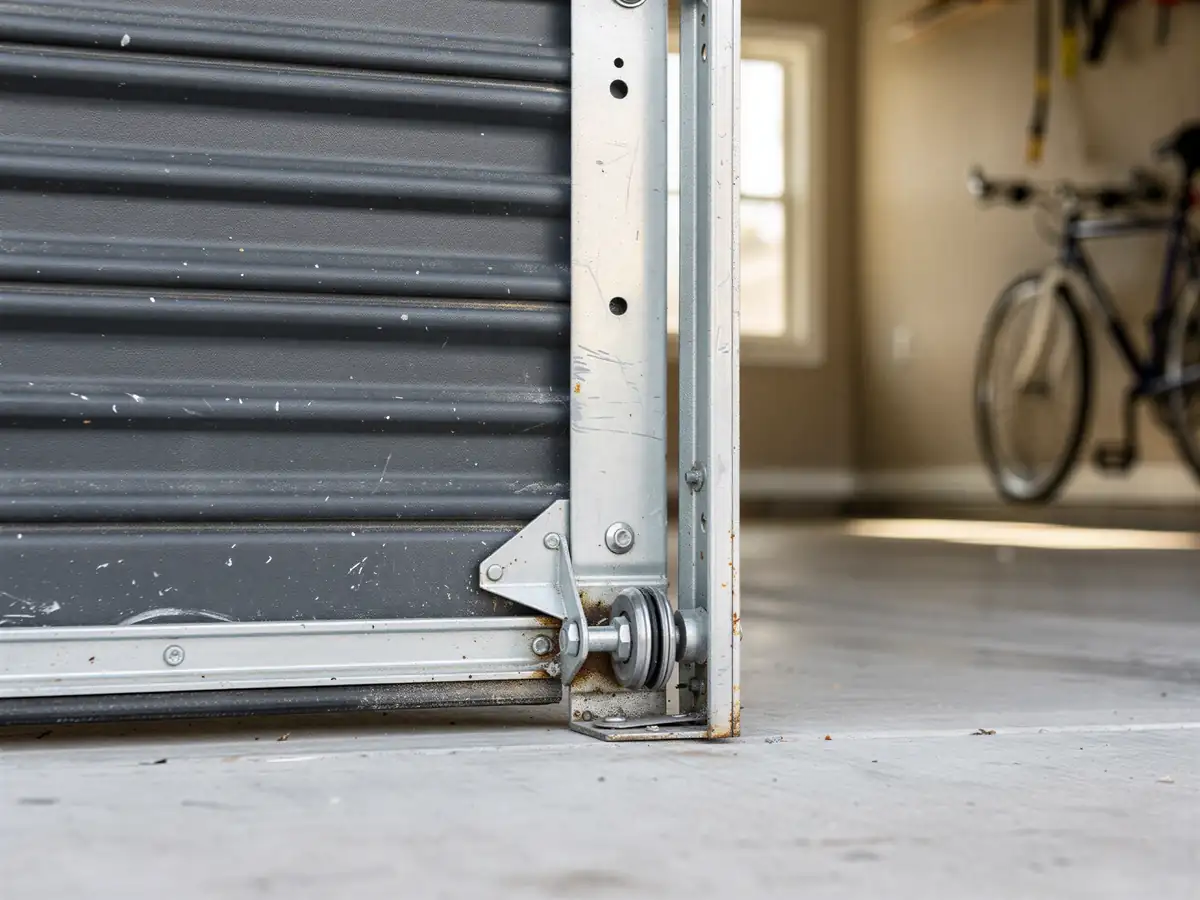
Rollers get replaced as a matter of course on any off-track call, since a worn or cracked roller is almost always what caused the derail. We don't just shove the door back on the track and leave - that invites a repeat call within weeks.
Getting It Booked In
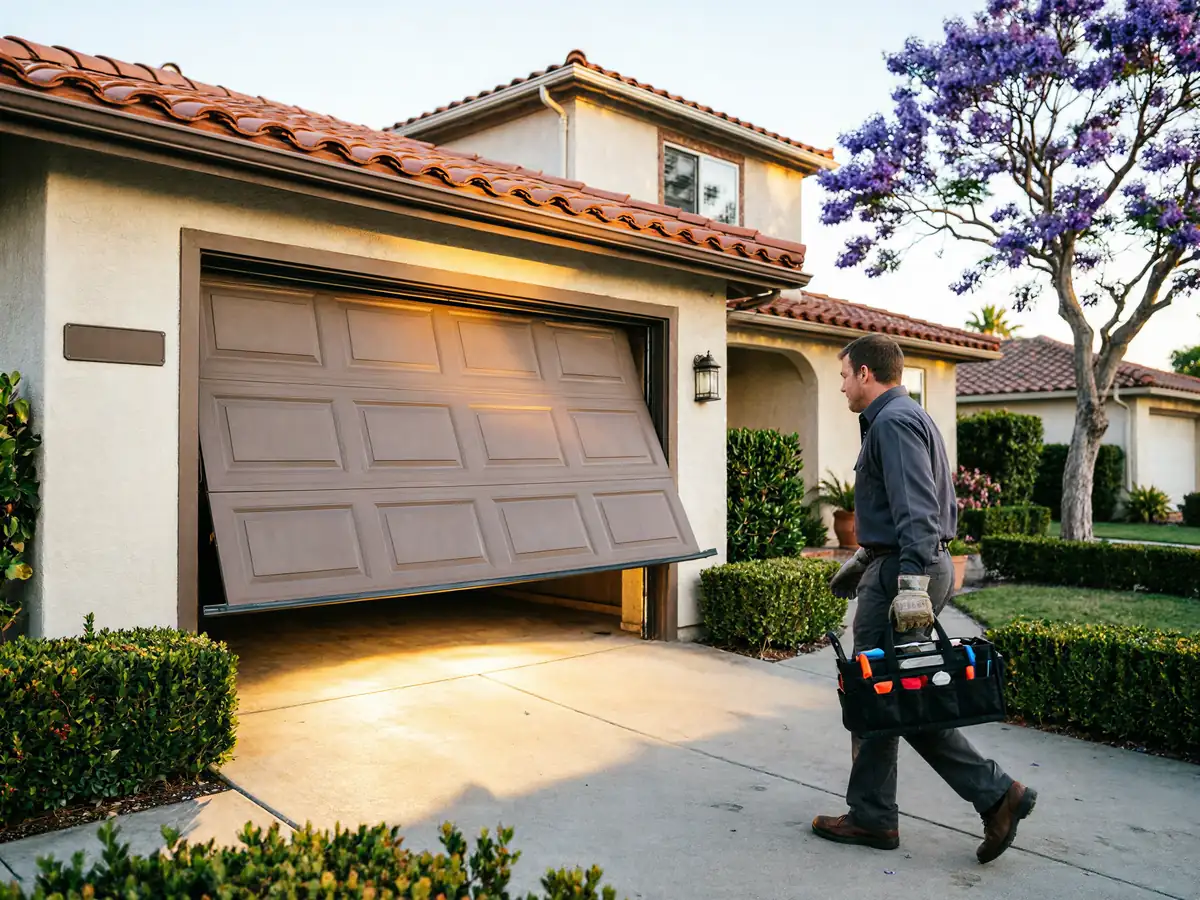
We run out of Downey, about 6 miles from Compton, so when you call we're scheduling a drive, not a walk from next door. Tell us the door's behavior on the phone - did it come off on one side or both, is it still closed, did you hear a bang - and we'll bring the right stock for a 1950s-era track rather than guessing once we're on-site. If the door is stuck half-open with cables still attached, don't try to force it down; leave it and we'll sort the cable tension when we arrive. Booking through our Compton area page gets you to the same crew that handles this hardware era regularly.
How Long It Takes
Most off-track calls on this vintage of hardware run under two hours once we're on-site - the limiting factor is usually how much of the track needs replacing versus just re-bolting. If we find the jamb framing has deteriorated enough that brackets won't hold a proper anchor, that's a longer conversation and sometimes a different repair than what you called about. We'd rather tell you that up front than rush a fix that comes loose again in a month.
What Causes It Around Here
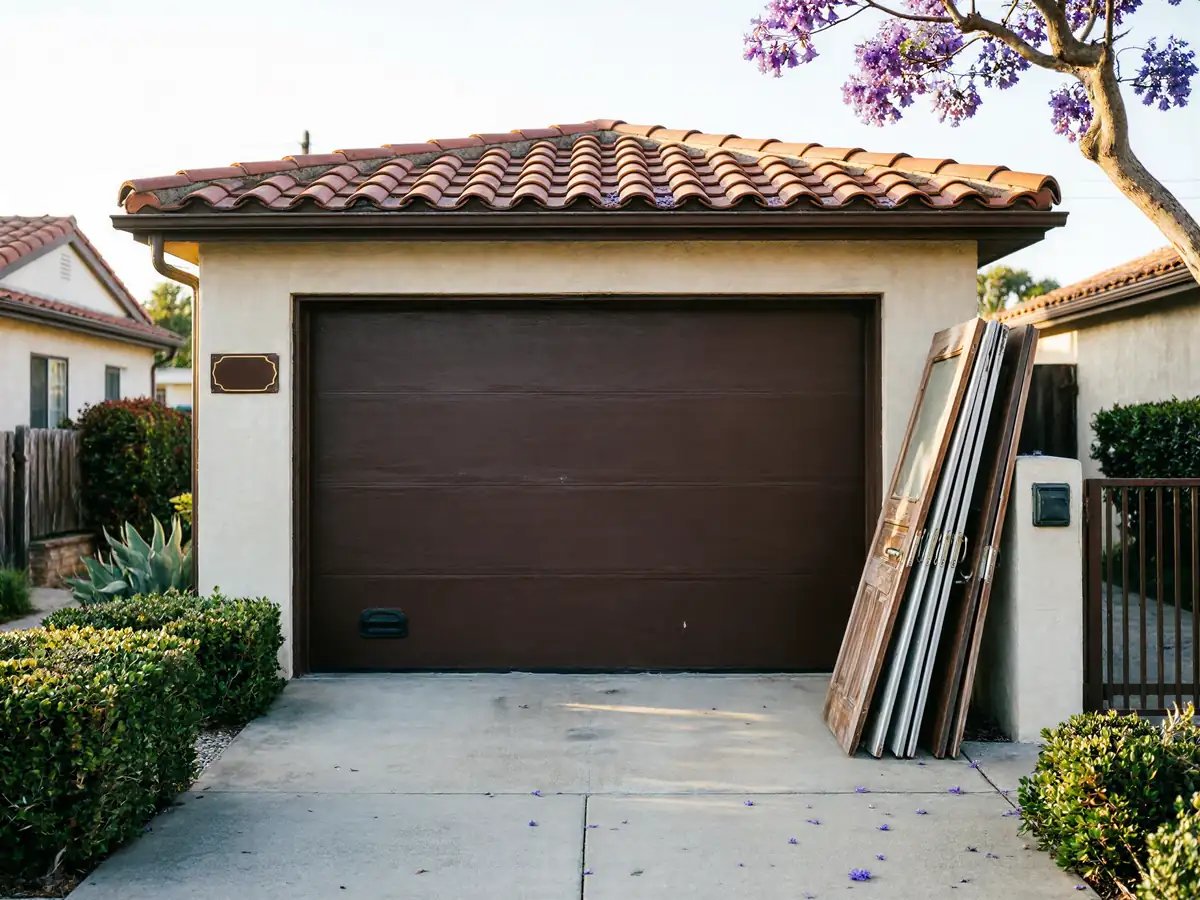
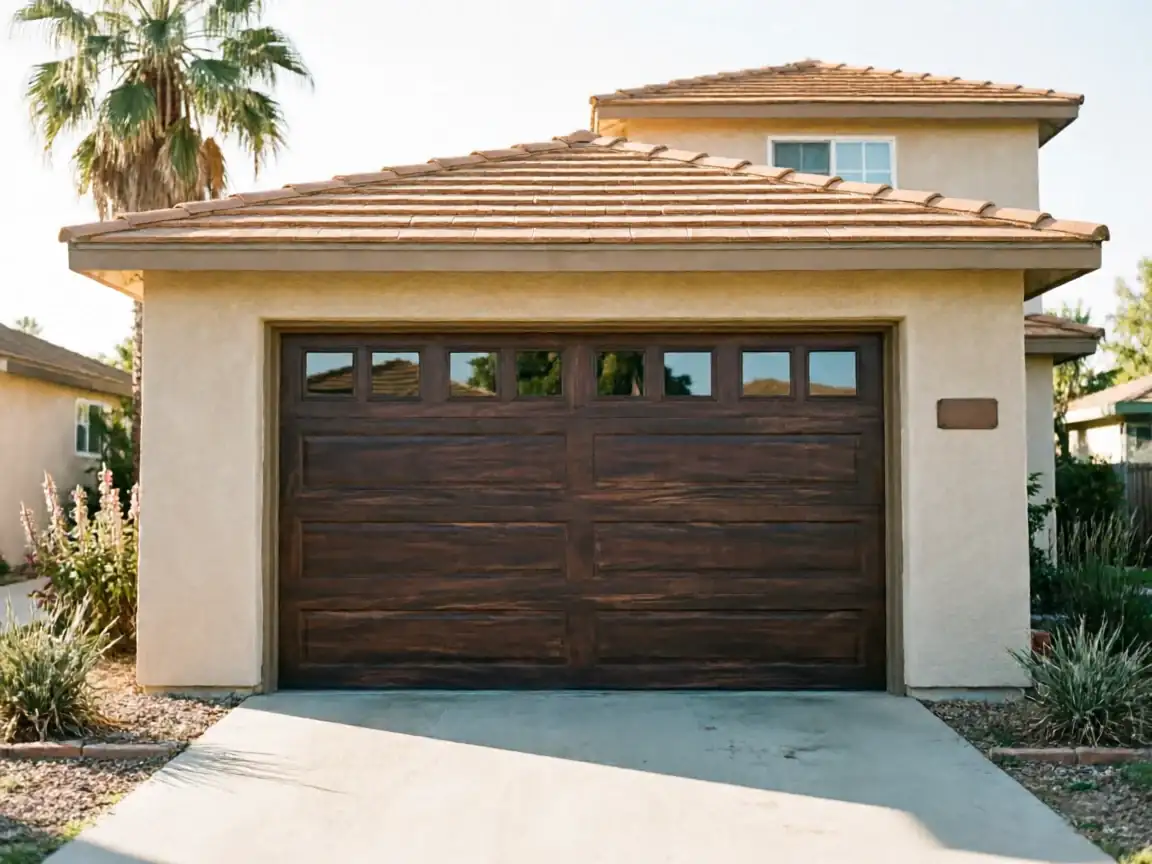
With a median build year of 1957, Compton's garages mostly predate the heavier track and spring hardware that became common decades later. Original one-piece and early sectional doors here ran on tracks anchored with fewer, lighter brackets, and sixty-plus years of opening and closing wears those anchor points loose long before the door itself gives out. Add a roller that's gone from the original steel or early nylon to something worn oval, and the door has just enough side-play to walk itself off the track on a hard stop.
The area's mild temperate climate means we're not dealing with frost-heave or extreme thermal cycling snapping tracks the way colder regions see - the wear here is mechanical fatigue from age and use, not weather damage. That's actually good news: it means the fix is usually mechanical and bounded, not a sign the whole door needs replacing.