What Most People Get Wrong
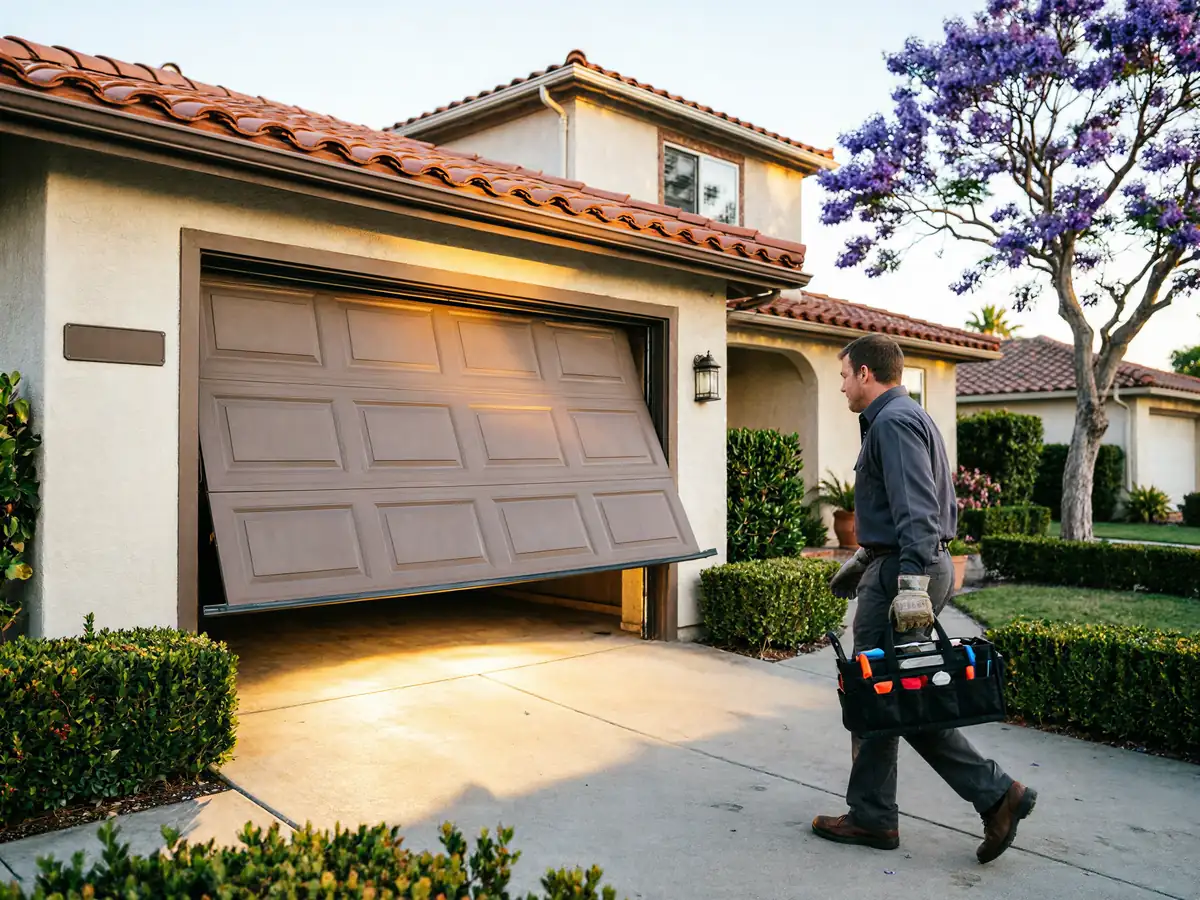
Most homeowners call us and describe the spring, the opener, or the remote as the problem, and they're usually half right. What they miss is that a door built on original 1960s or 70s hardware doesn't fail the way a door installed five years ago does. Downey's housing stock runs from 1943 up through 2012, but the median build year lands at 1963, and that number matters more than any symptom the owner describes. A door on a house from that era was likely sized, hung, and wired for standards nobody follows anymore. So when someone tells us the opener "just stopped working," the real issue is often a track bent from decades of settling, or a cable running on a drum that was never meant to pair with a modern opener someone bolted on later. Guessing at the part based on the noise it makes skips the step that actually matters: figuring out what era of door and track you're dealing with before touching a single bolt. That's the single biggest misdiagnosis we see walking in the door.
The Problem
A torsion spring rated for a door built in 1963 isn't necessarily the spring sitting on that door today - somebody likely replaced it at least once, maybe with a part that was close enough rather than correct. Across the 90 named areas that make up this stock, the pattern repeats: original frames, replaced springs, mismatched rollers, an opener from the 90s bolted to hardware from the 60s. None of that shows up until something binds. The door that won't open evenly, or drops an inch before catching, is usually telling you the track and the spring are no longer sized to match each other. That's not a Downey-specific flaw in materials - it's forty-plus years of incremental fixes stacking up on housing that was never updated as a set. We see it enough across this age of stock that it's the first thing we rule in or out, not the last.
What to Check
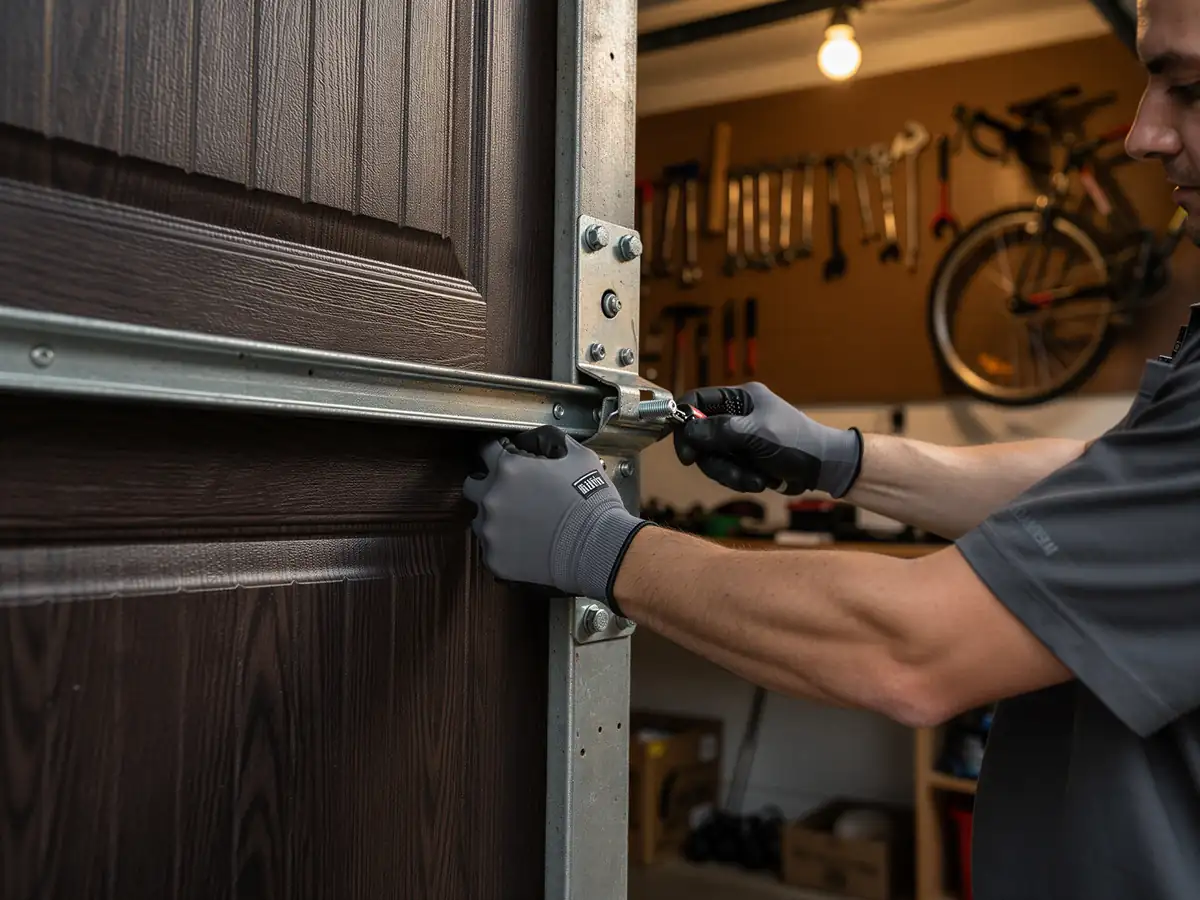
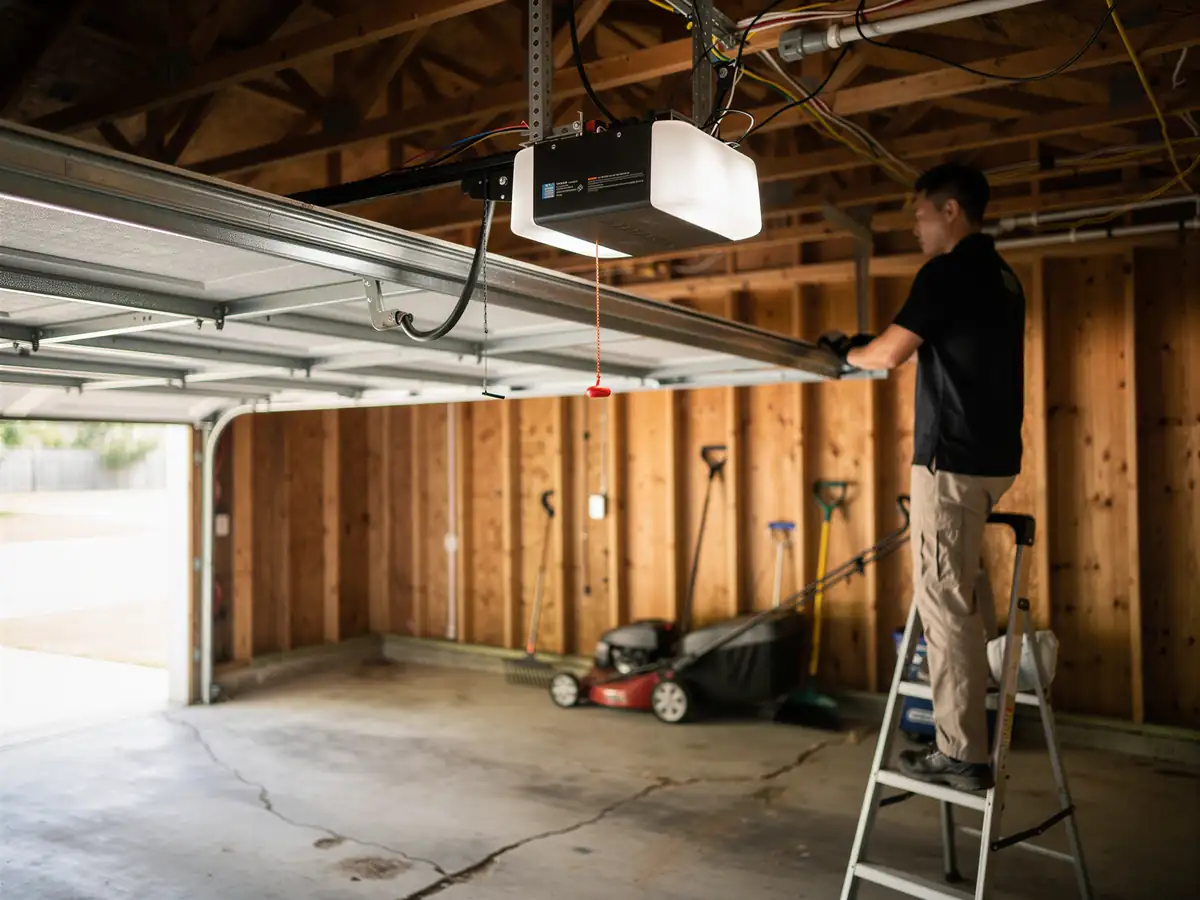
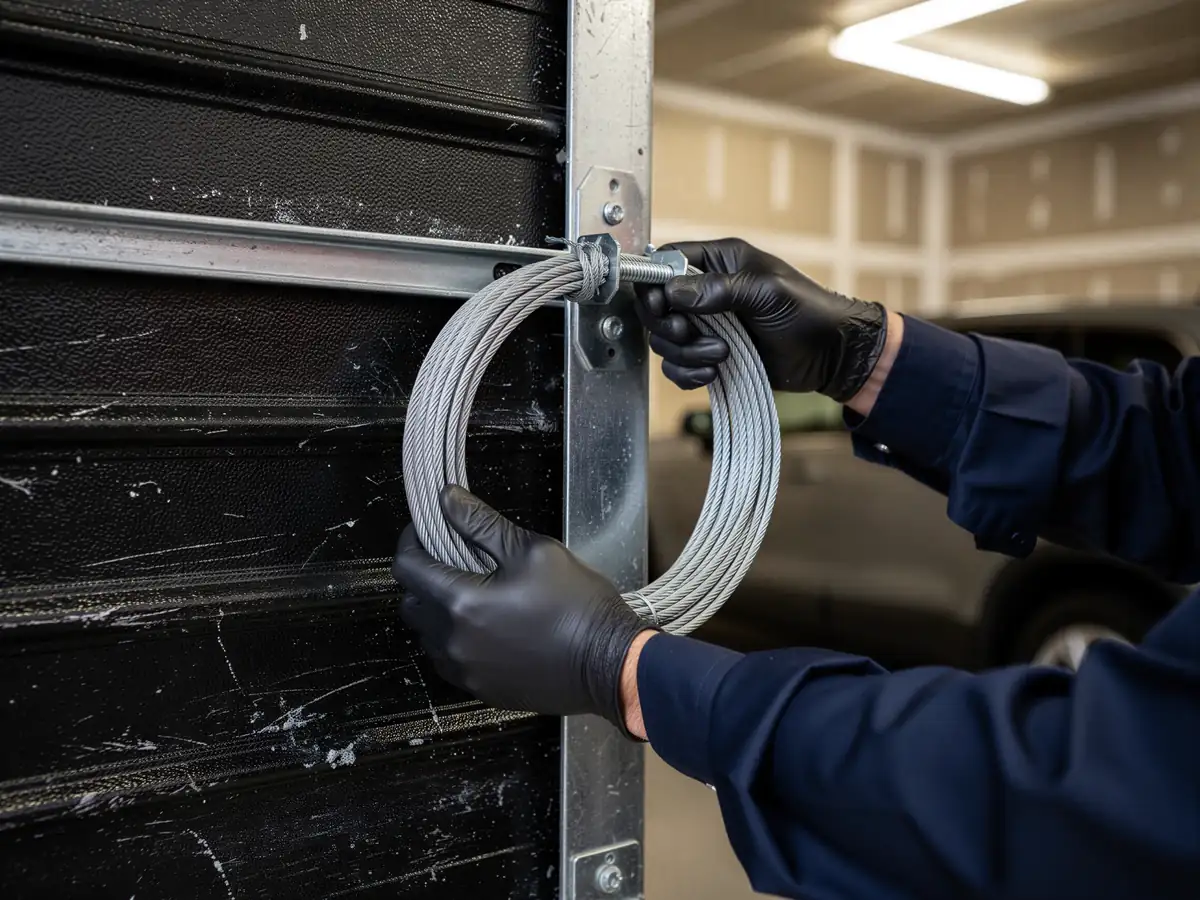
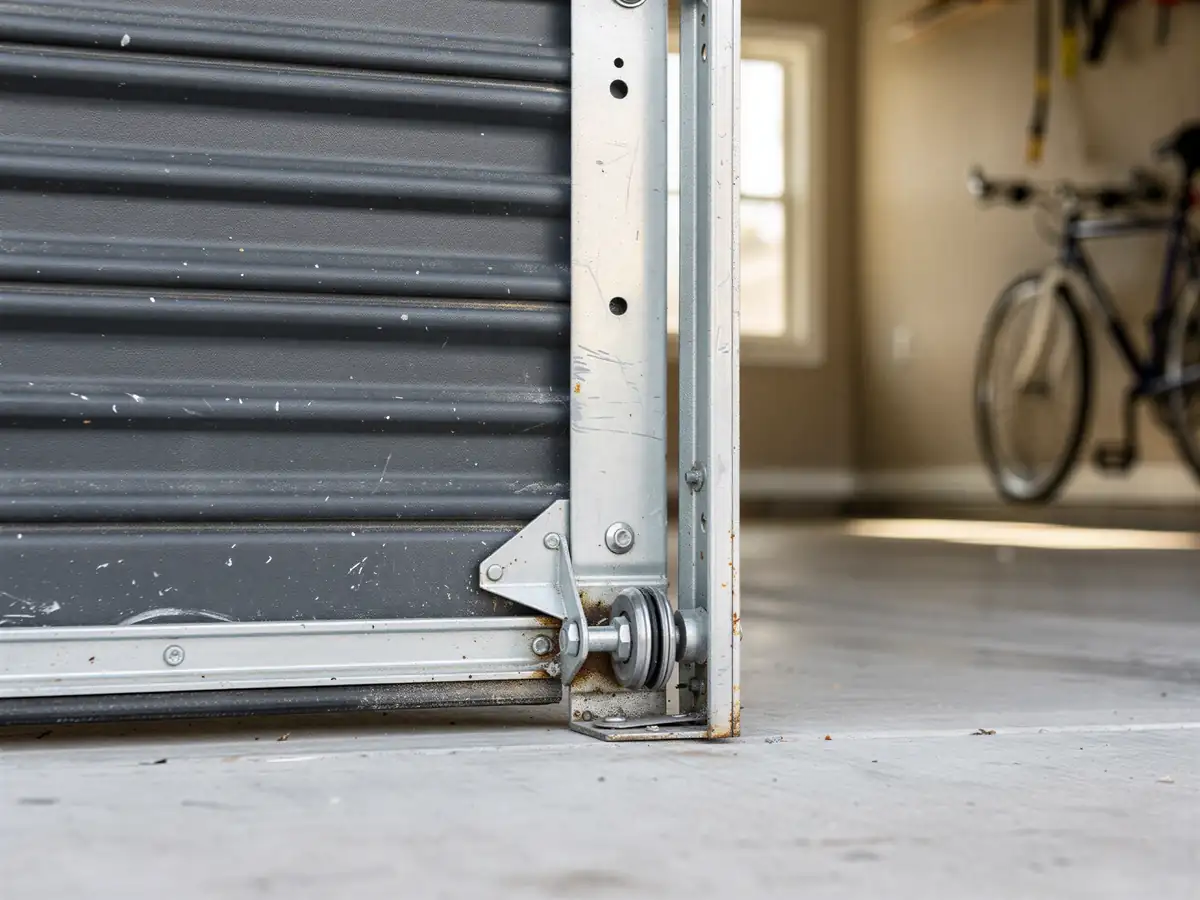
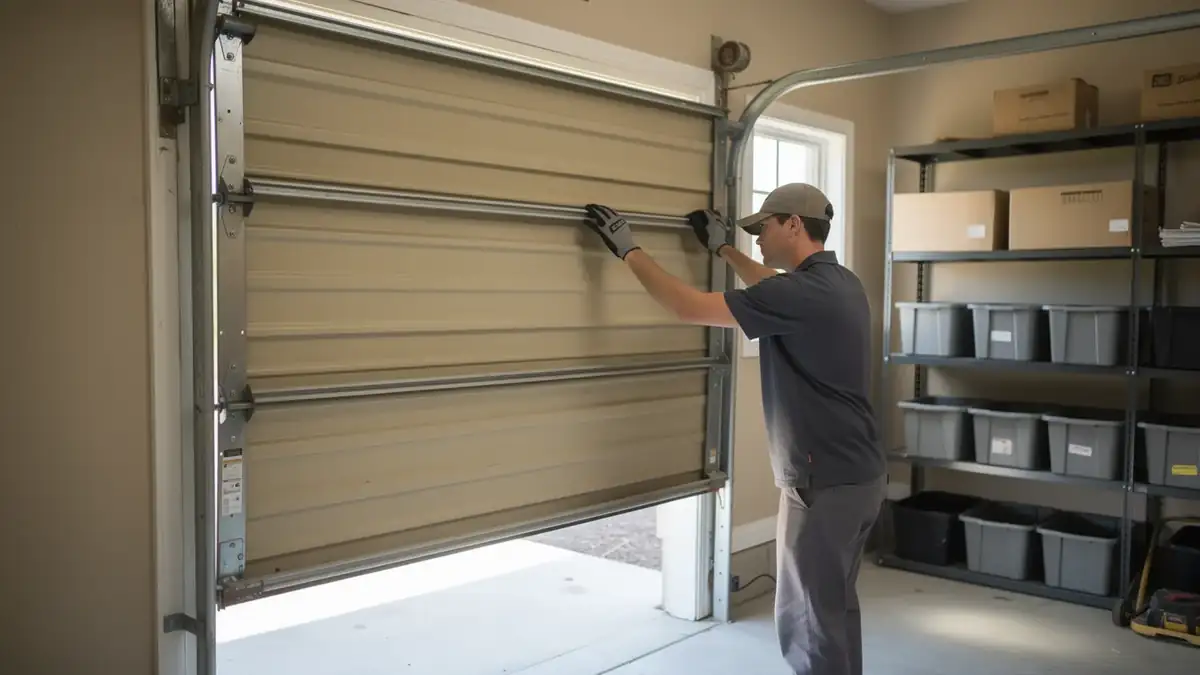
Before we touch tools, we look at four things. First, the spring - torsion or extension, and whether it matches the door's weight and width, not just whether it's rusted. Second, the track alignment, checked with a level rather than by eye, since a door built on 1960s framing has often shifted slightly over sixty years of settling. Third, the cable and drum setup, because mismatched replacement parts from past repairs are common on houses this age. Fourth, the opener's connection to all of it - not just whether it powers on, but whether the force and limit settings still make sense for the hardware actually attached. One honest limit here: if the track is bent badly enough, we don't try to hammer it straight and call it fixed. Past a certain point, a bent track needs replacing, not adjusting, and we'll tell you that straight instead of charging for a repair that won't hold.