What Most People Get Wrong
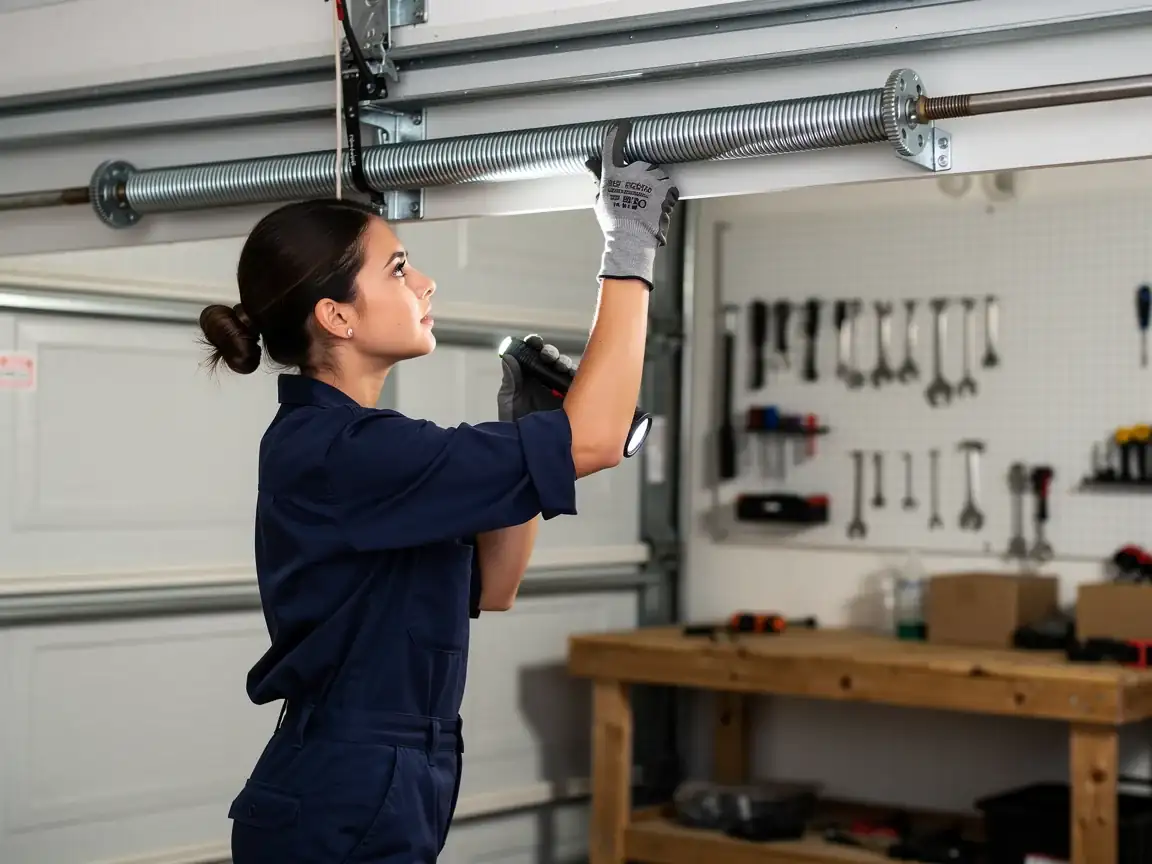
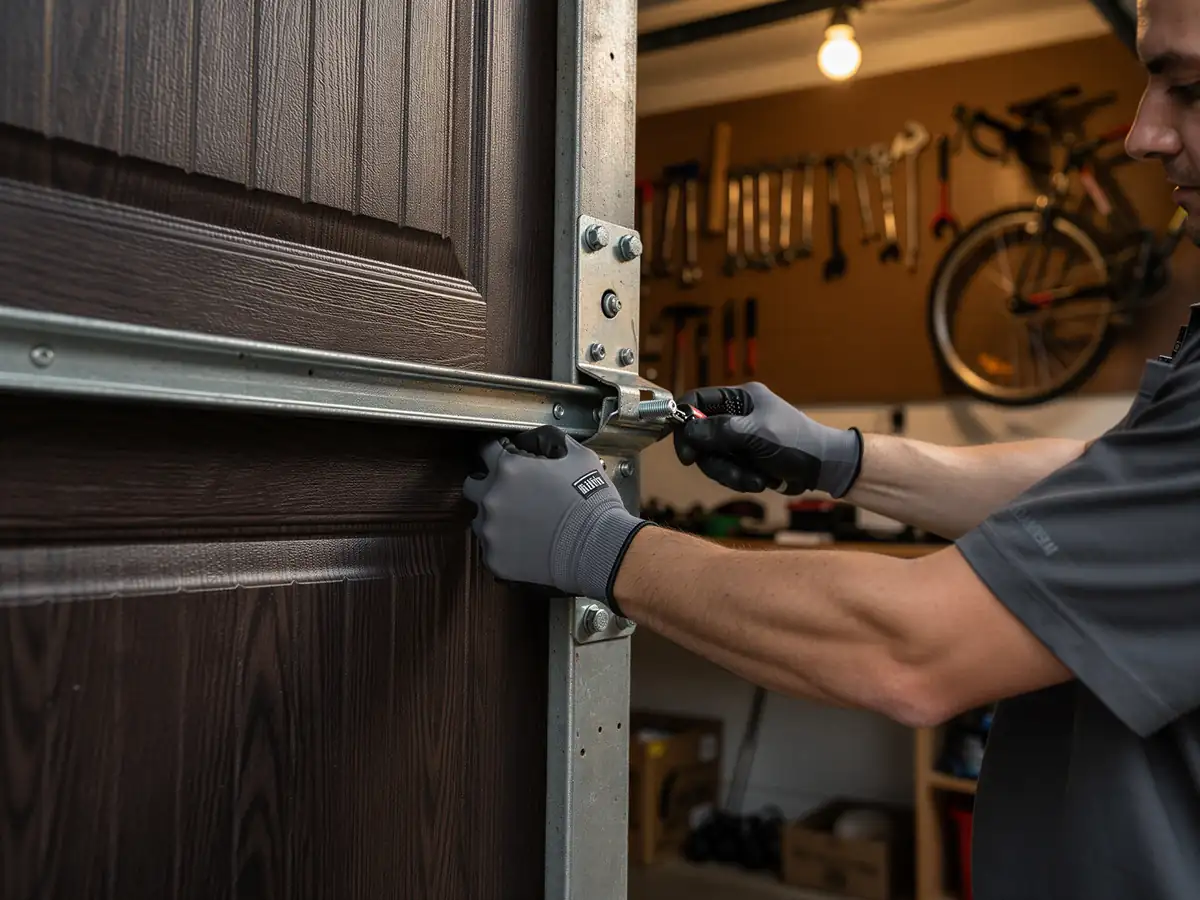
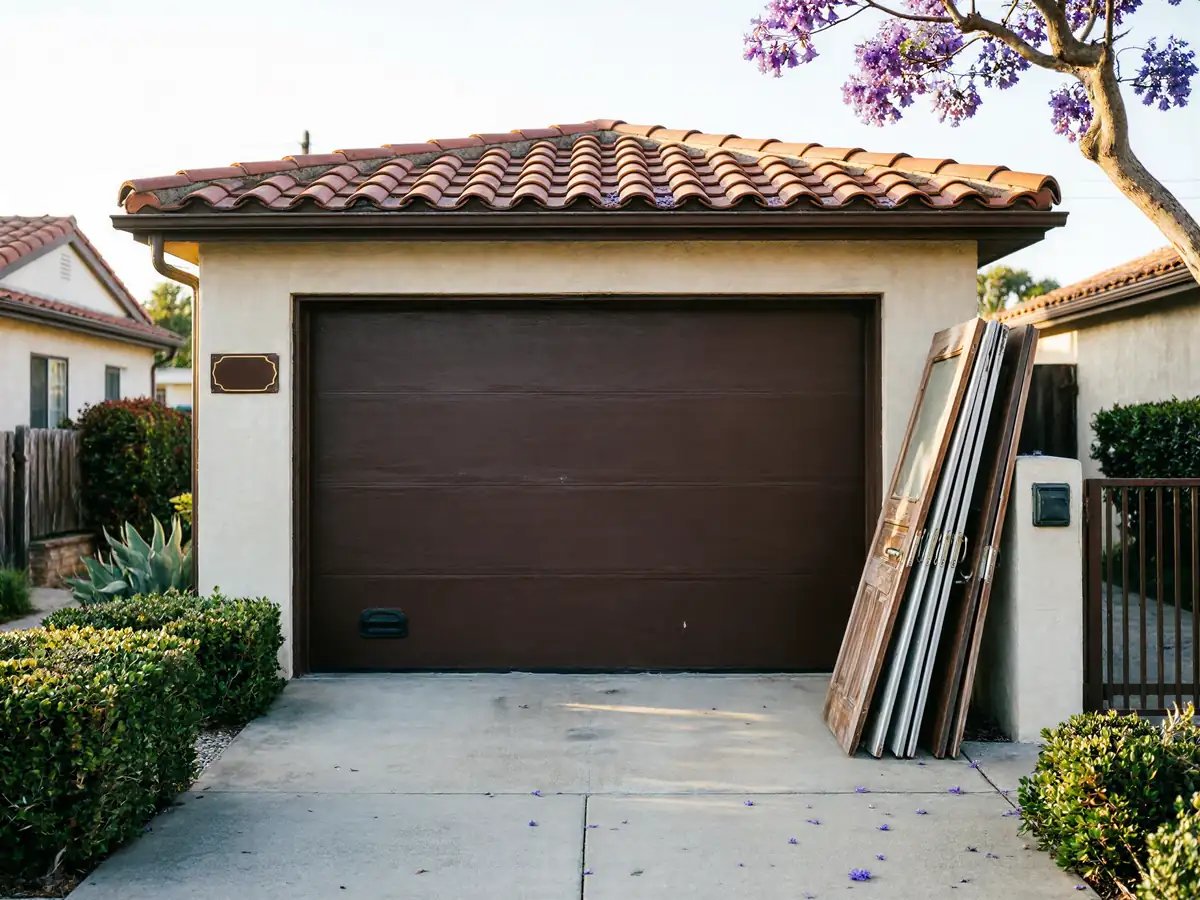
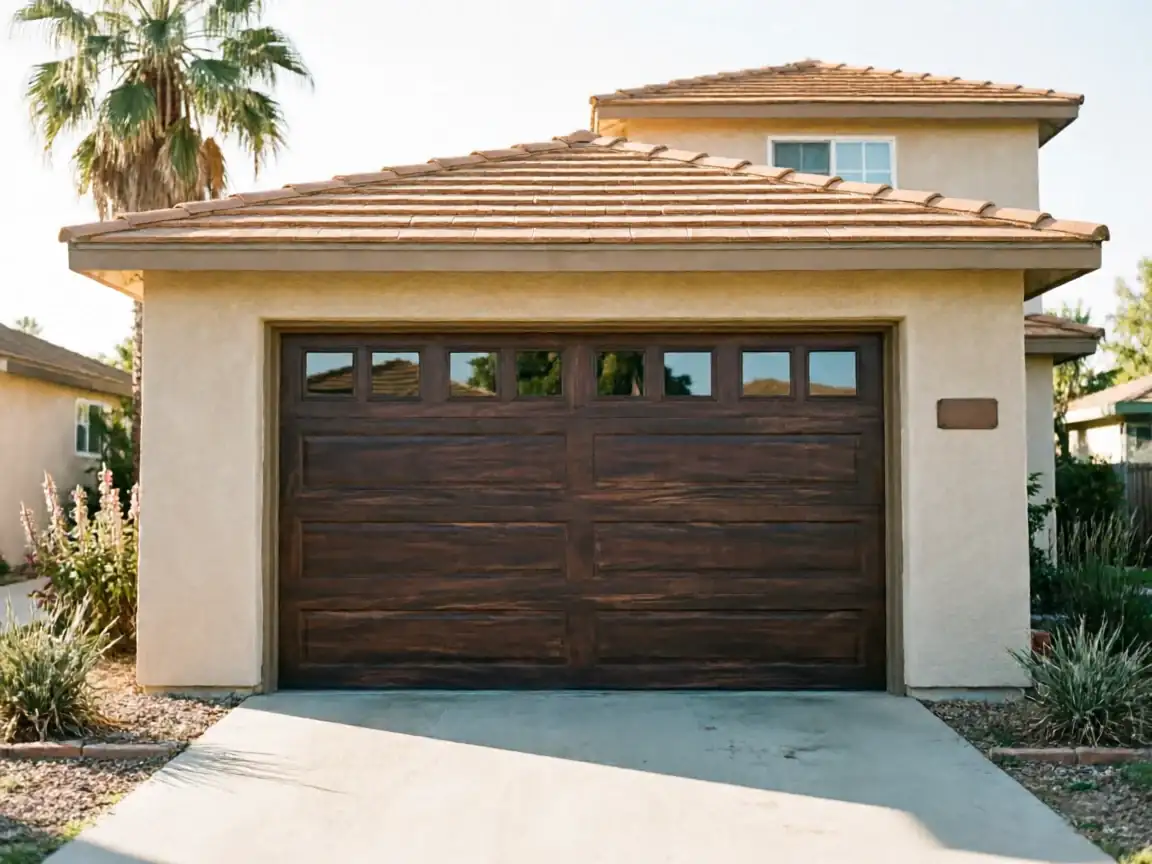
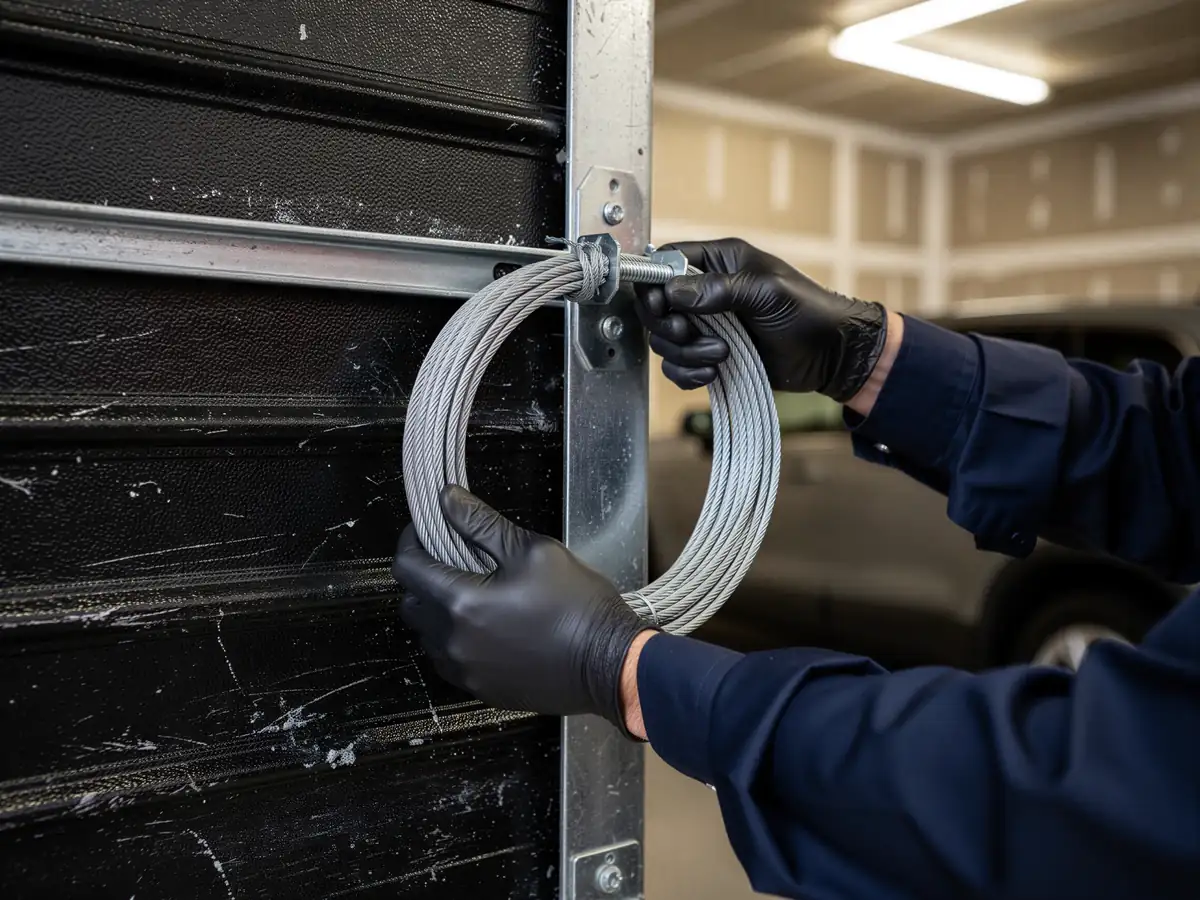
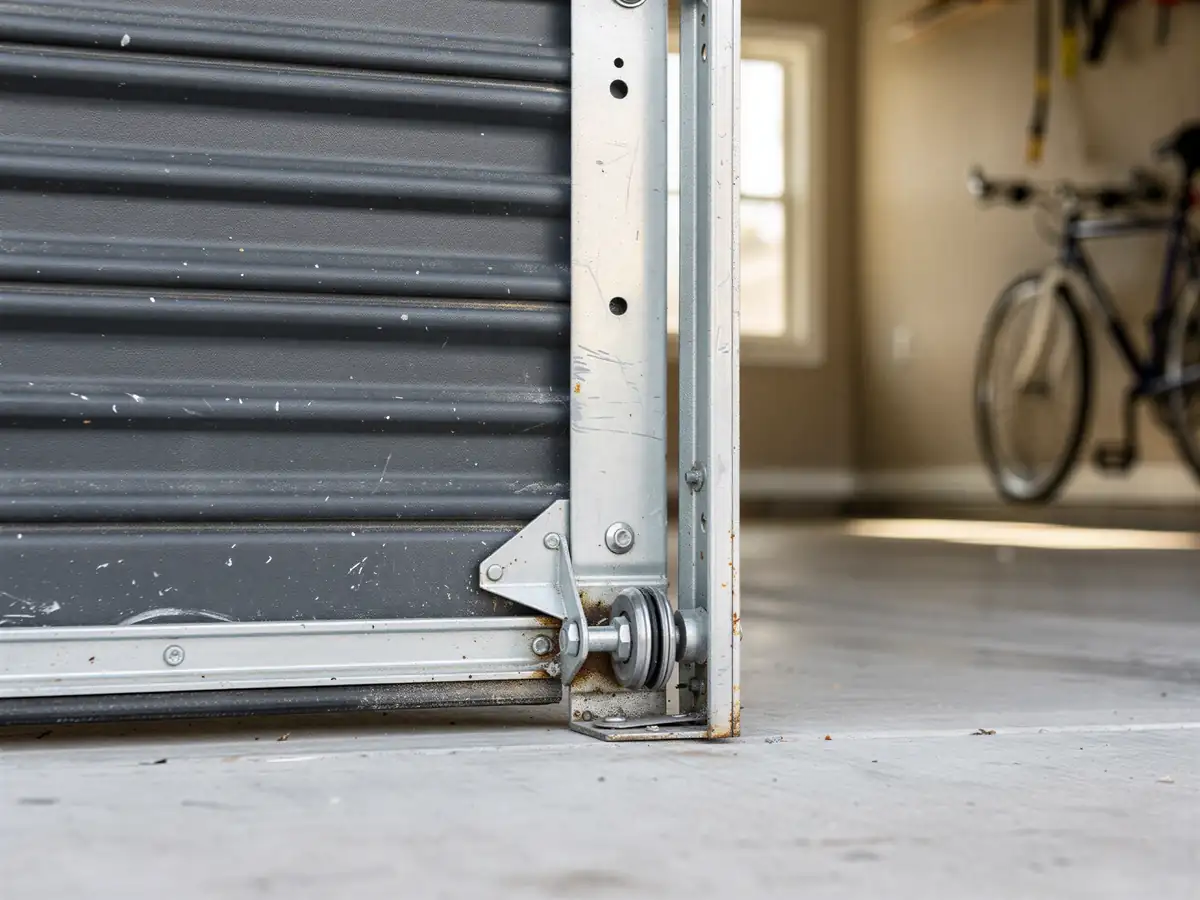
Most homeowners shopping for a replacement door start with color and panel style and never check what's actually bolted to their framing. In Downey, where housing was mostly built between 1943 and 2012 with a median year of 1963, that framing is often original. A door ordered to "standard" width or height from a big-box site frequently doesn't match the rough opening on a house built in the 1960s, because builders here weren't working from the same template a 1990s subdivision used. The other mistake is assuming insulation rating matters as much here as it would in a place with real winters. Downey sits in a mild temperate climate band, so the R-value marketing on premium doors is mostly wasted money for most buyers here - the garage isn't fighting single-digit nights or heavy snow load on the header. That budget is better spent on hardware that will actually see daily use: rollers, hinges, and a torsion spring rated for the door's real weight, not the lightest option on the price sheet.
The Problem
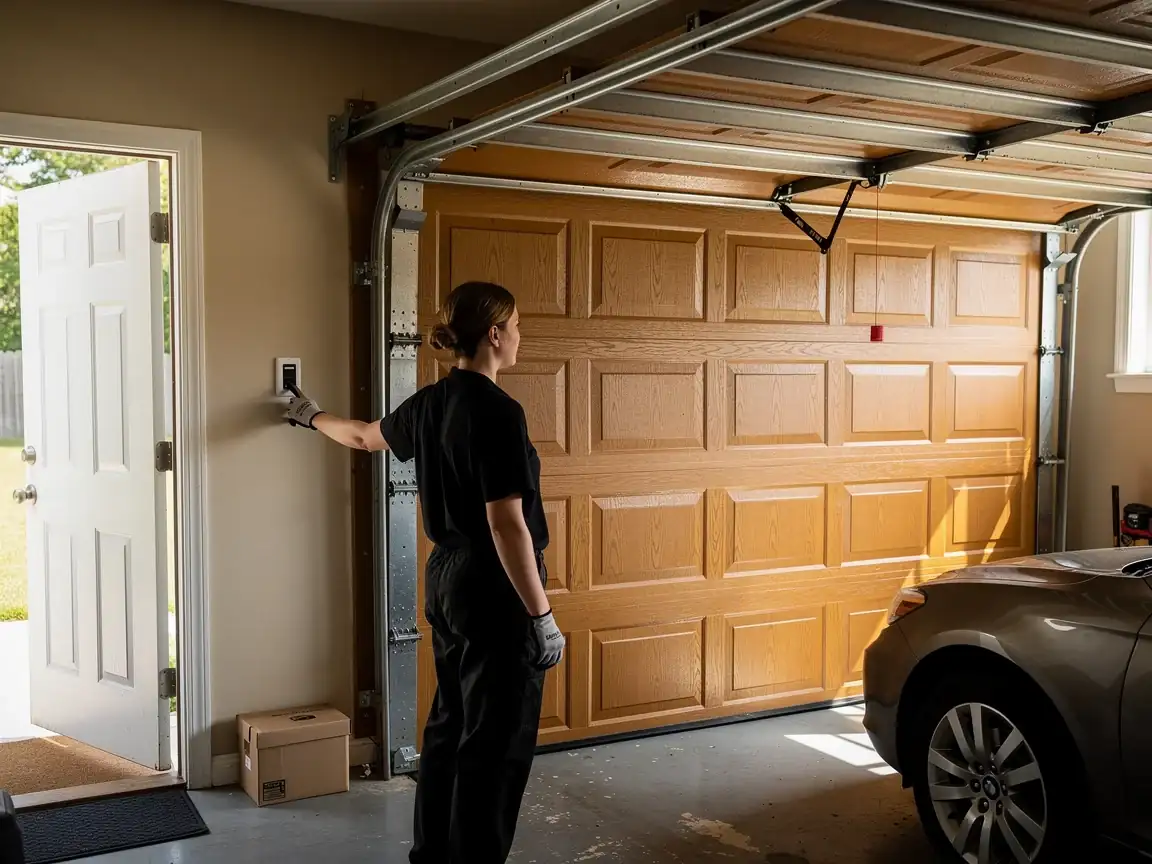
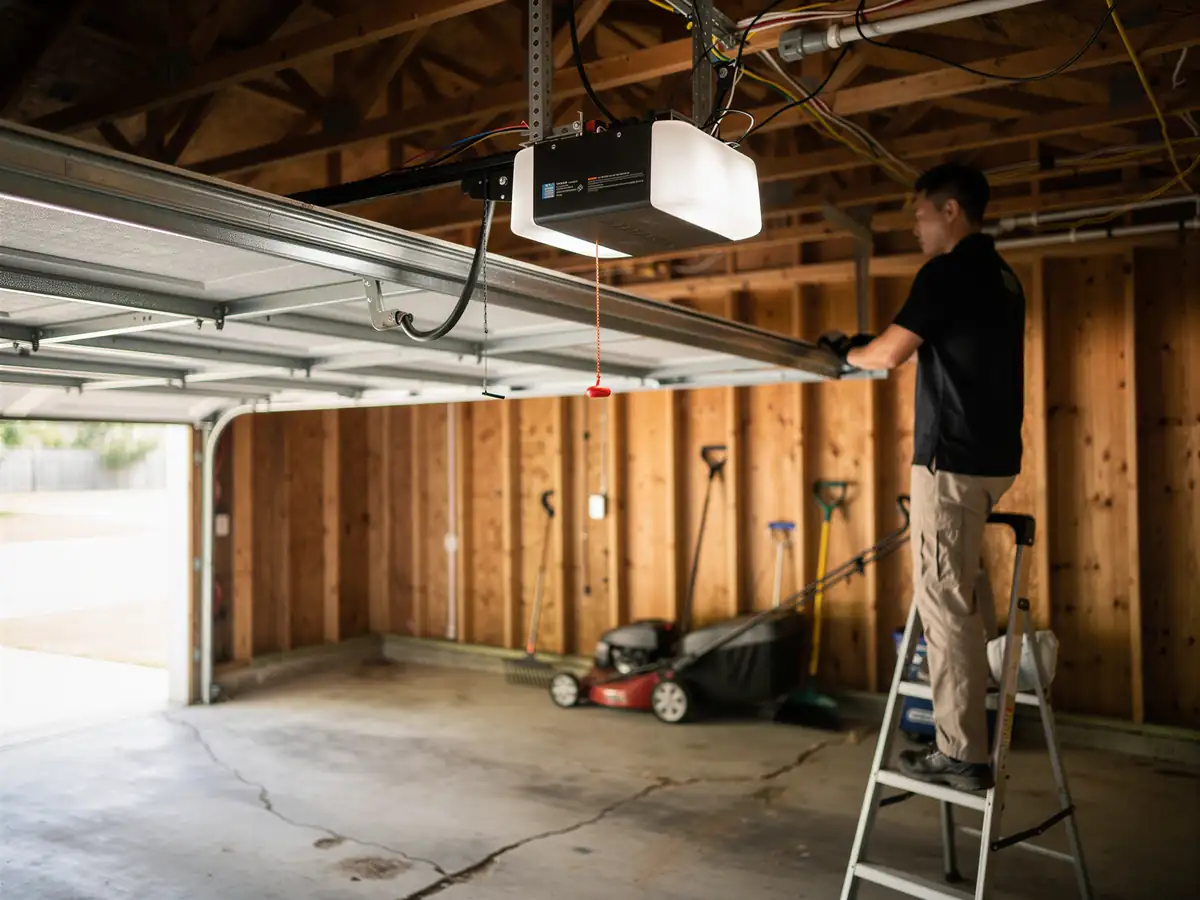
A lot of the housing stock across this part of the county, including Downey, dates to the 1960s and 70s boom. Garages from that era were framed for lighter doors - single-layer steel or wood, no insulation core - on tracks and openers sized to match. When a homeowner swaps in a heavier insulated door decades later without checking the spring and opener against the new weight, the symptoms show up fast: the opener strains, the spring wears out ahead of schedule, or the door doesn't seat right on an opening that's settled slightly out of square over fifty-plus years. Buying a replacement door here isn't just picking a style off a brochure. It means pricing the door, the spring conversion, and sometimes the opener as one job, not three separate decisions made months apart.
What to Check
Before you order anything, measure the actual rough opening - don't trust the original builder spec, especially on a house near that 1963 median build year, since framing shifts over six decades. Check the spring rating against the new door's listed weight, not the old door's weight, if you're moving from steel to anything heavier. Confirm the track and opener are rated for the new door or budget to replace them too. One limitation worth saying plainly: if the opening itself is out of square by more than a small amount, a standard replacement door won't seat right no matter how good it is, and that's a carpentry fix, not a door fix - we'll tell you if that's what you're looking at before we sell you a door that won't solve the problem.