How We Fix It
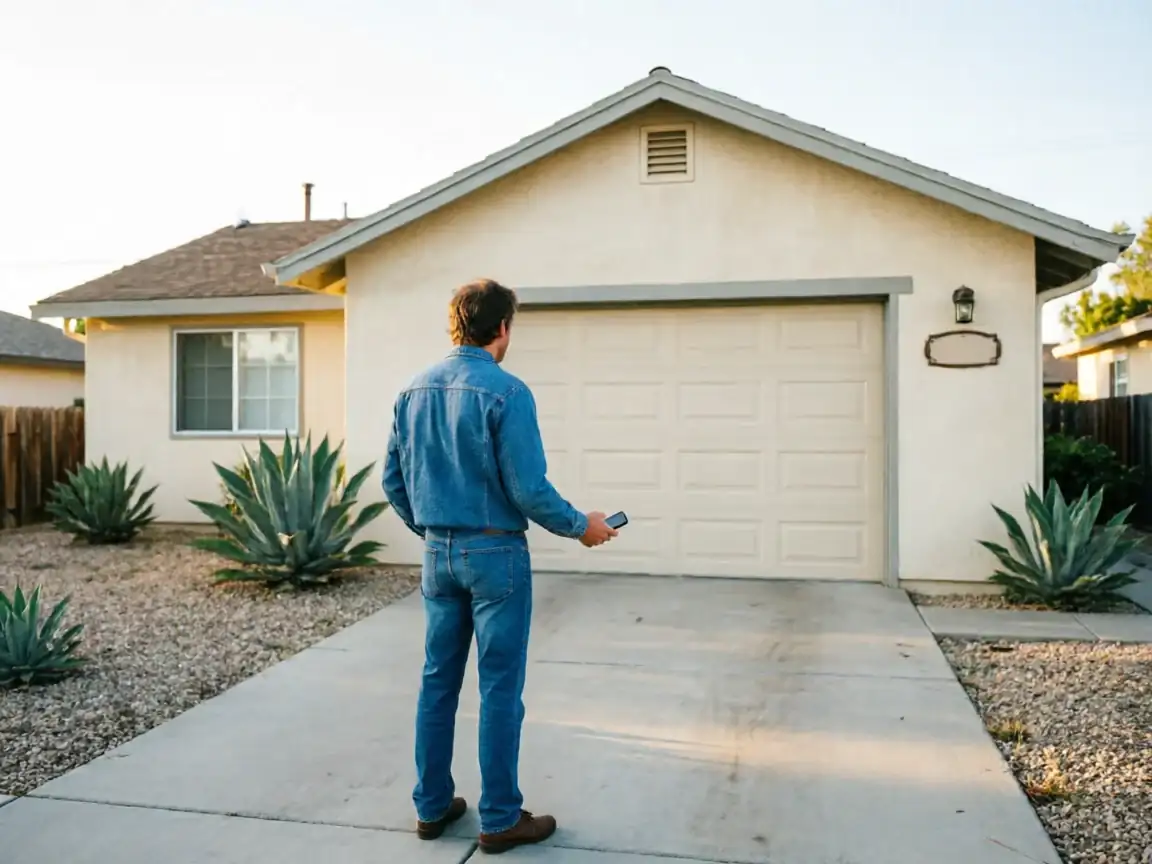
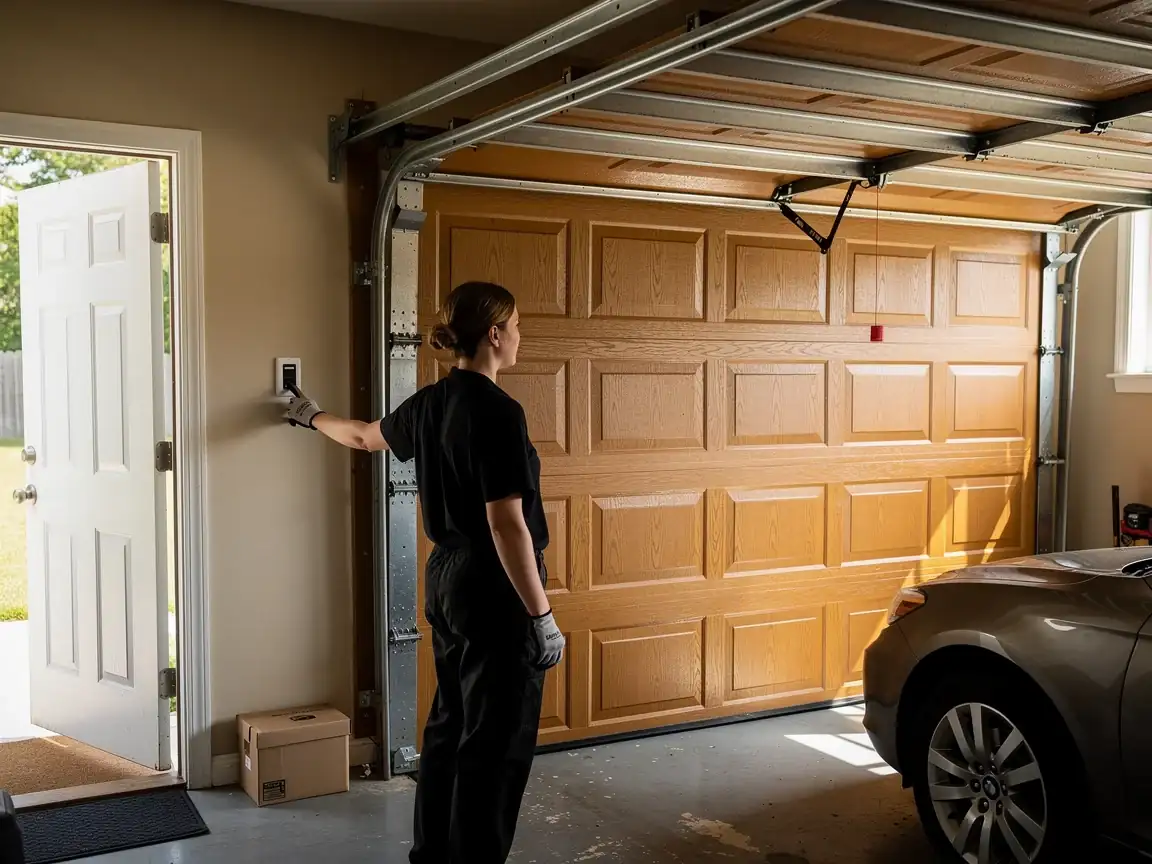
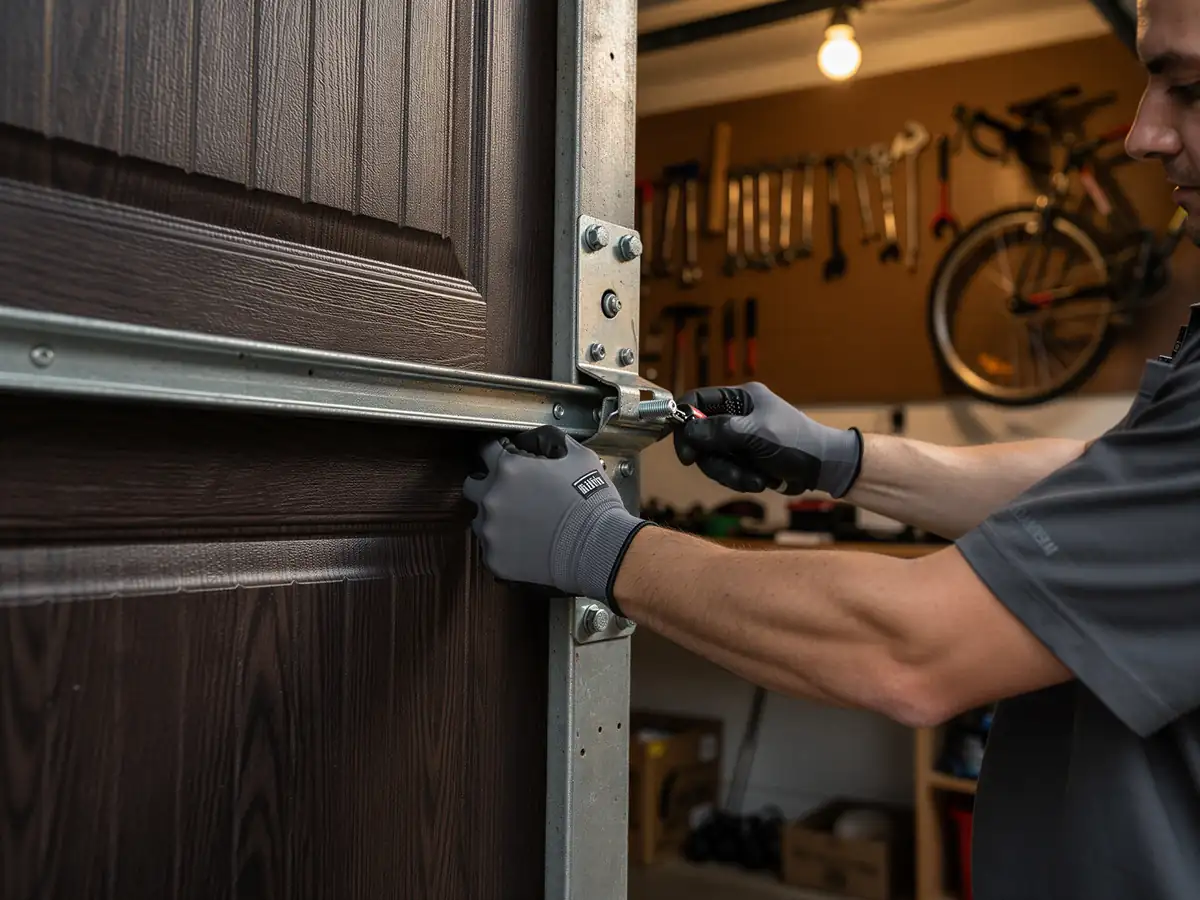
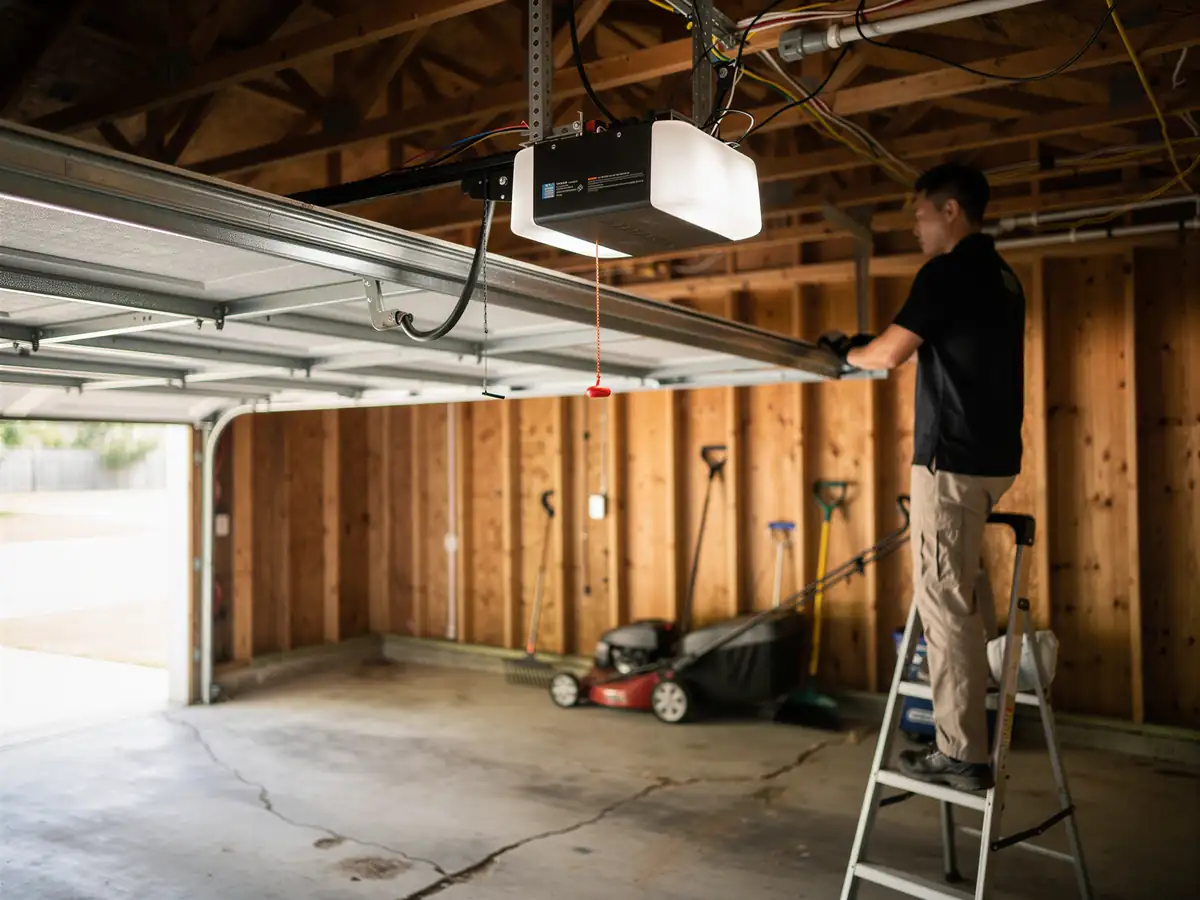
Compton sits six miles from our shop in Downey, which is close enough that a diagnostic call doesn't eat the whole afternoon, but far enough that we build the drive into how we schedule the day. When we get to your opener, we start the same way every time: run the unit, watch what the carriage and logic board actually do, then check the sensors, the travel limits, and the drive gear before we touch anything else. A lot of what we see in Compton is chain-drive hardware that's older than what you'd find in newer tracts elsewhere in the service area - circuit boards that predate rolling-code security, capacitors that have simply dried out after decades of Southern California heat cycles. We replace the failed part, not the whole unit, when the motor and rail are still sound. If the gear is stripped or the board is fried past saving, we say so and give you the honest number for swapping the opener instead of nursing it along for another six months.
We carry common logic boards and drive gears on the truck, but some older opener models use parts that take a few days to source. We'll tell you up front if that's the case rather than stringing you along.
Getting It Booked In
A call for Compton gets routed the same way as any stop along our regular run out of Downey - we're already passing through Bell Gardens and Paramount on most days, so adding your address doesn't mean waiting for a special trip. We ask a few questions up front: does the door still move on manual release, is the opener making noise without moving the carriage, does the wall button do anything at all. That tells us whether to bring a replacement board or budget time for a full tear-down.
We don't run a dispatch office in Compton itself - every job here is a truck coming from Downey, six miles up the road. That's worth knowing if you're expecting a drop-in visit; we schedule the trip, we don't idle nearby waiting for calls. Once it's on the book, the visit itself runs like any other opener job: diagnose, quote, fix or replace, test the safety reversal before we leave.
The Cost of This Job
We're not going to put a number on this page that doesn't hold up once we're standing in your garage
Because opener repair cost swings hard depending on what's actually broken. A sensor realignment or a wall-button swap is a different job than a stripped drive gear, and a dead logic board on an older chain-drive unit costs more to fix than to replace outright once you add up parts and labor.
What we can tell you is what drives the number up or down
Age and brand of the opener, whether the board or just a sensor failed, and whether the part is something we stock or something we have to order. Compton's housing runs older on average than a lot of newer development further out in the service area, median build year sits around 1957 here, so we see more full-unit replacements than in tracts built decades later, simply because the opener itself is past the point of economical repair. We quote on site, before we touch anything, so you're deciding with real numbers, not an estimate over the phone.
How Long It Takes
Most opener calls in Compton are a single visit - diagnose, fix, test the safety reversal, done. The variable is parts. If the fault is a sensor, a wall switch, or a worn drive gear we usually carry on the truck, we're finishing the same day. If the logic board on an older unit needs a specific replacement that isn't a common stock item, we may need to order it and come back, which adds a few days rather than hours.
We won't guess at a number we can't back up for how fast a part ships, since that depends on the manufacturer and the model, not on anything about Compton specifically. What we will say is that we diagnose on the first visit regardless, so you know whether you're looking at a same-day fix or a short wait for parts before we ever quote the job.
What Causes It Around Here
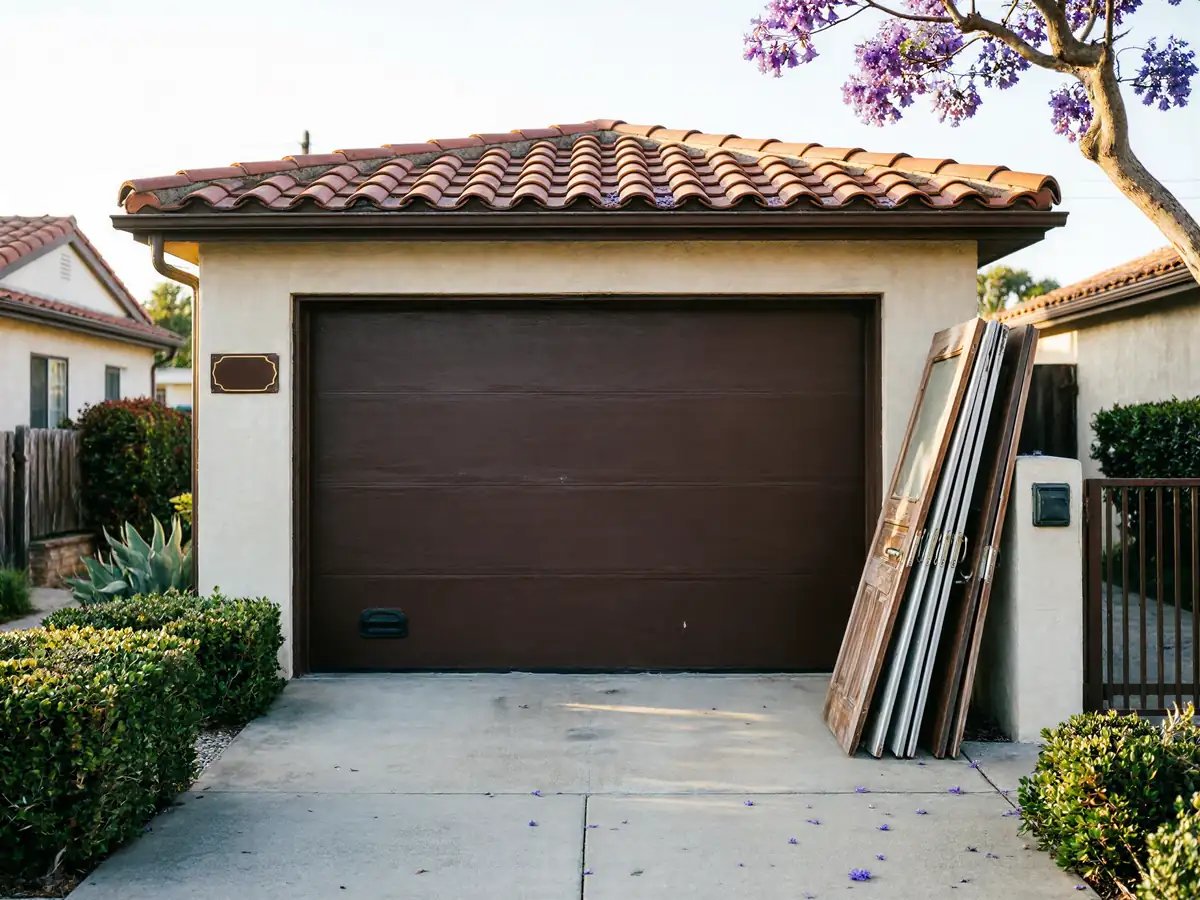
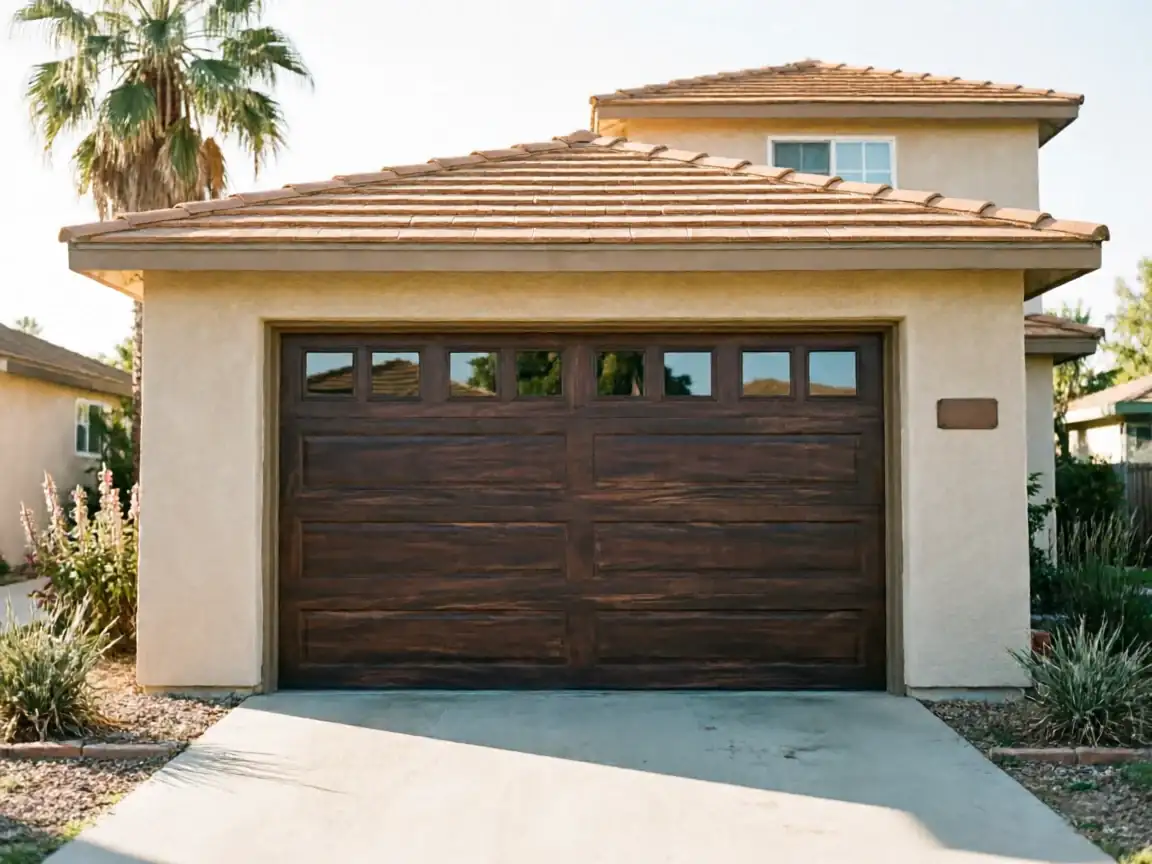
Compton's housing stock runs older than a lot of the newer pockets in our service area - median year built sits around 1957, which puts a good share of these garages at well over sixty years old. That means original chain-drive openers, older logic boards without modern rolling-code security, and wiring that was never meant to run a sensor-reversal system added decades after the house was built. We see a lot of safety-sensor retrofits where a homeowner or a previous contractor bolted on reversal sensors to meet code without rewiring the rest of the unit properly.
The area sits in the mild coastal-influenced climate band that covers this whole part of the basin, so we're not fighting hard freeze damage or extreme humidity swings the way some regions do - the wear here is mostly age and use, not weather. With roughly 24,227 households in Compton and a median income lower than the broader service-area figure, we also see more owners stretching an opener's working life past where a newer-construction homeowner might have already replaced it, which is reasonable, but it does mean the parts failing are often original to the house.
The DIY Question
Resetting a remote, reprogramming a code, or replacing batteries in a wall sensor
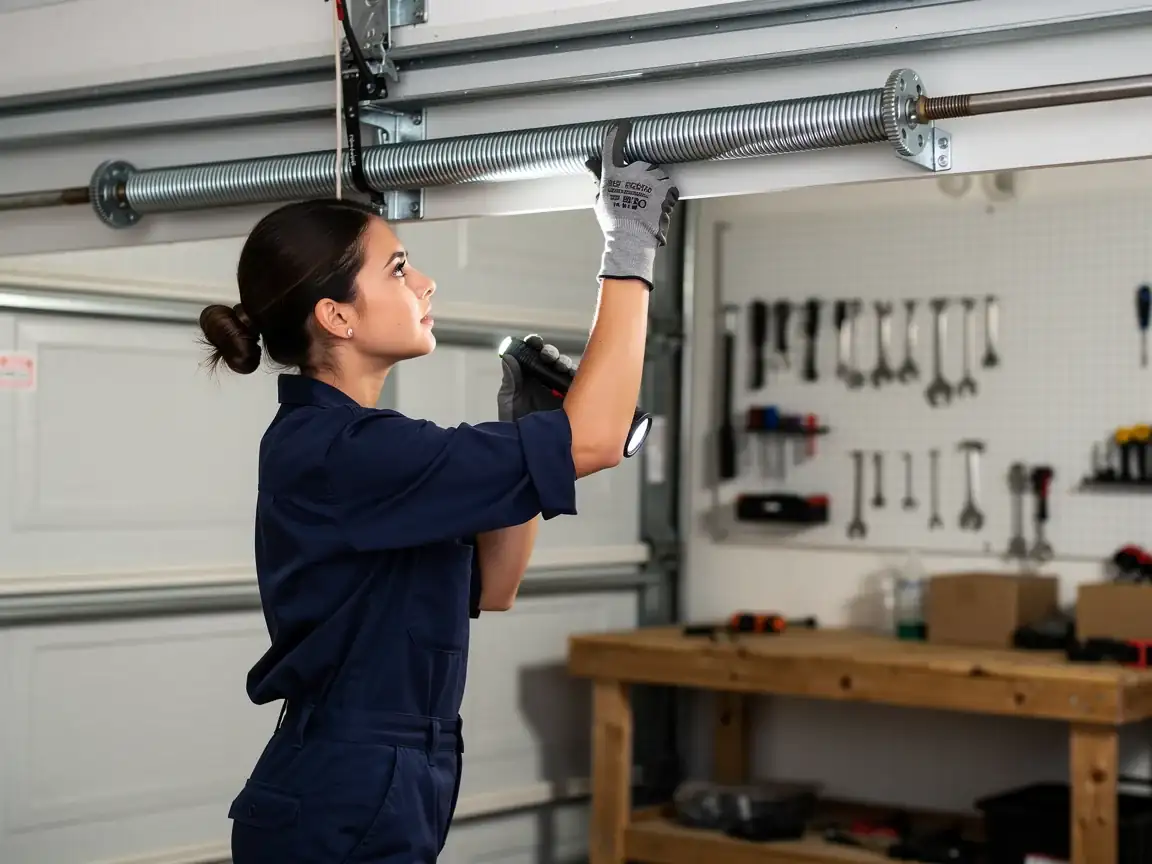
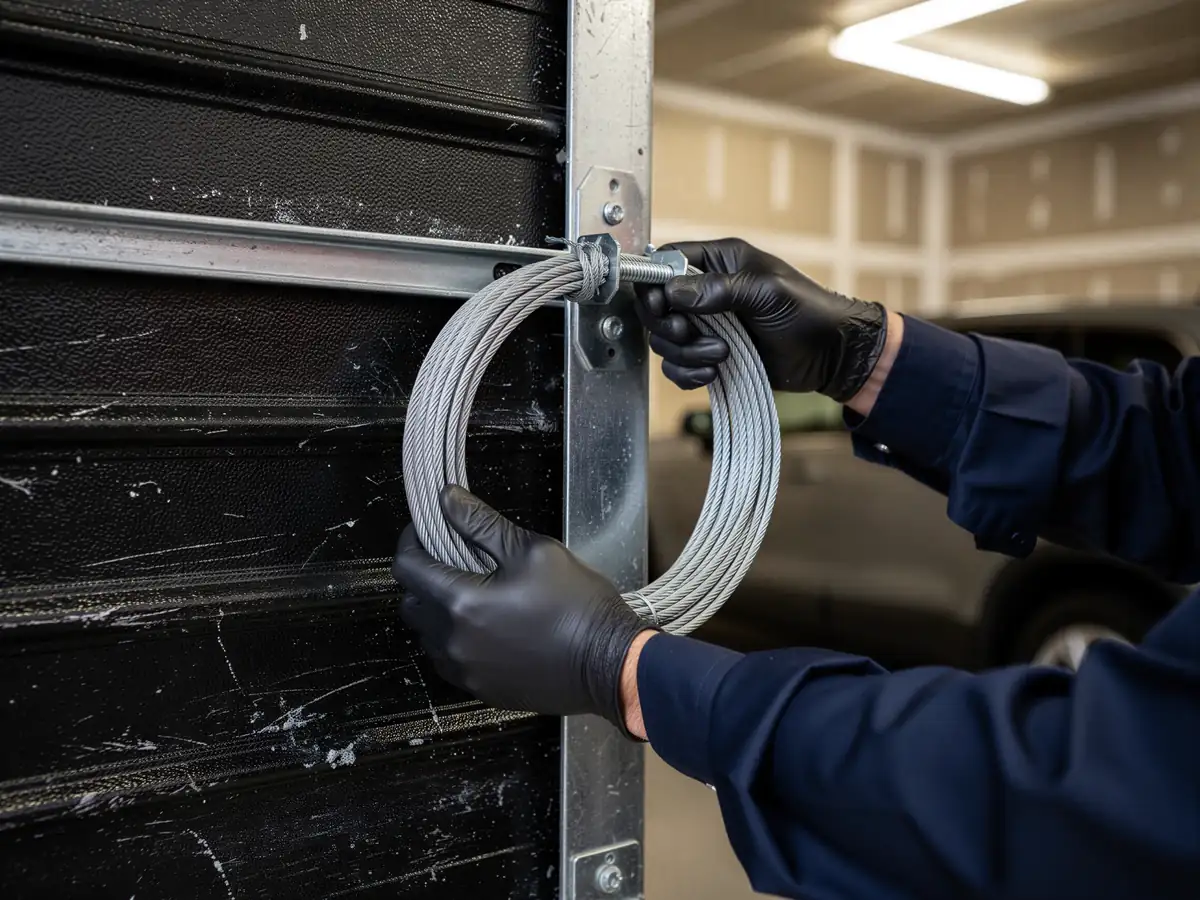
Fine, do that yourself, it won't hurt anything. Where we draw the line is the logic board, the drive gear, and anything involving the motor housing. Garage door openers carry real spring tension transferred through the door itself, and an opener that's wired wrong or installed with the travel limits off can drop a door on someone or on a car.
If your opener is original to a 1950s-era Compton garage
There's a decent chance the unit predates the safety-reversal standards that are now required, and a DIY fix that gets the door moving again without addressing that gap is a liability, not a repair. We'd rather tell you honestly that a board swap on an older unit isn't a weekend project than have you call us after a part fails mid-install. If you're unsure whether what you're looking at is a battery or a board problem, that's a reasonable thing to ask us before you open anything up.