The Symptom
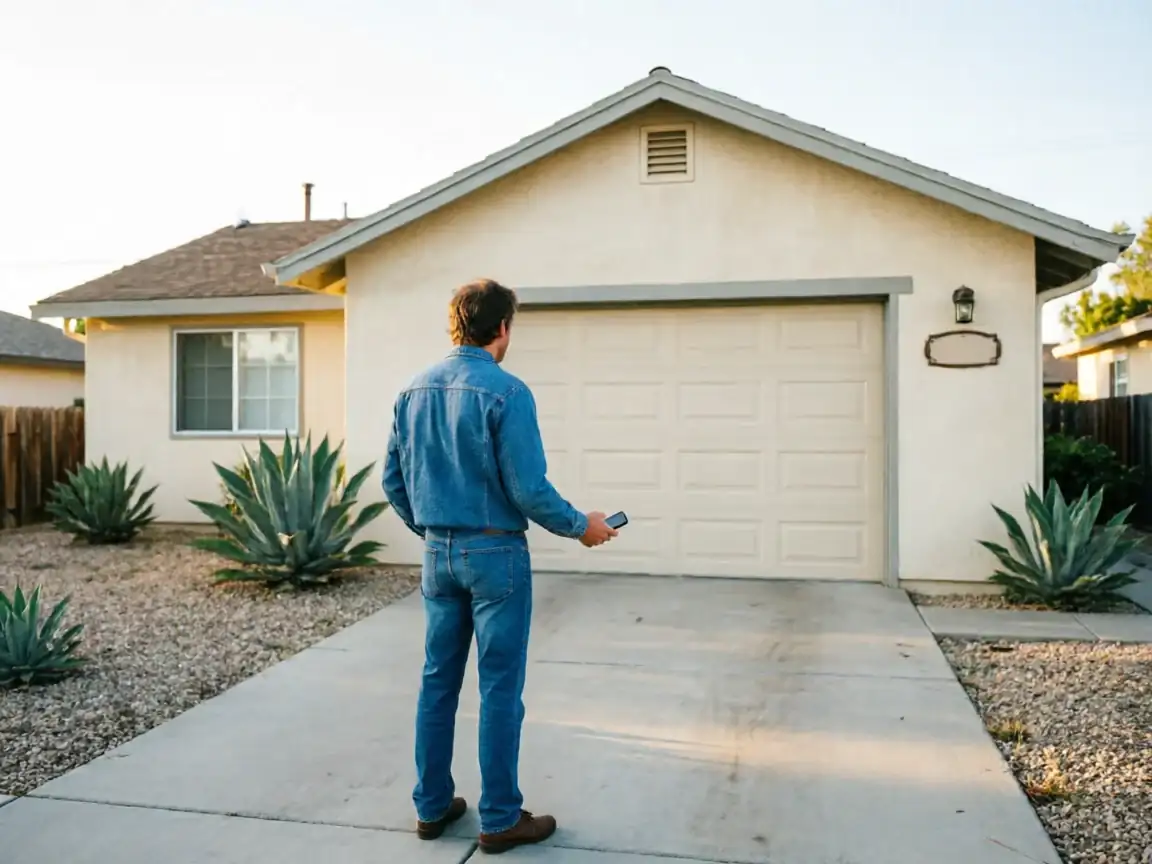
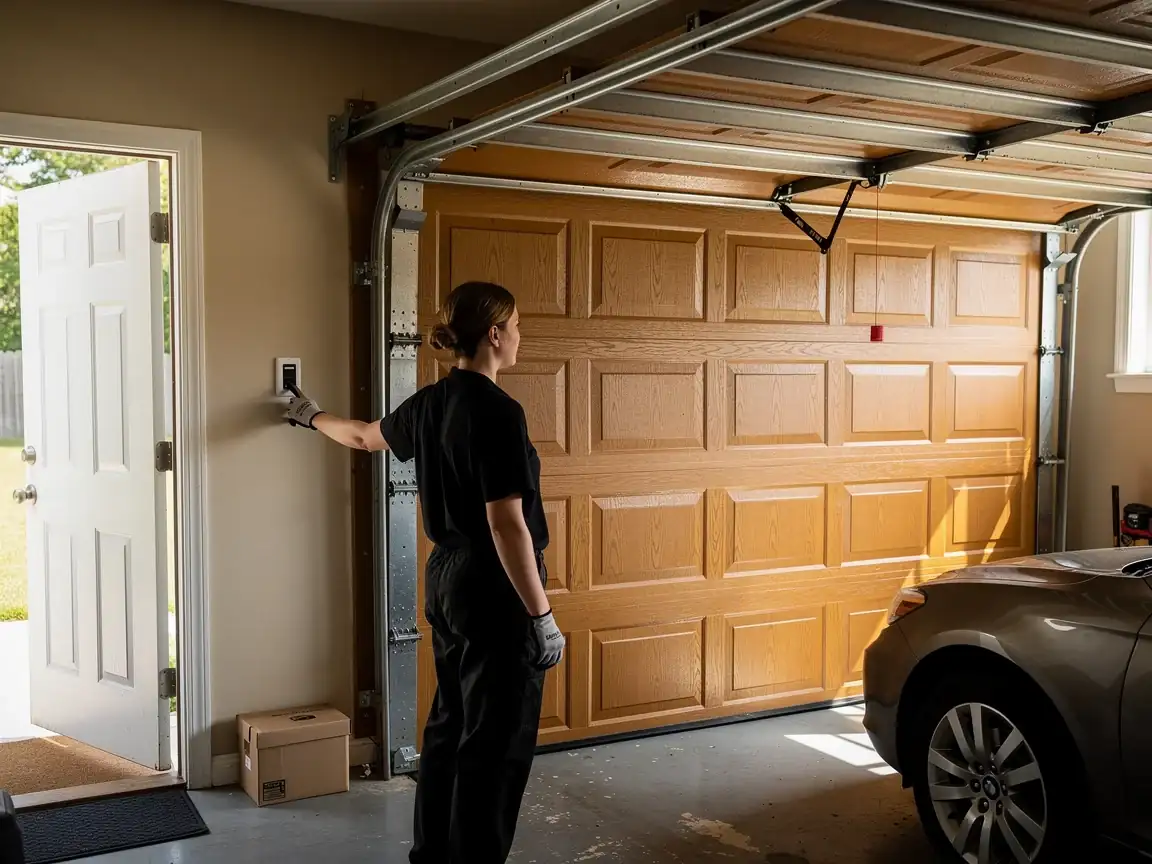
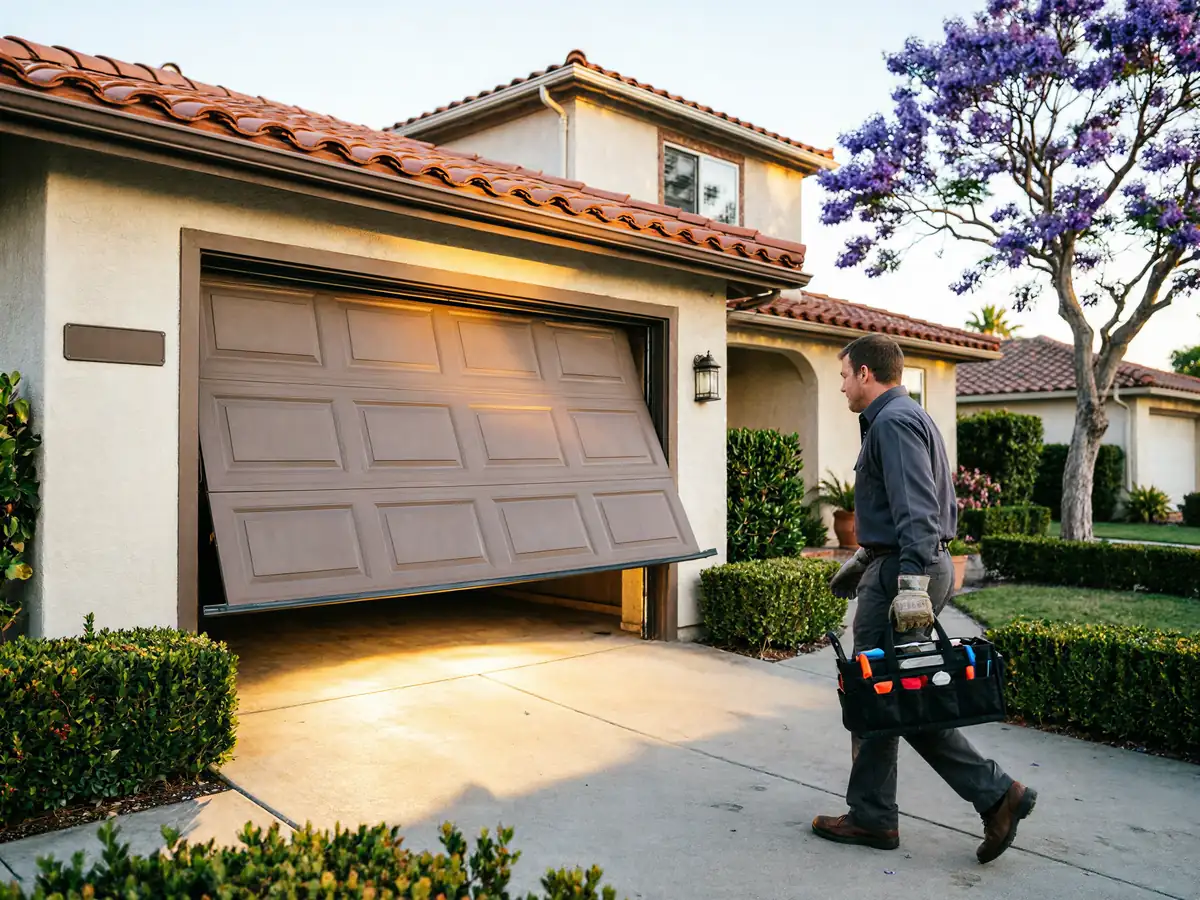
The door still opens. That's the problem - it still opens, so nobody looks at it until the morning it doesn't. What you notice first is small: the door hesitates a beat before the opener catches, or it drifts down an inch after you think it's closed, or there's a faint grind on the way up that wasn't there last year. None of that stops you from using the garage, so it gets ignored for months, sometimes years. Maintenance calls almost never start with "it's broken." They start with "it's been doing this thing." That thing is wear showing up exactly where the hardware is oldest and least watched - the spring, the rollers, the cable drums, the hinges between panels. On a door that gets used twice a day, every one of those parts logs thousands of cycles a year, and nobody in the house is checking torque or roller wear between cycles. By the time the symptom is loud enough to notice, the part behind it has usually been degrading quietly for a long stretch.
Where This Job Goes Sideways
A maintenance visit goes wrong in one of two directions. First, someone treats it as a quick lube-and-look and misses that a spring is already undersized for the door's weight or has lost enough tension that it's one cold morning from snapping. Second, someone finds a worn part and replaces it in isolation without checking what else on the same door is at the same age and the same wear curve - which means a callback six weeks later for the roller that was already going when the spring was swapped. With housing across this area built mostly in the 1960s and 70s, a lot of doors still carry original or first-generation replacement hardware that was never upgraded to current spring cycle ratings. That's not a flaw you can see from the driveway. It only shows up when someone actually measures tension and counts cycles instead of just working the door by hand and calling it good.
How We Fix It
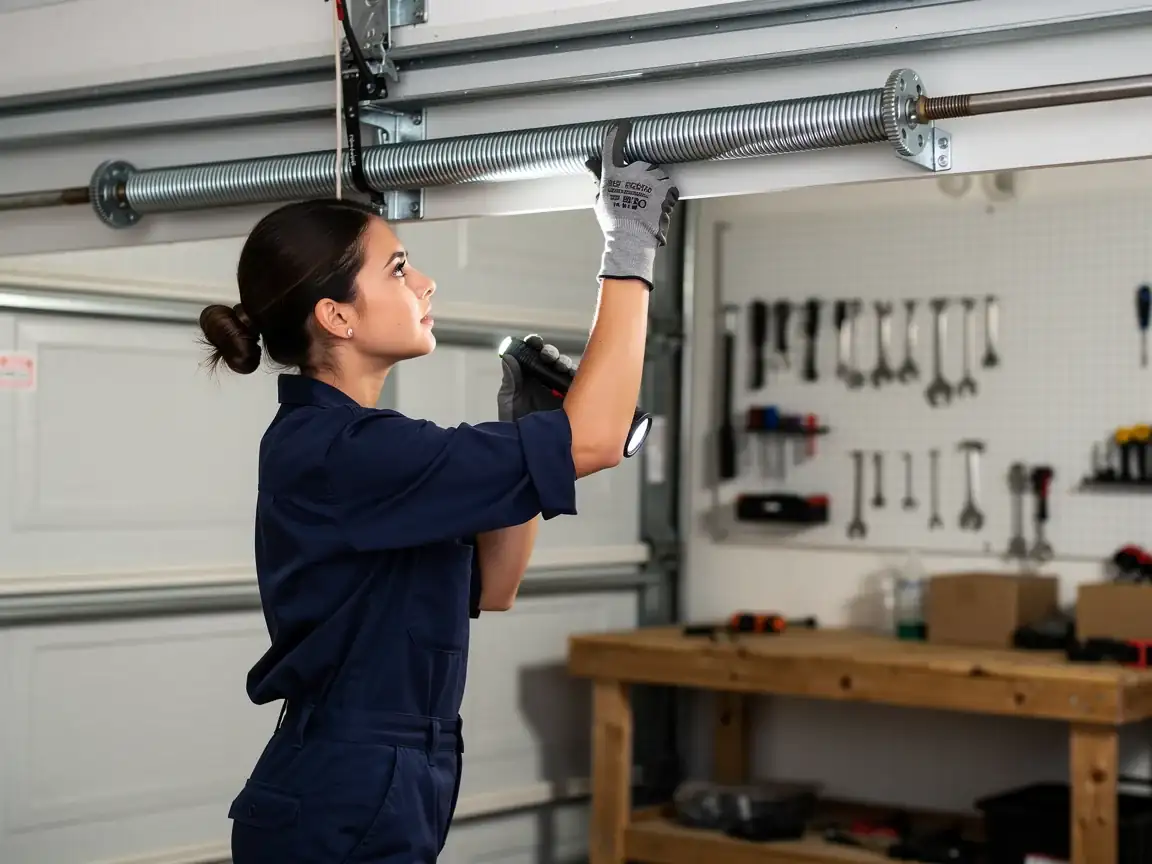
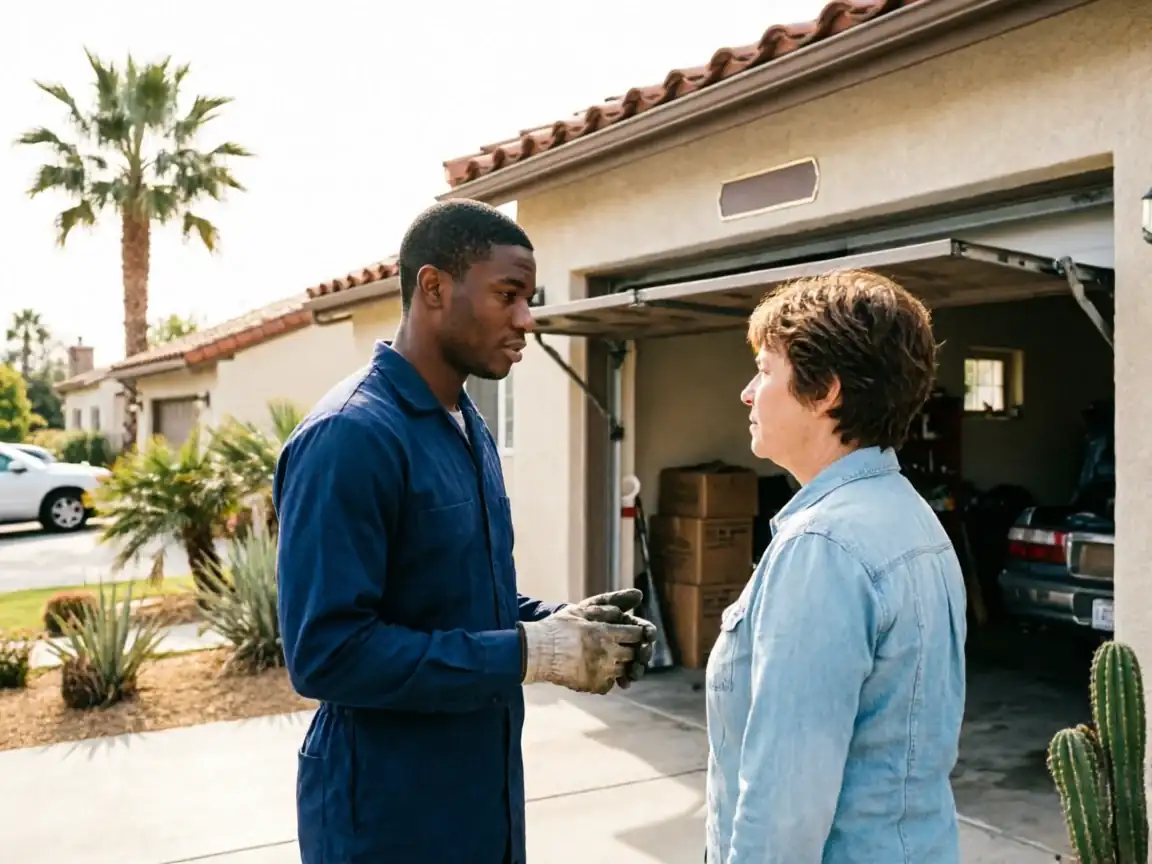
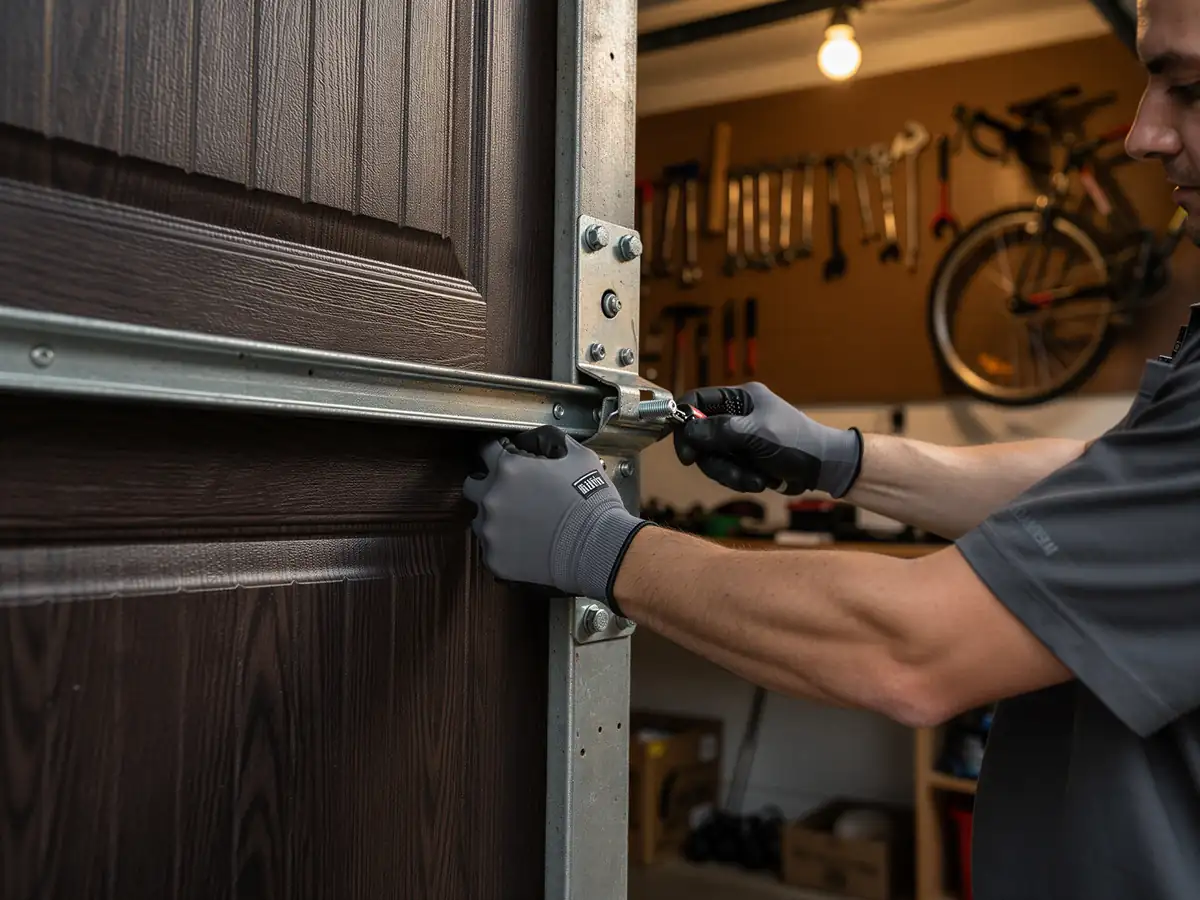
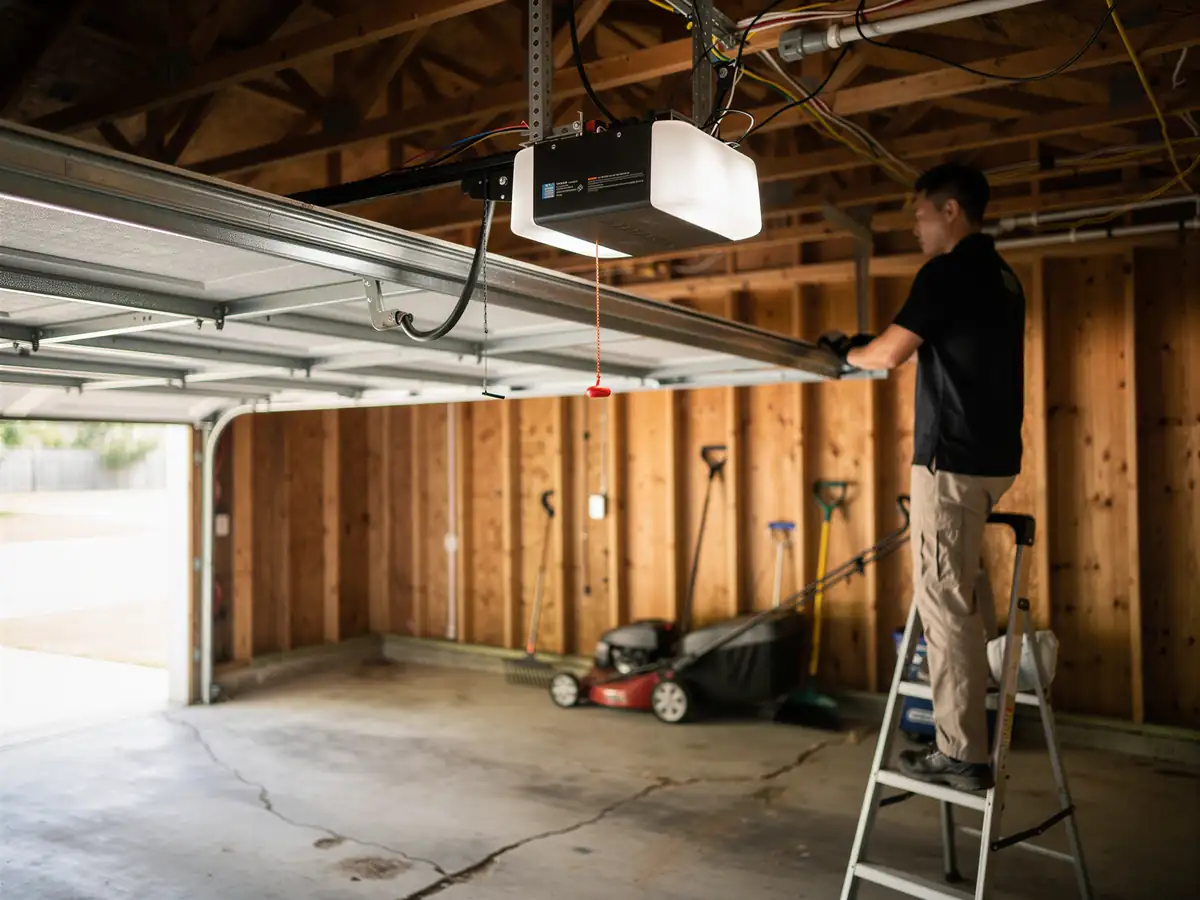
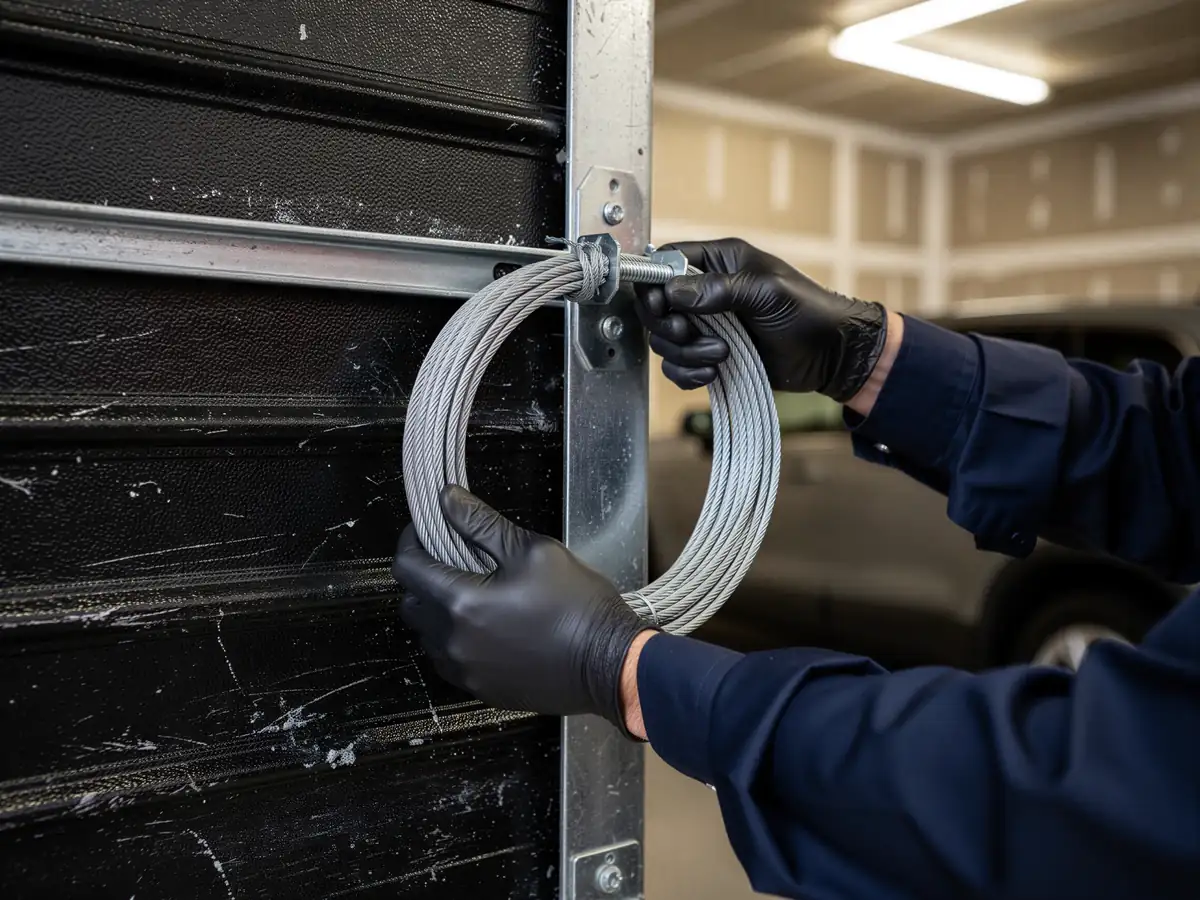
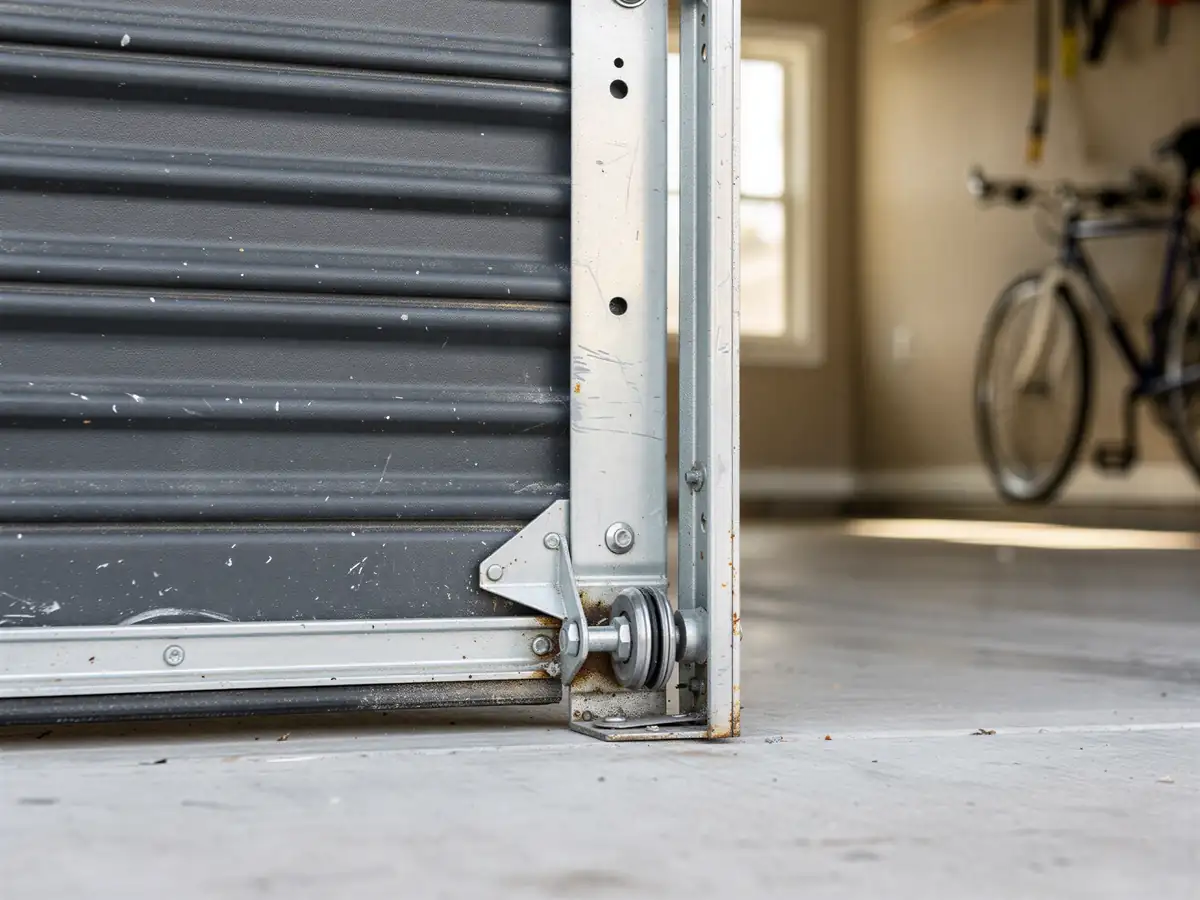
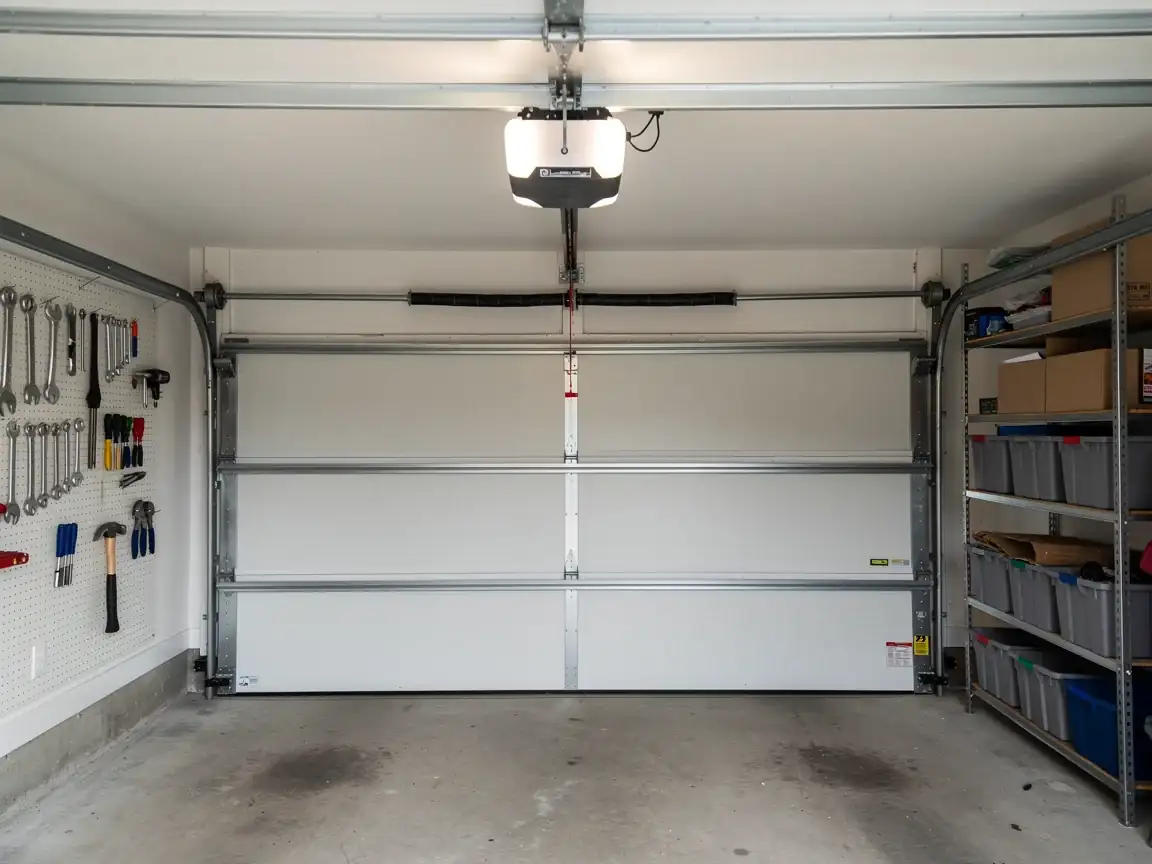
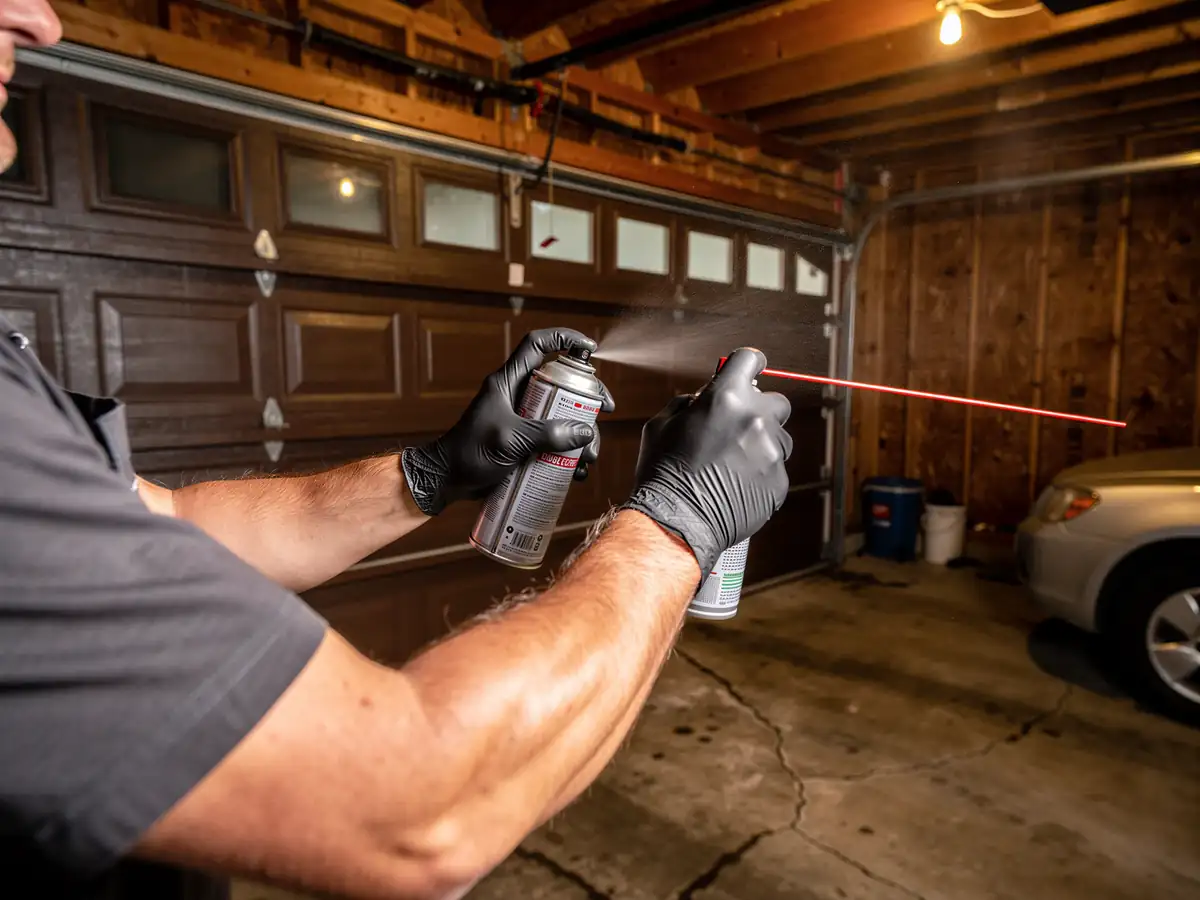
A maintenance visit means checking the door as a system, not a single part. We check spring tension against door weight, inspect cable wear at the drums, check roller condition and track alignment, and tighten the hinge hardware that loosens from thousands of open-close cycles. If a part is close to its service life but not failed yet, we tell you that and let you decide the timeline - we don't replace parts that still have life left just to pad a visit. One honest limit: if a door's track is bent or the opener's circuit board is failing, that's a repair call, not a maintenance fix, and we'll say so rather than patch around it. With roughly 390,108 owner-occupied houses across this service area and a median household income of $97,397, most of our maintenance work is about catching the cheap fix before it turns into the expensive one.