What Most People Get Wrong
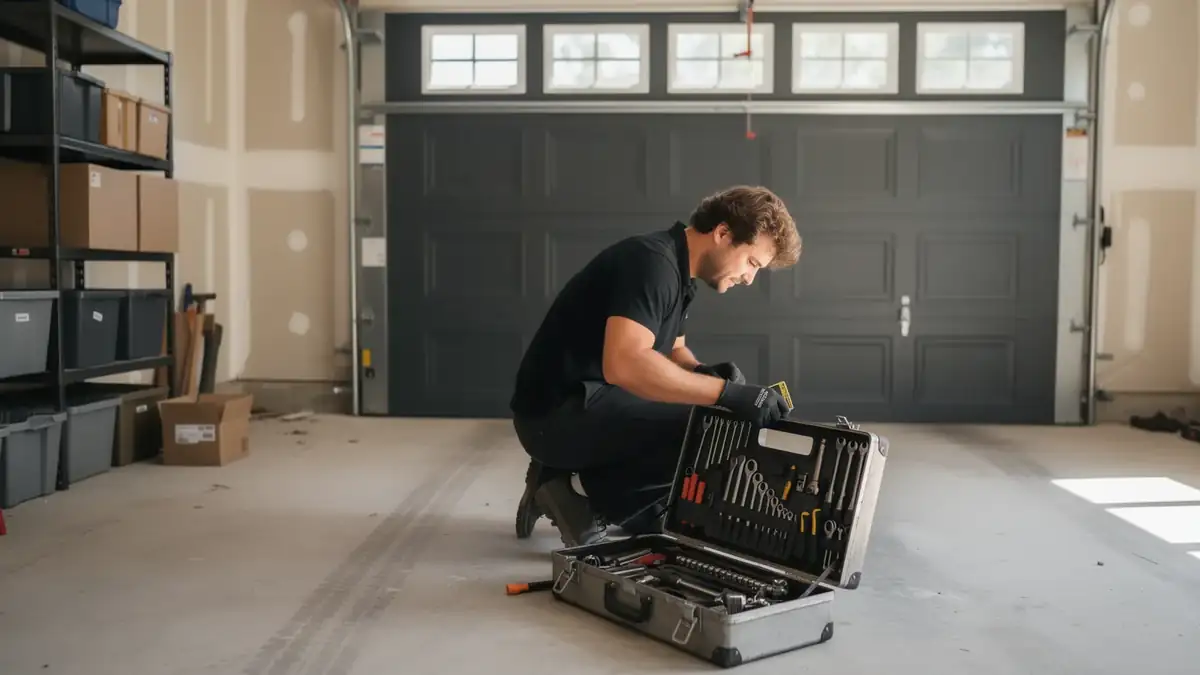
Most folks call us thinking a service call means one thing: somebody shows up, tightens a bolt, and leaves. That's not what we do, and it's not what your door needs. Downey homes were built mostly between 1943 and 2012, with the median landing around 1963, so a lot of what we find under the hood is original torsion hardware from that era. That's a different animal than the lightweight residential setups you see in brand-new subdivisions.
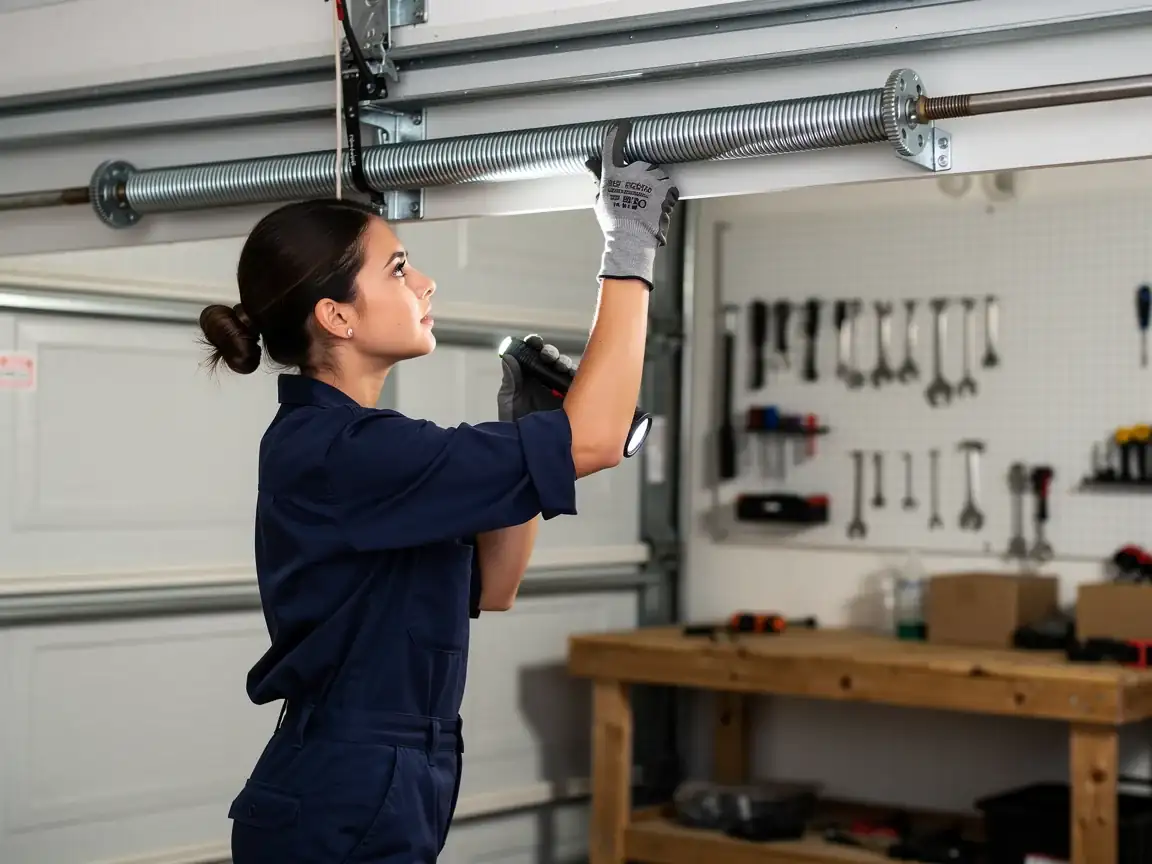
The mistake is treating a garage door like a single part. A spring call turns into a track call when the spring has been overcompensating for a bent rail for two years. An opener call turns into a hardware call when the opener's been straining against a drum that's worn oval instead of round. We open the door, we look at the whole system, and we tell you what's actually wrong before we tell you what it costs.
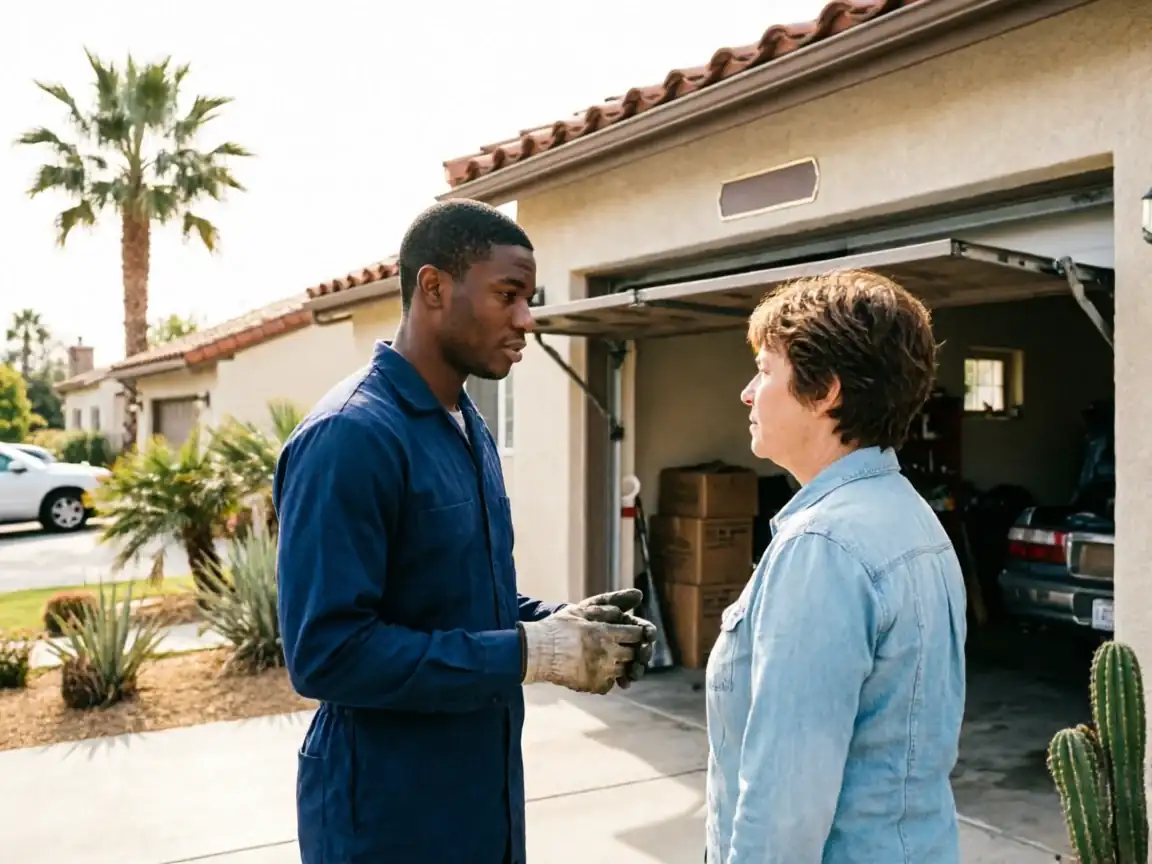
People also assume a service call fixes everything permanently. It doesn't. A service call diagnoses and repairs what's failing now. If your door is original to a 1960s build, you're not getting a lifetime fix out of one visit - you're getting the current problem solved and an honest read on what's coming next.
The Problem
Across Downey and the surrounding area, most garage doors date to the 1960s and 70s stock that defines 90 named communities nearby. That means side-mounted torsion springs, steel tracks sized for doors a lot lighter than today's insulated panels, and openers that have been swapped once or twice without anyone touching the track or drum underneath.
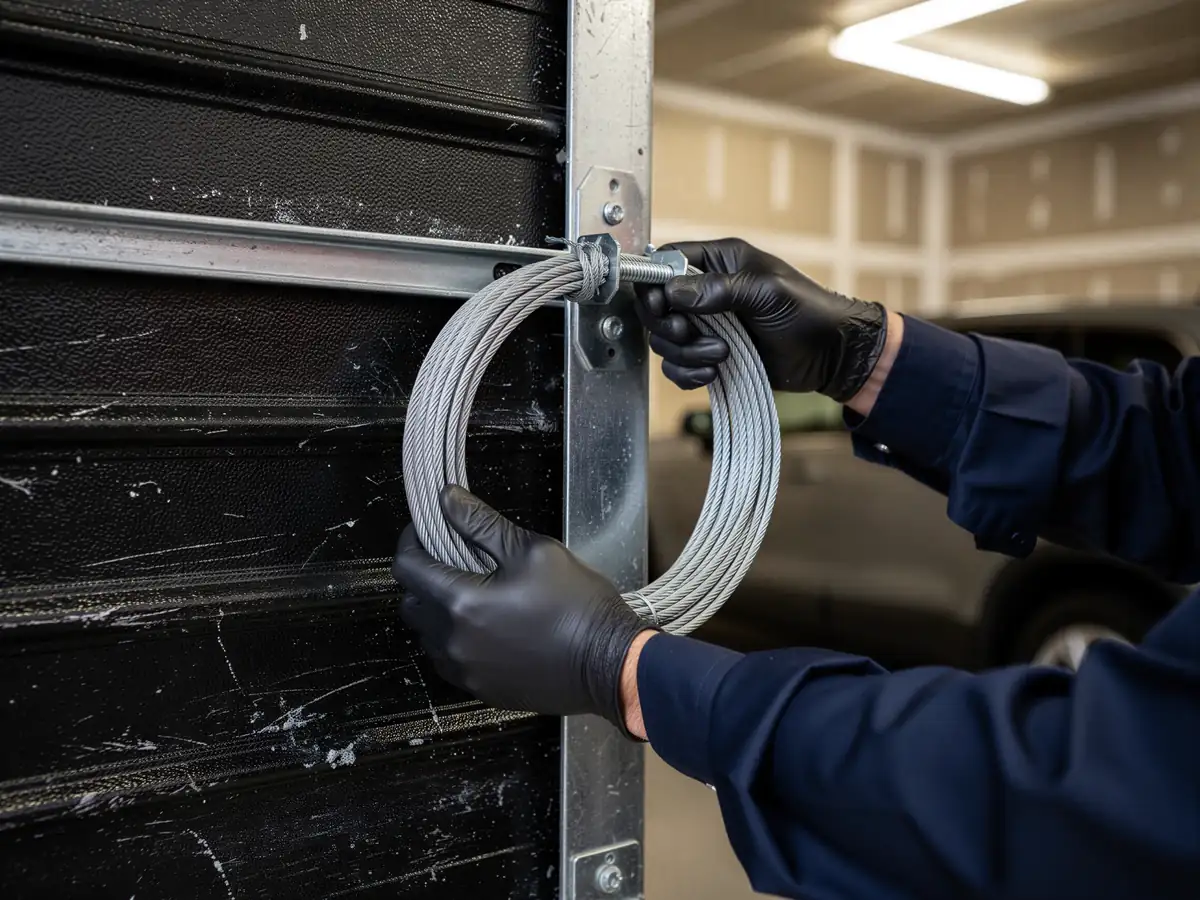
The real problem on a lot of these calls isn't the part that broke. It's the part that's been quietly failing for years while something else took the load. A cable that's frayed at the drum doesn't usually snap clean - it stretches, then slips, then snaps on a day that has nothing to do with the weather. By the time you hear the bang, three other parts have been compensating.
With housing stock running from 1943 through 2012, a service call here has to account for decades of code changes, not just one standard panel size. A door installed in 1965 and a door installed in 2005 on the same street can have completely different spring tension requirements, different track gauges, and different mounting hardware. We don't guess which era we're working on - we measure it.
How Local Conditions Play In
Downey sits in a mild temperate band
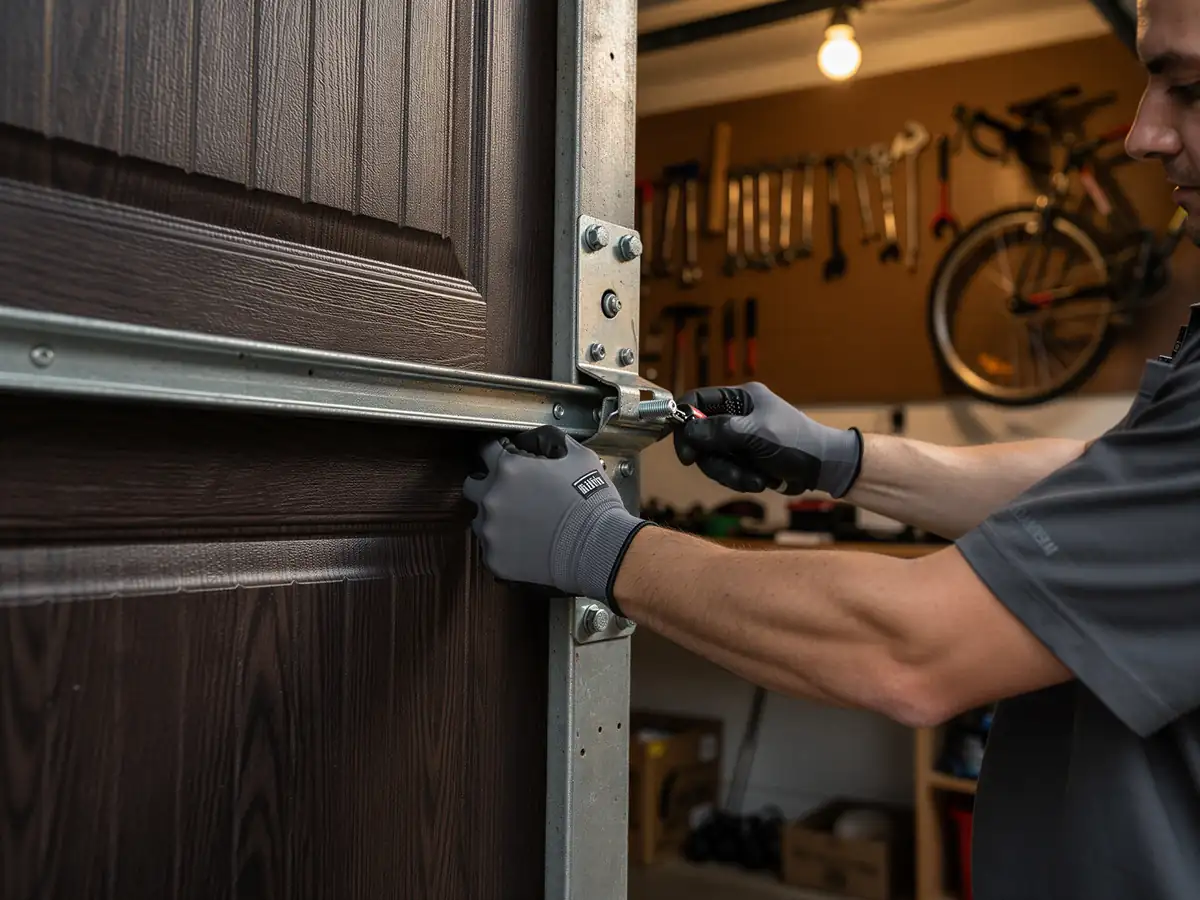
So we don't see the freeze-crack issues that wreck springs up north, but summer heat still stretches steel tracks enough to throw off alignment. The metal expands during the day, contracts overnight, and over years that cycle works bolts loose and shifts track brackets a few millimeters at a time. Nobody notices until the door starts binding on one side.
Because the climate here doesn't swing to extremes
A lot of homeowners assume their hardware doesn't age the way it would somewhere with real winters. It still ages - just differently. Rubber weatherstripping dries and cracks from sun exposure rather than frost. Roller bearings wear from repeated use rather than from ice jamming the track. The mild band means slower failure, not no failure.
One honest limitation
We can't tell you a door will last another ten years just because the climate here is easy on hardware. Wear from daily cycles and original installation quality matter more than weather does in a region this mild. What we can do is tell you, after we've opened the housing, how much life is actually left in what you've got.
What to Check
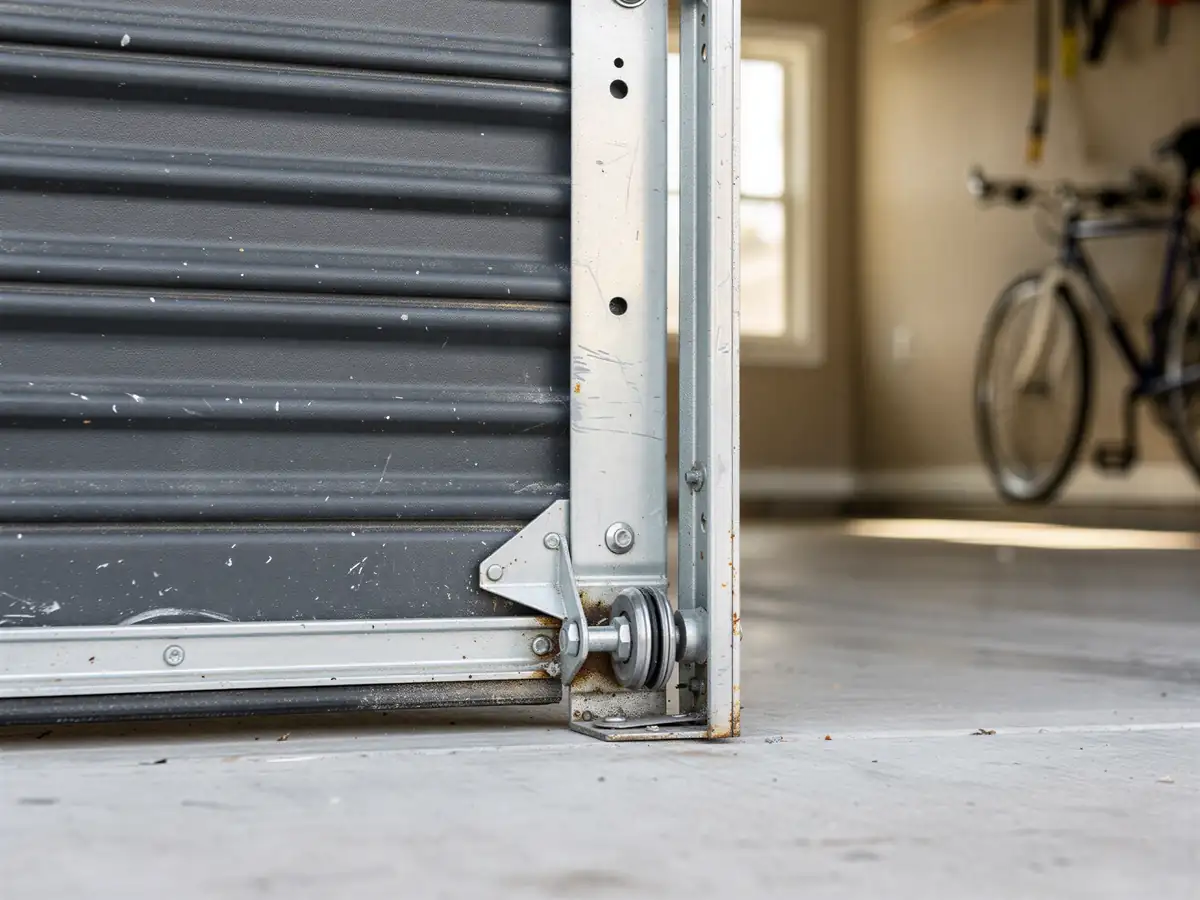
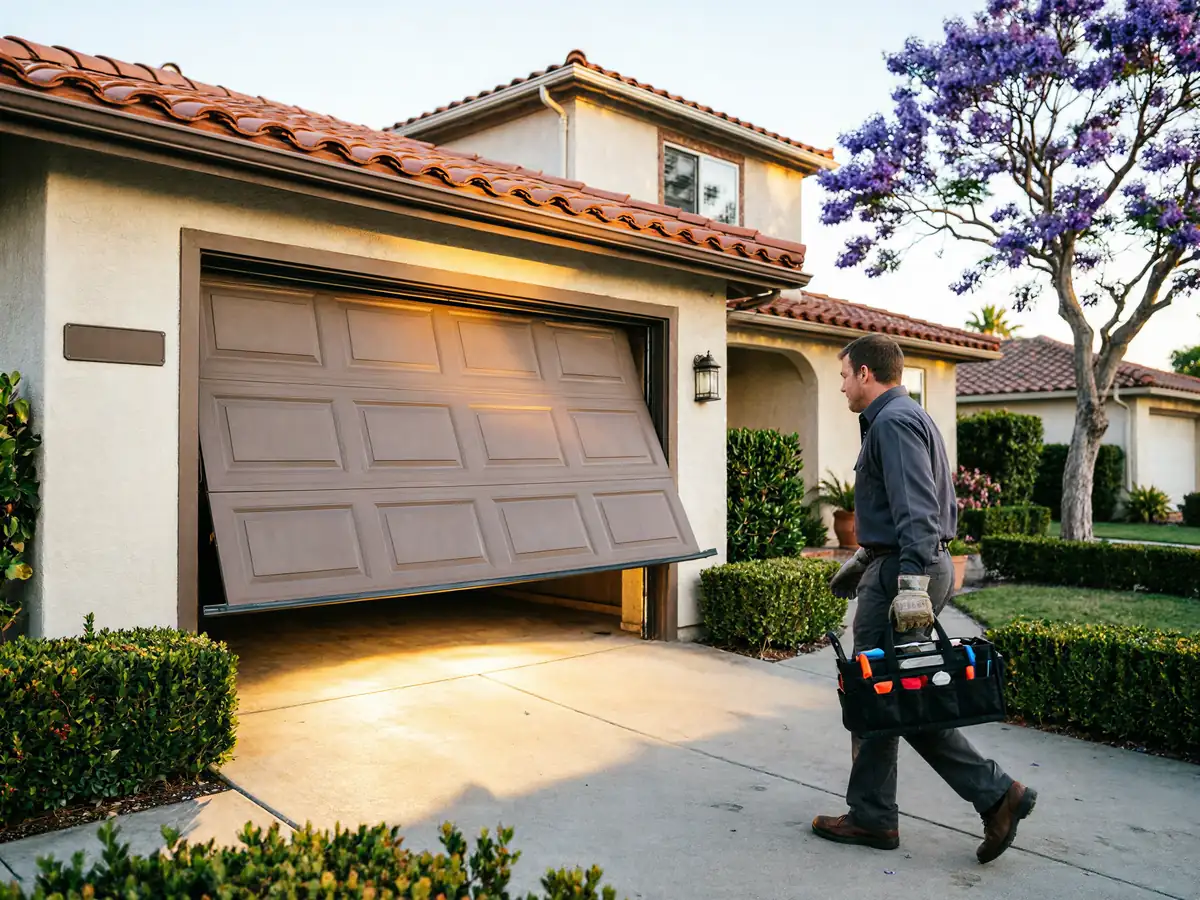
Before you call, a few things to look at yourself. Stand the door half open and let go - if it drifts down on its own, the spring tension is off and that's not a DIY fix. Look at the tracks for daylight gaps where the rollers should be snug; on older stock from the 1960s and 70s that's often a bracket that's walked loose over the years, not a bent rail. Check the cables at the bottom bracket for fraying or rust, especially if the door hasn't been serviced since it was installed.
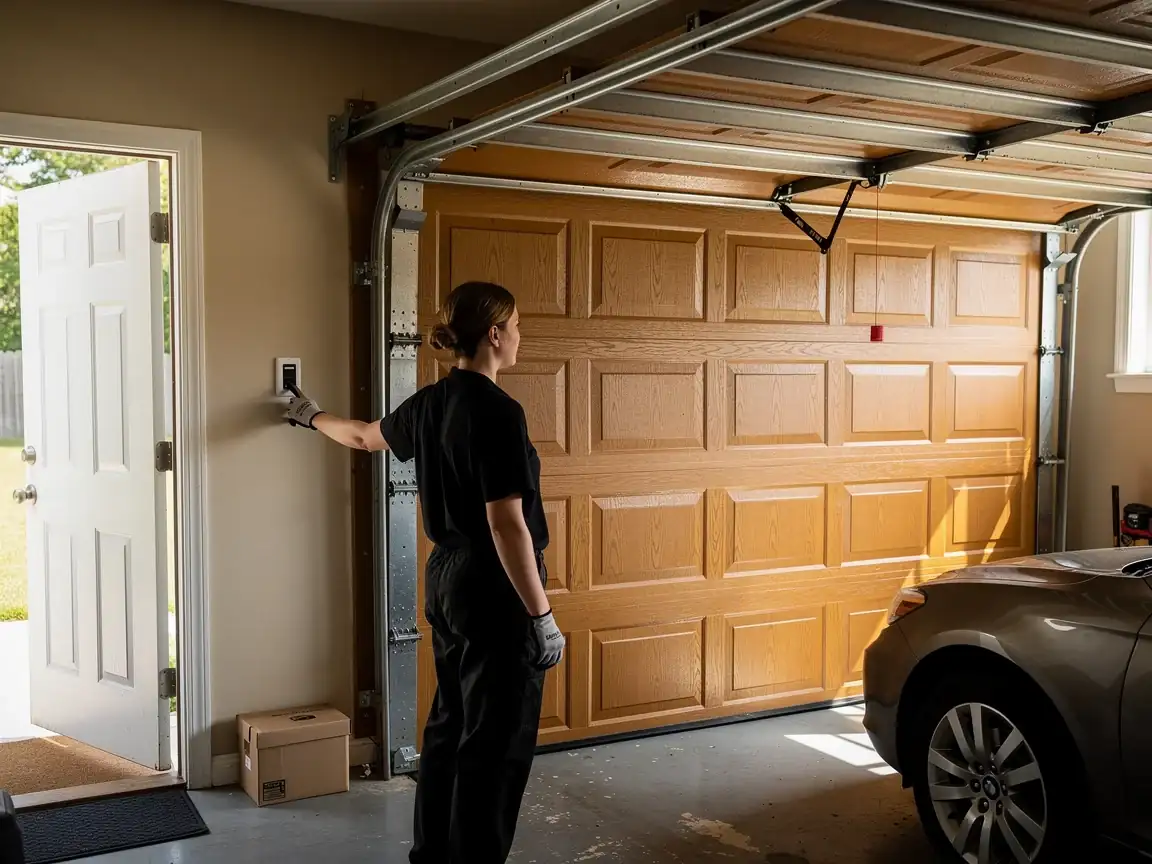
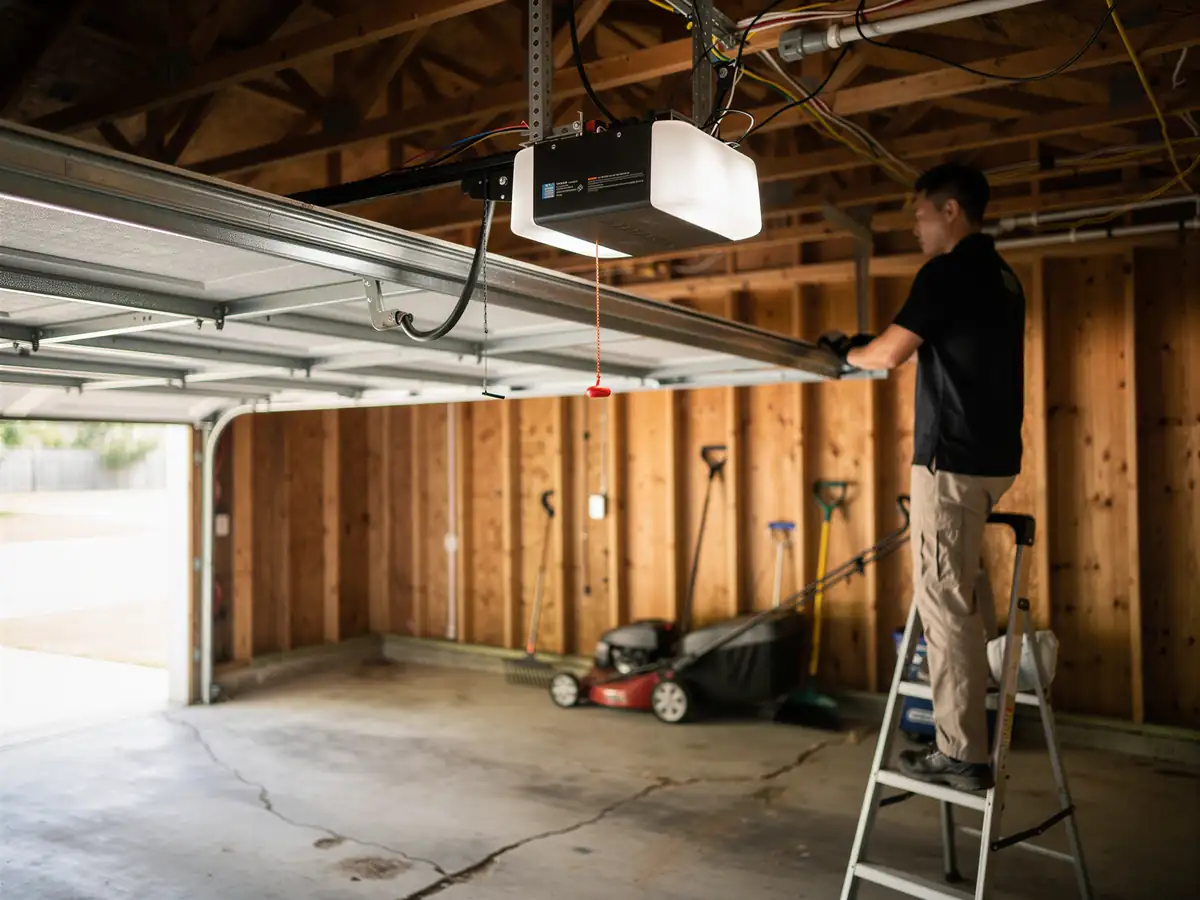
Listen to the opener. Grinding on the way up usually means the gear inside is stripped, not the motor itself. If the opener strains and reverses before the door fully closes, the down-limit is probably miscalibrated, which is common on units that got swapped onto older track without a full recheck.
Write down the door's approximate age if you know it, or the house's build year. Given the range of construction across this area - homes going up anywhere from 1943 to 2012 - that single detail tells us more about what hardware we're likely dealing with than almost anything else you could describe over the phone.