How We Fix It
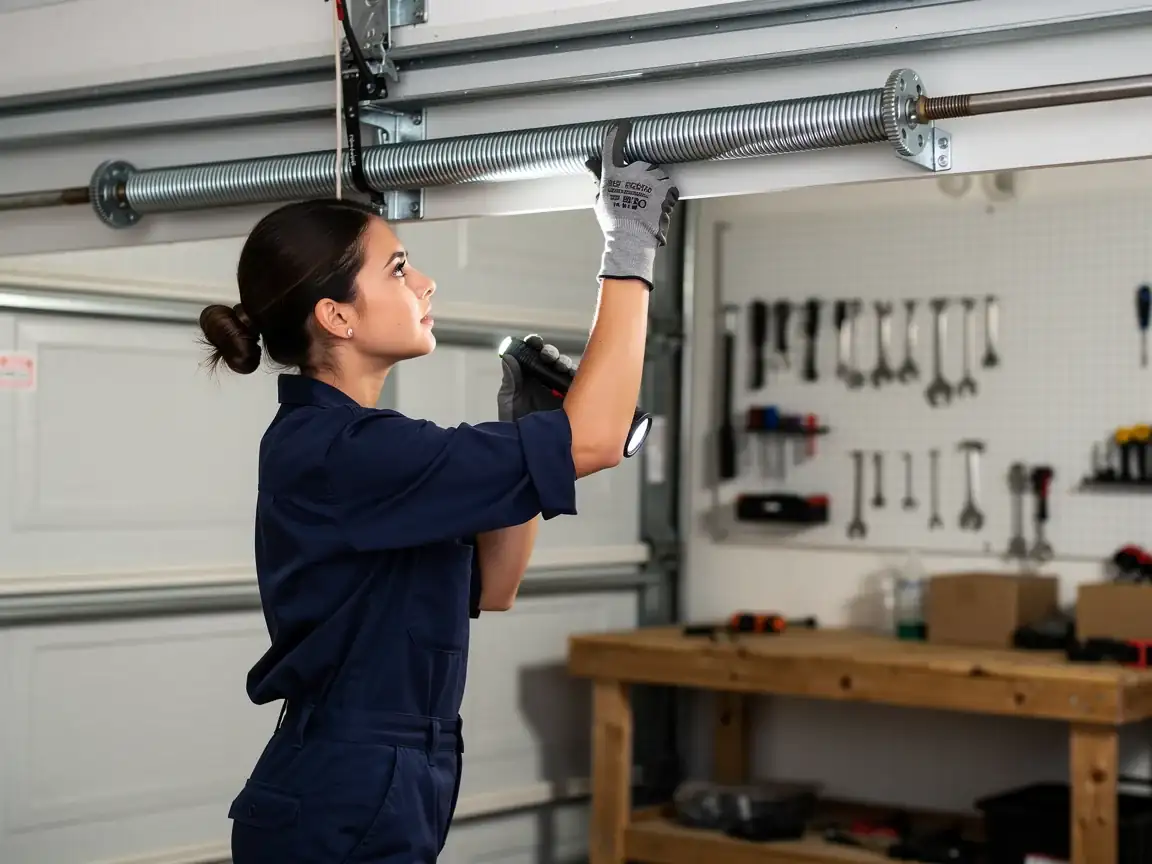
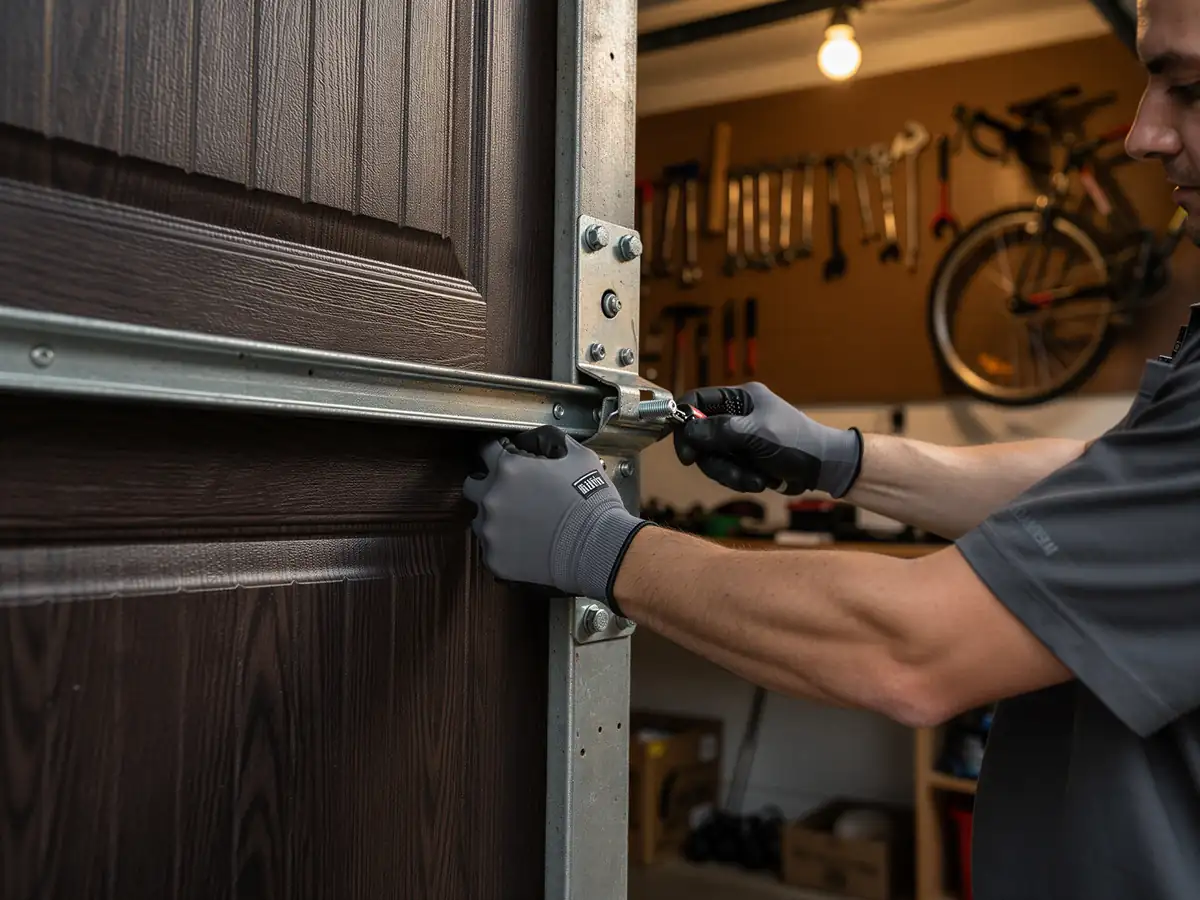
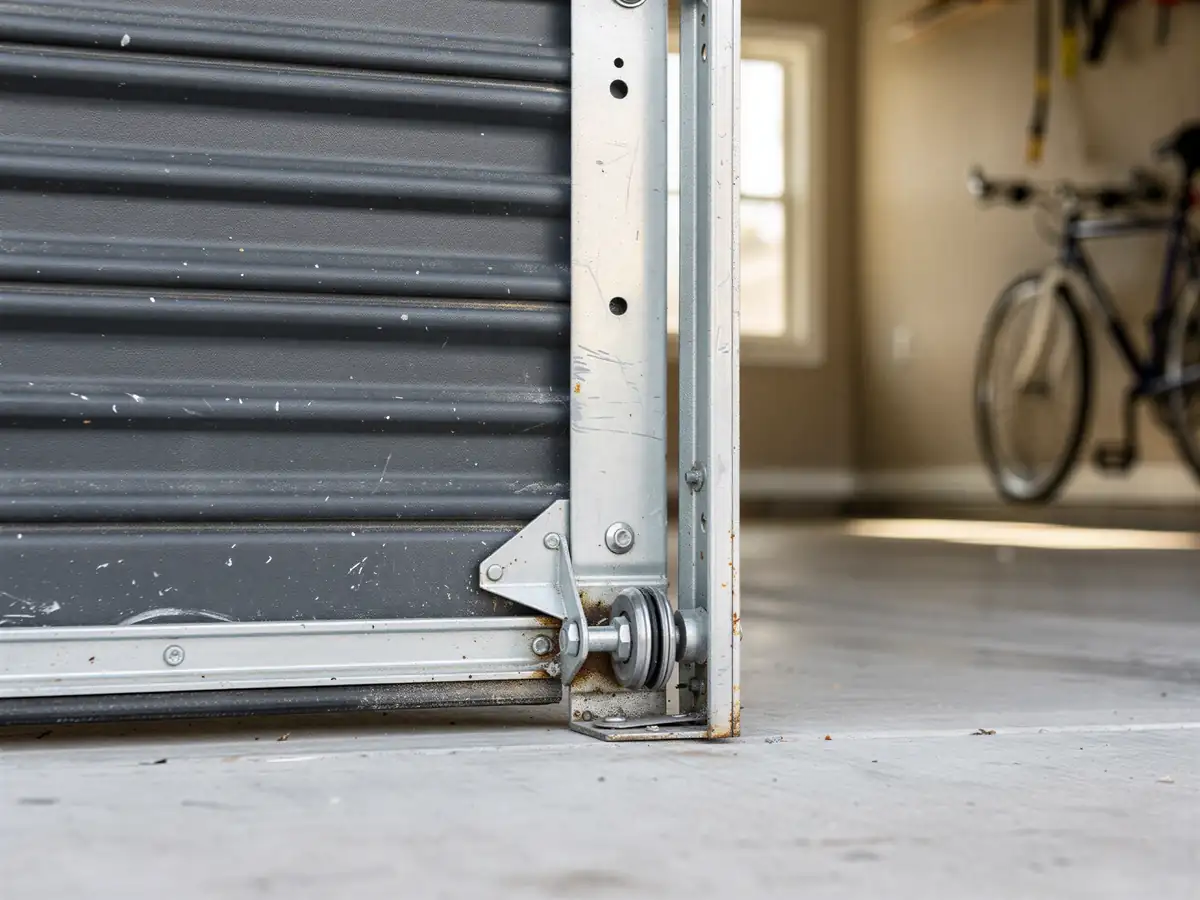
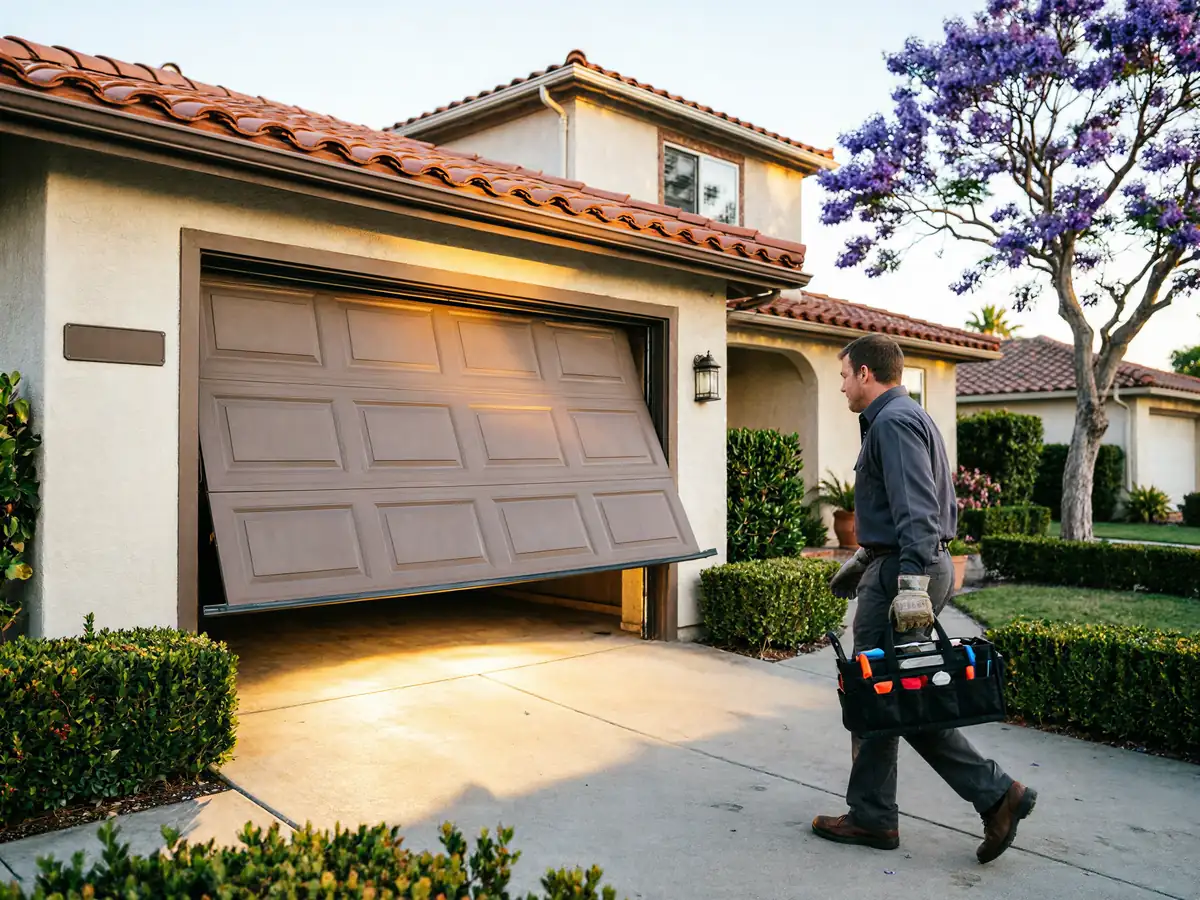
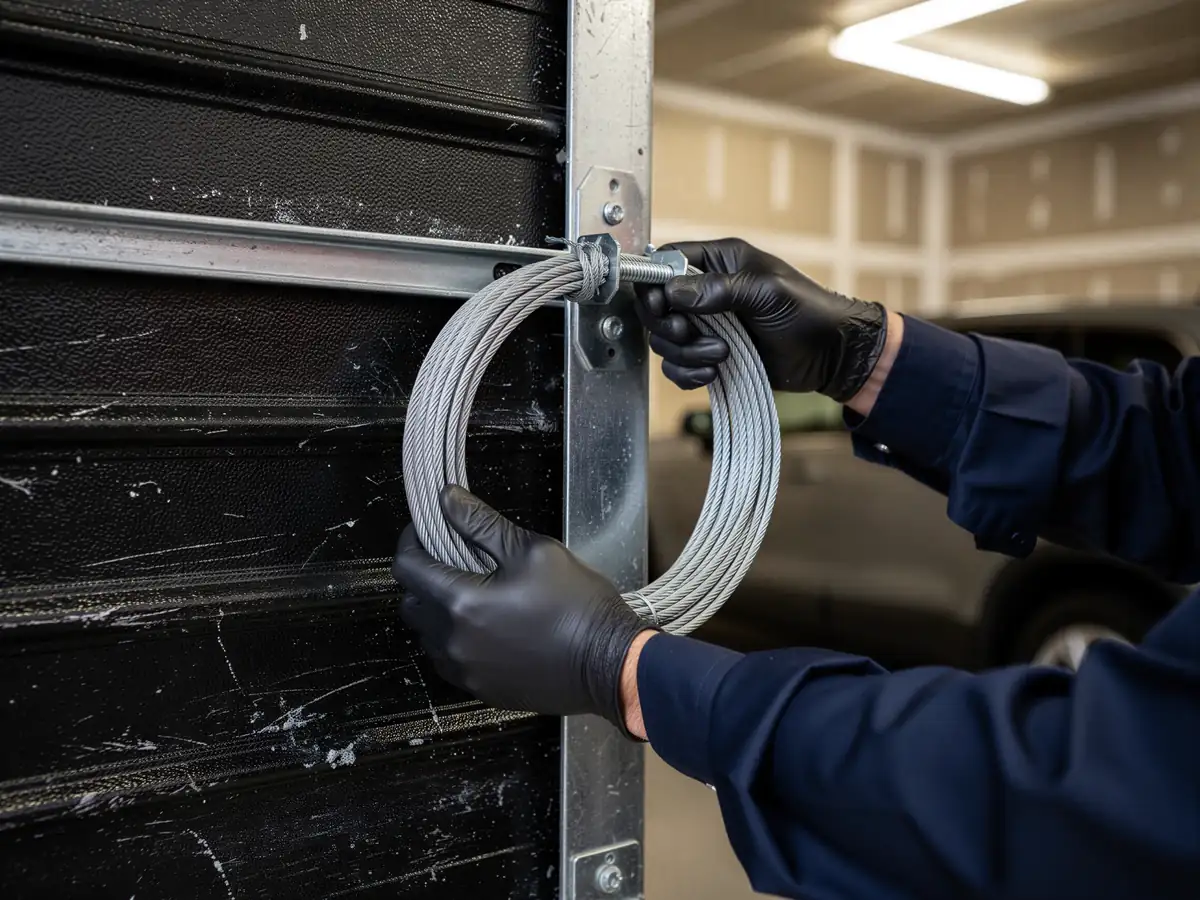
The usual call on this job starts the same way: one lift cable has frayed down to a few strands at the bottom bracket, or it's already snapped and the door is hanging crooked on one side, sometimes jammed halfway in the track with the other cable still holding. We unload the spring tension first, pull the old cable off the drum, and run a new one matched to the door's weight and the drum size already on the wall - swapping a worn drum too if the groove has cut into the old cable.
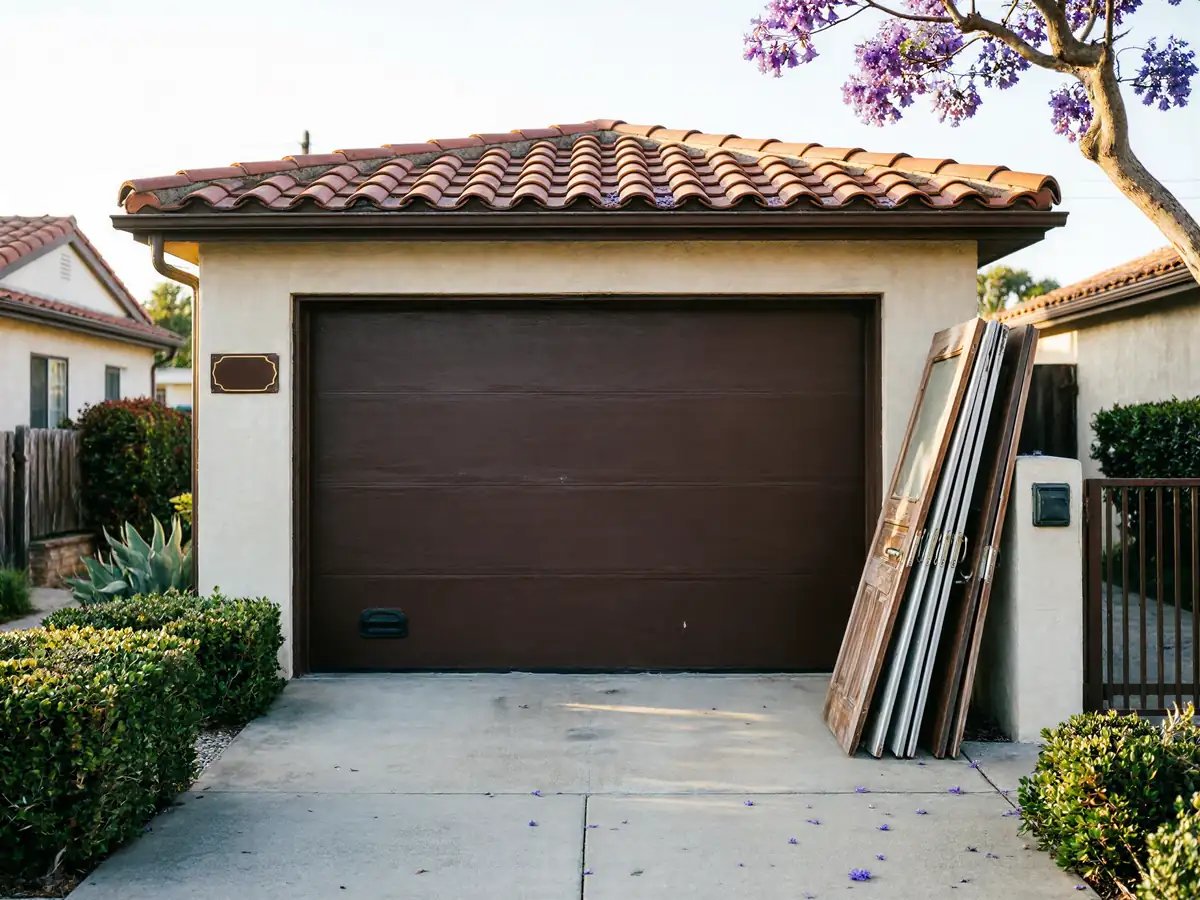
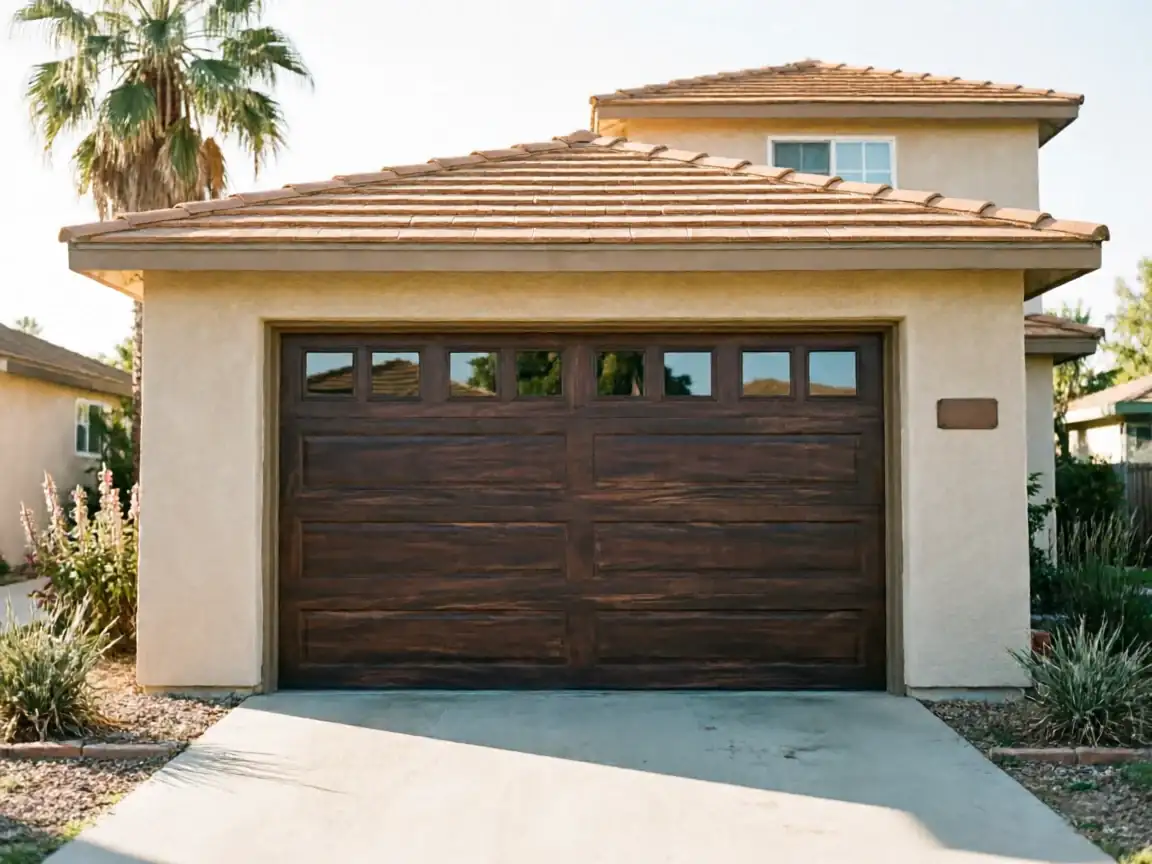
Compton's housing stock runs older than most of what this company covers. Median year built here is 1957, six years ahead of the service area's overall median of 1963. A lot of these garage doors are still running on the original galvanized drums and a lighter cable gauge that wasn't built for the heavier insulated doors homeowners install now. That mismatch between old drum and new door weight is what shears the cable, usually on the side that takes more use - the one nearest where the car pulls in.
Getting It Booked In
We run this job out of Downey, six miles up the road, so every Compton call means a truck crossing that stretch rather than a crew parked around the corner. There's no branch office or depot in Compton - just the one shop in Downey and a truck that comes out when you call.
Compton is six miles from our Downey location, farther out than Bell Gardens at two miles or Paramount and Norwalk at three miles each. That distance doesn't change how the job gets fixed, but it's worth knowing when you're trying to figure out why the crew asks for your cross street up front - they're mapping the drive, not guessing at your neighborhood.
When you call, tell us whether the door is stuck shut, hanging at an angle, or still moving but making noise. That tells us whether to bring a second cable, a drum, or both, and whether to plan for a torsion or extension spring setup on the truck.
The Cost of This Job
We don't quote a flat price for this job over the phone
Because the age of the drums and the width of the door change the bill too much to guess at without seeing it. A single cable on a standard single door is a different job than two cables plus a corroded drum on a sixteen-foot double door.
Compton's median household income runs $74,270, well under the service area's overall median of $97,397
And we know that gap matters when a repair bill lands. That's part of why we fix the cable and leave the rest of the door alone when the rest of the door is sound - we're not selling a full opener or track replacement on a call that only needed two cables and a drum.
The honest version
If the door is old enough that the drums, rollers, and track are all worn together, patching just the cable sometimes isn't worth it. We'll tell you straight if that's the case instead of running up a bill on a door that needs more than a cable.
How Long It Takes
A straightforward cable swap - one side, drum still good, track straight - finishes in a single visit. Add a second cable, a replacement drum, or a bent track from the door dropping when the first cable went, and the job takes longer because we're sourcing and fitting more parts on the spot rather than just running new cable.
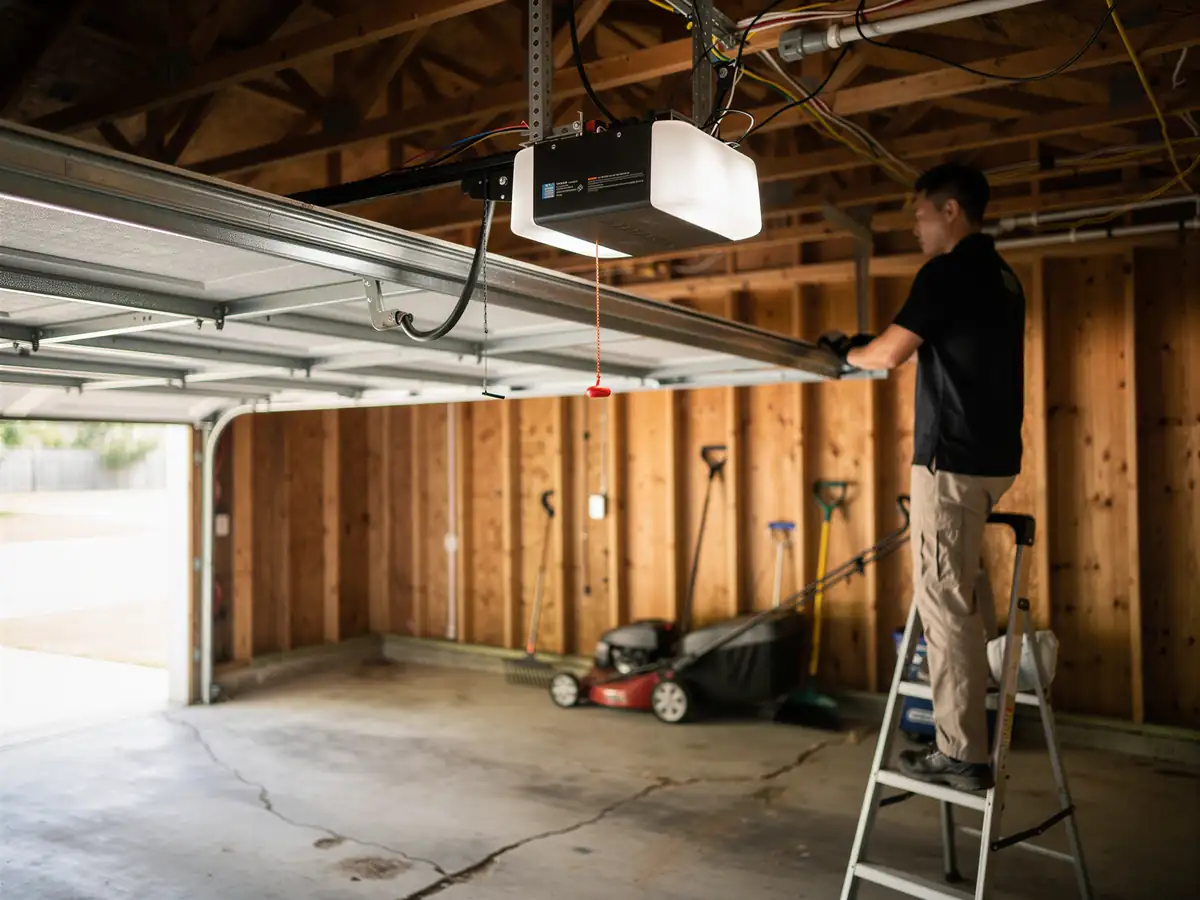
We don't give an hour count before the truck gets there, because we haven't seen the drum or the track yet. What we can tell you is the order of operations: tension comes off the spring first, old cable and hardware come off, new parts go on matched to what's already there, then the door gets tested through a full open-close cycle before we call it done.
If the door's been forced open by hand while one cable was broken, check the track for bends before we arrive - a bent track adds a step, and it's worth knowing that going in rather than finding out once we're on site.
What Causes It Around Here
The service area overall has houses built anywhere from 1943 to 2012, with most of it clustered in 1960s and 70s stock. Compton sits a bit earlier than that curve, with a median build year of 1957. Earlier build years generally mean earlier garage door hardware - lighter cable, smaller drums - that's been carrying decades of daily cycles.
The climate here is mild temperate, so this isn't a job driven by freeze-thaw cracking or ice-loaded doors the way it might be somewhere with hard winters. What wears a cable down here is simpler: age, rust working into a cable that's been wet from a hose or sprinkler one too many times, and a drum groove that's worn just enough to fray strands with every cycle.
Put those two things together - older original hardware, decades of regular cycling - and a frayed or snapped cable on a 1950s-era Compton door isn't surprising. It's closer to the normal lifespan of that specific setup than a fluke.
The DIY Question
A garage door cable runs under spring tension
And the spring is what's actually dangerous - not the cable itself. If a cable has already snapped, the door can drop without warning the moment the other side gives, and that's not a moment to be improvising with a ladder and a socket wrench.
We don't sell a DIY cable kit, and we wouldn't point a homeowner toward one even if we did
The torsion or extension spring on the other side of that drum holds enough force to do real damage if it releases while you're working near it, and winding bars and vise grips aren't optional extras - they're the difference between a controlled repair and an accident.
If you're comfortable with basic troubleshooting
You can usually tell us over the phone which cable looks frayed and whether the door is torsion or extension spring, which helps us bring the right parts. Past that - pulling tension, pulling the old cable, running new cable onto the drum - that's the part we don't recommend doing yourself, regardless of how the rest of the door looks.