What Most People Get Wrong
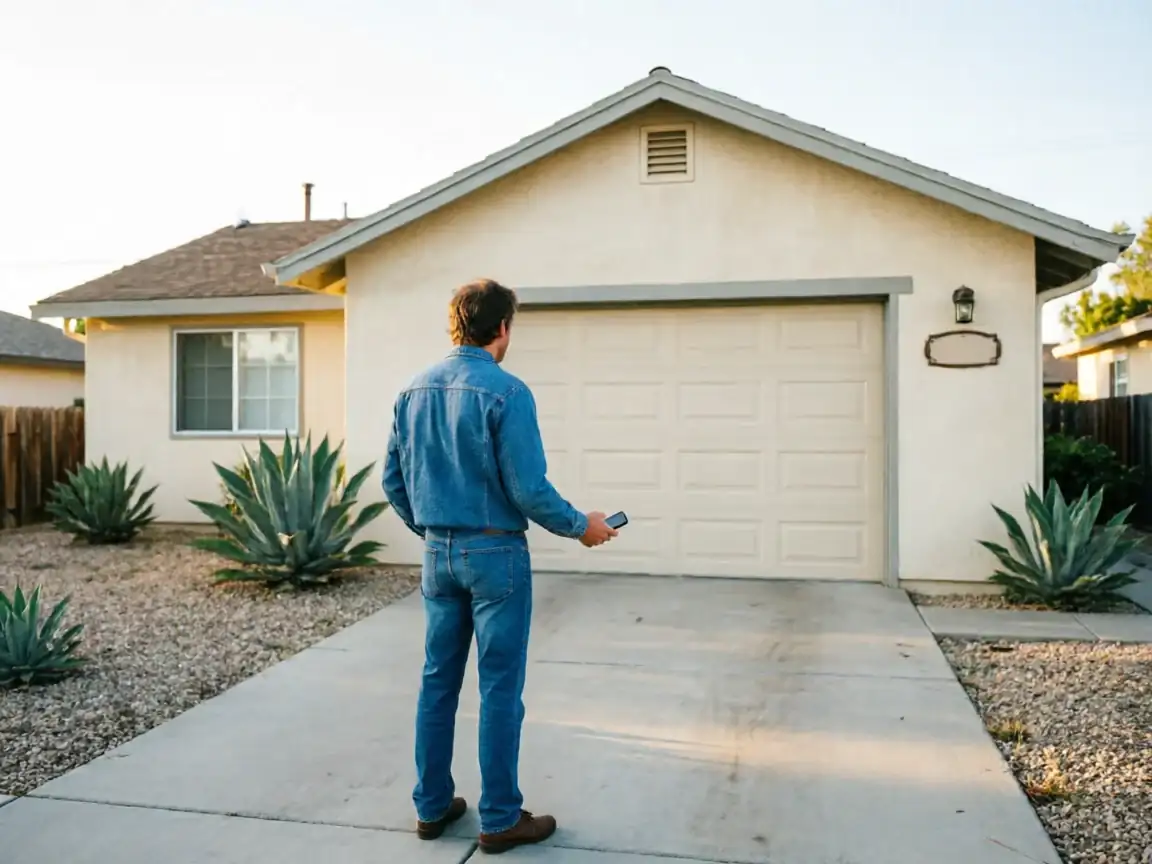
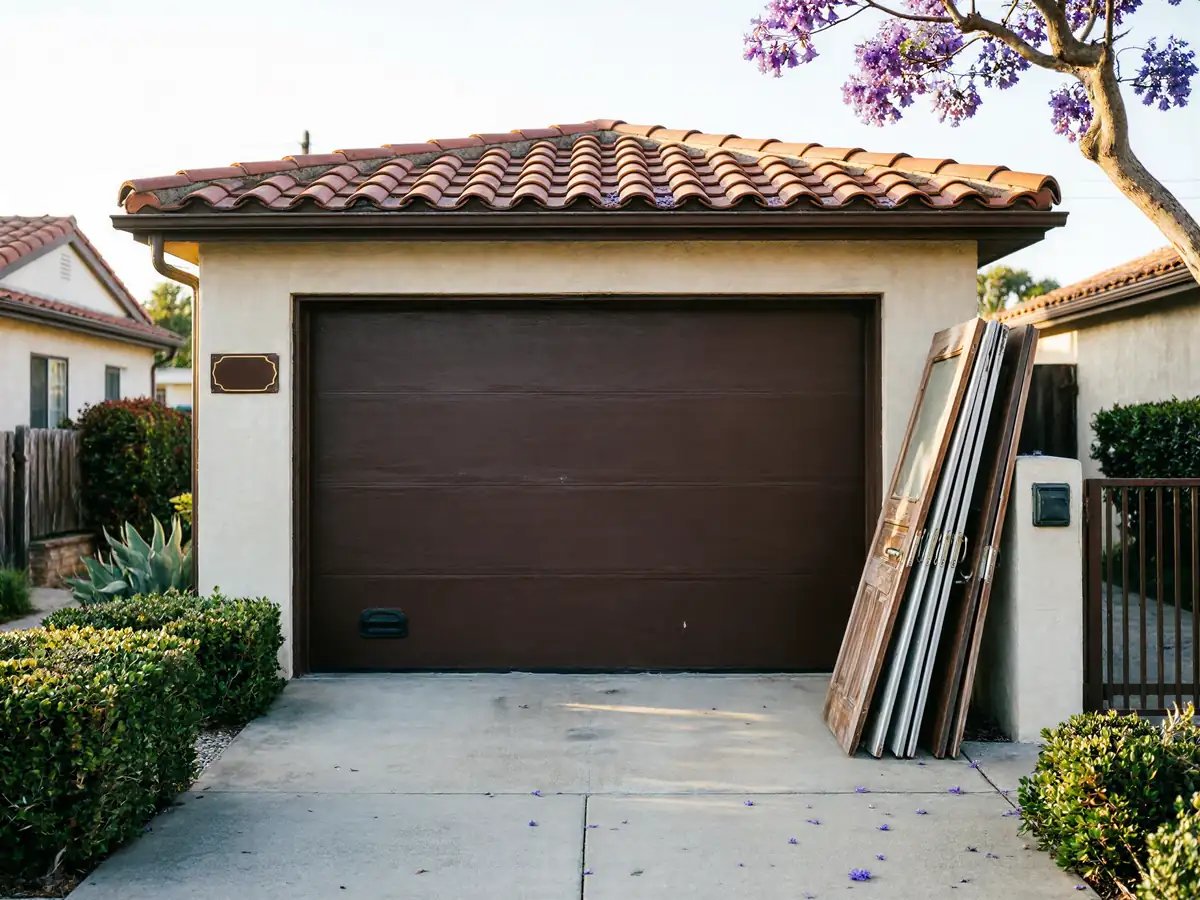
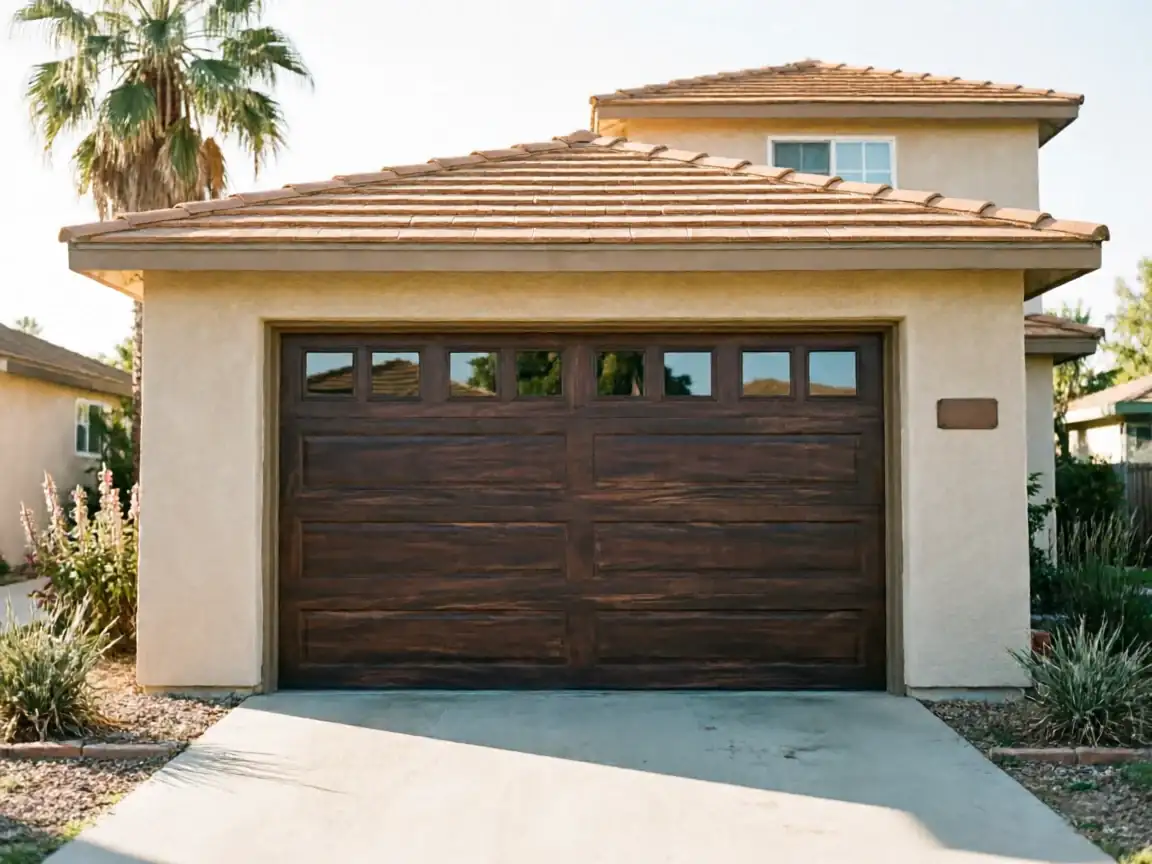
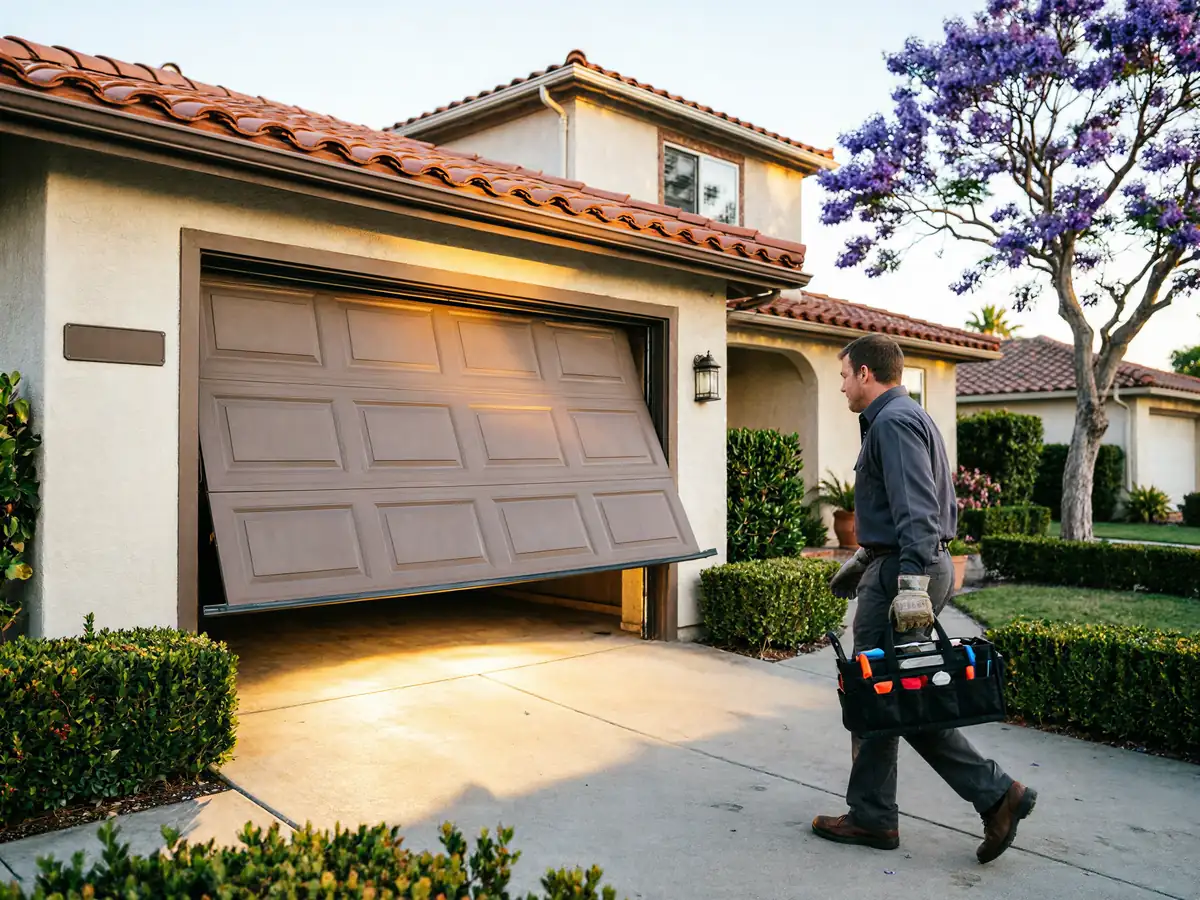
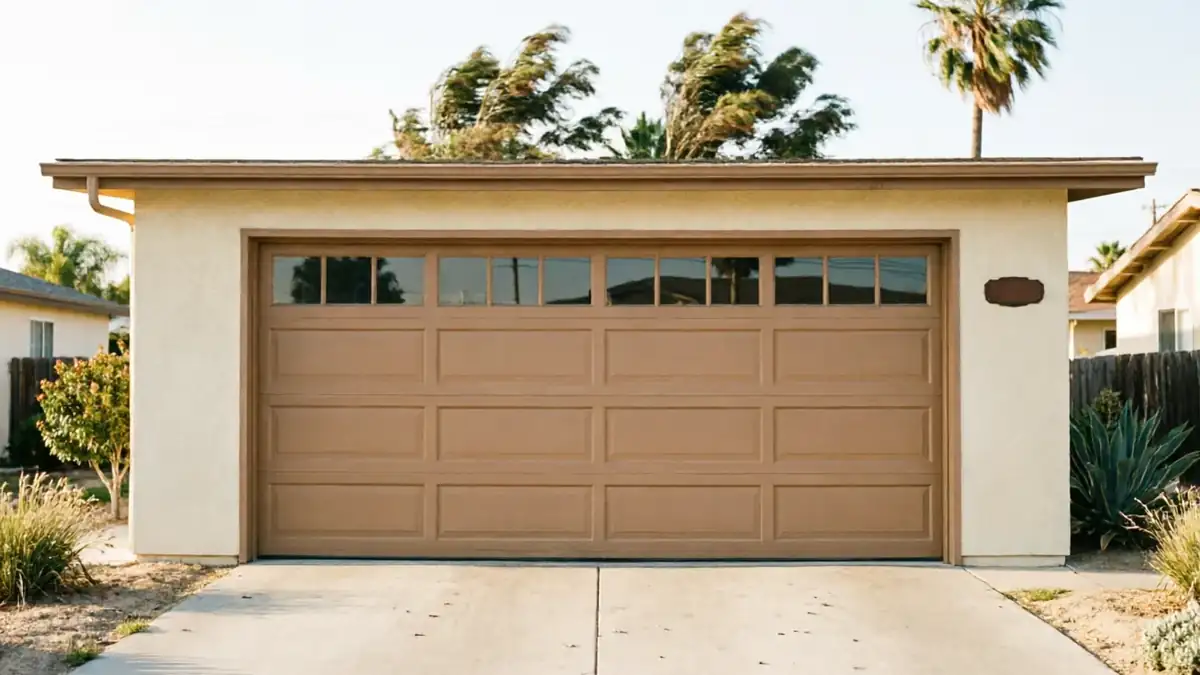
People picture wind damage to garage doors as a hurricane-coast problem, not something that touches an inland SoCal house like the ones in Downey. But the issue here isn't storm intensity - it's door width paired with age. Downey's housing stock, built mostly between 1943 and 2012 with a median year of 1963, skews heavily toward homes with a single 16-foot door covering a two-car garage rather than two separate 9-foot doors. That one wide panel has nearly double the surface area catching wind compared to a single-car door, and on original hardware from the 1960s and 70s, there's often no horizontal strut reinforcing the top or center of the panel. Homeowners check for dents, rust, and a sticky track. They don't check for flex, which is the thing that actually fails first on a wide door in a gust.
The Problem
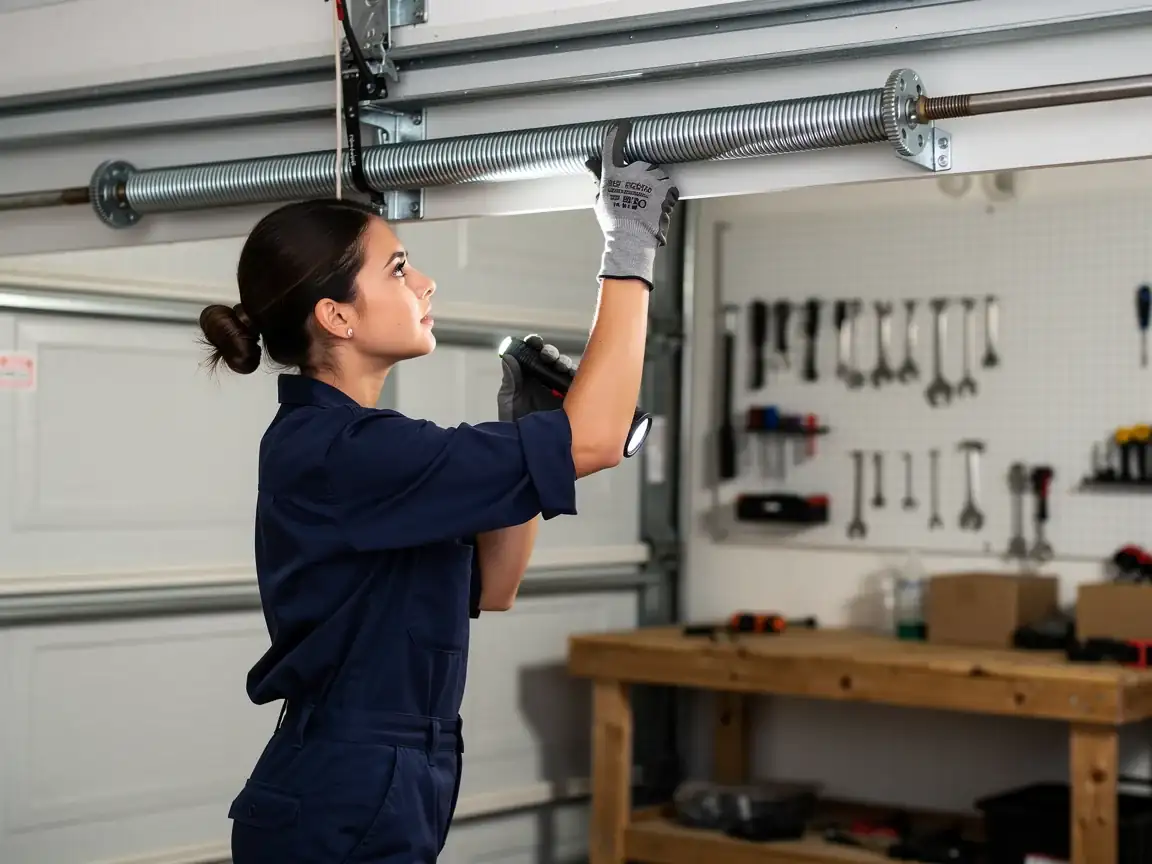
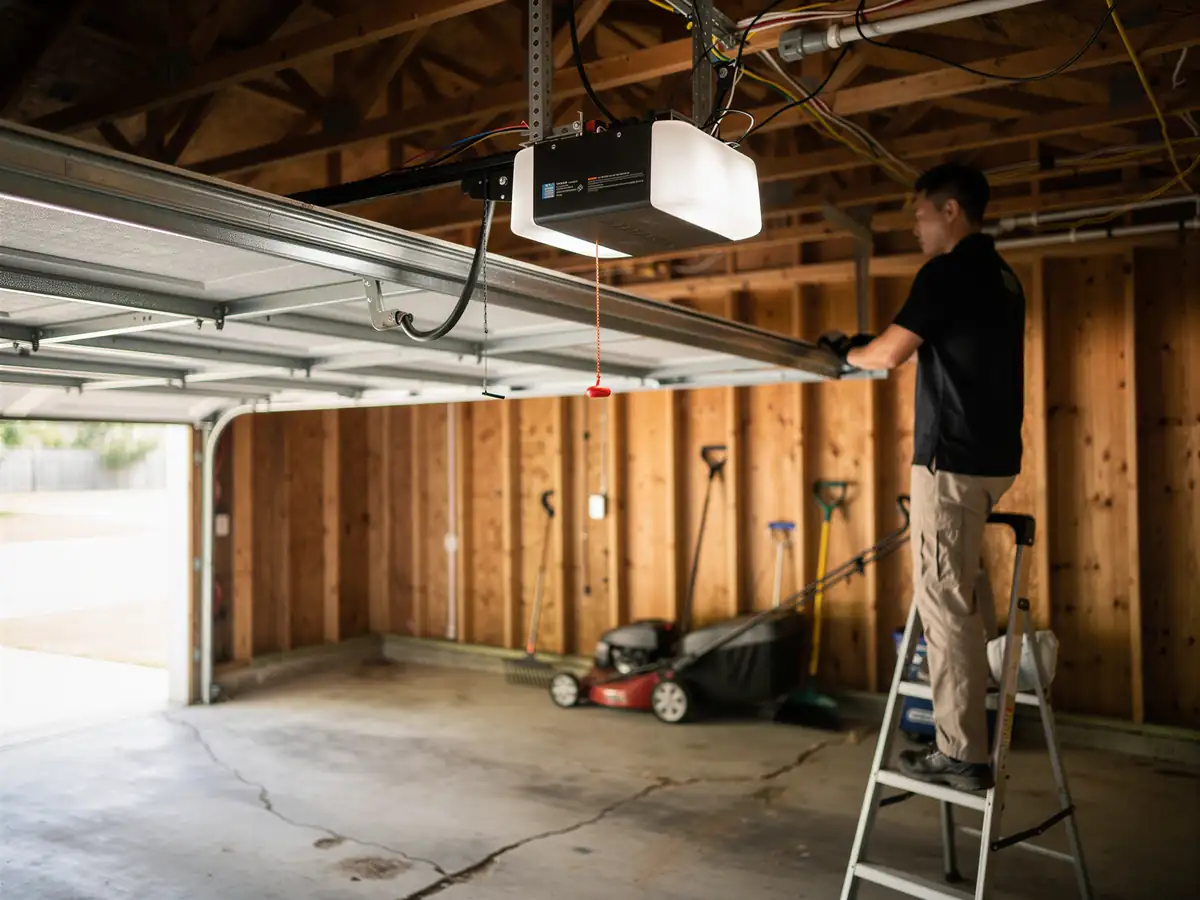
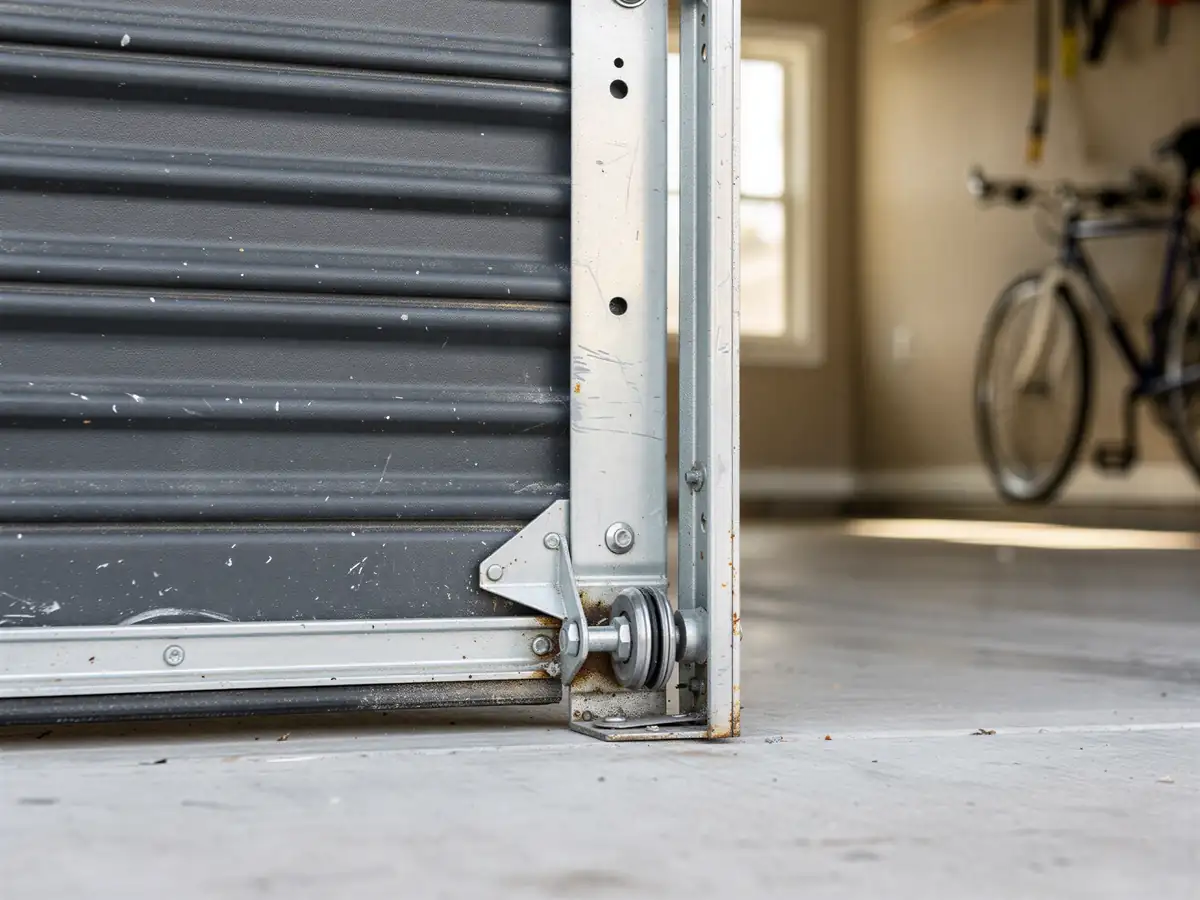
Wind load on a flat panel scales with area, so a 16-foot door takes roughly double the lateral push of a 9-foot one at the same wind speed, without anything built in to spread that force. On a steel or aluminum door dating from the median-1963 building era here, the track was sized to carry the door's weight up and down, not to resist sideways push across the full width of the panel. Repeated gusts bow the center of the door inward and outward. Over time that flex loosens roller brackets, stresses the end hinges where the panel meets the track, and can walk a roller clean out of the channel - especially on an opener whose force setting is tuned too loose to catch the extra resistance, or too tight to let the door self-correct.
What to Check
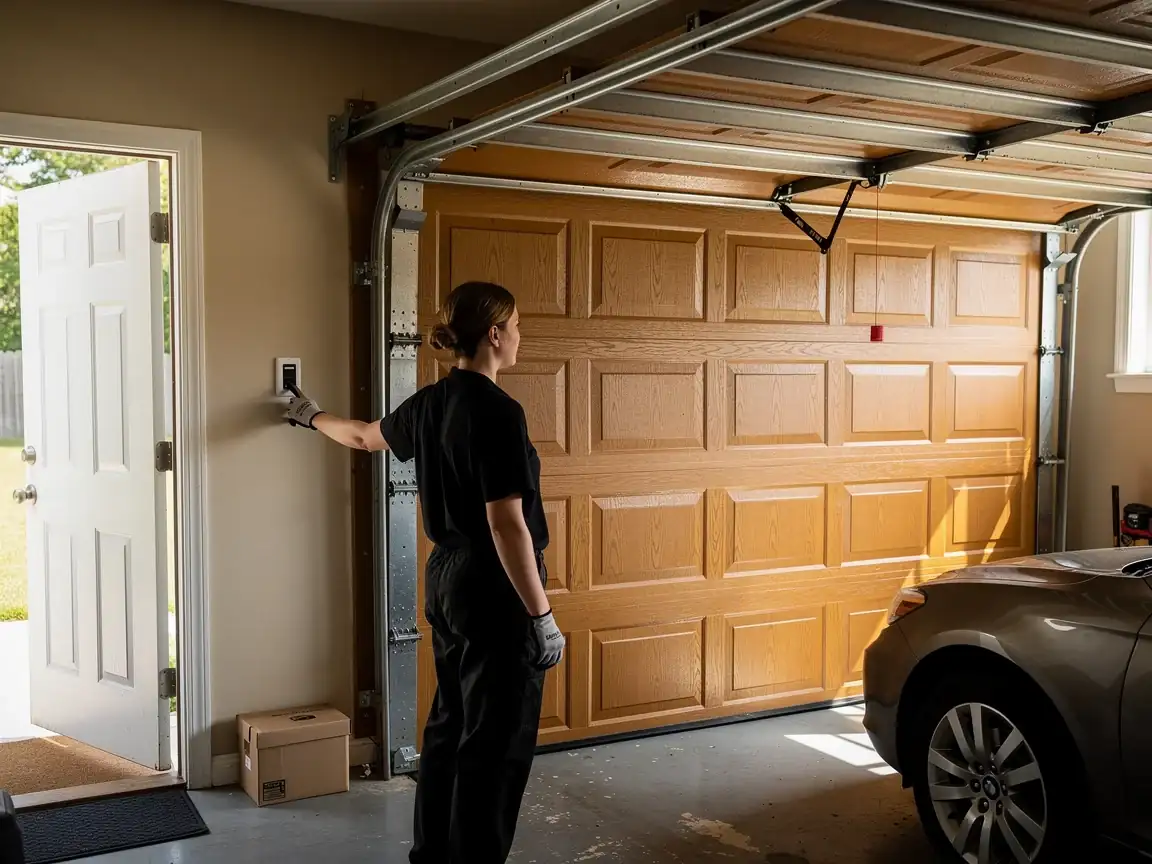
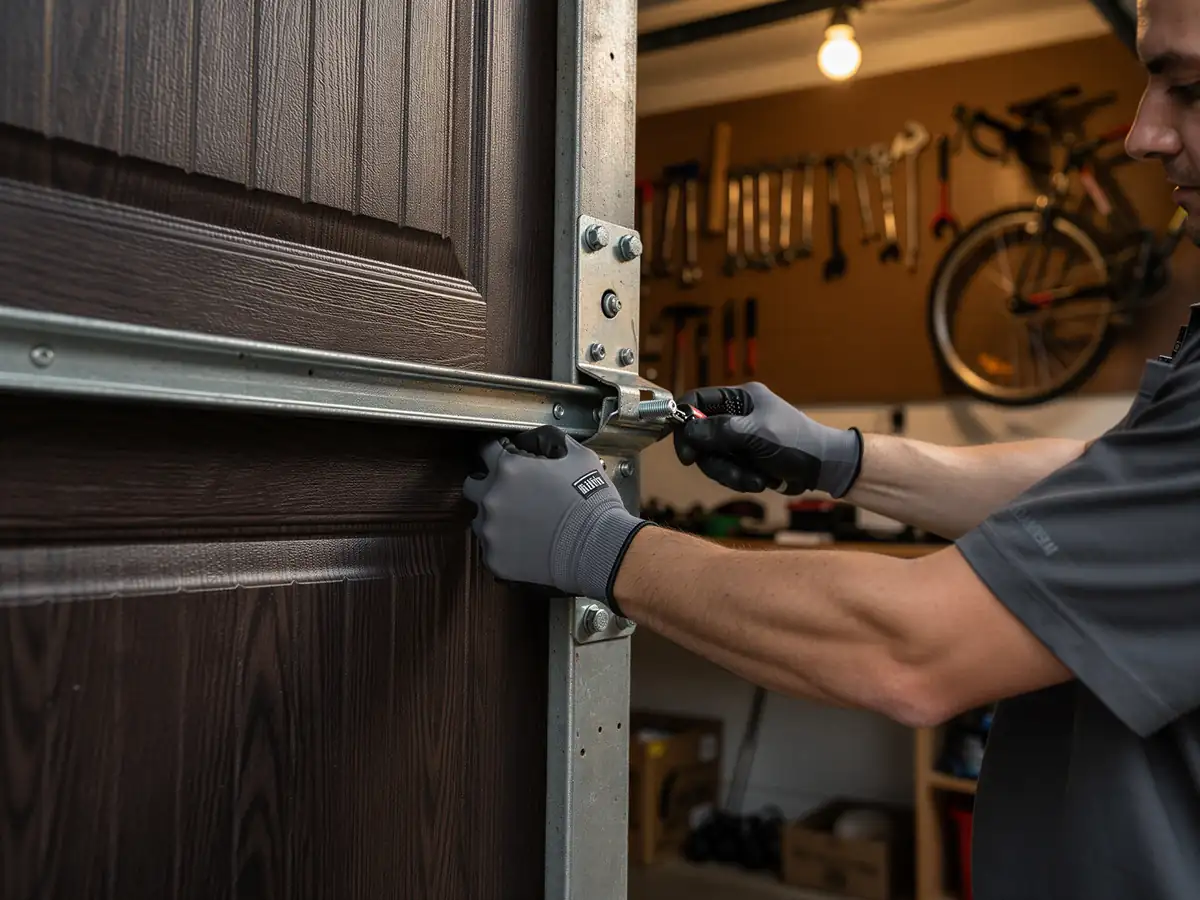
Open the door and have someone push gently on the center of the top panel from outside while you watch from inside - more than about half an inch of give with no resistance is flex, not normal design tolerance. Look for a horizontal strut: a steel bar bolted across the back of the top panel. If your door is original to a 1960s build, it may not have one, and adding one is usually a straightforward job compared to chasing loose rollers or a stretched cable later. One honest limit here: we don't recommend retrofitting a strut onto a door that's already near the end of its service life from rust or warped panels. In that case, the labor and part cost often makes more sense going toward a full replacement instead.