The Cost of This Job
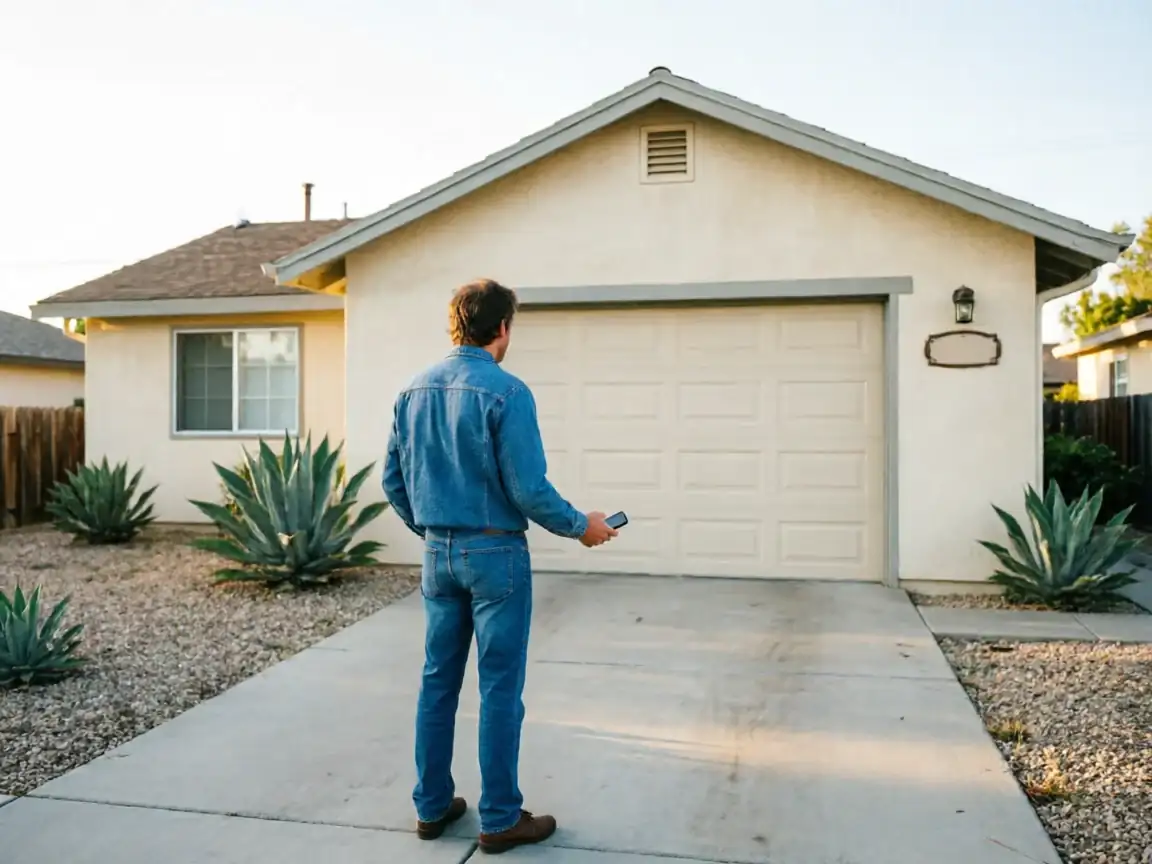
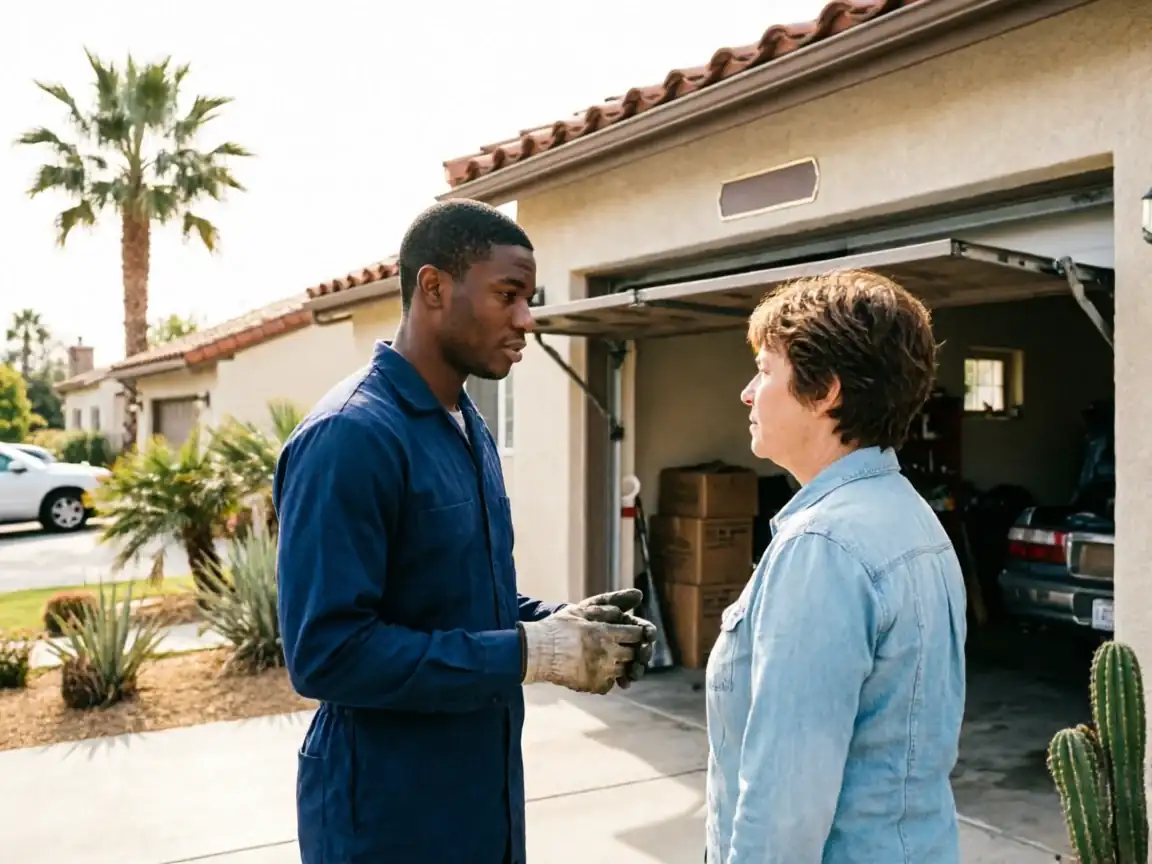
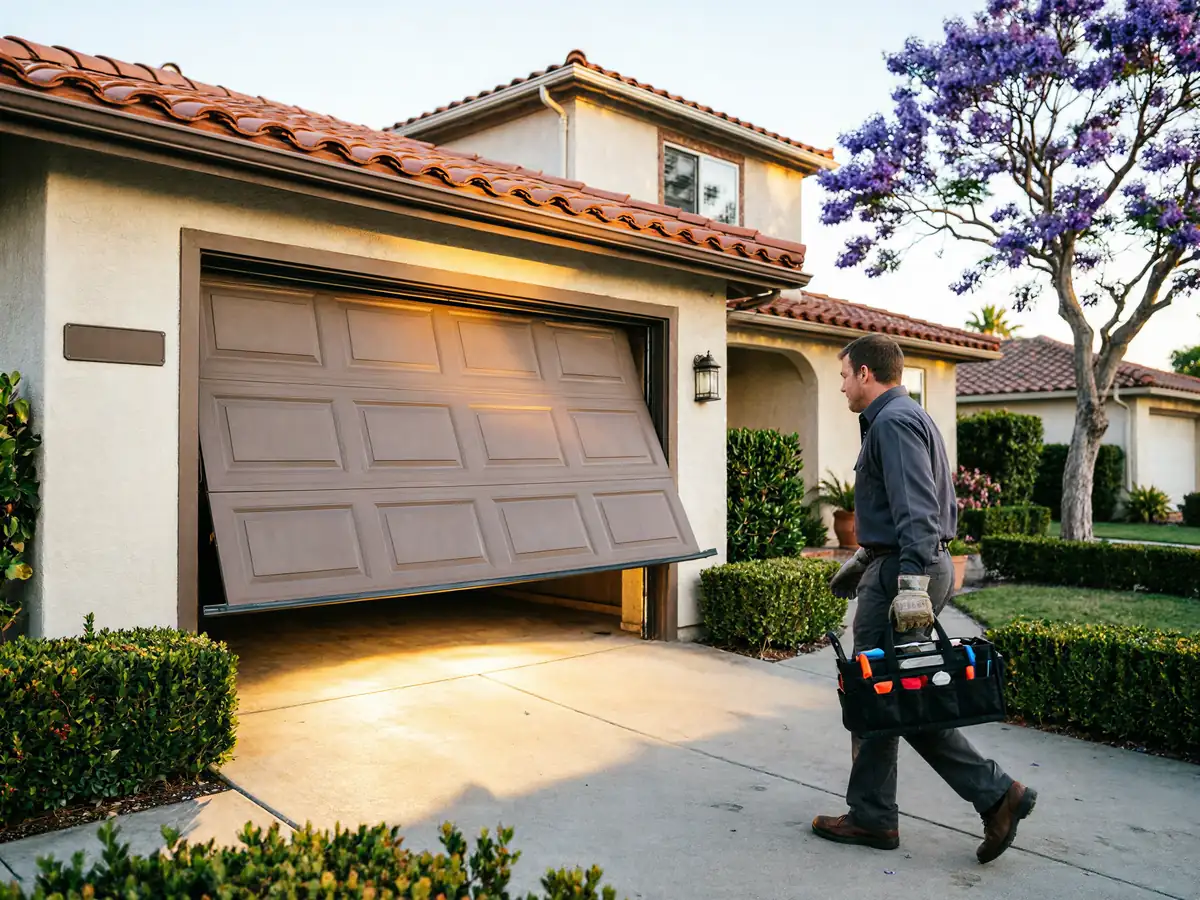
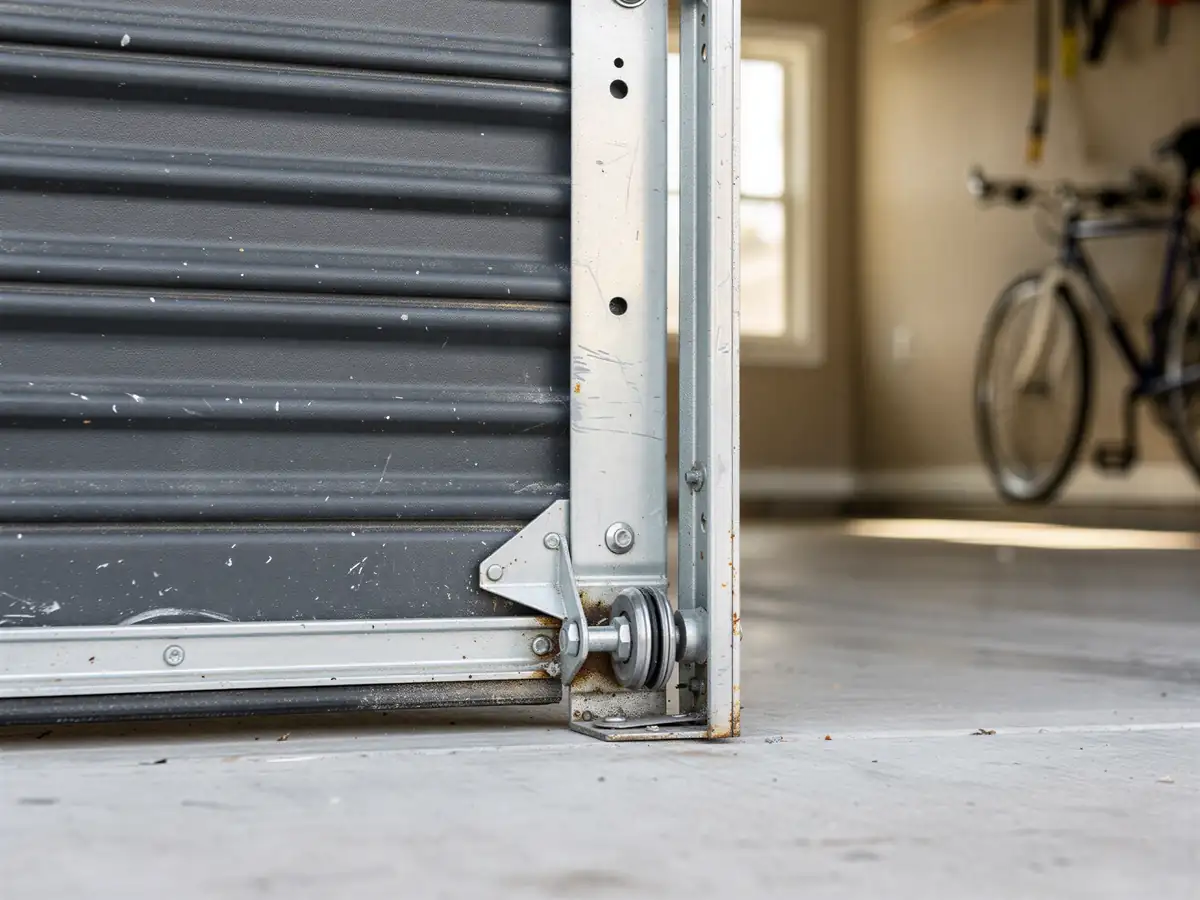
Norwalk's housing stock centers on 1957, which puts a lot of these garages a good decade ahead of the wider service area's 1963 median build year. That matters for an off-track call: older track brackets were often set with lag screws into framing that's shifted over sixty-plus years, and the alignment tolerances builders used back then are tighter than what a door needs today. When a door jumps the track in a house this age, it's rarely just "nudge it back on." We're usually also checking whether the bracket itself pulled loose from aged wood, or whether a roller wore oval and started climbing the rail edge. Cost on this job depends on what we find once the door's off the rail: a bent track section and a few rollers is one bill, a bracket that needs re-anchored into the jamb is another. We don't quote a flat number sight unseen, and we won't pretend every off-track call ends the same way. What we can tell you is that the fix starts with figuring out why the door left the track, not just putting it back and hoping it stays.
Parts We Carry
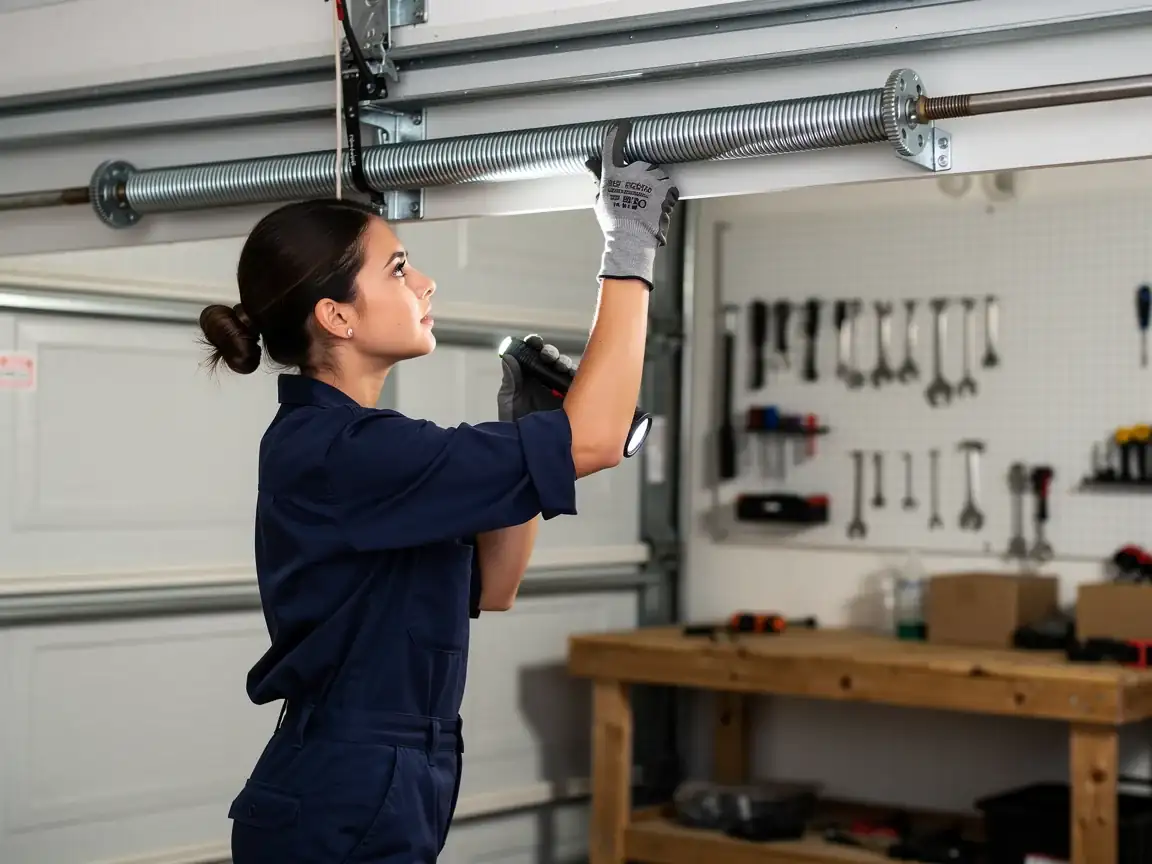
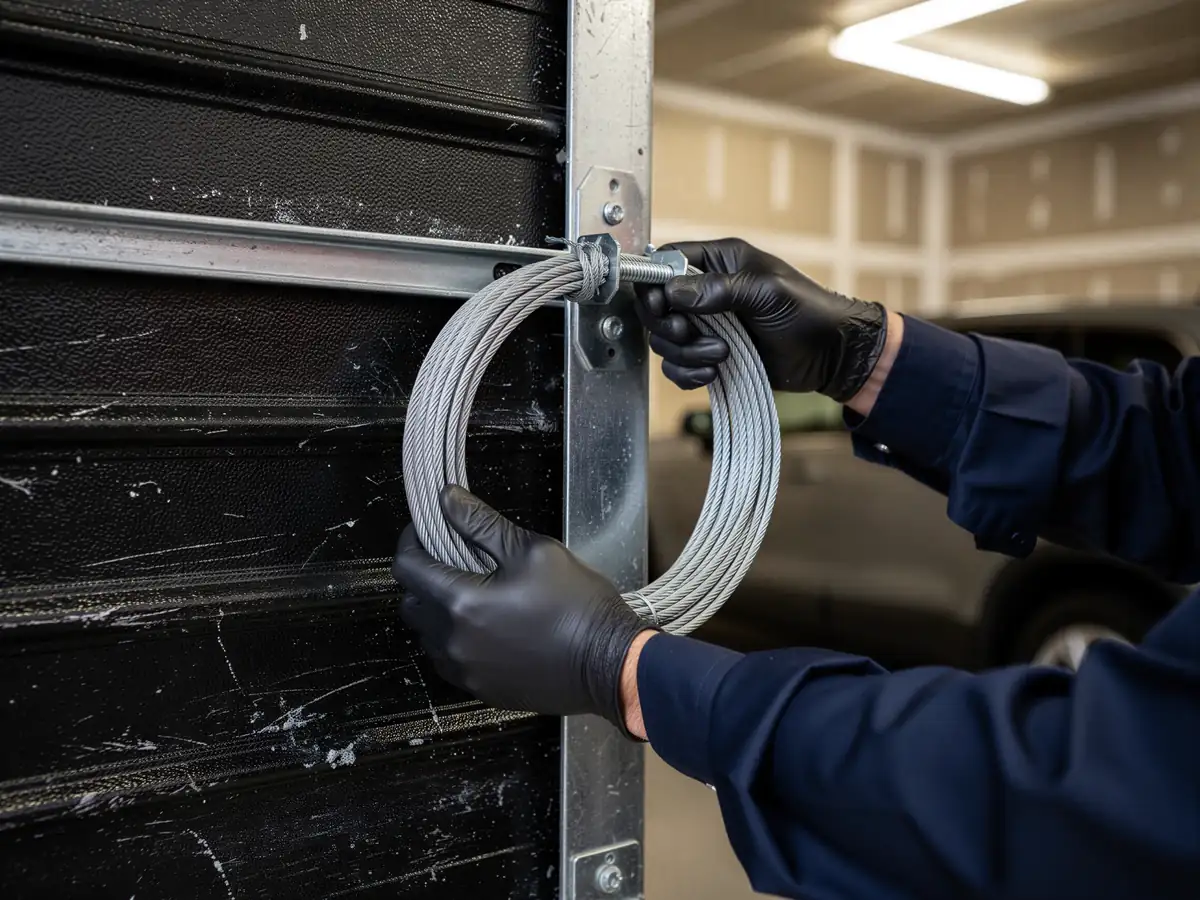
On the truck we keep standard-width rollers, replacement track sections in the common residential gauges, and the brackets and lag hardware that match older stud spacing, since a lot of Norwalk garages still have the original framing. We also carry cable and pulley stock, because an off-track door often drags a cable with it when it jumps the rail. What we don't stock is anything custom-width or a specialty panel section - if your door needs a non-standard track to match an odd header height, that part gets ordered and the job runs on a second visit. We'd rather tell you that up front than have you wait on a truck that doesn't have what your door needs.
How We Fix It
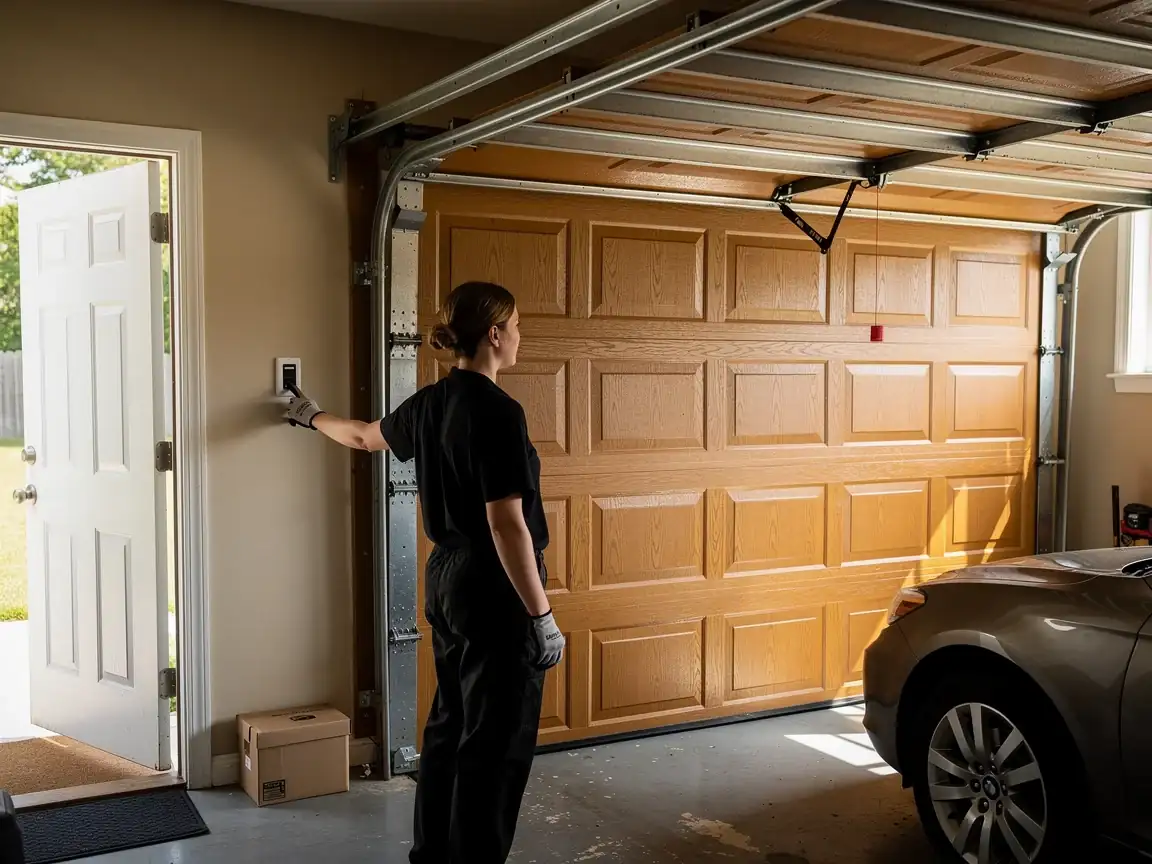
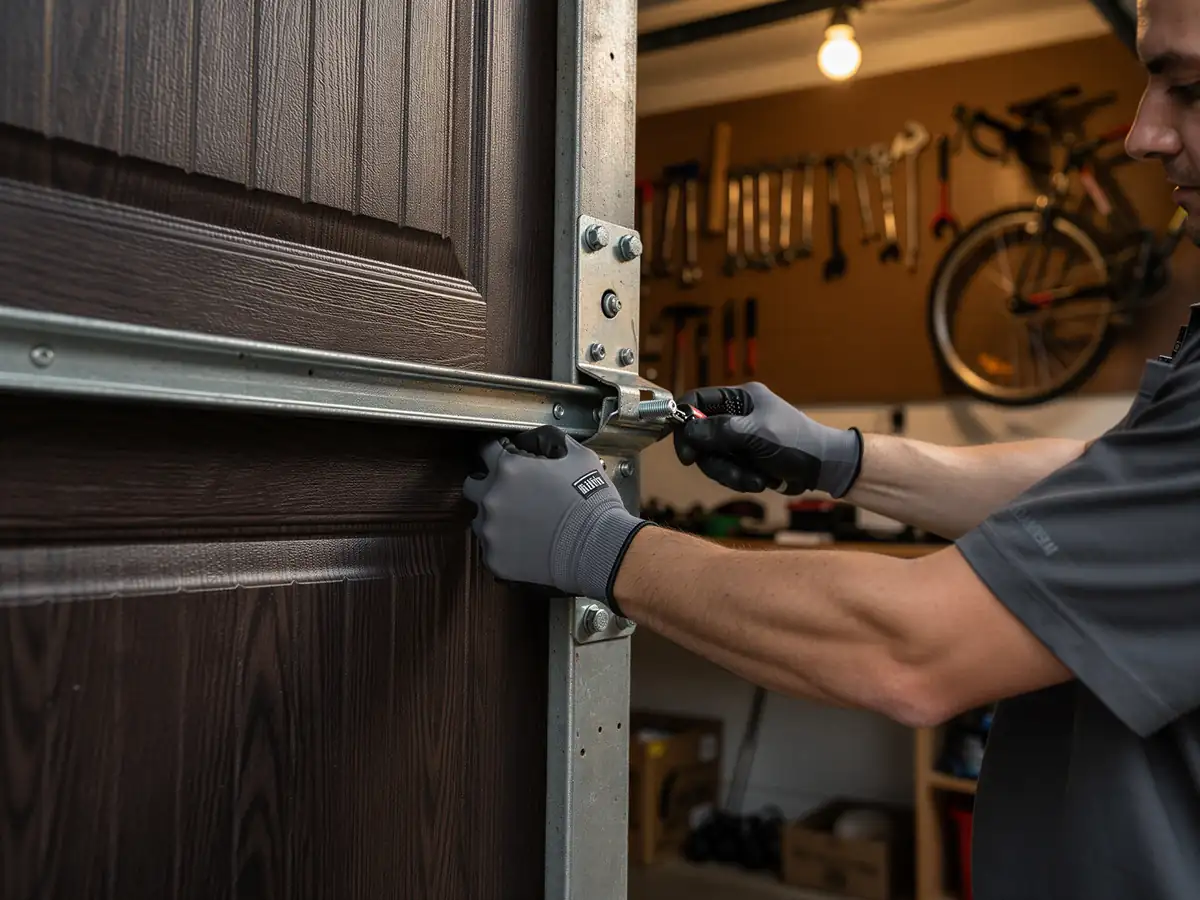
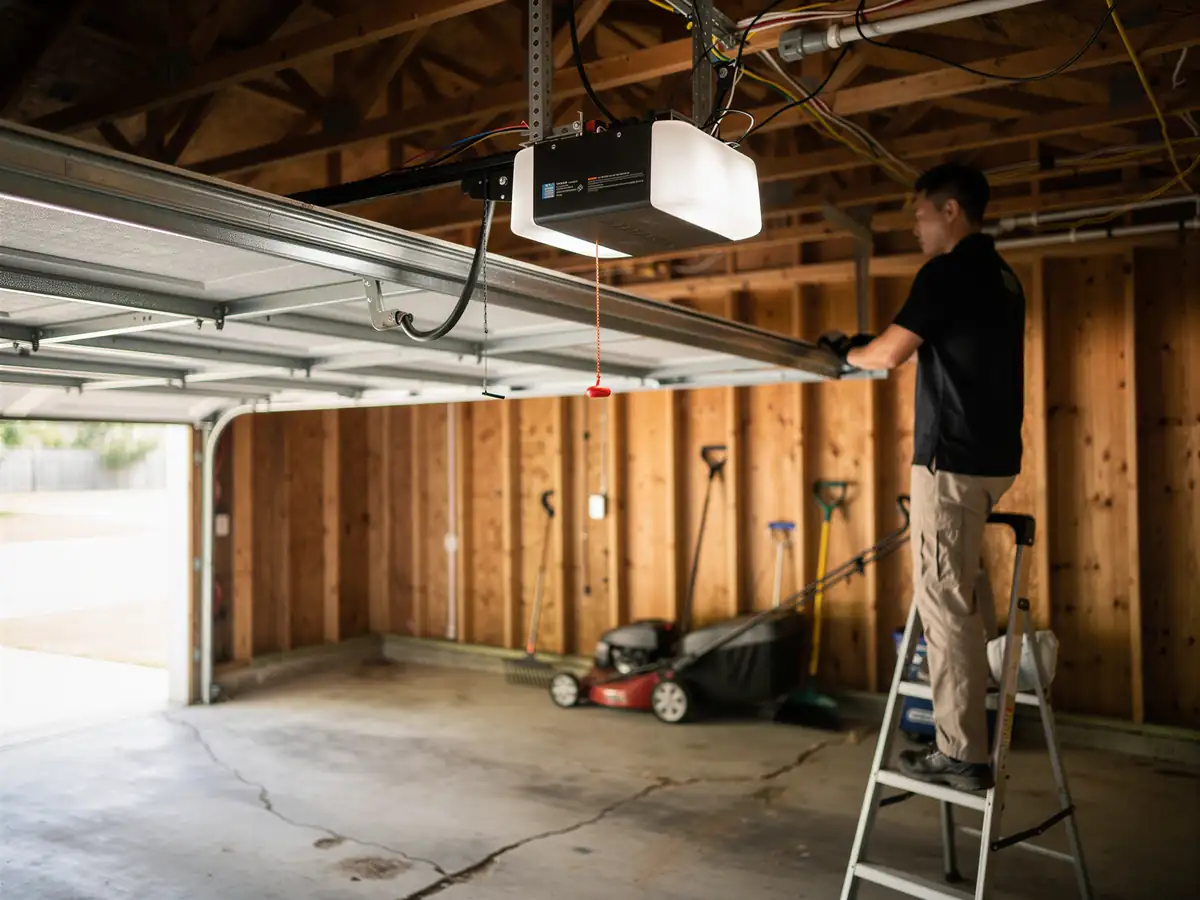
First we take the door off the opener and check whether it moves freely by hand - that tells us if the problem is the track or something upstream like a spring or cable. Then we look at the rollers: worn, oval, or snapped rollers get replaced before anything else, since a bad roller is what climbs the rail in the first place. If the track itself is bent, we straighten or replace that section rather than trying to force a door back through a track that's already out of true. Last, we check the brackets holding the track to the frame, which in Norwalk's older housing stock is where we most often find the real cause - a bracket worked loose over decades rather than failed outright. Once everything's reseated, we run the door a dozen cycles by hand and with the opener before calling it done, watching for any drift back toward the same edge.
What Causes It Around Here
The service area sits in a mild temperate climate, so we're not dealing with the freeze-thaw cycling that cracks track brackets in colder regions - rust and corrosion move slower here. What we do see in a neighborhood built mostly in the late 1950s is simple age: original track hardware that's been through enough door cycles to wear the roller channel, brackets that have loosened a fraction of an inch at a time, and the occasional door that's been bumped by a car and nudged just enough to start riding the rail edge. Norwalk's 26,801 households and a median income of $98,709 put it a touch above the wider service area's $97,397, and we mention that only because it tracks with what we see on these calls - most of these doors have been maintained, not neglected, so when one jumps the track it's usually one specific part failing rather than years of ignored upkeep.