The Cost of This Job
Norwalk has about 26,801 households, which puts it on the smaller end of the 90-odd communities we cover out of Downey, and that size shapes what shows up on the truck. It's not a town with a lot of new construction mixed in - most of the stock went up in one steady wave, and the jobs we get called for are the ones that wave produces: a spring that's finally given out after decades of cycles, a panel that's rusted at the bottom corner, hardware that was never swapped since the house was built. Cost on any of this depends on what's actually wrong and what the door needs, not on the zip code. A torsion spring replacement is priced differently than a full opener swap or a bent track straightened out. We don't quote a flat number over the phone before we've looked at the door, because a door with original 1950s hardware can need a part that newer doors don't use at all, and that changes the job. What we can tell you is that the median household income here, just under $98,700, tracks close to the rest of the area, so pricing isn't adjusted up or down for Norwalk specifically - it's the same parts and labor rates we use anywhere we work from Downey.
Parts We Carry
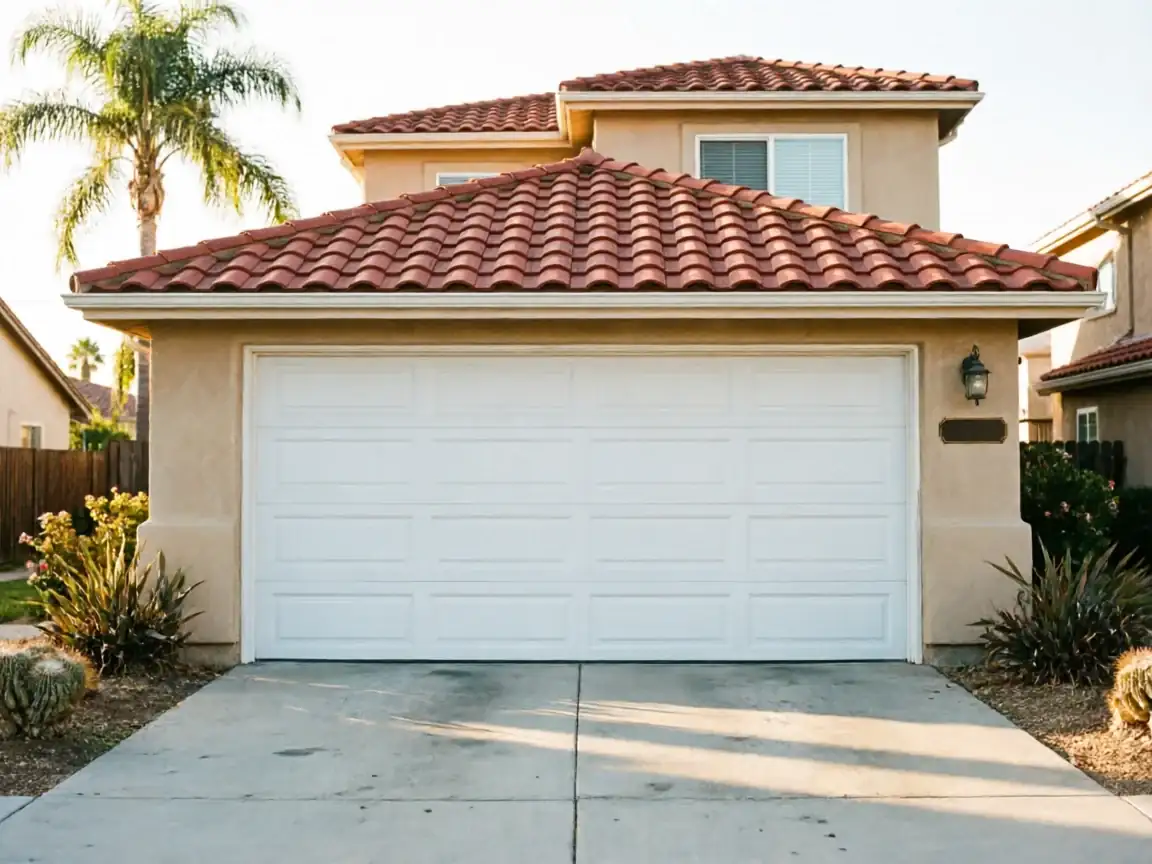
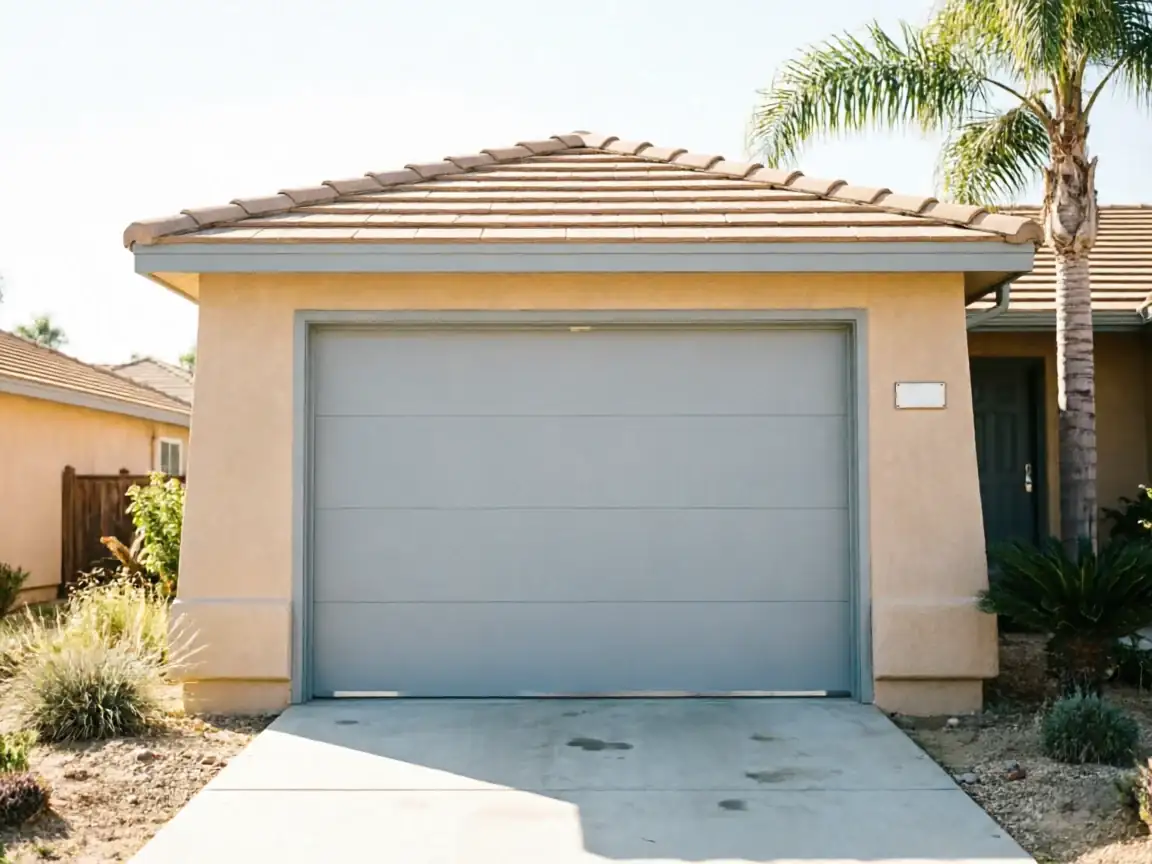
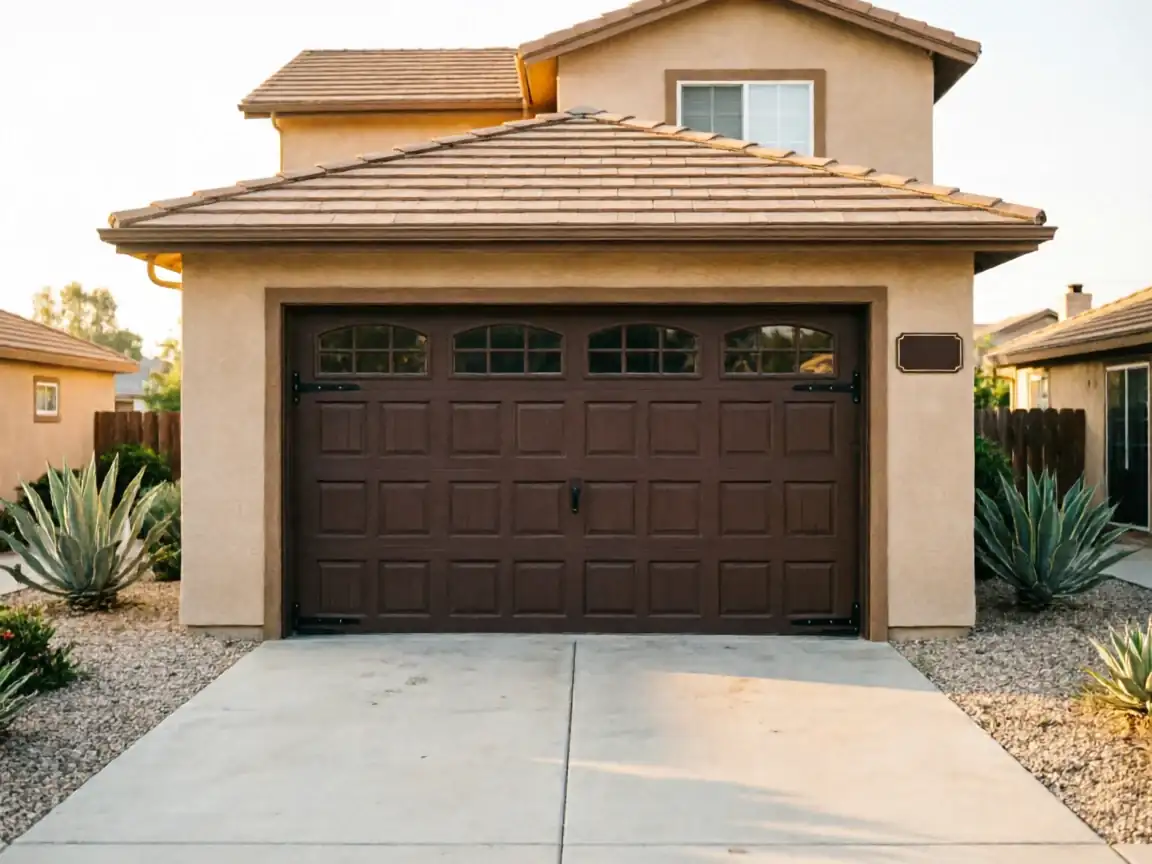
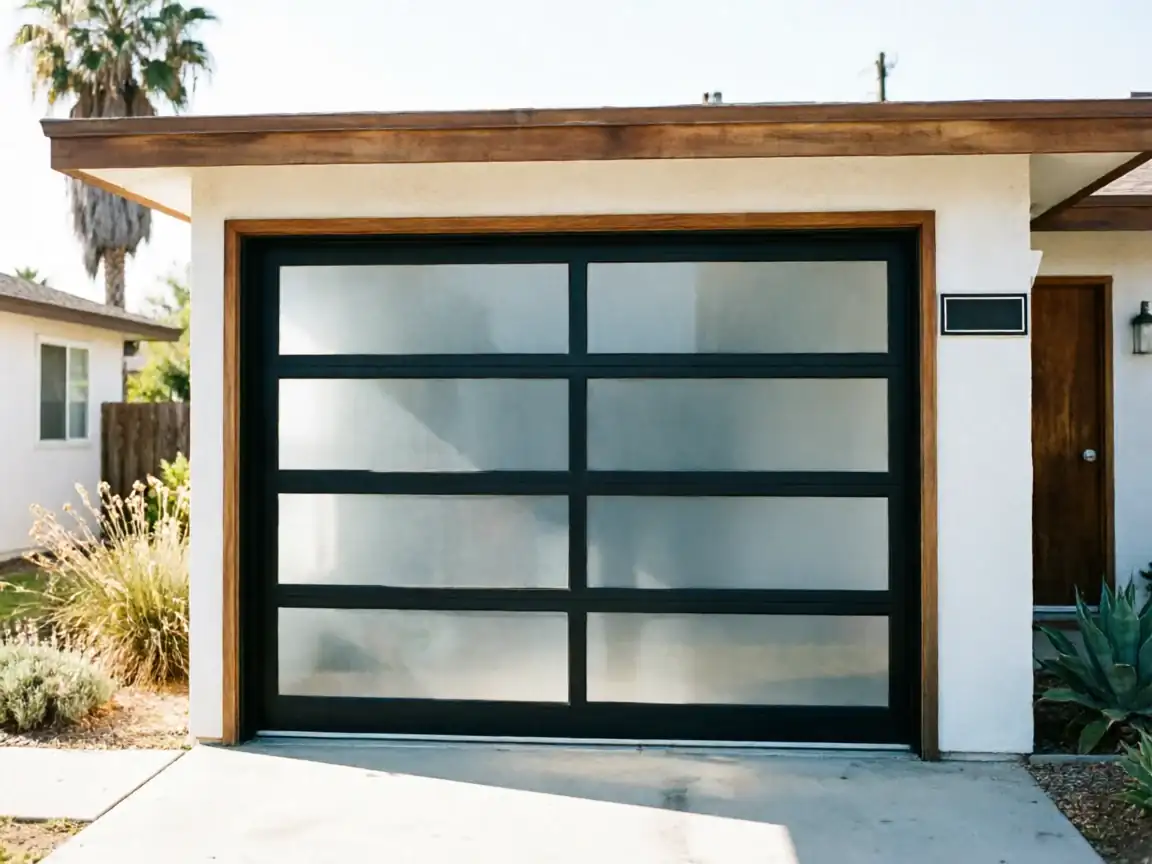
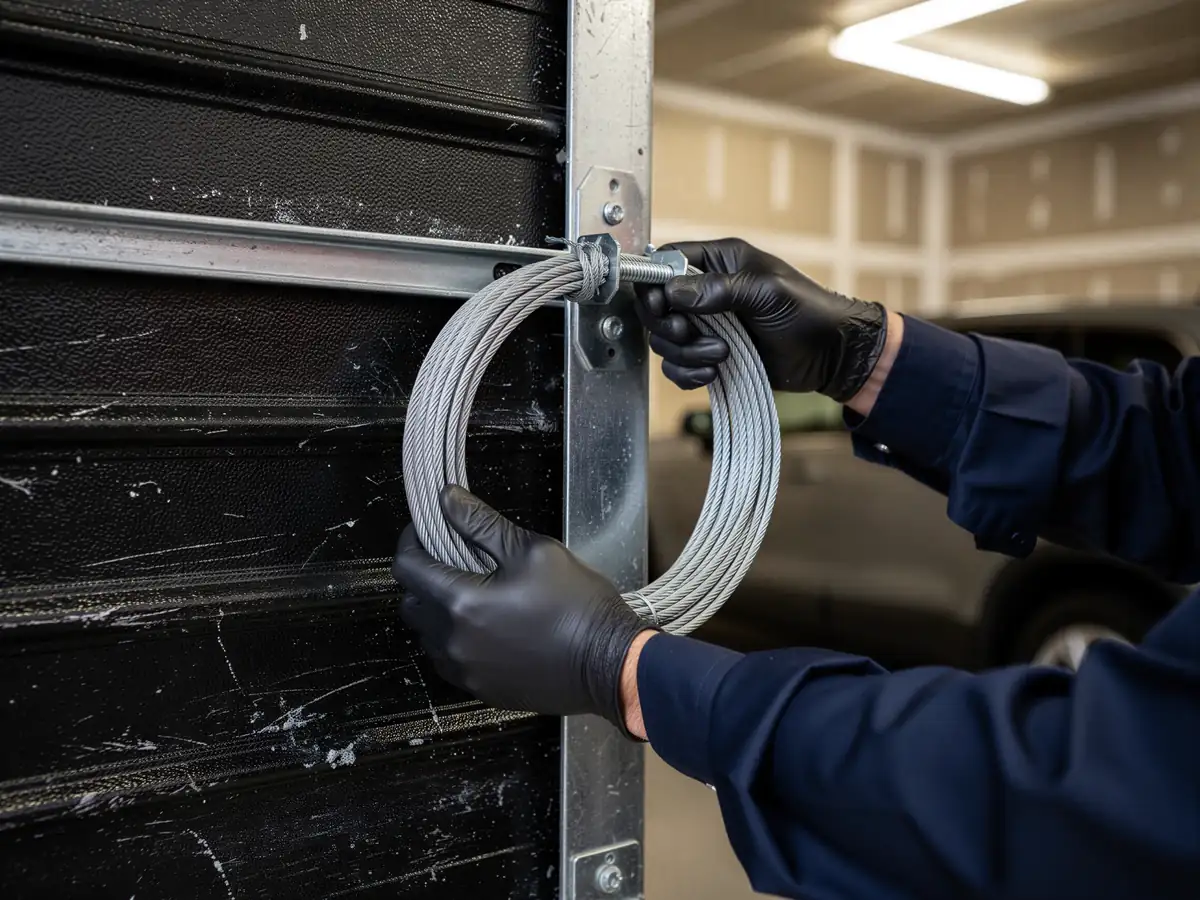
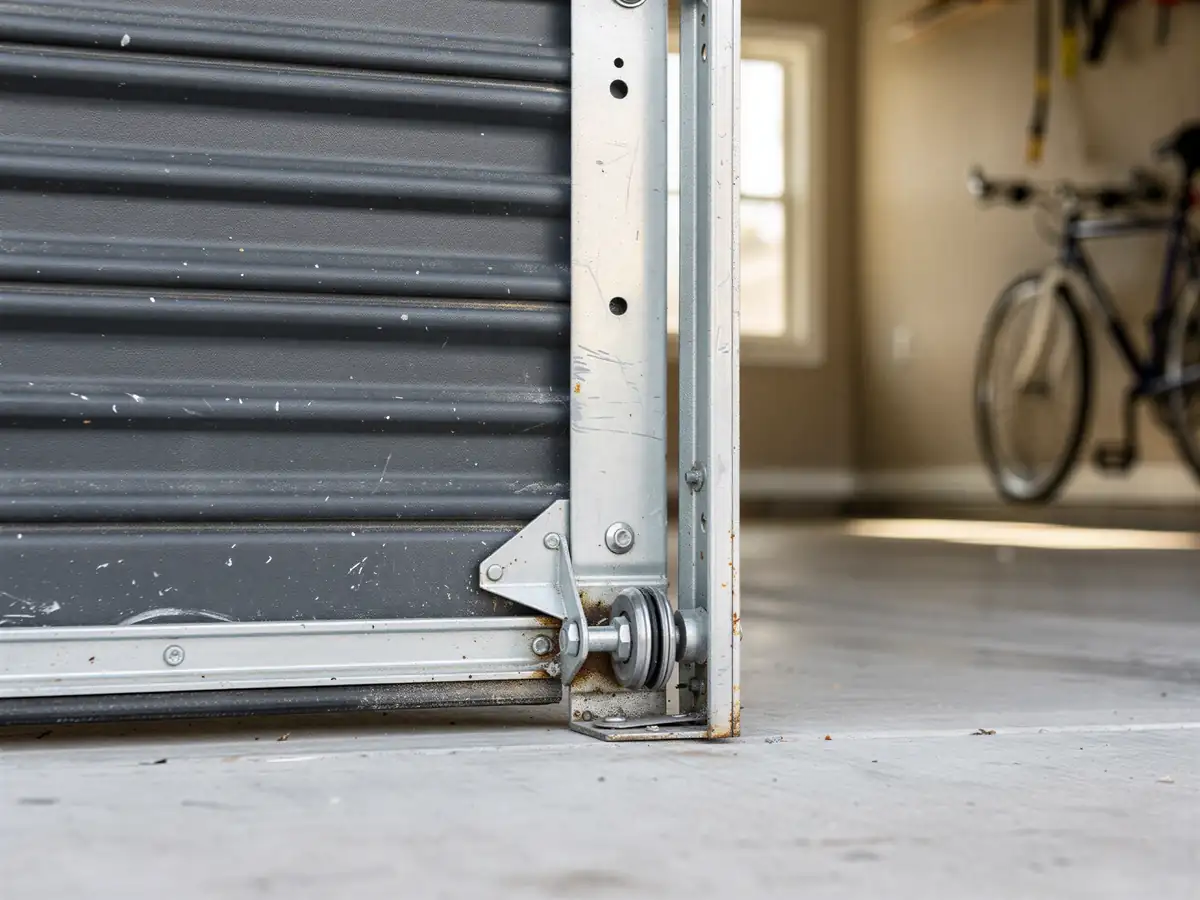
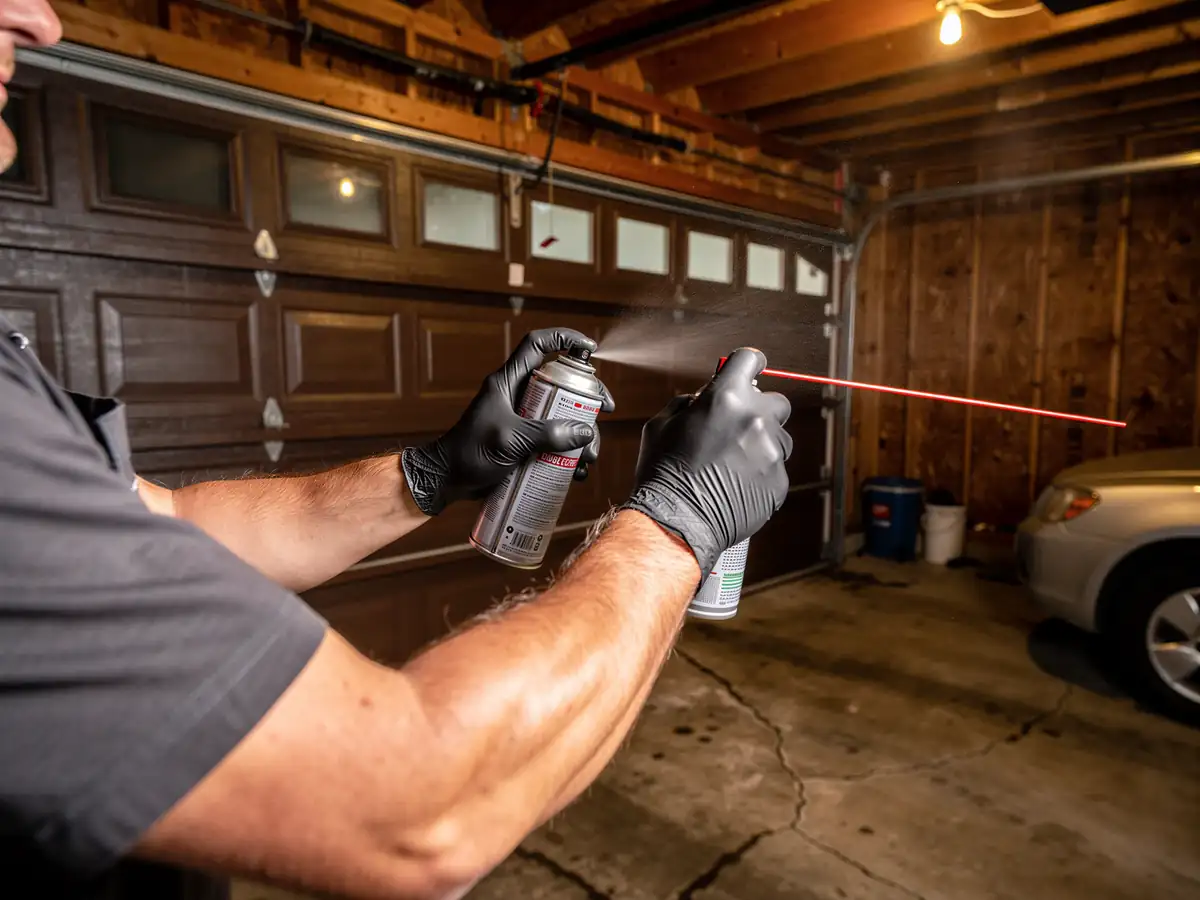
Because Norwalk's housing runs older than a lot of the newer pockets in this service area - median year built here is 1957, a handful of years ahead of the broader 1963 median across the territory - we stock springs and cable sizes that match doors from that era, not just current-production hardware. A lot of torsion springs installed when these houses were built are sized differently than what big box stores carry today, and a 1950s one-piece or early sectional door often runs on track and roller hardware that doesn't match a 2015 build. We carry extension and torsion springs across a range of sizes, rollers in nylon and steel, cables, and opener parts that cover both older chain-drive units and newer belt and screw drives, since plenty of Norwalk garages have had at least one opener swap since the original door went in. What we don't carry on the truck is anything custom-ordered - a specialty panel insert or a discontinued wood-look door face sometimes has to be special-ordered, and that's a limitation worth knowing up front rather than after we've already made the drive.
How We Fix It
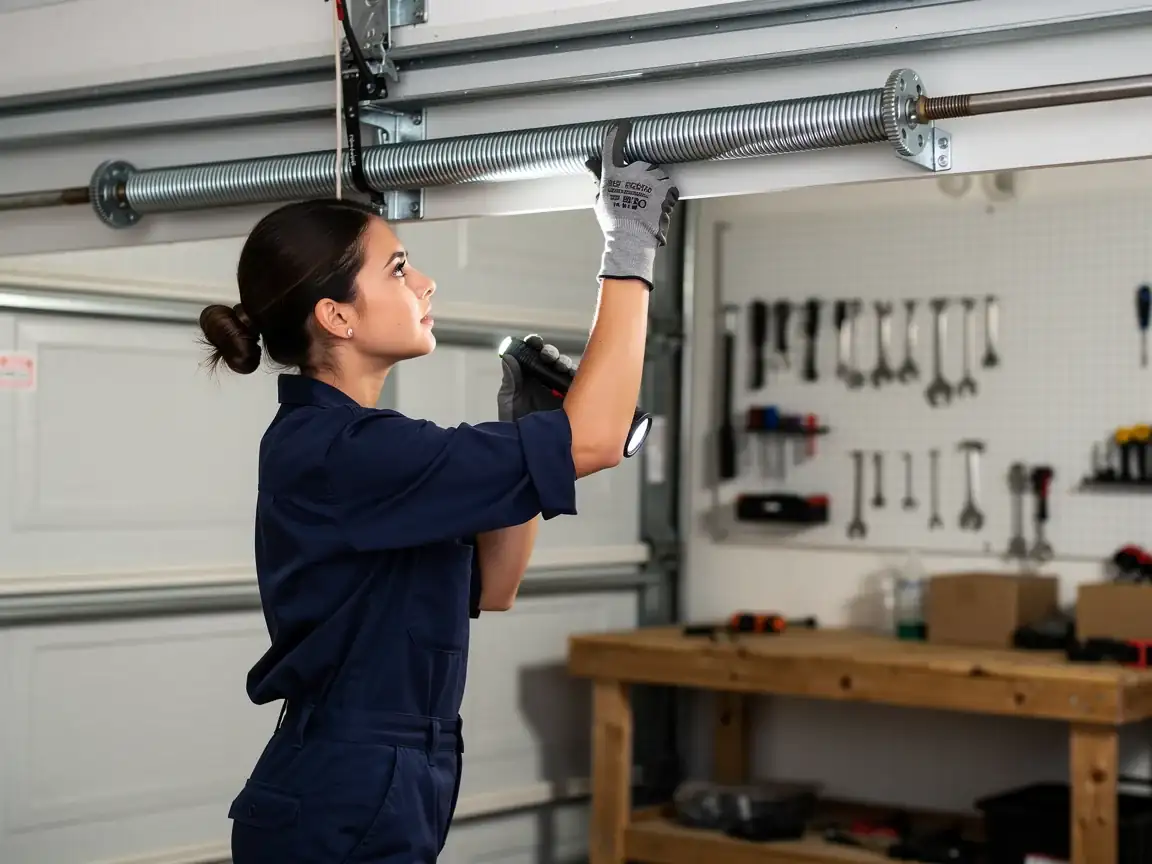
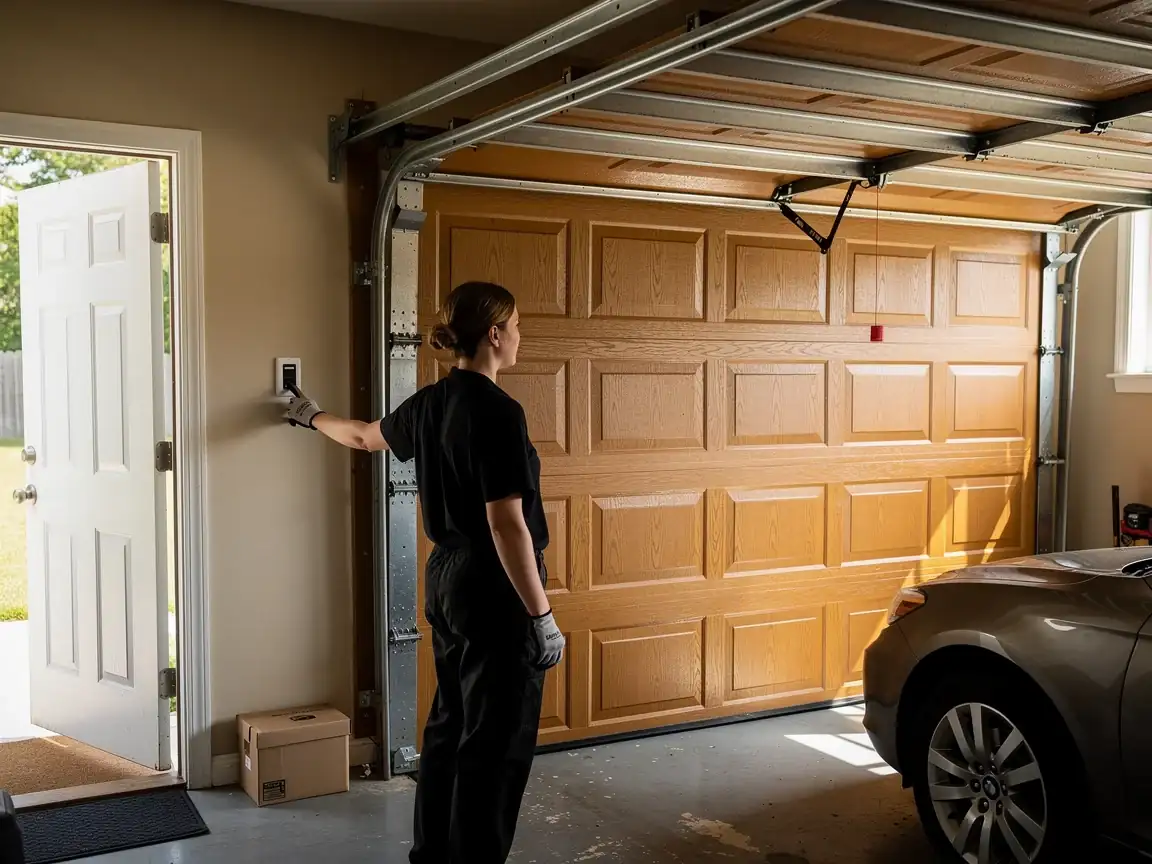
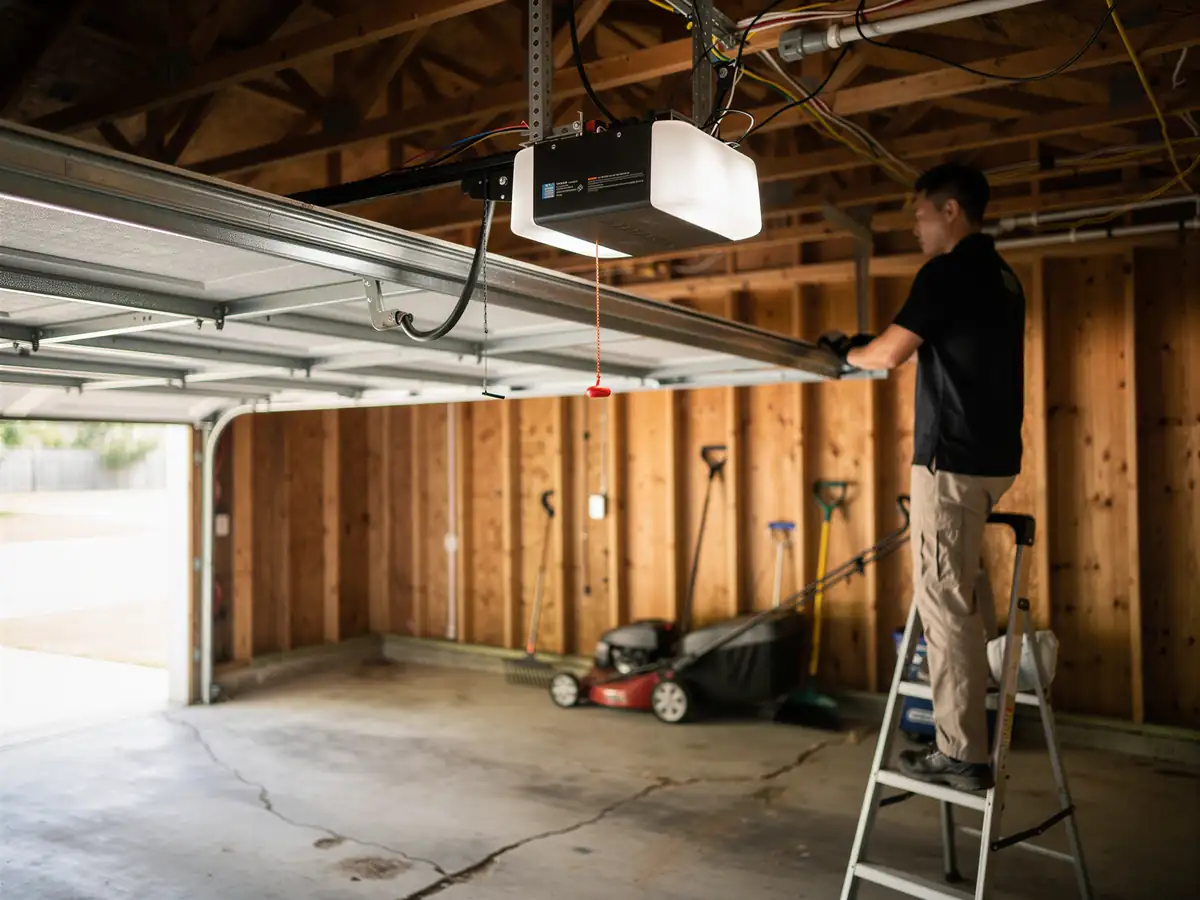
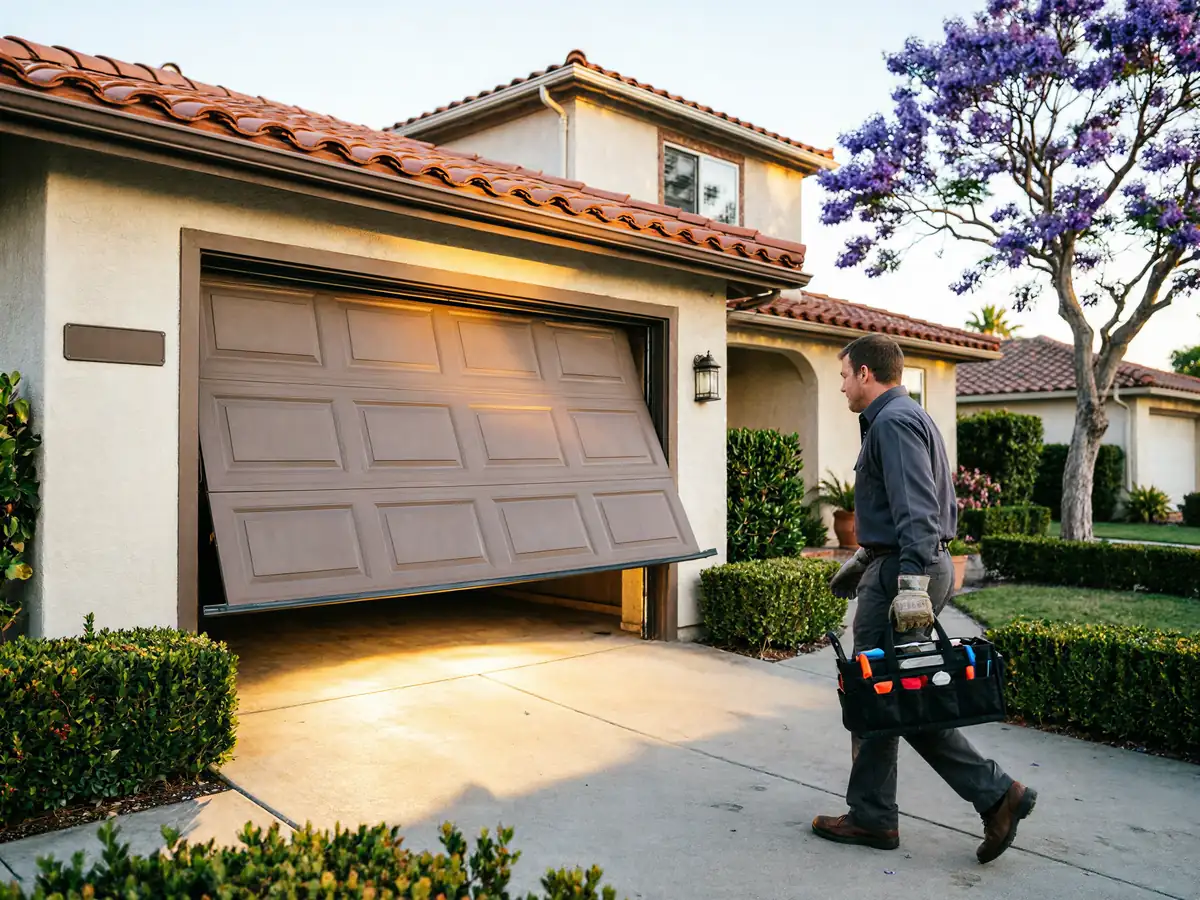
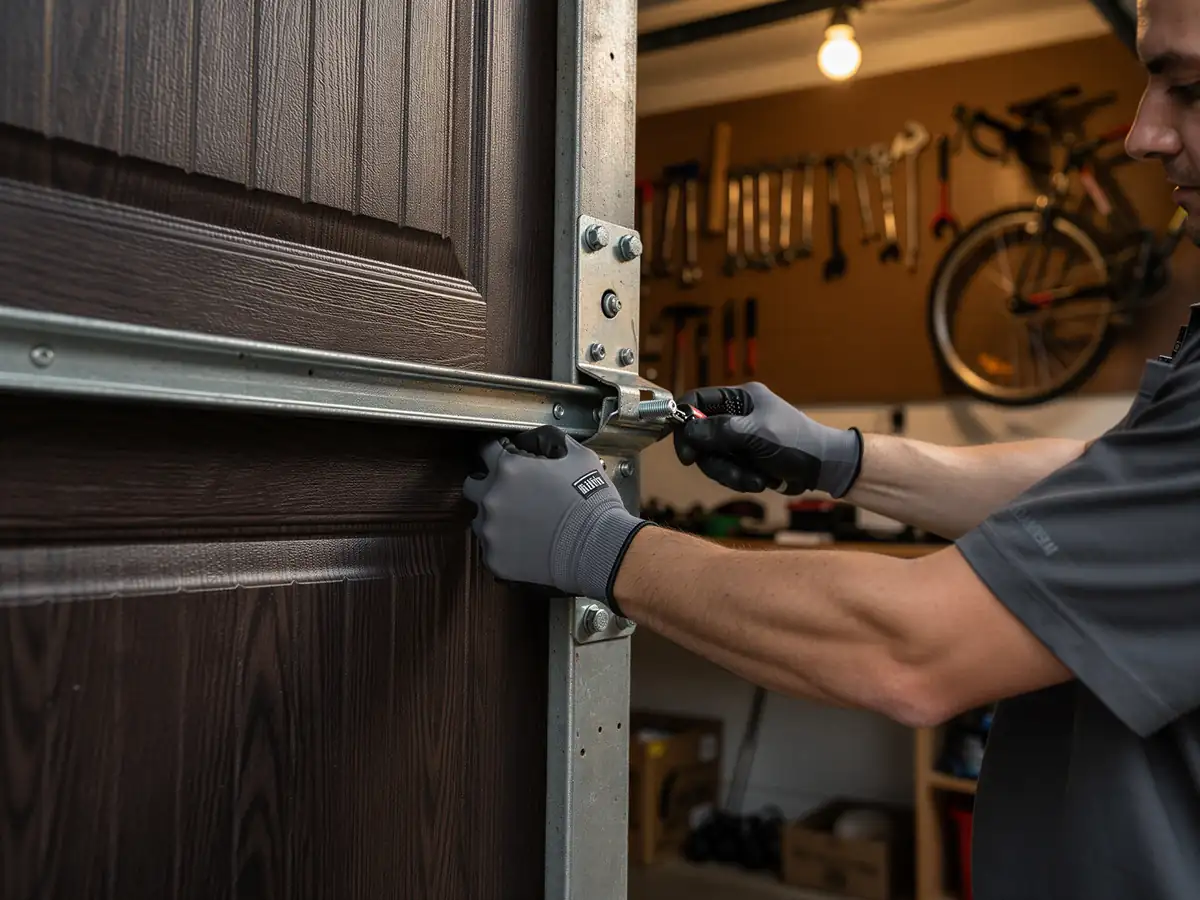
We come from Downey, about 3 miles out, so there's no separate branch or crew based in Norwalk - it's the same technicians and the same stocked trucks making that short drive for every call here. On arrival, the first step is always diagnosis before any part gets replaced: checking the spring tension, the track alignment, the opener's force settings, and the condition of the cables and rollers. On houses from this area's era, that often means checking whether the torsion hardware is original, because original drums and shafts sized for a 1957 door sometimes need to be matched rather than swapped for a generic modern replacement. Once we know what's actually failed, we replace that part - not the whole system - unless the door's age and condition mean a repair genuinely isn't worth it compared to replacement. We test the full cycle before we leave: balance, travel limits, auto-reverse safety sensors, and the opener's response to the remote and wall switch. If something needs a part we didn't bring, we're honest about that delay rather than forcing a workaround.
What Causes It Around Here
The area sits in a mild temperate climate band, so the usual suspects - extreme cold snapping metal, heavy snow load, or ice jamming a track - aren't what we're troubleshooting in Norwalk. What we see instead is straightforward mechanical fatigue tied to the age of the stock: springs that have simply run out of cycles after 60-plus years, cables that have frayed from slow corrosion rather than sudden stress, and rollers worn oval instead of round from decades of use on original track. Garages built in this period also tend to have less insulation and more exposure to temperature swings inside the garage itself, which over time dries out lubricant on hardware faster than people expect. We also see openers that were added or replaced after the original build - a 1957 house with a 1990s chain-drive opener bolted onto an unmodified door frame is a common combination, and sometimes the mismatch between old door and newer opener is itself the source of the complaint, not a single broken part.