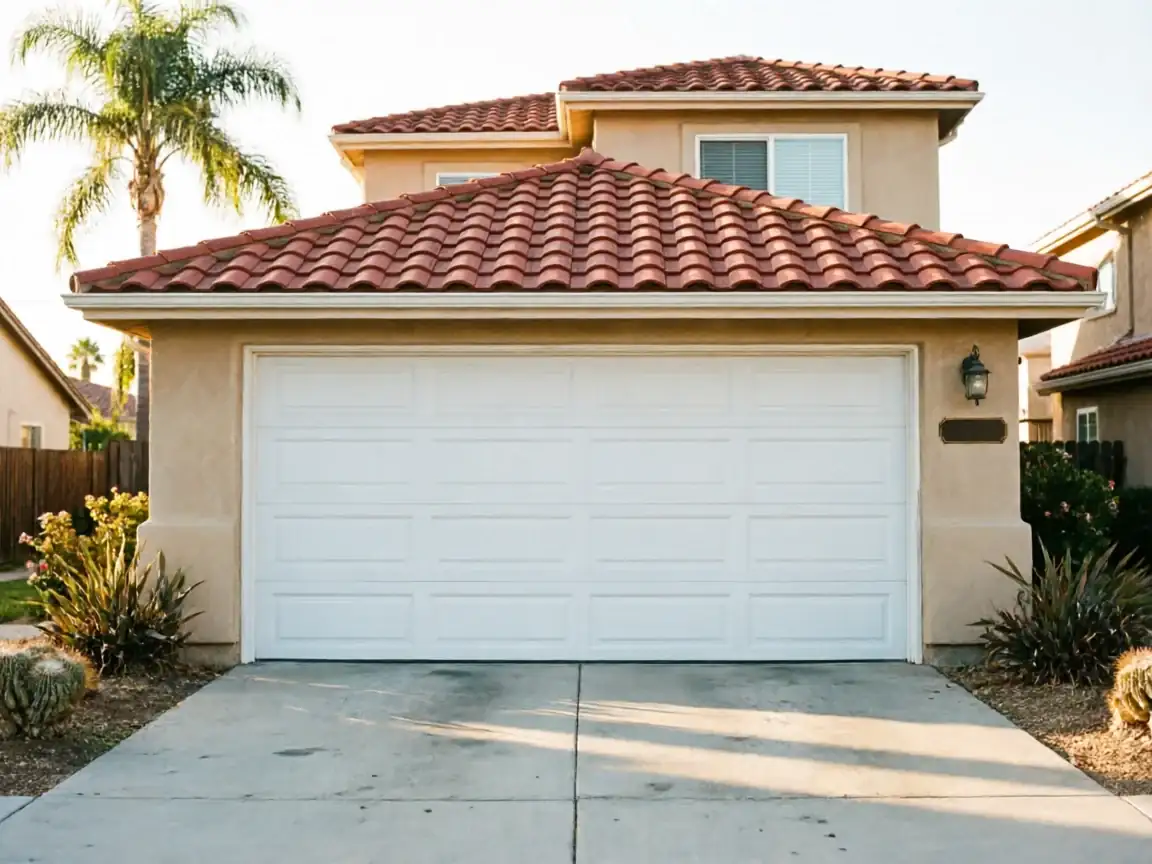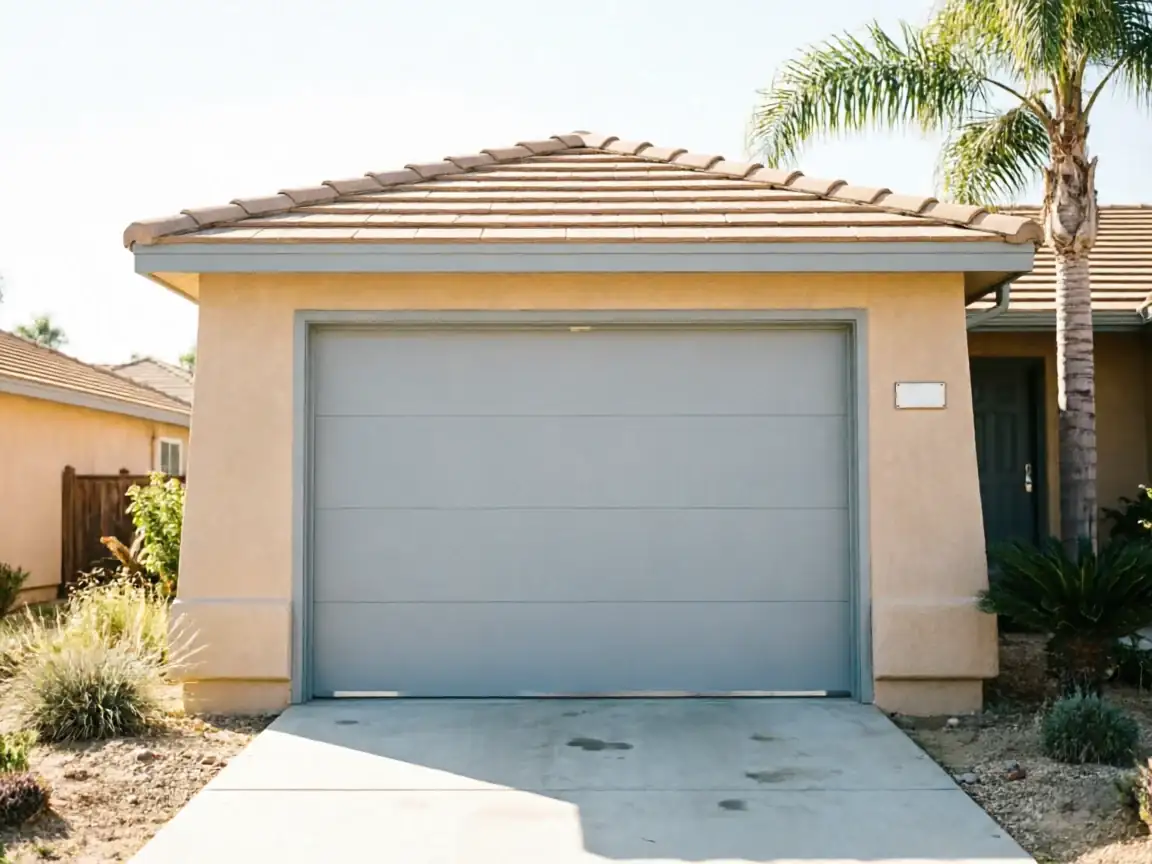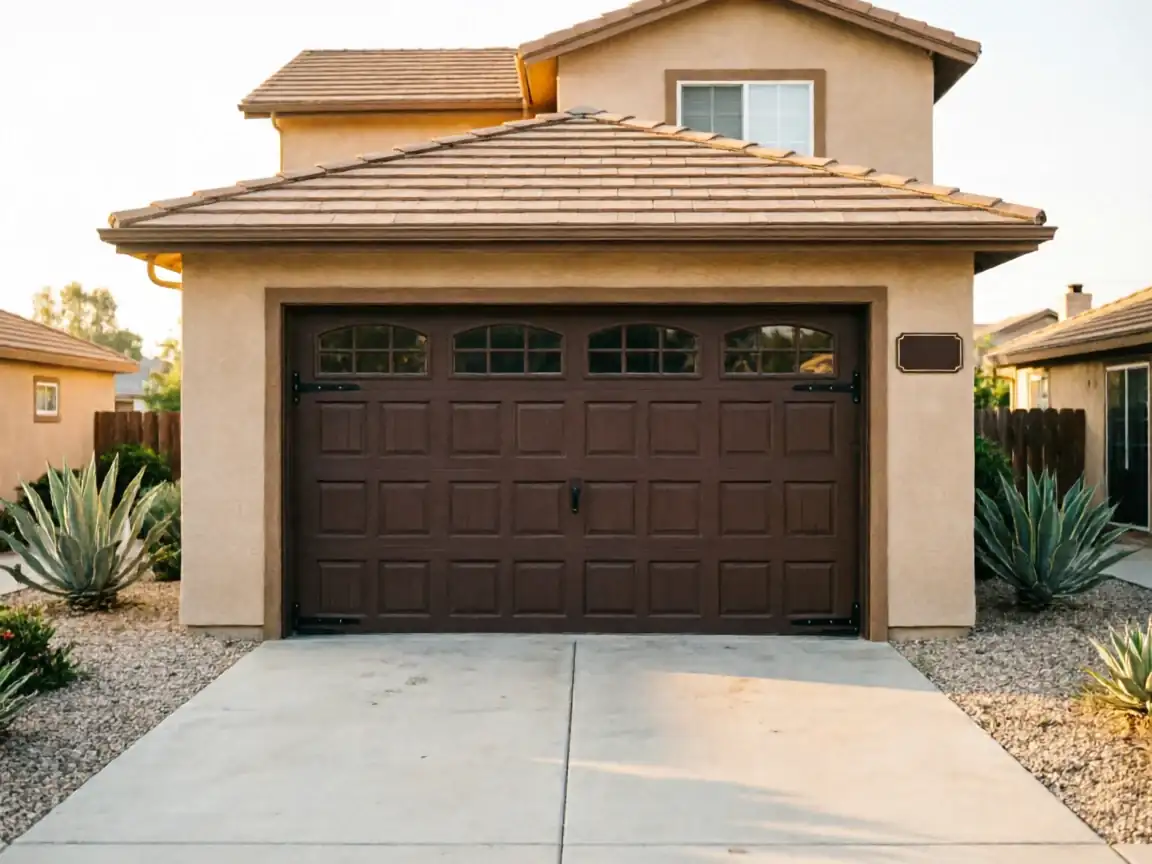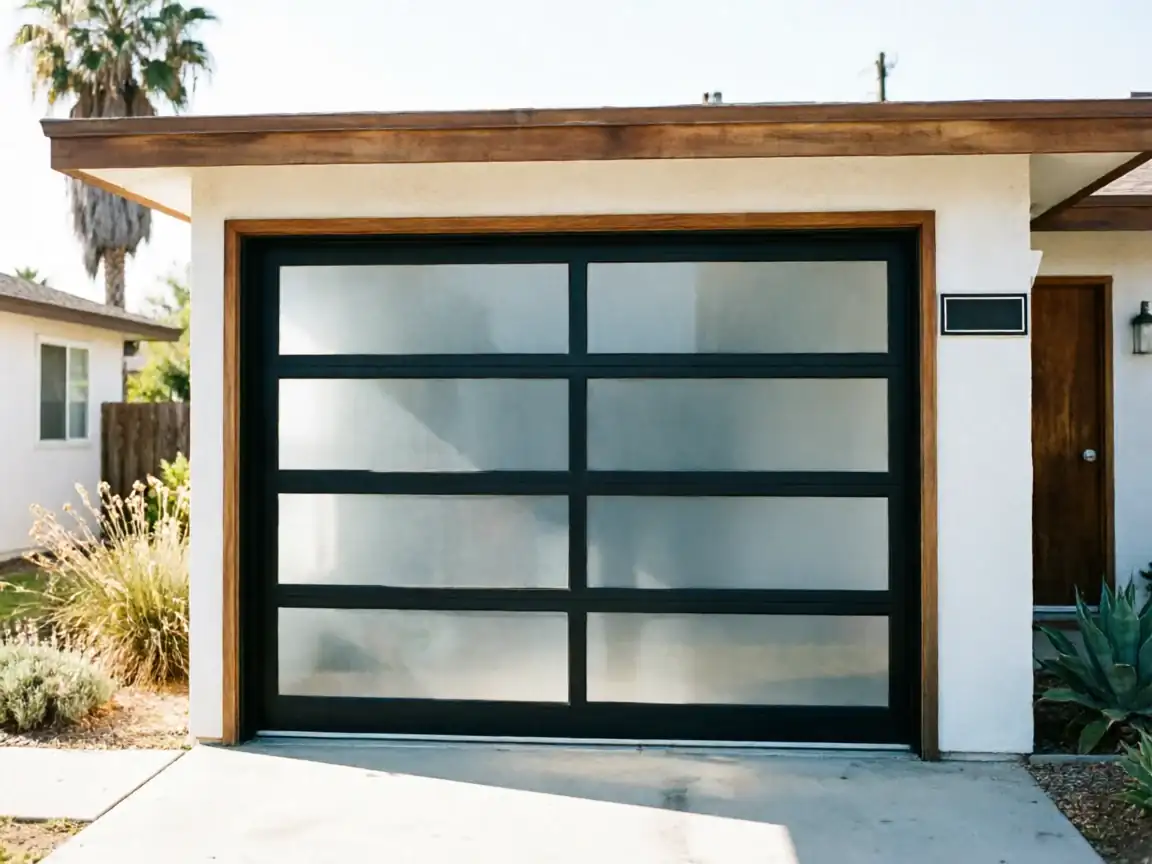
The Cost of This Job
Norwalk sits about 3 miles from our Downey shop, and the job here tends to run a bit different from the broader area average because the houses are older. Across the service area the median build year is 1963, but Norwalk's housing stock centers closer to 1957. That six-year gap matters more than it sounds like: openings from the late 1950s were often framed a hair narrower than the 1960s-70s tract standard, and the jambs have usually taken on decades of settling. We can't quote a flat number here without seeing the opening, because a straight swap on a square frame costs less than a job where we're re-squaring the jamb or building out trim to fit a modern door into an older rough opening. What we can tell you is that the age of the house is the first thing we check, before we talk door style or insulation.
Parts We Carry
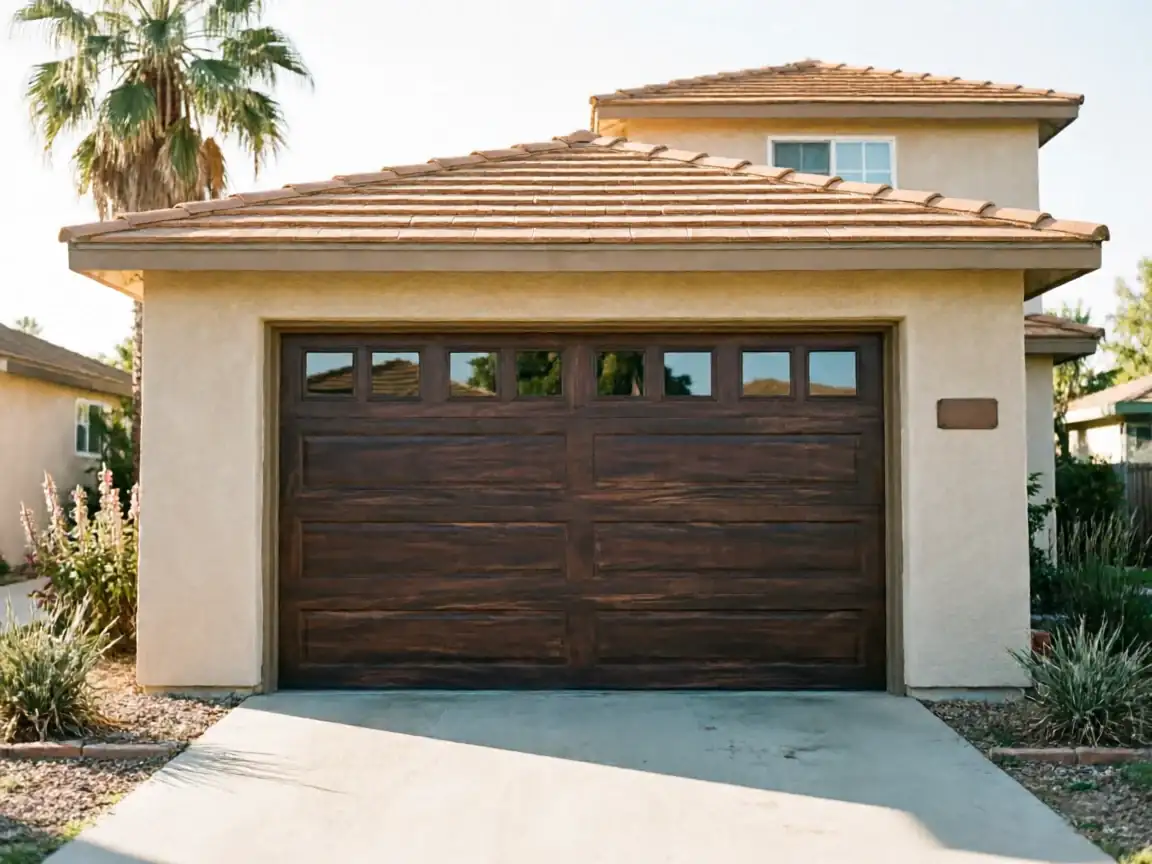
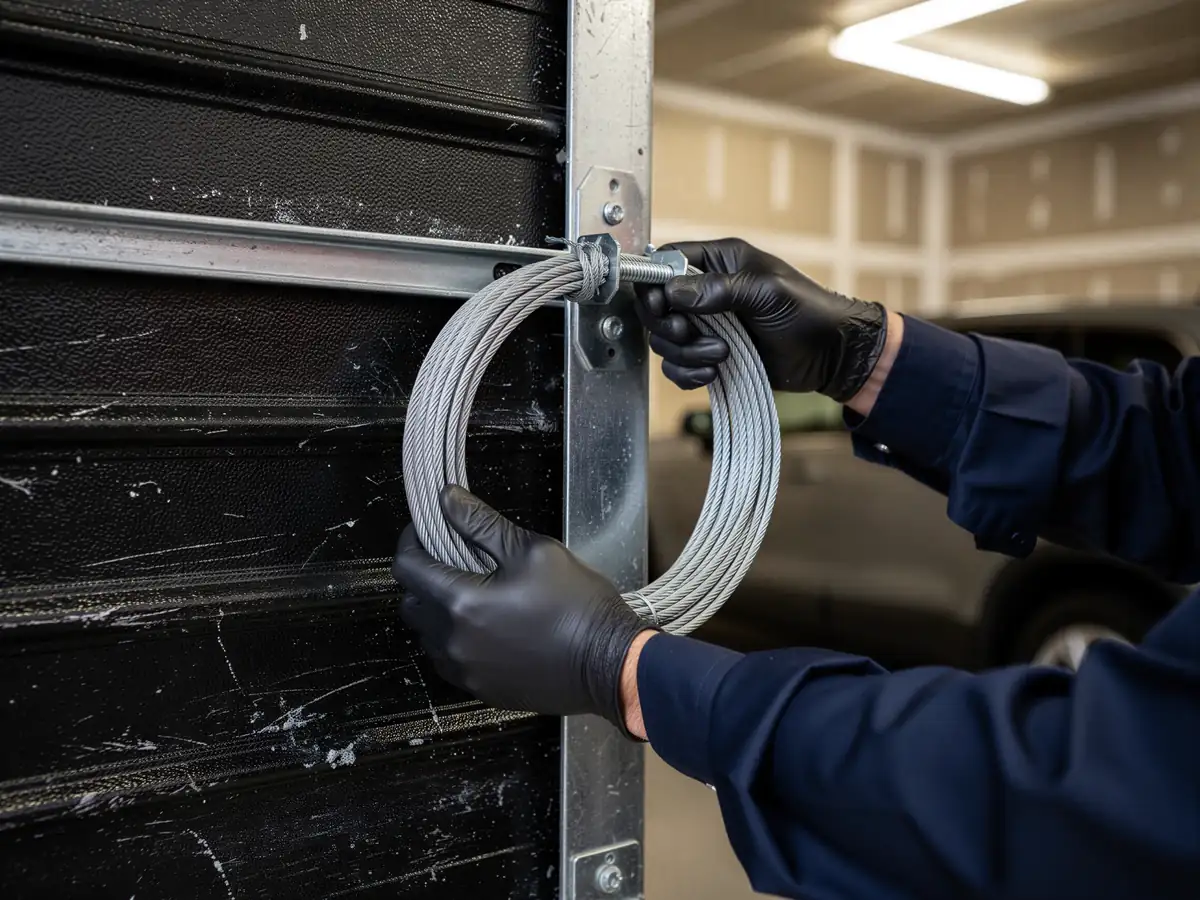
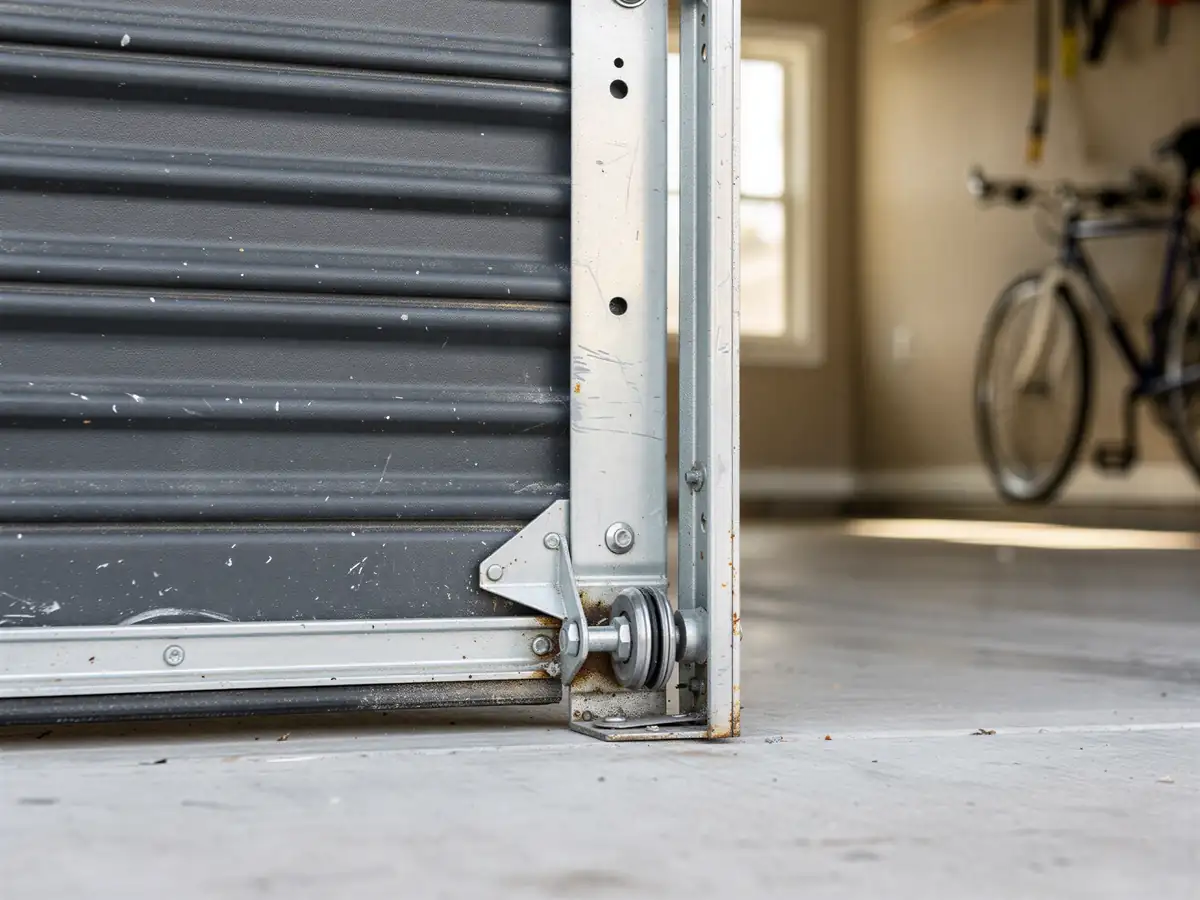
We stock standard torsion springs, galvanized rollers, flush and raised-panel steel sections, and the openers that fit both older post-and-beam headers and newer engineered ones. Norwalk's older homes, built when the area's median income and household counts looked nothing like today's $98,709 median, were framed for lighter wood doors on simpler hardware. When we swap one of those for a steel sectional door, the track and drum hardware usually need upgrading too, not just the door itself. We carry the brackets and reinforced end stiles for that kind of retrofit on the truck, because showing up with a door and no way to hang it properly on an older header wastes everyone's day.
How We Fix It
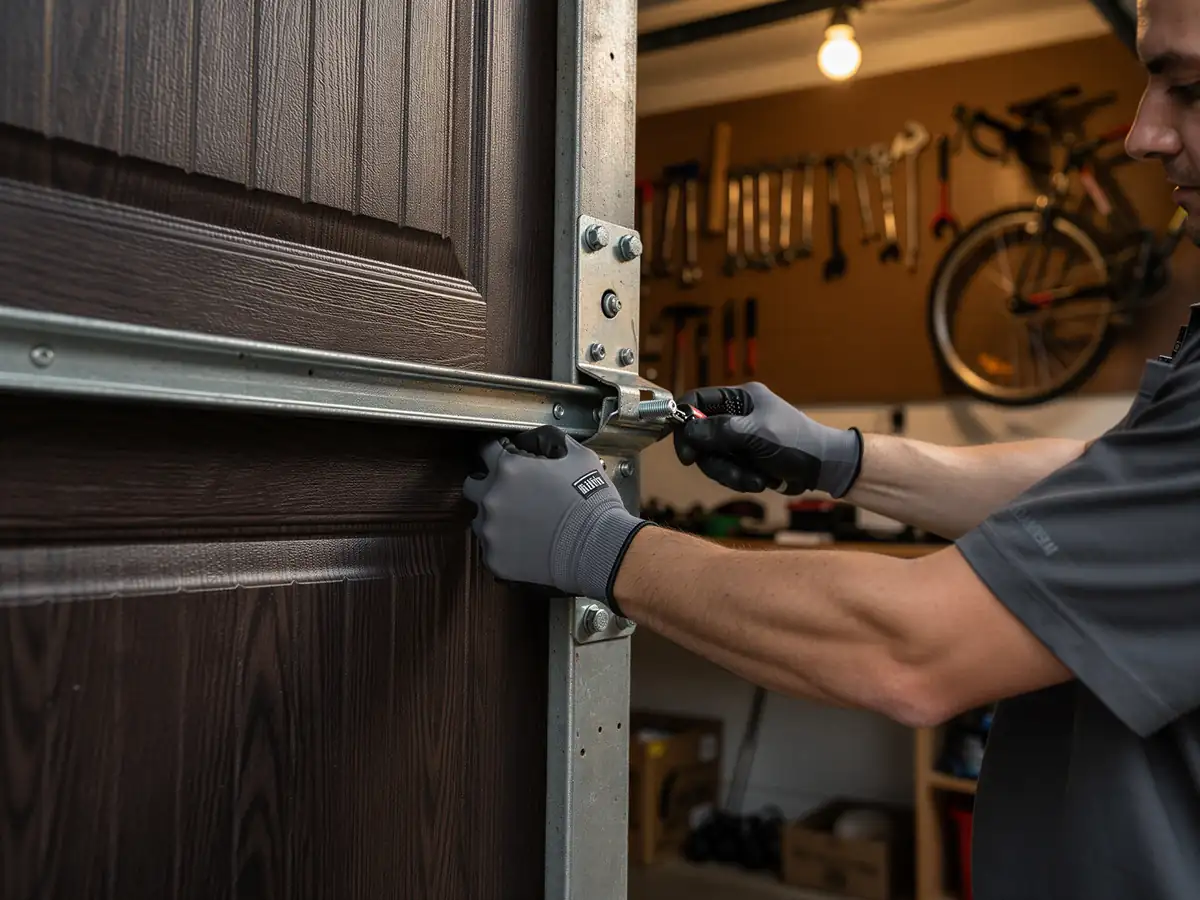
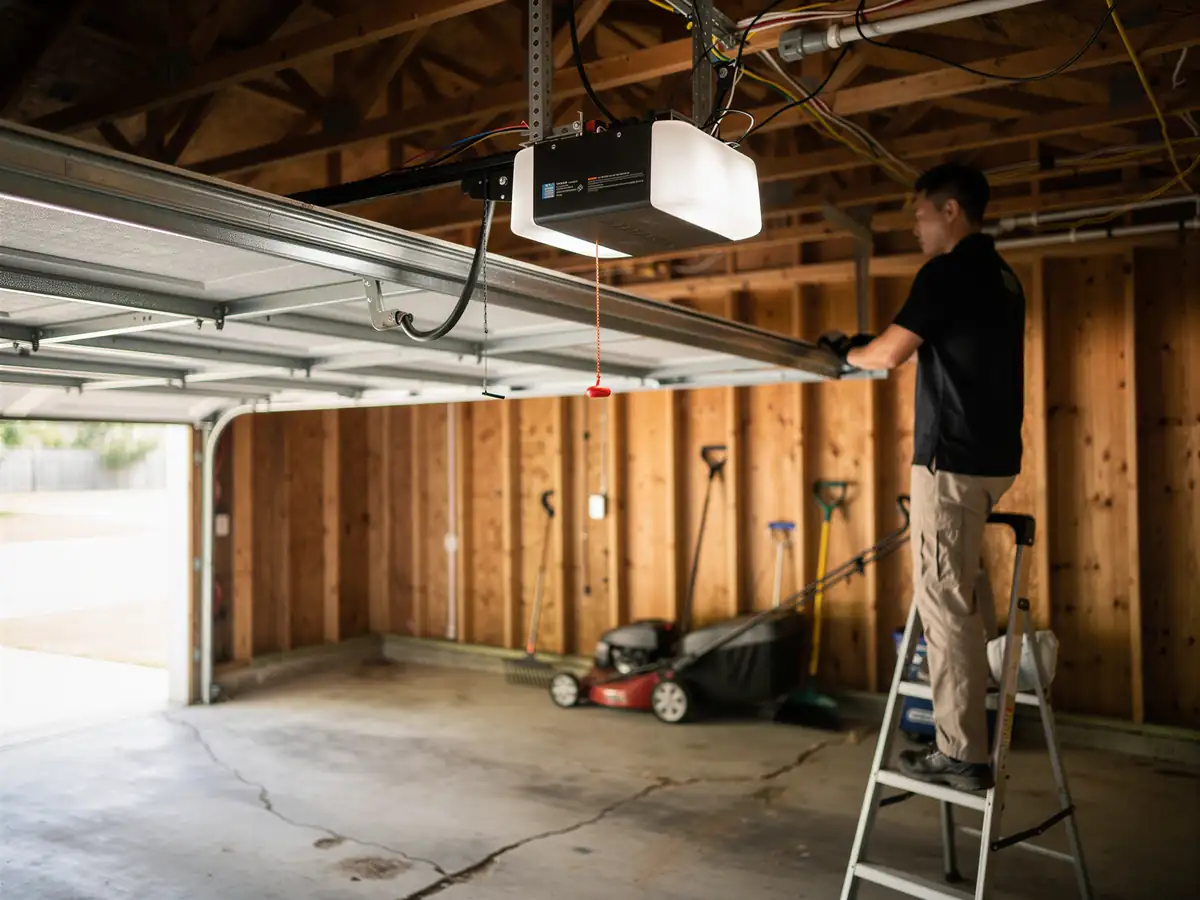
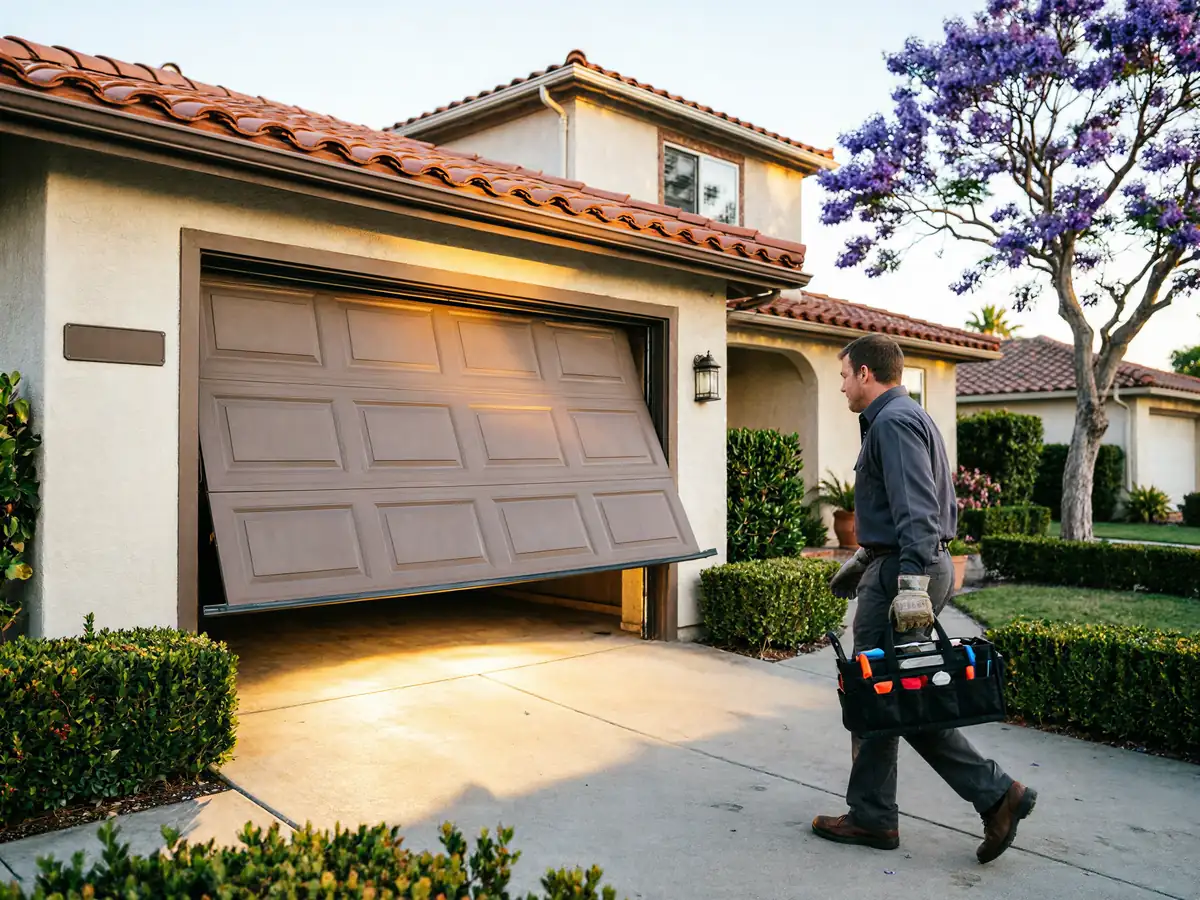
First we measure the actual opening, not the door's nominal size, because older Norwalk frames run small or out-of-square more often than newer tract construction elsewhere in the service area. We check the header for whether it'll take a standard torsion spring or needs a jackshaft setup instead. Then we size the new door to the real opening, reinforce the jamb where the wood has dried and shrunk, and set the track plumb before we ever touch the spring. Mild temperate weather here means we're not fighting frost heave or extreme humidity swings on the frame, which is one thing that makes this job more predictable than it would be in a harsher climate. Last step is balancing the door by hand before the opener goes on, so the motor isn't doing work the springs should be doing.
What Causes It Around Here
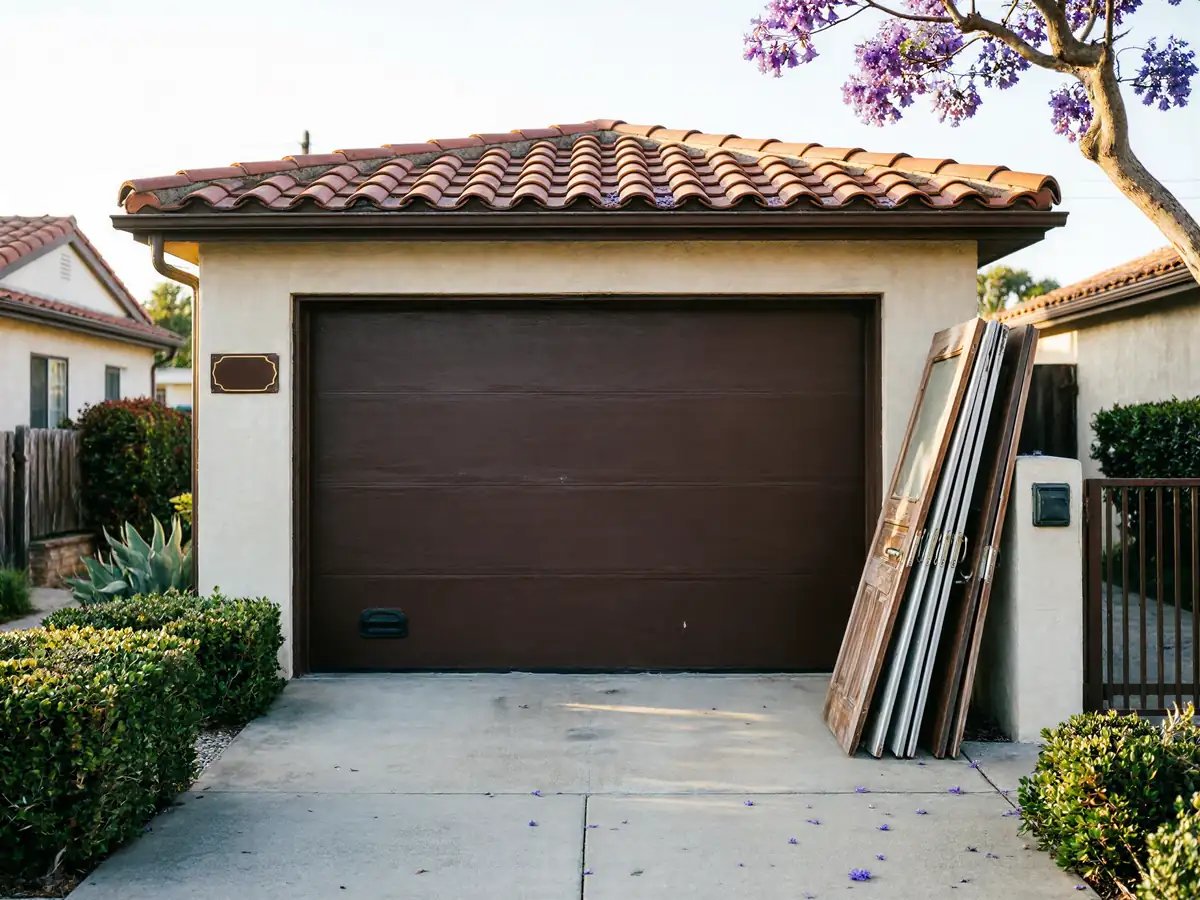
The short answer is age. A house built around 1957 has had a lot more years for its garage framing to move, for old fiberglass or single-layer wood doors to warp, and for hardware that was never rated for today's heavier insulated sections to simply wear out. Across the wider area, which runs mostly 1960s-70s construction, we see later failure patterns, cracked panels and worn rollers more than structural frame issues. In Norwalk specifically, we see more jobs where the real problem is the opening itself, not just the door hanging in it. That's the reason we check the frame first instead of just matching the old door's size when we quote a replacement.