The Cost of This Job
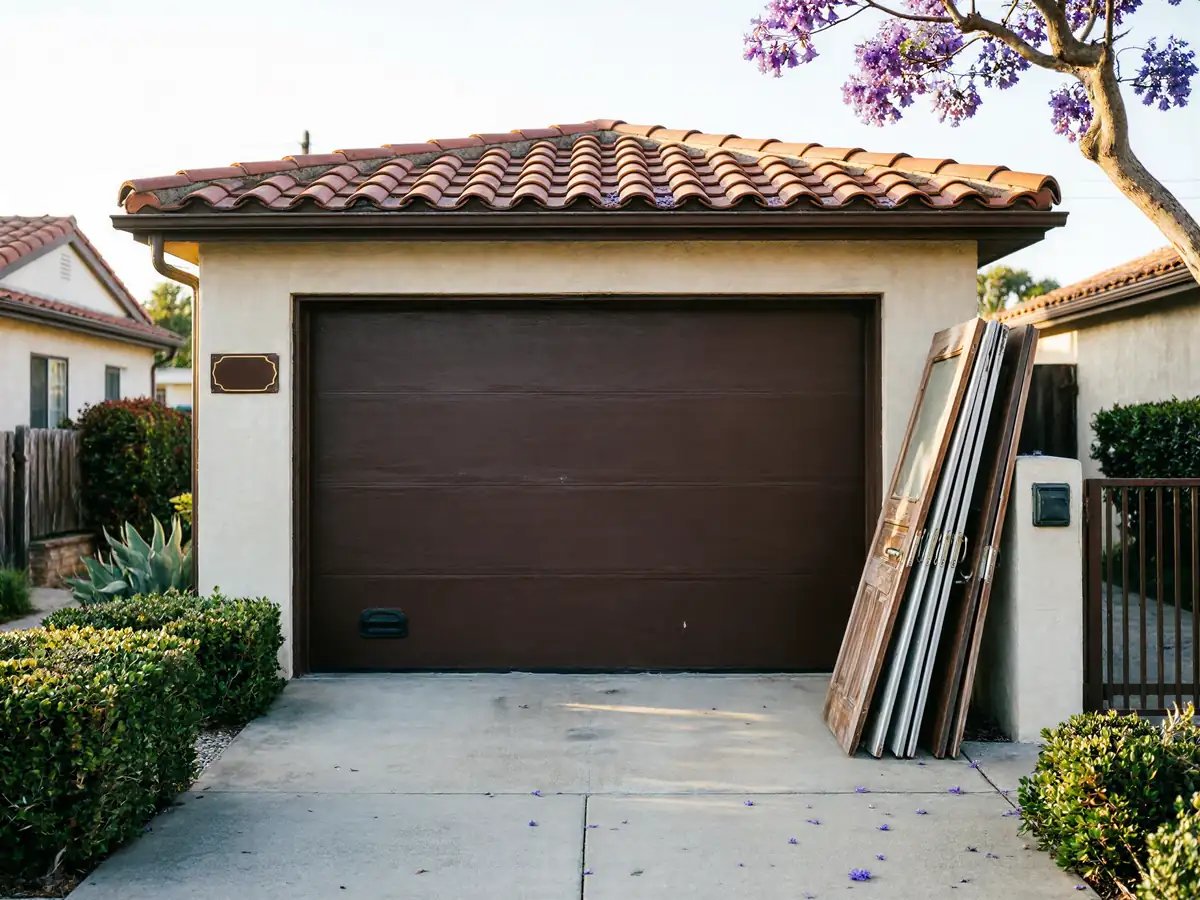
Norwalk's median household income sits at $98,709, close to the $97,397 figure for our whole service area, which puts most homeowners here in a straightforward spot: if a torsion spring or a cable fails, fixing it almost always beats replacing the door. Replacement only starts to make sense when the section panels are bowed, the track is bent past pulling straight, or the door itself is old enough that parts for it are getting hard to source. With a median build year around 1957 here, a fair number of Norwalk garages still have their original door, which means we sometimes find hardware that doesn't match anything on a current parts truck. That's not a reason to replace on the spot - most of it is still serviceable - but it does mean a repair quote on a 1957 door can run a little different than one on a door from the 1980s, simply because of what we have to source or adapt. We'll tell you straight if a part is going to take an extra trip rather than quote a number we can't back up.
Parts We Carry
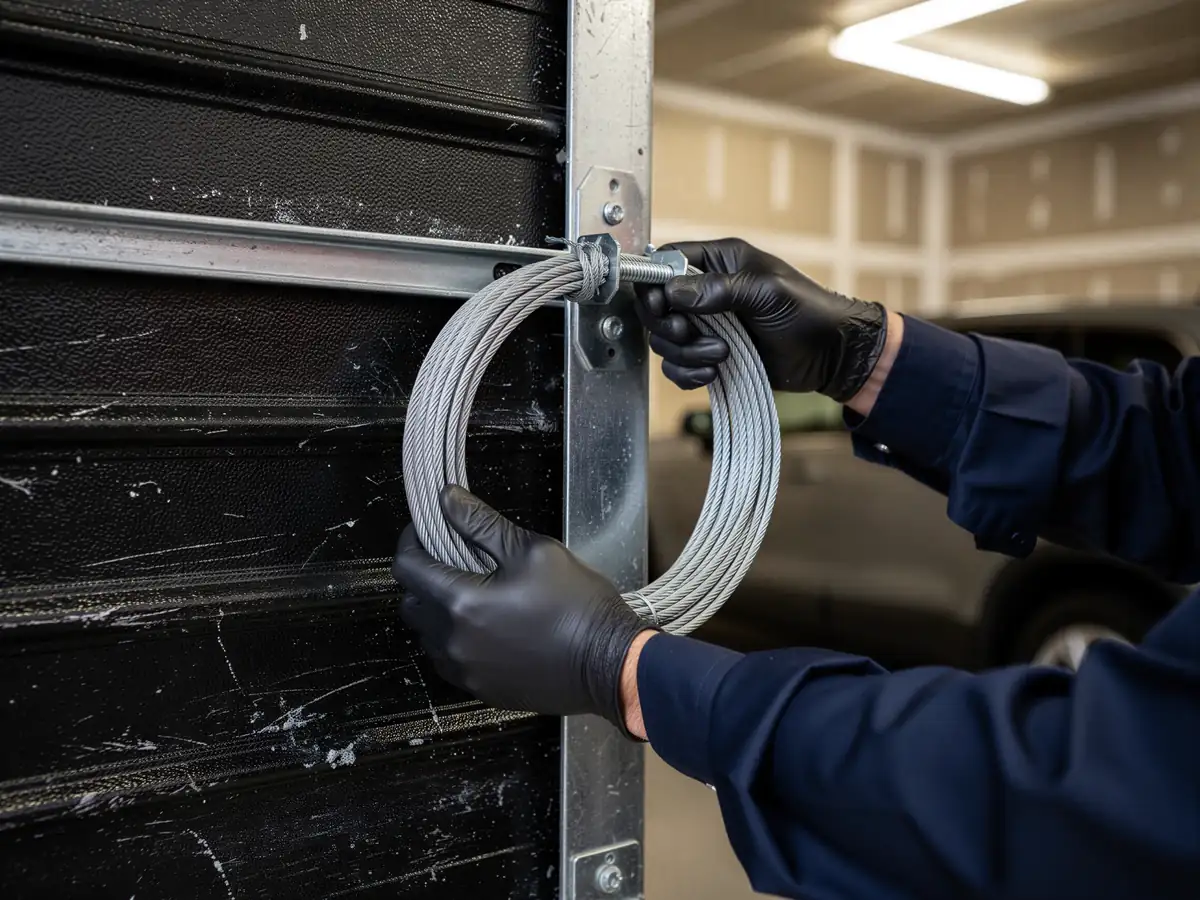
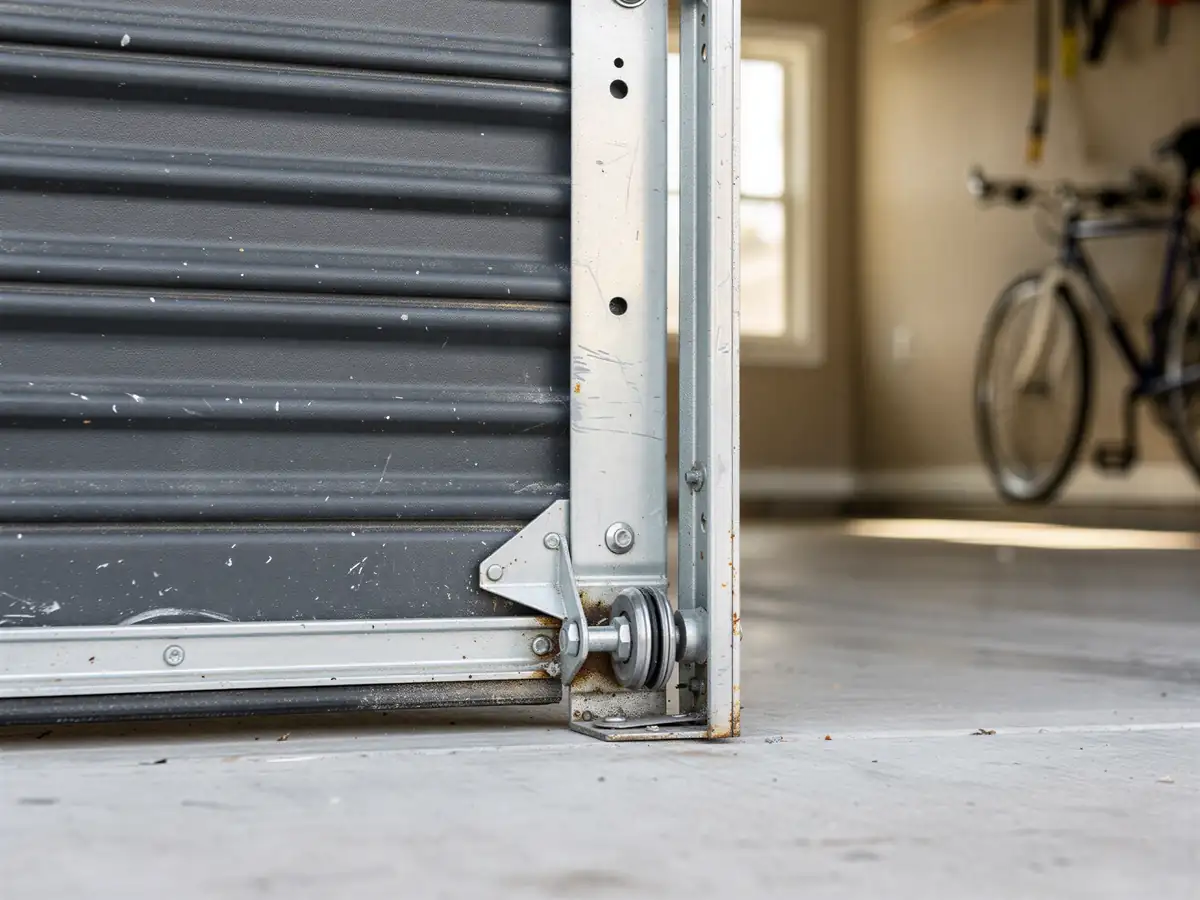
We stock the springs, rollers, cables, and hinges that fit the bulk of what's actually on the road between Downey and Norwalk - torsion and extension springs sized for the single and double doors common to houses built from the 1940s through the 2010s across this area. Norwalk's own housing clusters tighter around the late 1950s than some of the newer pockets further out, so galvanized rollers and older-style extension spring setups come up more often here than in neighborhoods built in the 80s or 90s. We carry both. What we don't always have on the truck is a replacement panel for a specific discontinued door - if yours is old enough that the manufacturer stopped making matching sections, we'll need to order it or talk through a full door swap instead of chasing one panel.
How We Fix It
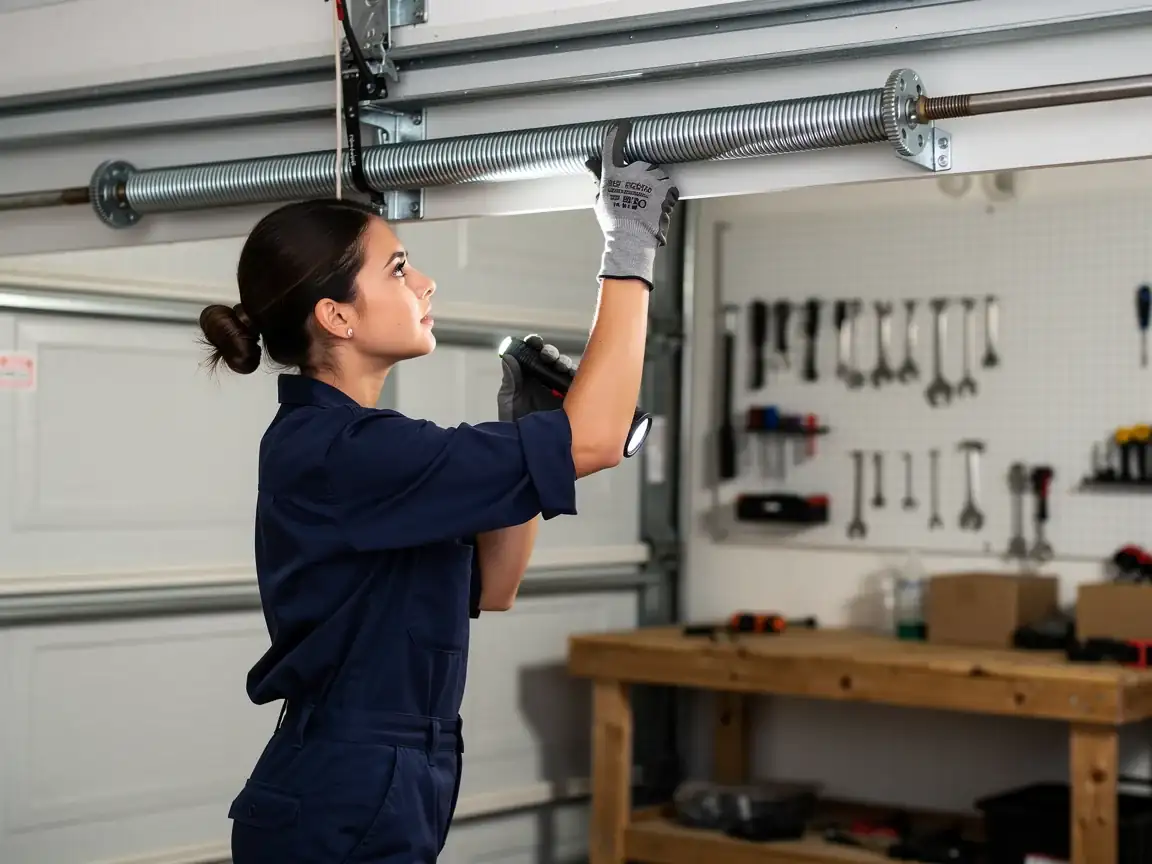
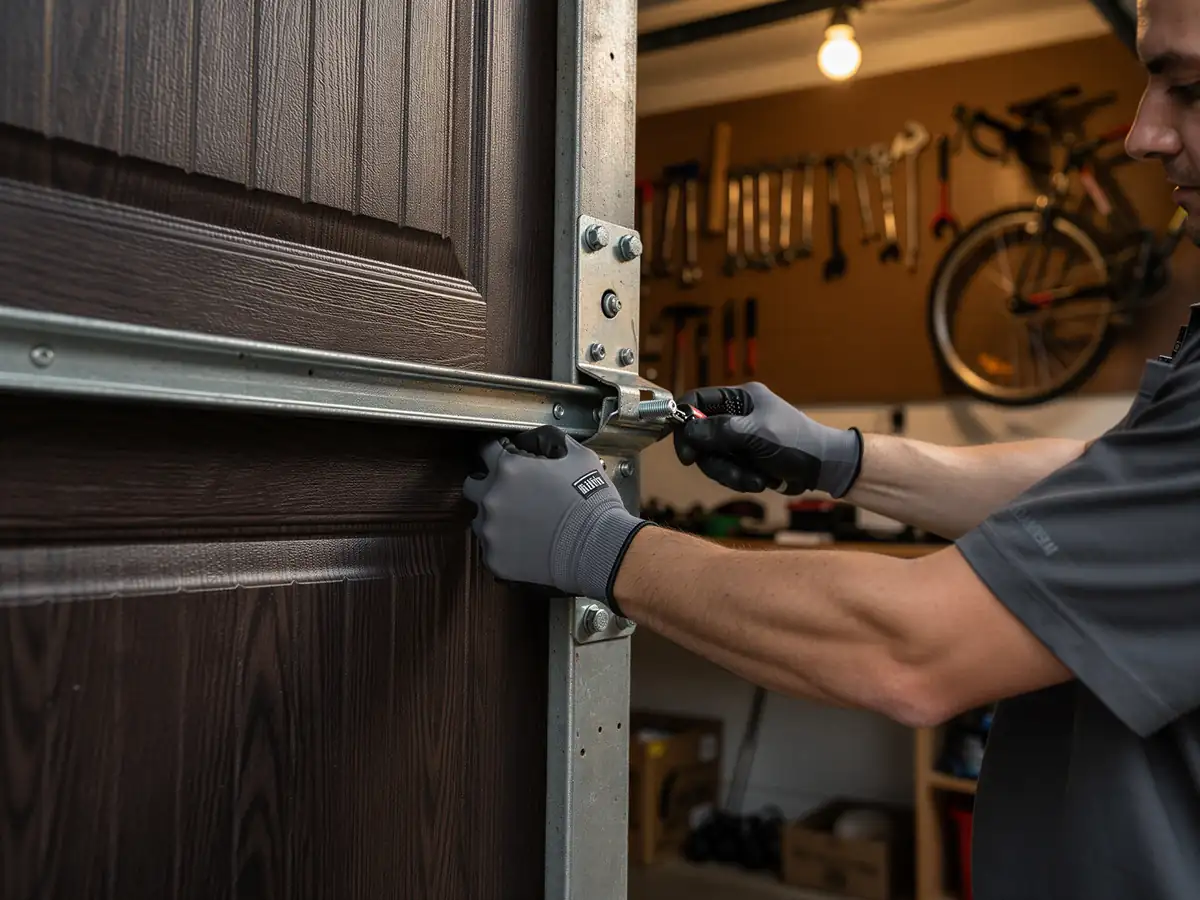
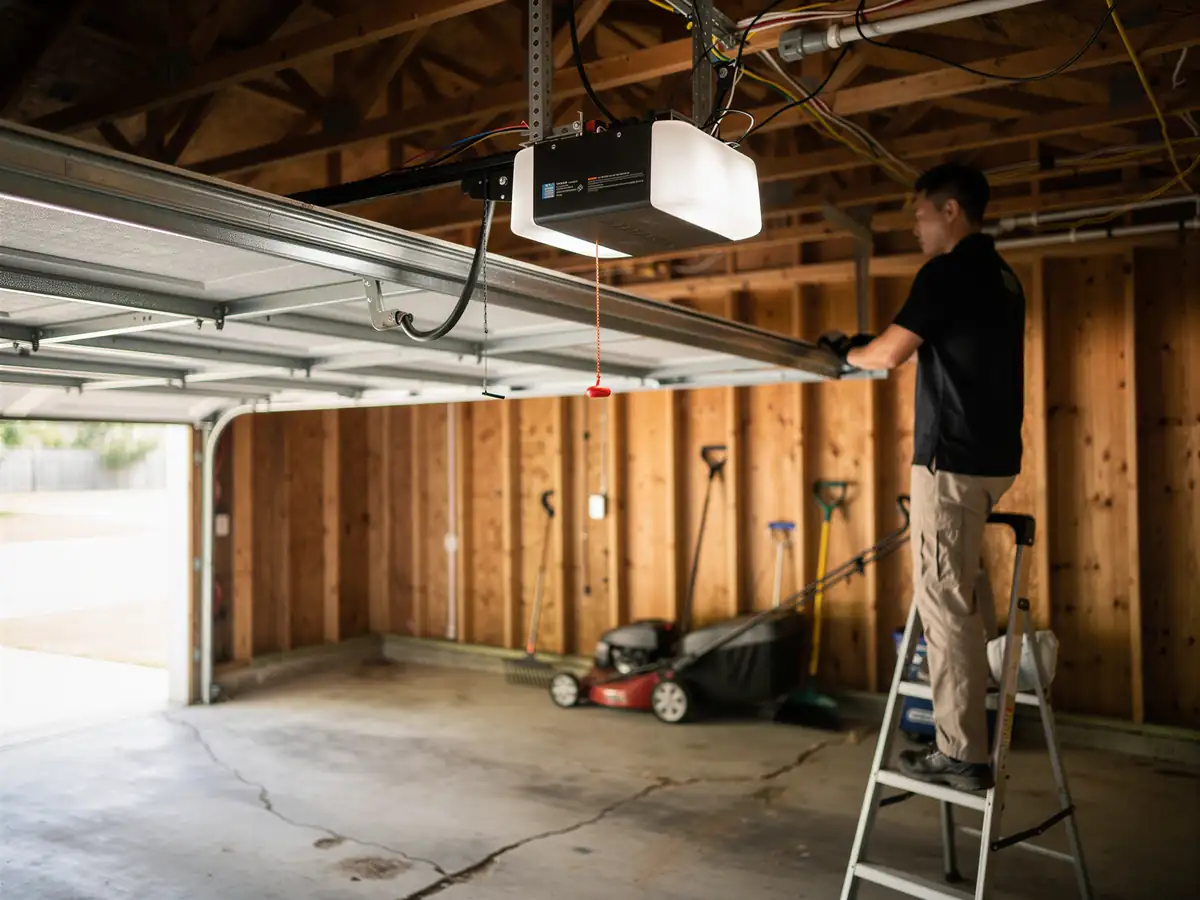
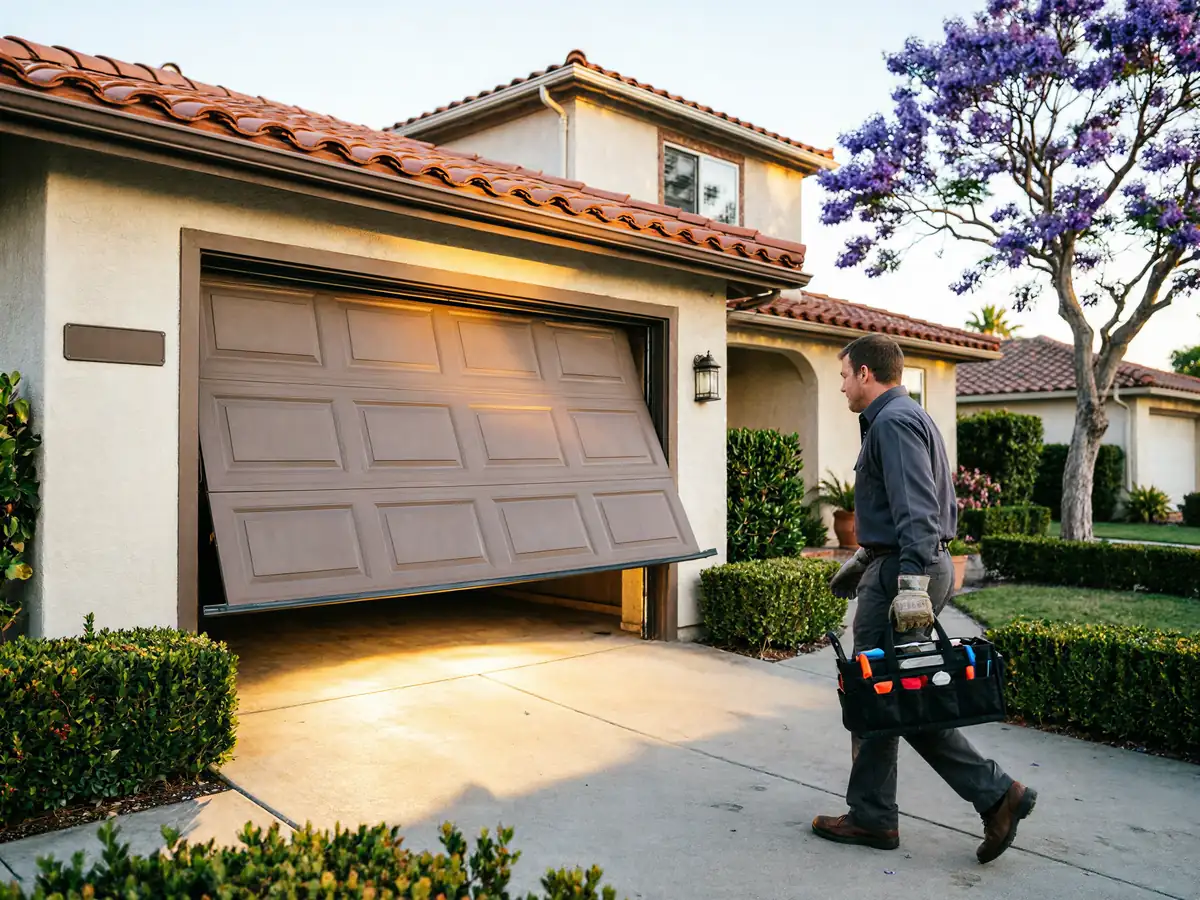
We come out from Downey, about 3 miles up the road, so there's no local branch or separate crew based in Norwalk itself - it's the same truck and the same techs who work the rest of the service area. On a service call we check the spring tension, the cable condition at the drums, the track alignment, and the opener's force settings, since those four things cause most of the trouble calls we get on houses from Norwalk's era. If the fix is a spring or cable swap, that's usually a same-visit job. If the door needs a part we don't carry - an obsolete panel or an opener board no longer made - we'll say so and give you the real timeline instead of a guess.
What Causes It Around Here
The mild temperate climate across this part of the service area means we're not dealing with the extreme heat-cycle cracking or heavy snow-load stress that wears doors out in harsher regions - around here, failure is mostly mechanical fatigue, not weather. With Norwalk's housing running older on average (median year built 1957, against a service-area range of 1943 to 2012), the springs and cables on a lot of these doors are well past a typical service life, and galvanized rollers that have never been swapped are a common find. Daily cycling for well over 60 years on original hardware is the single biggest reason we get called out here, more than any storm or temperature swing.