The Cost of This Job
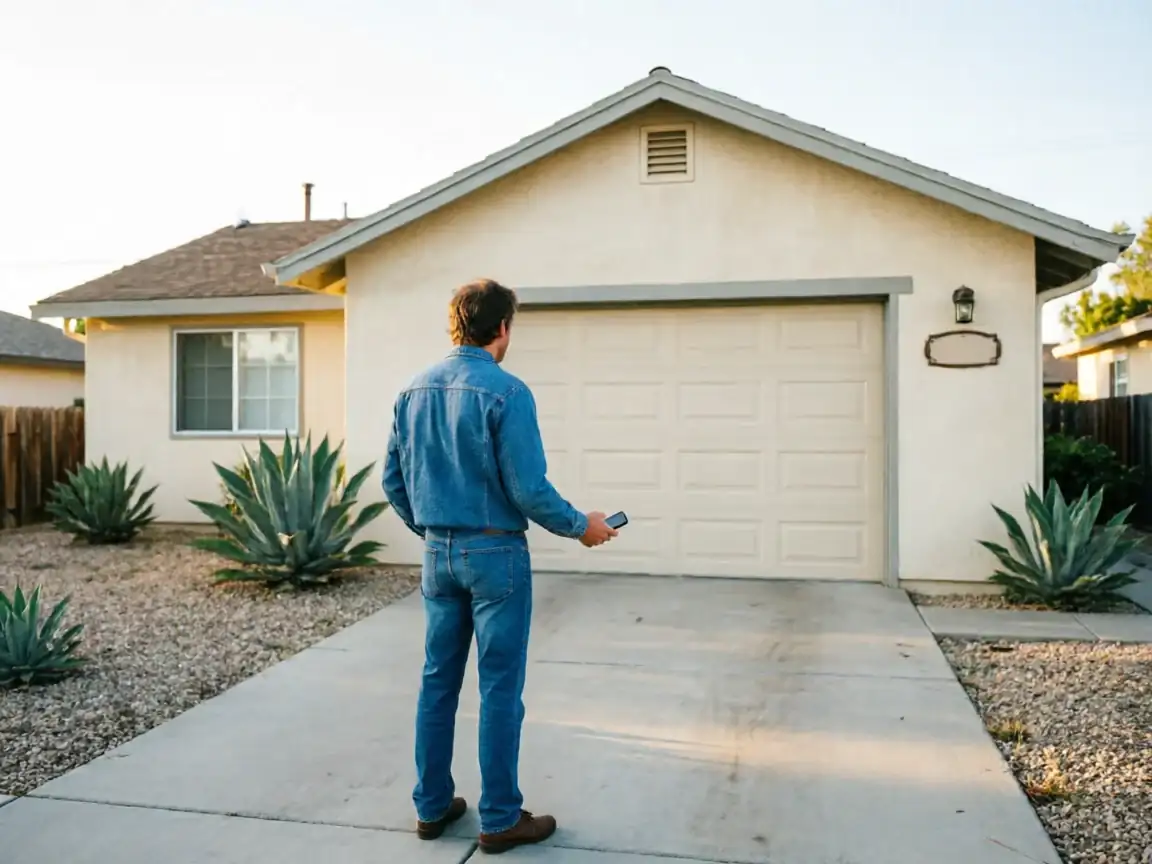
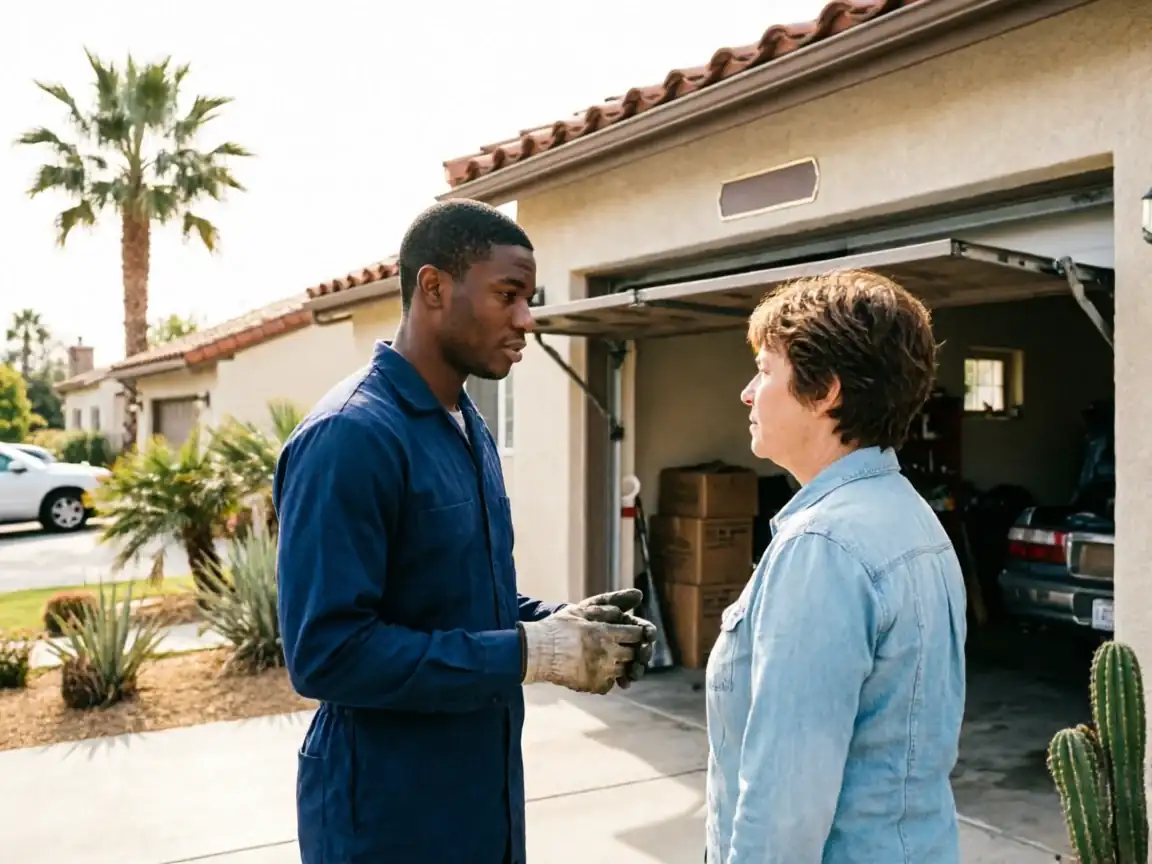
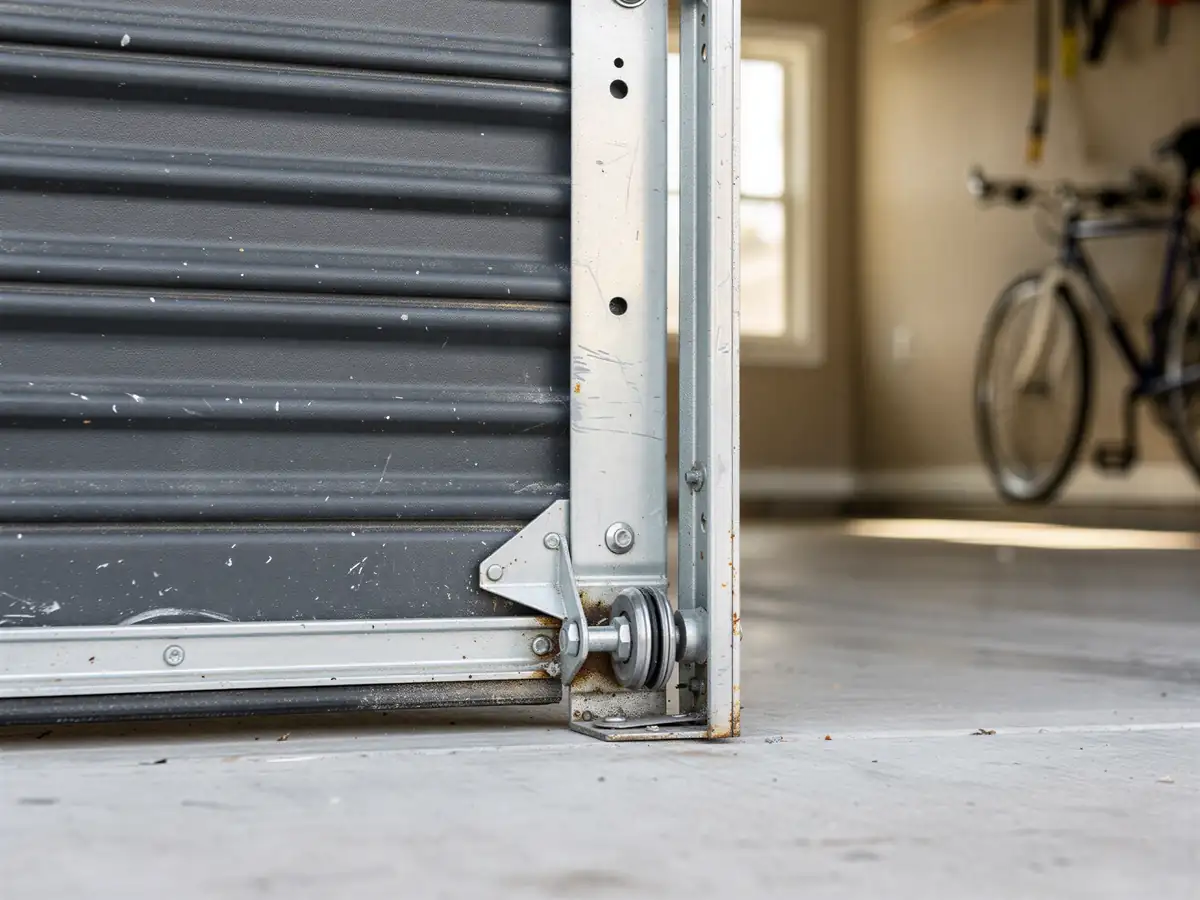
A cable job on a Norwalk door isn't a flat number, and we won't pretend it is. What drives the price is what's behind the cable: whether it's a straight swap on a torsion drum, or whether the drum, bottom bracket, or pulley it rides on is also worn through and needs to come out with it. On a lot of the doors we see here, built around 1957, the bottom brackets are original equipment, and once a cable frays at that bracket it's usually taken some of the bracket with it. We quote the job after we've looked at the drum and the bracket, not before, because guessing on a door built before 1960 is how you end up back out here in two weeks. Norwalk sits about 3 miles from our Downey shop, and that's factored into the call, not hidden in the line items once we're on site.
Parts We Carry
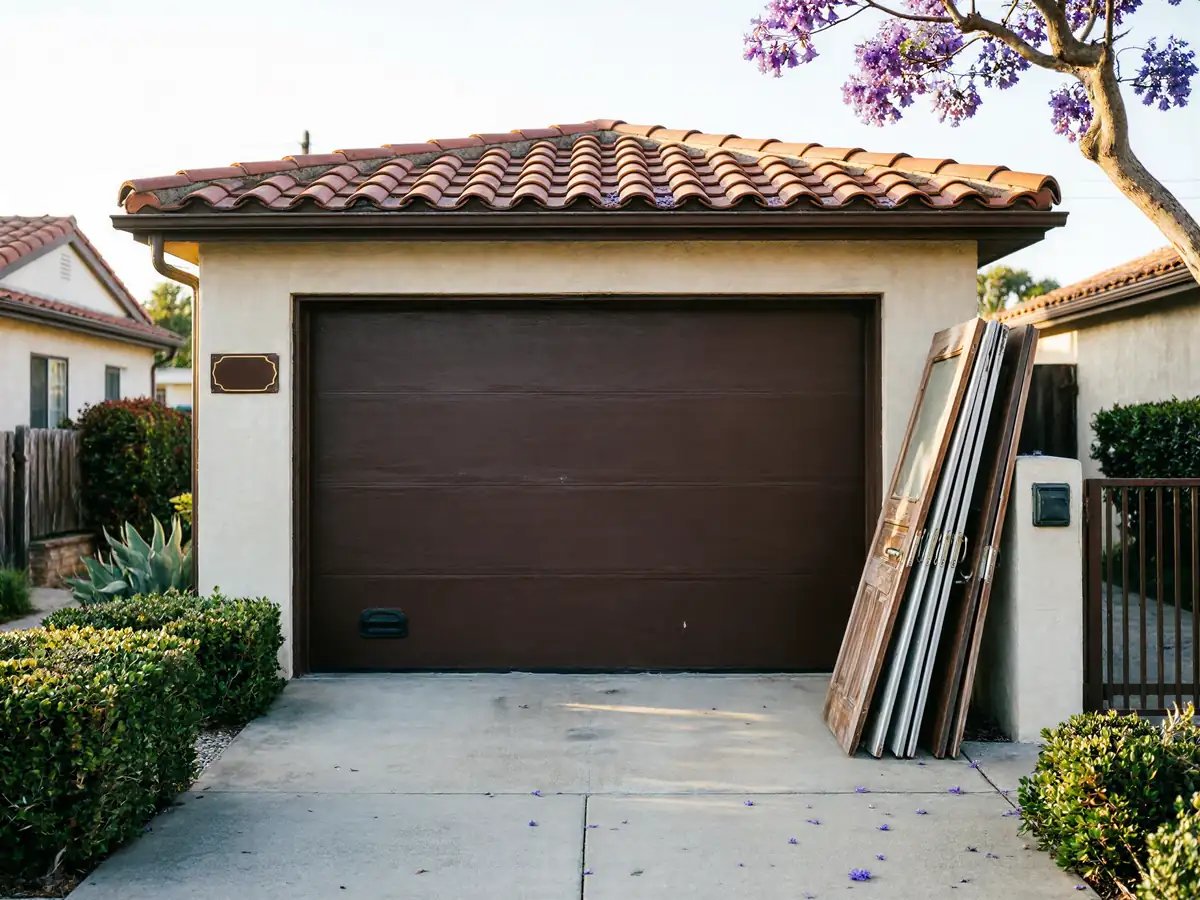
We keep standard lift cables, extension-spring cable loops, and common drum and pulley sizes on the truck, because those are the parts that fail most on the housing stock in this part of the service area - homes built mostly in the 1960s and 70s, with plenty of Norwalk stock closer to 1957. What we don't always have on the truck is an exact-match bottom bracket for an original one-piece door from that era; those sometimes need a parts run or a day's wait, and we'll tell you straight if that's the case rather than bolting on something that doesn't fit right. If your door's already been converted to a modern sectional with a newer opener, the cable itself is usually a standard stock size and that part of the job moves fast.
How We Fix It
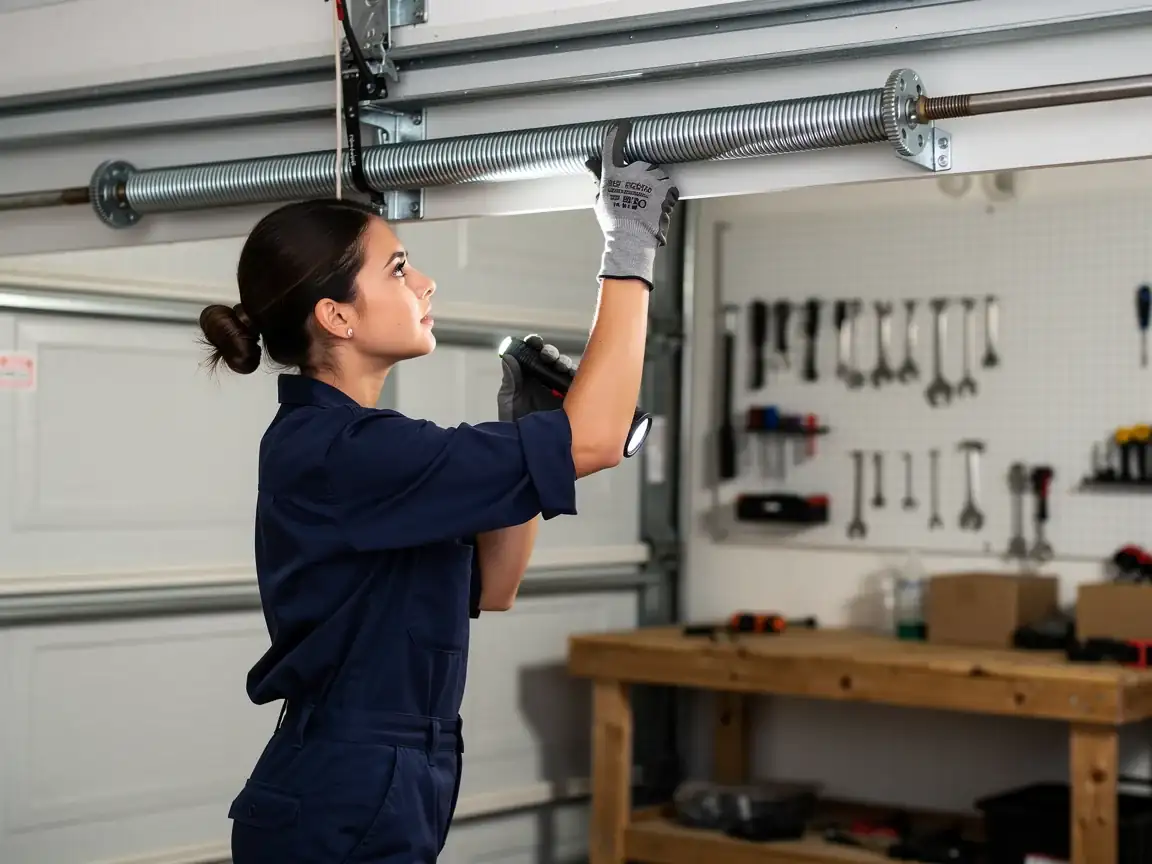
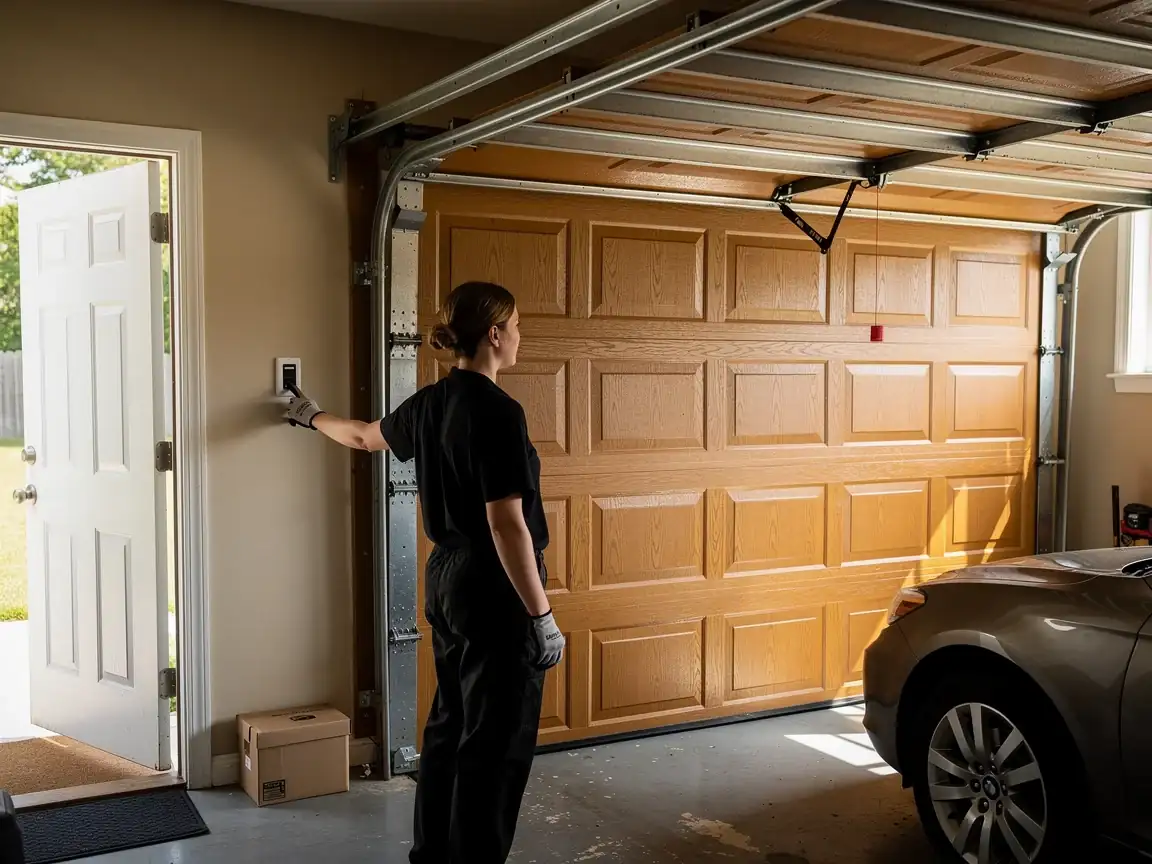
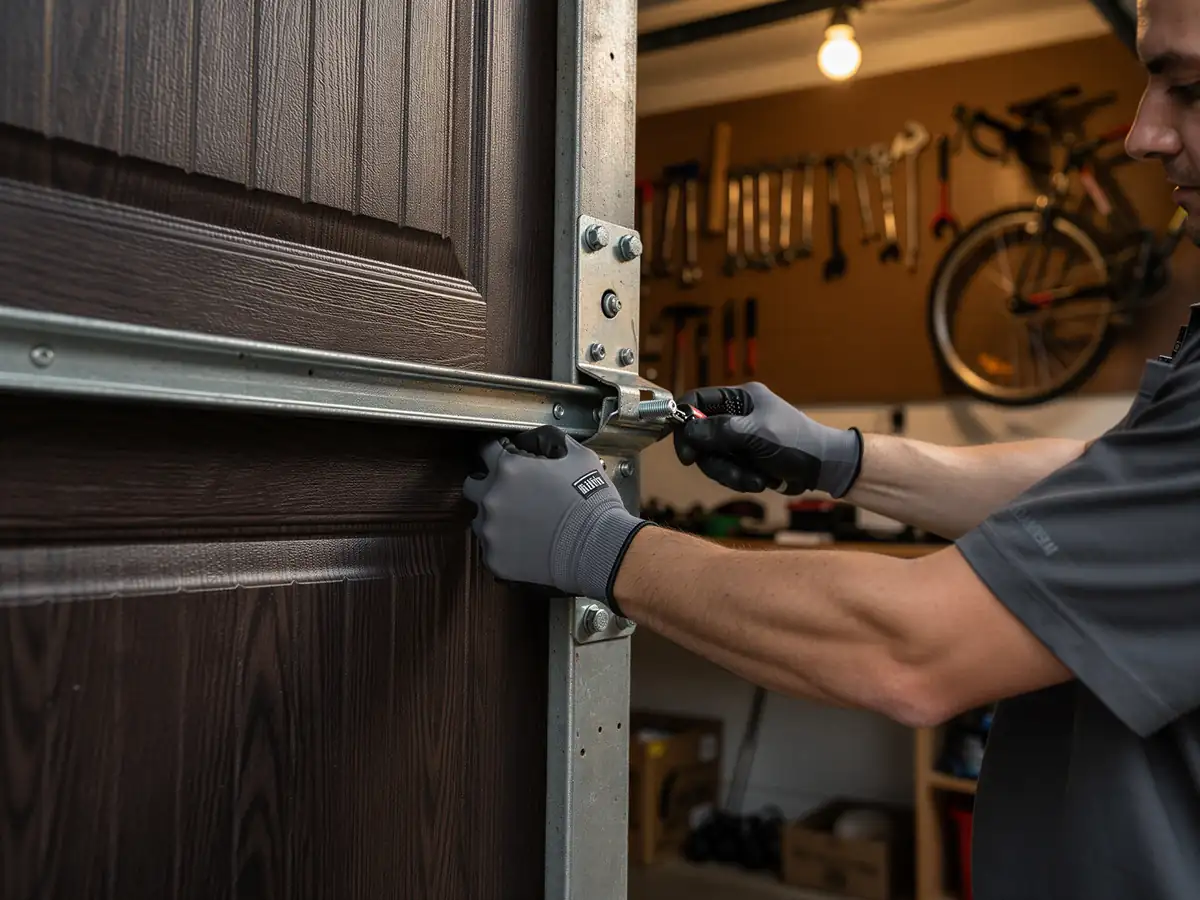
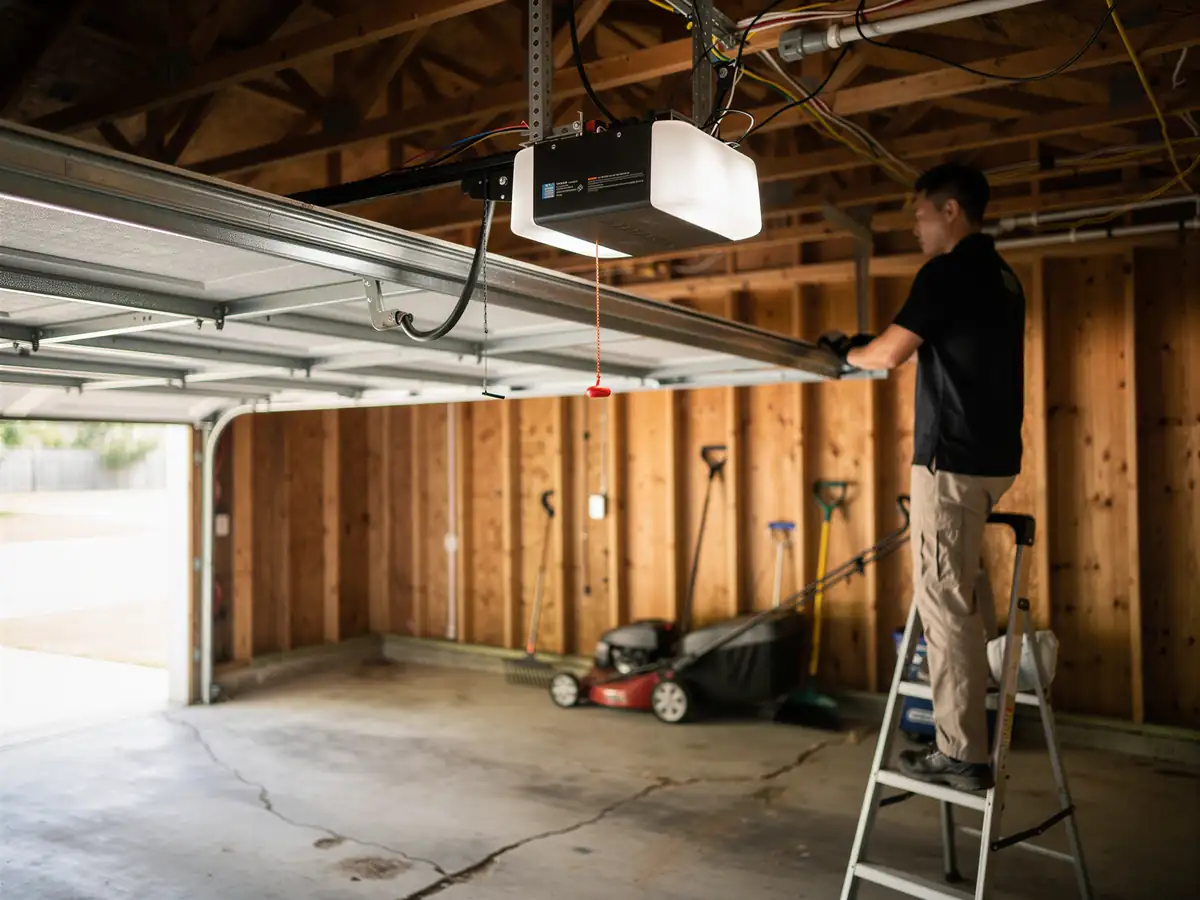
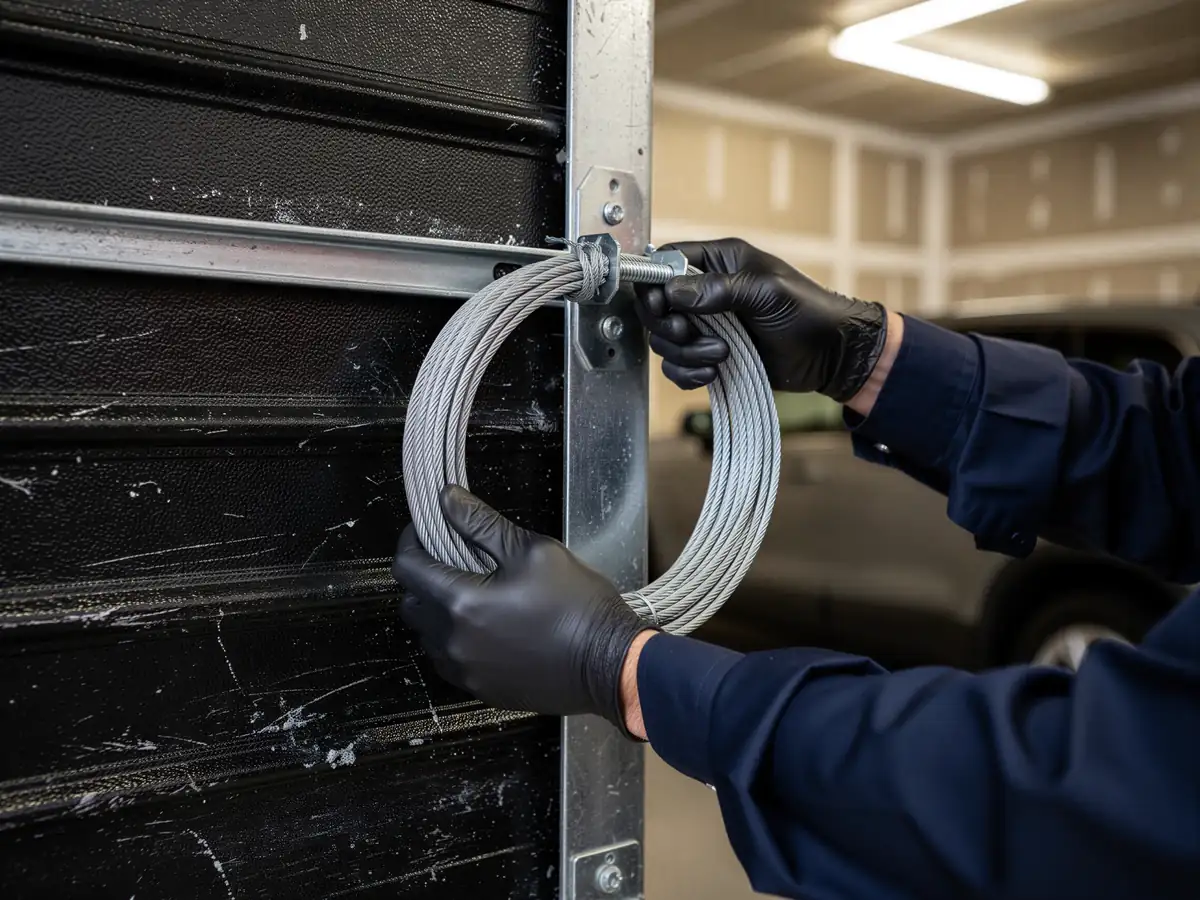
We release tension on the spring safely before touching the cable, replace the cable at the correct gauge and length for your drum size, and check the drum set screws and bottom bracket bolts while we're in there - those loosen over decades of use and are the second failure waiting behind the first. On a 1957-era door we spend extra time checking the track alignment too, since the original tracks on houses this age have usually been bent and straightened more than once by whoever owned the place before. Once the new cable's on, we balance the door by hand before we ever let the opener take the weight, because a door that's out of balance will just eat the next cable on the same drum.
What Causes It Around Here
The 90-named-area stretch we cover runs mostly 1960s and 70s construction, with Norwalk's own housing closer to 1957 - older than much of what surrounds it. That age matters for cables specifically: original torsion hardware on doors this old wasn't built with galvanized cable as standard, and decades of the mild coastal-basin climate here don't rust cable the way a harsher climate would, but they do let it fatigue and fray quietly at the drum instead of going all at once. By the time a homeowner notices, the cable's often down to a few strands. Add an opener installed later without a hardware upgrade, which pulls uneven load on an old drum, and that's the pattern we see on this side of the service area more than storm damage or impact.