The Cost of This Job
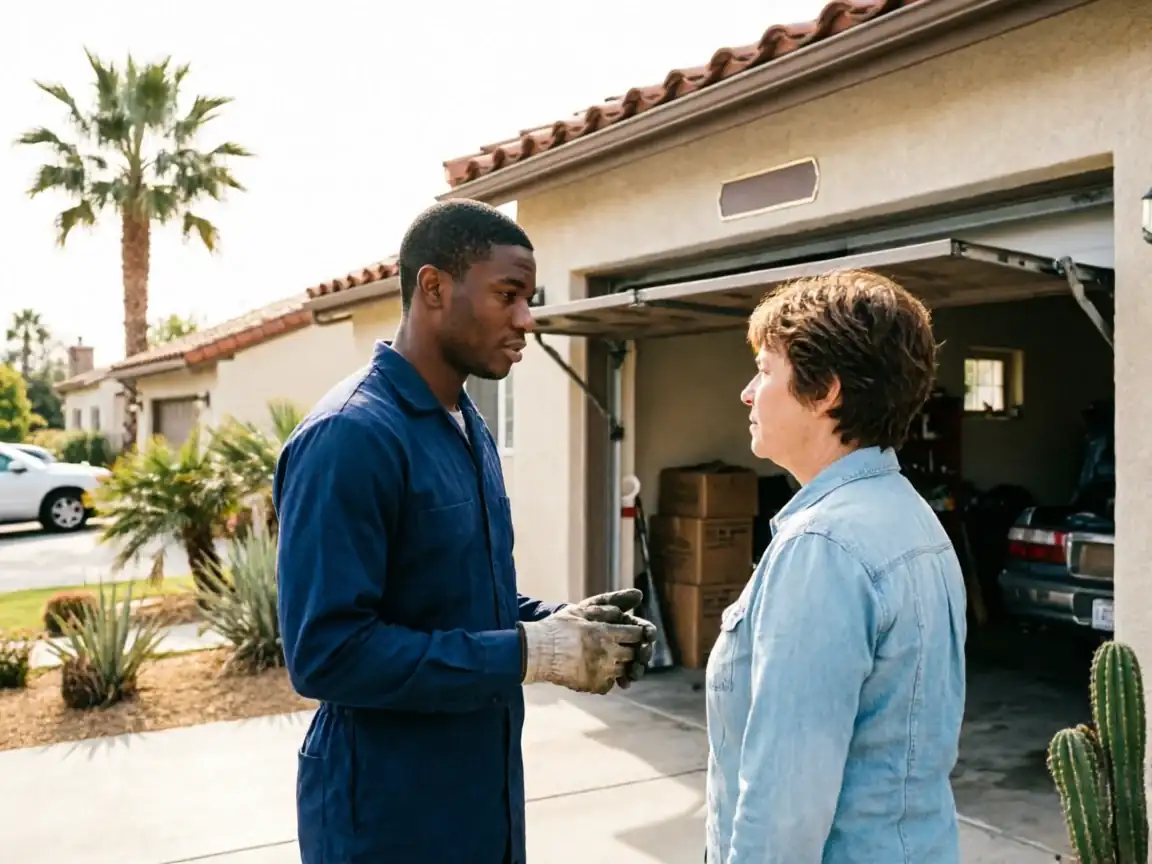
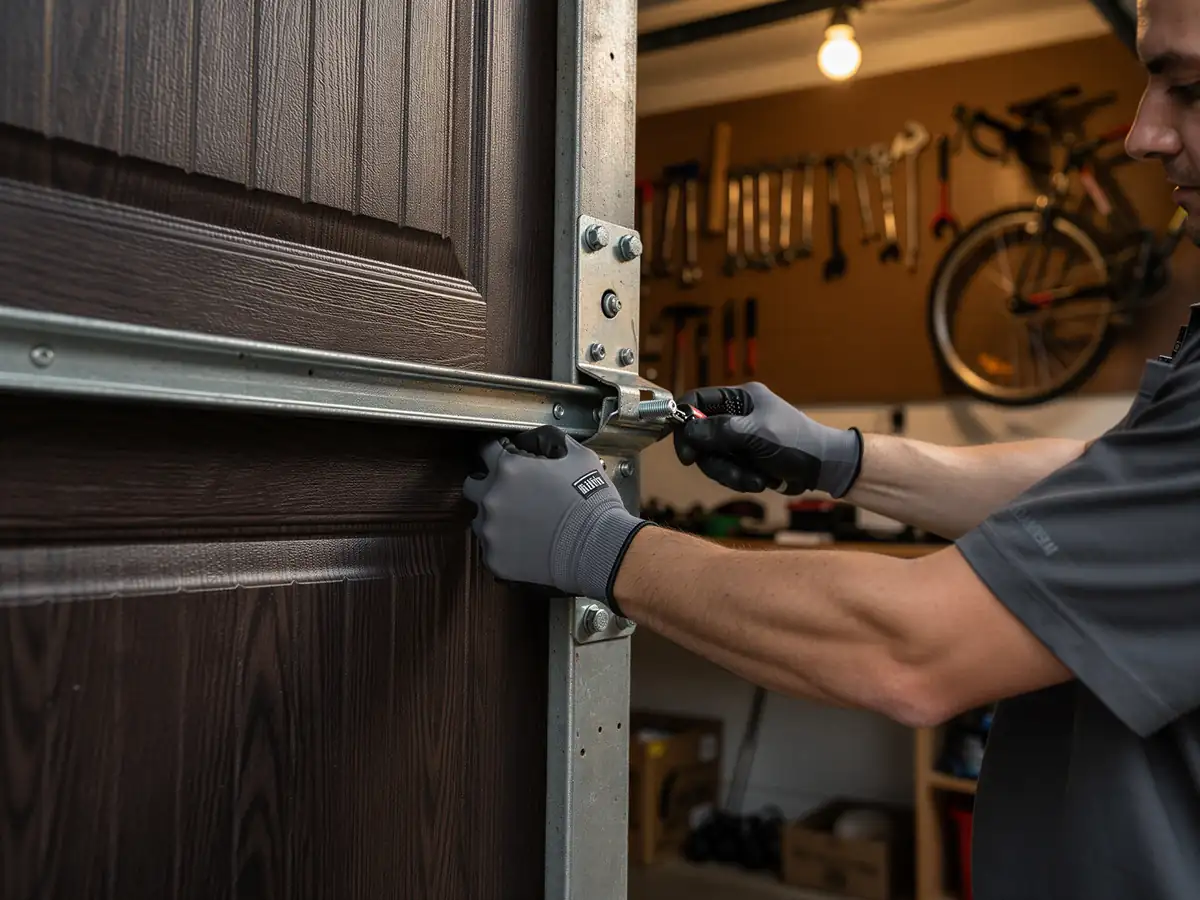
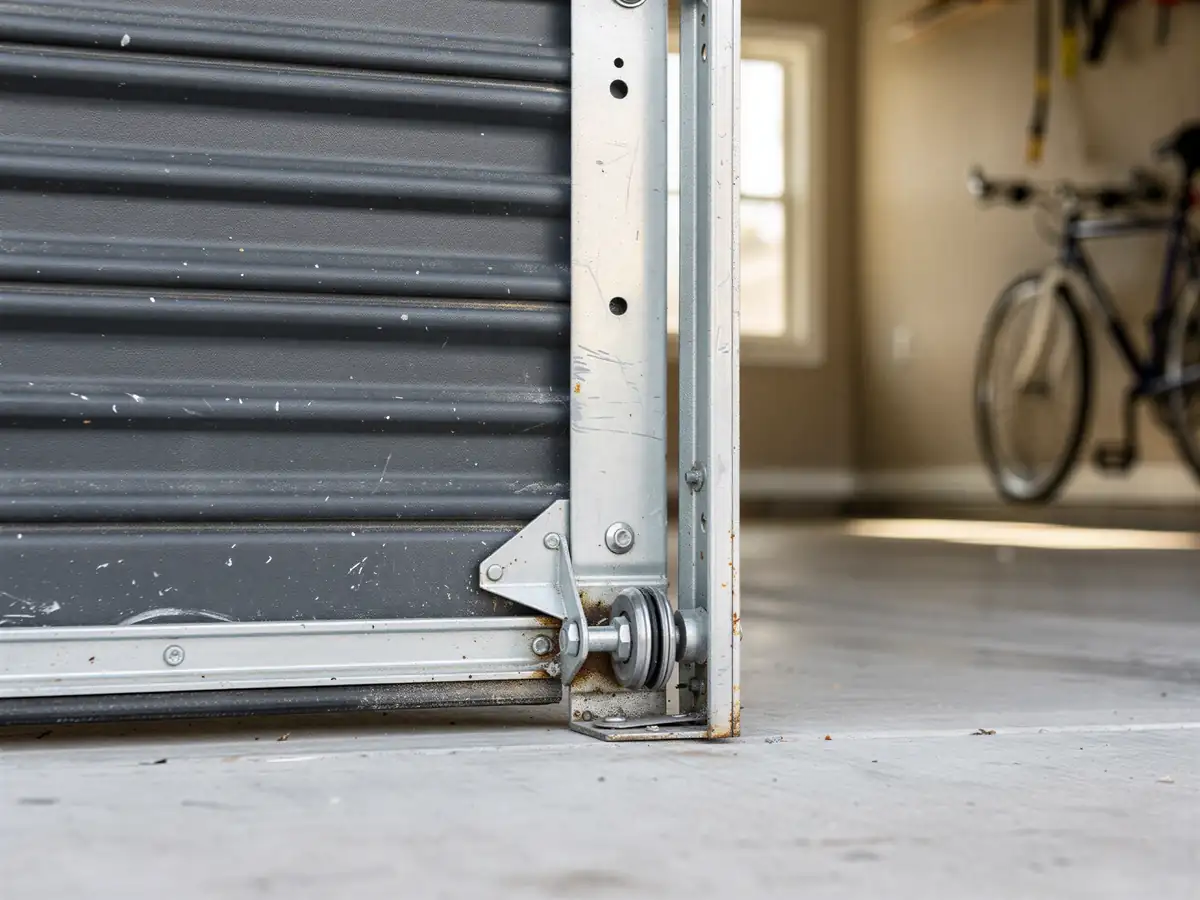
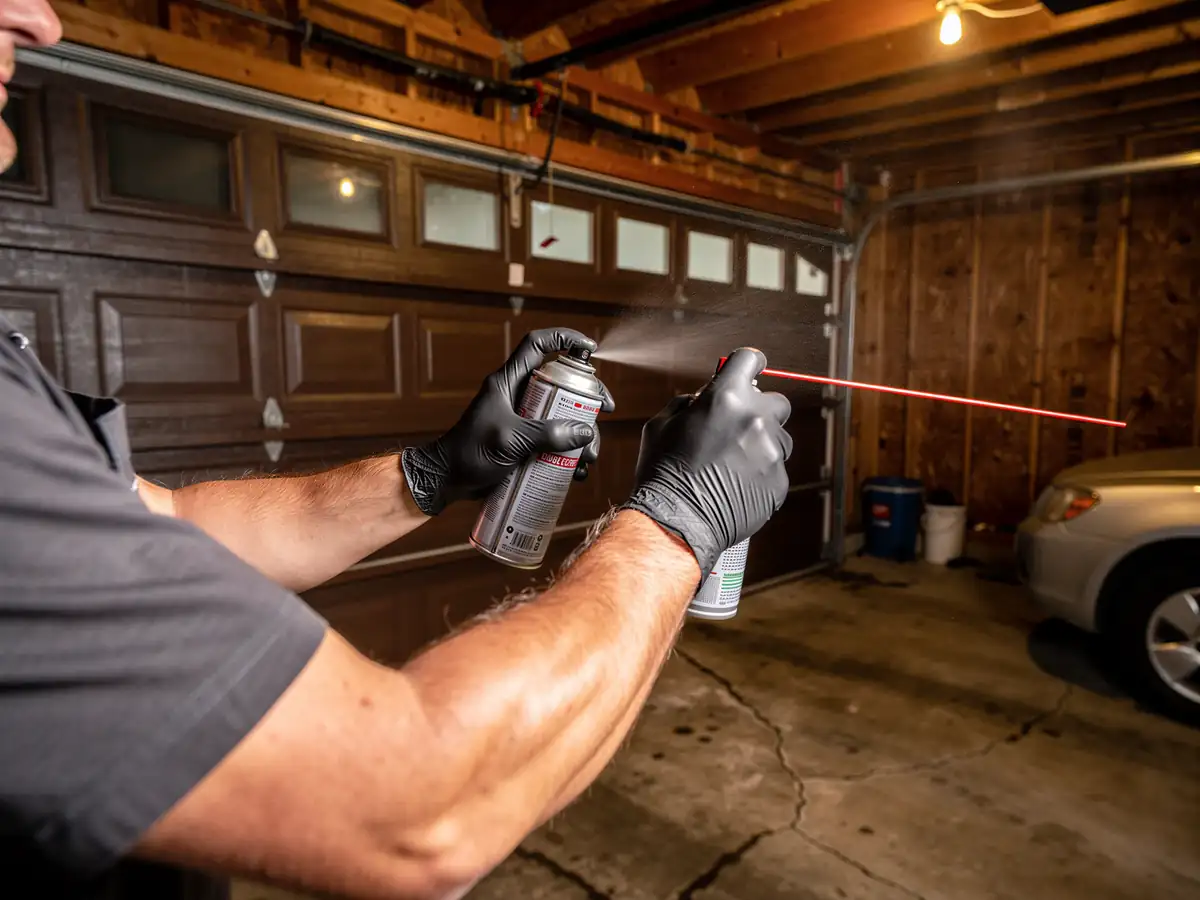
A tune-up on a Norwalk door isn't priced the same as a rebuild, and we won't try to sell you one. The job is lubrication of rollers and hinges, a track alignment check, spring tension adjustment, and a look at the cable drums and bottom brackets for wear. On a door built when the house went up in the late 1950s, that hardware has usually been touched once or twice since, if at all. We don't carry a published flat rate here because the condition of 65-year-old hardware varies more than the door itself - a dry track takes ten minutes, a drum that's cut into the cable takes longer and may need a part. We'll tell you on site which one you've got before any work starts, not after.
Parts We Carry
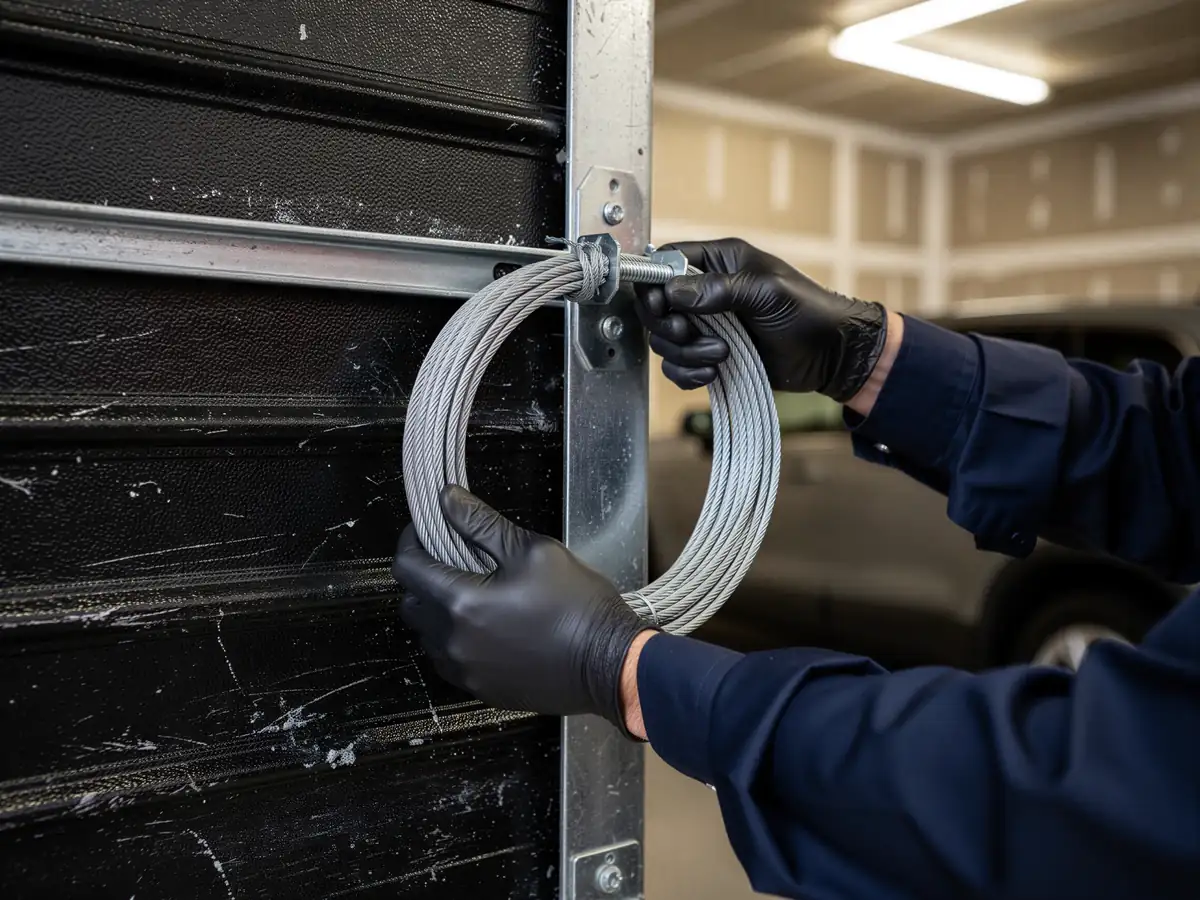
We keep rollers, hinges, cable, and standard torsion springs on the truck because those are what fail first on a door this age, no matter which of the service area's 90-odd neighborhoods it's sitting in. What we don't stock is the original hardware pattern some Norwalk doors still have - certain bottom brackets and drum sizes from doors manufactured before steel panel doors became the standard. If your door needs one of those, we order it rather than force a mismatched part onto 1957-era track, because that's how you end up back on the phone in a month.
How We Fix It
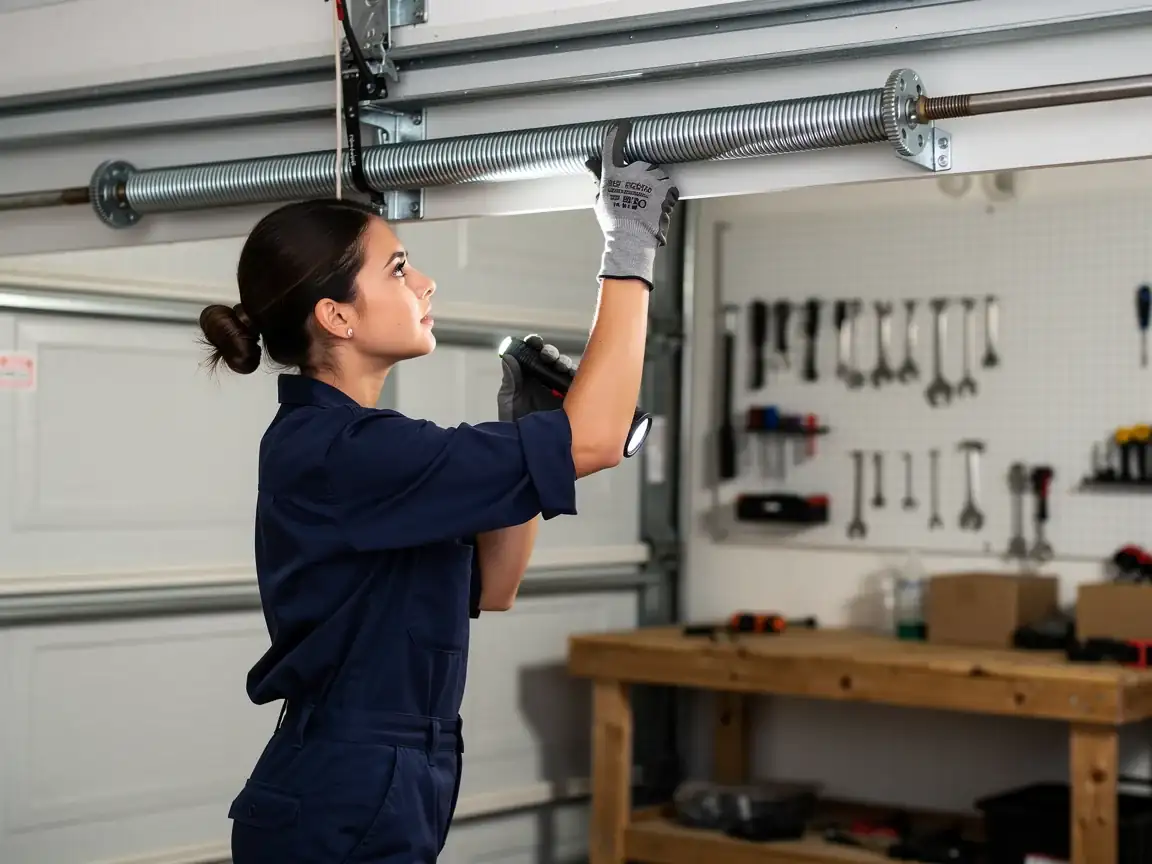
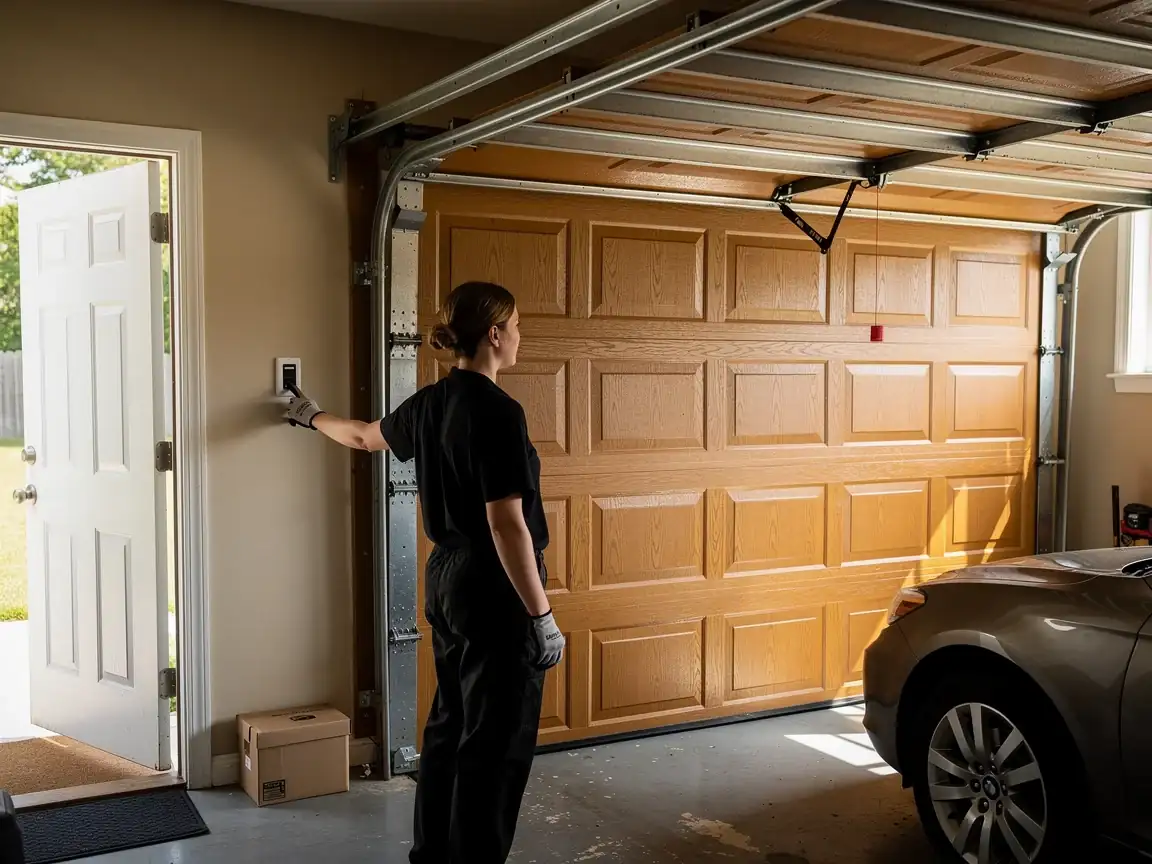
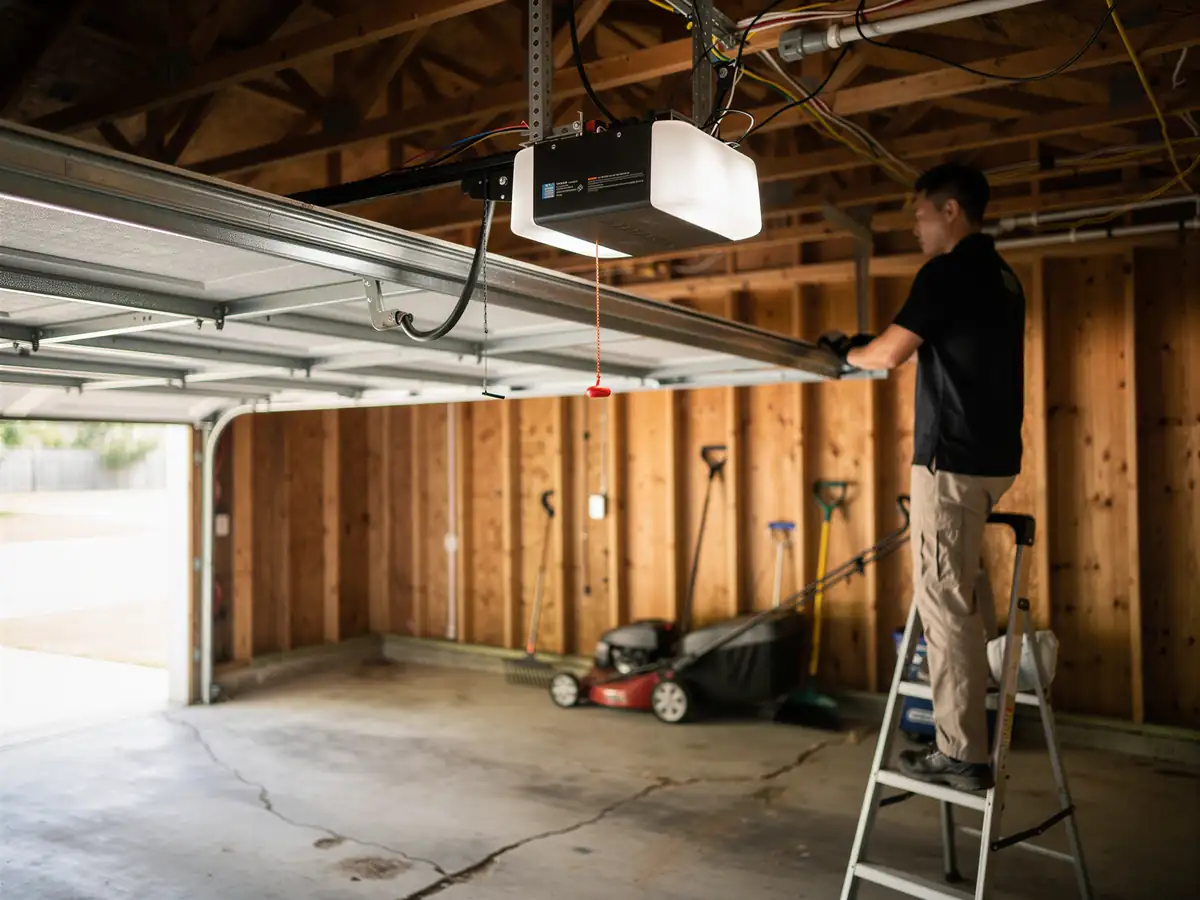
We start at the top of the track and work down - hinges, rollers, then the horizontal track where most doors from this era have picked up rust or minor dents from the opener side. Mild coastal-influenced temperatures here mean we're not fighting the freeze-thaw cracking of colder climates, but the steel on a 1957-era single-car door still pits where paint has worn through, and we check for that before it gets structural. Torsion springs get measured against the door's actual weight rather than replaced on a schedule, because over-tensioning a spring on an older door is as bad as leaving it loose. Last step is a balance test: disconnect the opener, lift the door halfway by hand, and see if it holds. If it doesn't, the spring tension gets corrected before we leave.
What Causes It Around Here
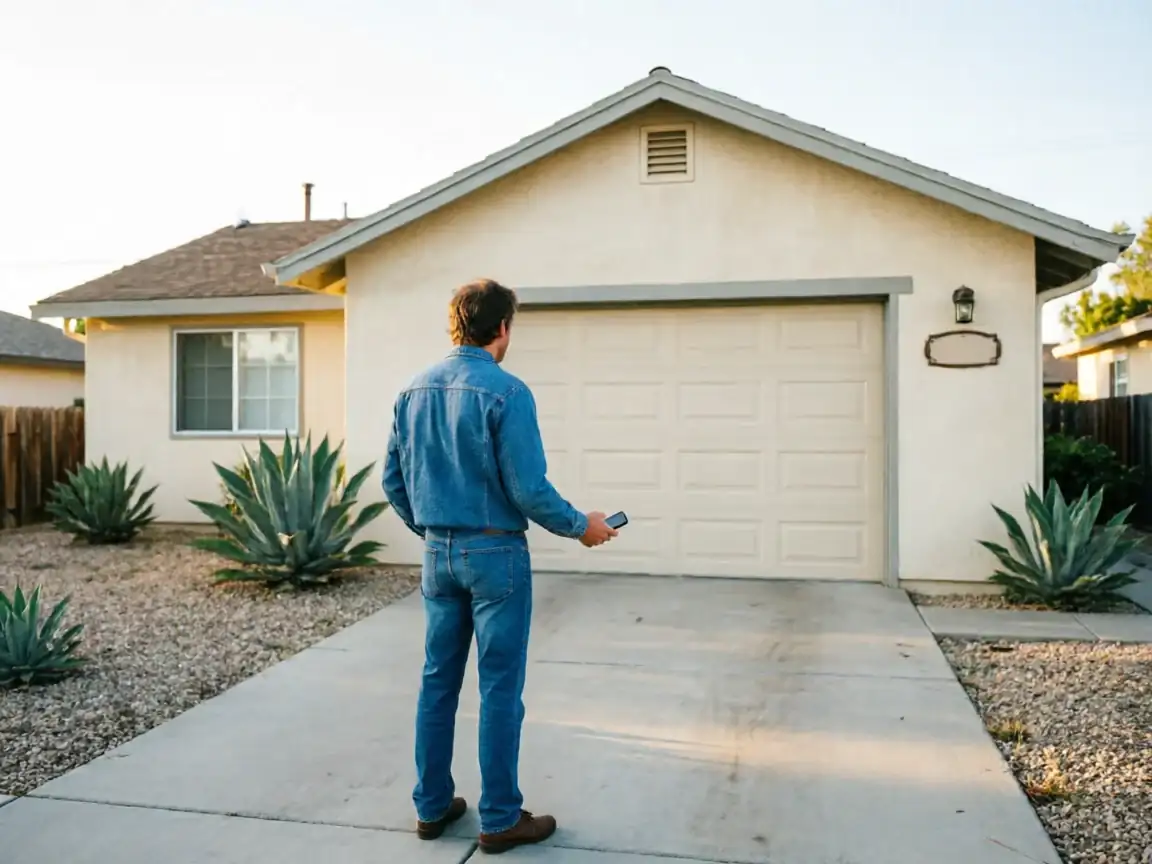
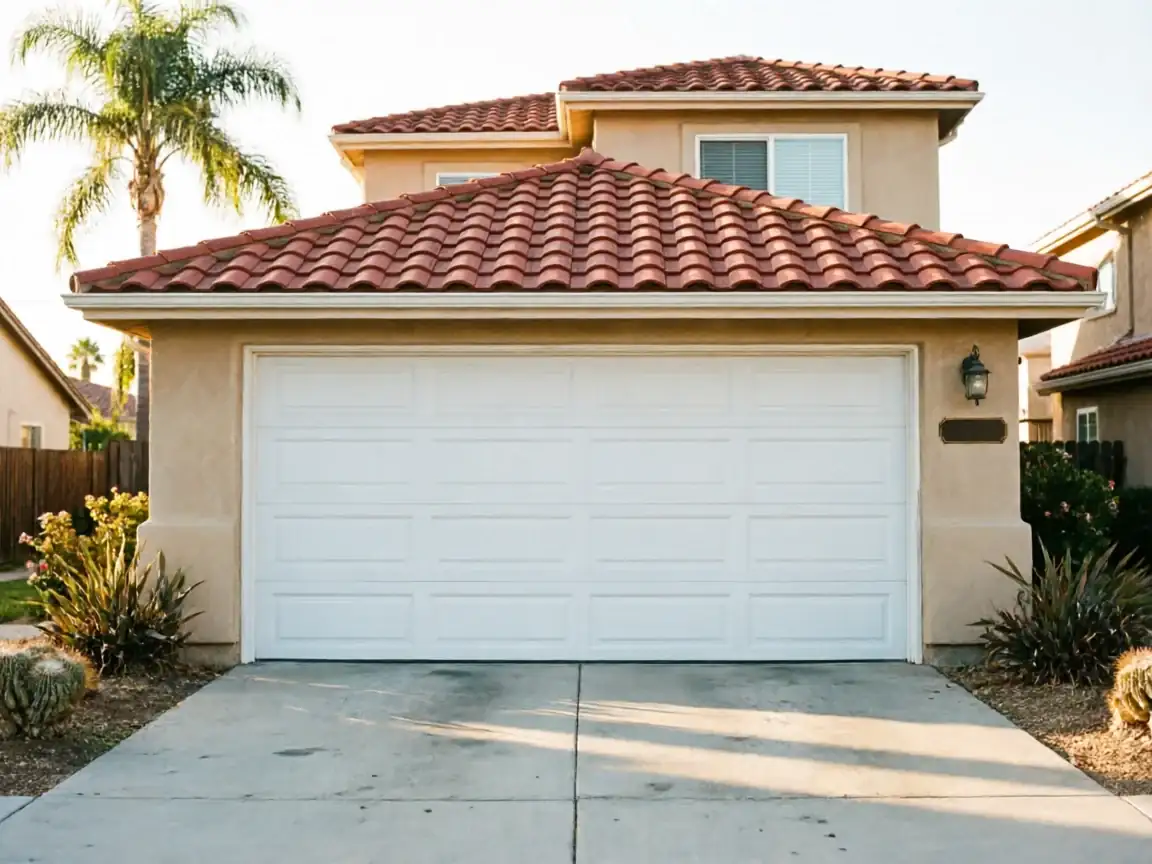
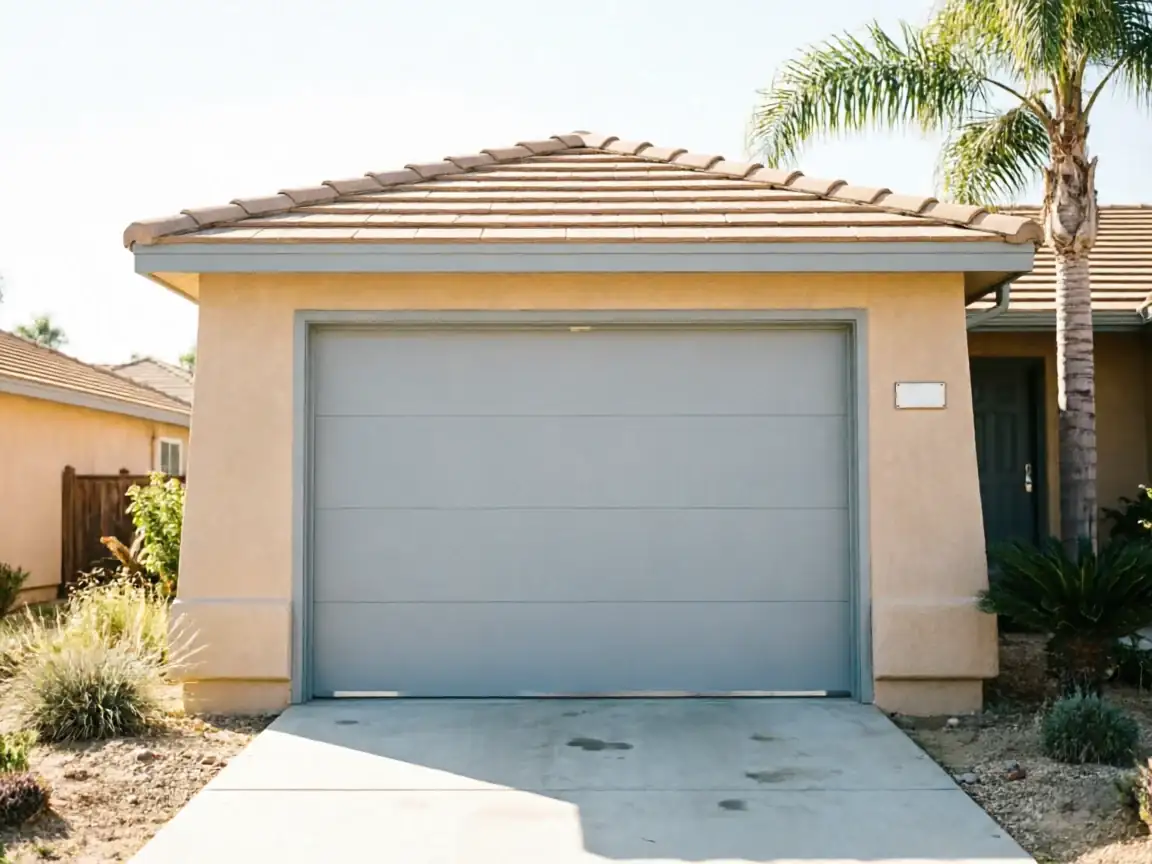
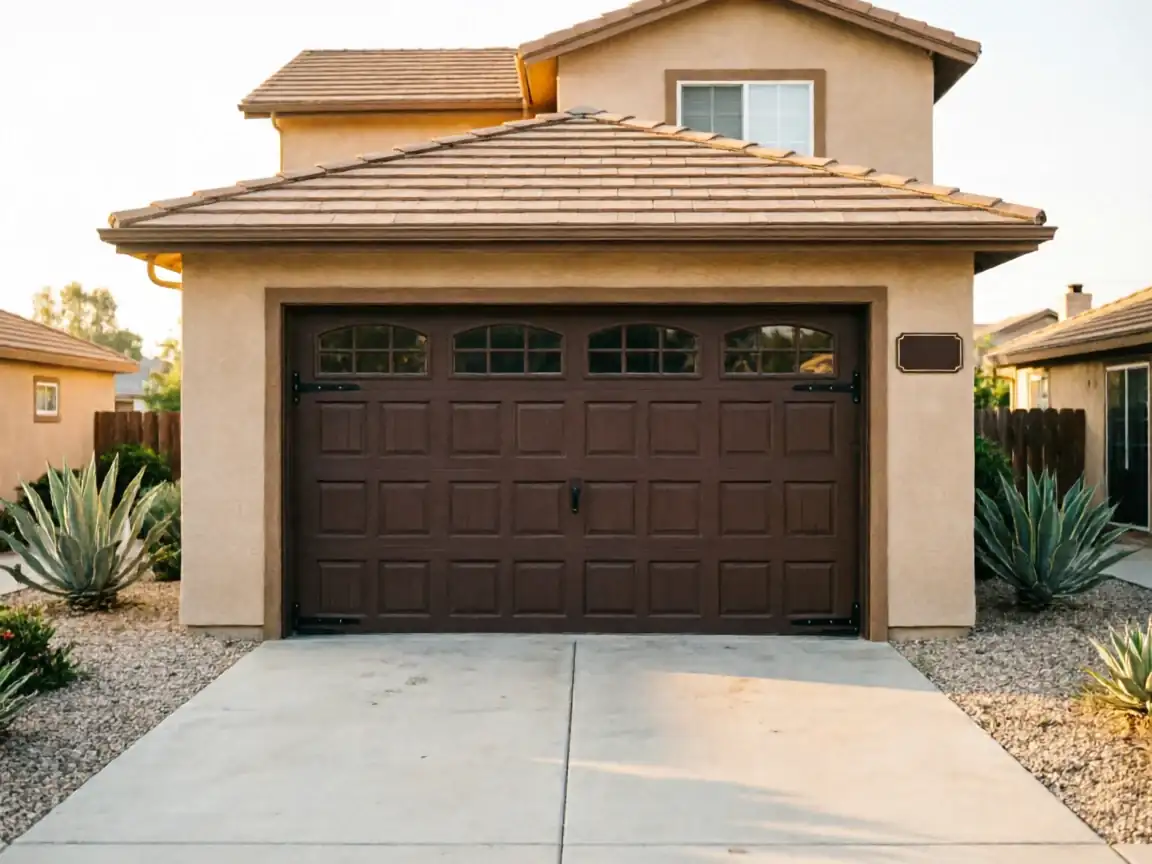
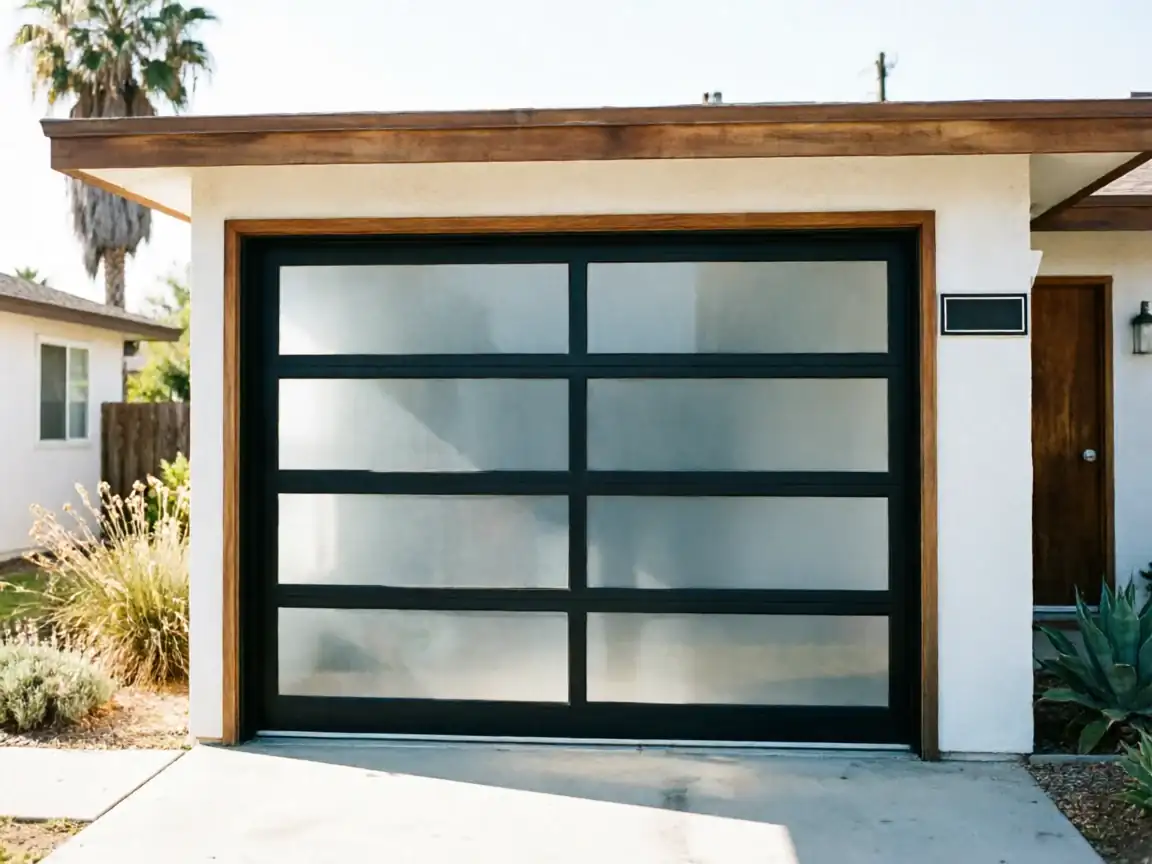
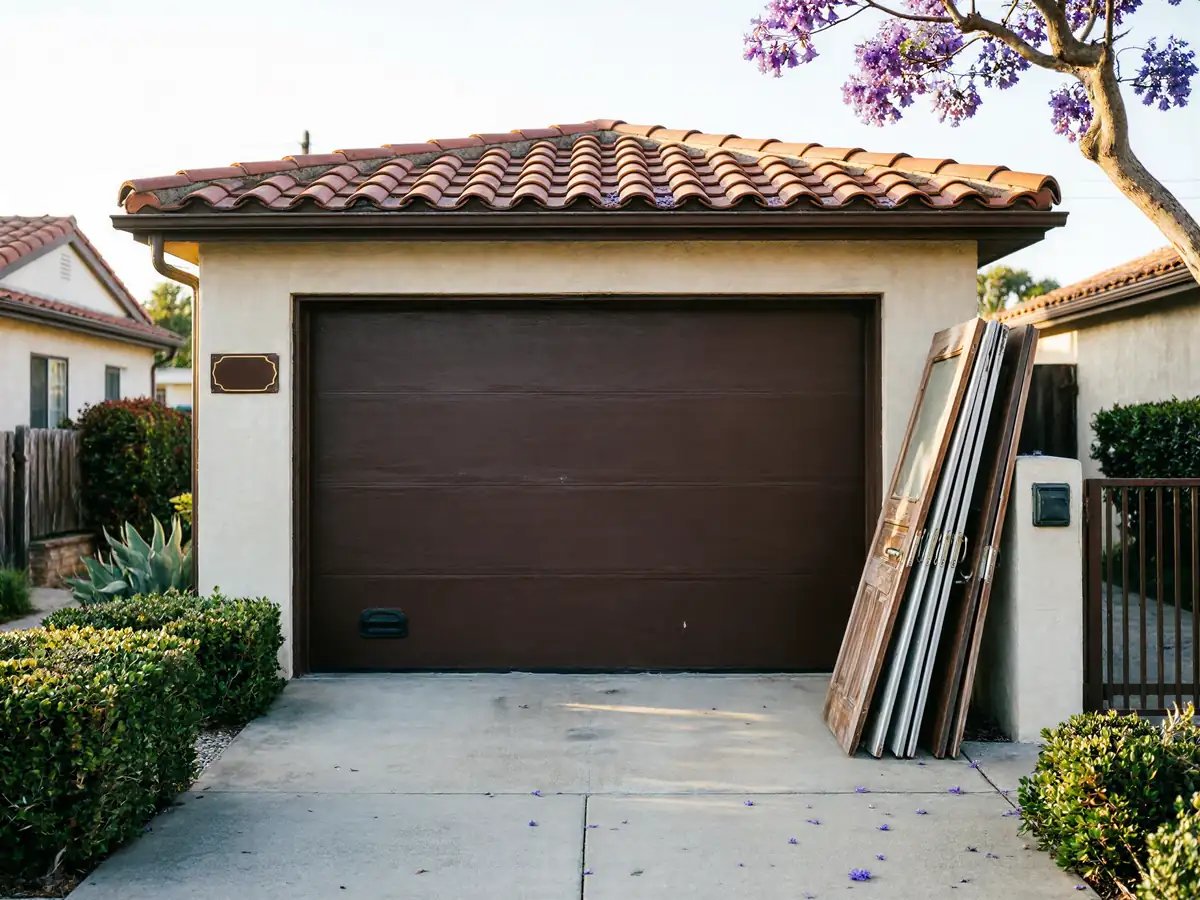
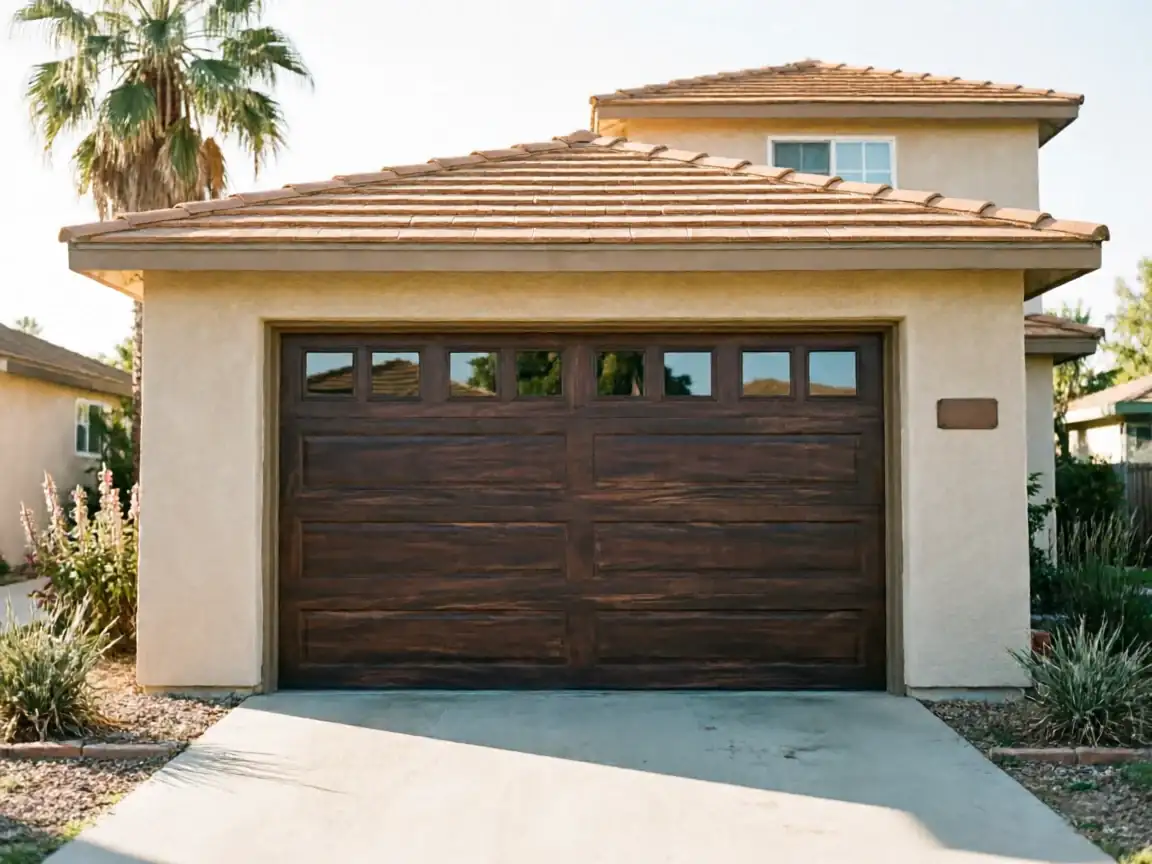
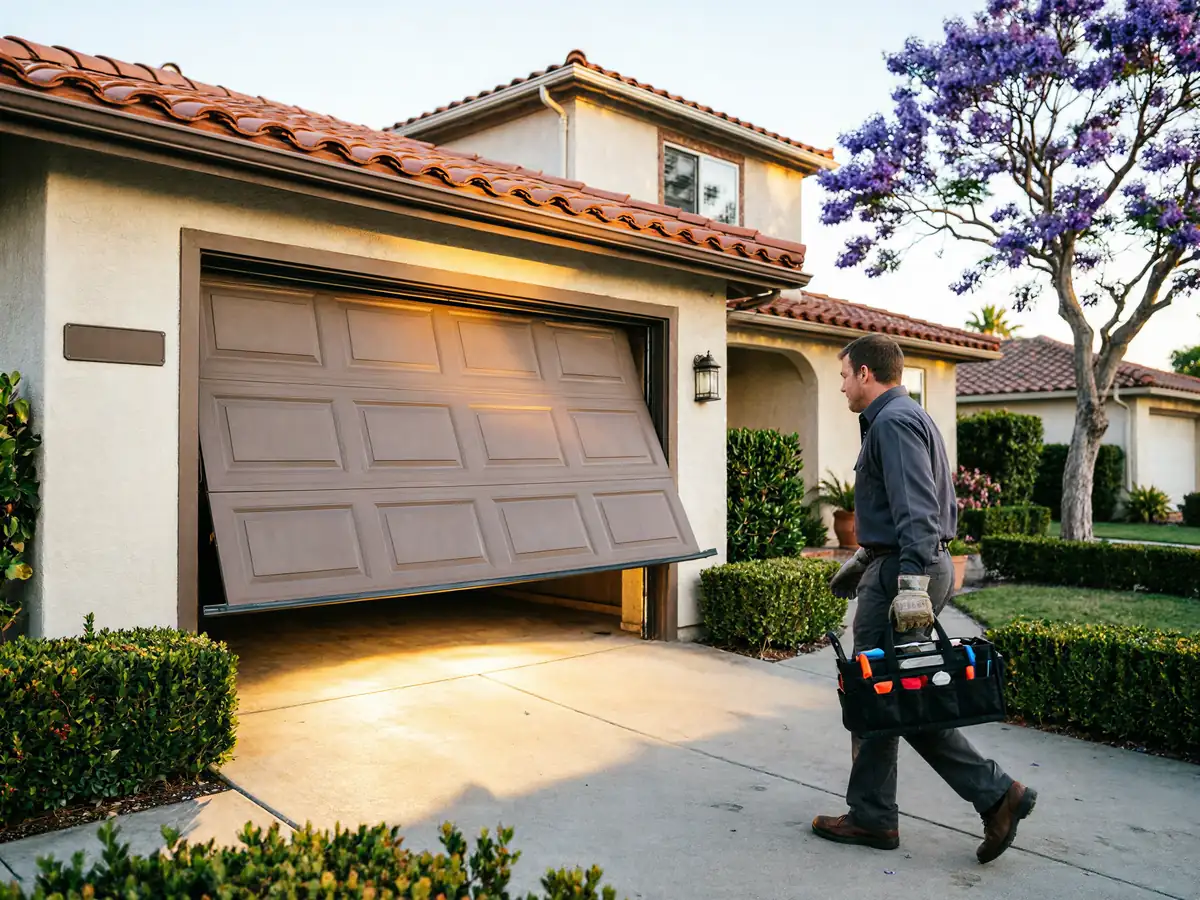
The houses on this side of the service area went up mostly in the 1950s and 60s, and Norwalk's own median lands around 1957 - a few years ahead of the wider area's 1963 median. That earlier build date usually means a narrower single-car opening or an early double door, steel panels rather than the insulated composite doors used today, and original hardware that's never been upgraded. Mild temperate weather here is gentle on the metal itself, so failures tend to come from age and use - thousands of open-close cycles on the same rollers and cable - rather than from heat-cracked panels or ice-jammed track you'd see in a harsher climate. We drive the 3 miles out from Downey for these calls regularly enough to know it's the hardware's age, not the weather, doing the damage.