The Symptom
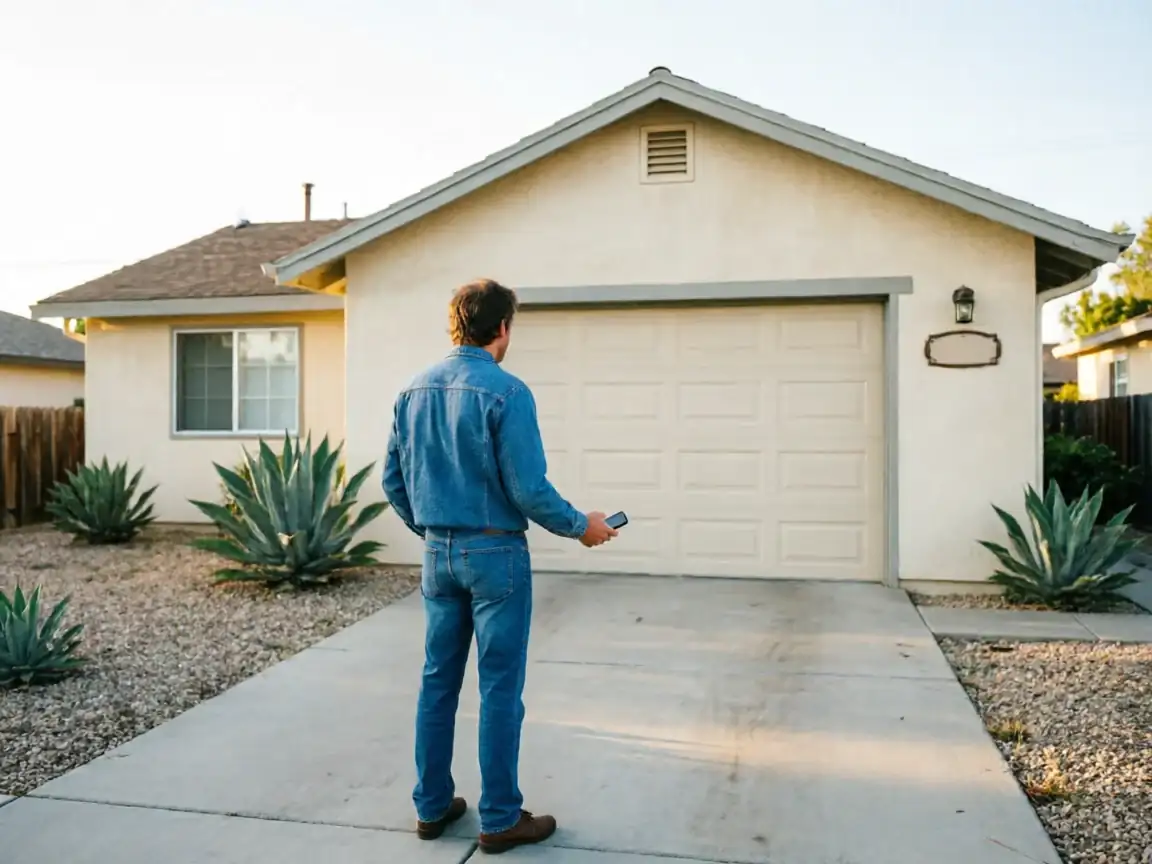
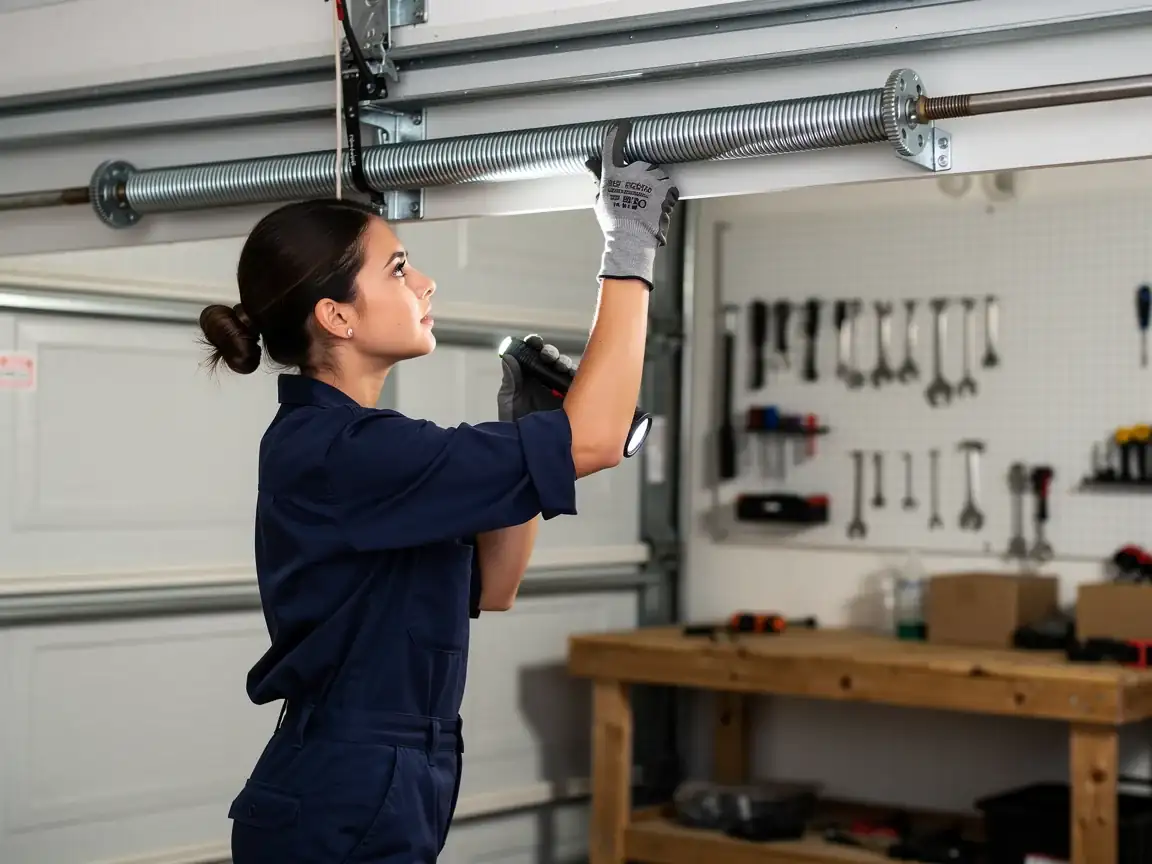
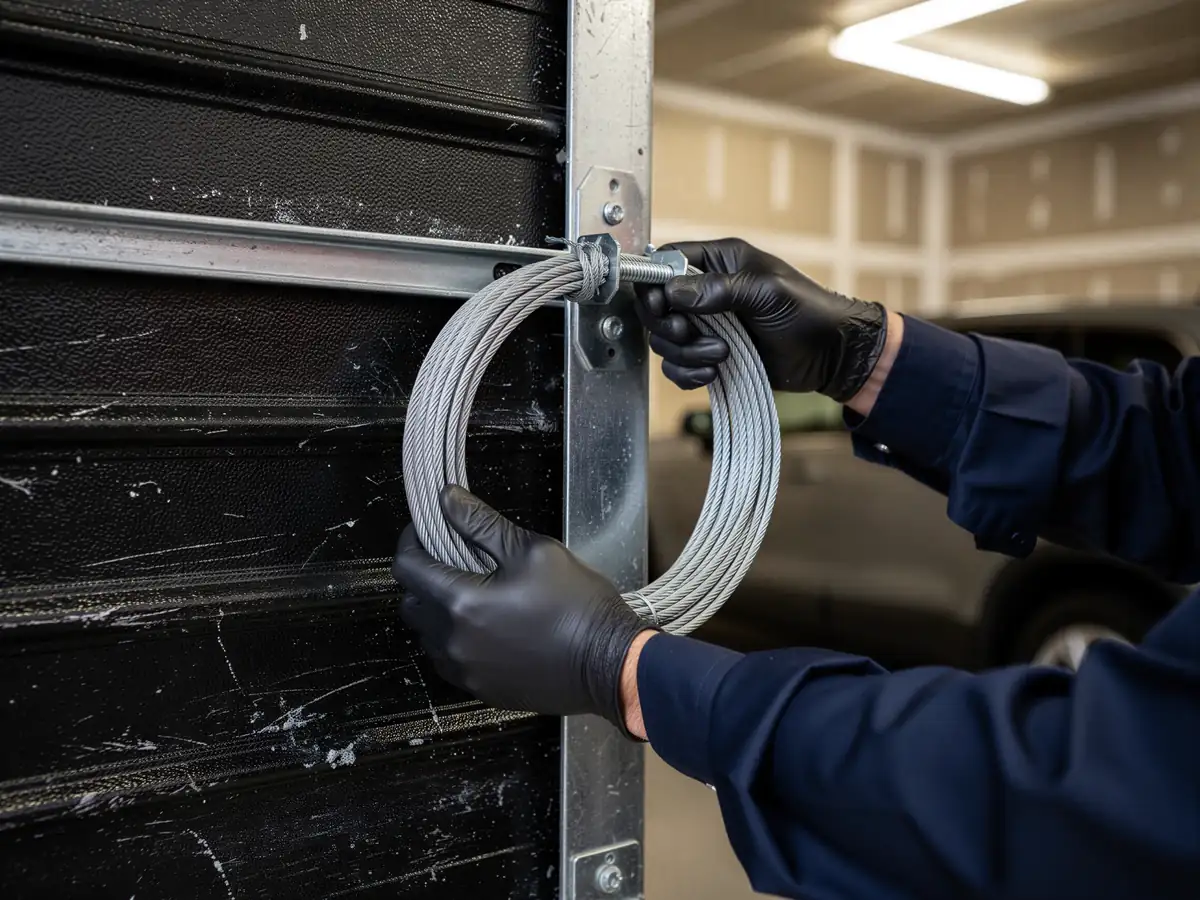
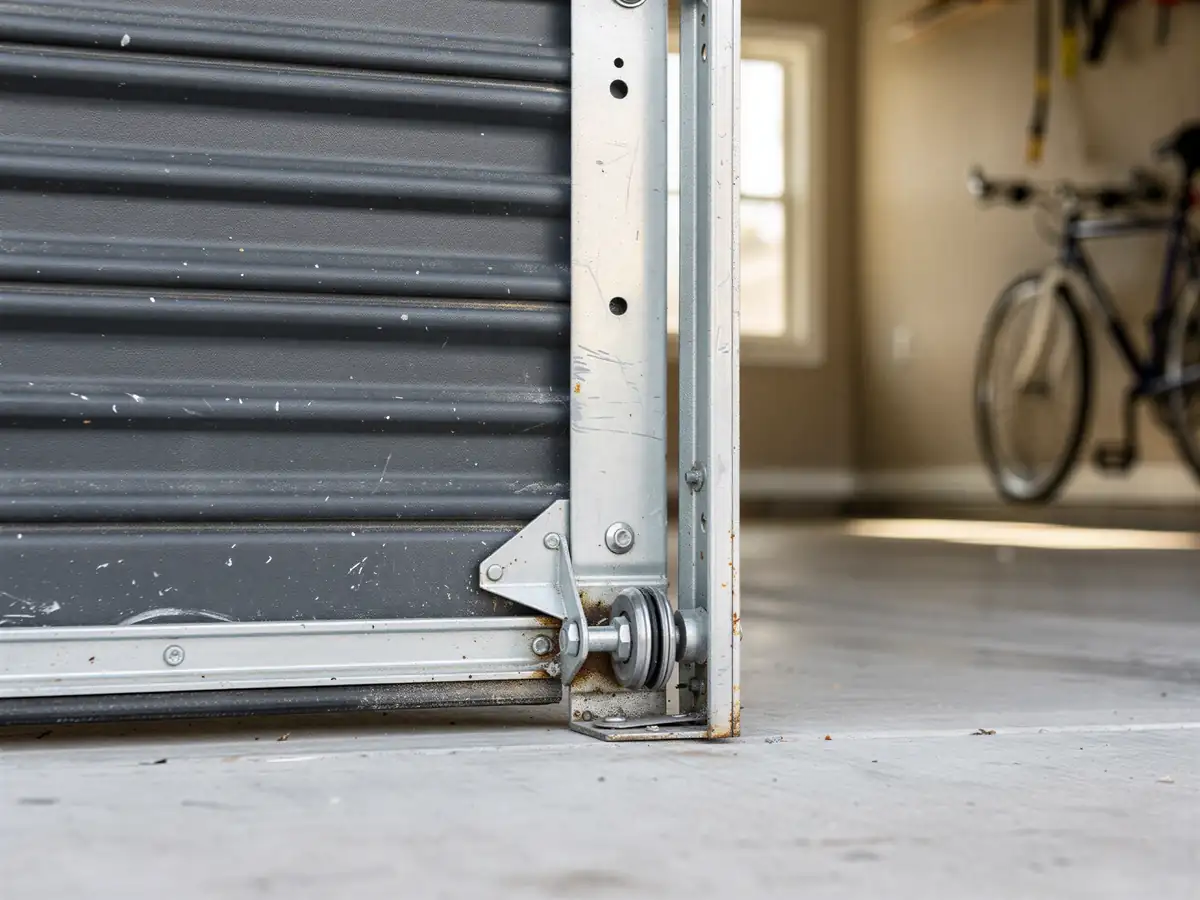
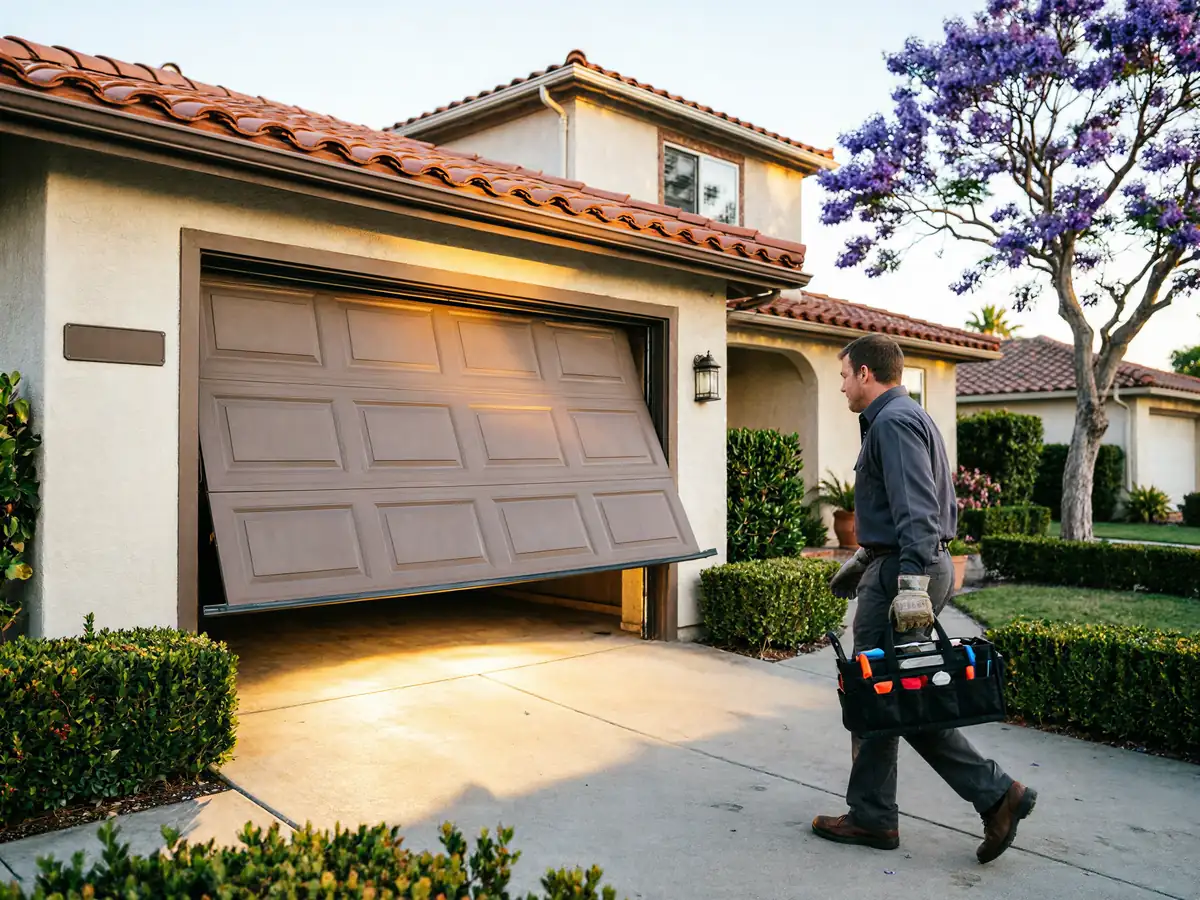
Bellflower's median household income sits at $77,602, lower than the $97,397 average across the wider service area, and that number decides a lot before a tech ever opens a toolbox. On a house in that income band, a $600 spring job is a real decision, not a rounding error, and a $2,000 full replacement is usually off the table unless the door is truly done. So the first question on most Bellflower calls isn't "what's broken" - it's "is this worth fixing." Most of the time the answer is yes. A door that won't open is almost always one failed part: a torsion spring, a snapped cable, a burnt-out opener circuit board, or a roller that's worn its track groove into a slow grind. None of those need a new door. The symptom that worries people most - a door that slams down fast, or won't budge at all - is also the cheapest one to diagnose, because broken springs show themselves plainly once you look at the coil. What's harder to call over the phone is a door that labors but still moves, which is often an opener relay going bad, not the door itself.
How Long It Takes
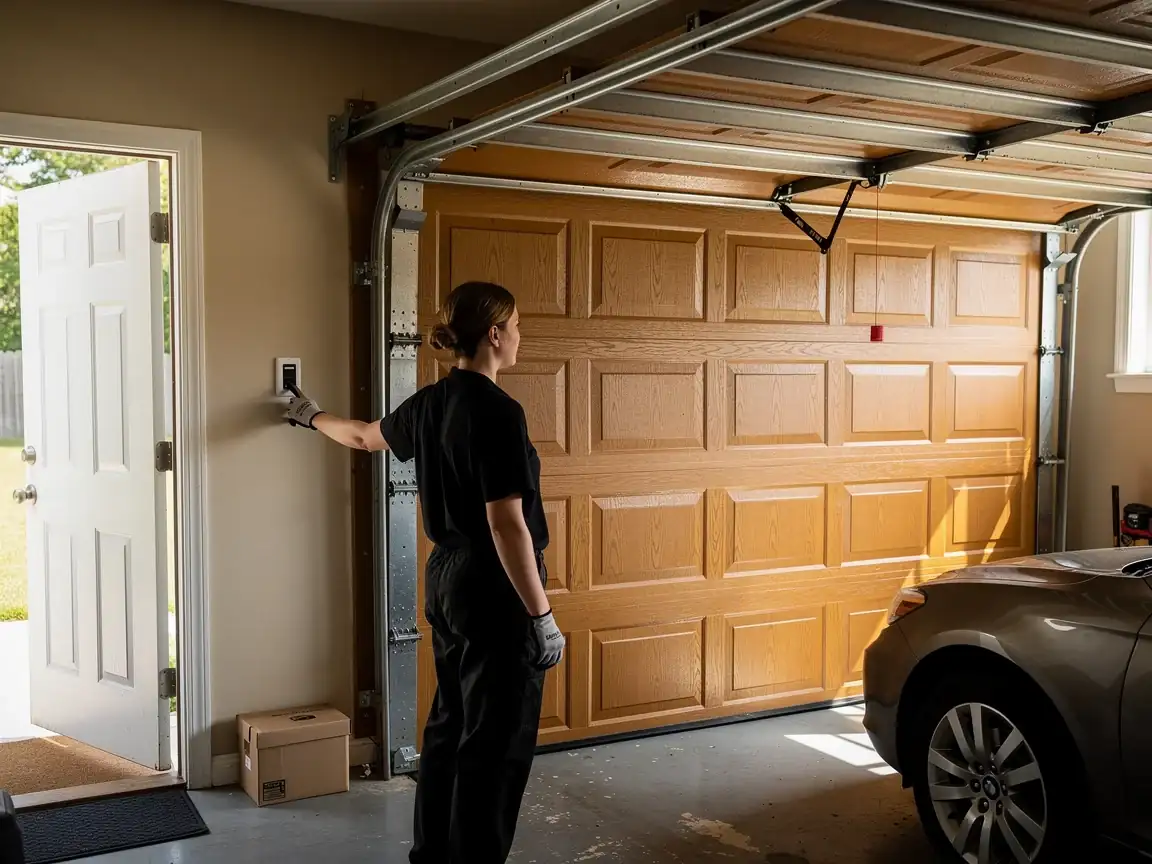
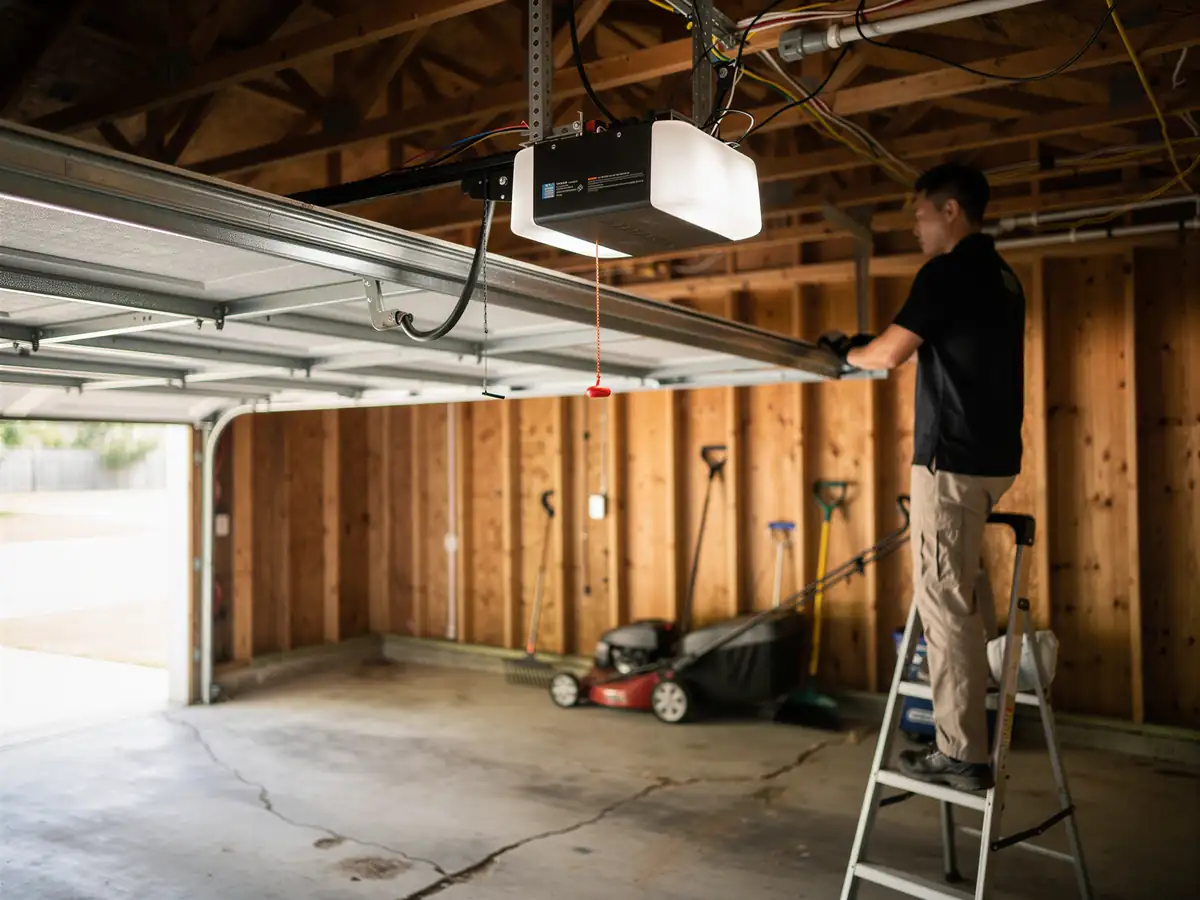
A spring swap or a cable replacement on a standard double door is usually a single visit, same day the tech is on-site, once the part is confirmed and on the truck. Opener repairs run the same way when the fix is a logic board, sensor, or gear - the delay only shows up when a part has to be ordered, which happens more on older openers than on the doors themselves, since door hardware (springs, cables, rollers) is more standardized across brands and eras than circuit boards are. We don't carry a local branch in Bellflower; the truck comes from Downey, 4 miles out, so travel time is short but it's not a walk-in shop - appointments are scheduled, not drop-in.