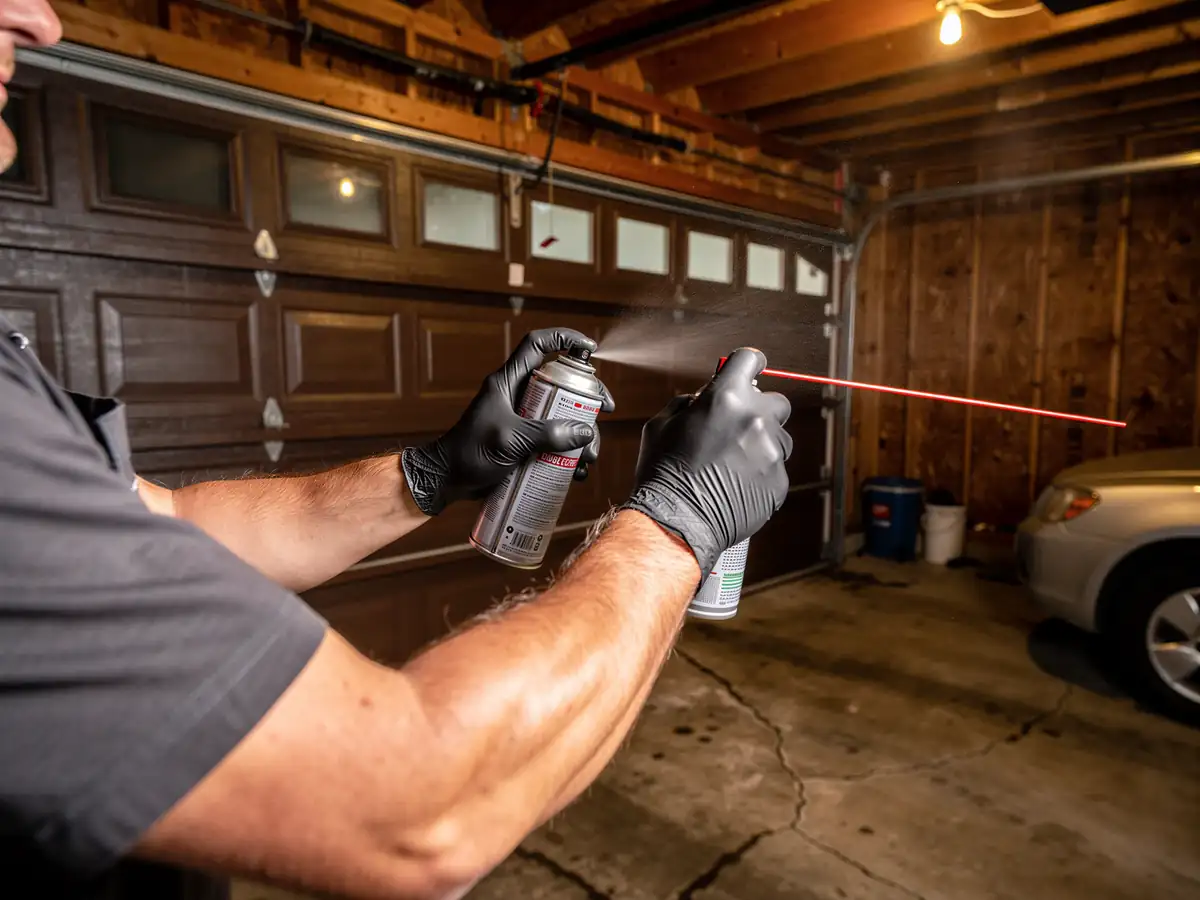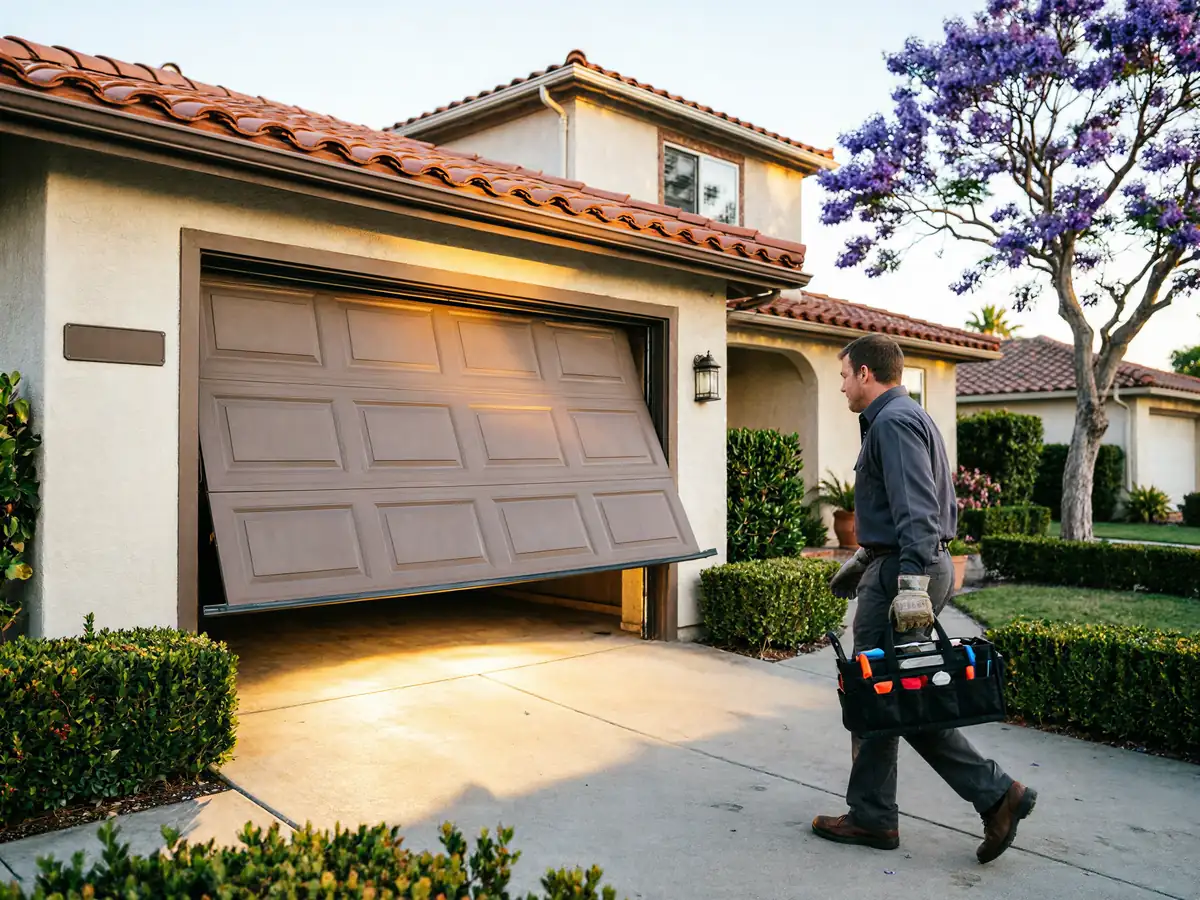
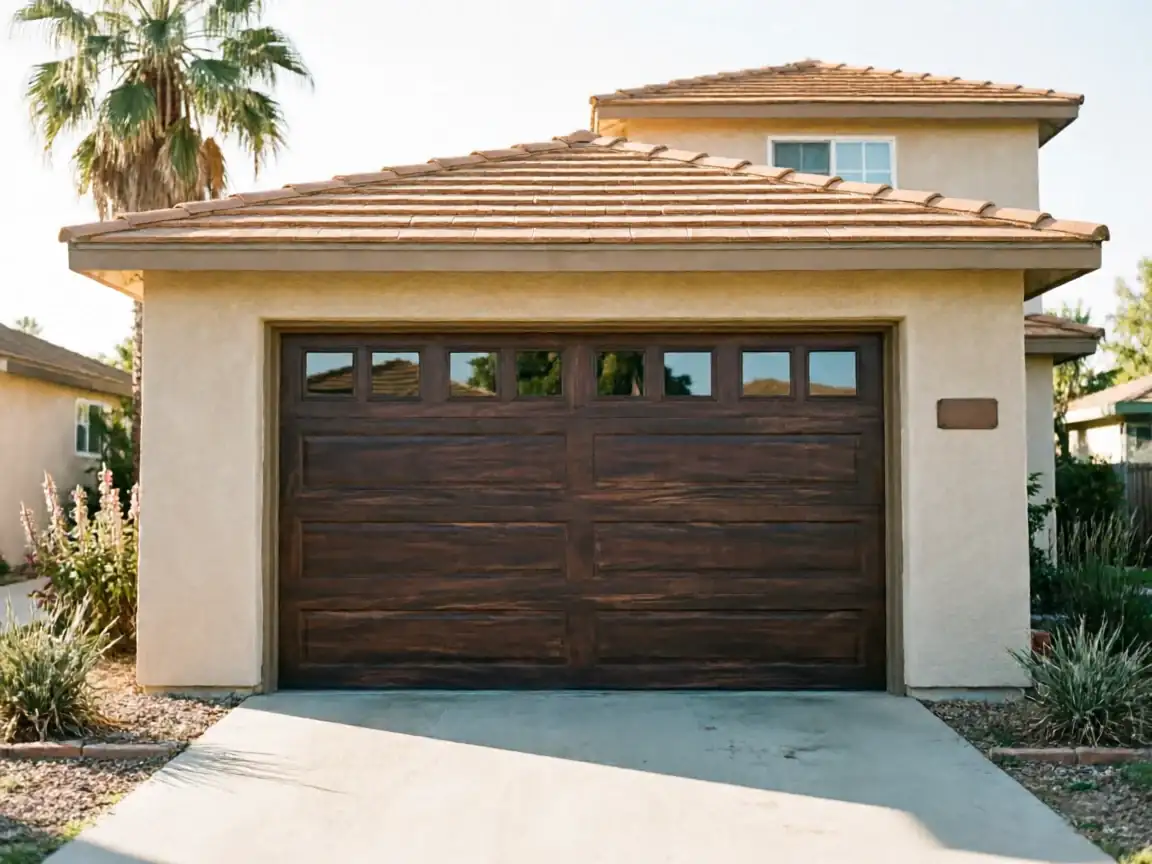
The Symptom
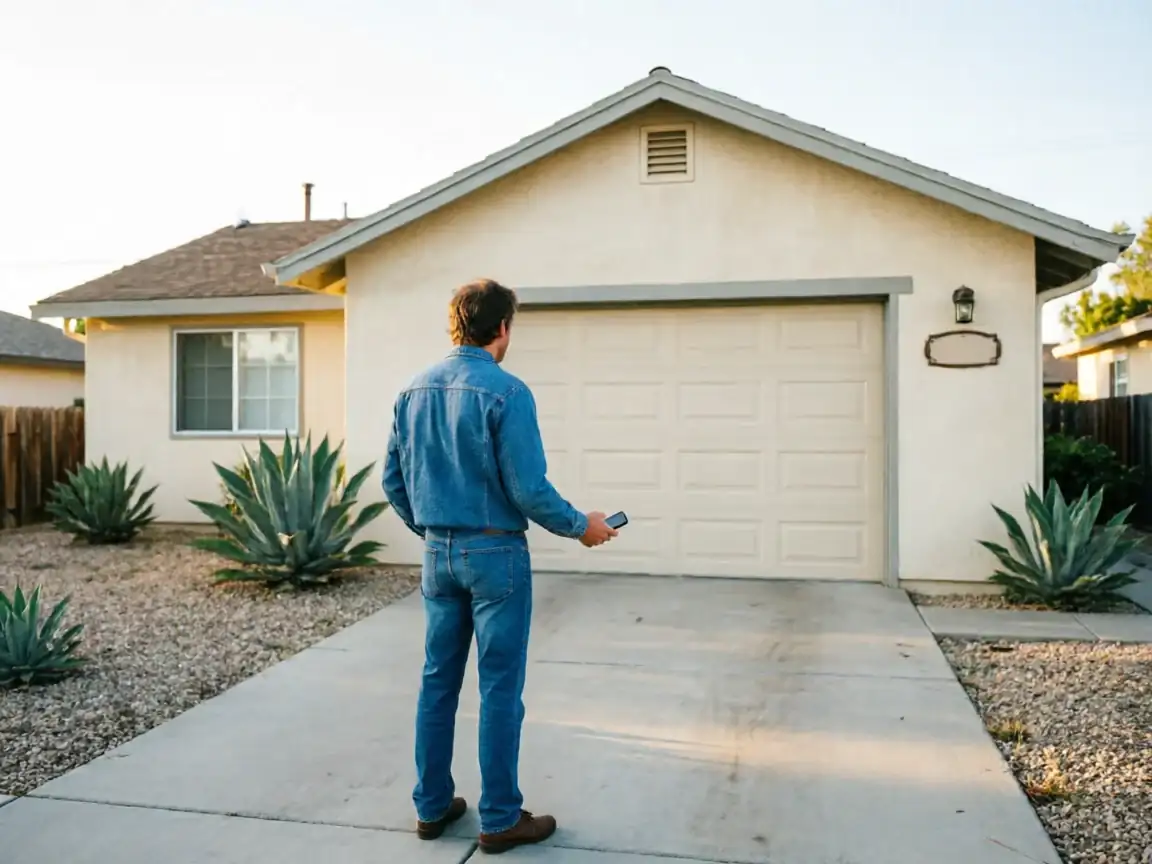
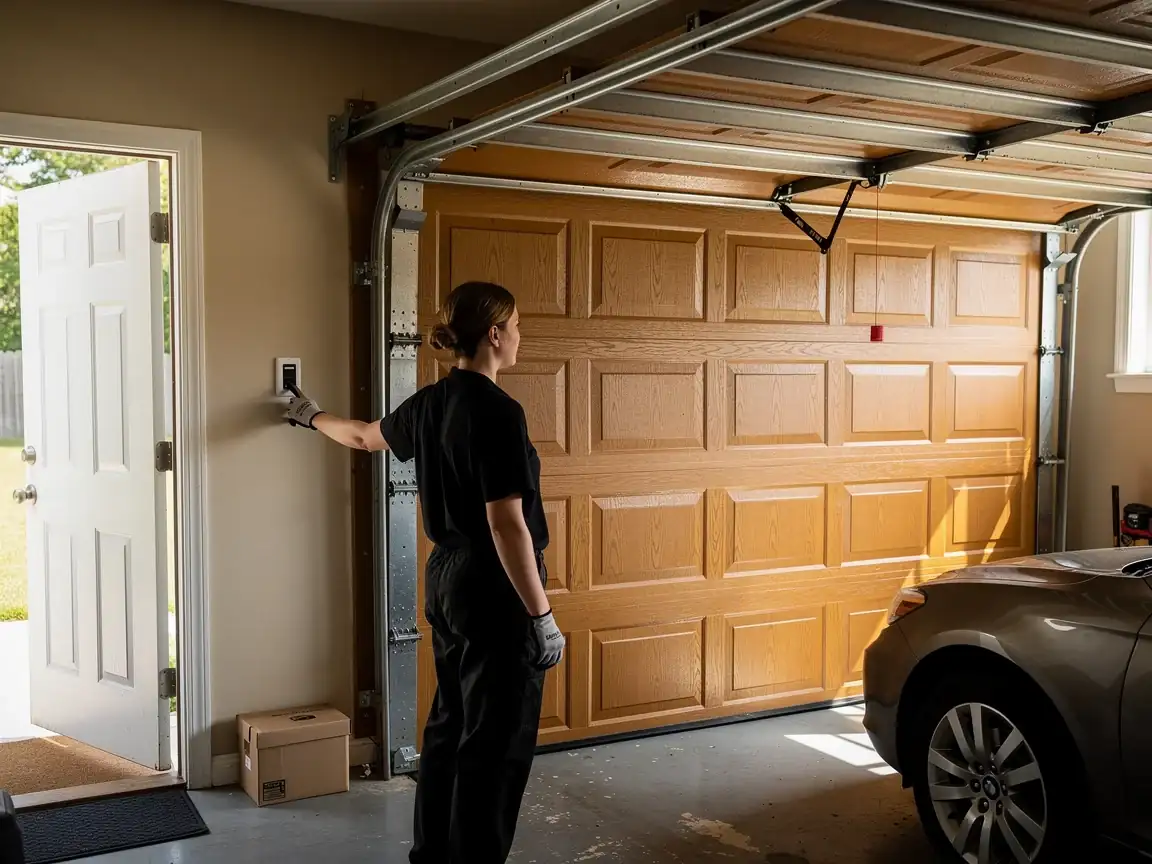
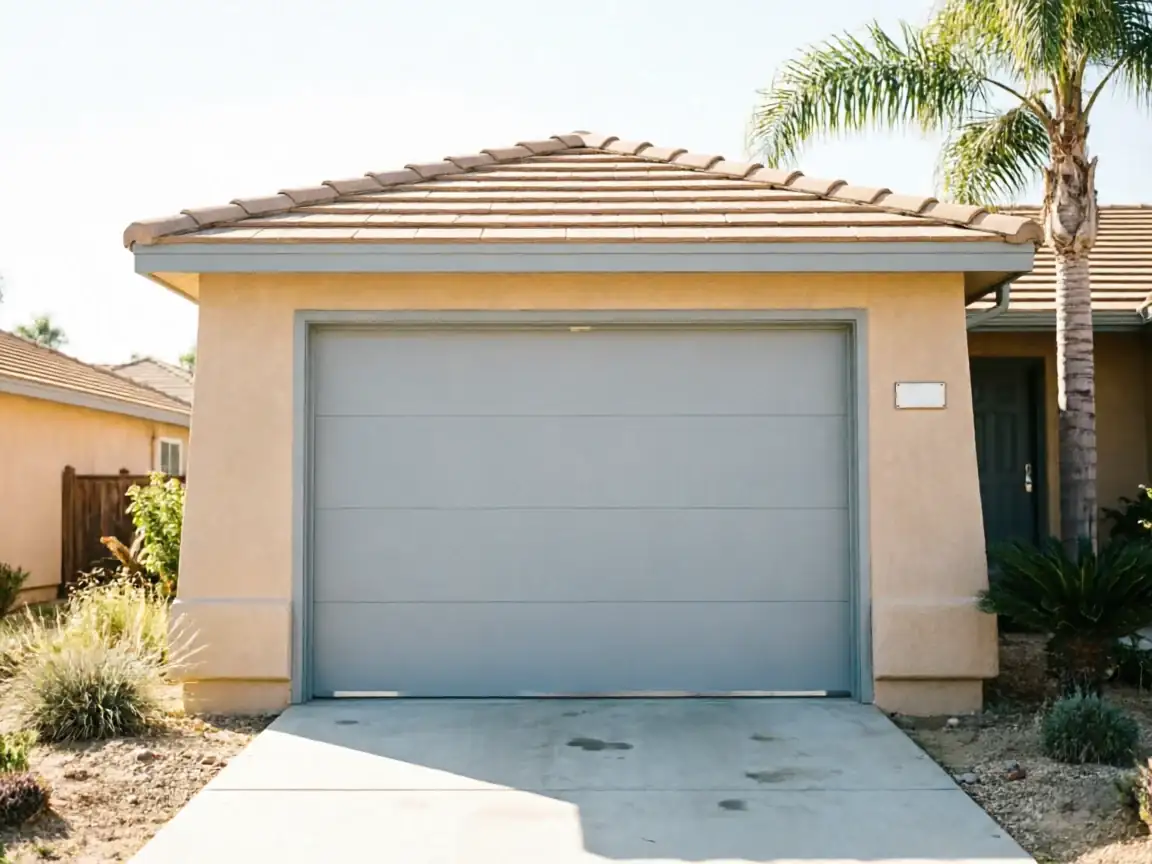
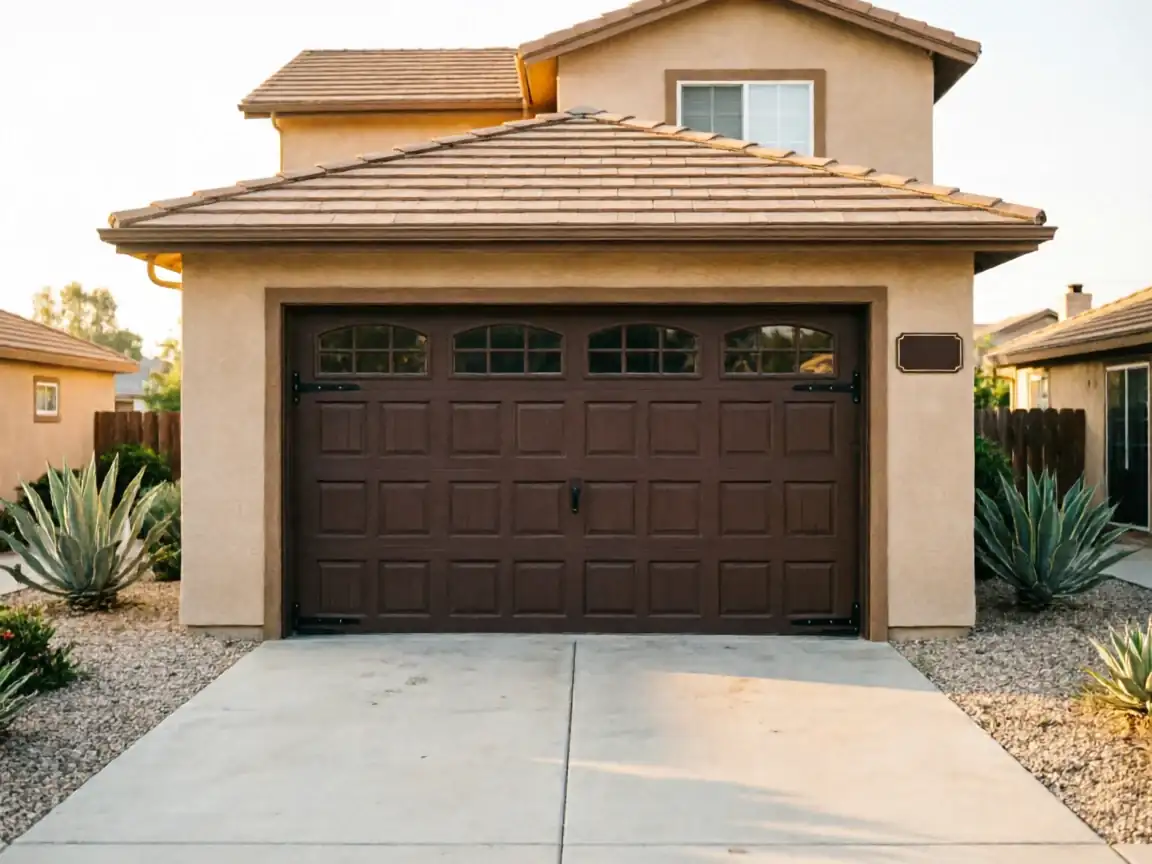
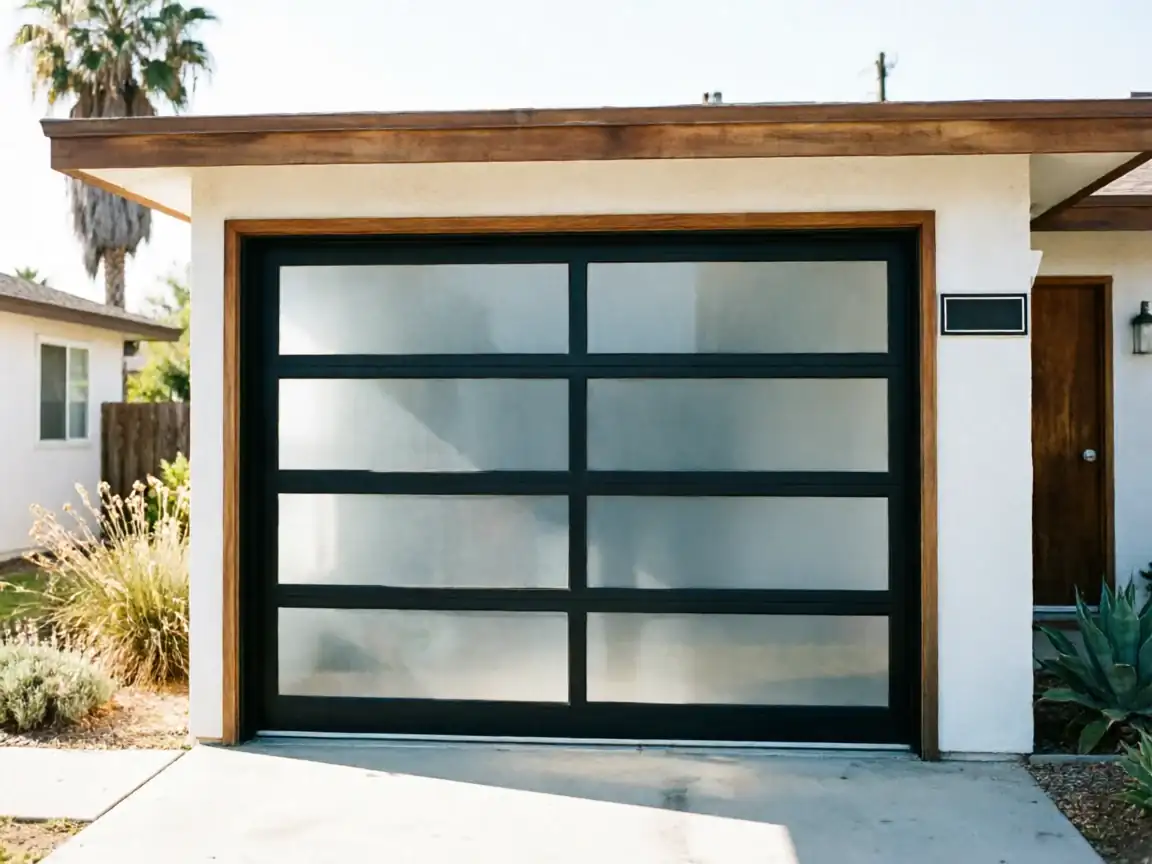
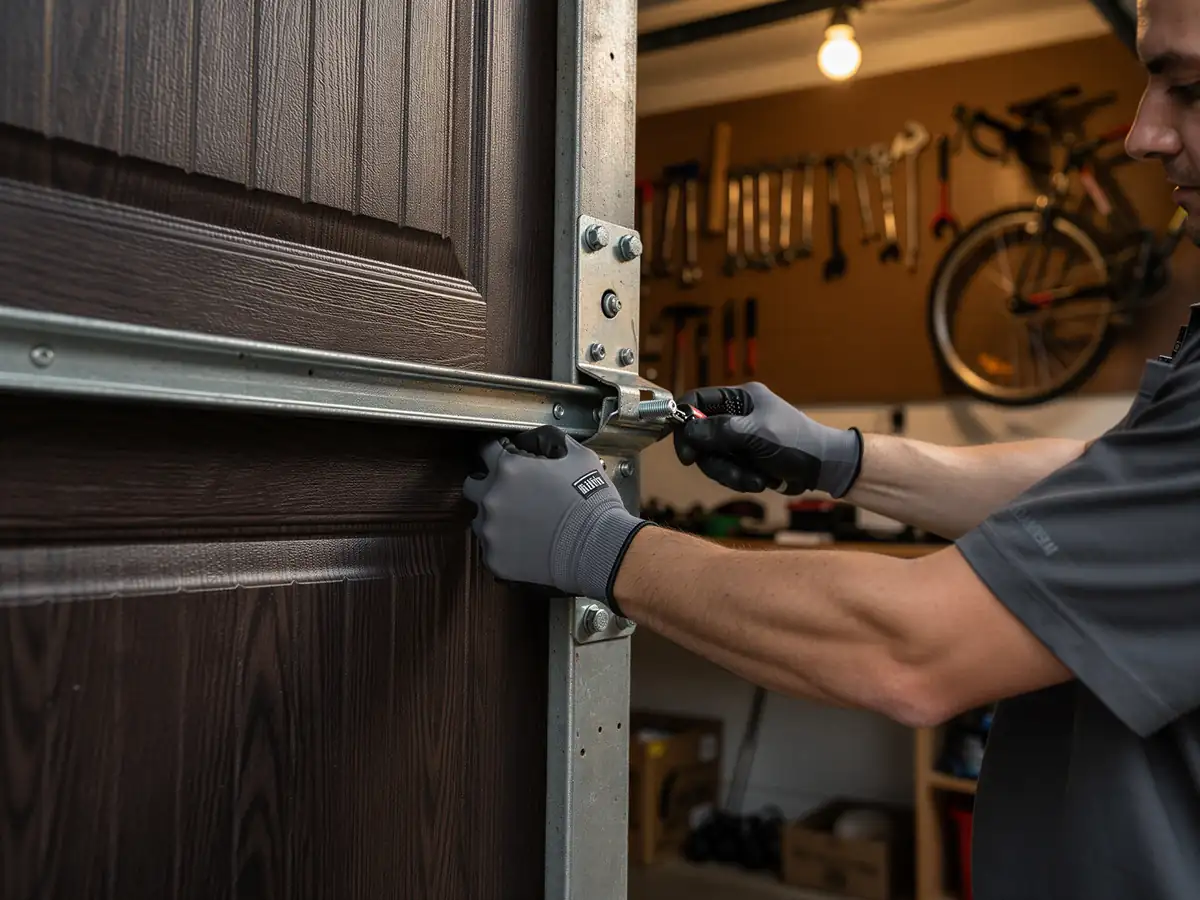
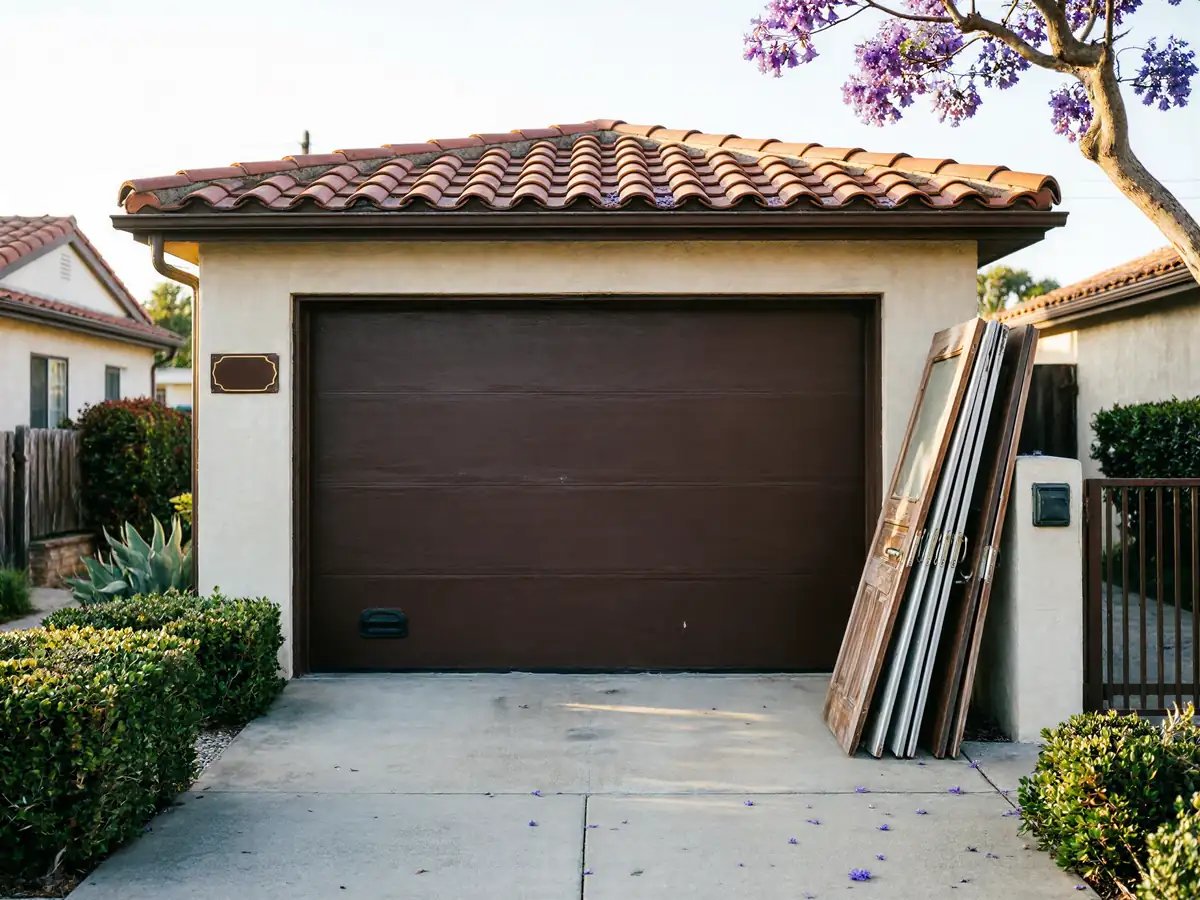
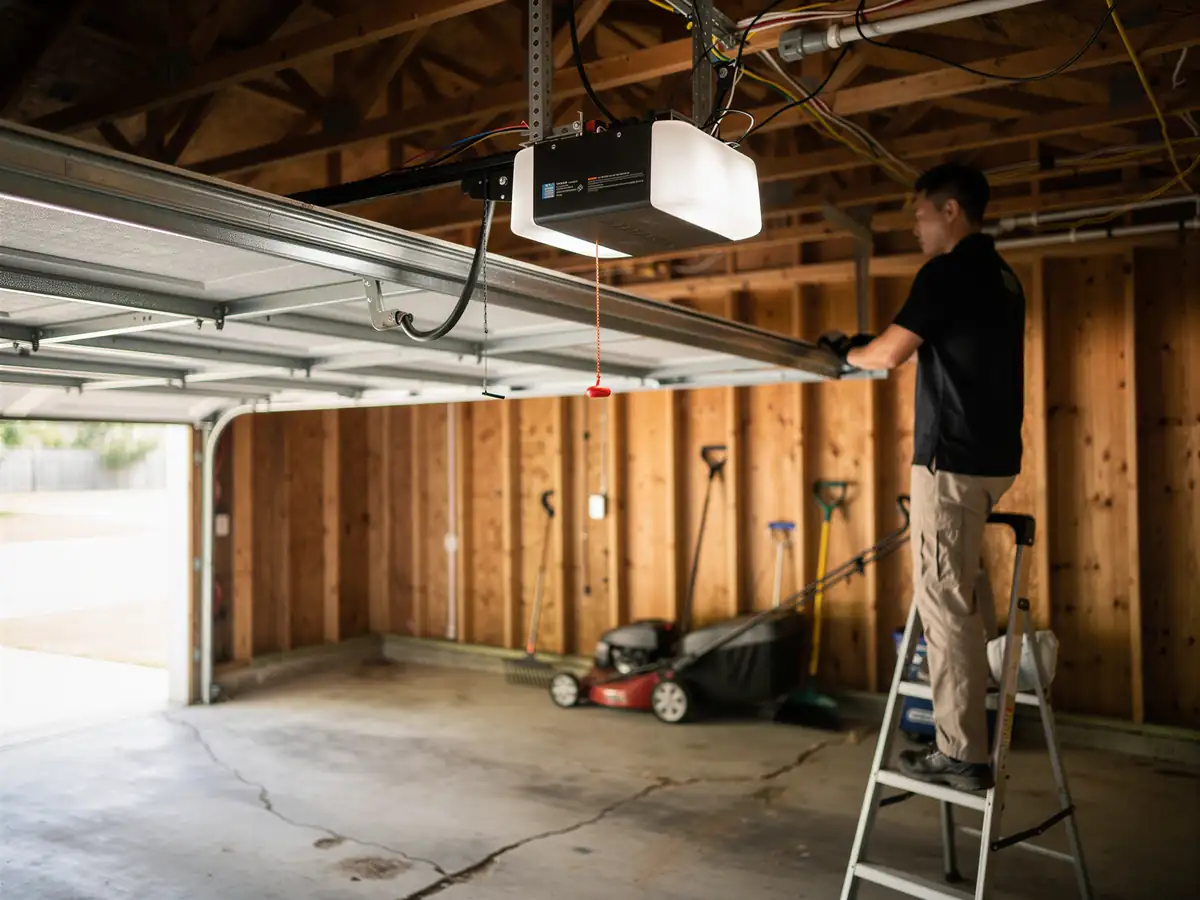
Downey's housing stock runs from 1943 clear through 2012, but Bellflower's own median build year lands at 1966 - a tight, late-60s tract wave rather than the long spread you see a few miles over. That three-year gap off the area median sounds small until you're the one standing in front of the door. A house built right around 1966 usually got a lighter-gauge steel section door on a torsion spring that was sized for a door half the weight of what's on the track today, because somewhere along the way a previous owner swapped in a heavier insulated door and never touched the spring. The symptom you notice isn't dramatic - the door feels heavier on the way down, or the opener strains and reverses halfway up. That's not the opener failing. That's 1966 hardware carrying 2020s steel. We see this pattern across a lot of these mid-60s tracts, and it's the first thing we check before we touch anything else.
How Long It Takes
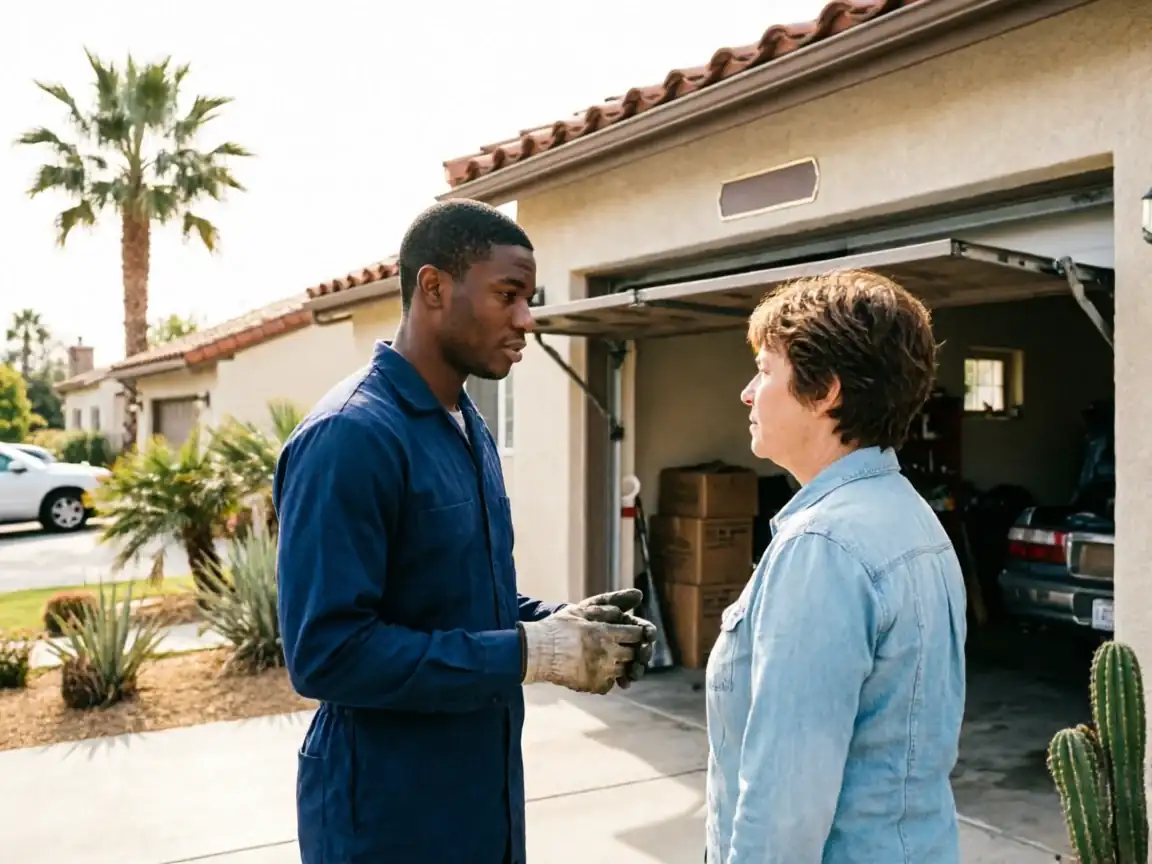
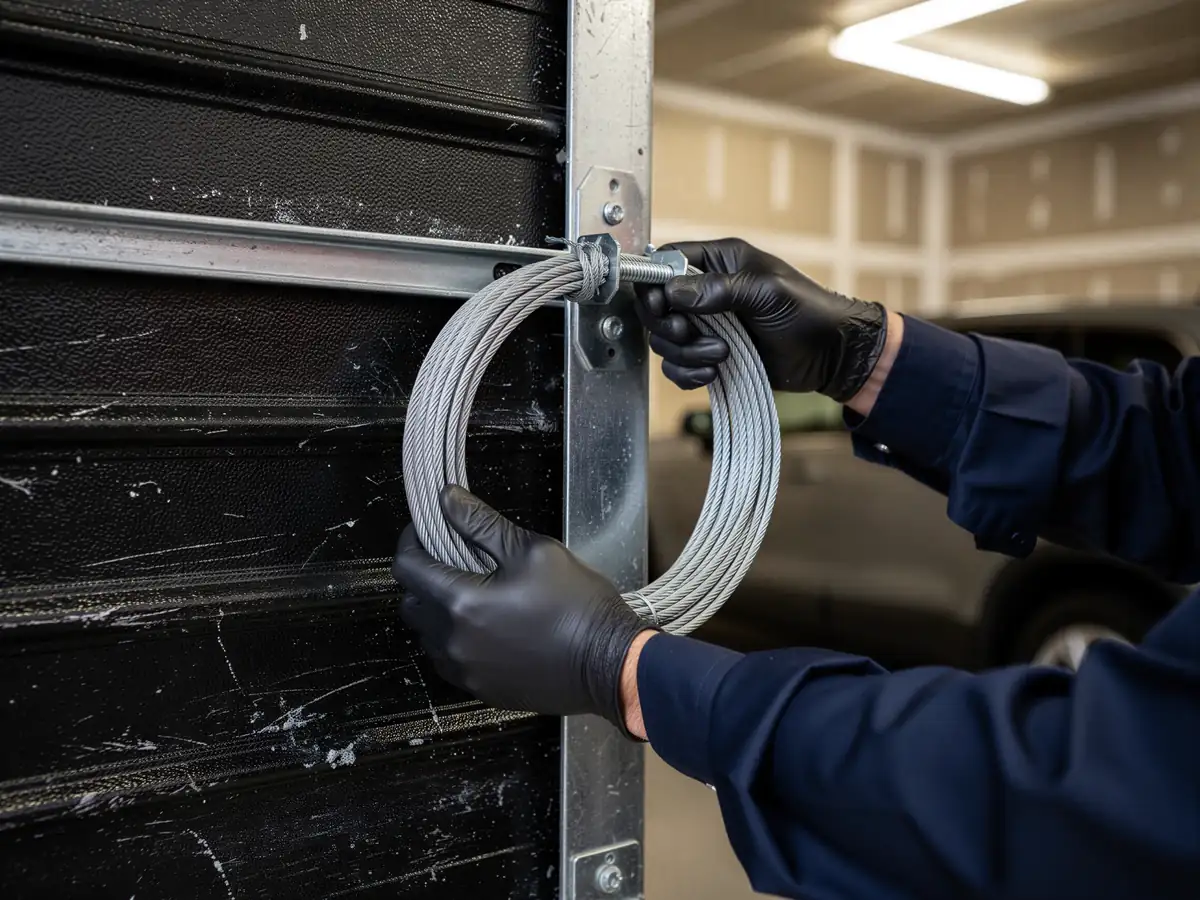
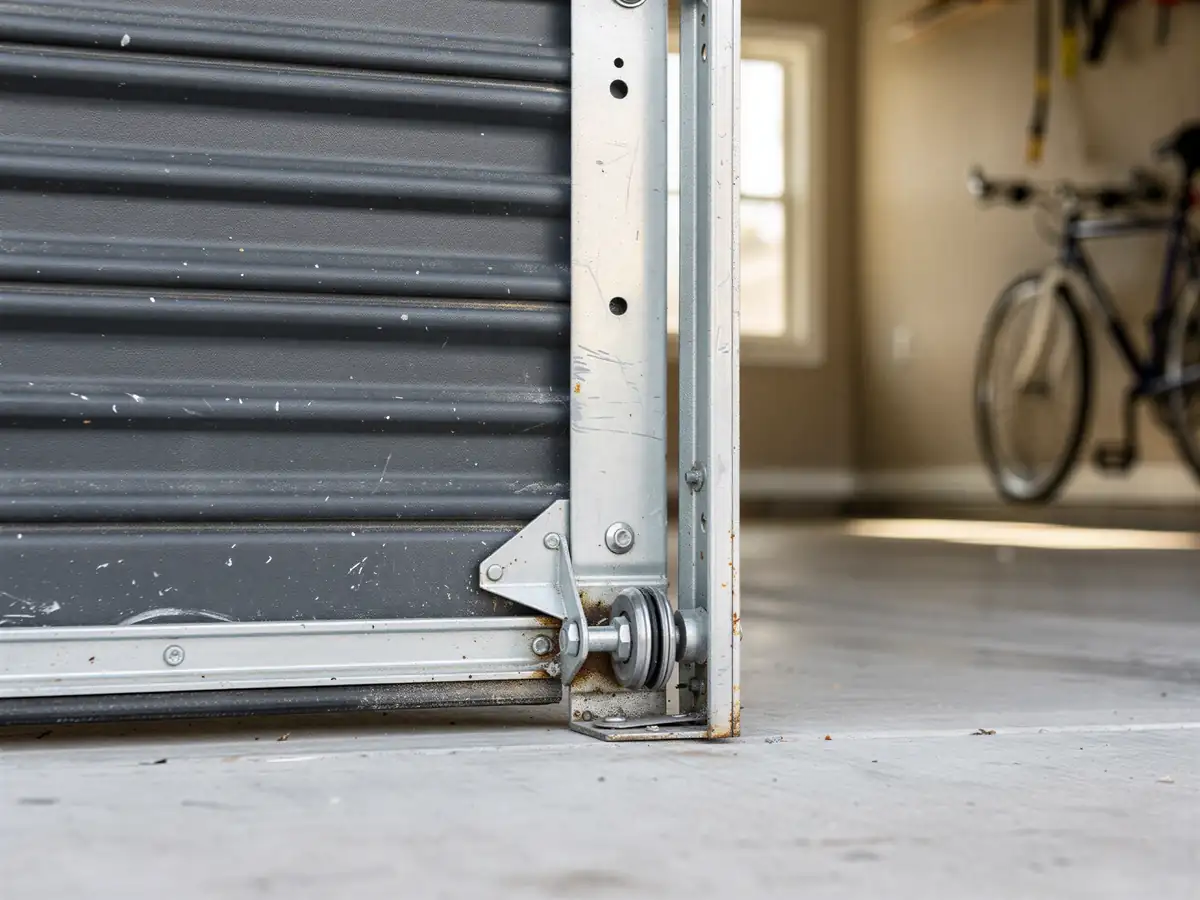
We're coming from Downey, about 4 miles out, so travel isn't the variable - parts availability is. A torsion spring resized for a heavier door is a same-visit job once we've confirmed the drum and shaft match. Where it runs longer is when the house still has the original 1960s track width or an odd-length shaft that newer rollers and cables don't fit without an adapter. We carry common sizes on the truck; anything outside that range means a return trip. We won't guess at a spring weight over the phone and tell you it's a quick fix - if we can't verify the door weight and spring wind in person, we're not quoting a time, because a wrong guess on a torsion spring is how people get hurt.
What Causes It Around Here
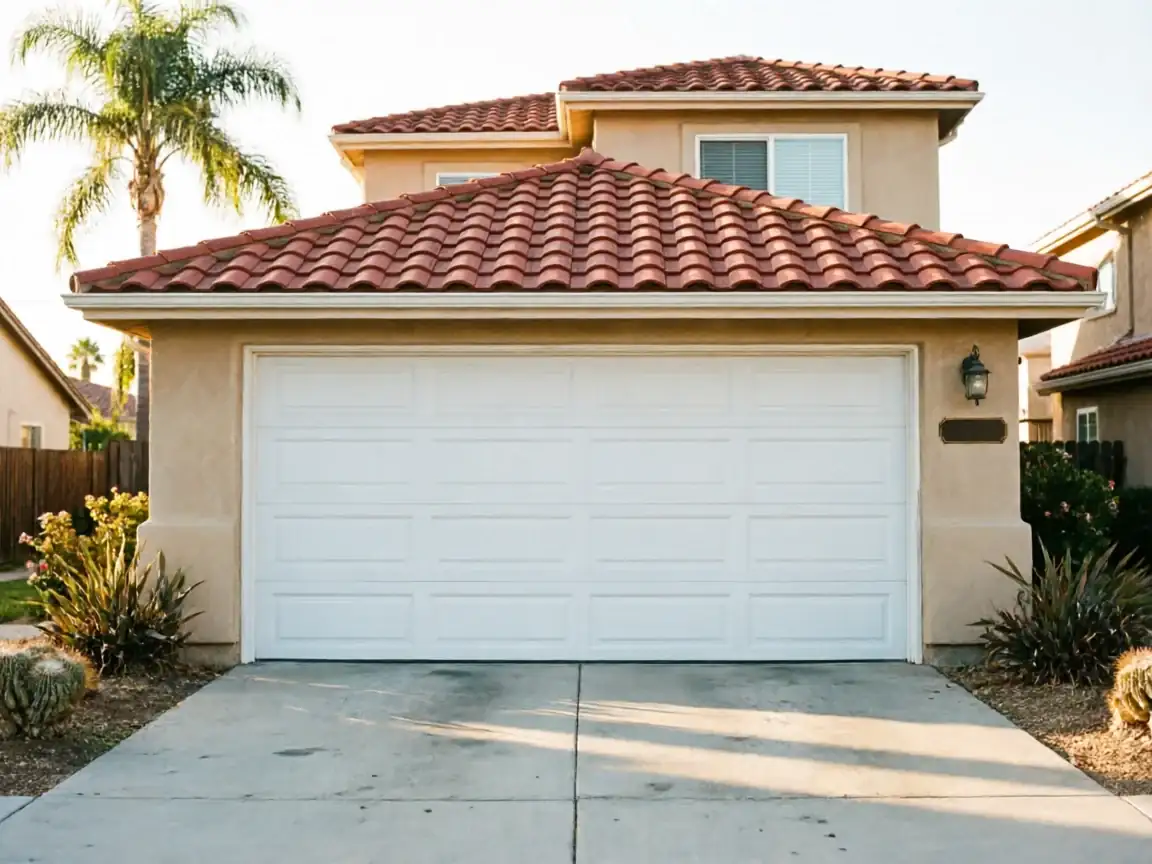
The mild temperate climate across this part of the county means we're not dealing with the freeze-thaw cycles that crack concrete slabs or stiffen weatherstripping the way colder regions do - that's not what's wearing these doors out. What's wearing them out is age meeting mismatch: original 1966 hardware never sized for the doors now hanging on it, after one or two replacements over the decades. With roughly 23,669 households in Bellflower and a housing stock this concentrated in a single building era, a lot of these issues cluster the same way - same spring size, same bracket problem, same track width - because a lot of these houses were built by the same handful of developers in the same few years.
The Cost of This Job
We can't quote a flat number here because spring weight, track condition, and whether the opener needs attention too all change the total - and a page isn't a substitute for seeing the door. What we can tell you is that Bellflower's median household income of $77,602 runs noticeably below the broader service area's $97,397, and that's part of why we'd rather fix a sound 1966-era frame than sell a full replacement when the spring and cable are the only things actually failing. Replacement makes sense when the track is bent beyond pulling straight or the panels are rusted through. Otherwise, re-sizing the spring to match the current door is usually the honest call, and it costs less.