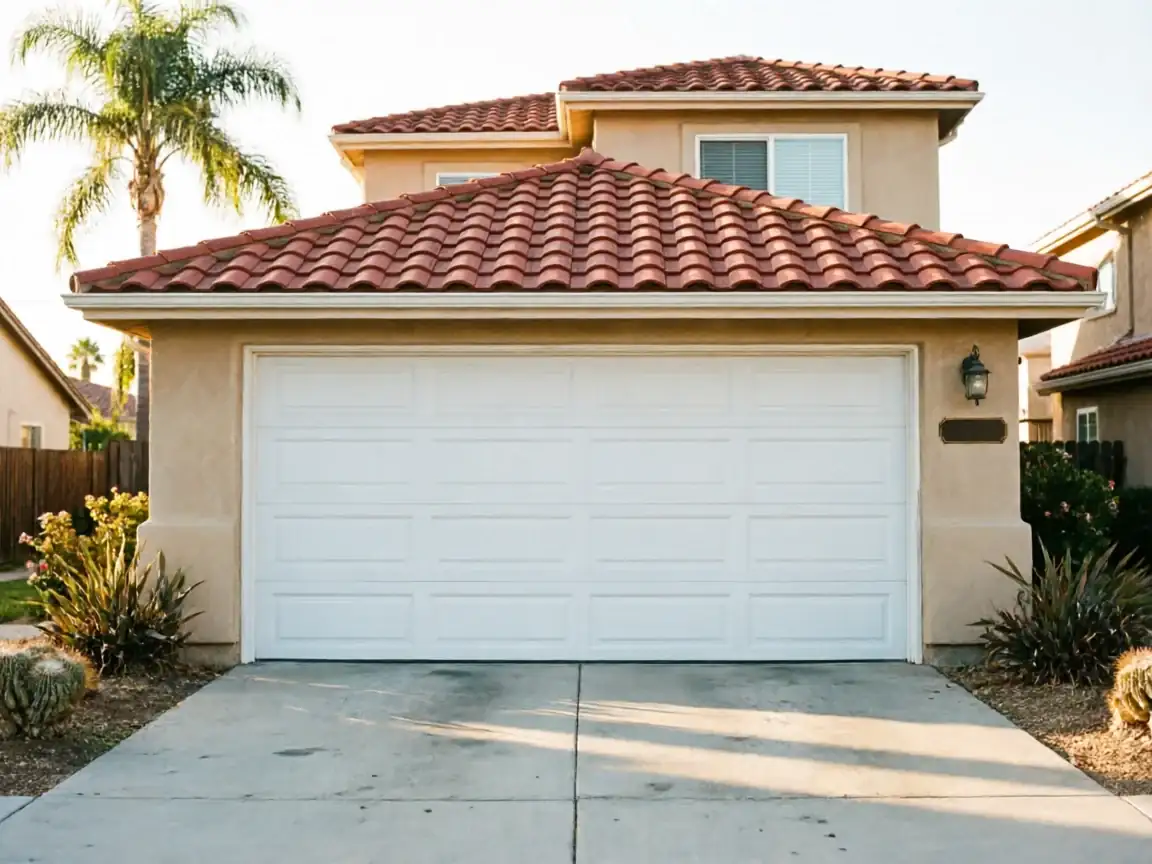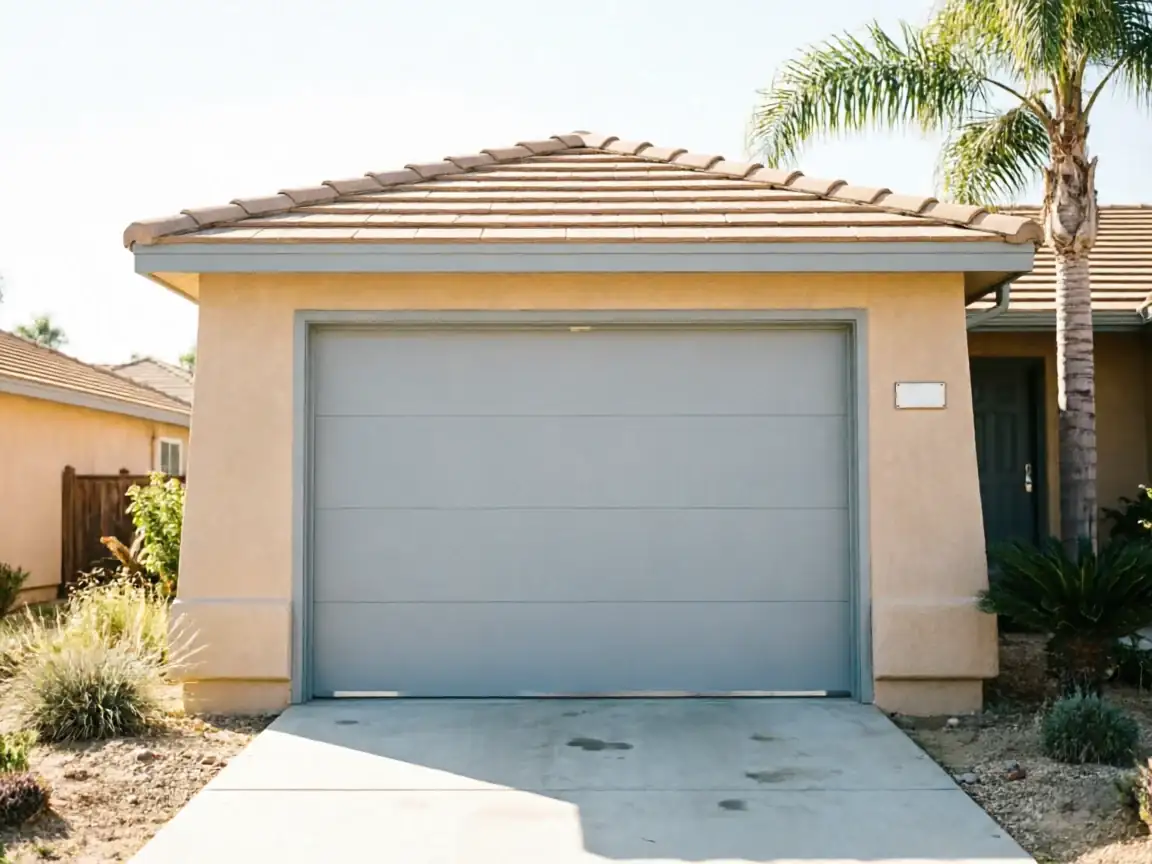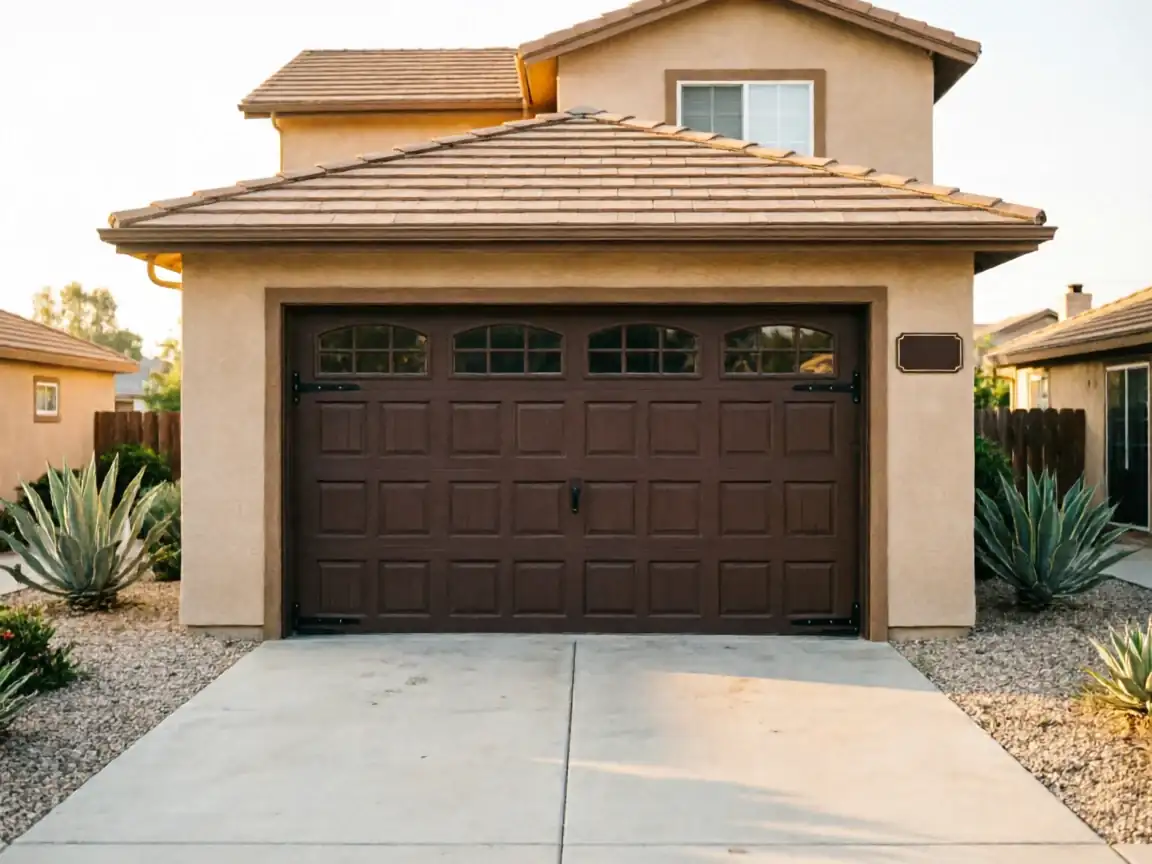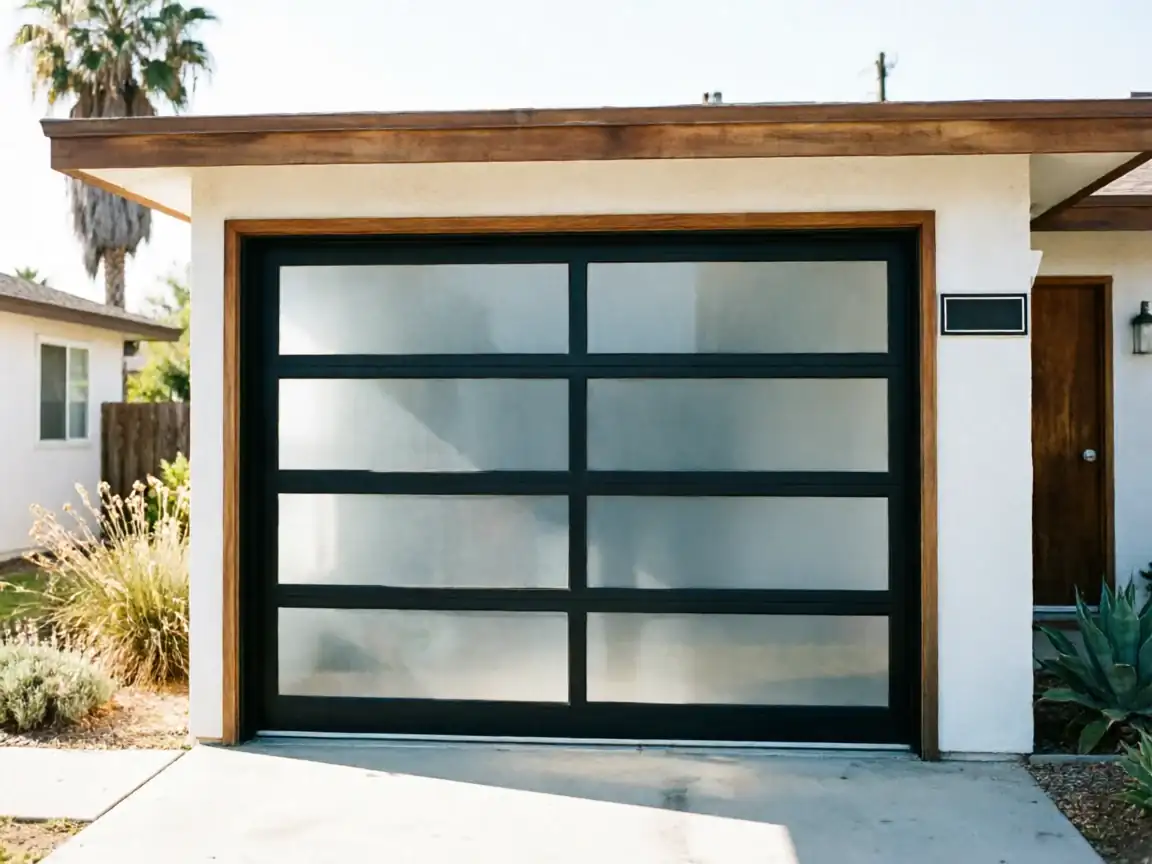
The Symptom
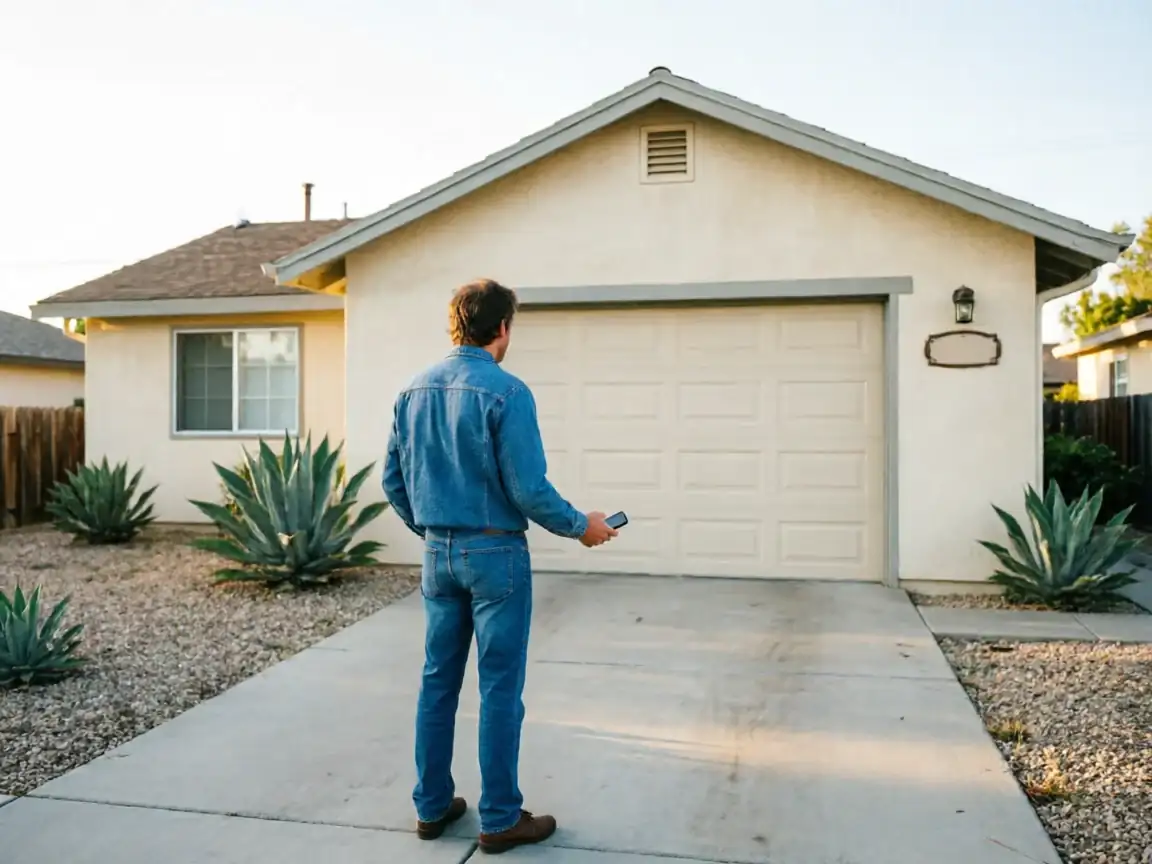
The call we get from Bellflower isn't usually "my door is broken." It's "the door still works but it doesn't fit anything anymore." Someone wants a new opener, a new insulated panel, or a wider door for a second car, and the installer who shows up finds a frame that doesn't match a single modern door size on the shelf. That mismatch is the actual symptom driving most new-install calls here, not a dead spring or a bent track.
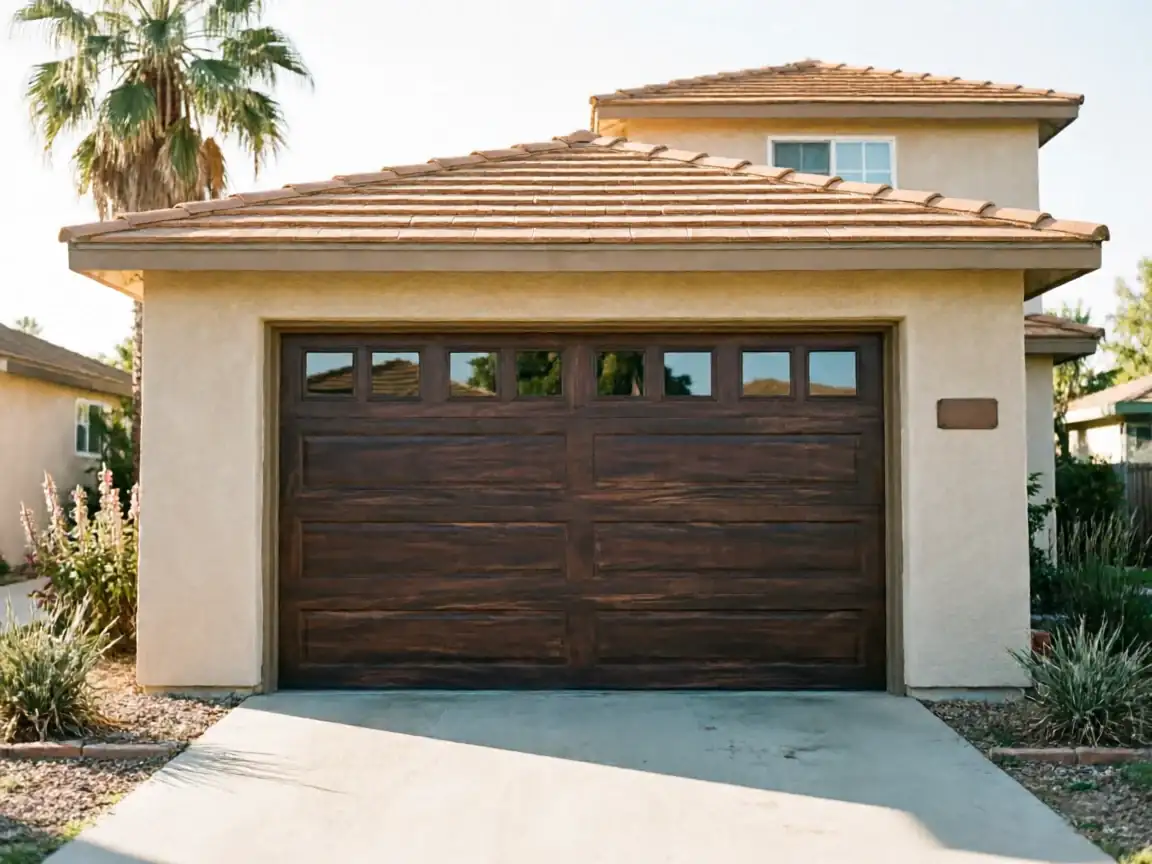
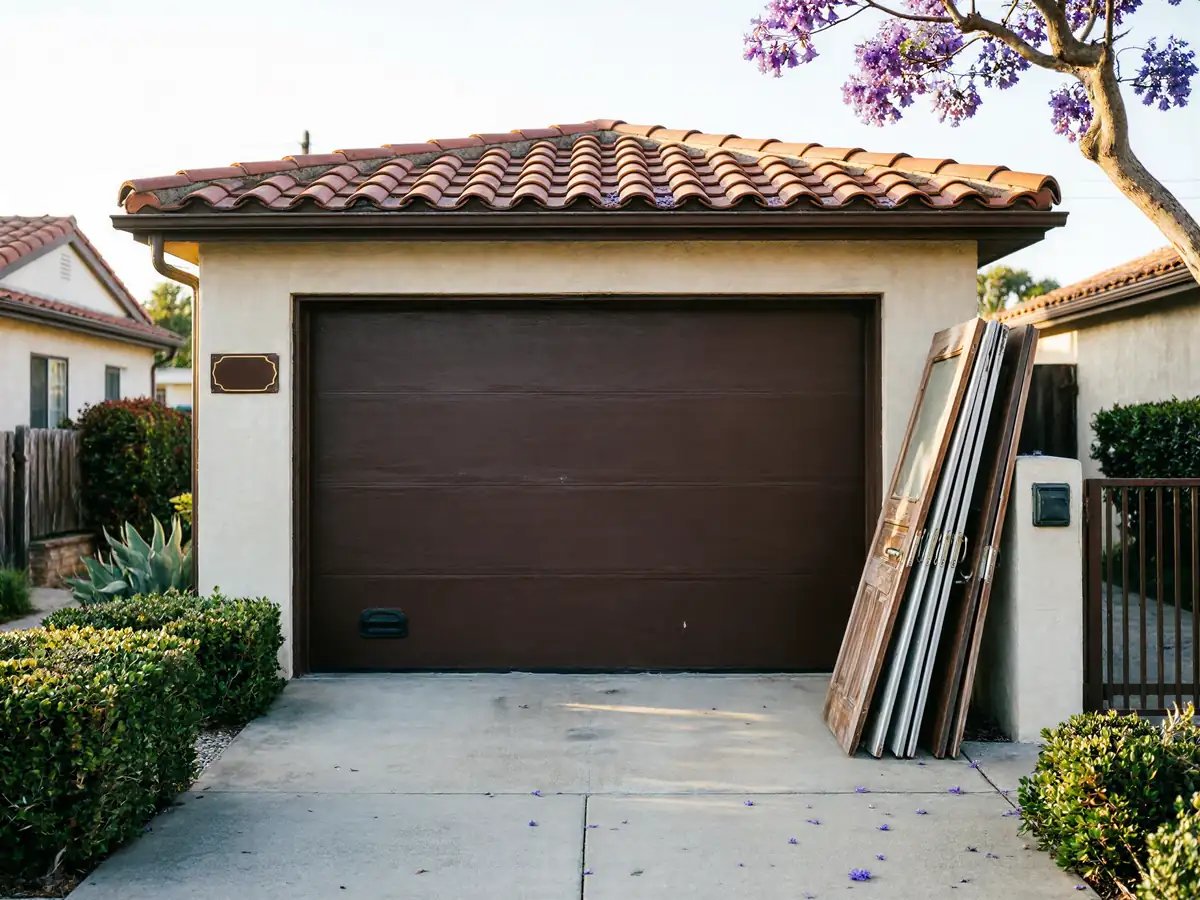
It comes from when the neighborhood went up. The median home in Bellflower was built in 1966, and across this part of the service area most of the stock dates to the 1960s and 70s. Openings from that era were framed to whatever door the builder had on the truck that week, not to a standard width. A straight swap for a big-box door, without checking the rough opening first, is how a simple replacement turns into a framing job.
How Long It Takes
We won't put a number on this one, because the honest answer depends on what's behind the drywall. A standard-width opening with square framing is a same-visit measure-and-order situation. A 1966-era opening that's an inch or two off standard, or framed for a door style nobody makes anymore, needs a custom-width unit, and custom sizes take longer to arrive than stock sizes - that's just how the supply chain works, in Bellflower or anywhere else.
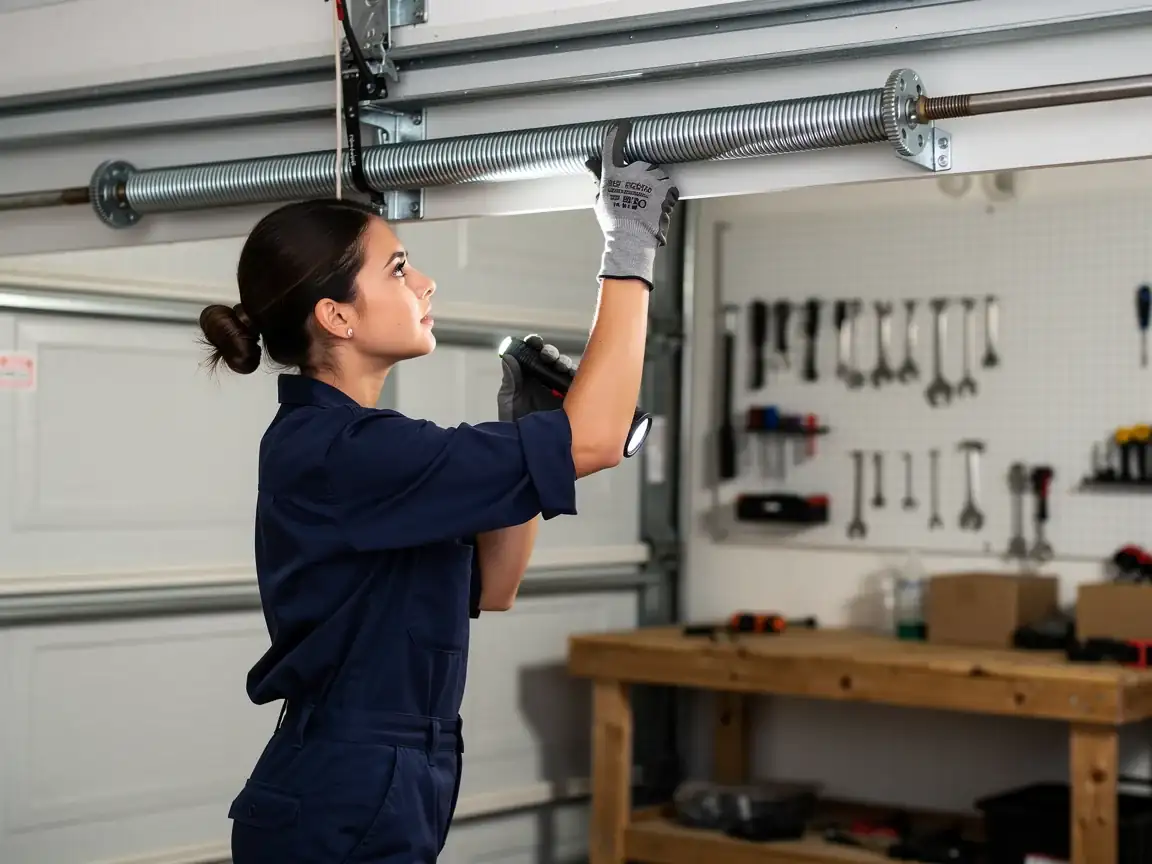
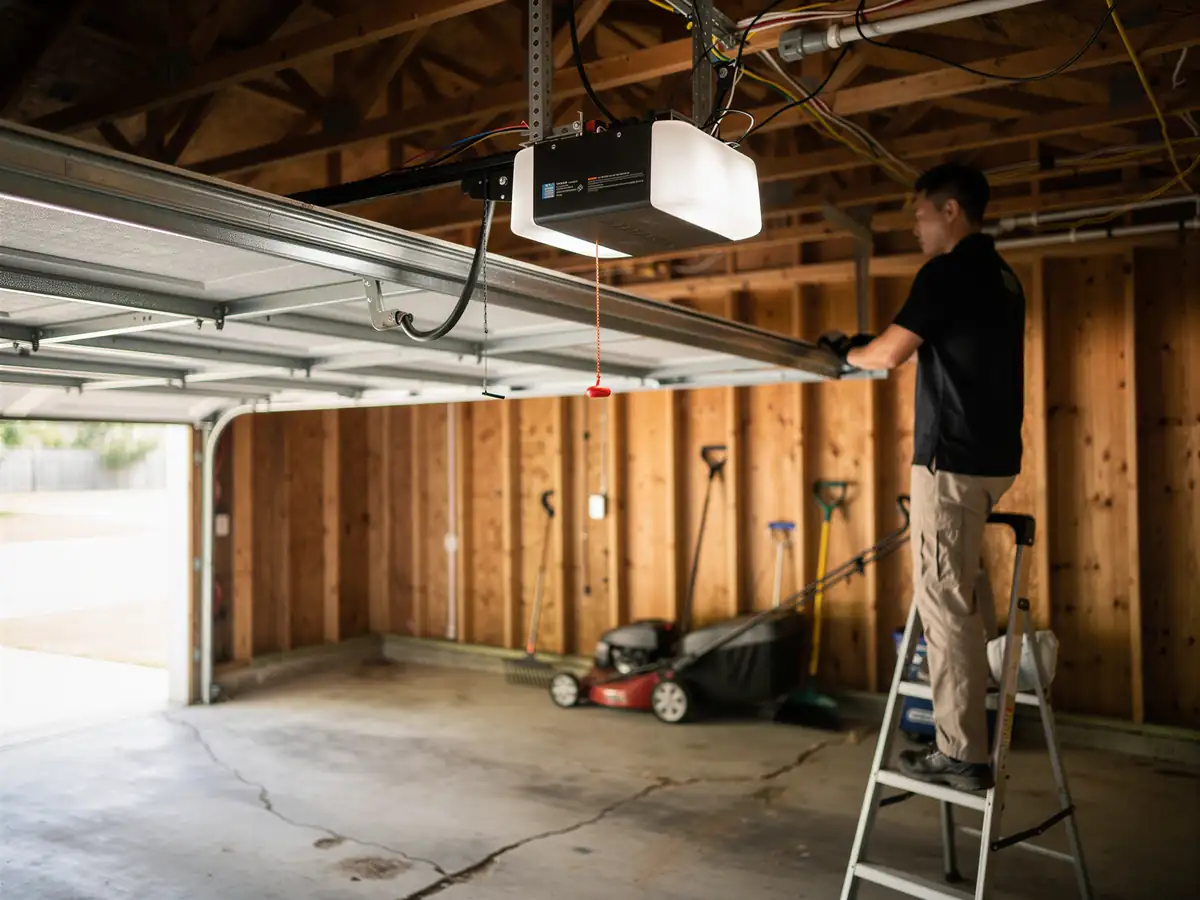
What we can tell you is what adds time on this side of town specifically: non-standard rough openings, headroom that's tighter than today's torsion hardware wants, and openers wired into junction boxes that predate current code. Any one of those turns a quick swap into a job that needs a second trip for parts. We'd rather tell you that up front than promise a timeline we can't back up from Downey.
Where This Job Goes Sideways
The install itself rarely goes wrong
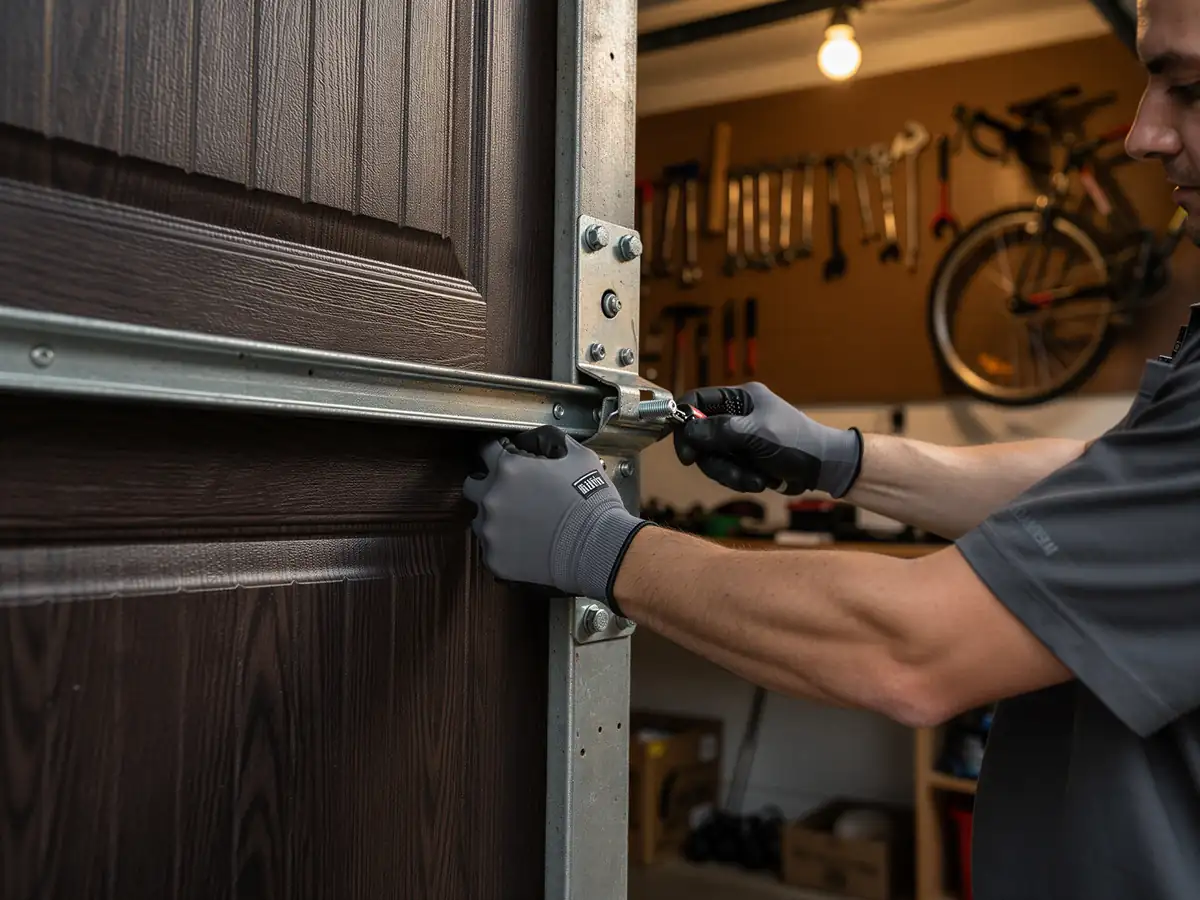
What goes wrong is the discovery partway through. On a lot of Bellflower openings built around 1966, the jamb was shimmed once already, decades ago, to square up a door that was never quite plumb to begin with. Pull the old door and track off and you find that shim, and now the new door's seal doesn't sit right until someone re-shims the whole opening.
The other spot this trips up homeowners
Double-wide openings that were converted from two single doors to one wide door sometime over the years, with a header that was sized for the original load, not the new one. We check header sizing before we quote a wide door here, because skipping that step is how you end up with a door that works for a year and then starts binding.
We're straight about this
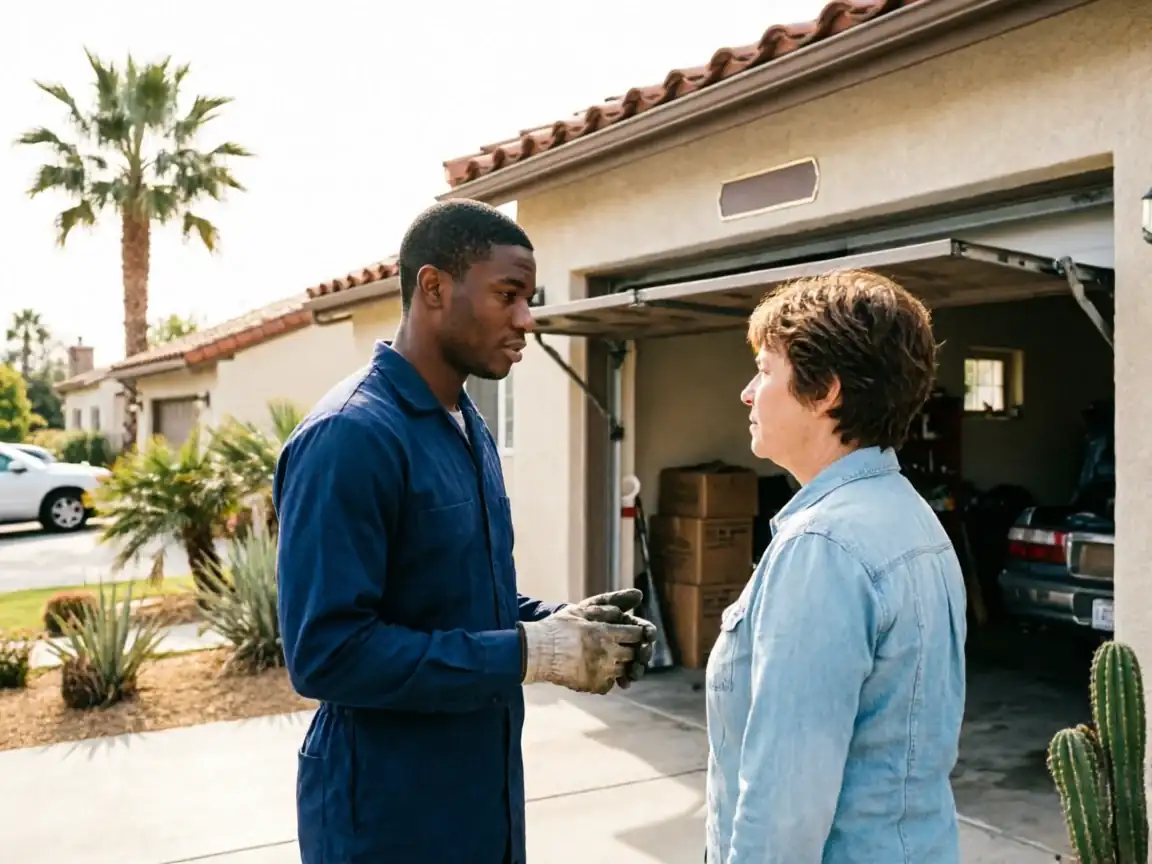
If we open the header and it's undersized for a wide door, we'll say so, and that may mean a carpenter needs to look at it before we hang anything. We install doors, we don't reframe structural headers.
What Causes It Around Here
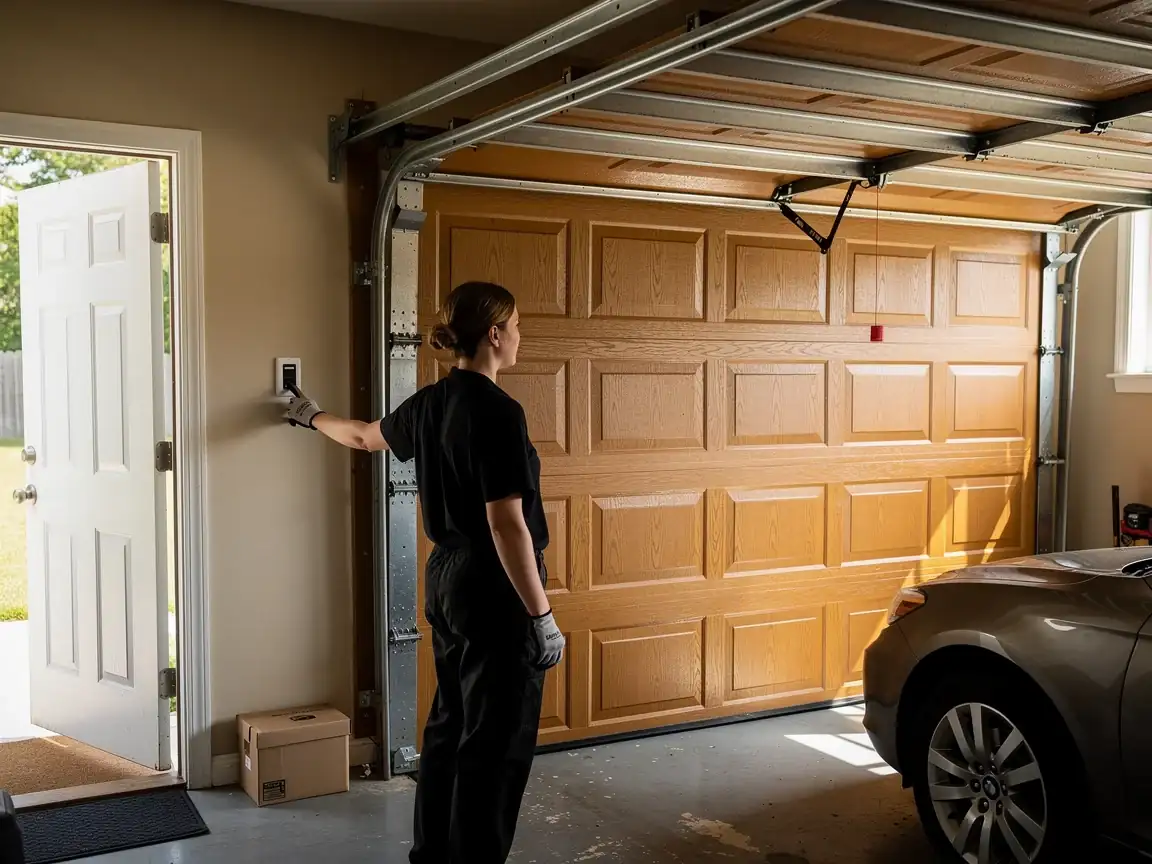
Two things line up to make this a 1960s-70s problem specifically. First, the build era: with most of Bellflower's housing stock from that window, openings were framed to doors and hardware standards that stopped being made a long time ago, so a direct replacement without measuring is a bad bet more often than not here. Second, the climate: this is a mild temperate band, so we're not fighting rust or frost heave the way colder markets do. What we see instead is UV and heat-cycling wear on the original door skins - wood or early steel panels that have spent close to sixty summers expanding and contracting, which is why so many of these doors are cosmetically fine but structurally tired.
That combination - old framing plus sun-worn panels, not rot or rust - is what makes new installation calls here look different from a job in a newer tract a few miles off.
The Cost of This Job
We're not going to quote a number we don't have, but we can tell you what moves the price on a Bellflower install specifically. A door that fits a standard rough opening costs less than a custom-width unit ordered to match a non-standard 1960s frame. A header that needs reinforcing before we can hang a wide door adds a step most quotes elsewhere don't include. And insulation choice matters less here for heating than it would in a colder climate band, so some owners skip the higher-R-value panel and put that money toward better hardware instead.
Bellflower's median household income runs lower than the wider service area's - $77,602 here versus $97,397 across the area - which is worth knowing before you spec a door, since the jump from a basic steel panel to a premium insulated model is a real cost difference, not a small upgrade fee. We'll measure the opening and give you options at more than one price point rather than quoting one door and hoping it fits.