The Symptom
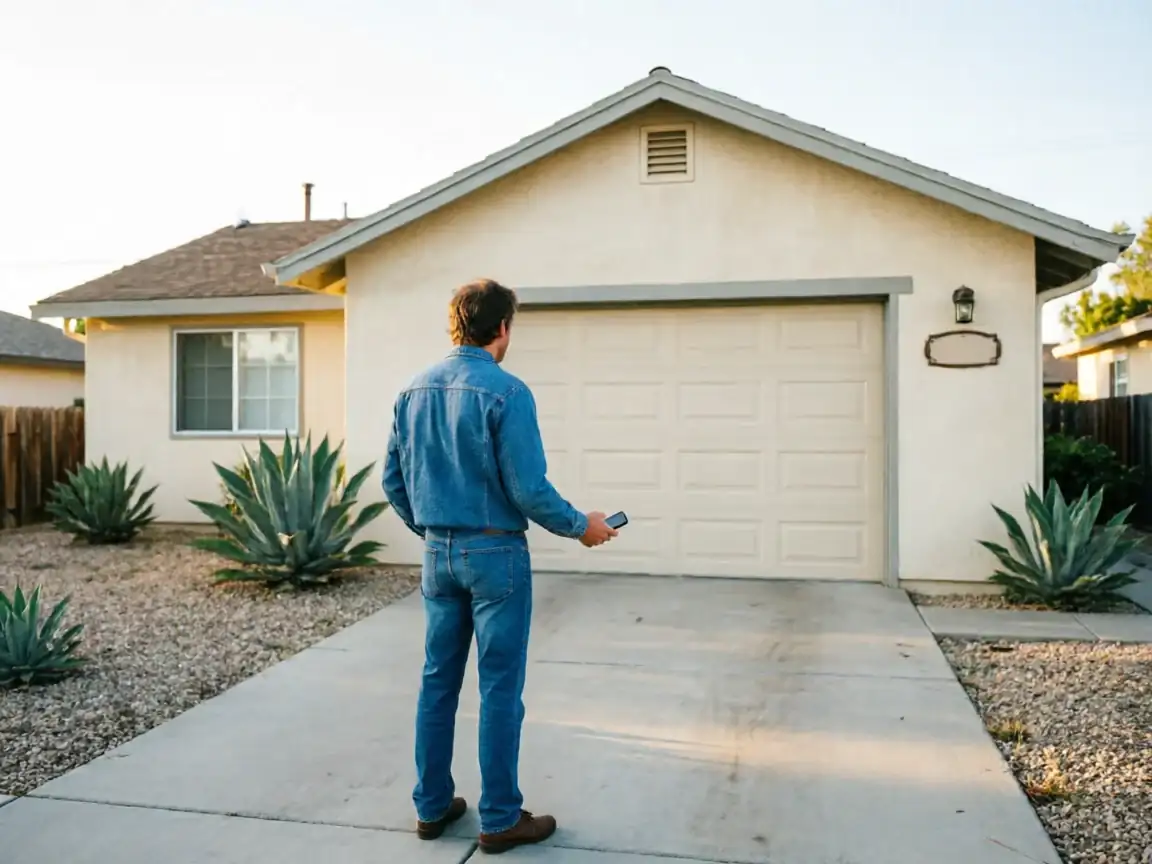
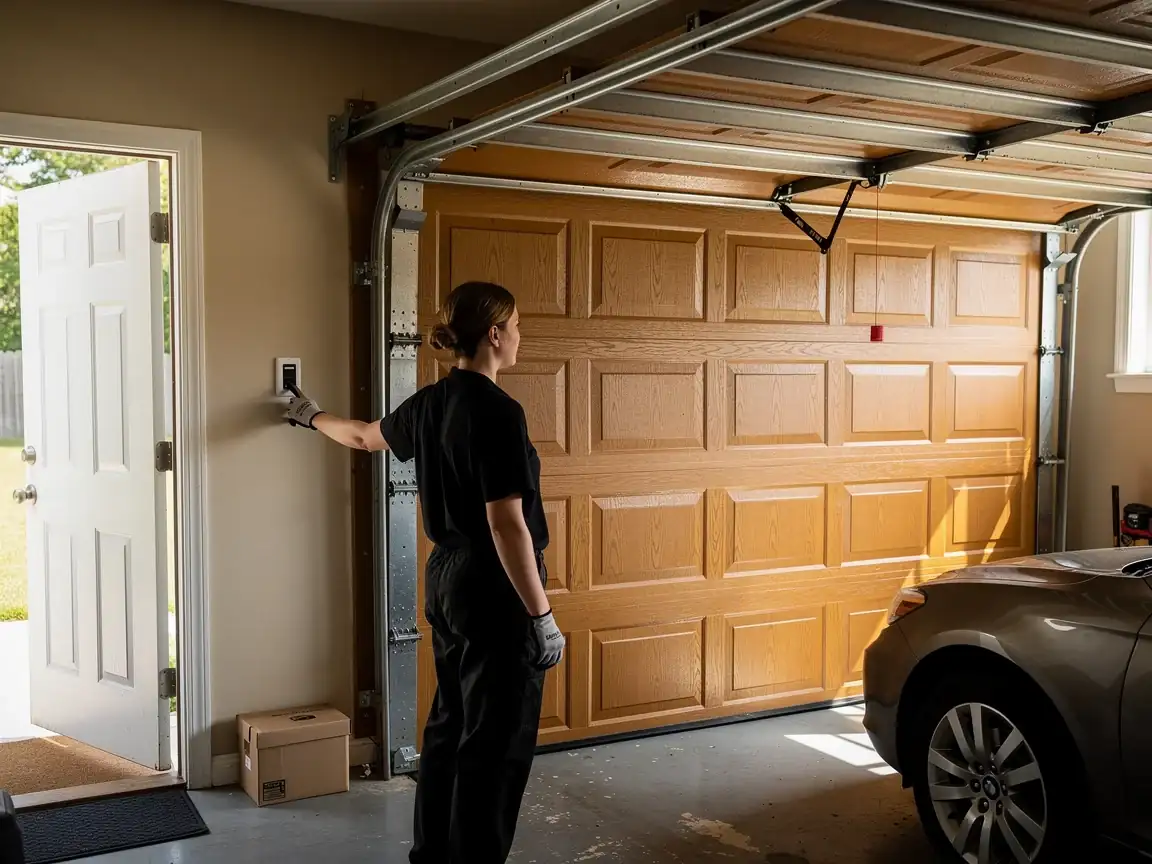
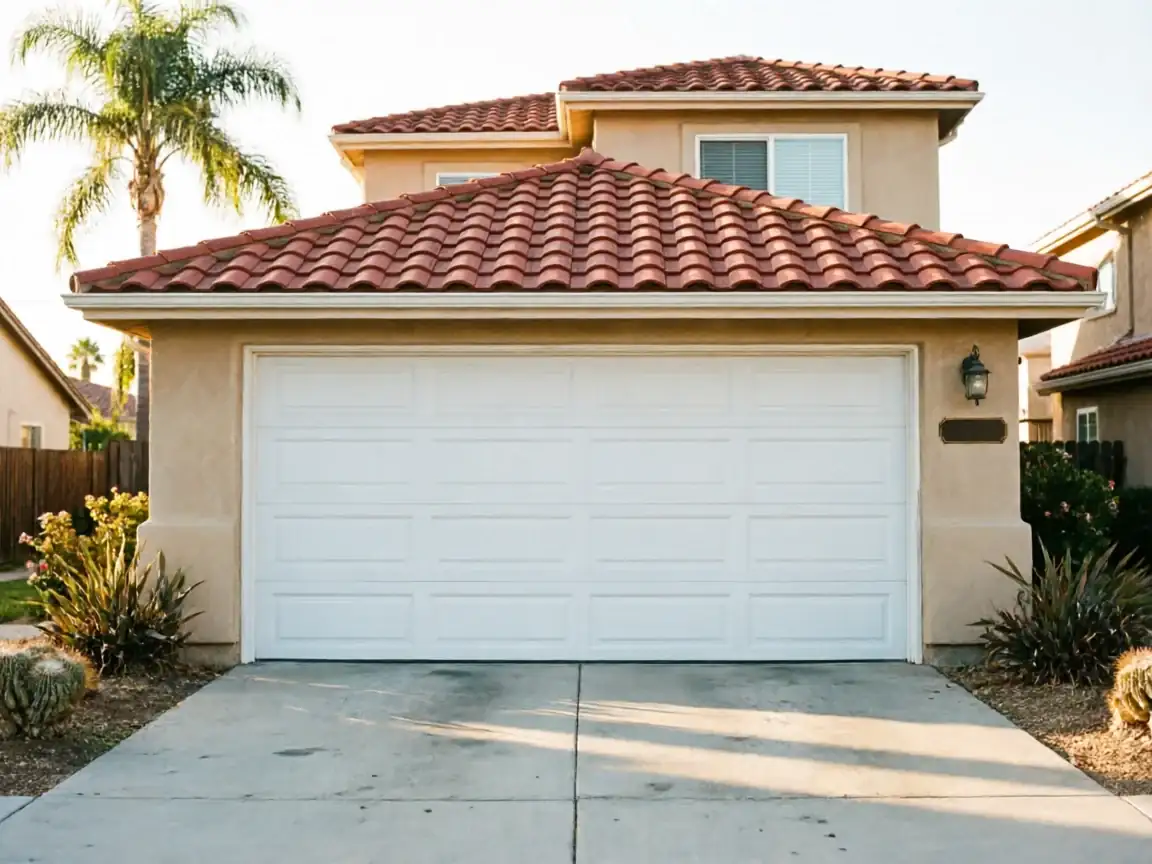
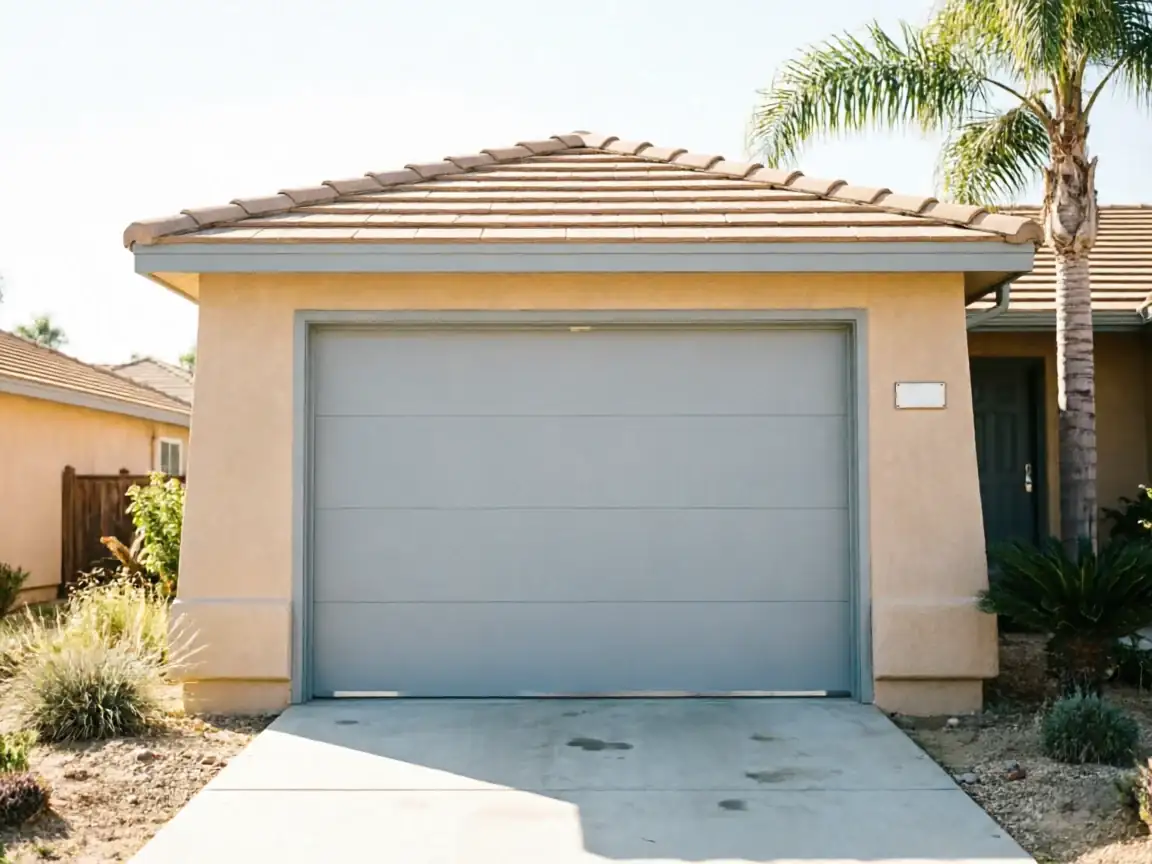
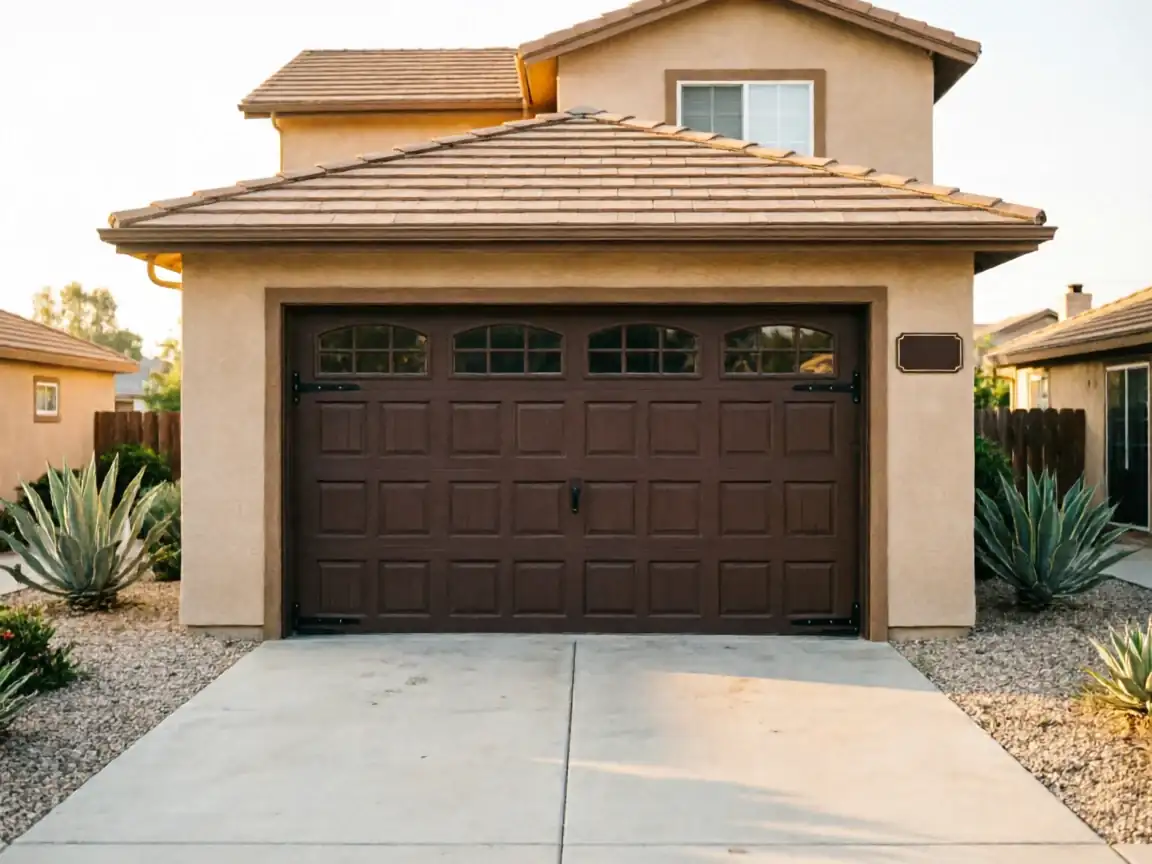
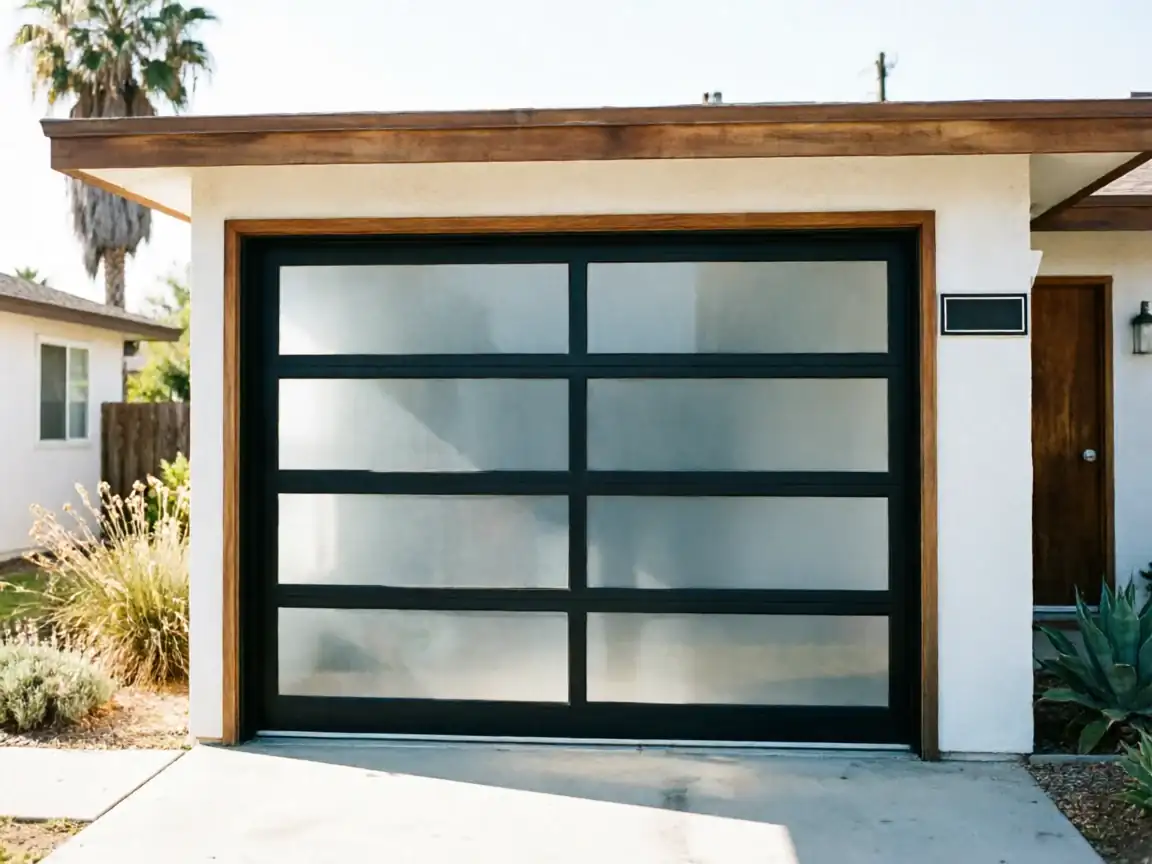
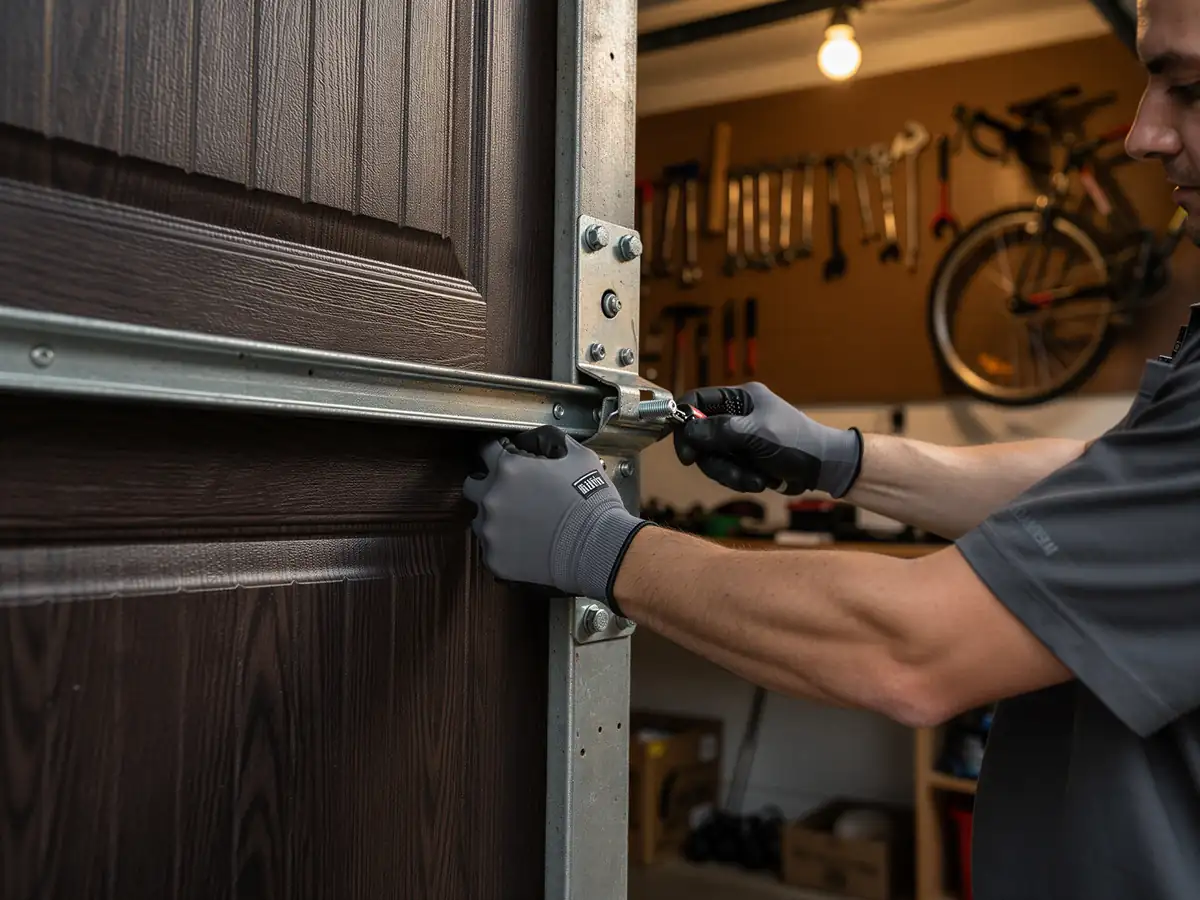
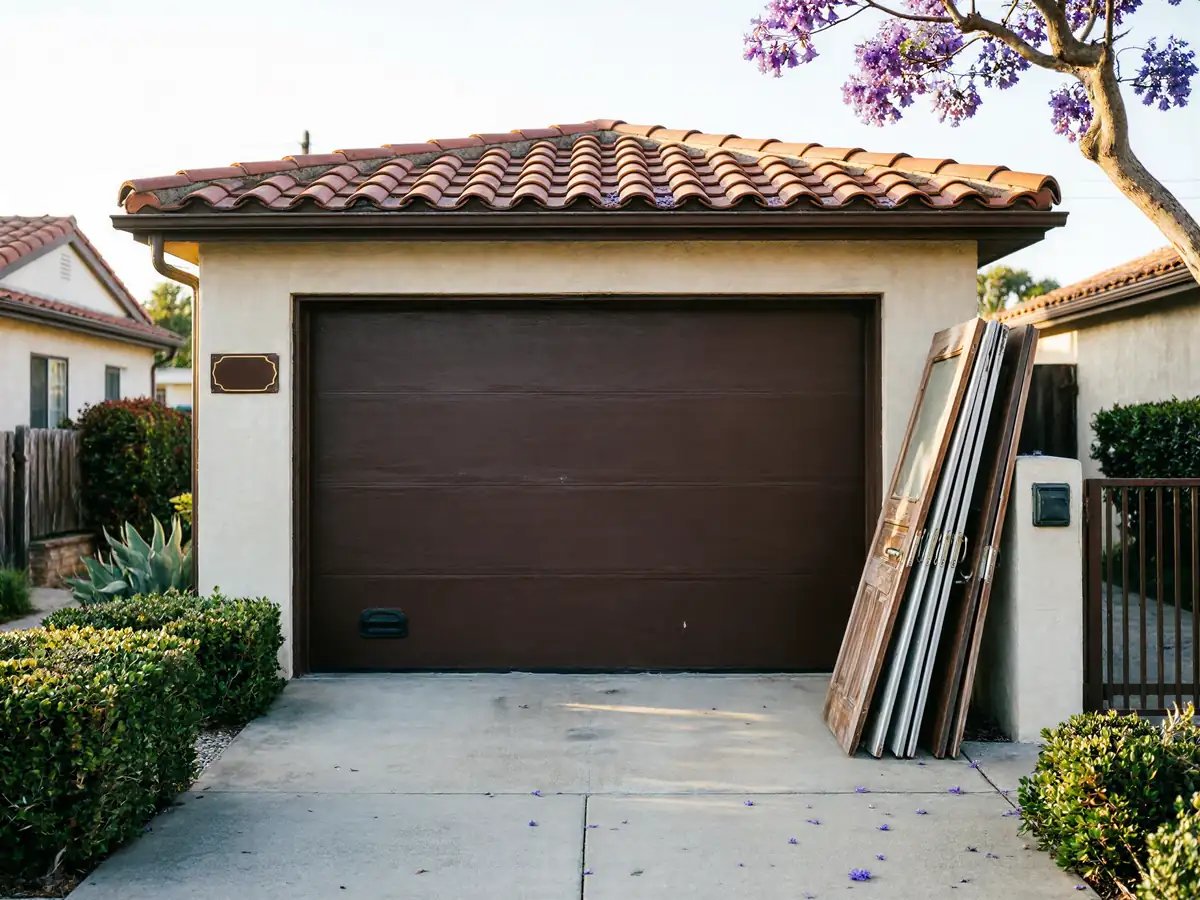
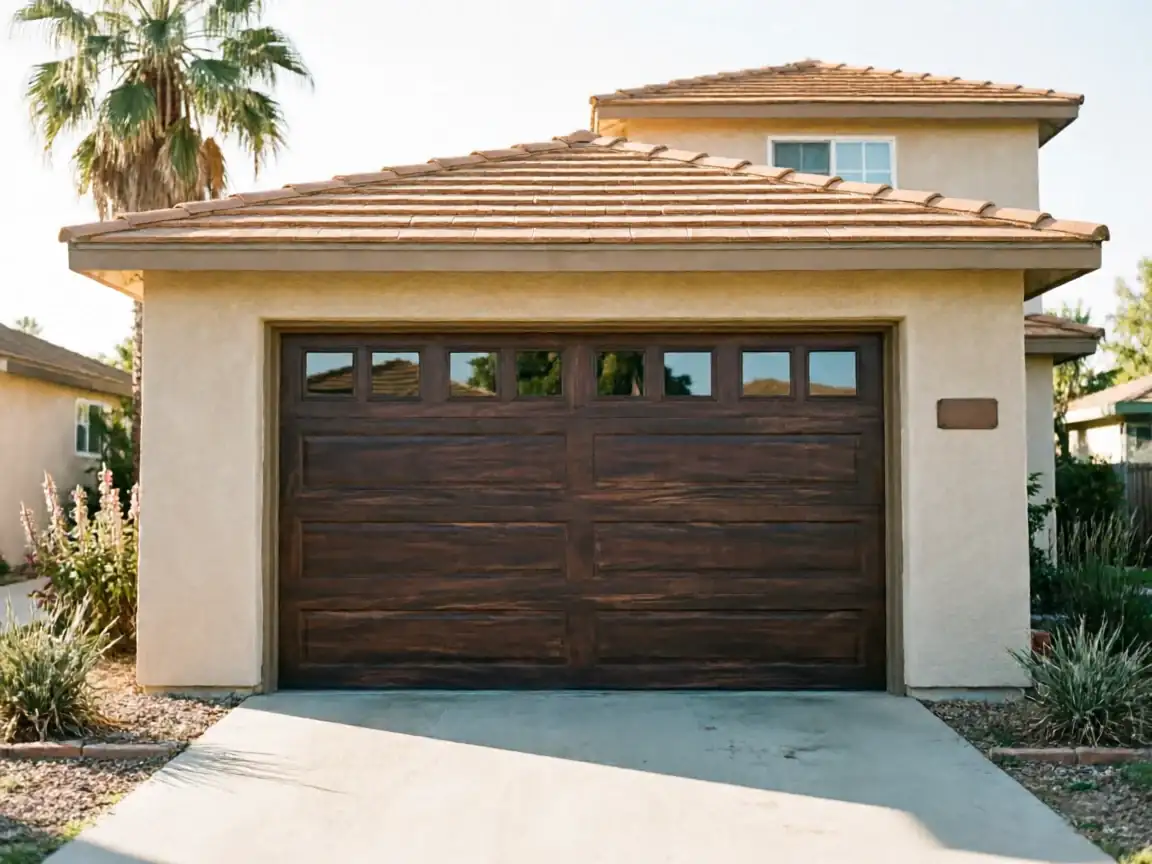
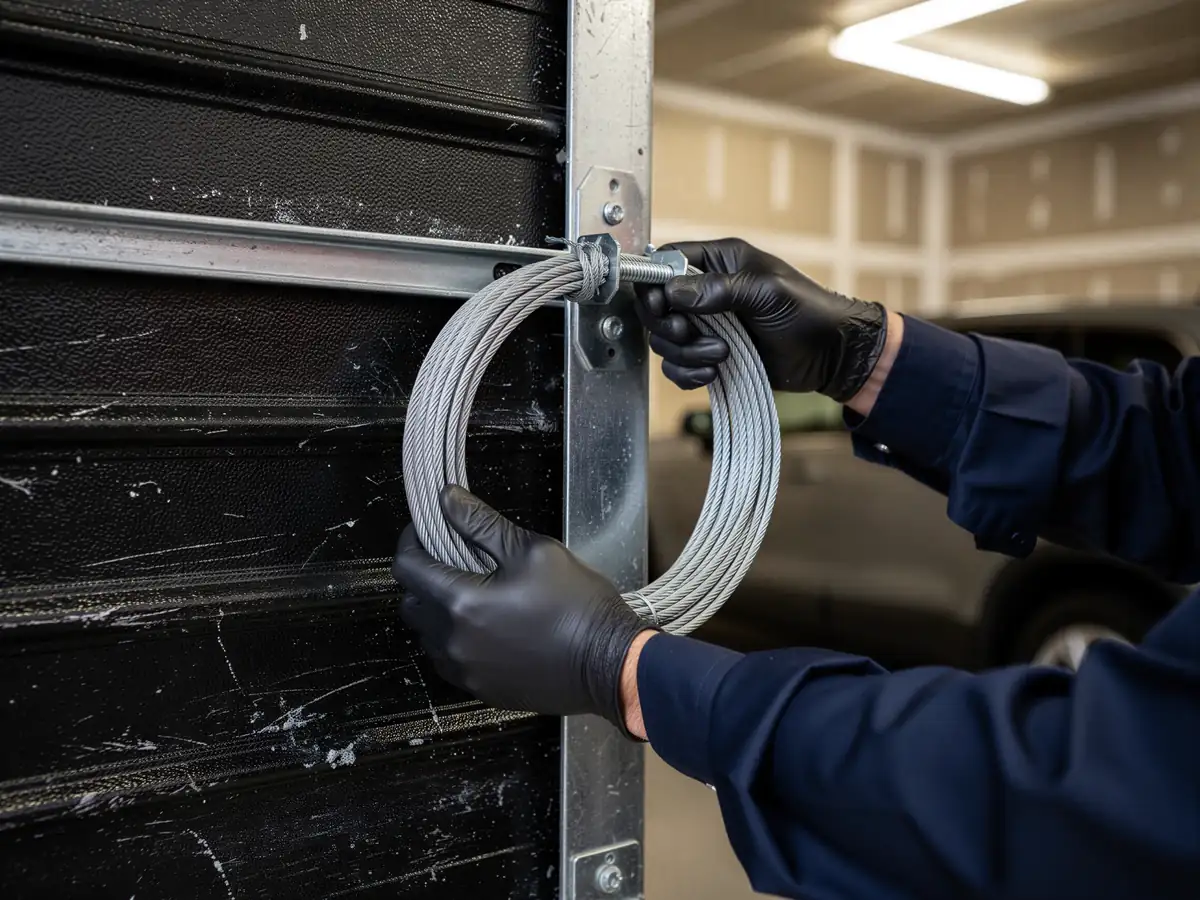
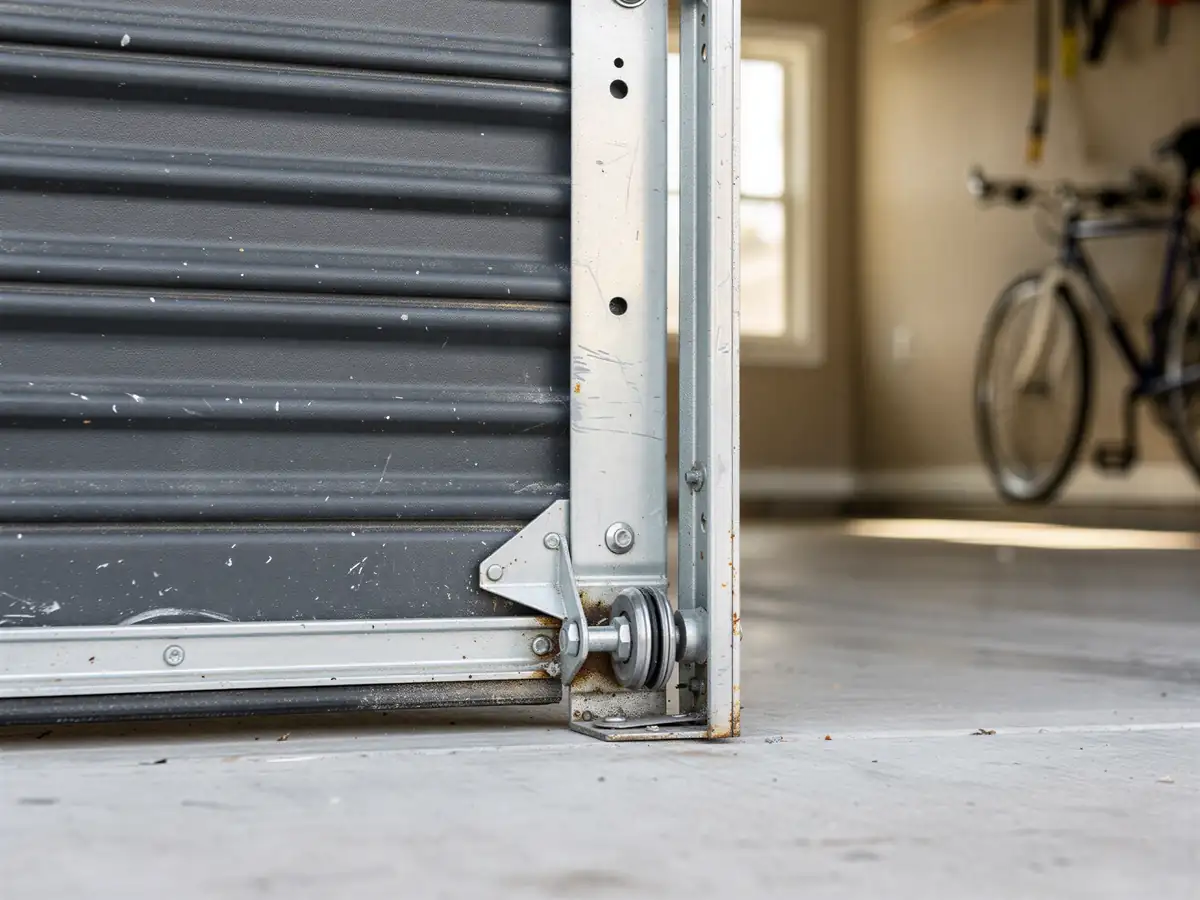
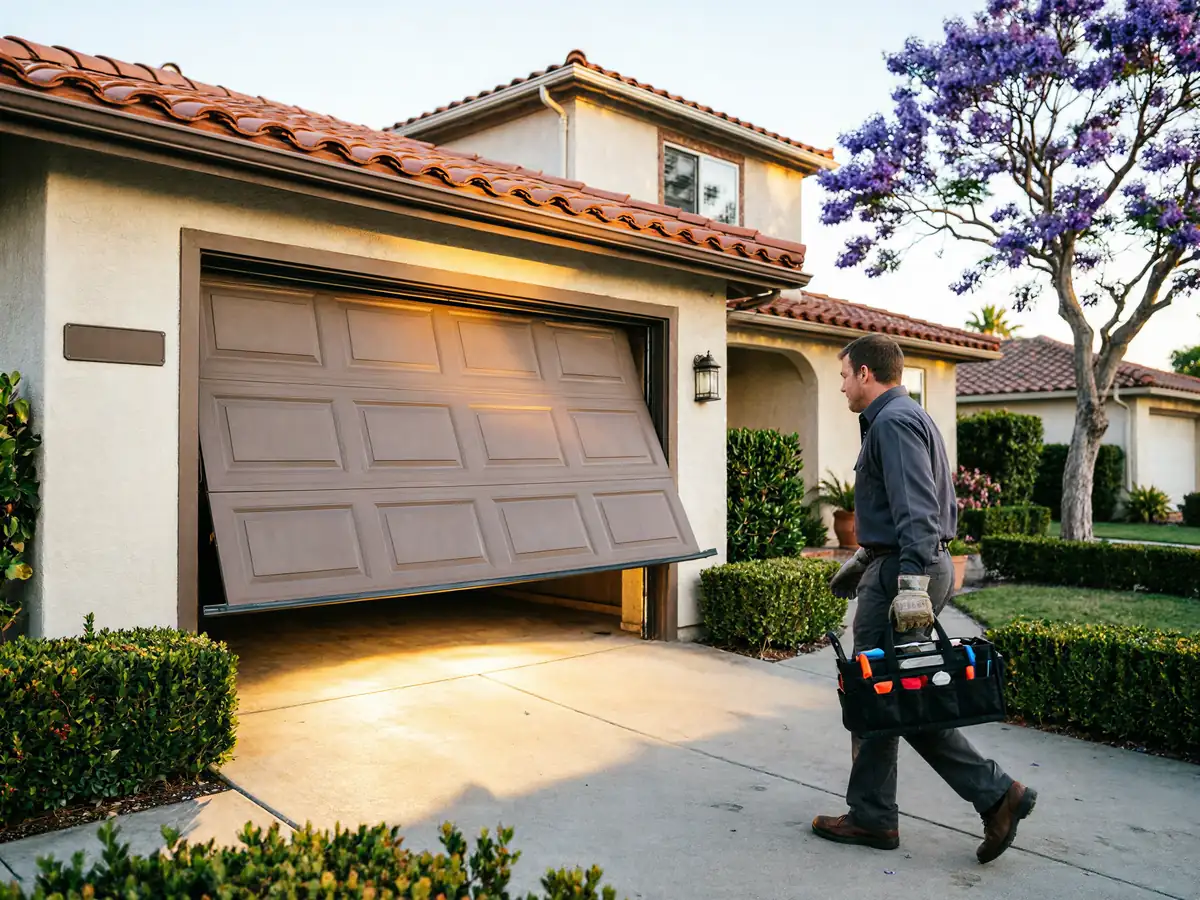
Most houses in Bellflower went up around 1966, which puts a lot of garages on hardware that was standard for that build year: exposed extension springs on the sides of the track rather than a torsion bar over the door, and steel sectional doors that have usually been repainted more than once. The symptom that shows up on these doors isn't the same one you'd expect from a newer build. You get a door that slams the last six inches on the way down because the extension spring has lost tension, or one that drifts open a few inches overnight because the pulley or safety cable has started to wear. On a torsion-spring setup you'd hear a bang when the spring goes. On this hardware it's quieter - a slow sag, then a door that's noticeably harder to lift by hand. If your door is from that original era and nobody's touched the springs, that's usually where the noise and the hesitation are coming from.
How Long It Takes
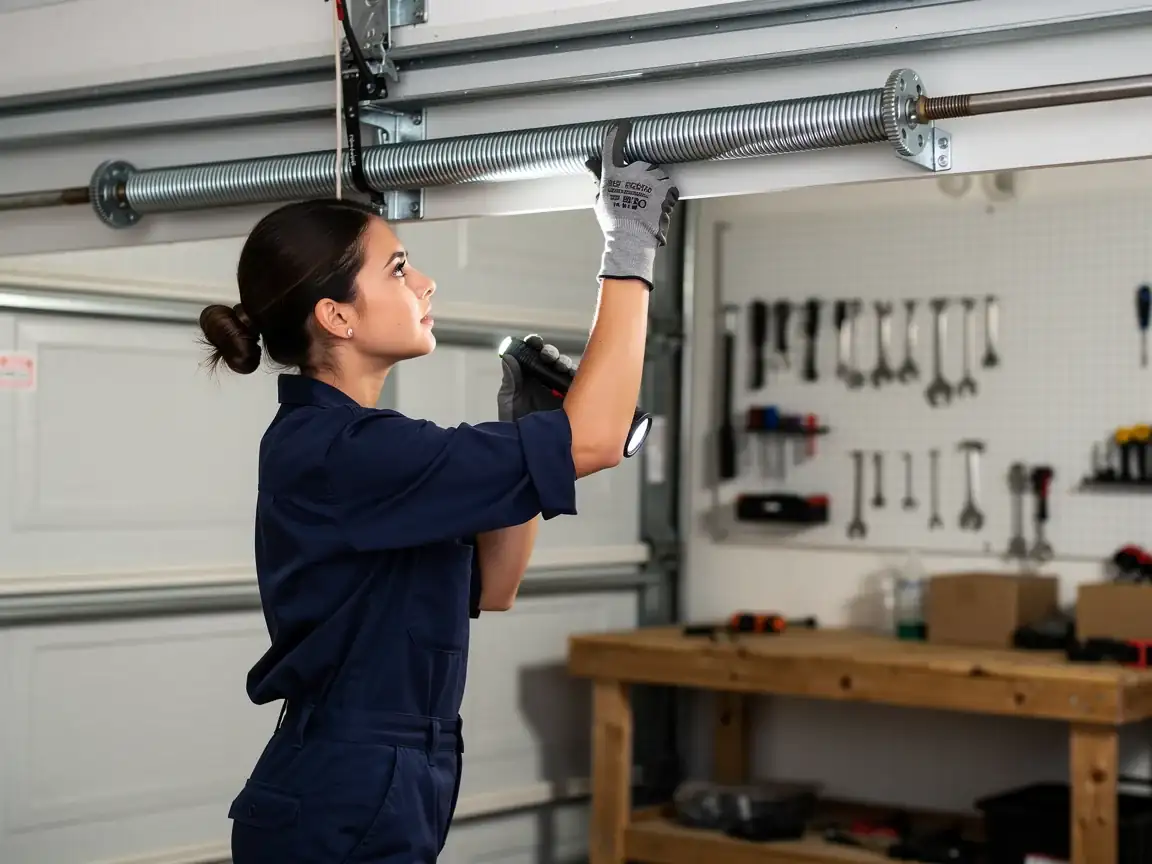
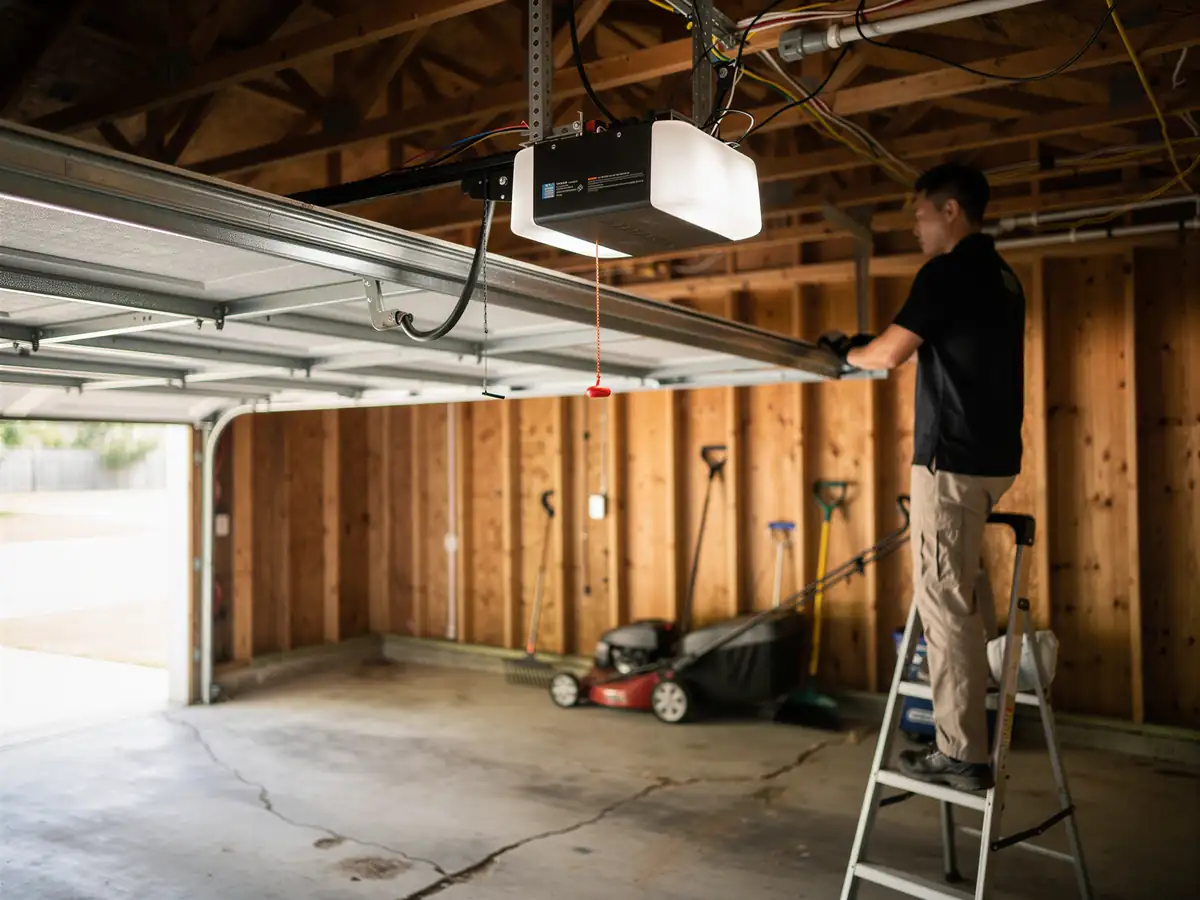
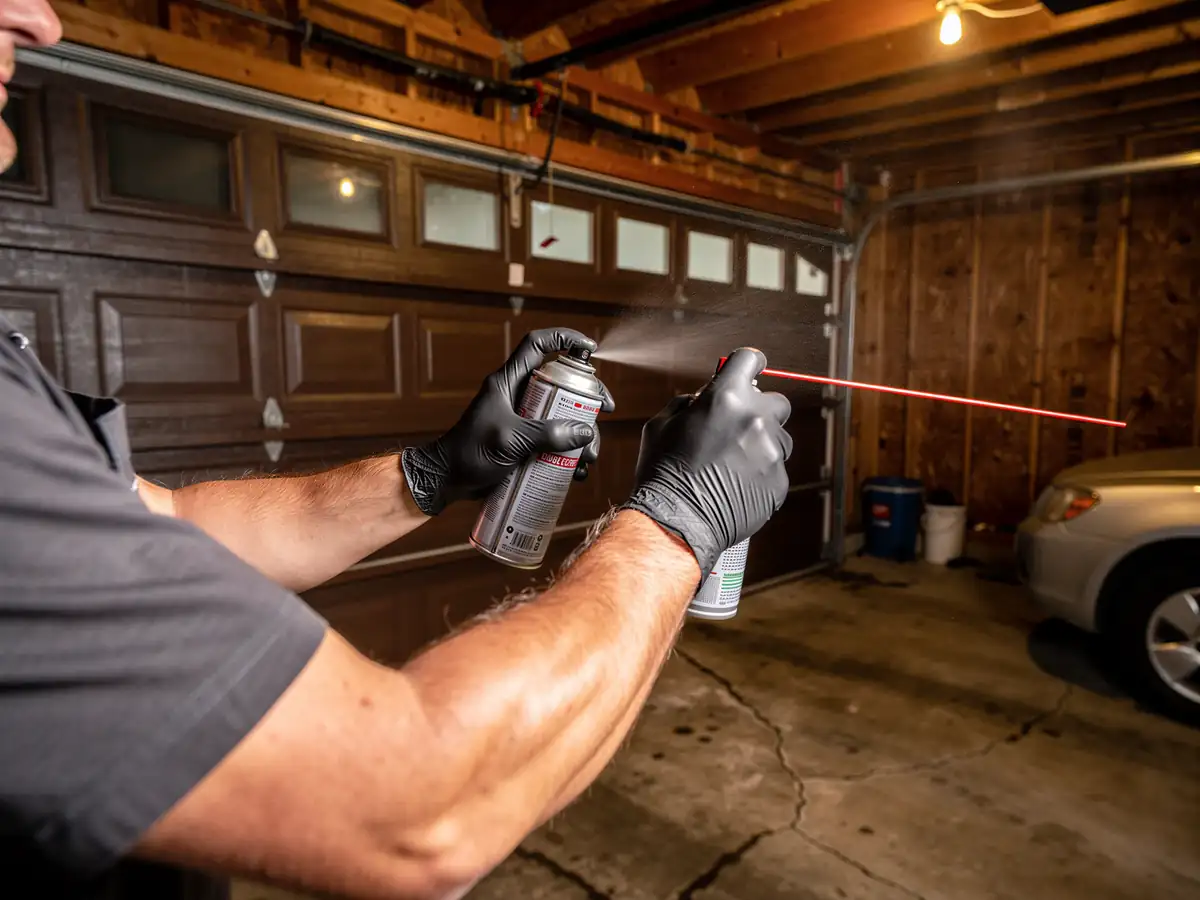
A standard maintenance visit - lubricating rollers and hinges, checking spring tension, inspecting cables and the opener's force settings - runs on the shorter end regardless of the house. Where Bellflower's housing era adds time is the extension-spring inspection itself. Those systems have more individual parts exposed to the weather than a torsion bar tucked behind a header, so checking safety cables, end bearing plates, and pulley condition on a 1960s door takes longer than running the same check on a newer torsion setup. We're coming from Downey, about 4 miles out, so factor that into when a truck can get there, but once we're on site, the extension-spring side of the inspection is the part that takes the extra attention, not the drive.
What Causes It Around Here
The mild temperate climate across this part of the service area means the doors here aren't fighting the freeze-thaw cycling or heavy humidity swings that wear out seals and hardware faster elsewhere. What ages these doors is mostly just time and use - 55-plus years on the original springs and track hardware for a house built in 1966 adds up regardless of weather. Bellflower's median household income of $77,602 is on the lower side of the wider service area's $97,397 figure, and in practice that tends to mean more owners keeping an original door running with maintenance rather than replacing it outright, which is exactly the kind of work that keeps extension-spring systems safe for another few years instead of failing suddenly.
The Cost of This Job
We don't have a flat number to quote here without knowing which hardware is on your door, and that's worth saying plainly: a basic lubrication-and-adjustment visit costs less than a visit that turns up a cracked pulley or a missing safety cable on 1960s extension-spring hardware, because parts for that era aren't always sitting on the truck. If your door is original to a 1966-era build and has never had a safety cable added, plan on that being a separate line item, not part of the basic tune-up. We'll tell you what we find before doing extra work, not after.