How We Fix It
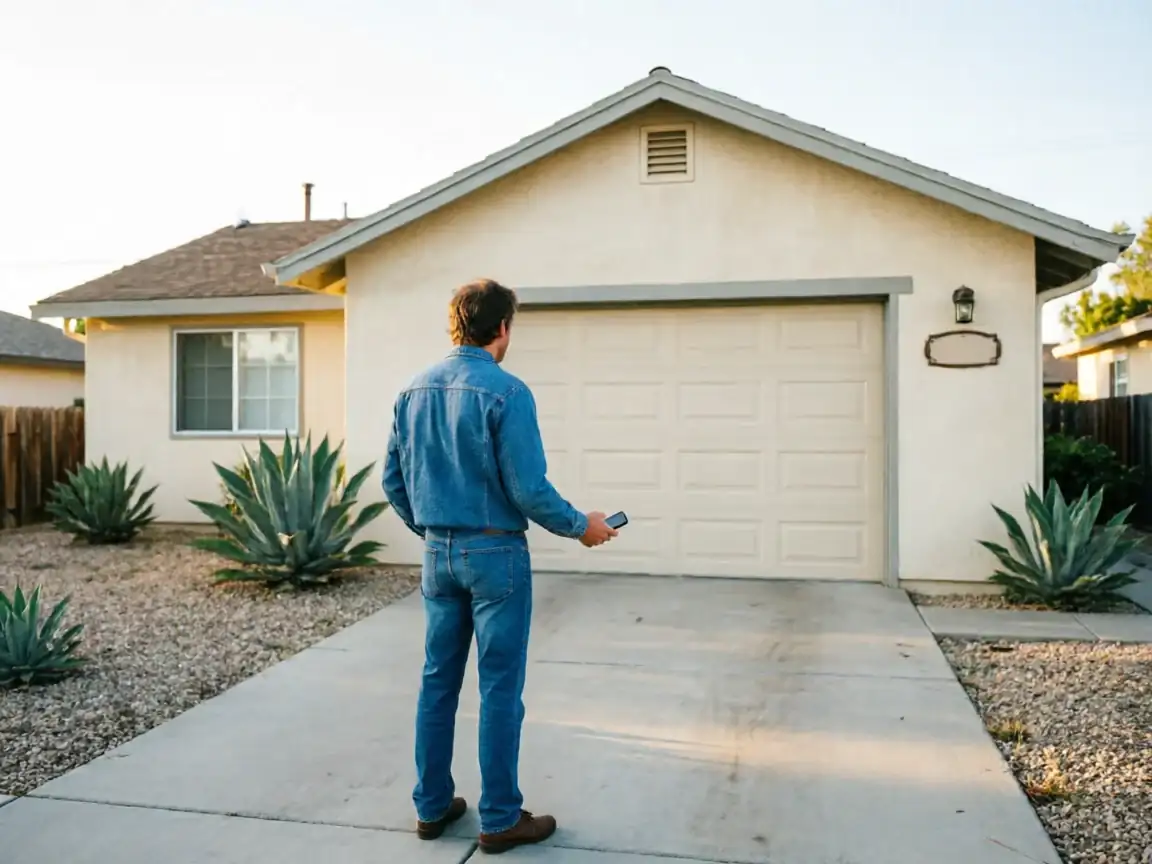
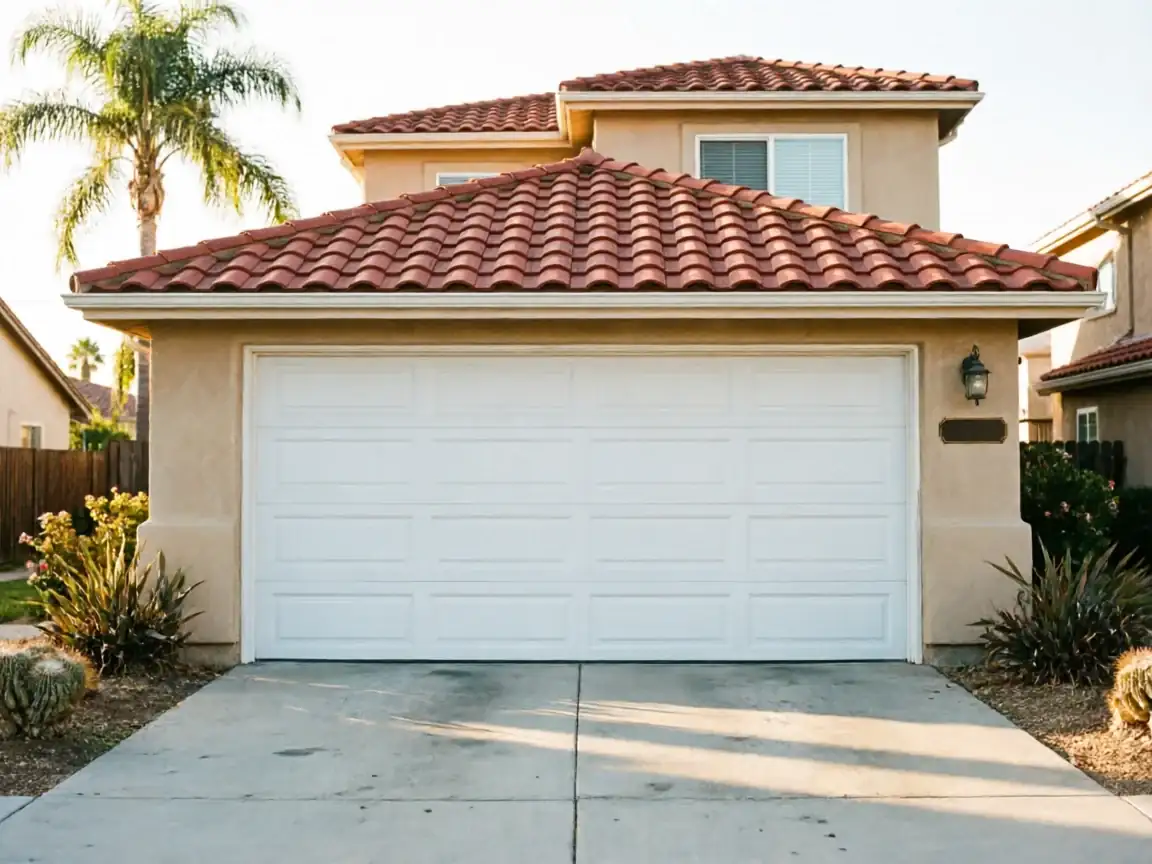
South Gate's median home dates to 1952, about a decade older than the 1963 median across the rest of the territory we cover out of Downey. That gap matters on an off-track call. Houses from this era were built with narrower garage openings and lighter steel doors, which means the track brackets are often the original ones - thinner gauge, fewer mounting points, and spaced differently than what you'd find on a door from the 1960s or later.
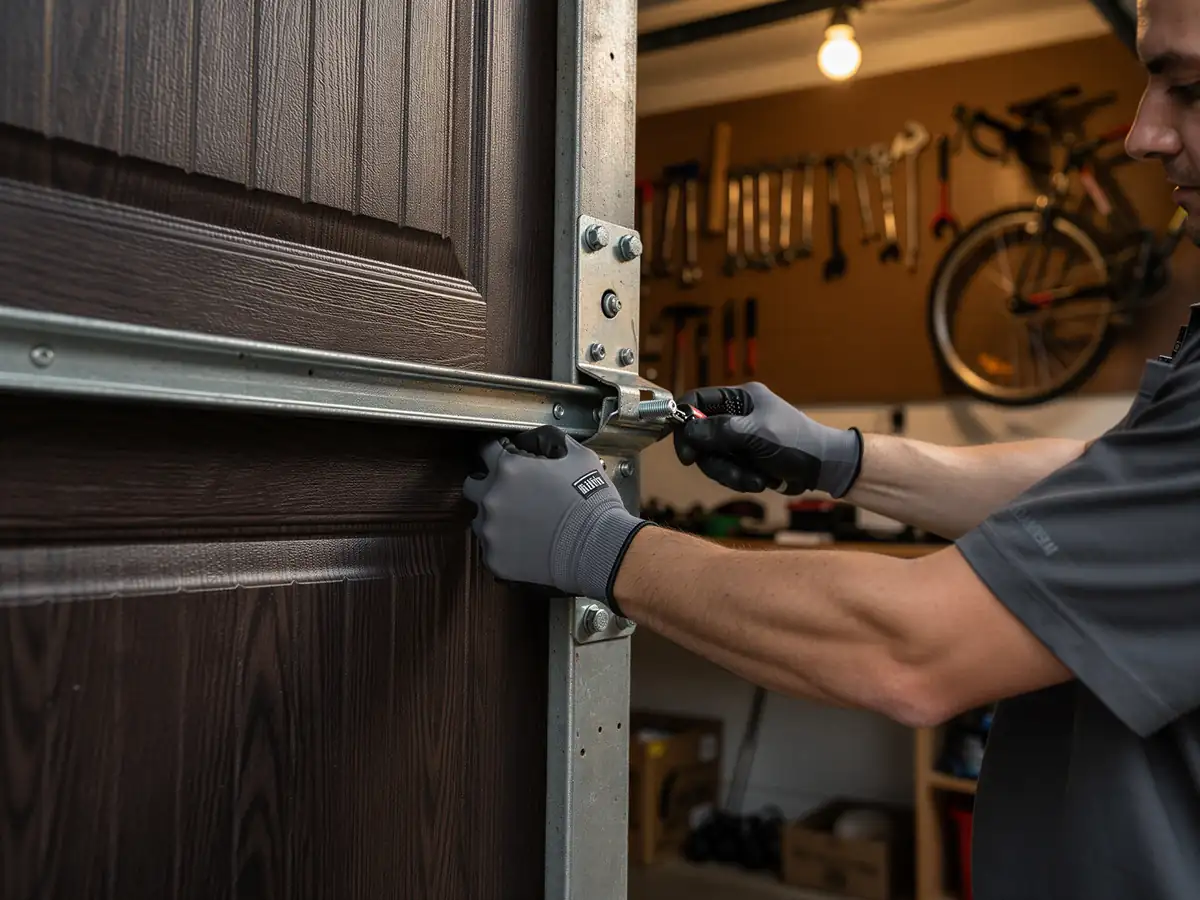
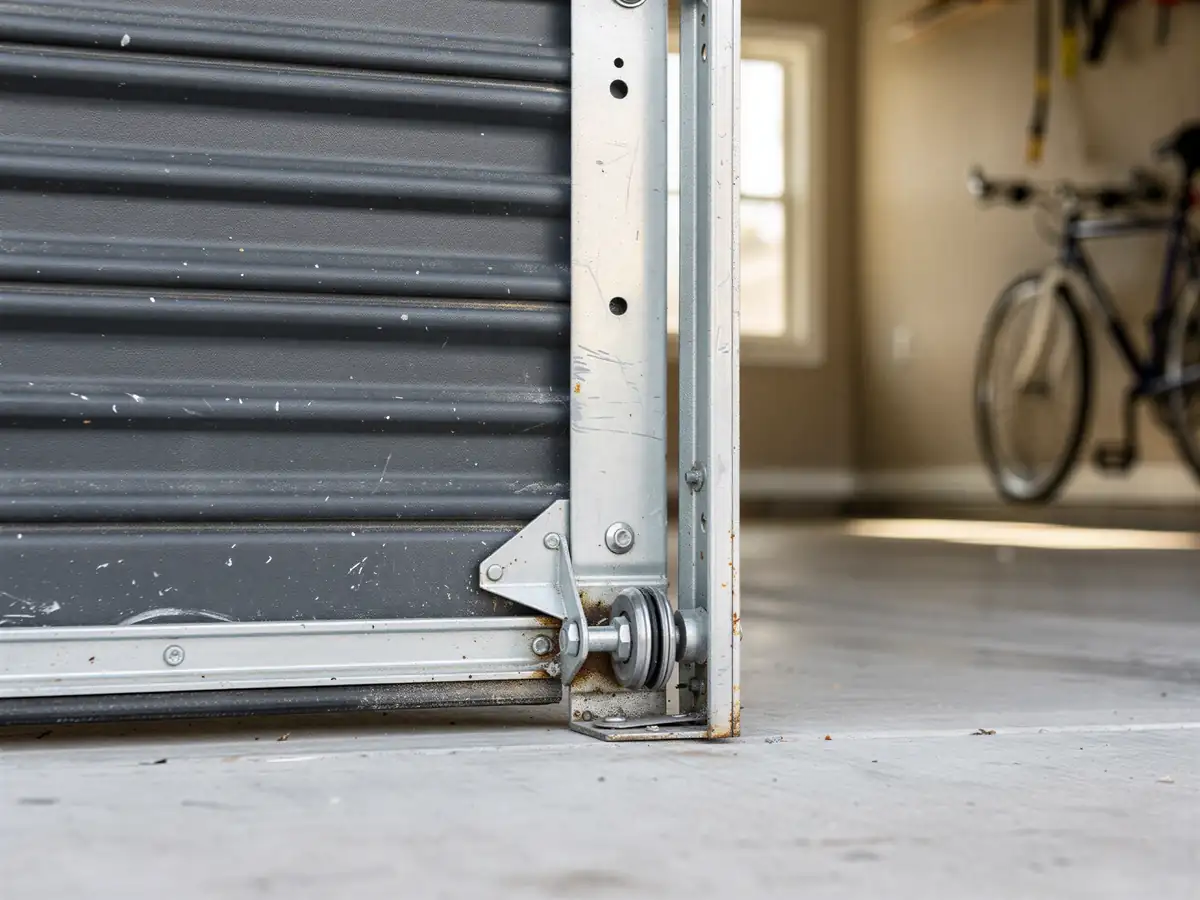
When a door jumps track on a house this age, we're usually not just re-seating rollers. We check whether the bracket itself has worked loose from the jamb, since fifty-plus-year-old wood framing doesn't hold a lag screw the way it used to. We square the track, reset the rollers into the channel, and check the cable drum on that side - a door that's been running crooked for even a day or two will chew a groove into a nylon roller that looks fine from the ground.
We come out from Downey, about 4 miles up the road, so there's no local branch or storage yard here - we bring what the job calls for on the truck. If a bracket plate is too far gone to re-anchor into the original framing, we say so on site rather than forcing a fix that won't hold.
The Cost of This Job
We don't post a flat number for off-track work here because the fix depends on what the track did to itself and to everything attached to it. A door that slipped one roller out of the channel is a short visit. A door that came off both sides and bent the vertical track against the jamb is a different job - new track sections, sometimes a new bottom bracket, and a full realignment.
South Gate's median household income sits at $71,315, noticeably below the $97,397 median across the broader area we serve from Downey. We mention that because it shapes how we quote: we'll always tell you plainly when a repair is the right call versus when the track damage is bad enough that patching it today just means doing it again in a year. We're not going to recommend the expensive version of the job if the cheaper one holds.
The Symptom
The giveaway on an off-track door is almost never total failure
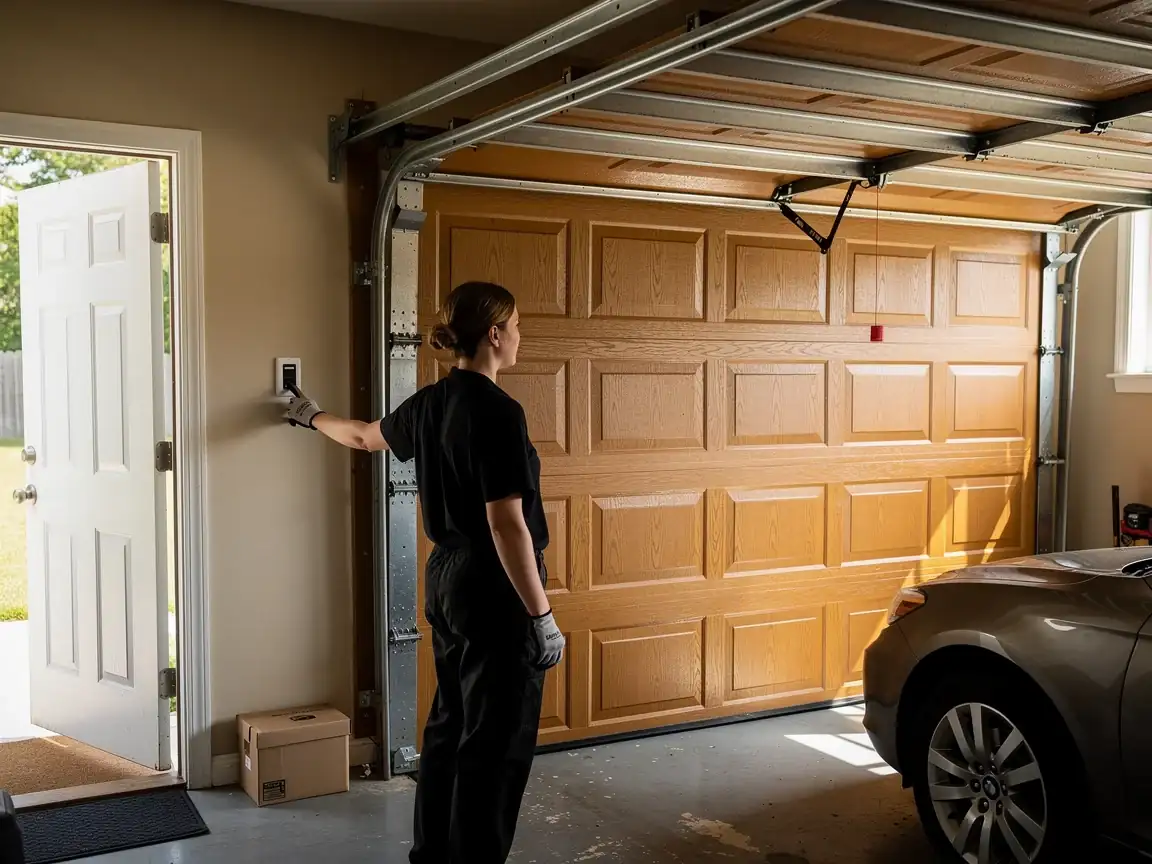
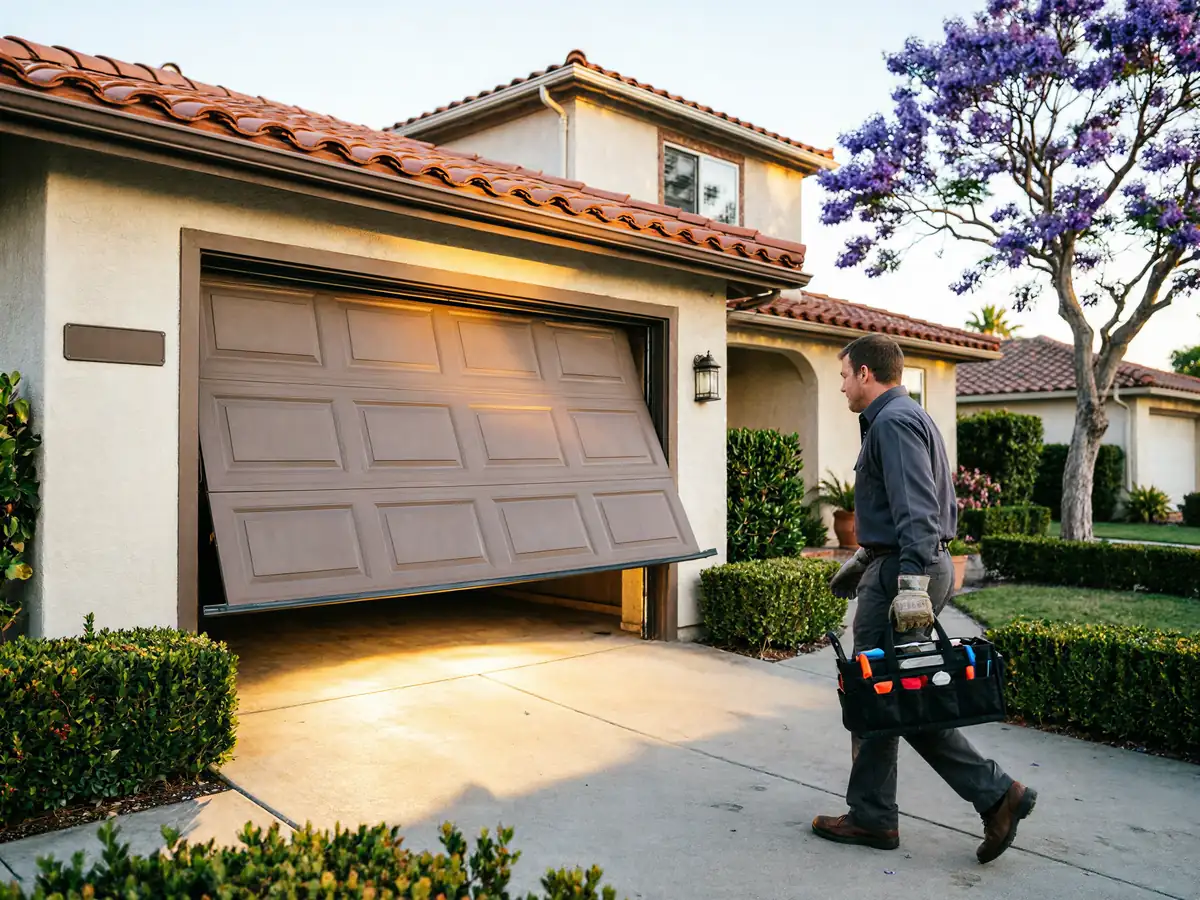
It's a door that runs but runs wrong. One corner drags, the panel tilts as it climbs, or you hear a scrape that wasn't there last week. On the older housing stock common in South Gate, that scrape often means a roller has already jumped the thinner track lip typical of 1950s installs, and it's riding on the frame edge instead of inside the channel.
If you catch it at that stage, it's usually a contained repair
If the door keeps running on a lopsided track for another week, the opener keeps pulling against resistance it wasn't built for, and that's how a simple track problem turns into a stripped gear or a burnt-out motor. Stop using the opener and lift by hand if you can do it safely - that alone prevents most of the follow-on damage we see on this kind of call.
The DIY Question
Re-seating a roller that's barely off the track, on a door that's otherwise moving straight, is something a reasonably handy homeowner can sometimes manage - loosen the track bracket a quarter turn, guide the roller back into the channel, retighten. We won't pretend otherwise.
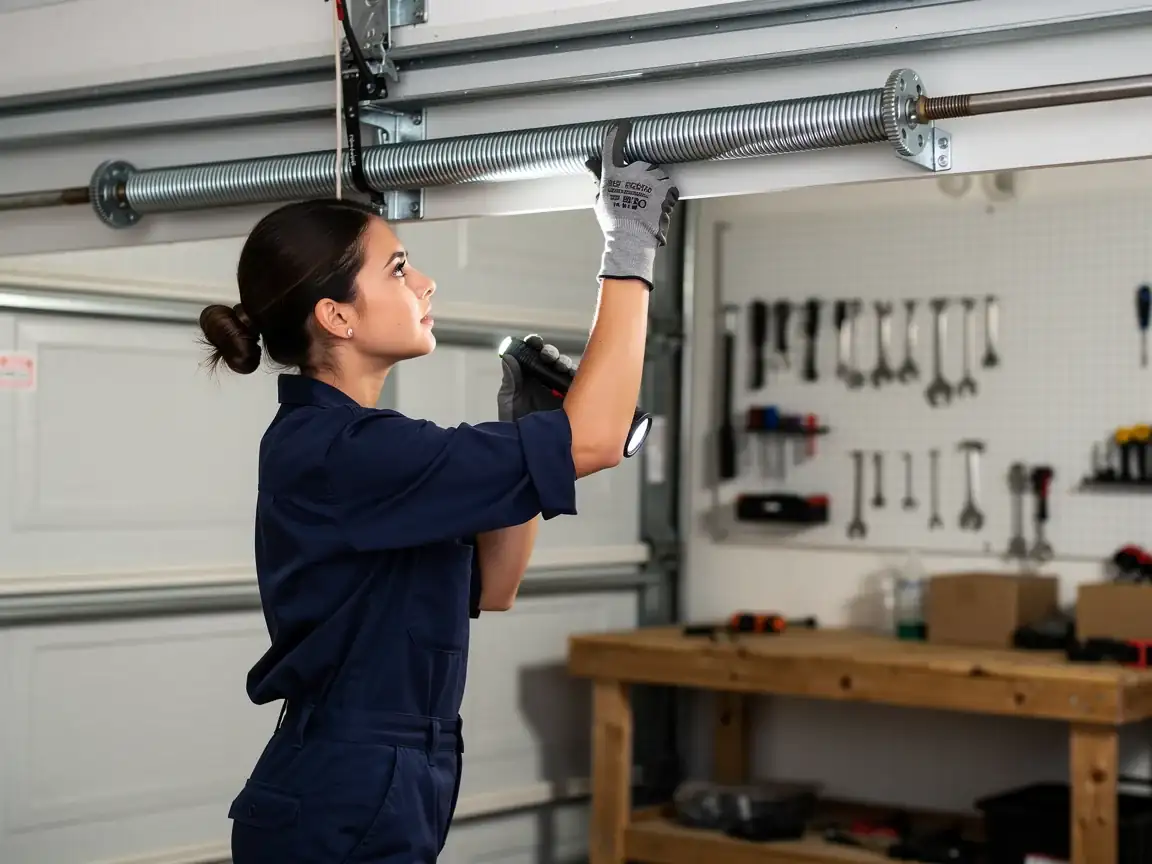
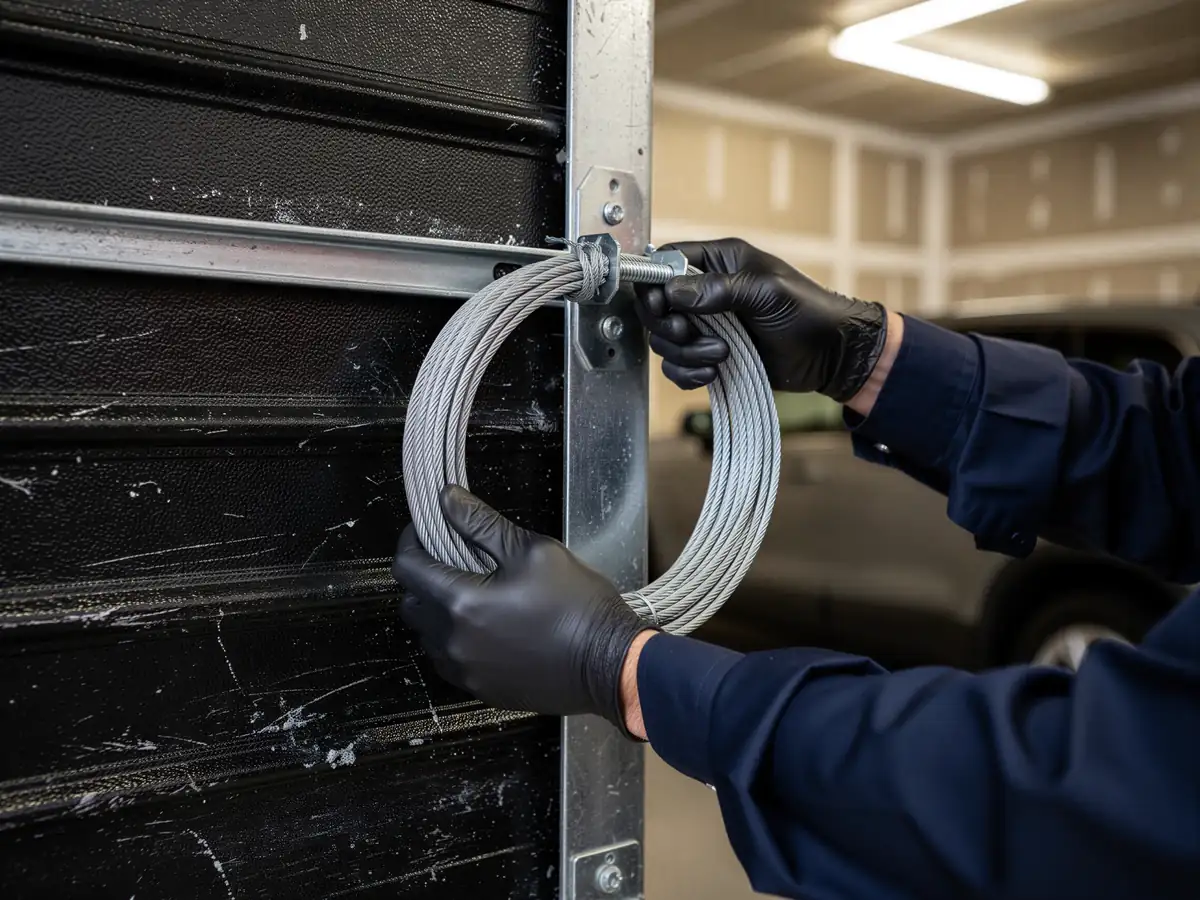
Where we'd stop you is anything involving the torsion spring or the cable drums, especially on the older bracket hardware common to South Gate's 1950s-era homes. Those brackets were never rated for someone leaning a ladder against the door to force a track back into alignment, and a spring under tension let go on hardware that old is not a controlled failure. If the door came off track on both sides, or if a cable is visibly slack, that's a call for someone who does this daily, not a Saturday project.