How We Fix It
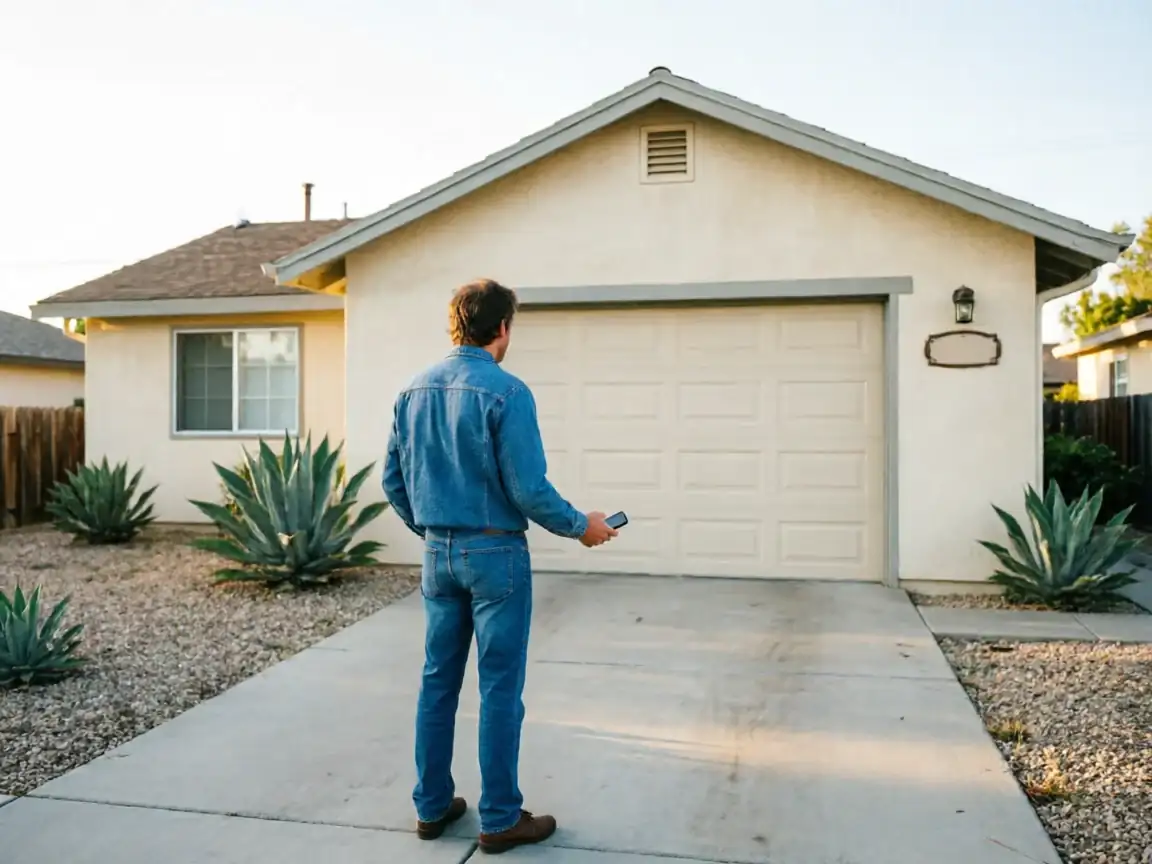
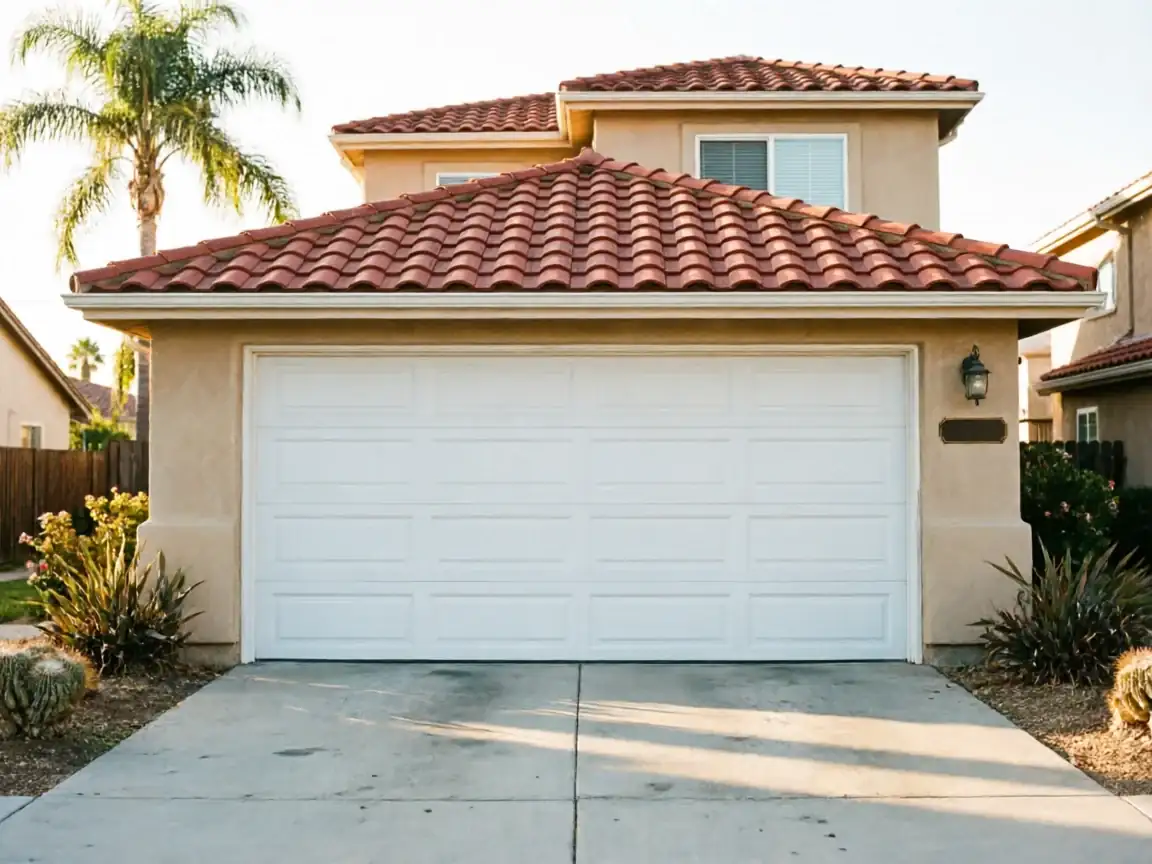
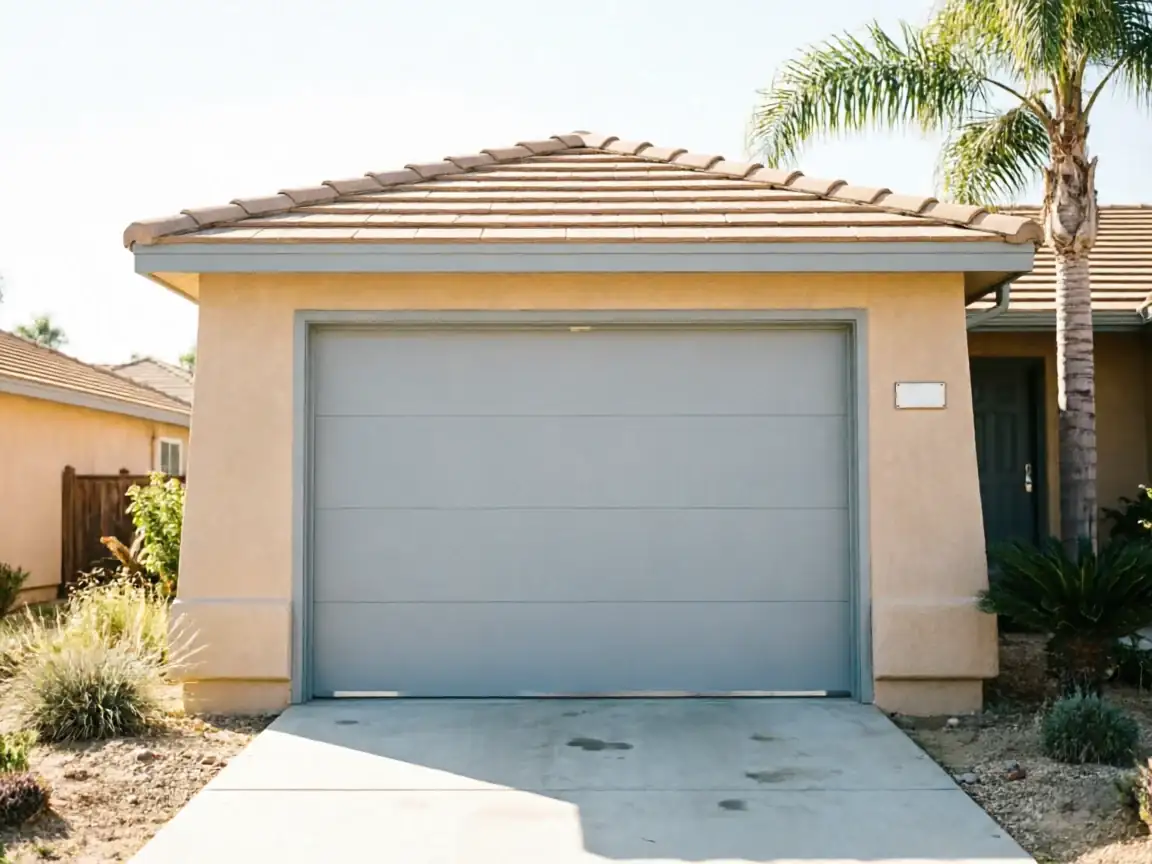
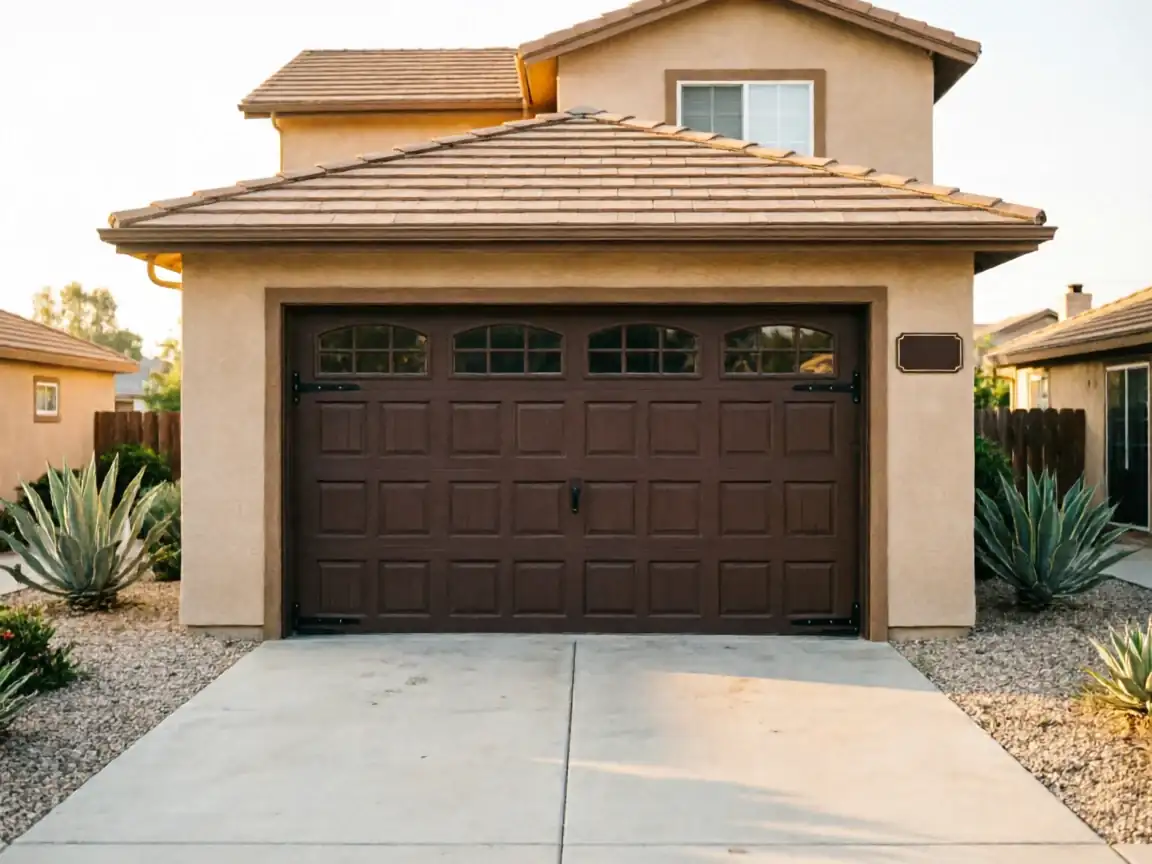
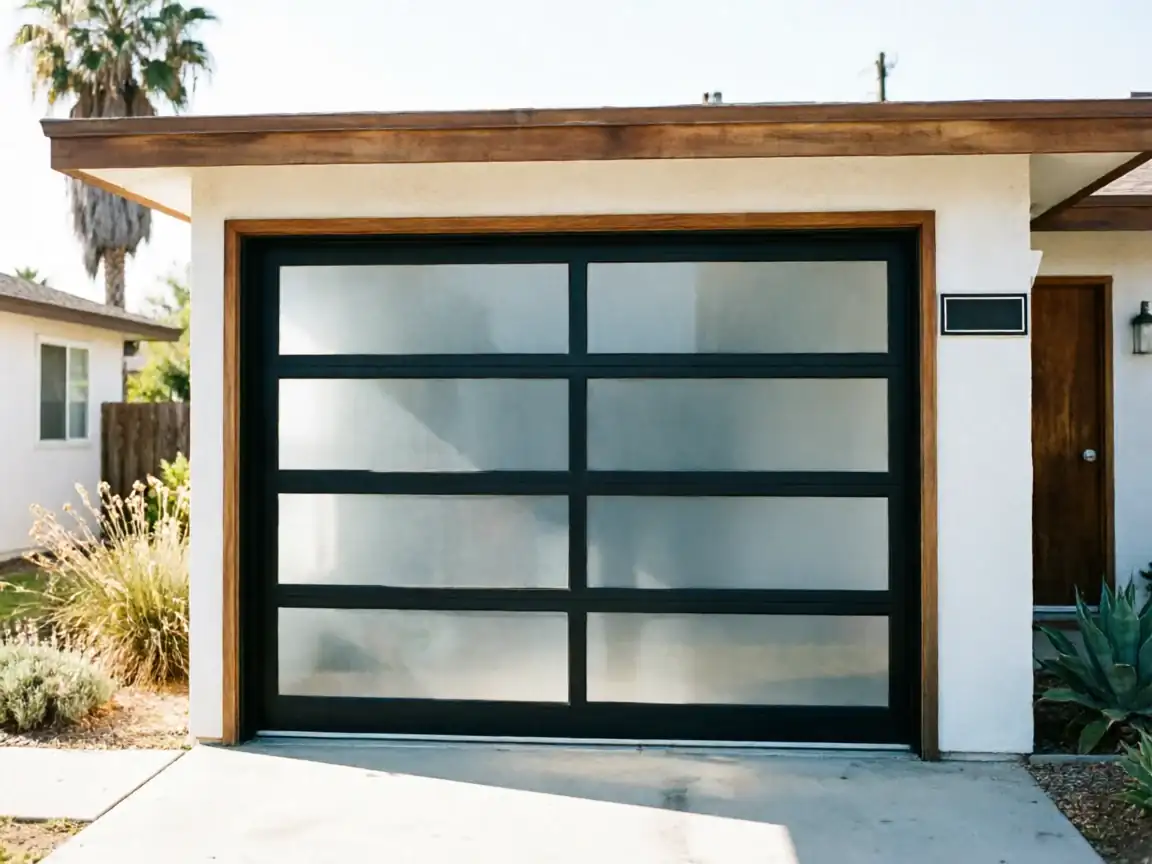
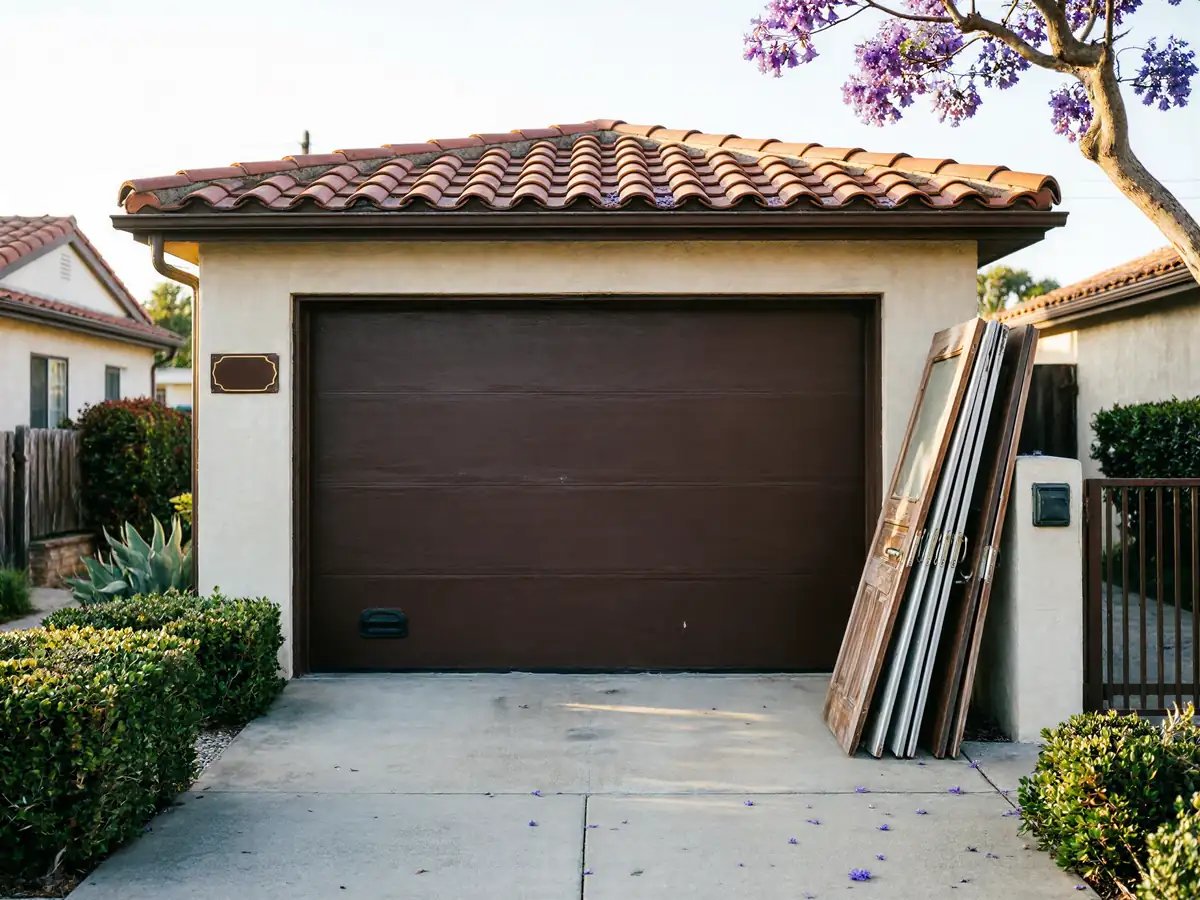
The drive from our Downey shop to South Gate is short - about four miles, confirmed on our own service map - but it's long enough that we load the truck for what's actually on the door, not a guess. South Gate's housing stock runs older than a lot of the territory we cover; the median home here went up around 1952, a full decade ahead of the broader service area's 1963 mark. That matters for cables because a lot of these garages still carry the original extension-spring setup, with a cable running off each side of the drum down to the bottom bracket, rather than the torsion-and-single-cable layout you'd find on a newer door.
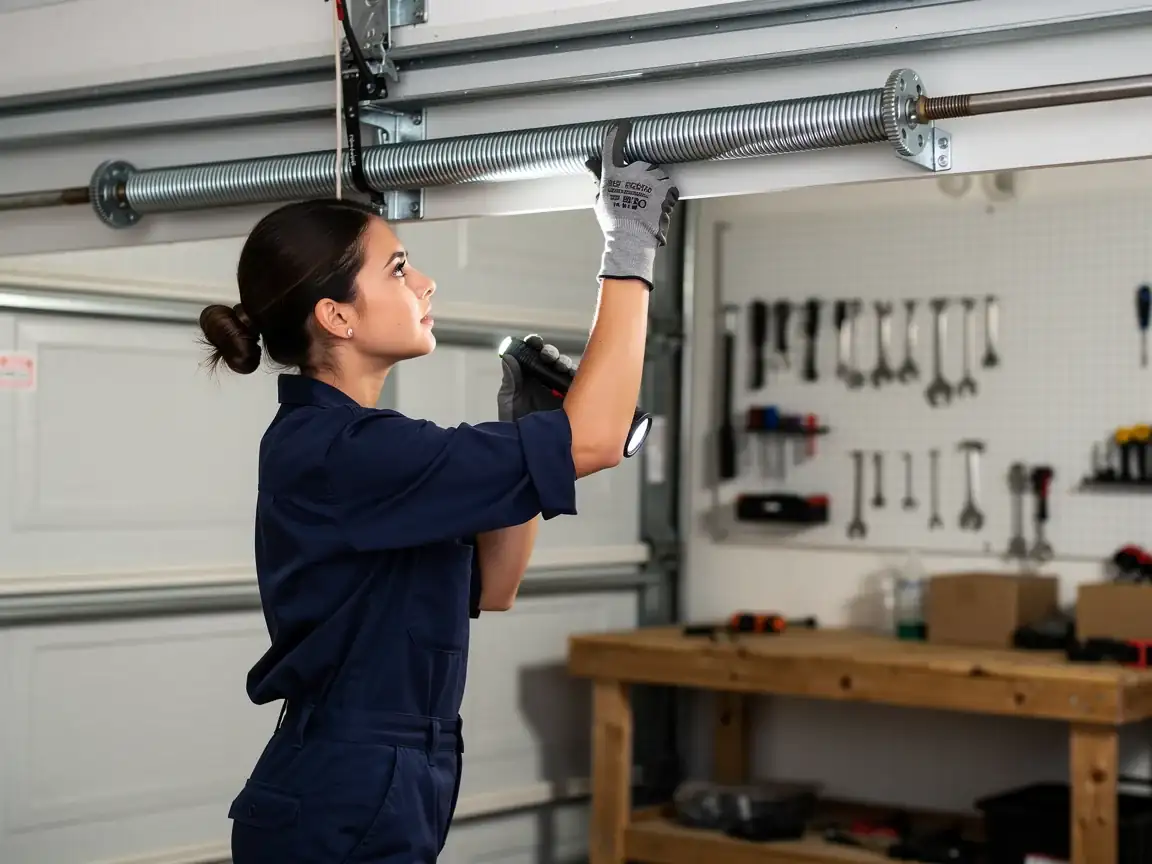
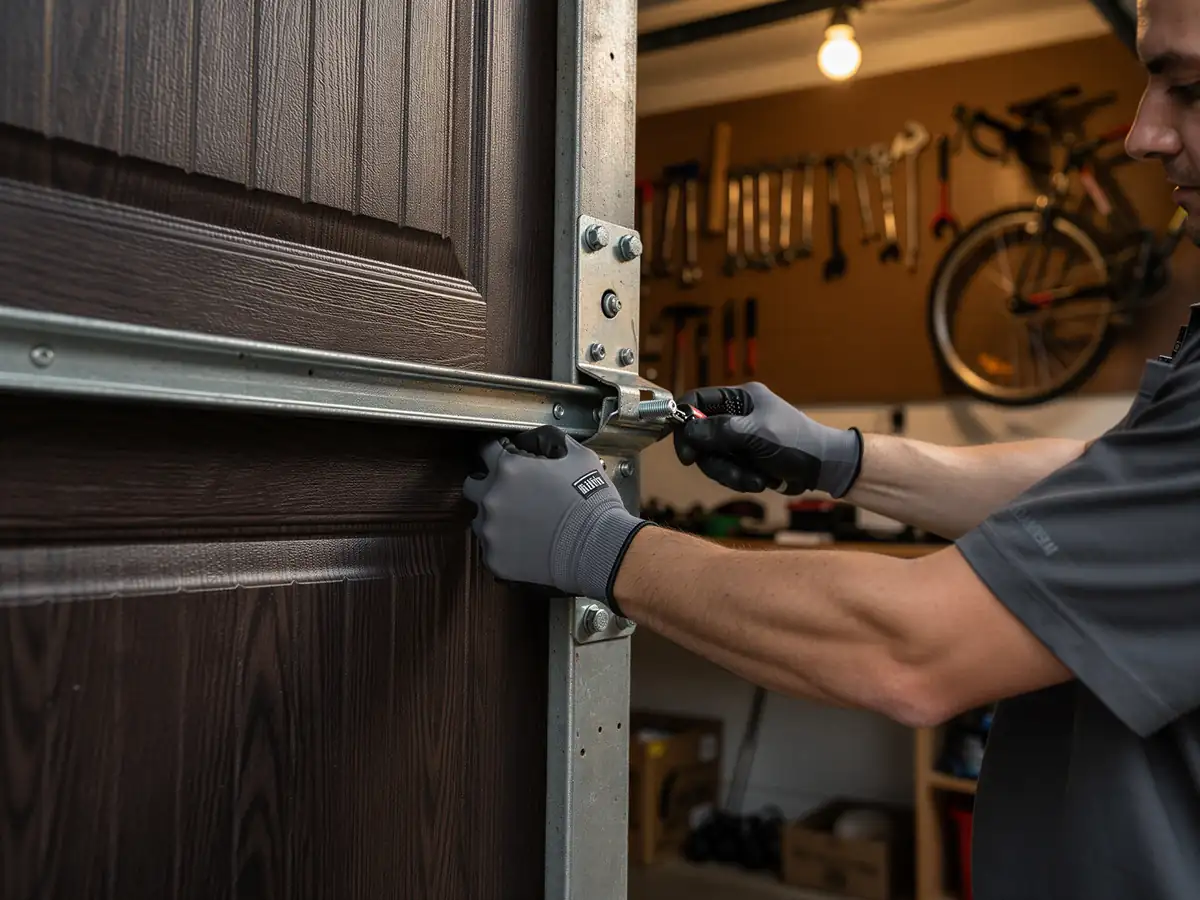
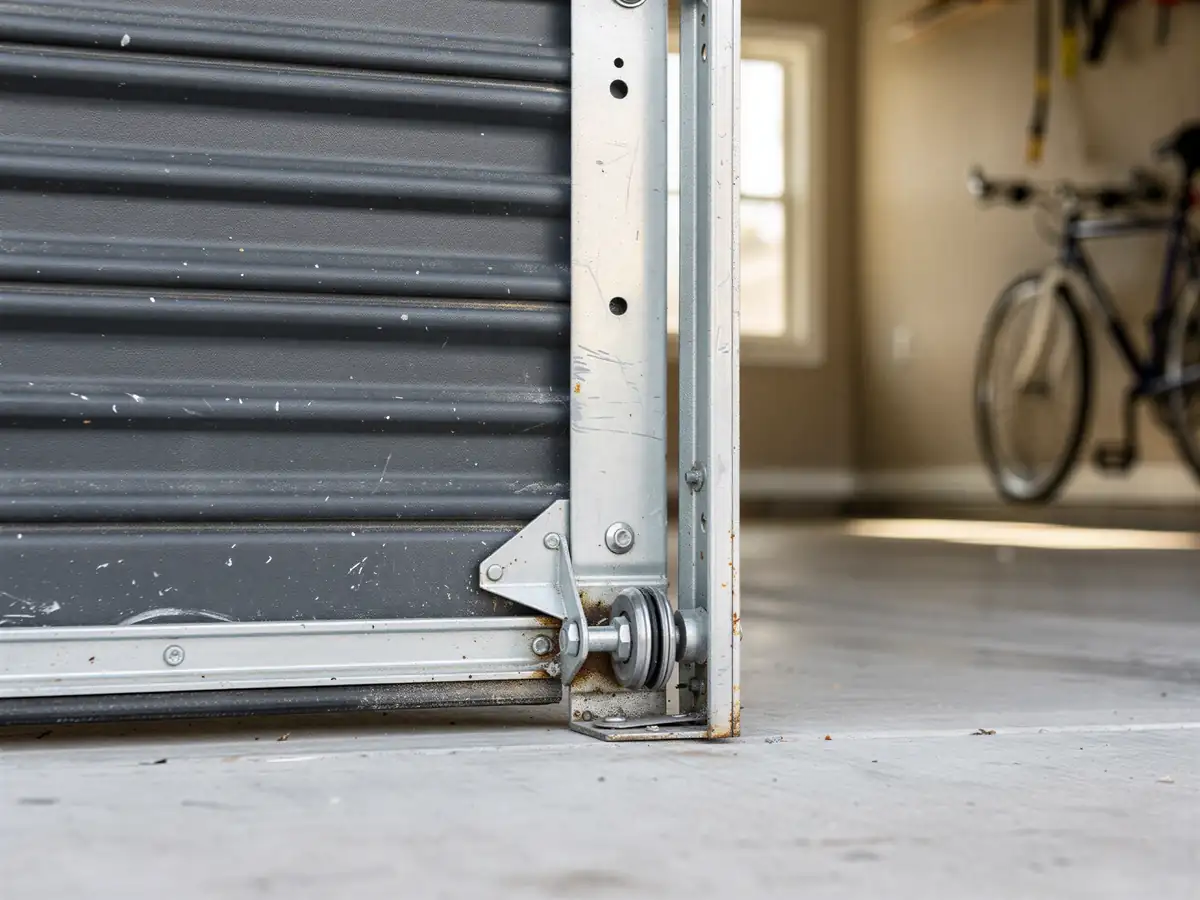
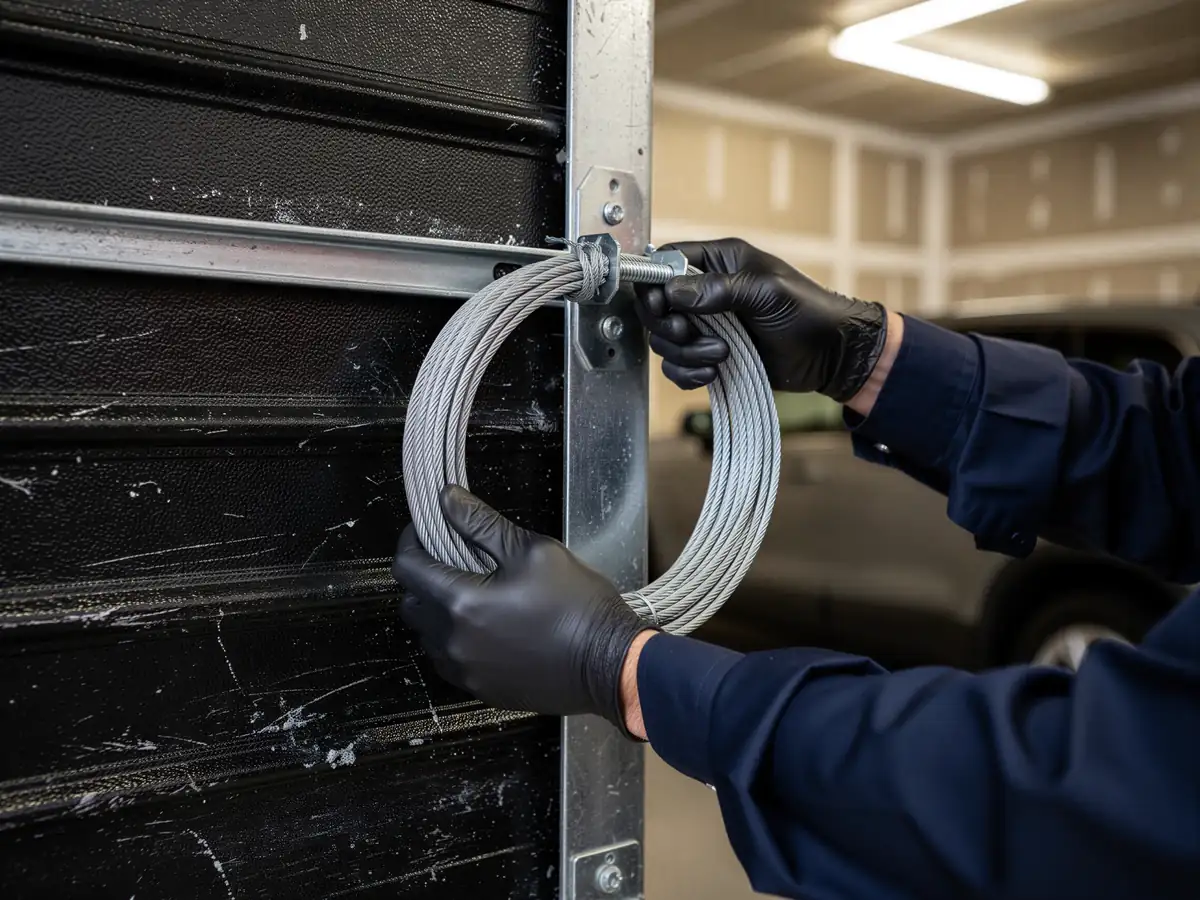
On a job like that we pull both cables even if only one has parted, because the other side is carrying the same age and the same rust. We check the drums for grooving, the bottom brackets for a clean seat, and the pulley if the door has one - a lot of these older units still do. If the track or hinges have taken damage from the door dropping, we deal with that in the same visit instead of sending you a second invoice later. We don't replace a cable and leave the drum that chewed it.
The Cost of This Job
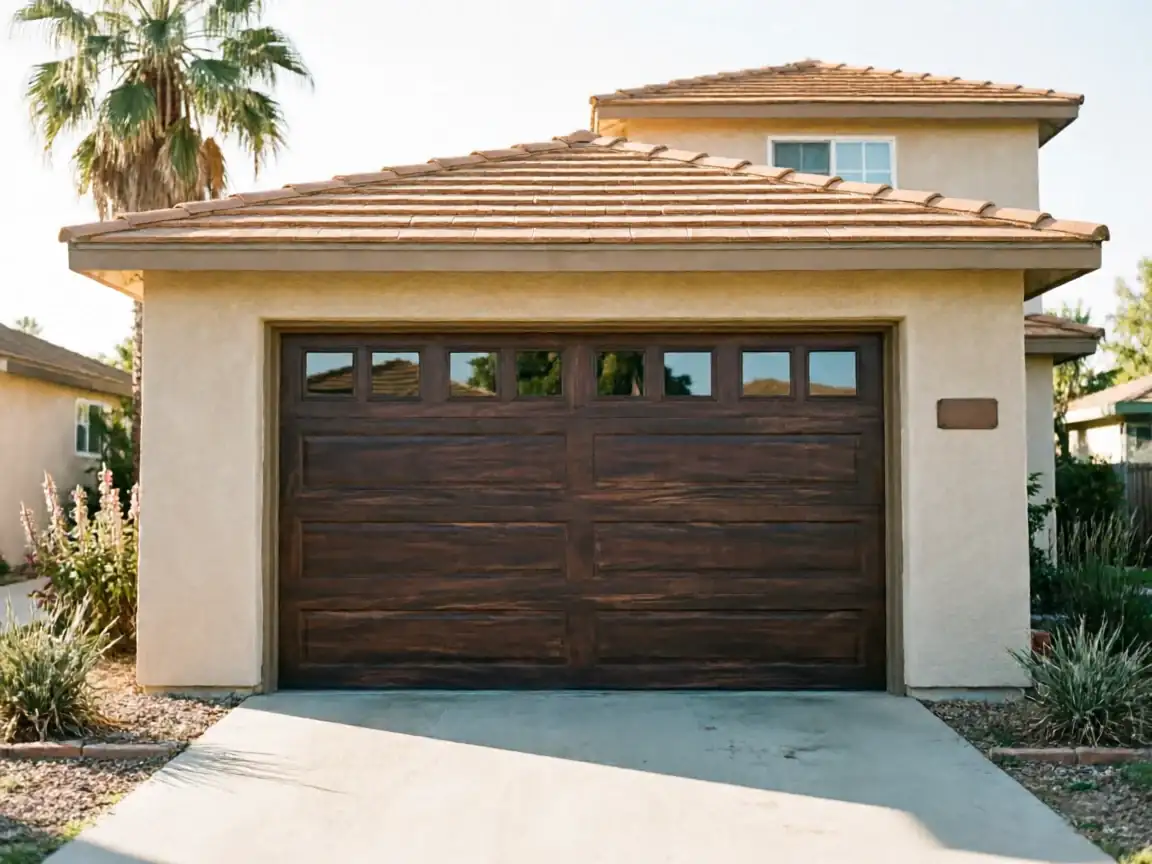
We don't post a flat number here because cable repair on a house like the ones common in South Gate isn't a flat job. A single frayed cable on a lighter door is one thing. A door that's dropped hard enough to bend the bracket, warp a bottom panel, or knock the track out of plumb is another, and on a 1952-era door with original hardware you sometimes find both cables worn evenly, which means we're replacing the pair instead of the one that snapped.
South Gate's median household income sits at $71,315, well under the $97,397 median across the wider area we serve, and we've found that matters more for how a repair is scoped than for whether it gets done - people here are more likely to ask us to fix what's broken rather than replace the whole operator while we're at it, and that's a reasonable call on a door that's otherwise sound. We'll tell you straight if a cable fix is cheaper than it looks, and we'll also tell you if the drum or spring behind it is too far gone for a patch to make sense.
The Symptom
A cable going bad rarely fails silent
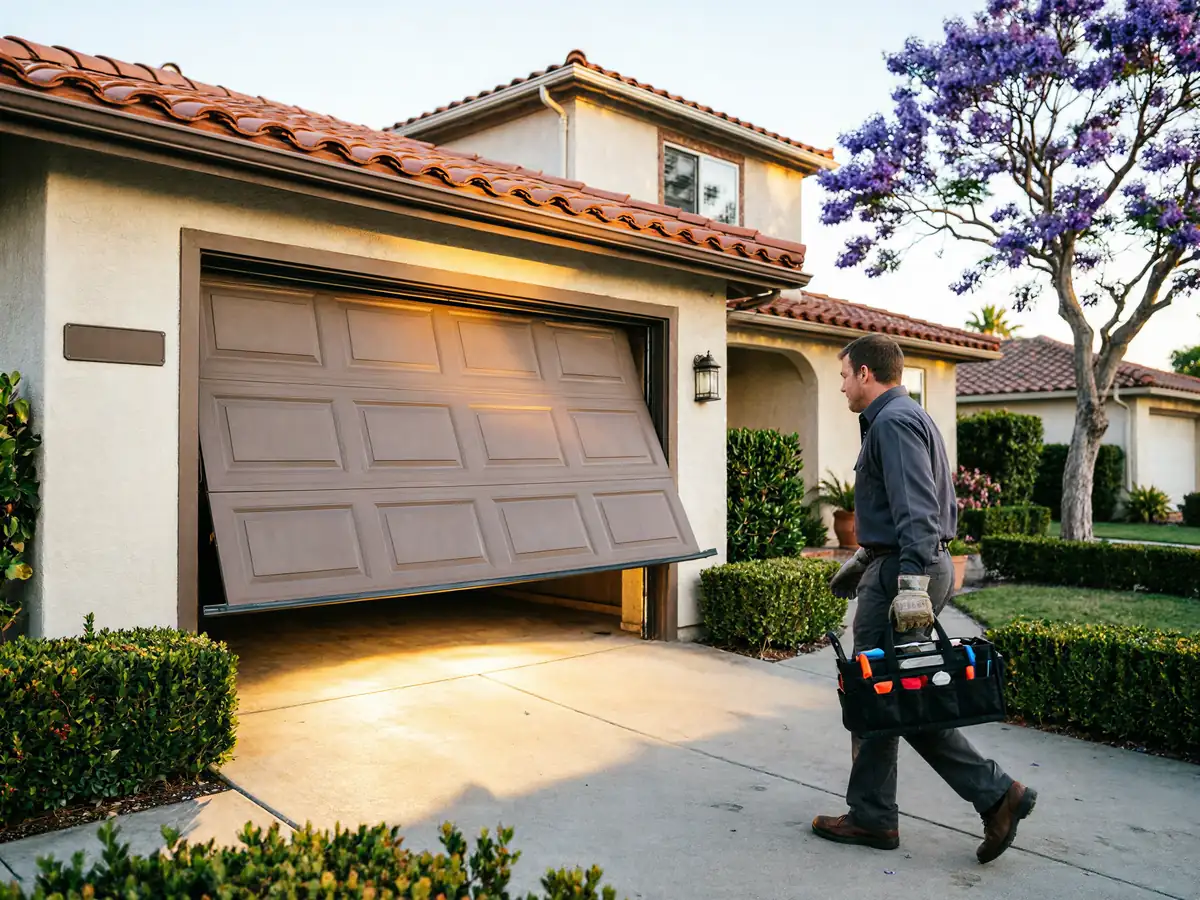
Most owners hear it before they see it - a snap, then the door racking sideways in the track instead of coming down square, sometimes stopping a few inches up with one side hung low. On older South Gate doors, where the hardware has usually seen the original cable live out its full run since the house was built, you'll often see rust bloom on the strands near the bottom bracket before it ever lets go completely. Frayed wire poking through the cable's wrap is the warning sign most people miss because it's at the bottom of the door, low and easy to ignore.
If the door is stuck halfway with one side low
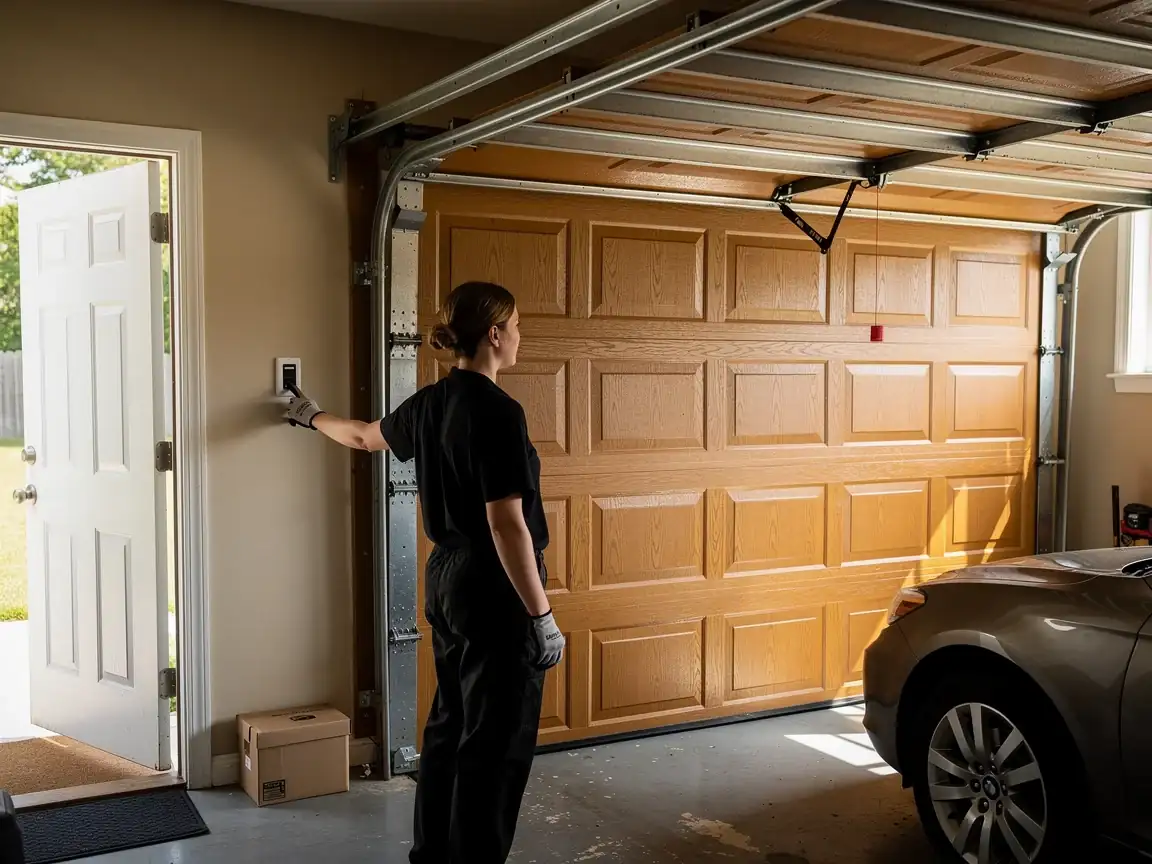
Or came down crooked and won't move, stop using the opener. Running the motor against a snapped or frayed cable is how a bent track or a cracked panel gets added to the invoice. If a car is in the bay under a half-open door, that's the one time we'd tell you not to wait for a convenient appointment.
The DIY Question
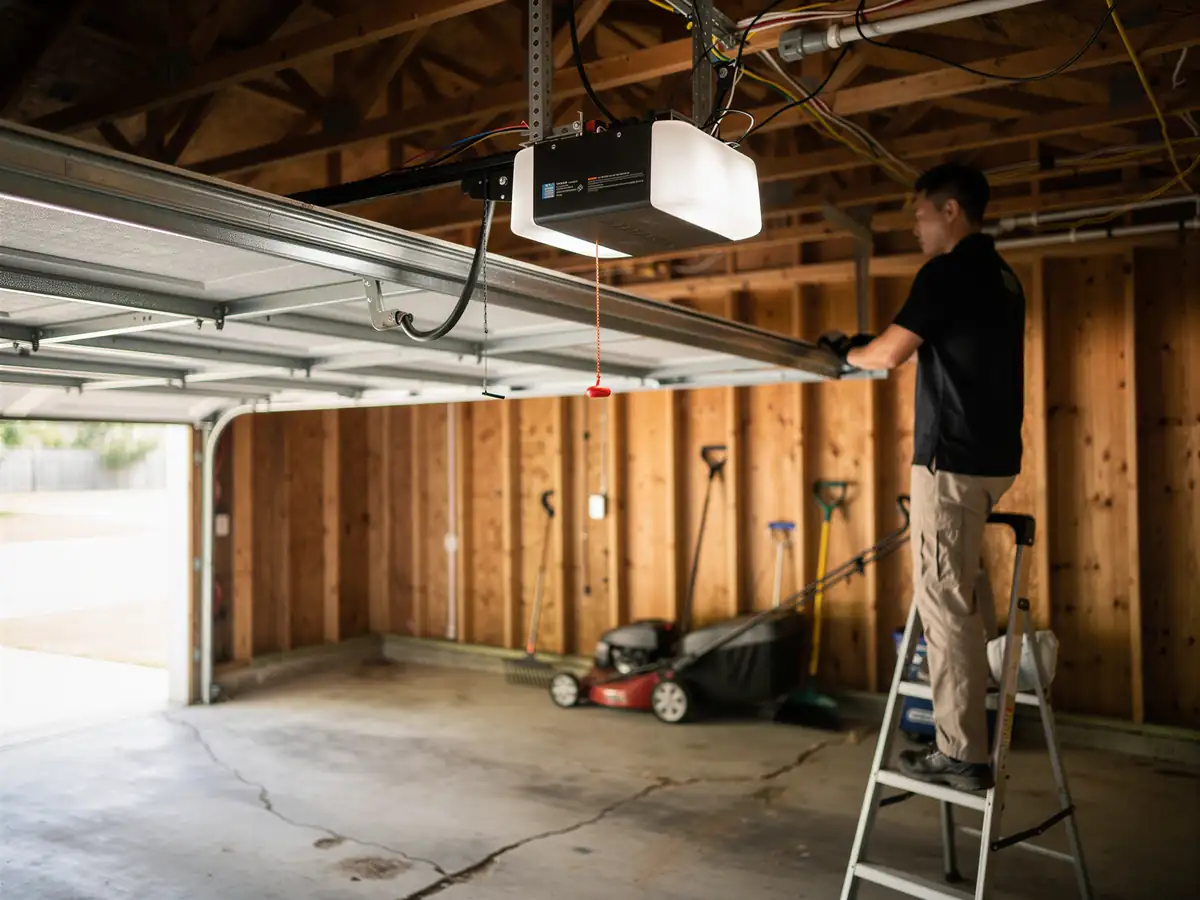
A garage door cable sits under real tension, even on a lighter residential door, and the spring behind it is storing more energy than most people expect. We won't talk anyone through doing this themselves, and we're not going to pretend it's a weekend fix with the right YouTube video. That's the honest limit here: this isn't a job where a careful homeowner with the right tools comes out ahead, because the failure mode isn't a scratched knuckle, it's a cable or spring letting go while you're under the door.
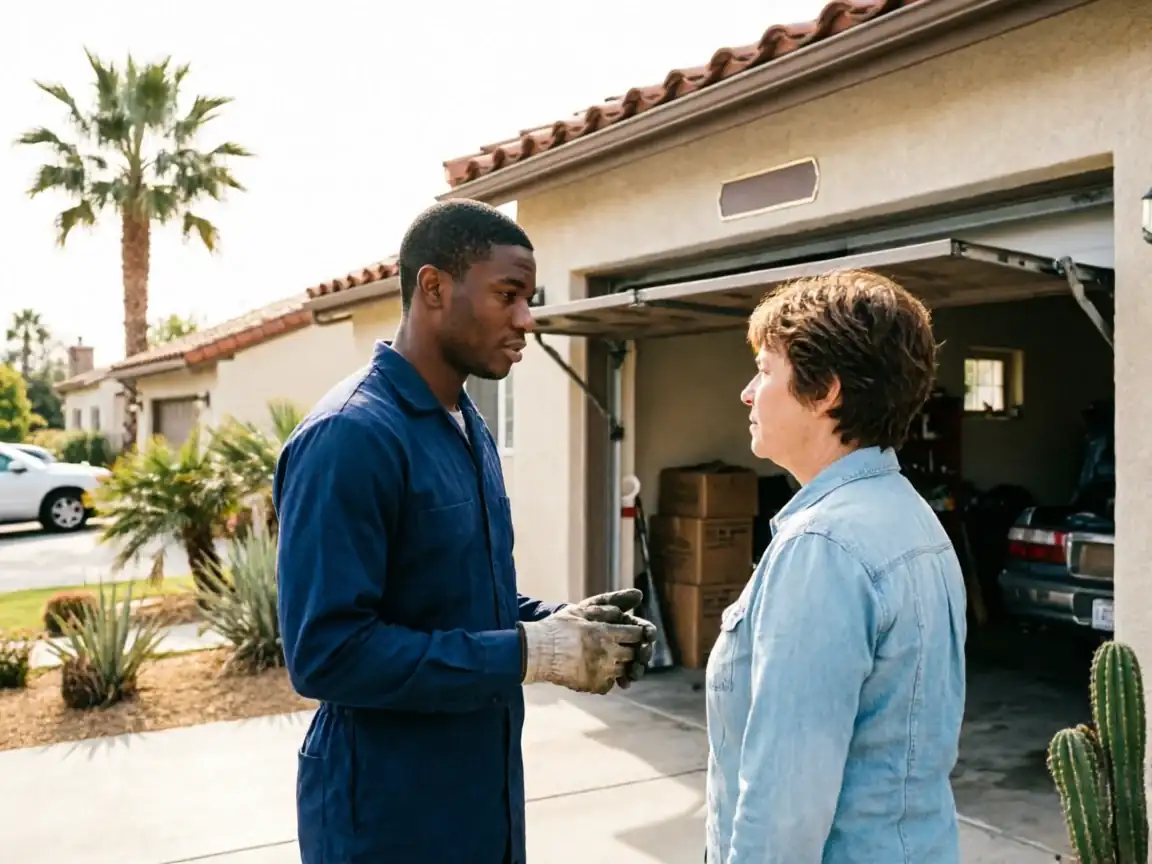
What you can safely do yourself is look. Check whether both cables show fraying or just one, check whether the bottom brackets are rusted through, and check whether the door is racking evenly or dropping on one side only. That tells us what we're walking into before we're four miles out your driveway, and it means less time spent diagnosing once we're there and more time spent actually fixing the thing.