How We Fix It
Most houses in South Gate went up around 1952, a decade before the median build year for the rest of this service area. That matters for the repair, not just the trivia. A door and opener installed when the house was framed has usually had one, maybe two replacements since - and whatever's on there now is often a mismatch of parts from different decades, which is exactly why a quick diagnosis matters more than a quick guess.
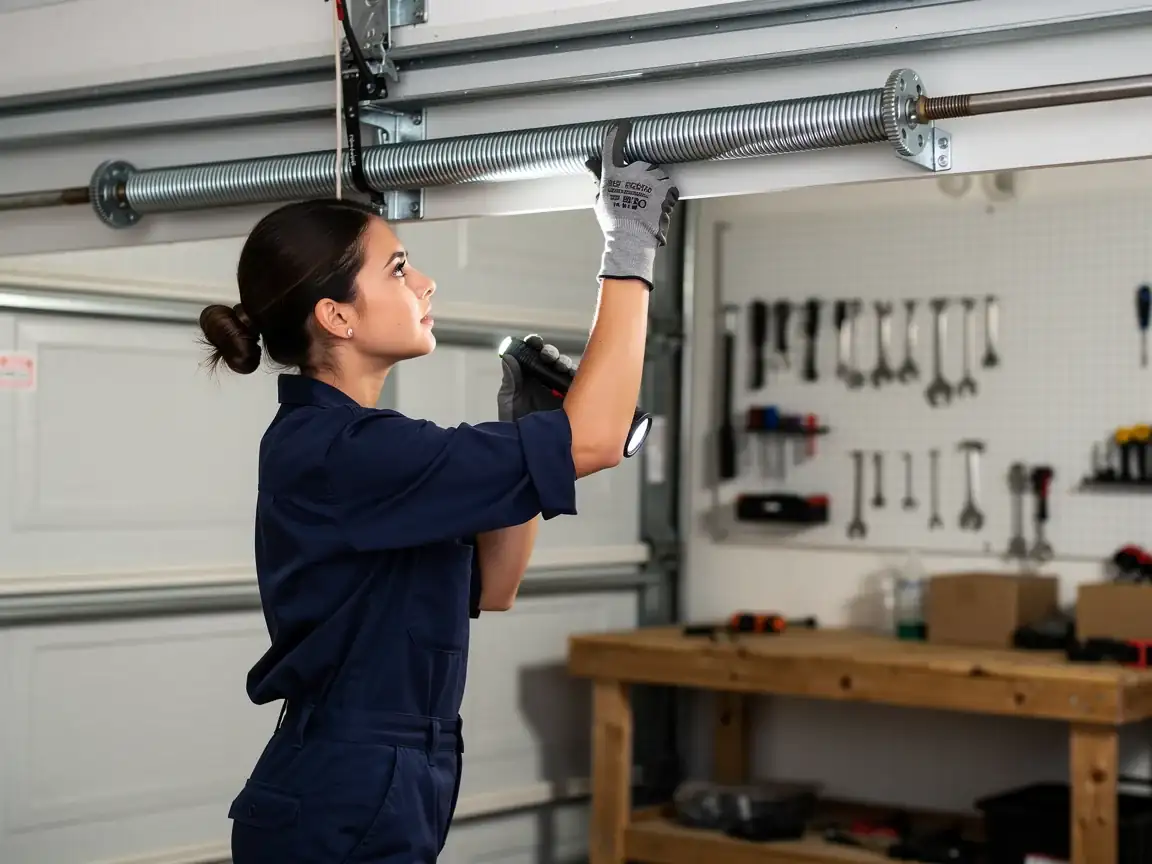
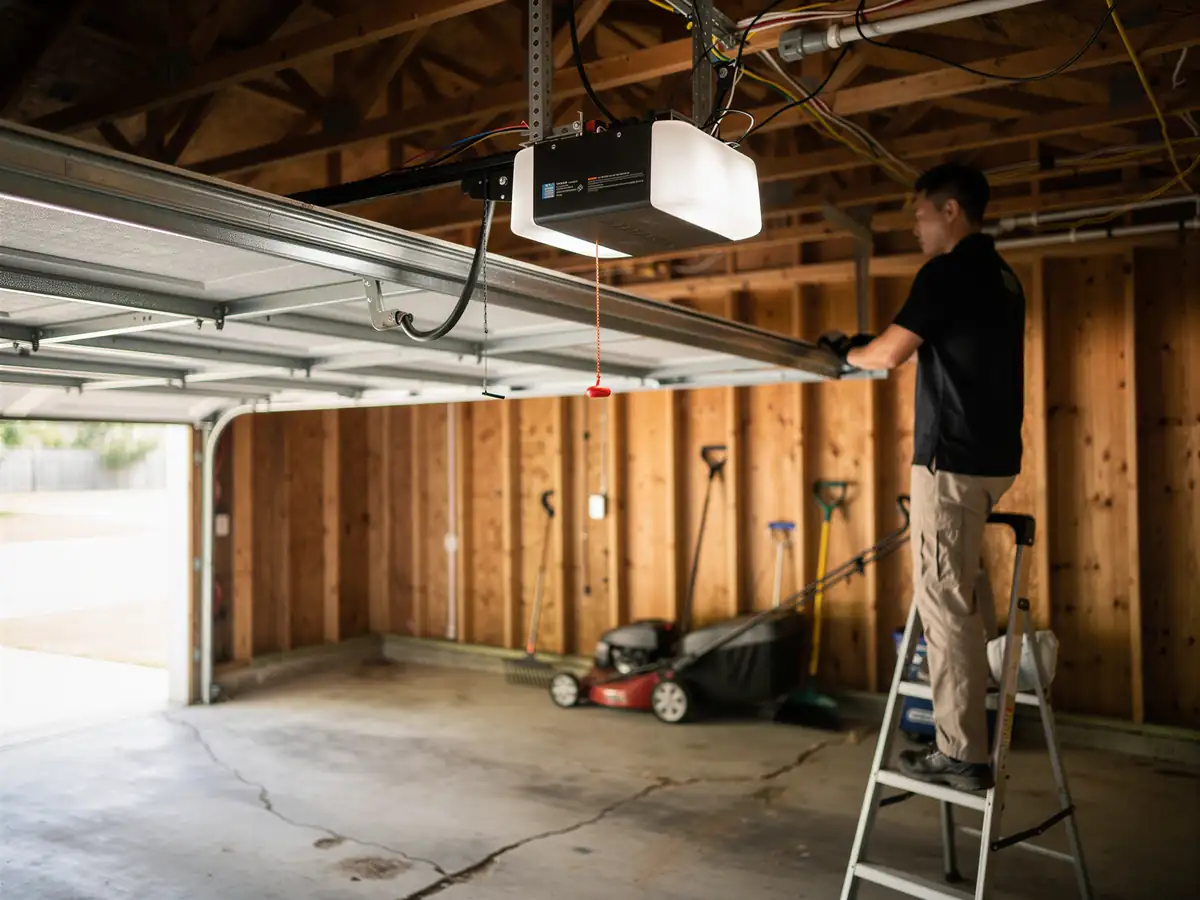
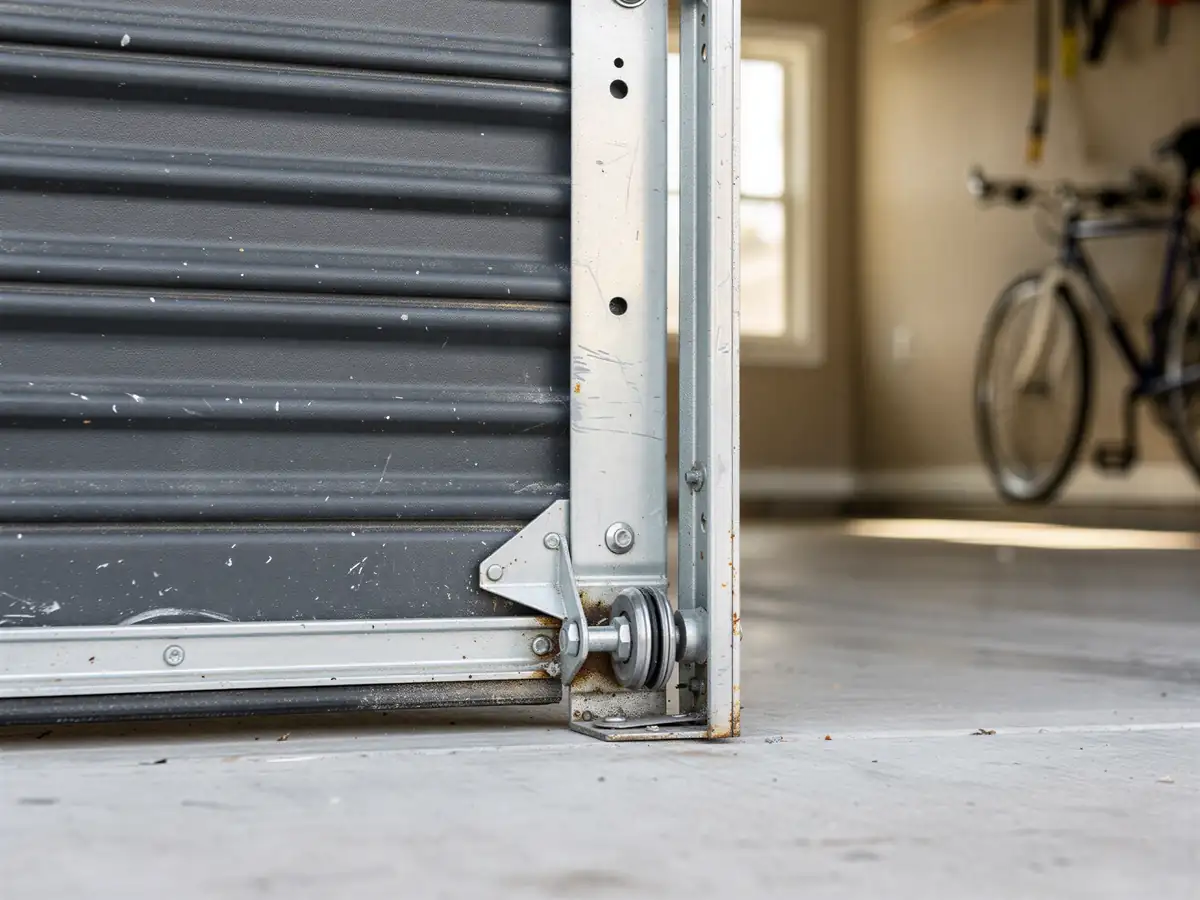
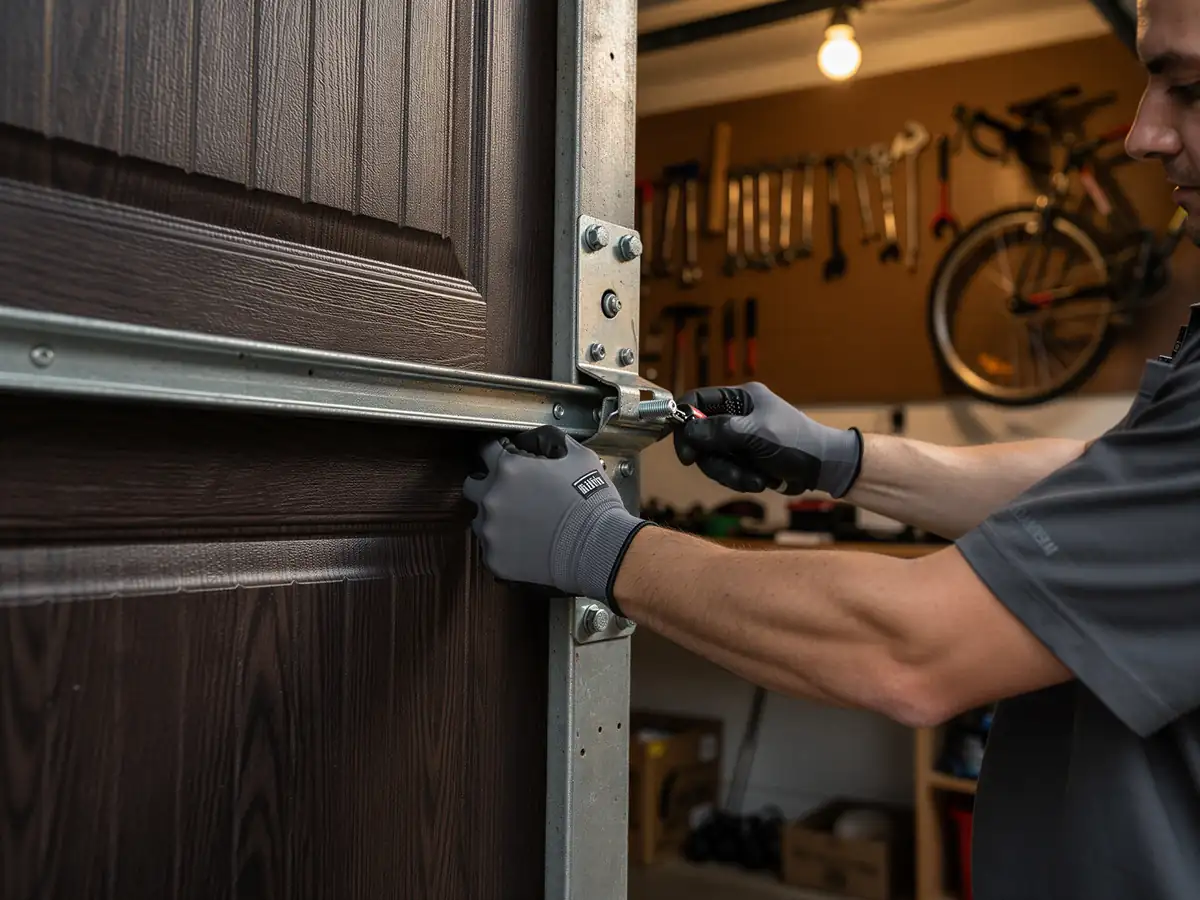
We start at the spring and the track, because on houses this age that's where the real wear lives: torsion springs that have done thousands of extra cycles past their rated life, rollers worn oval instead of round, and hinges stretched at the pivot. We bring a stock of torsion springs sized for the openers common on houses from this era, along with standard track sections and roller sets, so most jobs close out in one visit. If the opener itself is the issue - a chain-drive unit old enough to have outlived two or three logic boards - we'll tell you straight whether it's worth repairing or whether a new opener is the better spend. We work out of Downey, four miles from South Gate, so a same-visit fix is the normal outcome, not the exception.
The Cost of This Job
With a median household income of $71,315 here, well under the $97,397 median across the wider service area, we price repairs with that gap in mind rather than quoting a flat number that assumes every household can absorb the same spend. A torsion spring replacement costs less than a full door swap, and on a lot of these 1952-era doors, the spring and the hardware around it are the actual failure point - not the door panel itself, which on steel doors often outlasts everything attached to it.
Where costs climb is when the track has been bent long enough that the rollers have worn the channel unevenly, or when the opener's drive gear has stripped and taken the motor with it. Those jobs run longer and need more parts. We'll always give you the repair-versus-replace number before we start, not after, because a $400 repair on a door that's structurally failing isn't a favor to anyone. We don't guess at pricing over the phone for anything beyond a basic spring job - the hardware variation across houses this old means we need to see it.
The Symptom
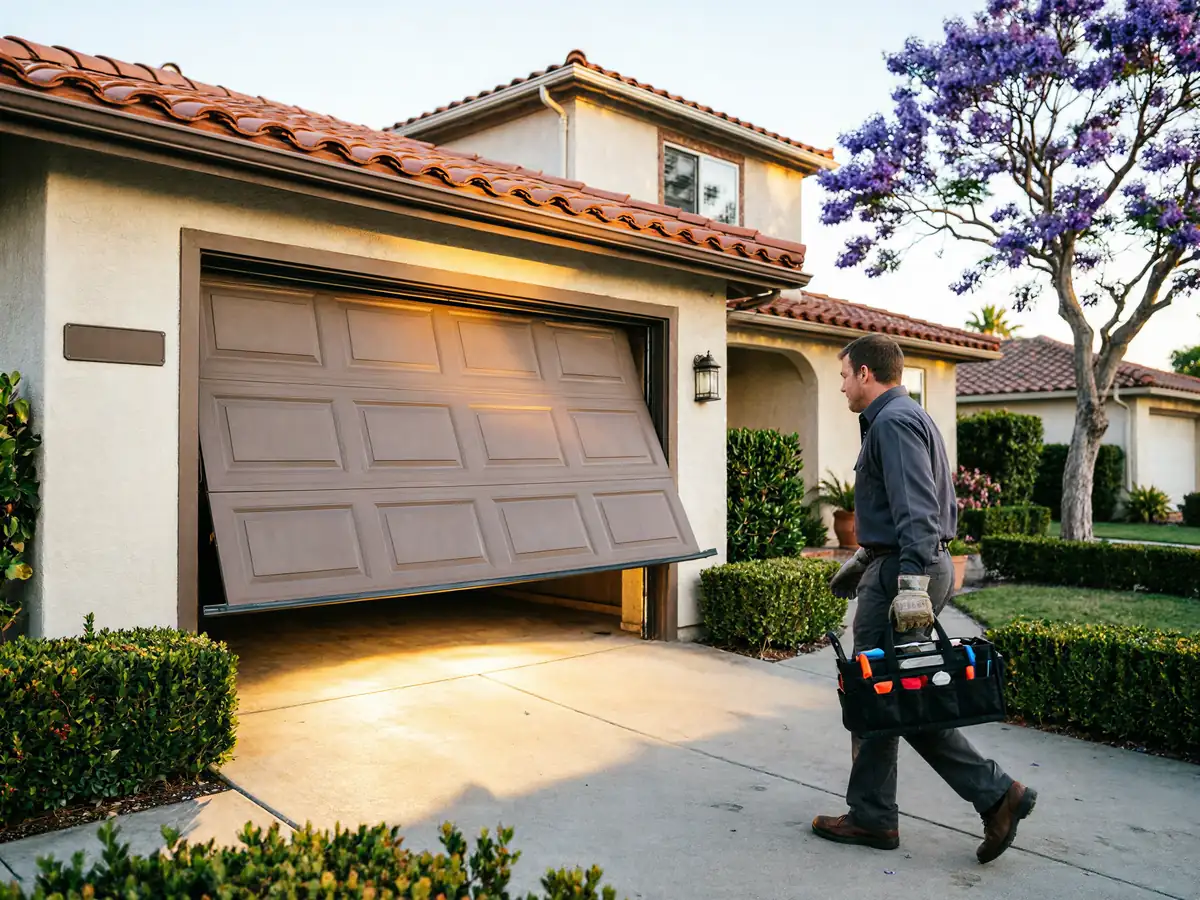
The complaint we hear most from this part of town is a door that groans or bangs partway through its travel
Then catches. On a house built in 1952, that's almost always a spring that's lost tension unevenly - one side pulling harder than the other - rather than anything wrong with the opener itself. The opener just reports the symptom; the spring is the cause.
A second common one: the door reverses on its own a few inches off the floor
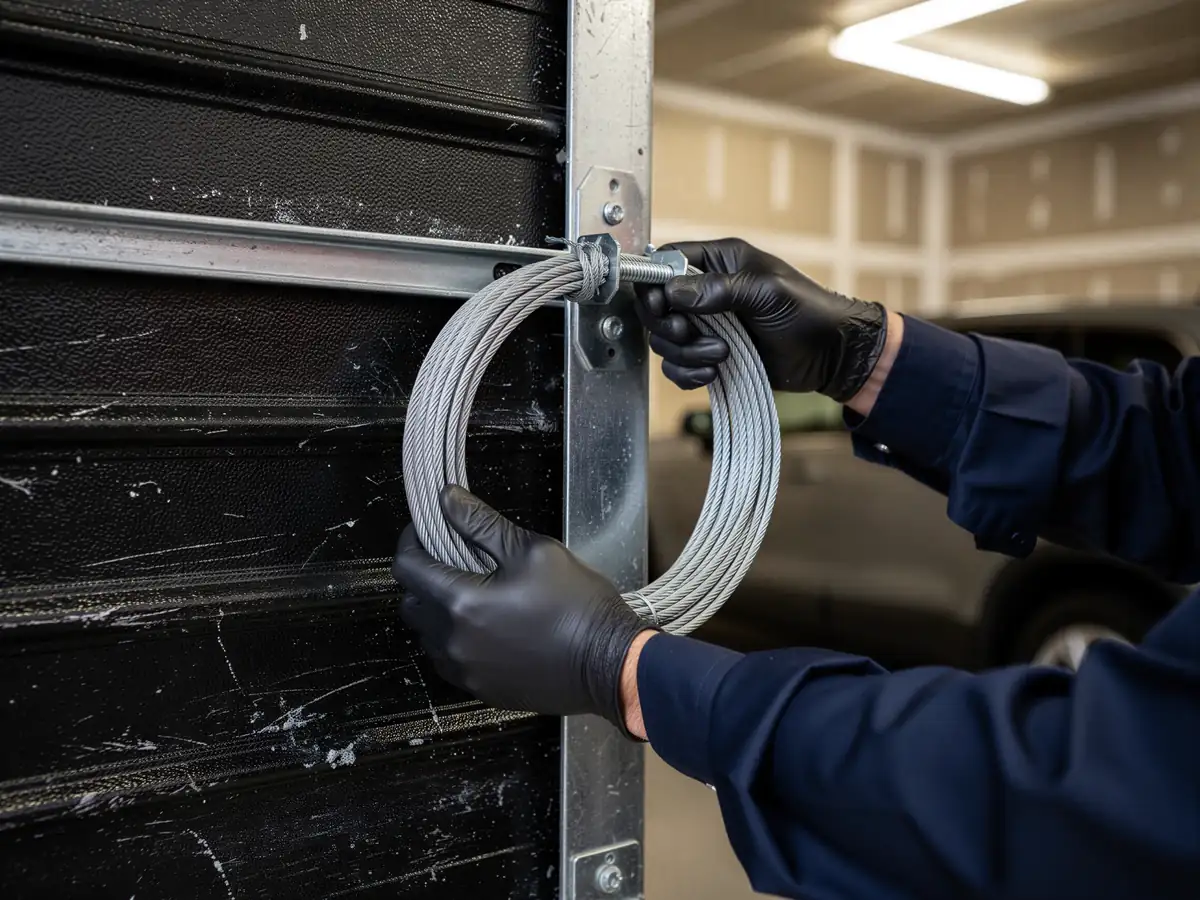
That's usually a sensor alignment problem or a cable that's started to fray near the drum, not a software issue, whatever the opener's diagnostic light says. Across roughly 24,826 households in South Gate, a lot of original garage door hardware from the early 1950s is still doing the job it was built for, just not cleanly anymore. The mild temperate climate here hasn't stressed these parts with freeze-thaw cycles or extreme heat swings - this is wear from decades of use, not weather damage.
- 24,826 households
The DIY Question
Replacing a roller or tightening a loose bracket is reasonable DIY territory, and we won't tell you otherwise. A torsion spring is not. Springs on doors this size store enough tension to break a wrist or worse if the winding bars slip, and on hardware this old, you often can't tell by looking whether the spring is near the end of its life or already compromised. That's the honest limit here: we'd rather talk you out of a spring job on the phone than show up to a hospital story.
Cable and track adjustments sit in the same category - not because they're exotic, but because a door that drops unexpectedly mid-adjustment does real damage to a car, a foot, or a frame. If your door is sticking, banging, or reversing without a clear cause, that's worth a call rather than an afternoon of trial and error, especially on original hardware where the failure point isn't always where it looks like it is.