How We Fix It
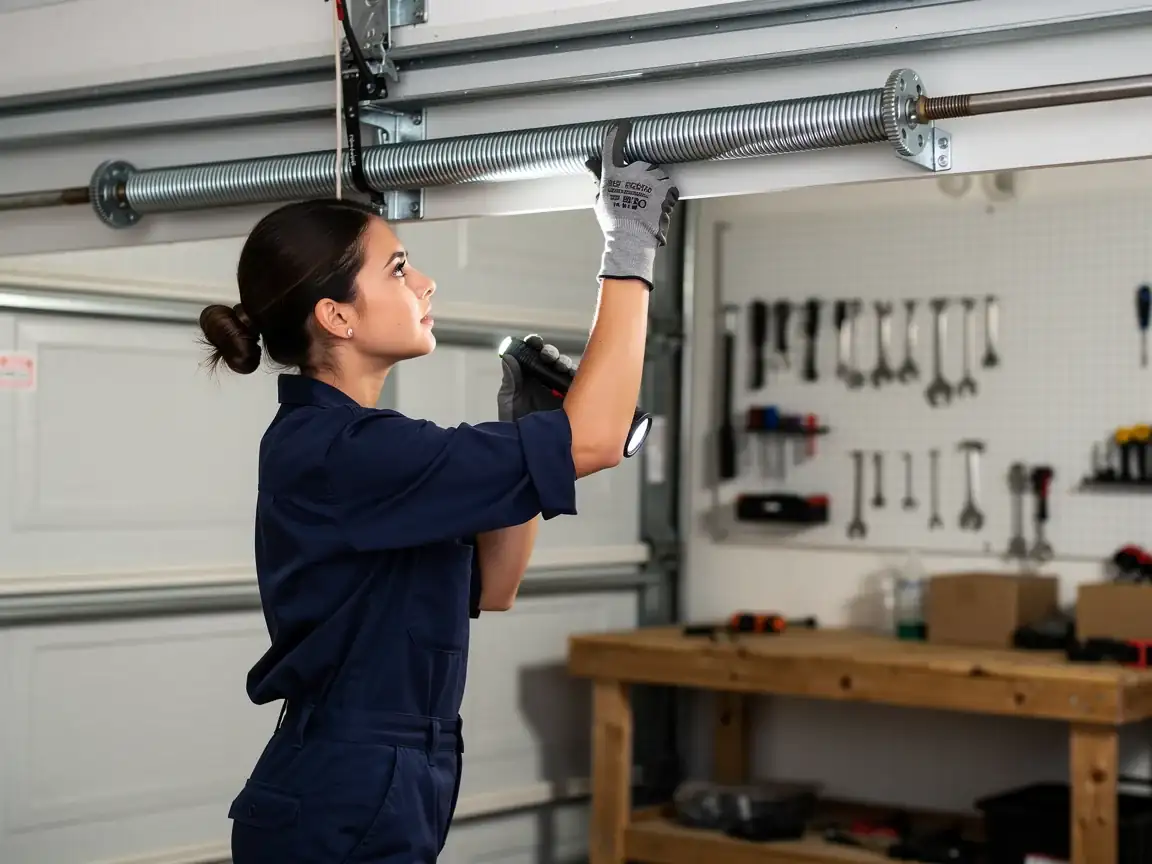
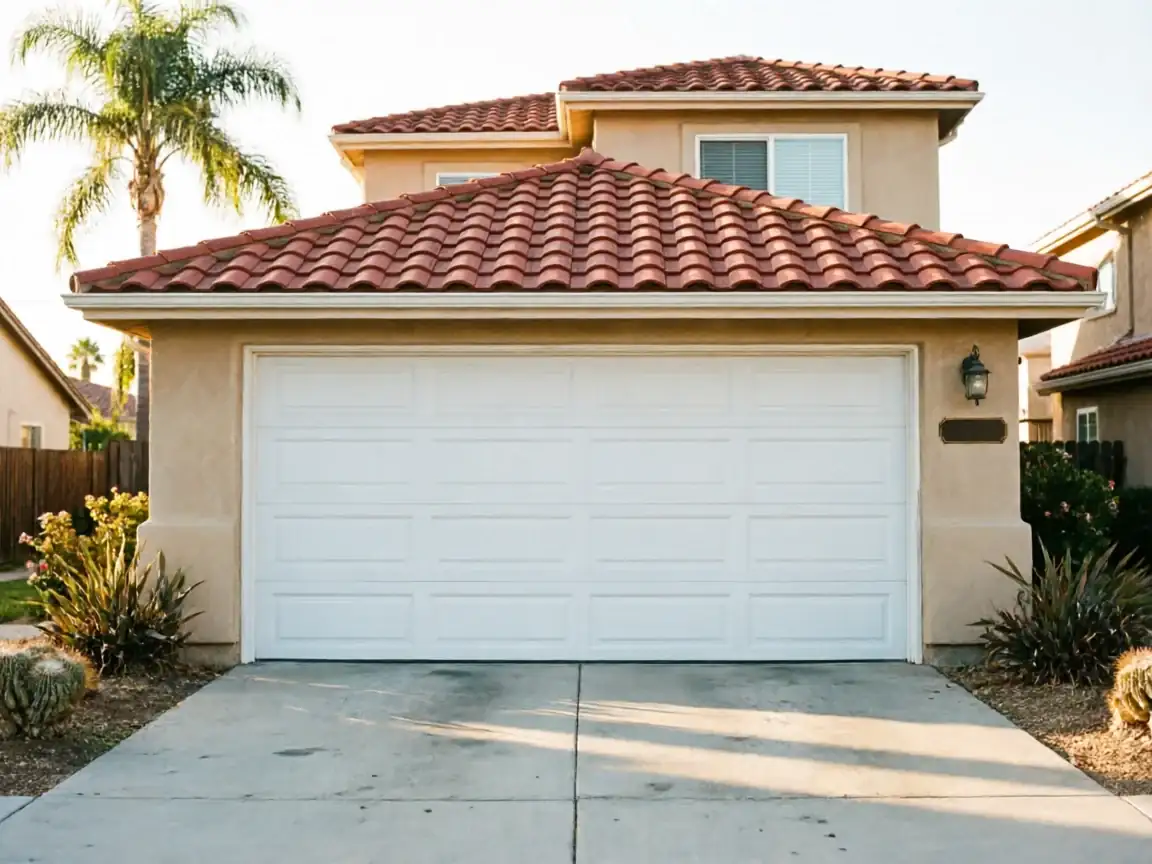
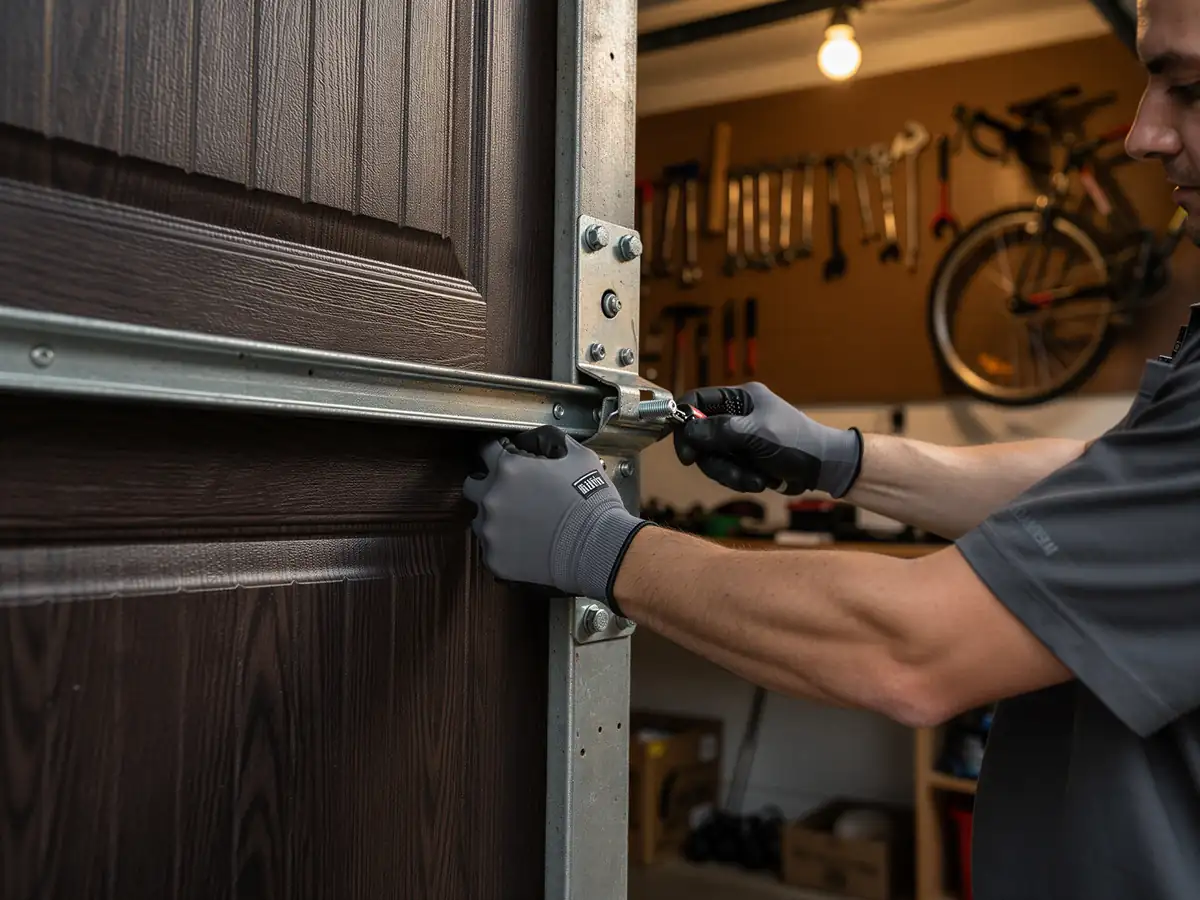
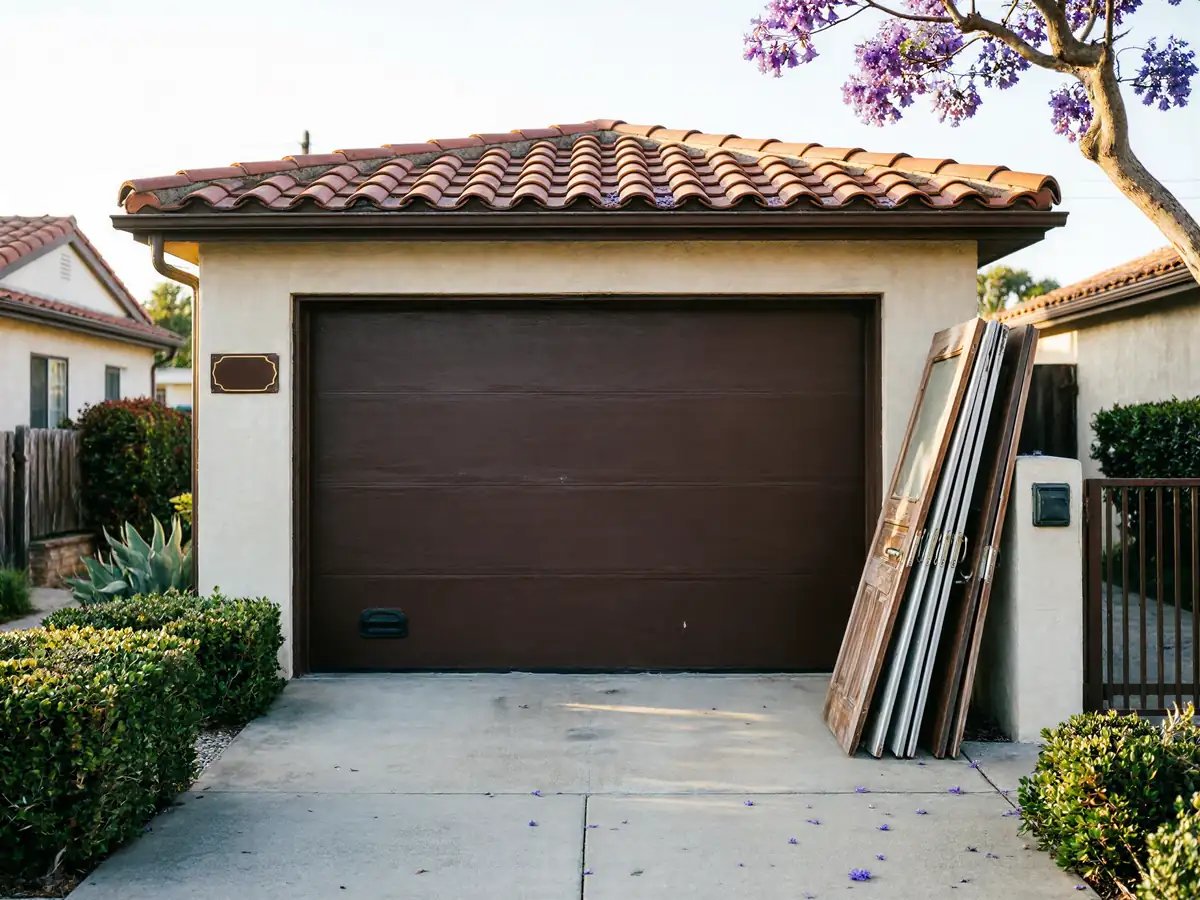
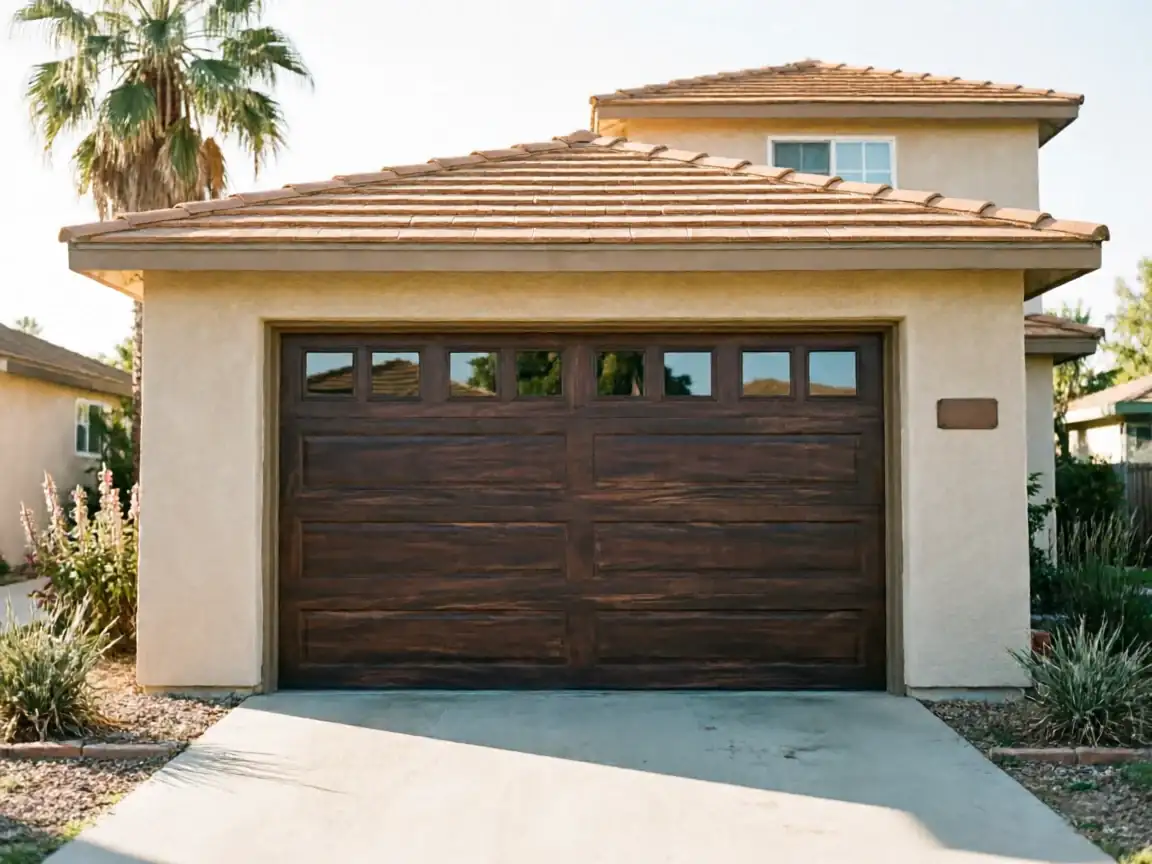
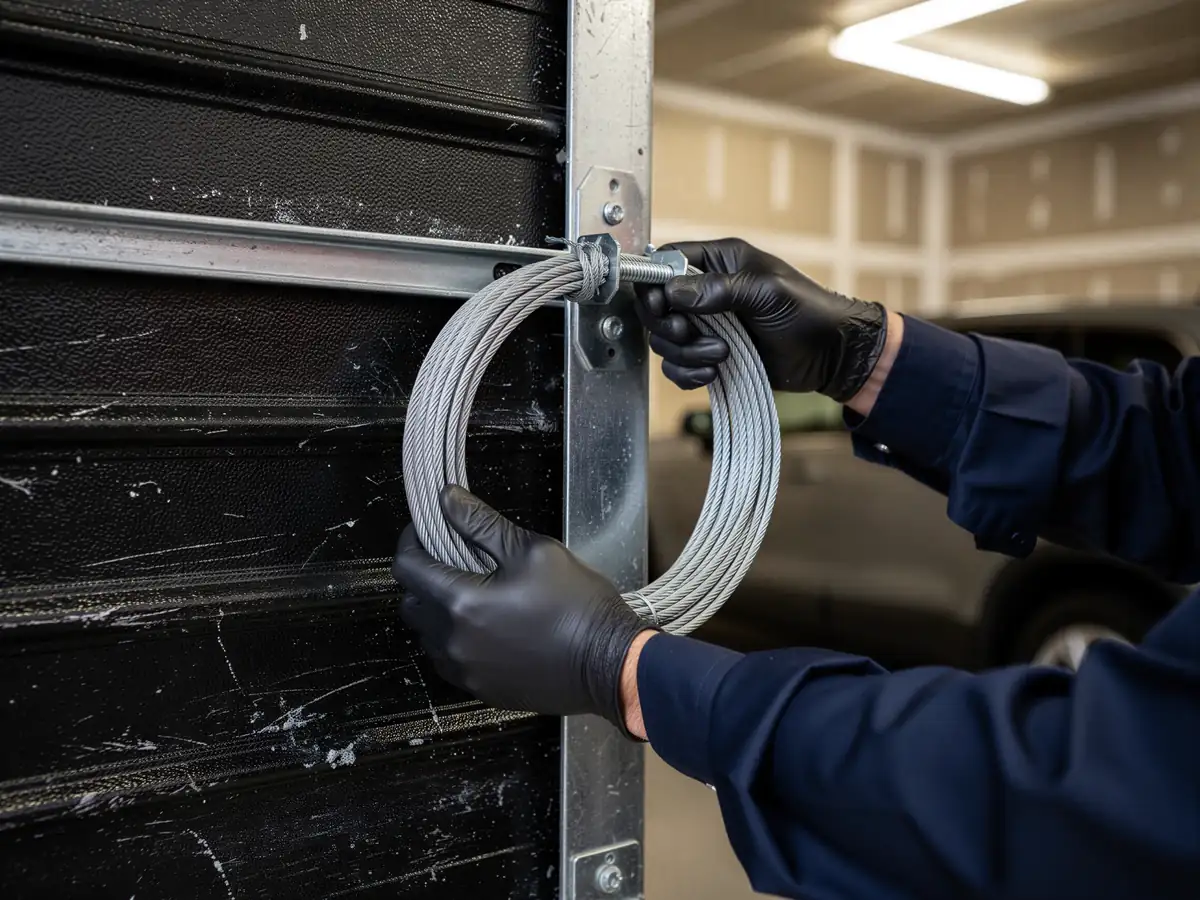
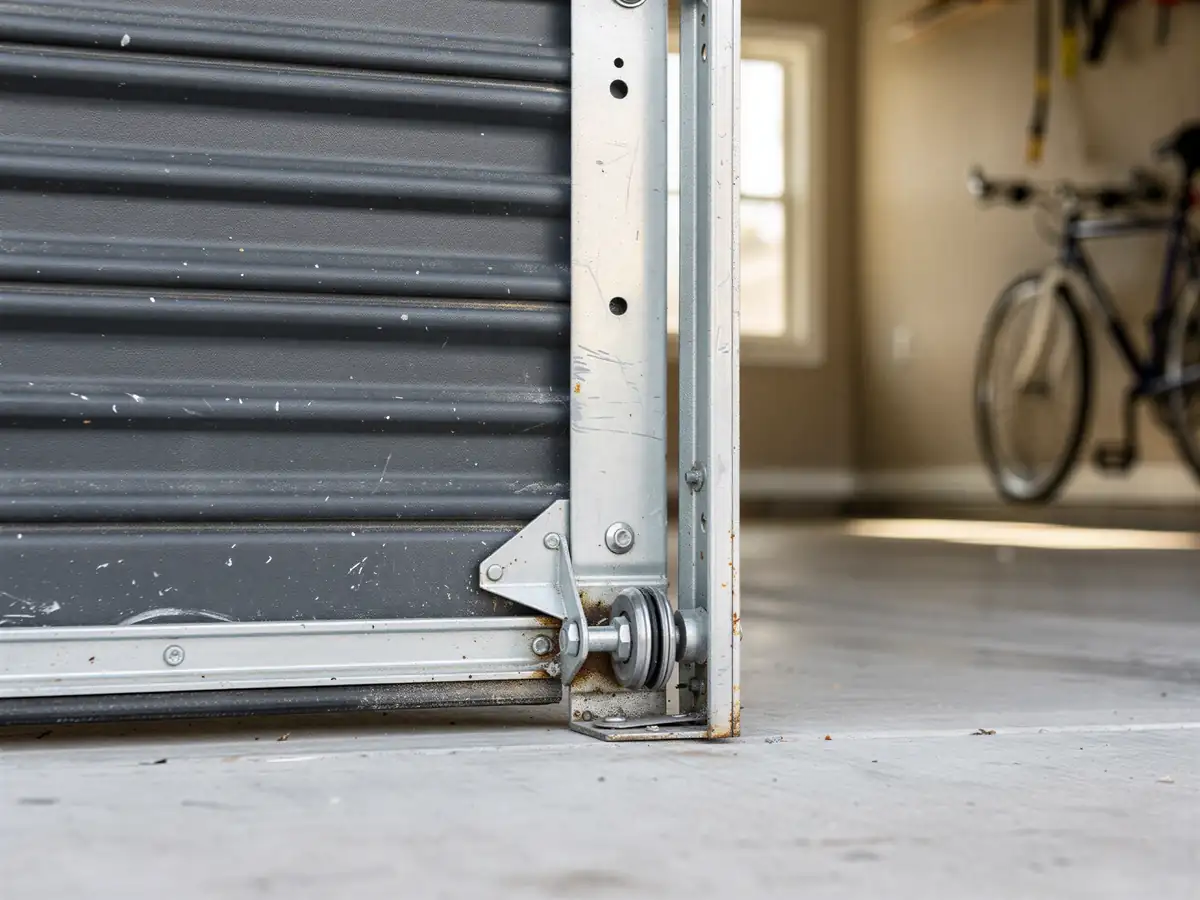
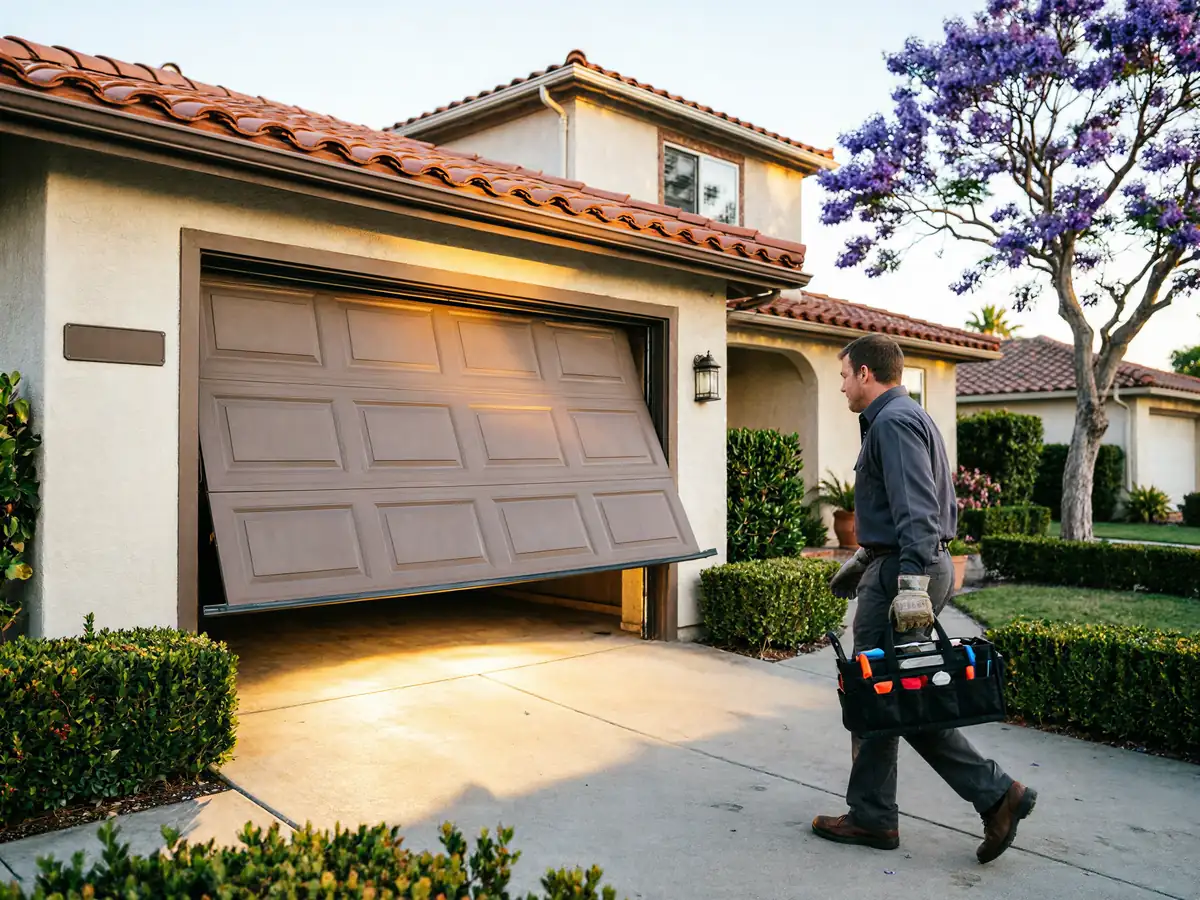
South Gate's housing stock centers on 1952, a decade older than the 1963 median across the wider service area, so a good share of the doors we get called out to are still running on the original torsion hardware from that era. That means low-headroom tracks, older drum styles, and in some cases extension springs instead of the torsion setups you'd find on a house built in the 1970s. We bring both torsion and extension spring stock on the truck because South Gate's mix leans older than most of the towns we cover. The mild temperate climate here helps - you don't get the rust-through on cables and hinges that a wetter region would produce, so when a spring or cable fails on a South Gate door, it's almost always fatigue from age and cycle count, not corrosion. We check the drum, the bearing plate, and the track alignment together, because on a door this old, one worn part usually means a second one is close behind. We don't replace what doesn't need replacing, but we won't send you home with a 70-year-old cable we didn't inspect.
The Cost of This Job
South Gate's median household income is $71,315, noticeably below the $97,397 median across the broader area we serve. That gap matters for how we quote a job here - we see more requests for a targeted spring or cable repair and fewer for a full door-and-opener replacement than we do in higher-income tracts nearby. We'll tell you straight when a repair is the better call and when the door itself has aged past the point of being worth it. The honest limitation: if your door is an original 1950s or early-60s panel design, some parts for it simply aren't stocked anymore, and sourcing them can push a job out by days rather than hours. In that case we'll walk you through a comparable replacement rather than have you wait on a part that may never show up. We quote the job in front of us, not a packaged price, because a torsion spring swap on a 1952 door with low headroom takes different time and hardware than the same repair on a newer track.
The DIY Question
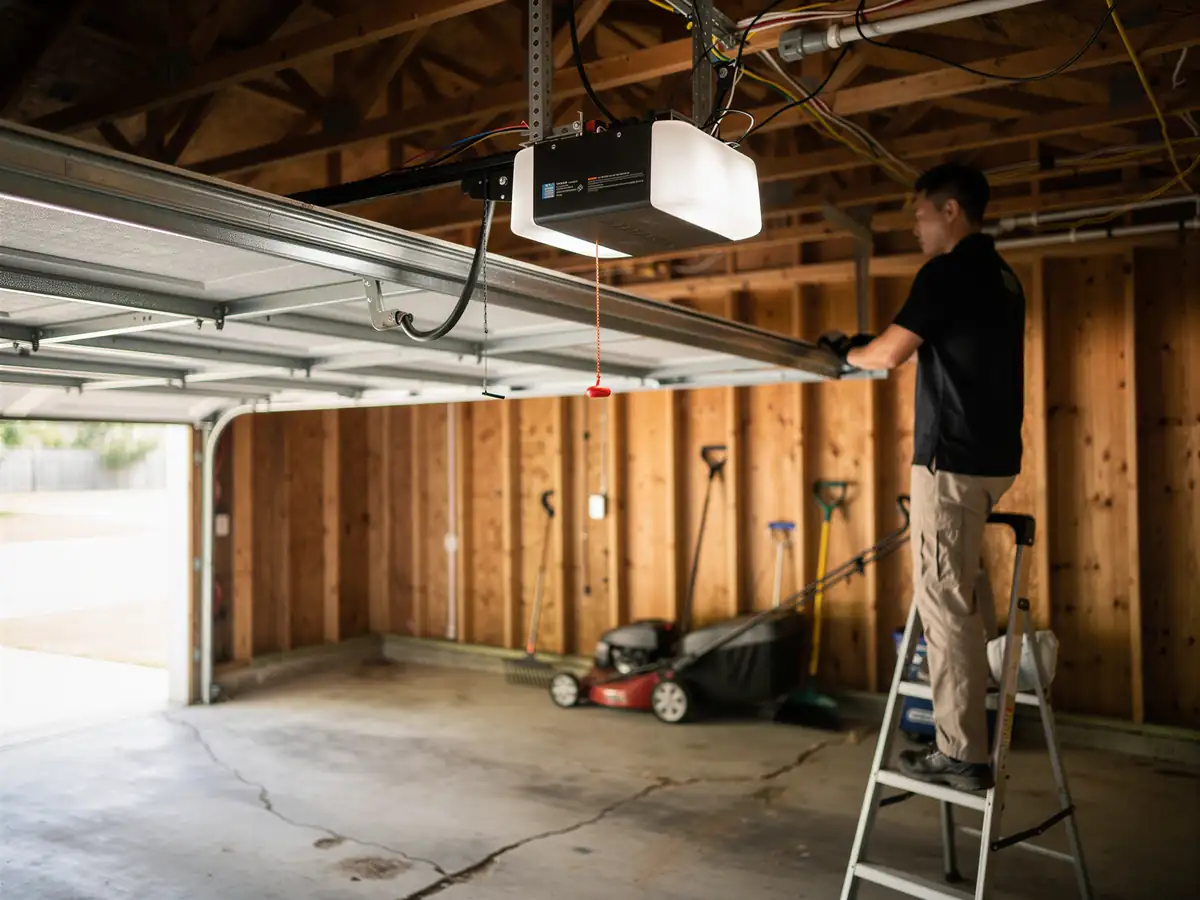
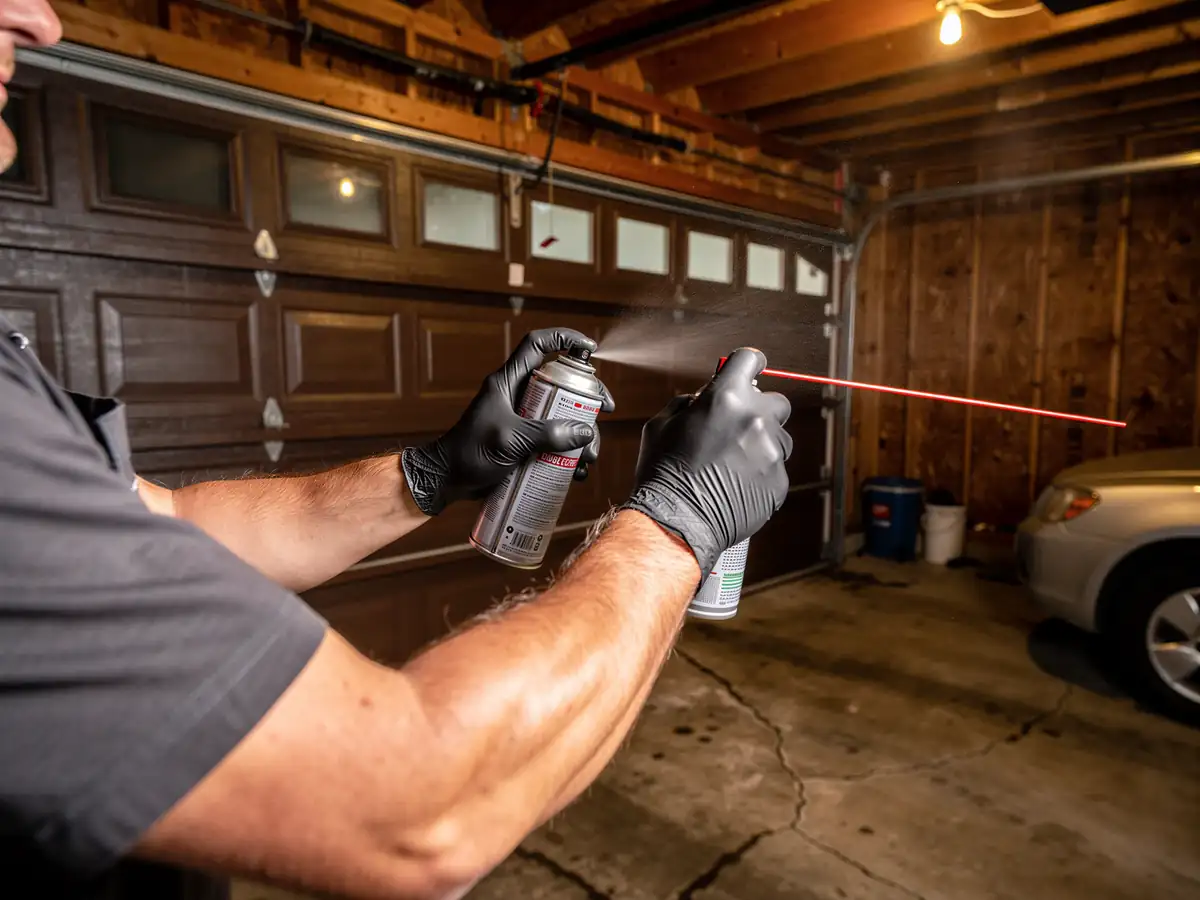
A broken torsion spring under tension can put someone in the hospital, and that risk doesn't change because the door is old or the house is modest. On a South Gate door built around 1952, the spring sizing and drum setup often don't match the torsion kits sold at a hardware store today, so even a careful DIY attempt can end up with the wrong part under load. Lubricating hinges, tightening loose bolts, clearing the track of debris - that's fine to handle yourself and won't hurt anything. Replacing a spring, a cable, or re-tensioning a torsion bar is not a weekend project, especially on hardware this old where the failure point might not be the part that's obviously broken. We'd rather talk you out of opening up a spring system over the phone than drive out after the fact. If in doubt, leave the door down, unplug the opener, and call before you touch anything under tension.