How We Fix It
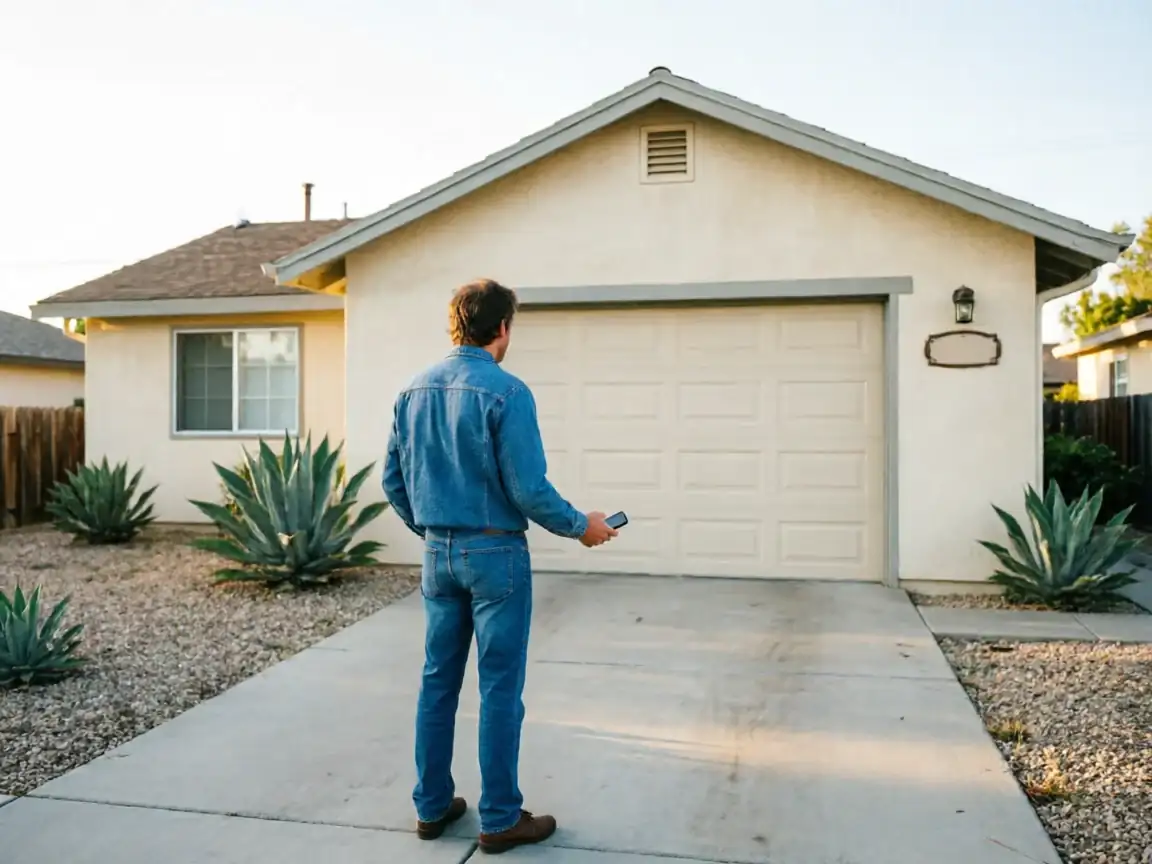
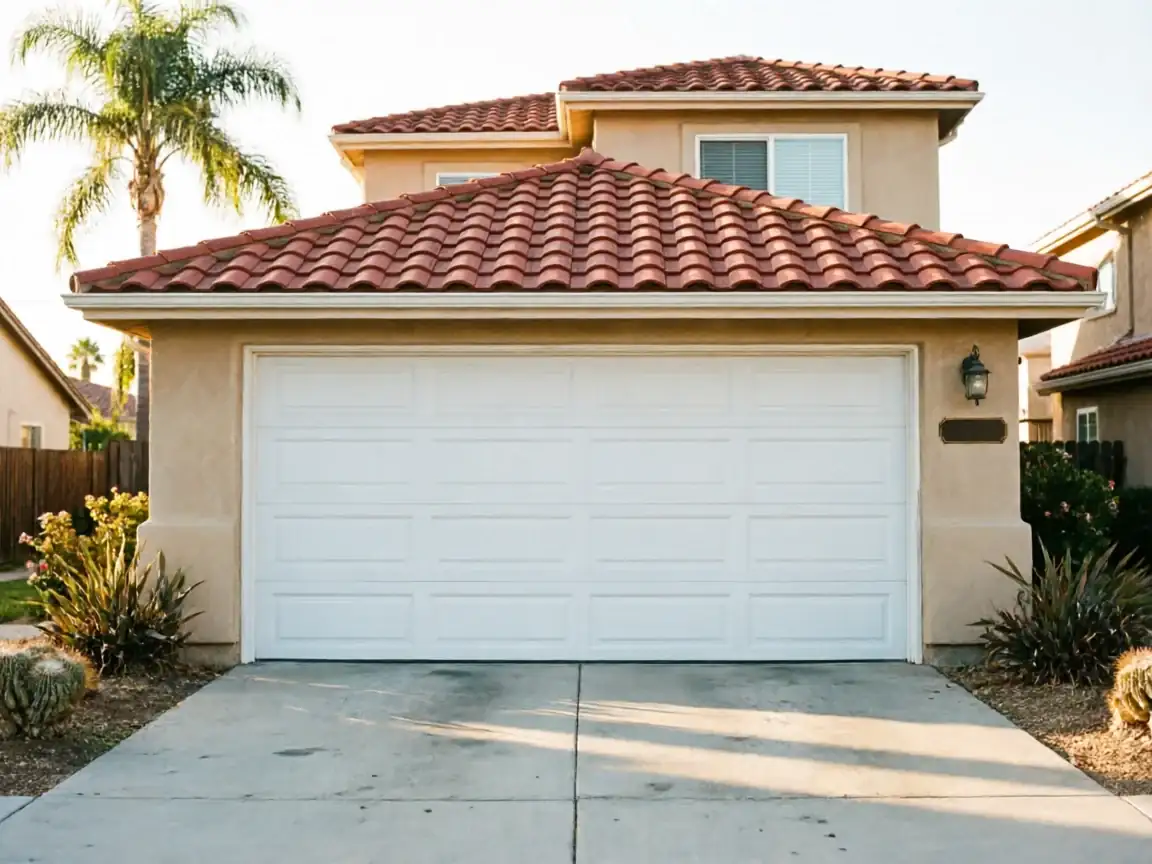
Most of South Gate went up around 1952, which puts it a good ten years ahead of the 1963 median you'll find across the wider service area. That decade matters on a garage door job. Openings from this era tend to run narrower than what builders started framing by the late 1950s, and the header clearance above them is often tighter than a modern 16x7 section wants. Before we quote anything, we measure the rough opening, check the headroom for the track radius, and look at what's actually carrying the jamb - a lot of these houses still have the original wood framing with nothing added for a heavier insulated door.
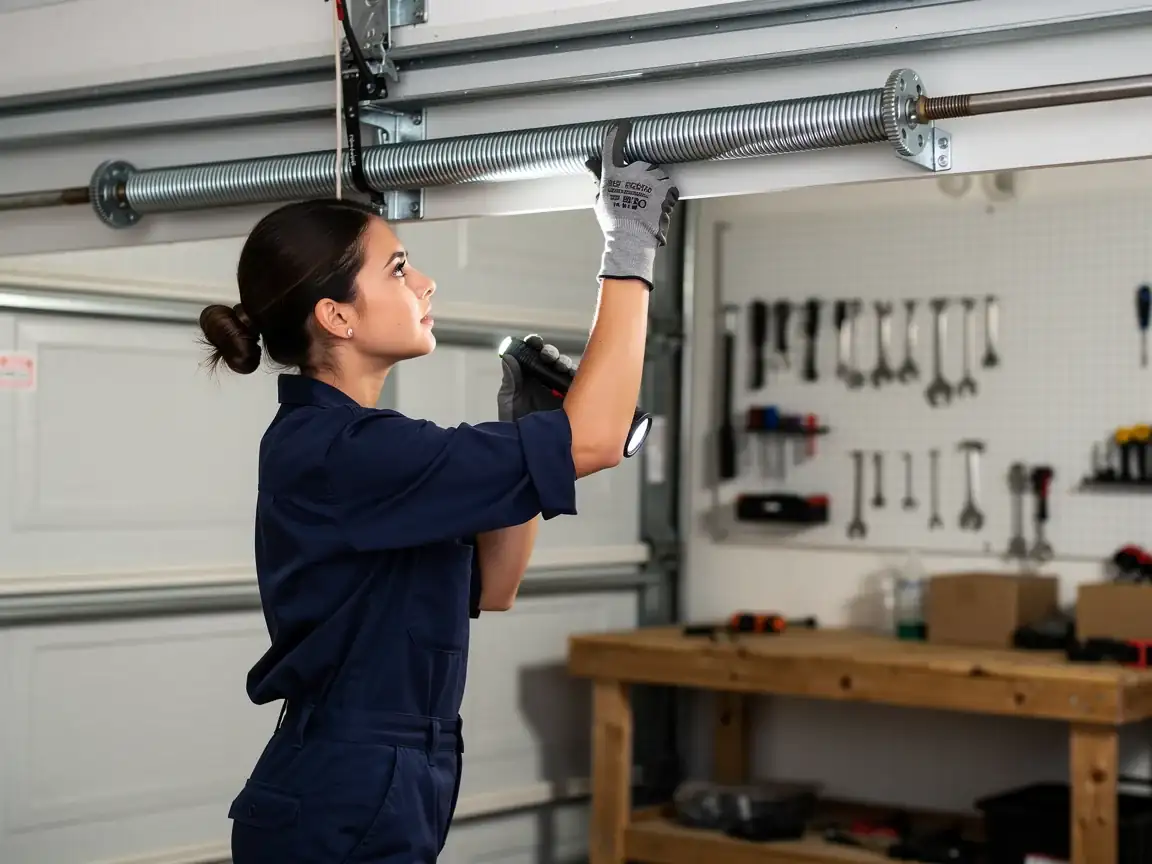
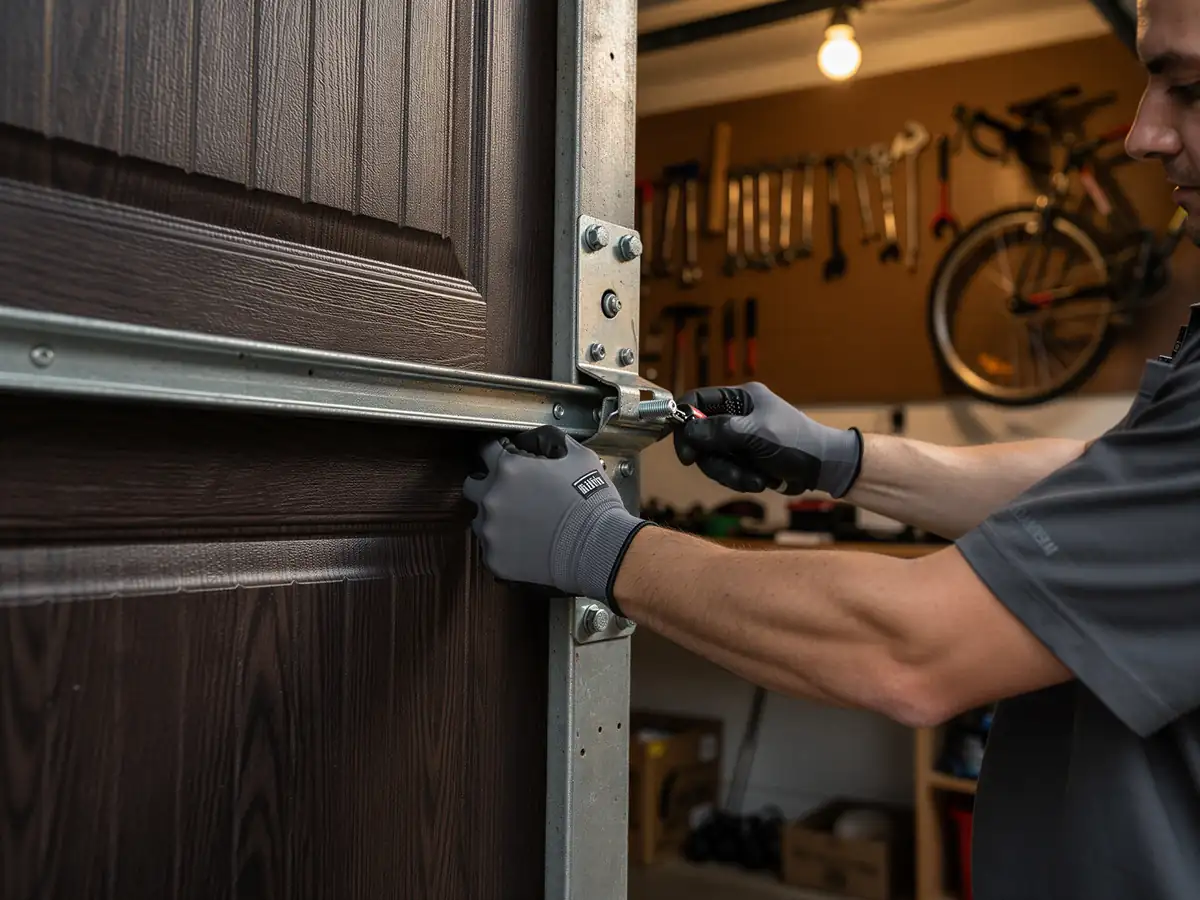
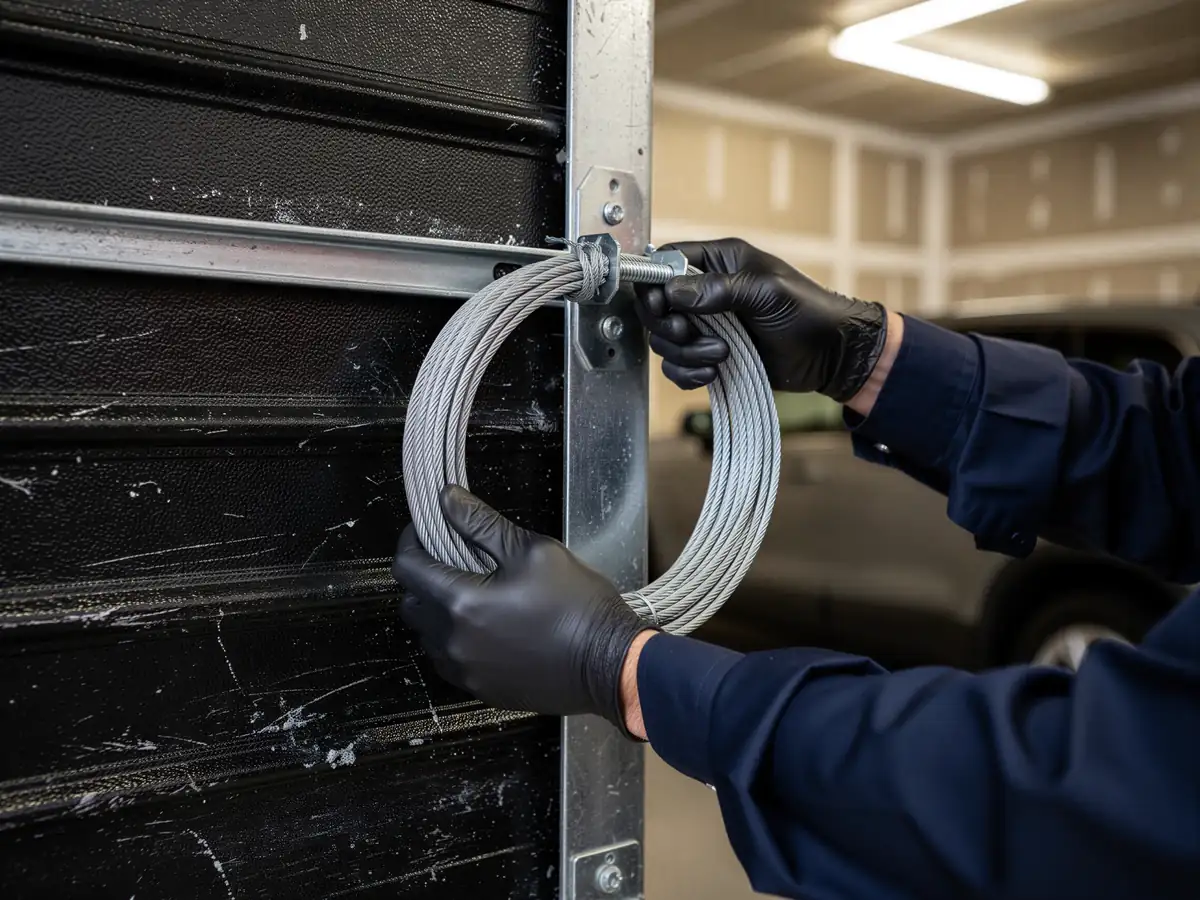
Once we know what the opening allows, we order a door sized to fit it rather than forcing a stock size and shimming around the gaps. On a house this age that usually means rebuilding or reinforcing the jamb bracket points before the new track goes up, because the original hardware was never speced for a two-inch thick steel door. We set the track, square the jambs, hang the sections, and balance the springs to the actual door weight - not a generic chart number. It's slower than a drop-in replacement on a newer house, but it's the difference between a door that seats evenly and one that binds within a year.
The Cost of This Job
South Gate's median household income is $71,315, noticeably under the $97,397 median for the broader area this company covers. That gap shows up in how we scope these jobs - we spend more time talking through which upgrades actually pay off versus which ones just run the bill, because a homeowner here is less likely to want to absorb a quote padded with options nobody asked for.
We don't have a posted price list to hand you here, and we're not going to make one up. What we can tell you is that a 1952-era opening with original jamb framing almost always needs bracket and header work folded into the install, not just the door and track - leave that out of a quote and the number you were given stops meaning anything once we're on site. The honest version of this is that the final price depends on what we find once the old door and frame come off, and we'd rather tell you that than hand you a number that doesn't survive first contact with the opening.
The Symptom
The door that tells us it's time for a new install, not another repair, usually isn't dramatic
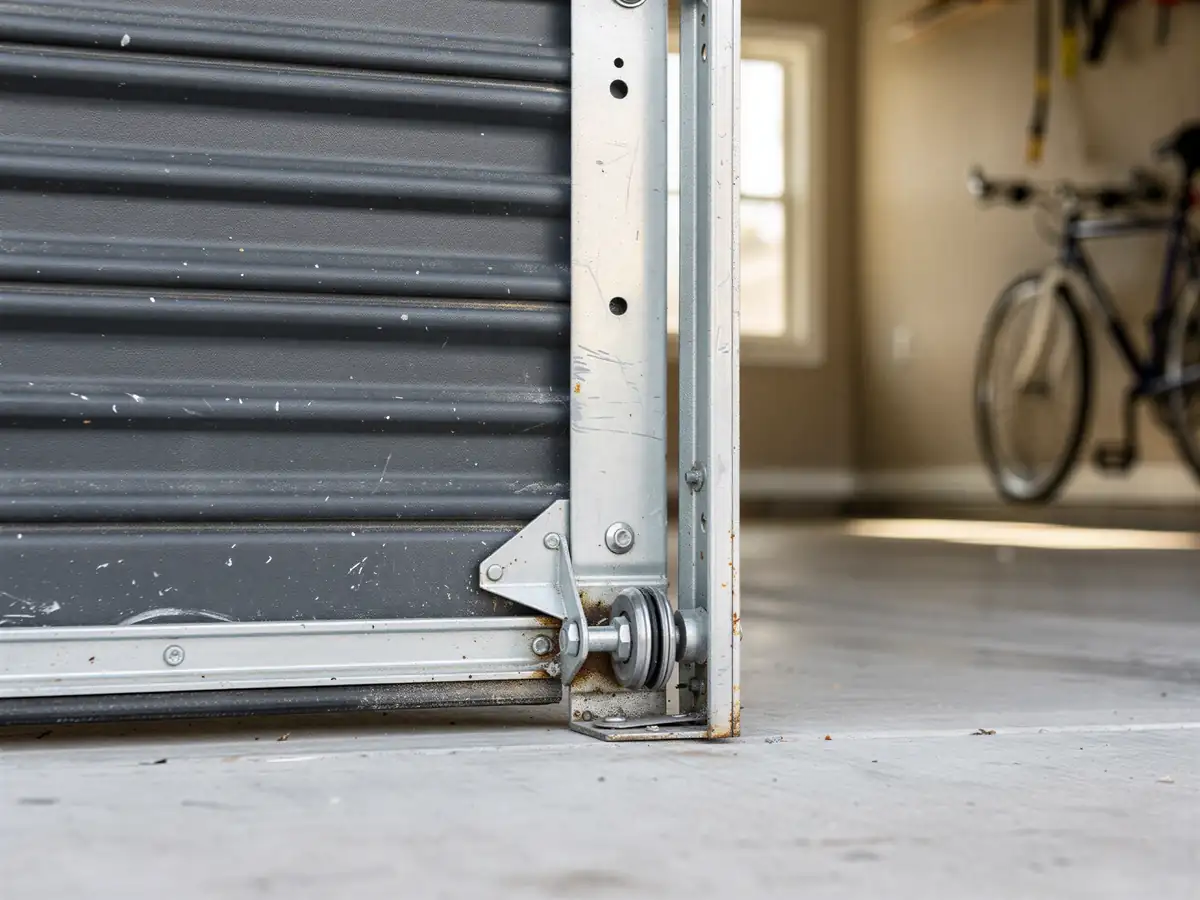
It's a panel that's racked slightly out of square from decades of a spring doing more work than it should, or a track bent just enough that the rollers chatter on the way up. On houses built around 1952, we also see jambs that have shifted a fraction over seventy years - nothing that threatens the house, but enough that a new door hung on the old reference points won't close flush.
Sometimes the tell is simpler
The door is original steel, single layer, no insulation, and it's heavier and colder against the opener than anything made today. That alone isn't a safety issue, but paired with a worn jamb it's usually the point where patching stops making sense. We'll tell you plainly if a repair would hold for another few years - we're not going to push a full install on a door that doesn't need one.
The DIY Question
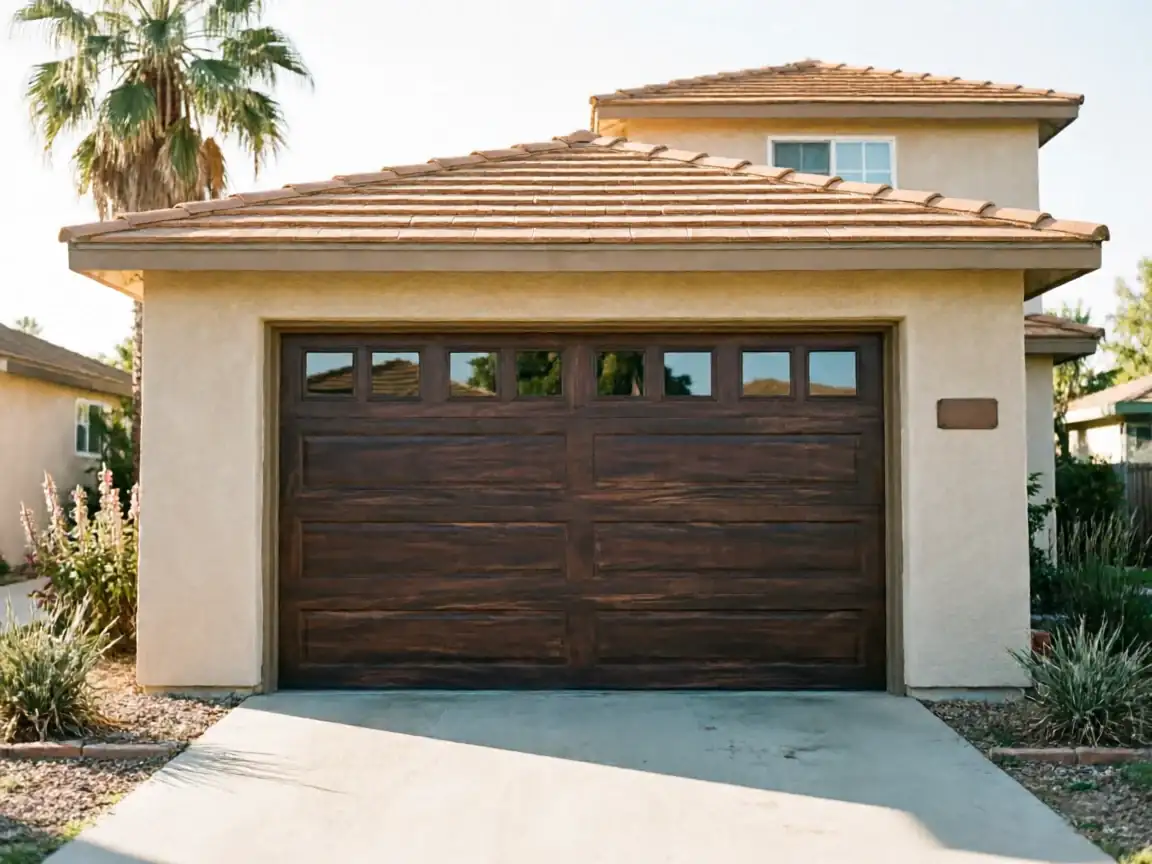
A lot of South Gate's garage doors are original to houses from the early 1950s, and the one thing we'd actively discourage doing yourself is pulling the old door and jamb trim without checking what's behind it first. On a house this age you sometimes find the jamb framing was never properly tied into the header, and that's not something you want to discover mid-install with a new door half up.
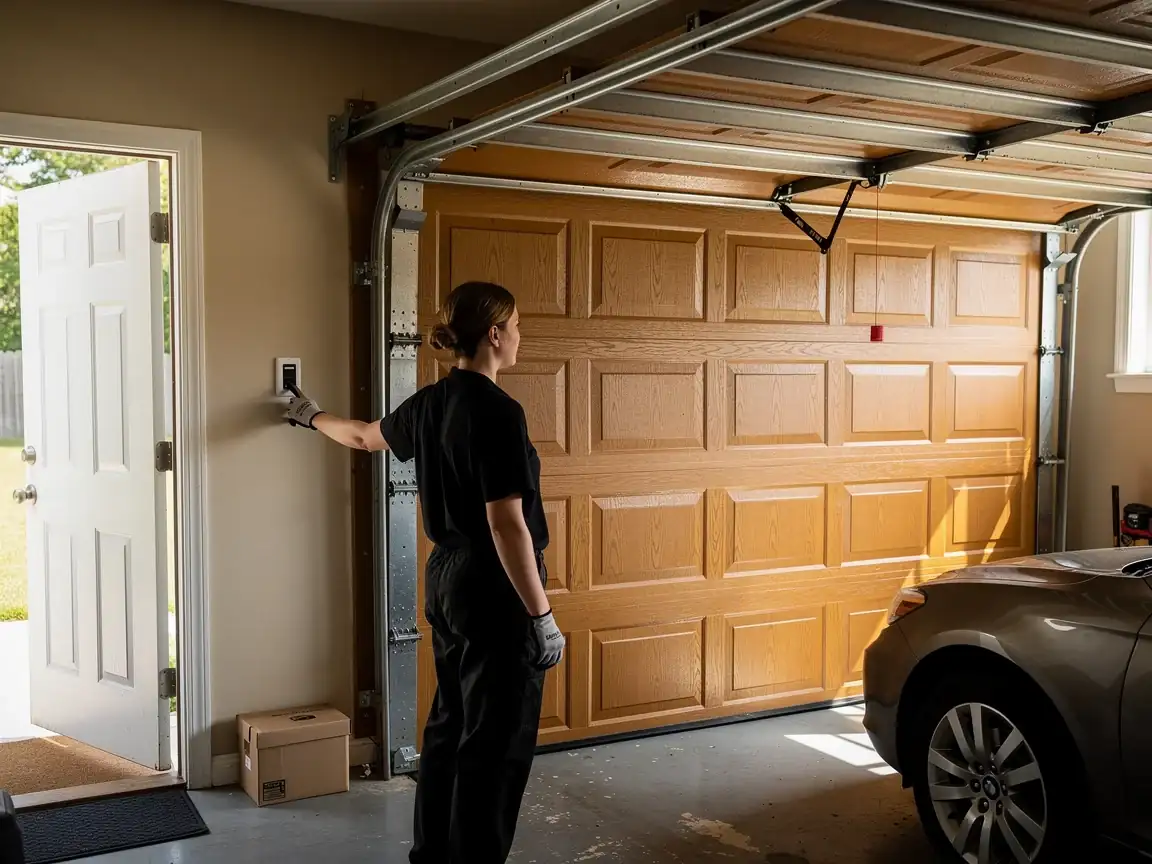
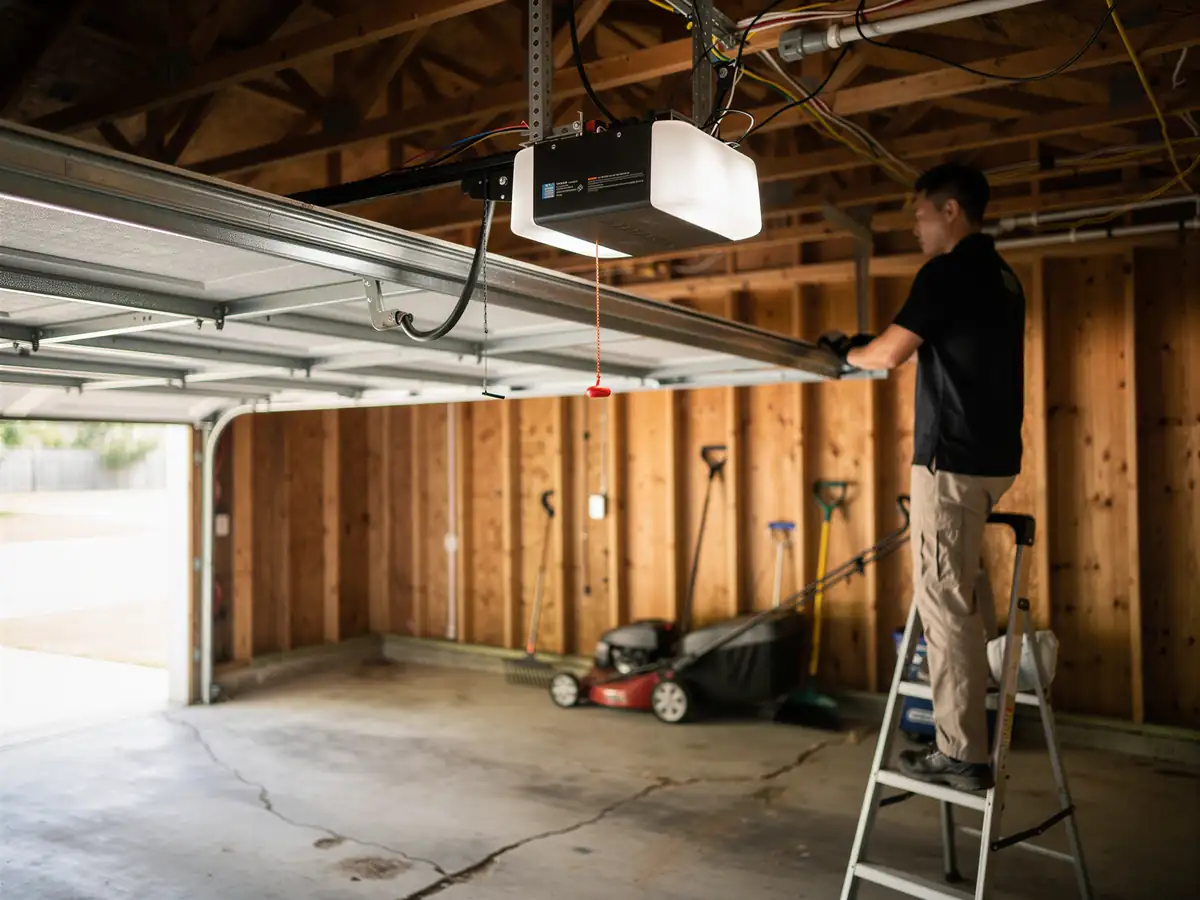
Measuring your own opening, picking a style, even swapping a worn opener - that's reasonable DIY territory and we won't tell you otherwise. Setting new track on an opening where the reference points have shifted, and balancing springs on a heavier insulated door, is where we'd say call someone. We're four miles away in Downey, and that's close enough that there's no real time saved doing the risky part yourself and calling us in after something's bent.