How Long It Takes
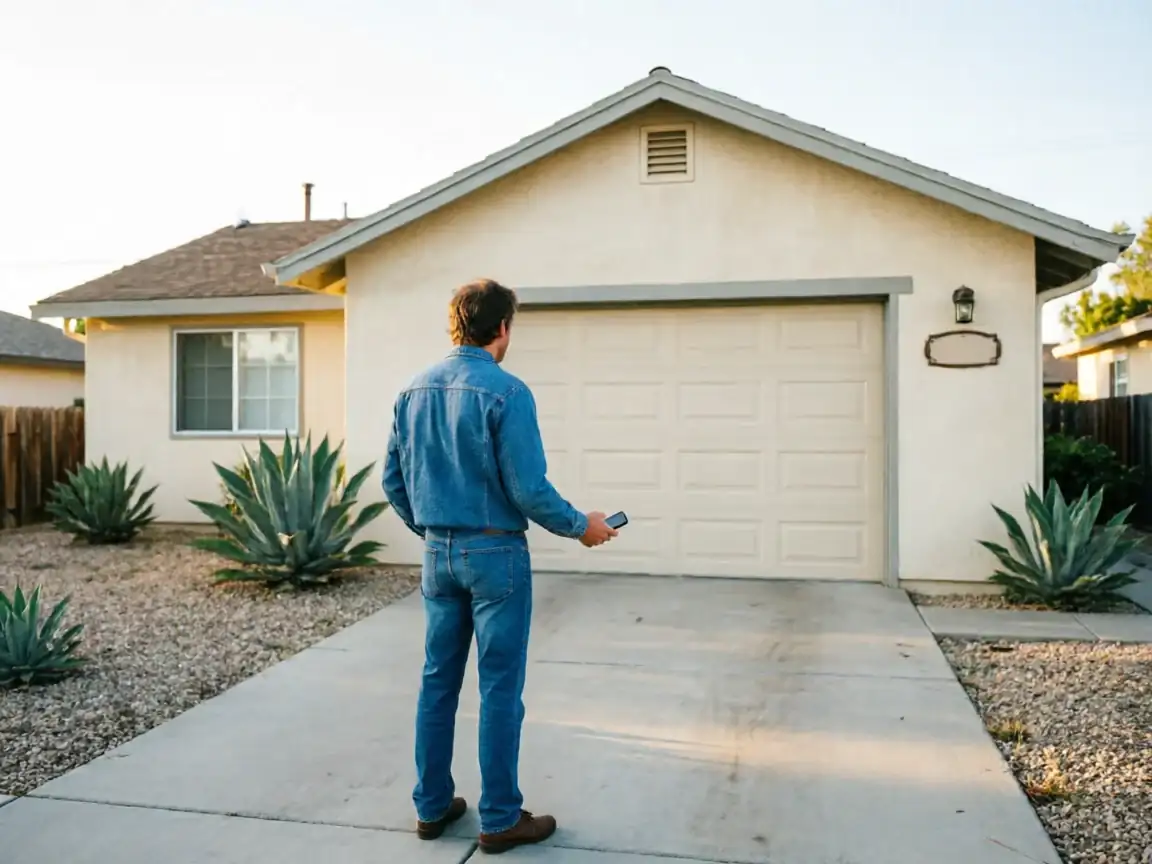
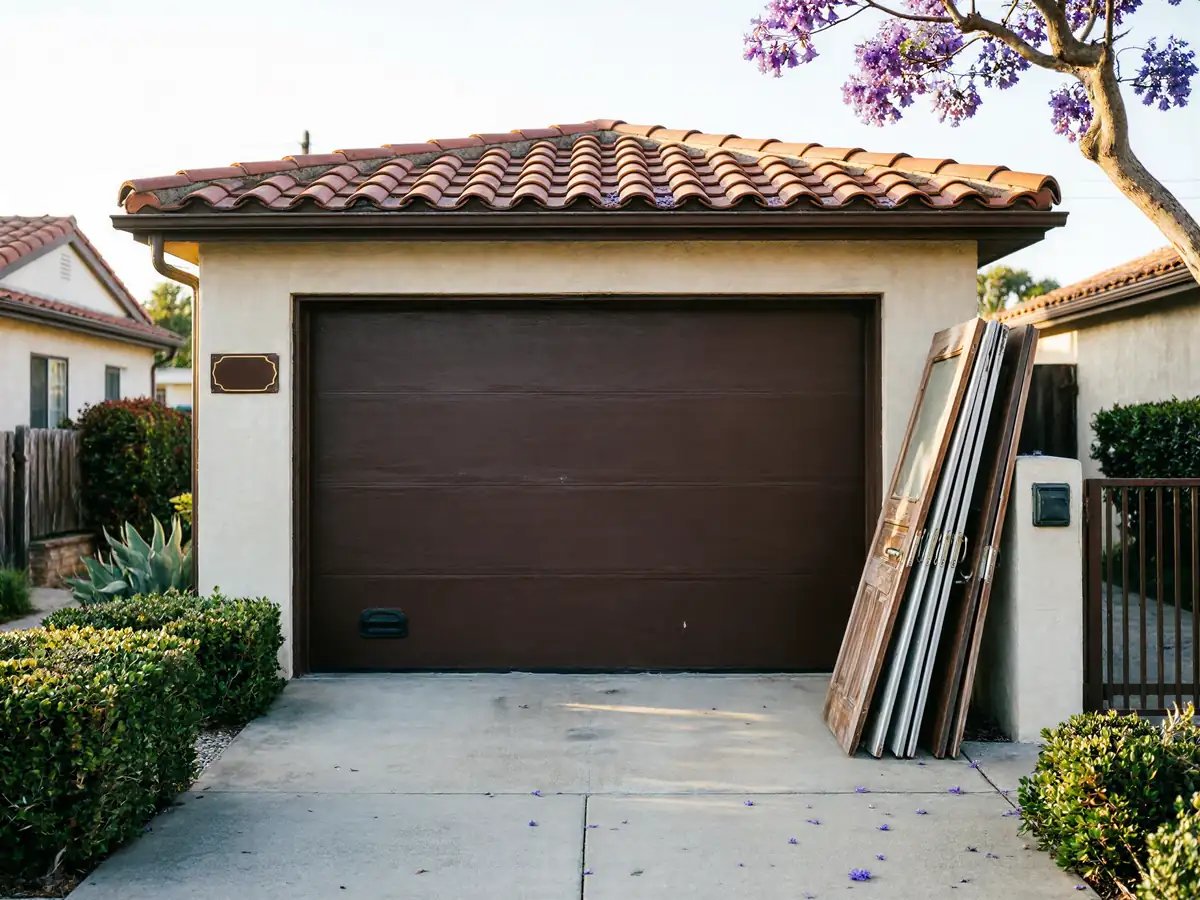
The typical Pico Rivera house went up around 1957, back when a single-car garage with a wood-panel door on steel track was standard. Those doors are narrower than what's built today, and the hardware on them was never meant to be swapped out piece by piece - it was sized to the door, and the door was sized to a house from that era. When a torsion spring lets go on one of these, or a roller binds in a track that's been painted over a few times, the fix itself is usually quick once we're on site. What takes longer is sourcing parts for the older, narrower track width if the original hardware is long discontinued - we carry common sizes on the truck, but a less common one might mean a short wait. We come from Downey, about 4 miles off, so travel time is part of the window we give you, not an add-on.
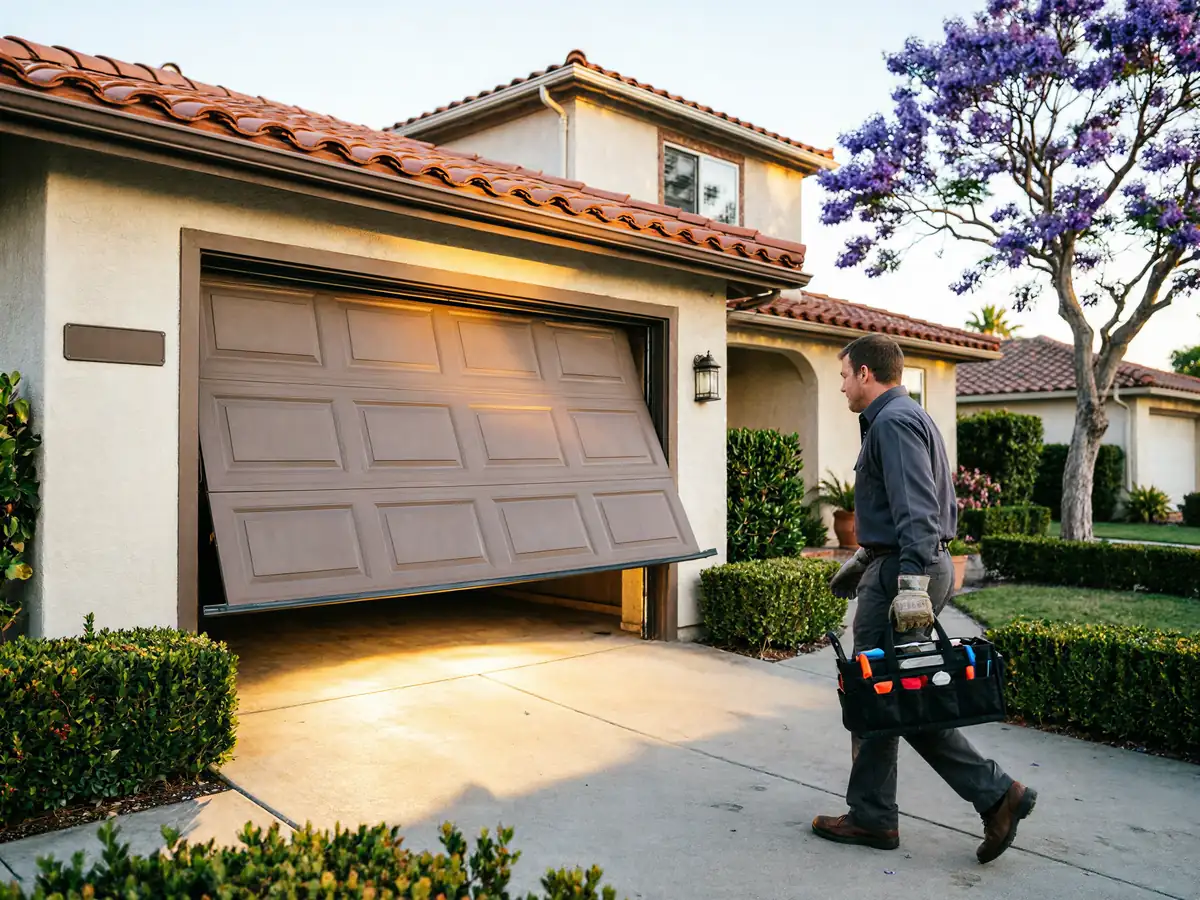
Most calls here fall into the same bucket: a spring that's finally given out after decades of cycles, or a section of track that's racked from age rather than impact. Both are same-visit jobs more often than not.
The Cost of This Job
Pico Rivera's median household income runs about $86,956, noticeably under the roughly $97,397 median across the wider area we cover out of Downey. That gap matters here because it shapes the calls we get: more requests to repair a spring or realign a track on the original door, fewer requests to replace the whole unit outright. We quote the job in front of you before any work starts, and if a door is cheaper to replace than to keep patching - which does happen with hardware this old - we'll say so plainly rather than stack repairs on something past its working life.
We don't post fixed prices here because torsion spring size, track width, and opener compatibility all vary house to house even within the same few blocks of 1950s construction. What we can tell you is that the mild year-round climate this area sits in doesn't add the rust and swelling problems we see in harsher climates, so a door that's been maintained usually has fewer compounding issues than its age alone would suggest.
How We Fix It
On a door built when Pico Rivera's housing stock was going up
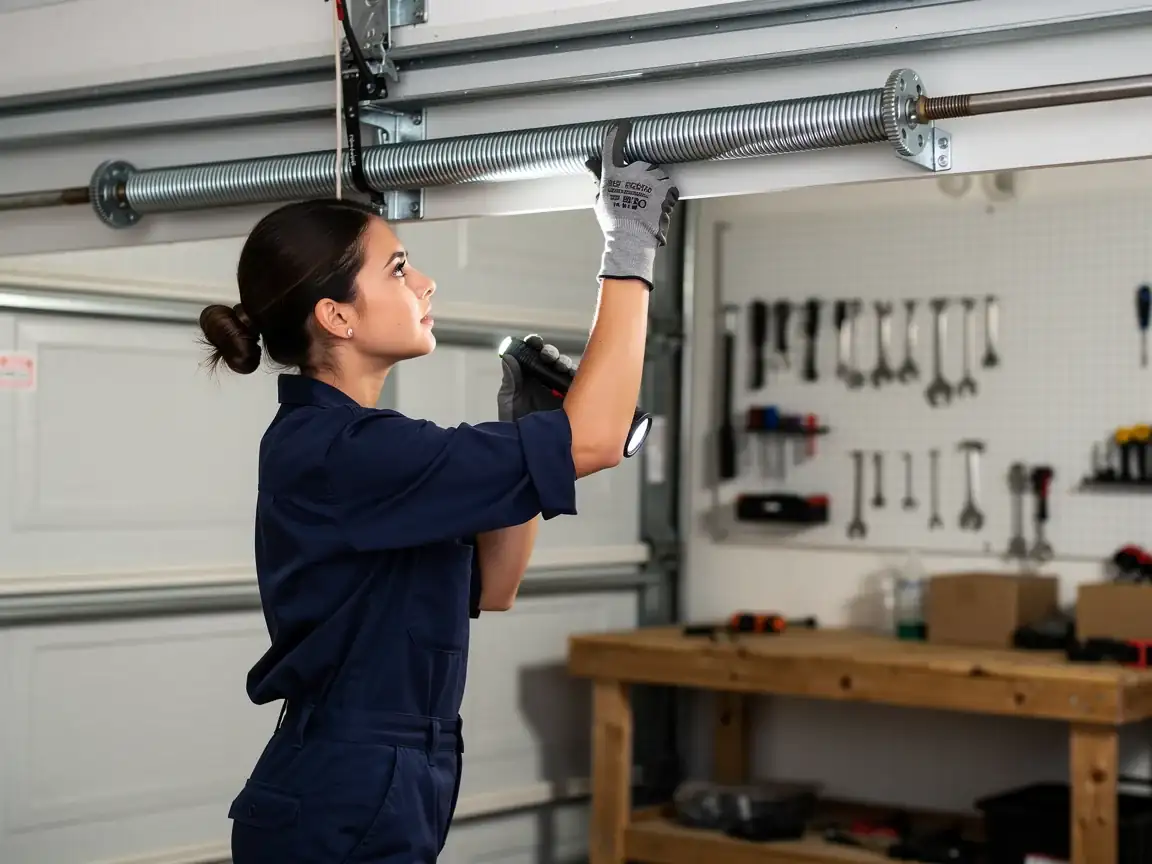
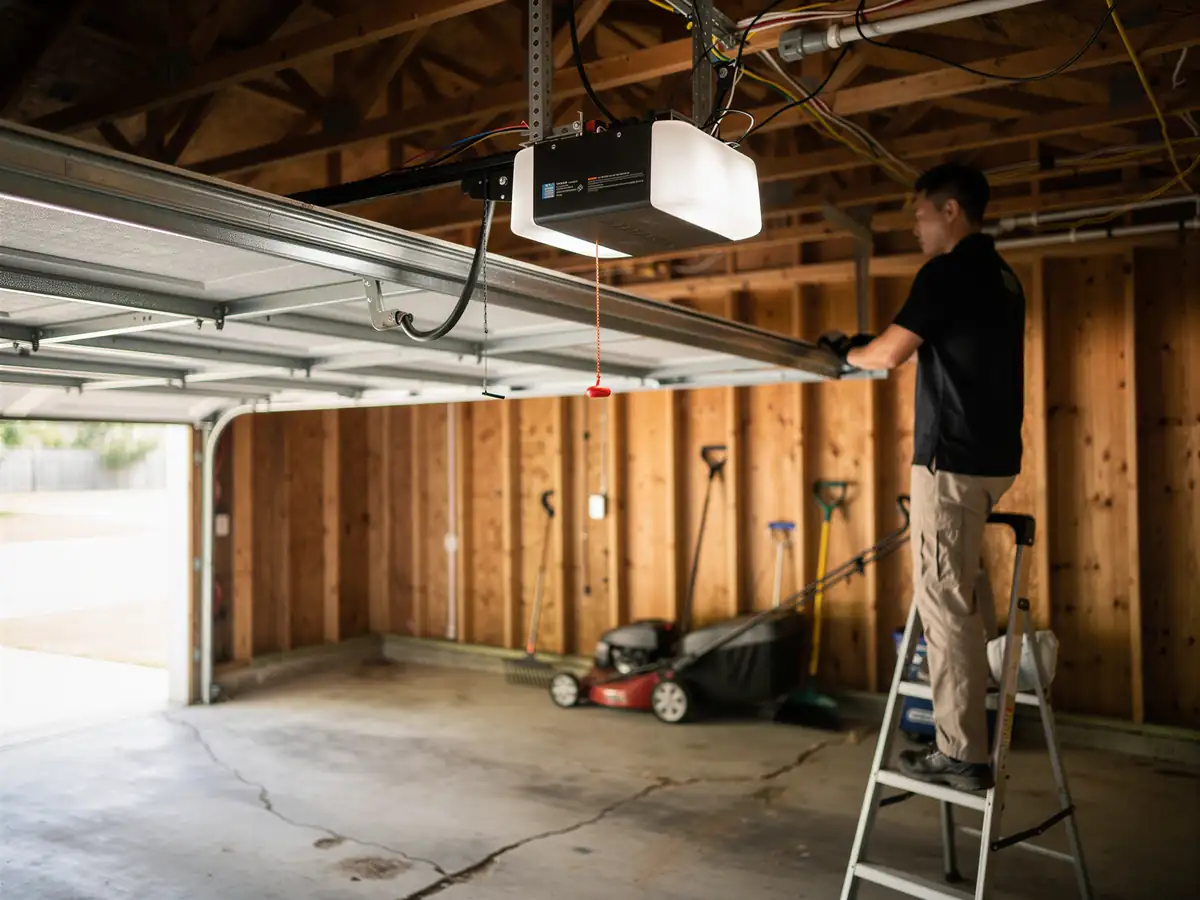
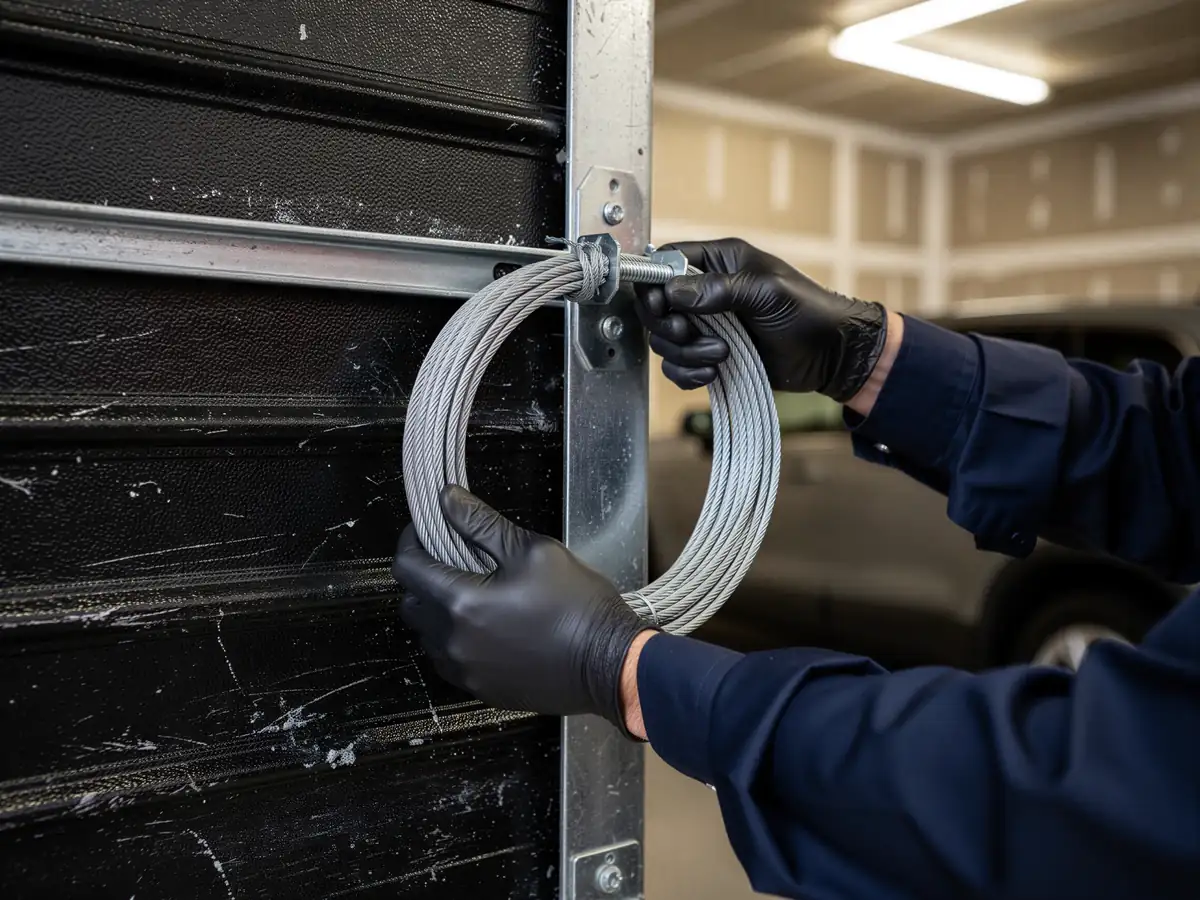
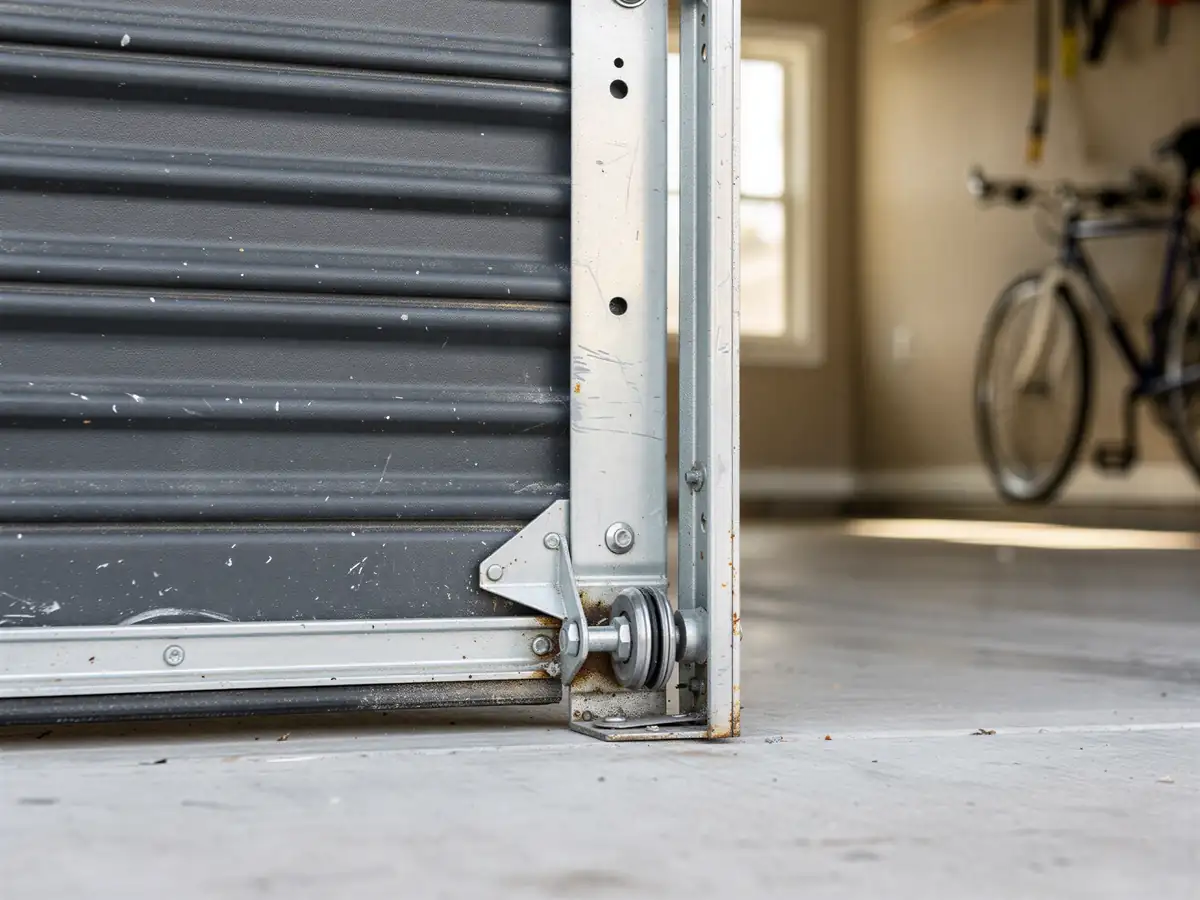
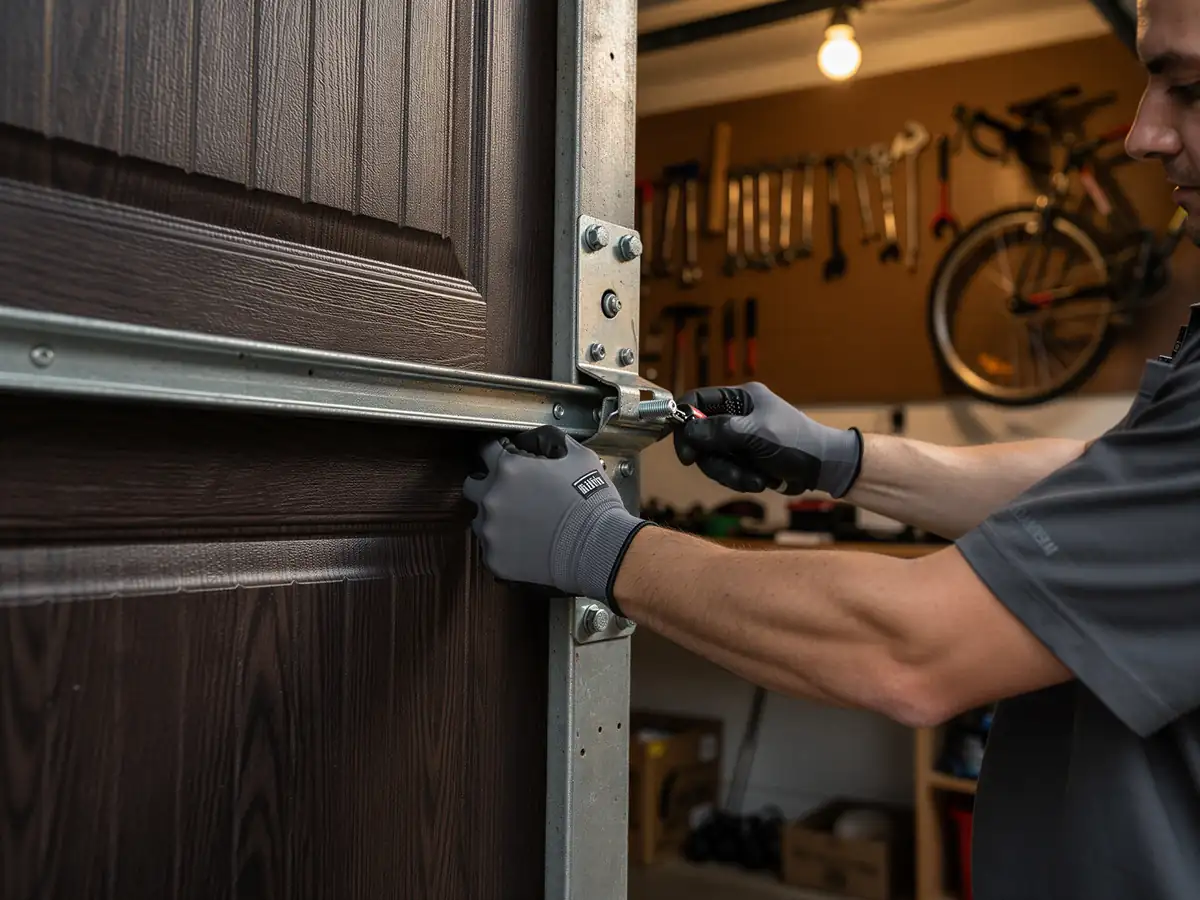
The first thing we check is whether the track width and spring mount match factory original or whether a prior owner swapped in parts for a newer, wider door - mismatched hardware is common after a few decades of ownership turnover. We test spring tension, check roller wear, and look at the cable drums before touching anything, since a cable that's frayed but still under tension is the thing most likely to cause an injury during a DIY attempt.
We're straight about limits
We don't stock every obsolete track profile from this era, and if your door uses hardware nobody's made in years, we'll tell you that up front rather than quote a job we can't finish on the first visit. Most of the time, though, a 1950s single-car door just needs the parts it was built with replaced in kind - spring, rollers, maybe a cable - and it runs another few decades.
Getting It Booked In
We work out of Downey, roughly 4 miles from Pico Rivera, and that's close enough that we schedule it like any other local call rather than treating it as a special trip. Tell us the door's rough age and what it's doing - won't open, opens crooked, makes a bang when it closes - and we'll bring parts sized for the hardware common to houses from the late 1950s, since that's what most of this town is working with.
If you're not sure what's wrong, that's fine - describe the sound or the behavior and we'll narrow it down before we show up with the wrong spring size.